Introduction: The Evolution of Chinese Electrical Engineering
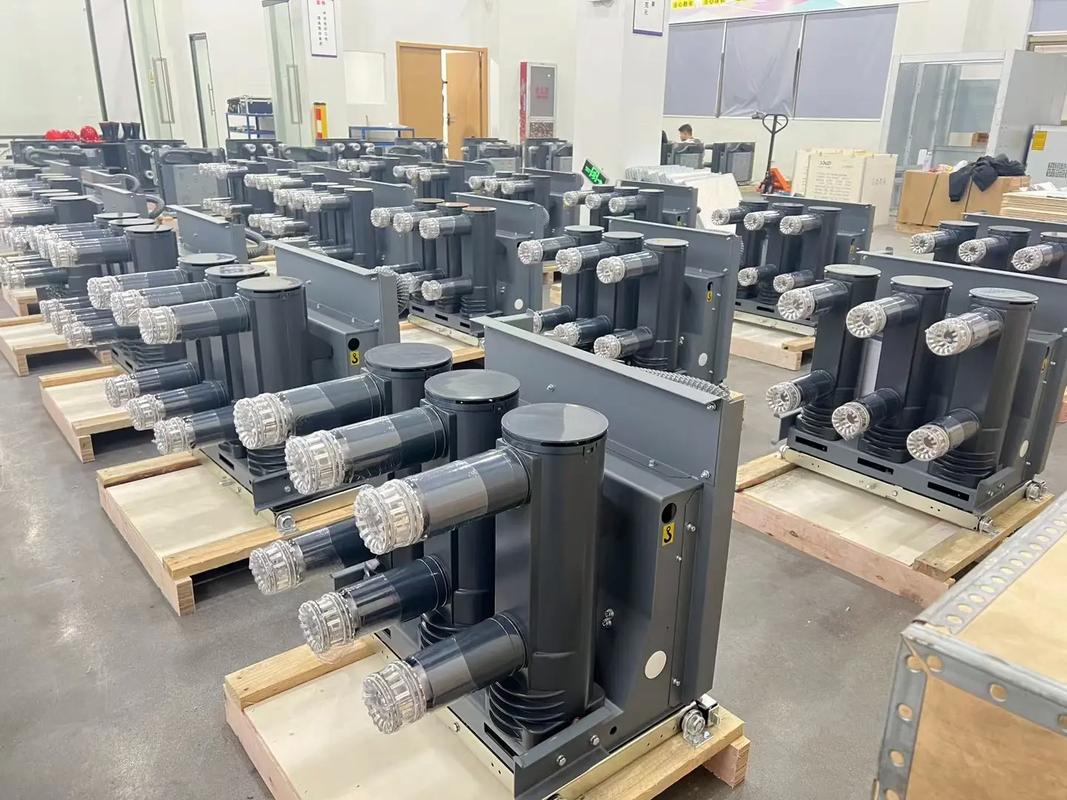
Reflecting on the year 2008, as I stood within the bustling factory floors of Yueqing, the production of Vacuum Circuit Breakers (VCB) in China was traversing a subtle yet critical transitional phase. At that time, peers in Europe and North America often maintained a highly cautious stance when evaluating these "Made in China" high-voltage components, largely rooted in the perceived technical gap of that era. During an audit of a medium-sized switchgear plant, I observed a distinct distance between the idealized technical parameters of their Vacuum Circuit Breakers proclaimed in marketing brochures and the actual consistency of workmanship observed on the production lines—a gap that necessitated rigorous technical catching-up.
Fast forward to 2026, and the landscape has been entirely reshaped. After nearly two decades of technological iteration, China is no longer merely a high-volume manufacturing hub; it has become a pioneer in green energy technologies (such as SF6-free insulation) and digitally-driven precision engineering. For global procurement officers and electrical engineers, selecting a partner in this space has evolved from being purely "price-oriented" to a deep technical dialogue centred on technical transparency, metallurgical consistency, and life-cycle reliability. This guide is not just a compilation of data; it is a distillation of my twenty years of field experience—from the boardrooms of state-owned giants to the R&D labs of agile engineering firms like Weisho Electric.
Part 1: The Physics of Reliability—Deep Decoupling of Mechanical Integrity
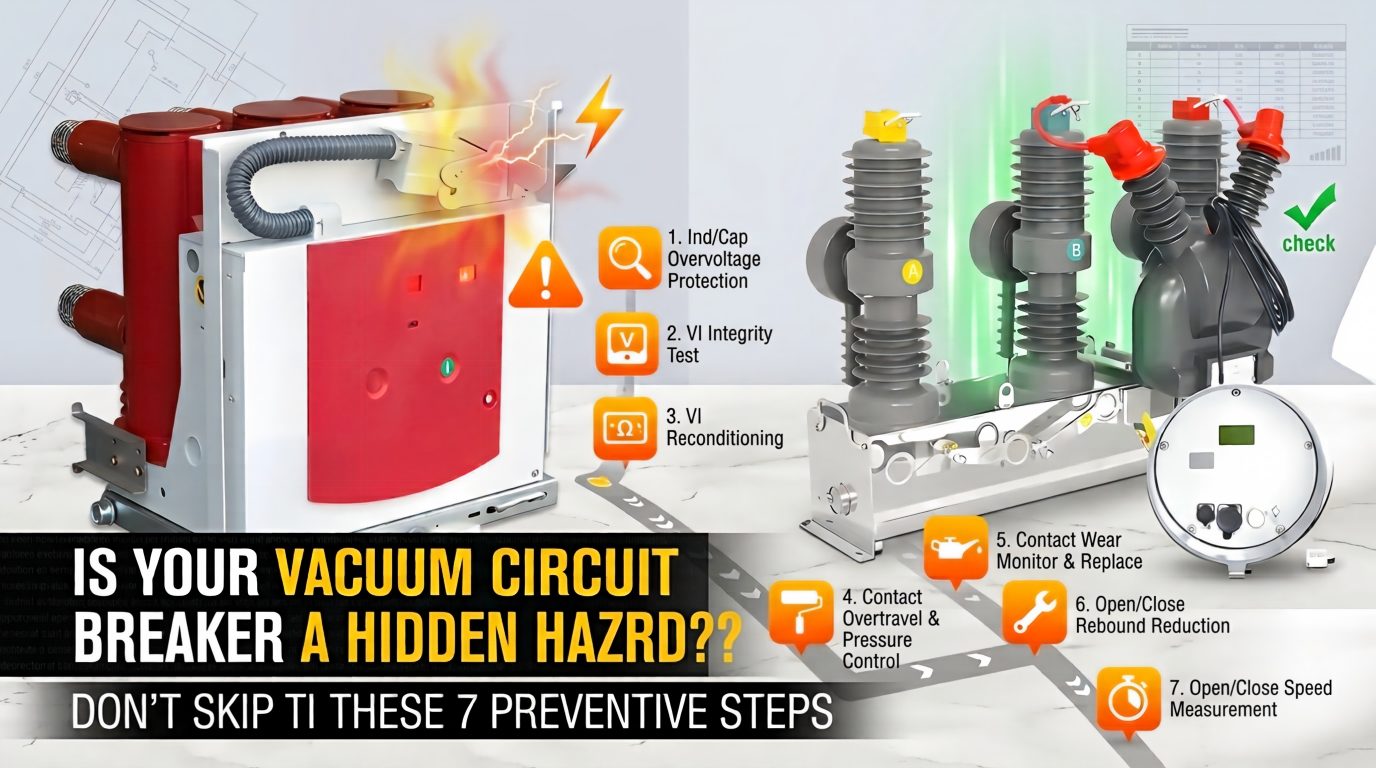
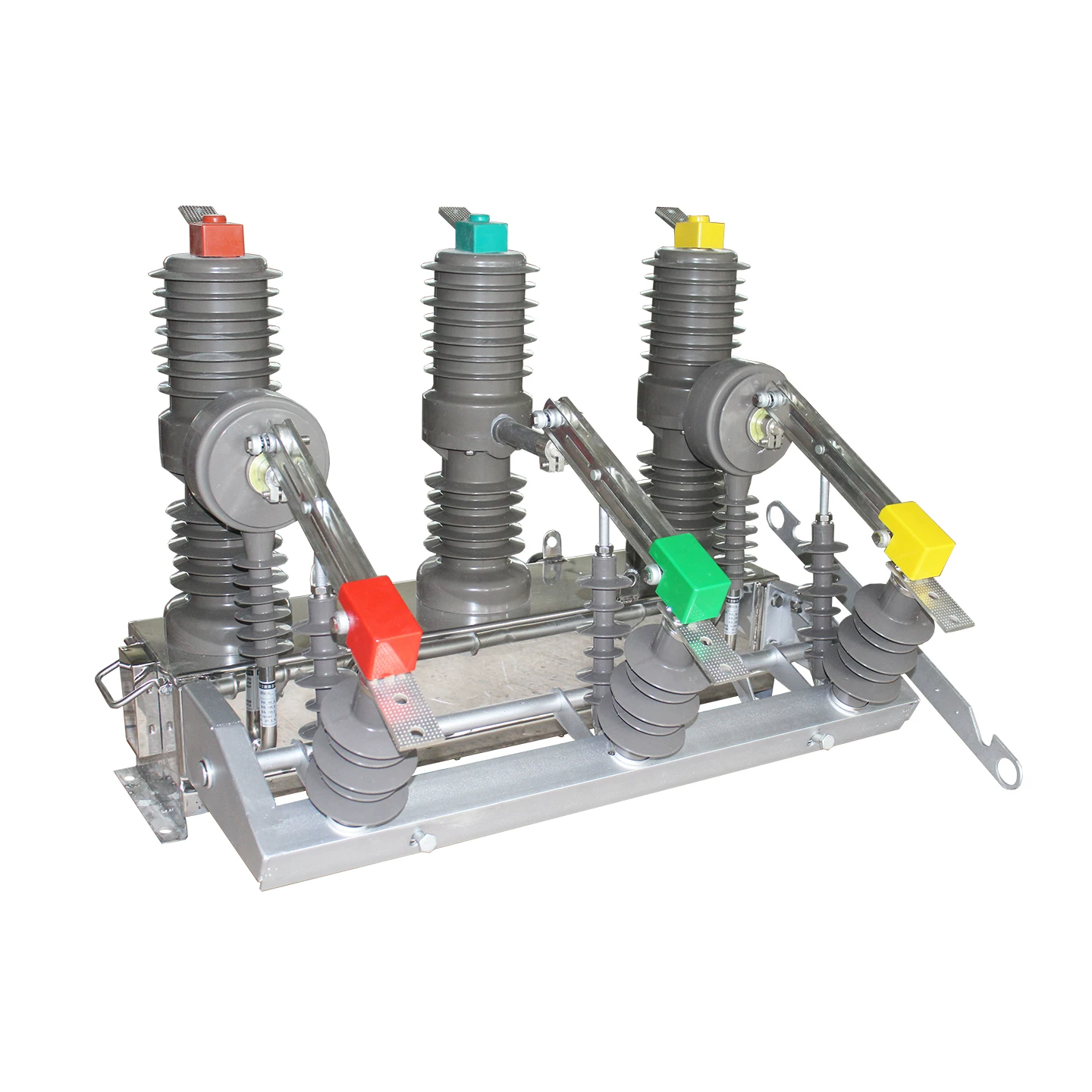
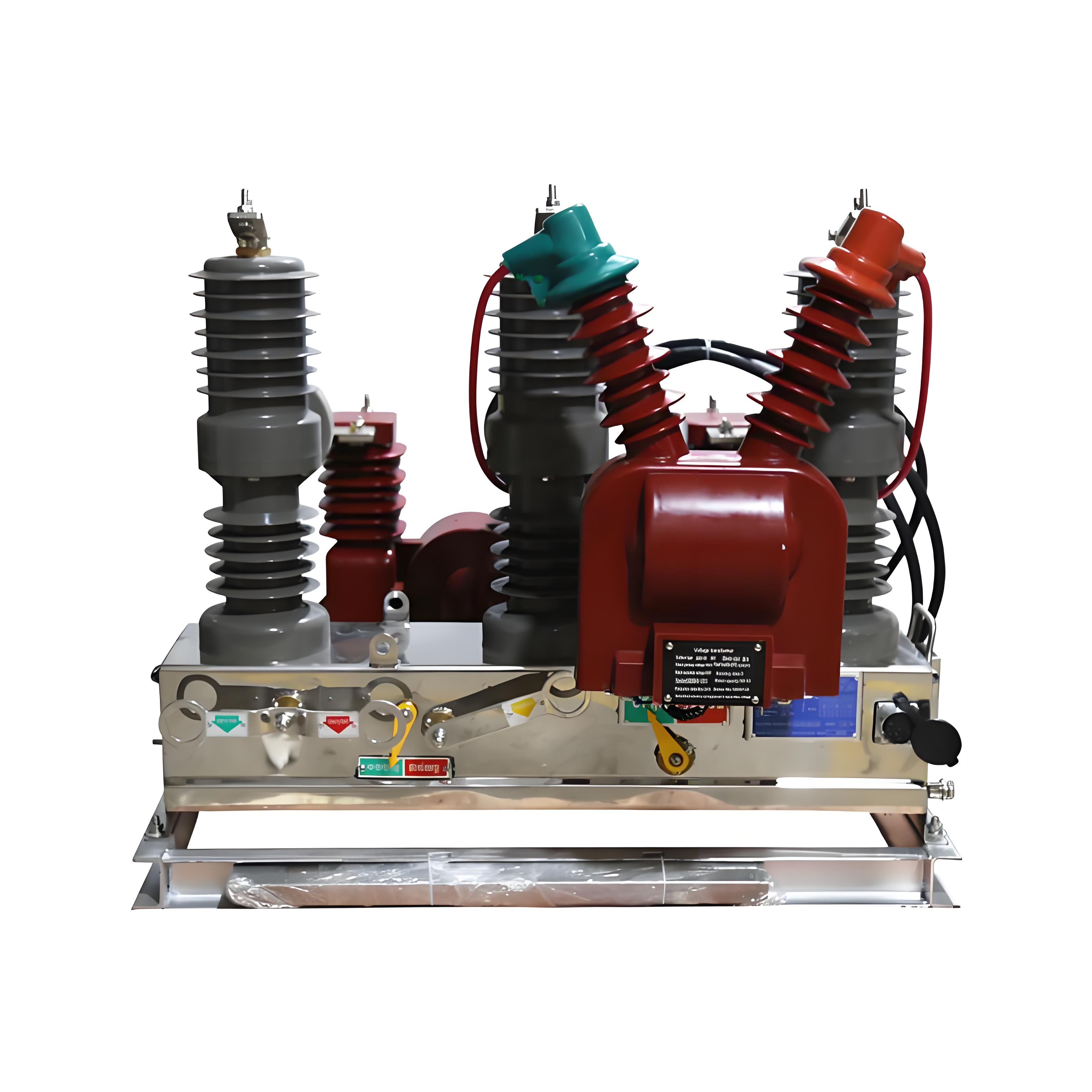
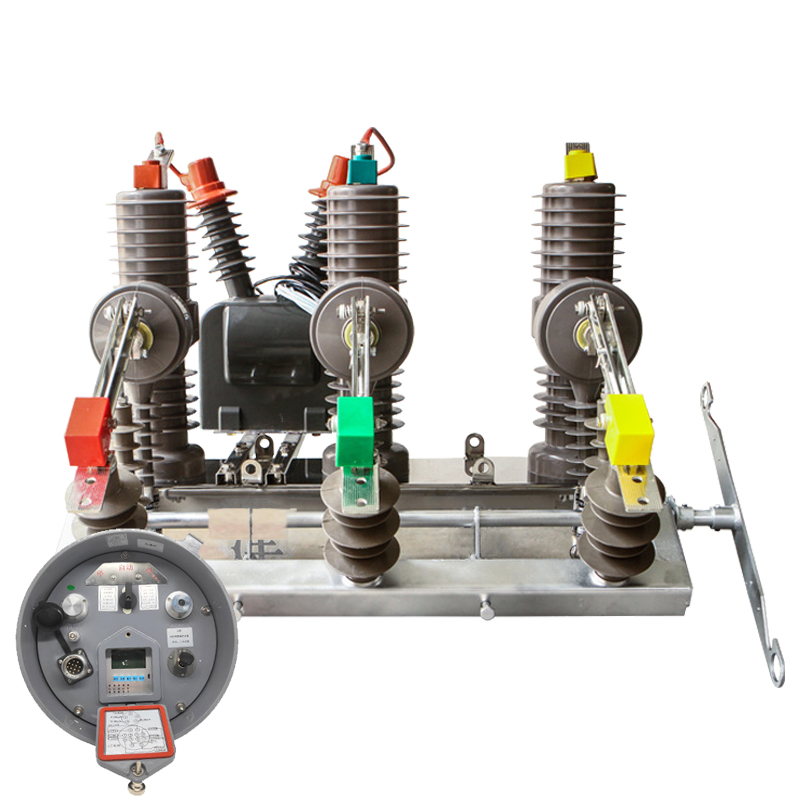
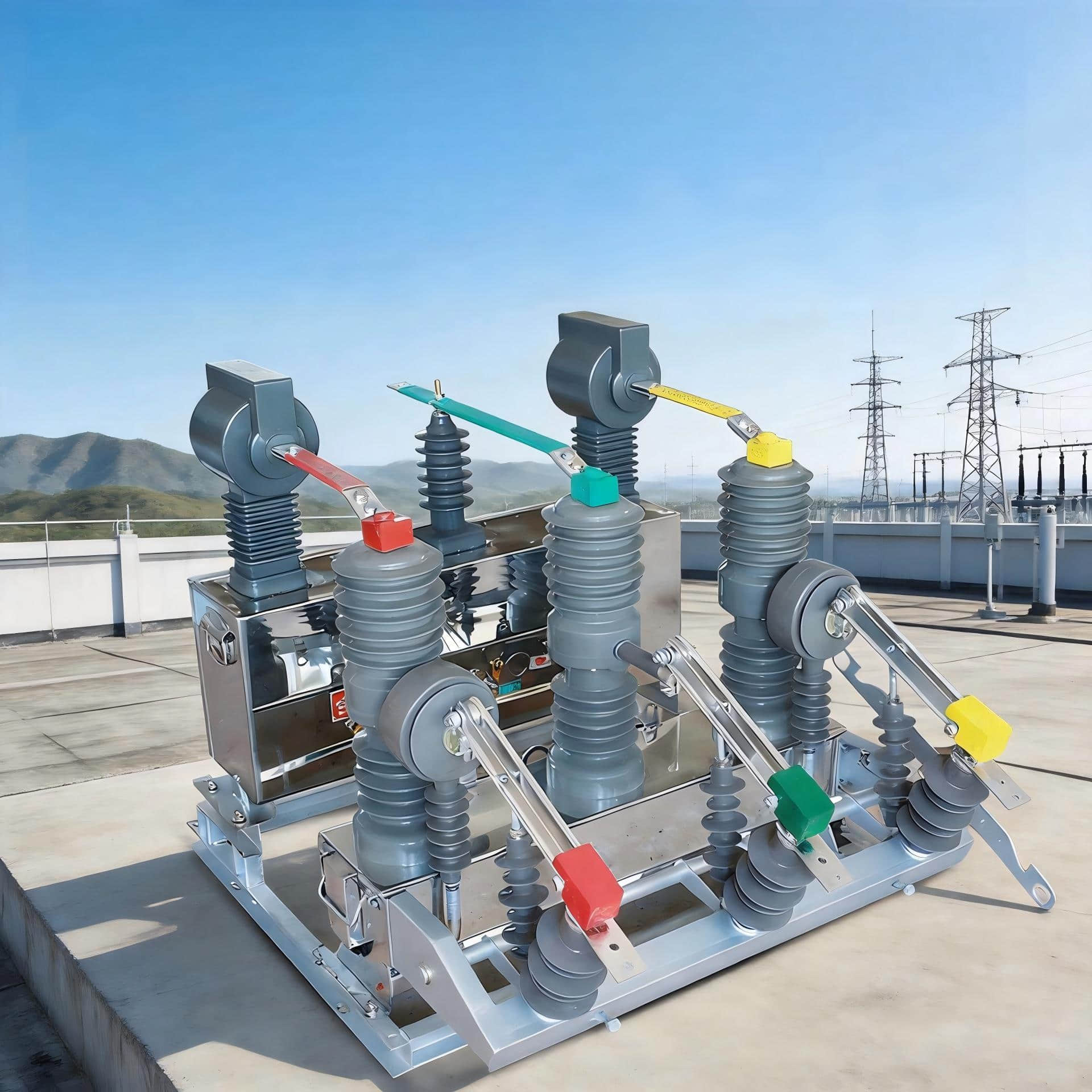
A Vacuum Circuit Breaker (VCB) is perhaps the most critical safety device in a power distribution network. It spends 99.9% of its life in a dormant state, yet it must react within a 30ms to 50ms window to interrupt short-circuit currents that could otherwise melt a transformer. When importing electrical switchgear, the primary focus must remain on the Mechanical Operating Mechanism and the integrity of the Vacuum Interrupter (VI).
1.1 The Mechanical Drive: Metallurgy and Tolerances
The reliability of a VCB is not determined by its external aesthetics, but by the physical tolerances and fatigue life of its internal drive system.
Hardened Alloy Steel vs. Carbon Steel: Standard carbon steel components often exhibit significant micro-wear after only 1,000 operations, leading to closing time deviations. For 2026 standards, the core latch and cam surfaces must utilize Hardened Alloy Steel. This ensures that the timing remains precise over the entire lifespan.
Mechanical Endurance (M2 Class): While the M1 class is the baseline, modern grid requirements—especially with the rise of renewable energy switching—demand M2 Class (30,000+ no-fault operations). At Weisho Electric, we prioritize hardened latching surfaces to ensure consistency, focusing on the "Total Cost of Ownership" (TCO).
Silver Plating and Oxidation: Auxiliary switches and contacts should be silver-plated with a minimum thickness of 15-20 microns (um). We insist on XRF (X-ray Fluorescence) testing for every batch to prevent failures in high-humidity or coastal environments.
1.2 The Vacuum Interrupter (VI): The "Heart" of the Breaker
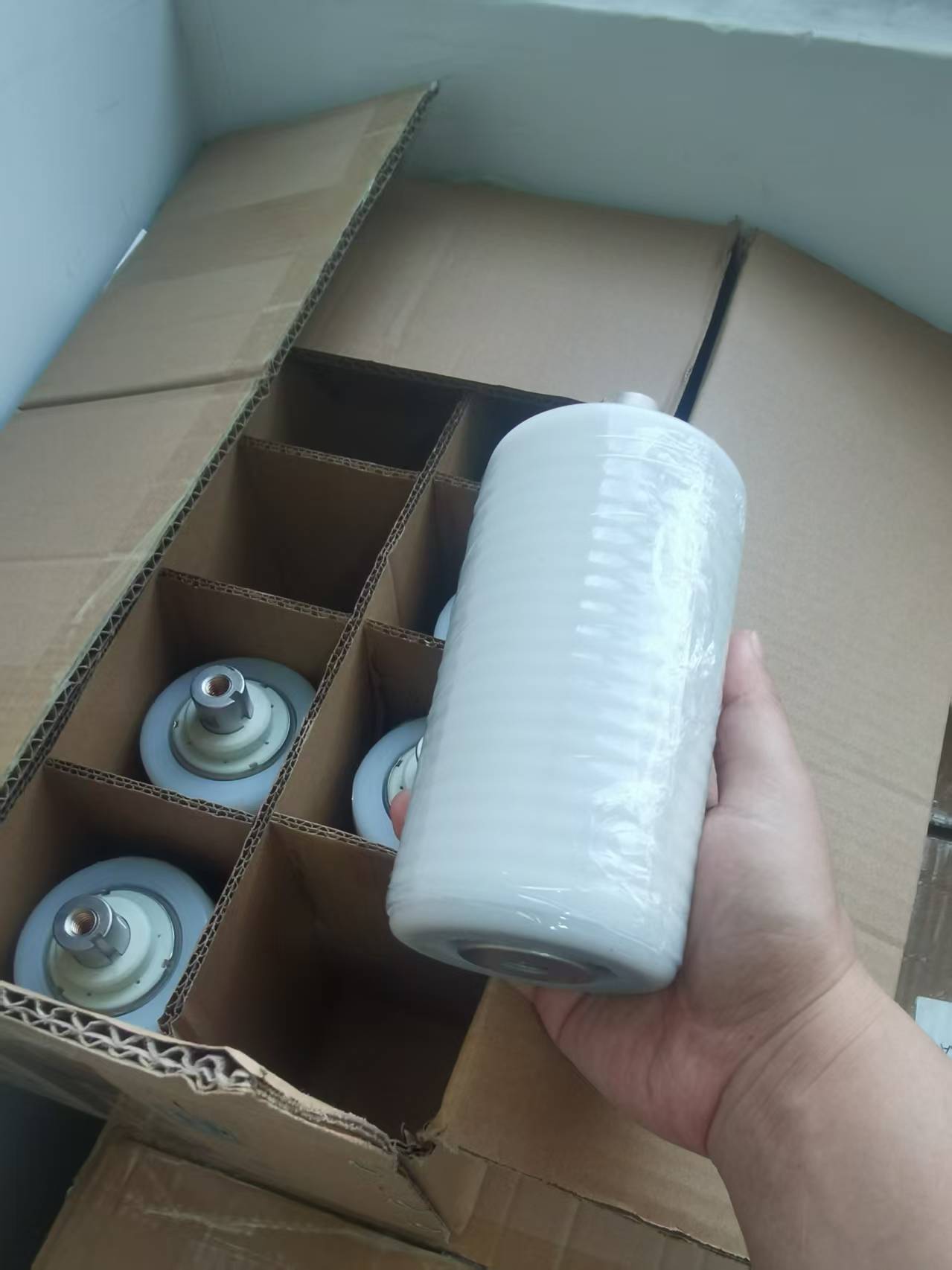
The vacuum interrupter is a "black box" where arc quenching happens. The physics depends on the contact material—typically a Chromium-Copper (CrCu) alloy.
Helium Leak Detection: The dielectric strength in a VCB depends on a vacuum of about 1e-4 to 1e-8 bar. We require all VIs to undergo Helium Mass Spectrometer Leak Detection, ensuring a leak rate below 1e-12 mbar.L/s. If a manufacturer cannot show their leak-test station, the risk of internal arcing increases exponentially.
Part 2: Strategic Supplier Categorization in 2026
To effectively navigate the market, Chinese manufacturers can be categorized into three distinct tiers:
Tier 1: State-Owned Enterprises (SOEs): Focused on massive national infrastructure (e.g., XD Group). Best for national-scale transmission.
Tier 2: Private Industrial Groups: Focused on high-volume production for standard commercial buildings.
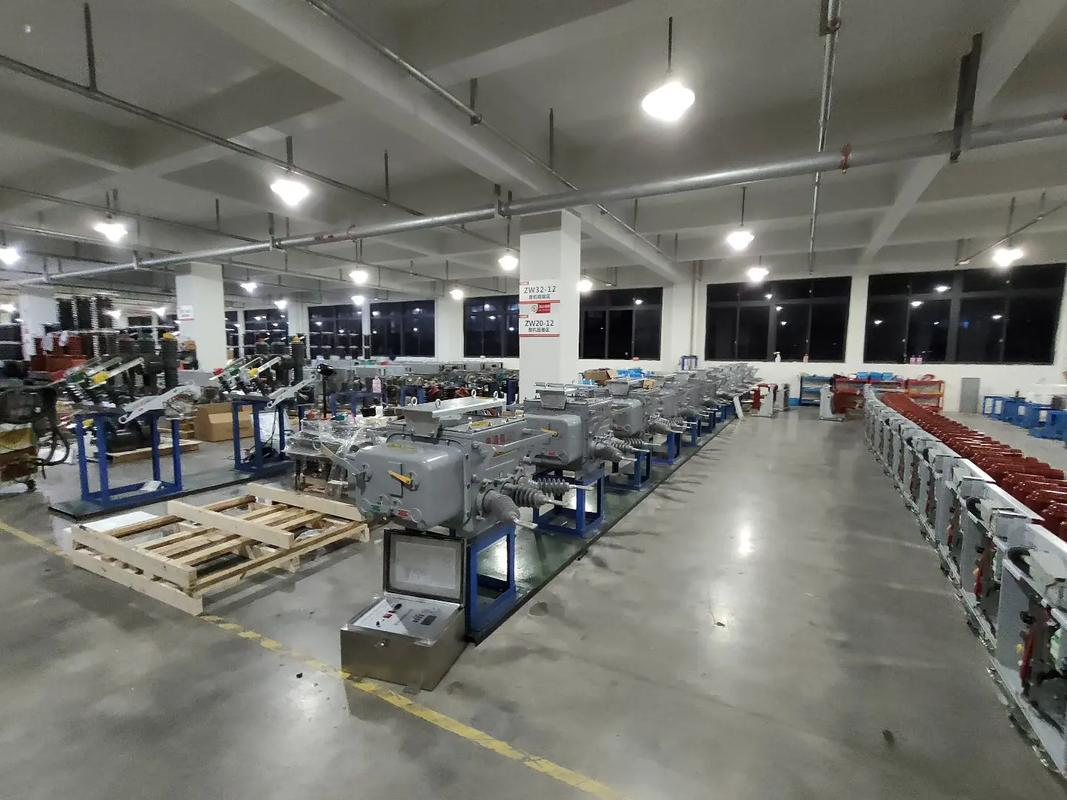
Tier 3: Engineering Brands (e.g., Weisho Electric): Specialized in custom boutique engineering and modular designs. These are trending because they bridge the gap between "standardized production" and "high-end agility," offering full traceability and support for international standards like IEEE C37.04.
Part 3: Technical Due Diligence—The 2026 Checklist
3.1 Capacitive Switching (C2 Class)
With the rise of wind and solar farms, VCBs are increasingly used for capacitor bank switching. A C2 Class rating (very low restrike rate) is non-negotiable. Always request the specific oscillogram data from the test report.
3.2 Embedded Pole Technology (Solid Insulation)
Modern manufacturers have moved away from "assembled" poles to Embedded Poles. By using high-grade epoxy resin to vacuum-cast the VI, you create a "Micro-Environment" that prevents surface tracking and dust accumulation—critical for harsh environments.
3.3 Contact Erosion Indicators
A quality VCB must include a visible gauge to monitor contact wear through a viewing window. This reduces maintenance costs significantly over a 20-year horizon.
3.4 Raw Material Traceability (The Copper Audit)
The conductive circuit should utilize high-purity T2 copper. Budget-tier suppliers often use recycled copper with 10-15% higher resistance, leading to overheating. We use handheld XRF analysis to ensure busbars meet conductivity standards during audits.
Part 4: Logistics and Lifecycle Management
4.1 Shipping Protocols
Impact Monitoring: Attach G-force sensors (like ShockWatch) to every crate to detect mishandling that could micro-crack the ceramic VI.
Environmental Sealing: Use VCI (Volatile Corrosion Inhibitor) packaging to prevent salt-air corrosion during 45-day sea voyages.
4.2 The 20-Year Support Horizon
Component Standardization: Choose designs that use standardized or globally compatible secondary components (e.g., VD4 or 3AE style). This ensures you can source a replacement coil or motor locally in the future.
FAQ: Key Clarifications for VCB Sourcing
Q1: Can Chinese VCBs meet IEEE standards for the US market?A: Yes. However, you must specify IEEE C37.04 compatibility early. This often involves "over-insulated" designs to meet higher Basic Insulation Levels (BIL 125kV) and specific Transient Recovery Voltage (TRV) requirements.
Q2: Is it better to source a standalone VCB or a complete switchgear unit?A: If you have a local panel builder with high technical capability, sourcing the "standalone VCB" (like VD4 or 3AE style) is cost-effective. However, for remote projects, buying a complete, factory-tested unit (like the KYN28-12) ensures that the interlocks and busbar alignments are perfect, reducing the risk of onsite mechanical failure.
Q3: How do you distinguish between a professional Engineering Brand and a common trading/assembly shop?A: The key lies in the autonomy and traceability of core components. Professional manufacturers (e.g., Weisho Electric) typically have strict annual procurement agreements for vacuum interrupters or their own embedding facilities. Their internal labs are equipped with actual testing machinery for Helium Leak Detection and Power Frequency Withstand tests. Common assembly shops often switch component brands between orders to chase lower prices, failing to maintain BOM consistency. Always demand the Brand Authorization or Original Procurement Records for core components like the VI and operating mechanism.
Q4: What special designs are available for extreme environments like extreme cold (below -30 Celsius) or high altitudes?A: For extreme environments, the focus is on material physical properties. Extreme cold requires high-grade aviation-spec low-temperature grease and specific seals, with auxiliary switches tested through low-temperature cycles. For high-altitude projects, an "Enhanced Insulation" scheme is used, compensating for lower air density by increasing the pole-to-pole distance or the external creepage distance of the embedded poles. In procurement agreements, specify that the manufacturer must provide Type Test Patch Reports for these specific extreme conditions.
Q5: Regarding spare parts: How do I ensure maintenance if the manufacturer rebrands or changes business focus in 10 years?A: This is a core risk for long-term infrastructure. The solution is "Component Standardization." When selecting, prioritize VCBs that utilize the "Siemens 3AE style" or "ABB VD4 style" operating mechanism architecture. The spare parts for these architectures (closing coils, motors, micro-switches) have mature third-party supply chains worldwide. As long as your equipment uses internationally common secondary circuits and standardized mechanical parts, local service providers can easily find compatible spares even without original factory support, ensuring a service life of 20+ years.
Conclusion: Achieving Reliability in Power Distribution
Success in importing electrical switchgear from China in 2026 is no longer about finding the lowest price—it's about finding the right Technical Partner. The "Wild West" days are over, replaced by a sophisticated ecosystem of world-class engineering firms.
By focusing on M2 Class endurance, C2 capacitive ratings, and Embedded Pole technology, and by collaborating with engineering-focused brands like Weisho Electric, procurement professionals can secure reliable infrastructure at a sustainable cost. My final advice: visit the factory if possible. If a manufacturer passes the "standardized process test" and has the documentation to back it up, you've found a partner that will help you build a resilient grid for the next generation.