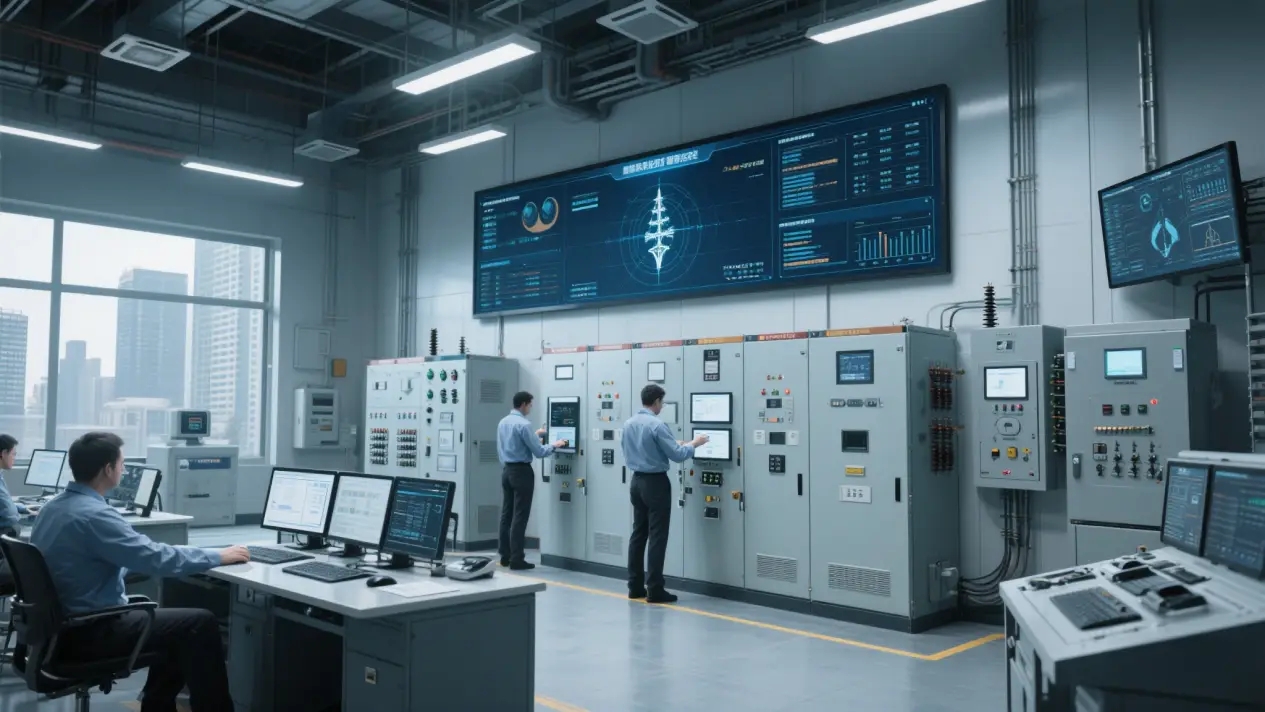
Introduction to Transformer Technologies for Data Centers
As Artificial Intelligence (AI) reshapes the digital landscape, the physical infrastructure supporting these computations faces unprecedented pressure. The backbone of any high-performance data center is its power distribution system. At Weisho, we specialize in manufacturing the critical voltage transformation equipment—specifically oil-immersed and dry-type transformers—that ensures stable, efficient energy delivery to sensitive server racks. Choosing between these technologies is not just about voltage conversion; it is about balancing thermal management, safety compliance, and operational efficiency.
What is an Oil-Immersed Transformer?
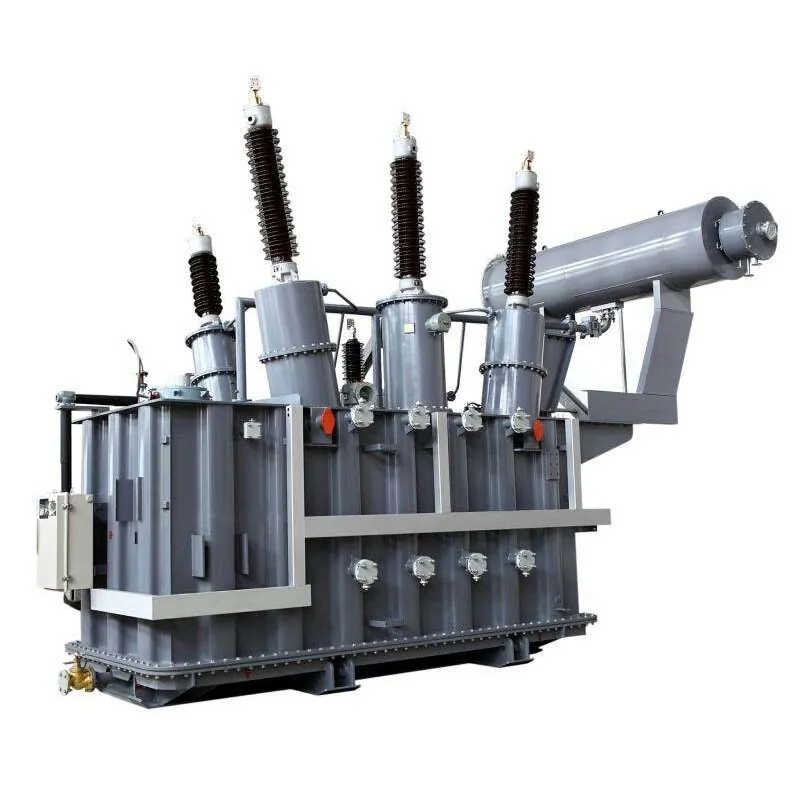
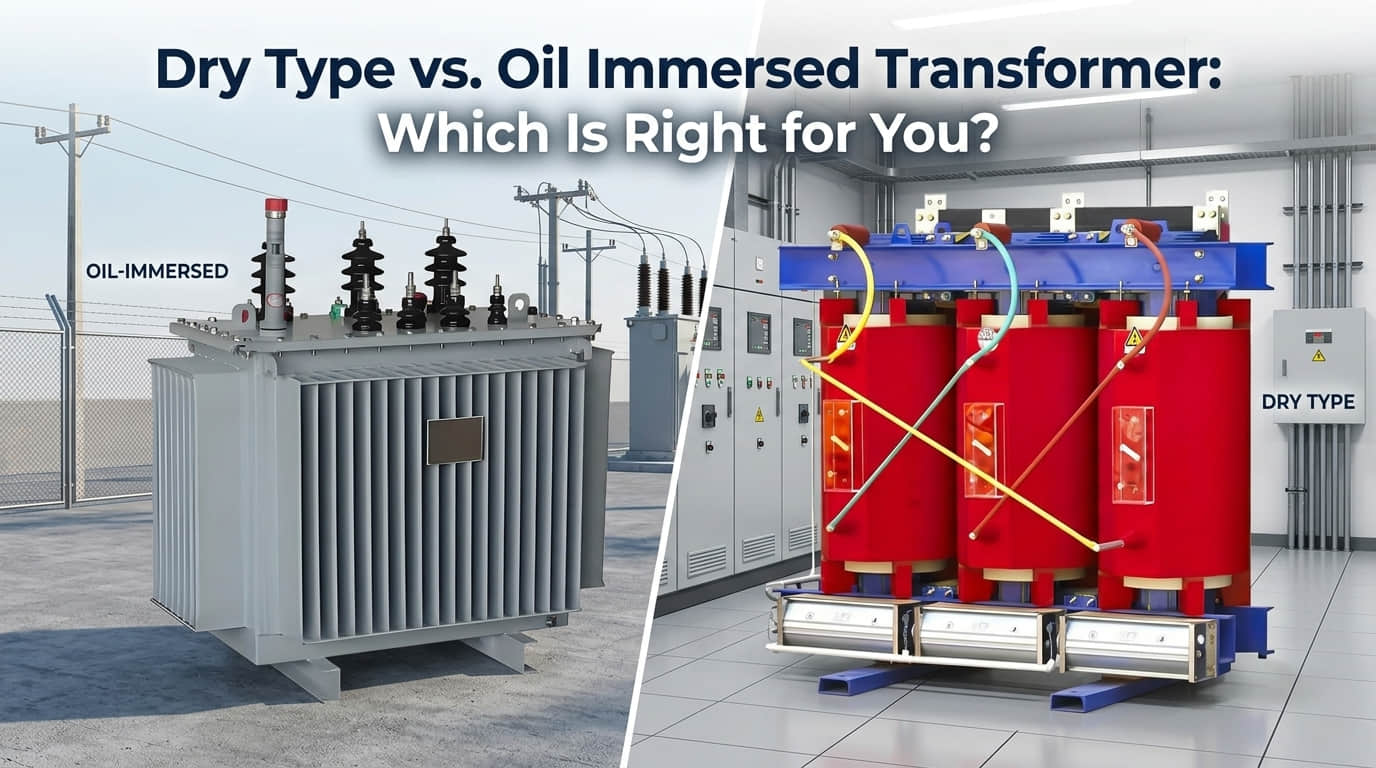
Oil-immersed transformers, such as our S11 and S13 series, rely on insulating oil for both cooling and dielectric strength. The core and windings are fully submerged in a mineral oil bath within a sealed tank. This design offers exceptional heat dissipation capabilities, allowing the unit to handle high overload capacities effectively.
Cooling Mechanism: Liquid oil circulates to transfer heat away from the core.
Structure: We utilize fully sealed corrugated tanks or expansion tanks to prevent oil aging and isolate the insulation from atmospheric moisture.
Primary Use: Due to the flammability of oil, these are typically installed in outdoor substations or dedicated fire-rated vaults.
What is a Dry-Type Transformer?
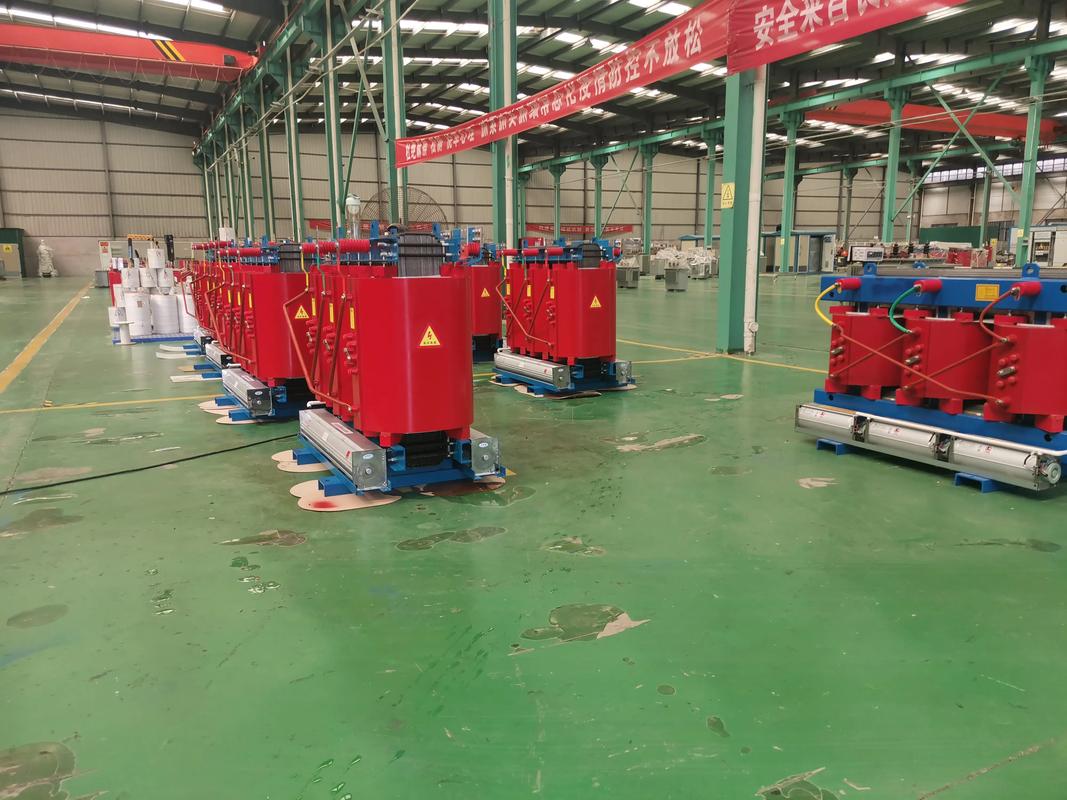
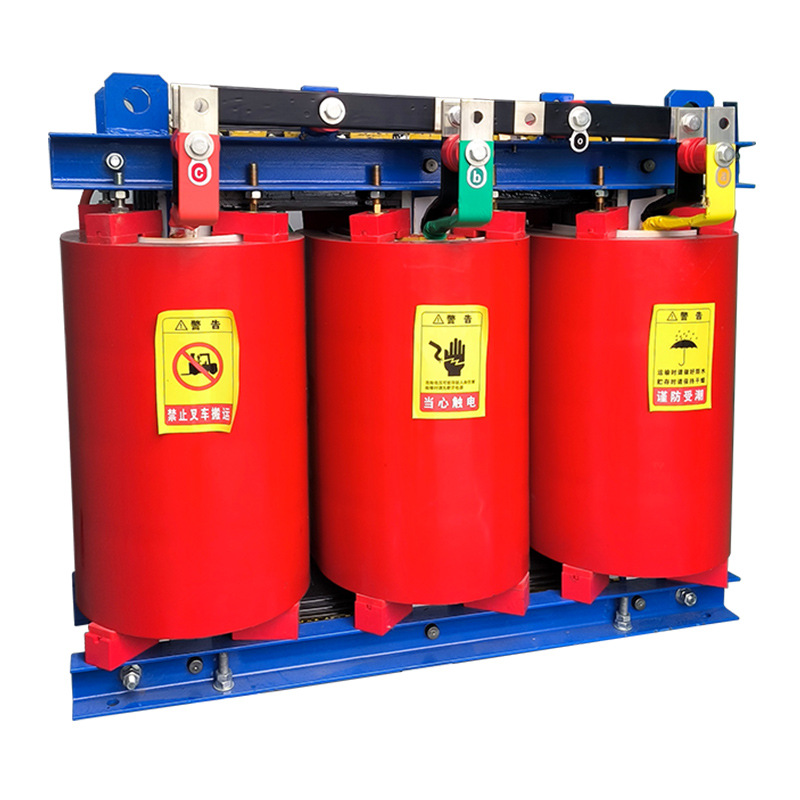
Dry-type transformers, represented by our SCB10, SCB11, and SCB13 series, eliminate liquid coolants entirely. Instead, the windings are encapsulated in epoxy resin (cast resin) under vacuum conditions. This construction creates a solid, moisture-proof insulation system that is self-extinguishing and fire-resistant.
Insulation: F-class epoxy resin casting ensures high dielectric strength and resistance to short circuits.
Safety: Non-polluting and fire-safe, making them the standard for indoor installations directly within data center halls.
Maintenance: With no oil to monitor or replace, these units require minimal maintenance, ideal for high-rise or urban facilities.
The Growing Power Demands of AI Data Centers
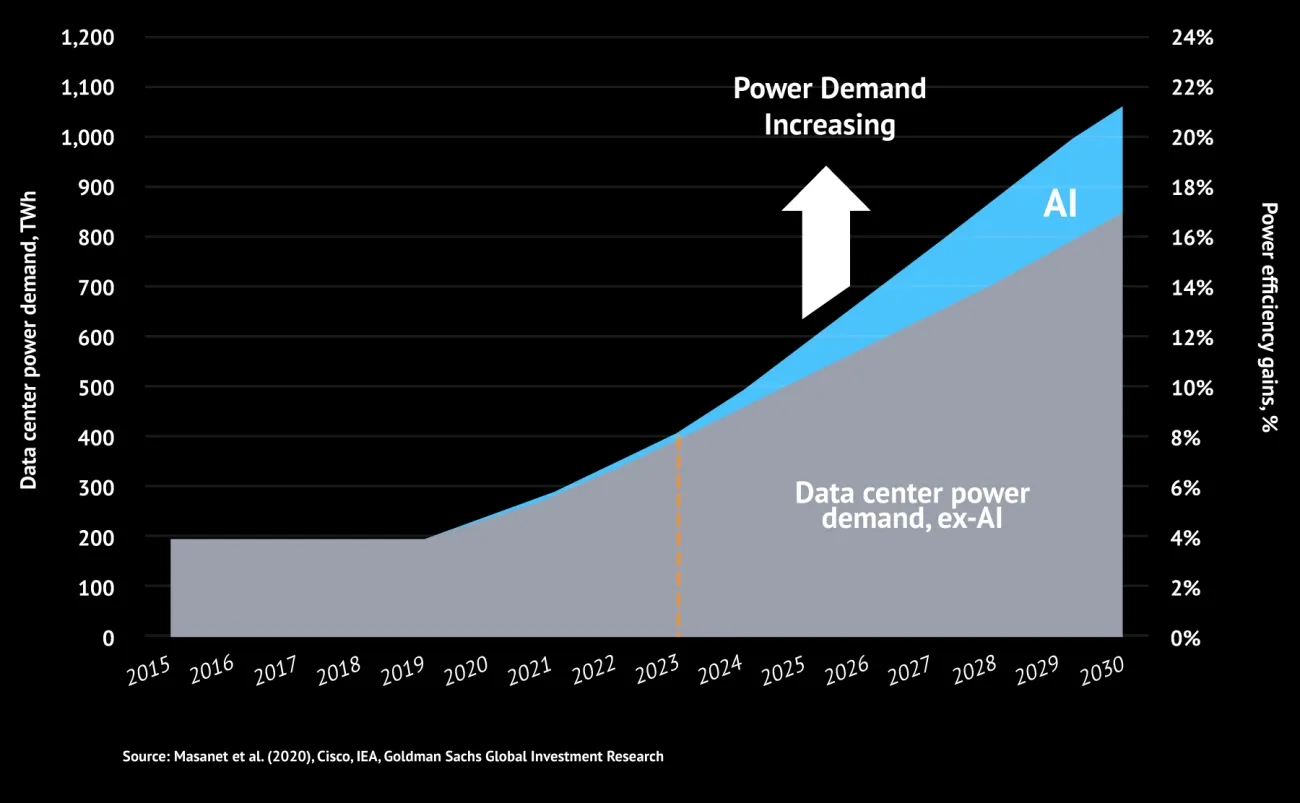
AI workloads, particularly those involving Large Language Models (LLMs), require significantly higher power densities than traditional cloud computing. A standard server rack might draw 5-10kW, whereas an AI-dedicated rack can demand upwards of 50kW to 100kW.
This surge in demand requires power distribution equipment that minimizes energy loss and maximizes stability.
Low-Loss Technology: Weisho integrates high-permeability silicon steel and amorphous alloy cores to reduce no-load losses, critical for 24/7 AI operations.
Thermal Stability: Equipment must withstand continuous high-load operations without overheating.
Reliability: Downtime is not an option; our transformers undergo rigorous testing to ensure consistent power quality for sensitive GPUs and TPUs.
Key Differences Between Oil-Immersed and Dry-Type Transformers: Cooling Mechanisms and Heat Dissipation Efficiency
The fundamental distinction lies in how these units handle heat management. At Weisho, our oil-immersed transformers (S11 and S13 series) utilize high-grade insulating oil circulating within sealed corrugated tanks. This fluid acts as a highly efficient medium for heat dissipation, transferring thermal energy away from the core and windings to the tank walls. This makes them exceptionally effective for high-capacity outdoor applications where airflow might be variable.
In contrast, our SCB series dry-type transformers rely on natural air convection or forced air cooling systems. The coils are cast in epoxy resin, which allows heat to radiate directly into the surrounding air. While oil generally offers higher cooling efficiency per unit volume, our dry-type designs are optimized for indoor environments where liquid cooling poses safety risks.
Insulation Materials and Voltage Capacities
Insulation methods dictate where you can place these units. Our oil-filled models depend on the dielectric strength of mineral oil to insulate high voltage ratings. This liquid insulation is robust against electrical stress but requires a fully sealed tank to prevent contamination and aging.
For our dry-type units, we use F-class solid insulation made from epoxy resin. This casting process makes the windings moisture-proof, flame-retardant, and highly resistant to short circuits. Because they don’t use flammable liquids, dry-type transformers are the preferred choice for indoor installation near servers and sensitive electronics.
Physical Footprint and Space Requirements
Space optimization is critical for data center architecture. Dry-type transformers typically offer a smaller footprint size because they do not require oil containment pits, fire walls, or elaborate fire suppression systems. This allows them to be installed directly inside the facility, often integrated closely with KYN28-12 indoor metal-clad MV switchgear to form compact power distribution centers.
Oil-immersed units are generally larger due to the radiator fins and expansion tanks required for the oil. Consequently, they are usually relegated to outdoor units or separate vaults, requiring longer cable runs to reach the load center.
Quick Comparison: Weisho Transformer Series
| Feature | Oil-Immersed (S11/S13 Series) | Dry-Type (SCB Series) |
|---|---|---|
| Cooling Medium | Mineral Oil | Air / Epoxy Resin |
| Installation | Primarily Outdoor | Indoor / High-Density Areas |
| Fire Safety | Flammable (Requires Clearance) | Flame-Retardant / Self-Extinguishing |
| Maintenance | Regular Oil Checks Required | Minimal / Maintenance-Free |
| Space Usage | Larger (Needs Containment) | Compact (Fits in Switch Rooms) |
Performance and Reliability in High-Density AI Environments
Energy Efficiency and Operational Losses
In the high-stakes world of AI computation, servers run 24/7, meaning every watt of wasted energy drives up operating costs. We focus heavily on energy efficiency by utilizing high-permeability silicon steel sheets and amorphous alloy cores in our manufacturing process.
Oil-Immersed (S11/S13 Series): These units typically offer excellent heat dissipation properties, resulting in lower no-load losses in outdoor setups.
Dry-Type (SCB Series): While traditionally running slightly hotter, our modern epoxy resin cast designs are optimized to minimize magnetic flux leakage and resistive losses.
For data centers, choosing a transformer with low operational losses is critical for reducing the Power Usage Effectiveness (PUE) ratio.
Overload Capacity and Load Management
AI workloads can be unpredictable, causing sudden spikes in power demand. The ability to handle these surges without failure is defined by the load capacity and thermal inertia of the transformer.
Thermal Buffer: Our oil-immersed transformers generally possess a higher overload capacity because the insulating oil acts as a significant thermal buffer, absorbing excess heat during short-term spikes.
Short-Circuit Resistance: For indoor applications, our dry-type transformers are engineered with advanced winding technologies to ensure high mechanical strength and short-circuit resistance.
Understanding how many types of low-voltage transformers fit into your specific distribution architecture is vital for balancing these load requirements against safety constraints.
Lifespan and Durability Under Continuous Load
Data centers require infrastructure that lasts decades, not years. The life cycle cost of a transformer is heavily influenced by how well it resists environmental stress and aging.
Oil Protection: We build our oil-immersed units with fully sealed corrugated tanks. This design isolates the oil from the atmosphere, preventing moisture ingress and oil aging, which significantly extends the service life.
Resin Durability: Our dry-type units utilize F-class insulation and epoxy resin casting. This makes them moisture-proof and highly resistant to cracking, ensuring reliable operation even in humid or dust-prone environments.
Both technologies are subjected to rigorous anti-corrosion surface treatments to ensure they maintain structural integrity under continuous, high-density electrical loads.
Safety and Environmental Compliance for Data Center Facilities
Fire Safety and Indoor Installation Regulations
For AI data centers housed in high-rise buildings or dense urban centers, fire safety is the non-negotiable priority. Our SCB series dry-type transformers are the standard choice for these environments because they utilize cast resin insulation. This epoxy resin structure is flame-retardant, self-extinguishing, and explosion-proof, allowing for safe indoor installation directly near the load center without the need for complex fire suppression vaults.
In contrast, oil-immersed transformers use mineral oil as a coolant, which is flammable. While effective for cooling, this introduces a fire risk that often restricts these units to outdoor substations or requires them to be placed in separate, fire-rated rooms. For facilities prioritizing maximum safety and simplified building code compliance, the dry-type configuration is significantly easier to permit and install.
Environmental Impact and Fluid Leakage Risks
Environmental stewardship is a major factor in modern data center operations. A primary concern with liquid-filled units is the risk of oil leakage. If a tank ruptures, mineral oil can contaminate soil and groundwater, leading to costly cleanups and regulatory fines. We mitigate this in our S11 and S13 series by using fully sealed corrugated tanks that prevent leakage and isolate the oil from air to stop aging, but the inherent risk of fluid handling remains.
Dry-type transformers eliminate fluid leakage risks. Since they are air-cooled and solid-insulated, there are no toxic liquids to manage, monitor, or contain. This makes them a “green” solution that aligns perfectly with the sustainability goals of eco-friendly data centers, removing the need for oil catch basins or specialized spill containment infrastructure.
Recyclability and Sustainability Standards
We focus on manufacturing equipment that supports long-term sustainability through durable materials and energy-efficient designs. Both our transformer types utilize high-permeability silicon steel or amorphous alloy cores to reduce energy waste, but they differ in end-of-life processing. Dry-type units are generally easier to recycle as they do not require the hazardous waste disposal processes associated with draining and treating used transformer oil.
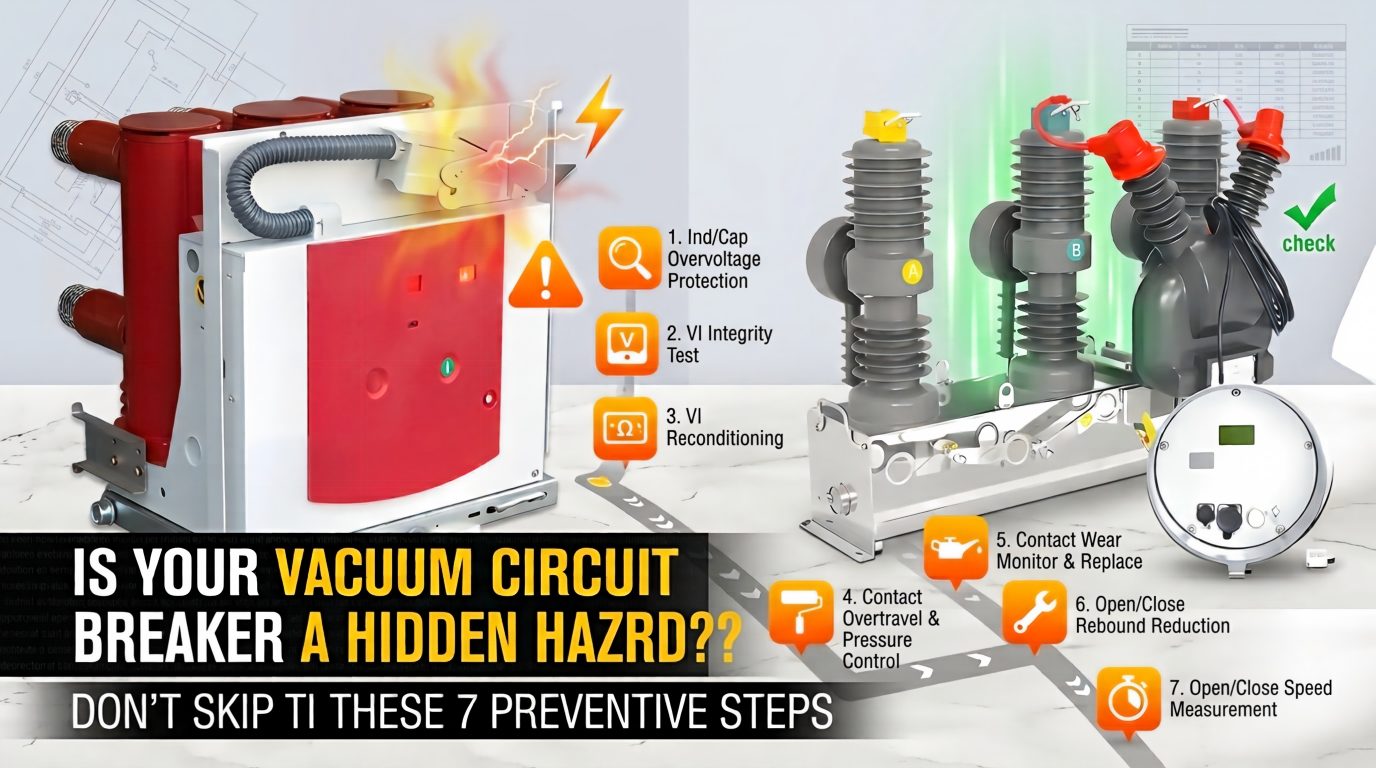
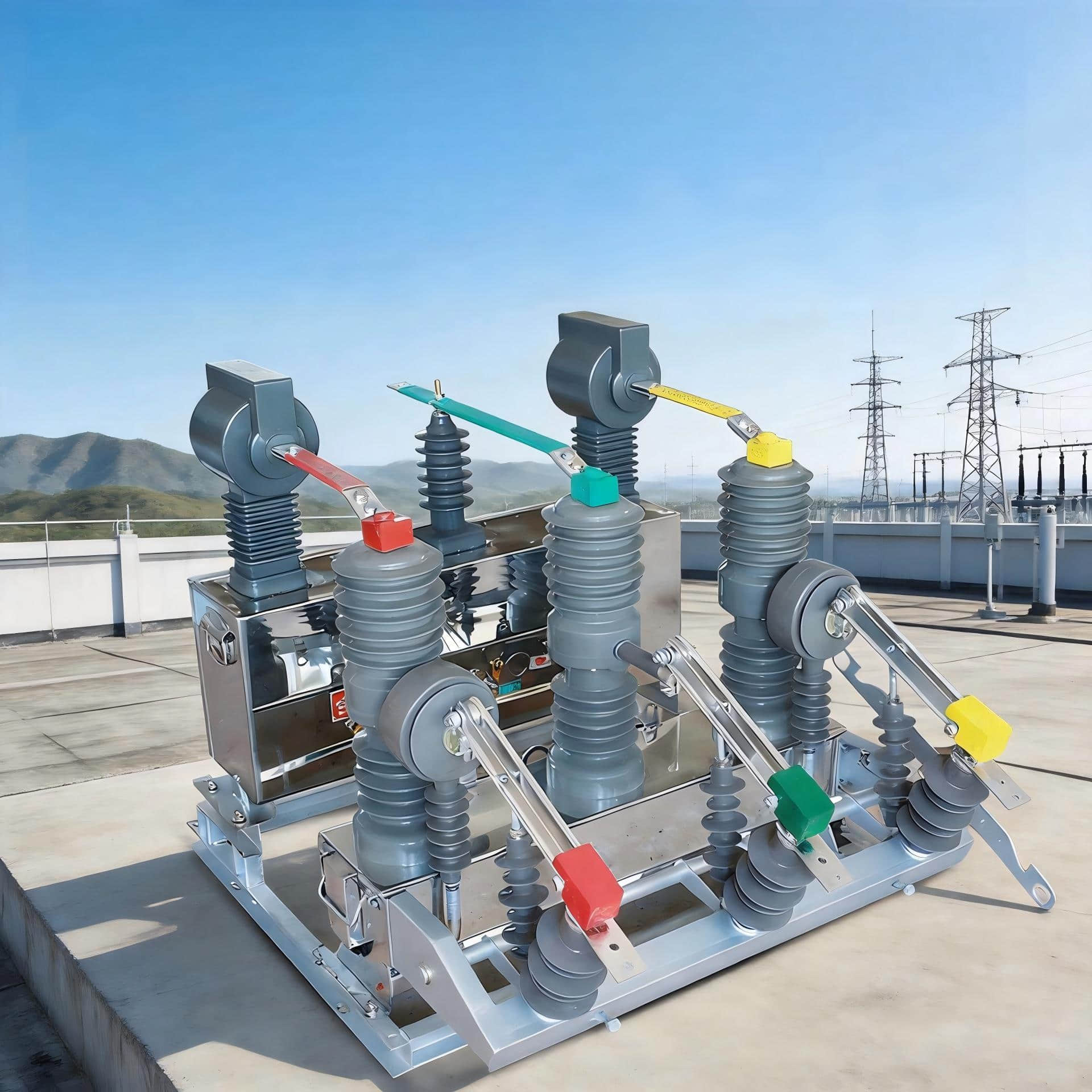
To ensure the highest level of safety and operational continuity in green facilities, it is crucial to pair the transformer with robust protection equipment. Integrating a high-quality indoor vacuum circuit breaker into the switchgear assembly provides the necessary fault protection while maintaining the fire-safe, oil-free integrity of the indoor power distribution system.
Maintenance and Operational Requirements
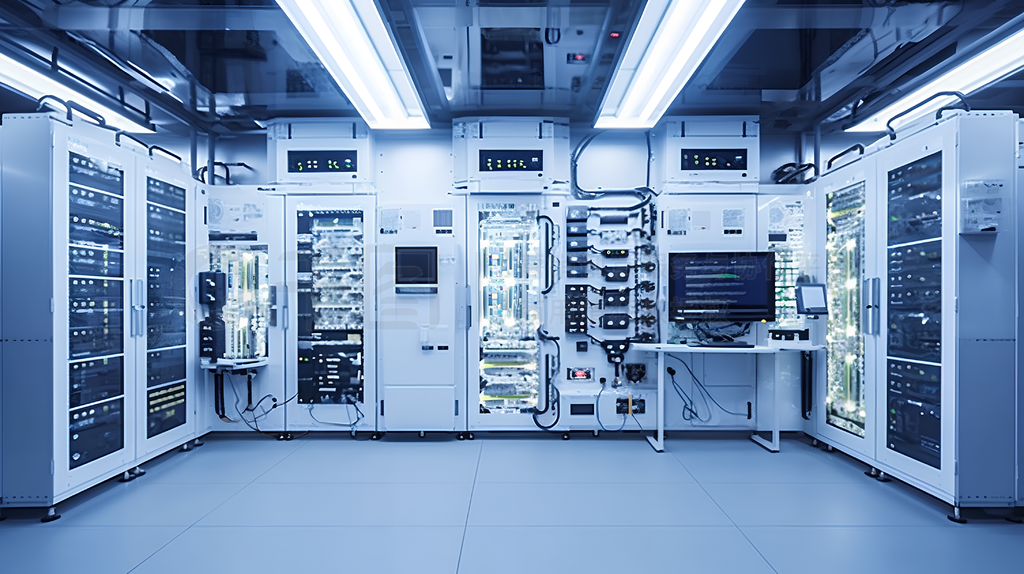
For AI data centers, downtime is not an option. The choice between oil-immersed and dry-type transformers significantly impacts your facility’s maintenance requirements and operational continuity. At Weisho, we design our power distribution equipment to minimize service interruptions, but the physical nature of the insulation dictates the maintenance schedule.
Routine Inspection and Testing Protocols
The maintenance scope differs vastly between the two technologies. Oil-immersed transformers (like our S11 and S13 series) require regular monitoring of the liquid insulation. Operators must check oil levels, inspect for oil leakage, and periodically test the dielectric strength of the oil to ensure it hasn’t degraded due to moisture or aging. While our fully sealed corrugated tank designs significantly reduce oil contact with air, visual inspections are still mandatory to prevent environmental hazards.
In contrast, dry-type transformers (SCB series) are often marketed as “maintenance-free.” Since they use resin insulation instead of oil, there are no fluids to monitor or replace. The primary maintenance task is keeping the unit clean. In high-traffic data centers, dust accumulation on the coils can impede heat dissipation, so routine vacuuming or compressed air cleaning is necessary to maintain optimal cooling performance.
Comparison of Maintenance Tasks:
| Feature | Oil-Immersed (S11/S13) | Dry-Type (SCB Series) |
|---|---|---|
| Primary Check | Oil level, temperature, and leak inspection | Airflow blockage, dust accumulation |
| Fluid Management | Required (sampling & filtration) | None (Solid insulation) |
| Frequency | Regular intervals (Monthly/Quarterly) | Annual visual check |
| Environment | Outdoor/Vault (Dirty environment tolerant) | Indoor (Requires clean air) |
Ease of Repair and Component Replacement
When a fault occurs, dry-type transformers generally offer faster turnaround times for minor issues. Because the windings are cast in epoxy resin, they are rigid and accessible. However, if a coil fails internally, the repair often involves replacing the entire coil assembly or the unit itself, as the cast resin cannot be unwound and fixed easily.
Oil-immersed units present a more complex repair scenario. Any internal inspection requires draining the oil and opening the sealed tank, which is a messy and time-consuming process. However, the coils in oil units are not cast solid, allowing for more traditional rewinding repairs if the tank is accessible. For critical infrastructure, many facility managers prefer the modularity of a YB preinstalled type transformer substation, which allows for quick swapping of the entire transformer block to restore power immediately while the faulty unit is serviced off-line.
Remote Monitoring and Smart Grid Integration
Modern AI data centers demand real-time visibility into their power quality. Both our oil and dry-type units can be equipped with smart sensors, but the parameters monitored differ.
Dry-Type Monitoring: Focuses heavily on winding temperature control. Since dry types have lower thermal inertia, they heat up faster under sudden AI compute loads. We install PT100 sensors directly into the low-voltage windings to trigger fan cooling or trip alarms instantly if limits are breached.
Oil-Immersed Monitoring: Tracks oil temperature, internal pressure, and oil levels. Advanced setups can also monitor dissolved gases in the oil to predict insulation failure before it happens.
Integrating these sensors into your Building Management System (BMS) reduces operating costs by shifting from reactive repairs to predictive maintenance, ensuring your compute infrastructure remains powered without unexpected shutdowns.
Cost Analysis: Initial Investment vs. Total Cost of Ownership (TCO)
When we sit down with data center operators to plan their power infrastructure, the conversation always shifts from technical specs to the bottom line. Choosing between oil-immersed and dry-type transformers isn’t just about the initial price tag; it is a complex cost-benefit analysis involving installation, maintenance, and energy efficiency over decades of operation.
Upfront Purchase and Installation Expenses
Strictly looking at the purchase price, oil-immersed transformers (like our S11 and S13 series) are generally more affordable. The manufacturing process for oil-filled units is mature and materials are cost-effective. In contrast, dry-type transformers (SCB series) command a higher initial price due to the expensive epoxy resin casting process and vacuum pressure impregnation technology required for insulation.
However, installation costs tell a different story. Oil-immersed units installed indoors require expensive fire suppression systems, oil containment basins (to catch leaks), and fire-rated vaults. Dry-type units can be installed right next to the load without these costly civil works. If you are deploying outdoor infrastructure, integrating oil units into American vs European vs Chinese box substations can be a cost-effective way to manage outdoor placement, but for indoor AI data halls, the dry-type saves significant installation capital.
Long-term Maintenance and Insurance Costs
Operational expenses (OPEX) are where the life cycle cost diverges significantly.
Oil-Immersed Maintenance: Requires regular oil sampling, dielectric strength testing, and potential filtration to prevent sludge buildup. You also face the risk of gasket leaks over time.
Dry-Type Maintenance: Virtually maintenance-free. They mainly require periodic vacuuming of dust from the air ducts to ensure proper heat dissipation.
Insurance is another hidden cost factor. Because cast resin dry-type transformers are flame-retardant and self-extinguishing, they often qualify for lower facility insurance premiums compared to oil-filled units, which carry a higher fire risk in high-density environments.
Energy Savings and Life-Cycle Value Comparison
For AI data centers running 24/7, energy efficiency is the biggest driver of TCO. At Weisho, we utilize high-permeability silicon steel and amorphous alloy cores in both types to minimize losses. While modern oil-immersed units have excellent heat transfer capabilities, the operating costs of a dry-type transformer placed closer to the server racks can be lower due to reduced low-voltage cable runs (less I²R loss).
Here is a quick breakdown of the financial implications:
| Cost Factor | Oil-Immersed Transformer (S11/S13) | Dry-Type Transformer (SCB Series) |
|---|---|---|
| Initial Purchase Price | Low (Budget-friendly) | High (Premium materials) |
| Installation Cost | High (Requires containment/vaults indoors) | Low (Simple indoor placement) |
| Maintenance Cost | Moderate (Oil testing/leak checks) | Very Low (Cleaning only) |
| Lifespan | 25-30 Years (With proper maintenance) | 25-30 Years (Robust resin structure) |
| End-of-Life Value | High (Copper/Oil recyclable) | Moderate (Resin is harder to recycle) |
Ultimately, if your facility has ample outdoor space, the oil-immersed route offers the best value. For high-density indoor AI hubs where space and safety are premium commodities, the dry-type transformer offers a superior life cycle value despite the higher entry cost.
Which Is Better for AI Data Center Power Distribution?
Choosing between oil-immersed and dry-type transformers isn’t about finding a single “winner”; it is about matching the specific zone of your data center to the right technology. At Weisho, we manufacture both S13 oil-immersed series and SCB dry-type series, so our recommendation is based purely on engineering efficiency and safety compliance for your AI infrastructure.
When to Choose Dry-Type Transformers for Indoor Reliability
For the interior of an AI data center, specifically near the server halls, Dry-Type Transformers (like our SCB10, SCB11, and SCB13 series) are the superior choice. AI workloads create massive power density, requiring transformers to be placed as close to the load as possible to minimize transmission losses.
Fire Safety: Our epoxy resin cast insulation is flame-retardant and self-extinguishing. This eliminates the risk of fire spreading to expensive GPU clusters.
Maintenance: With no oil to check or change, maintenance requirements are minimal, reducing downtime in 24/7 operations.
Environment: There is zero risk of fluid leakage, making them compliant with strict indoor environmental regulations.
If your priority is indoor installation within high-rise buildings or commercial centers where safety is non-negotiable, the dry-type design is the industry standard.
When Oil-Immersed Transformers Are More Practical
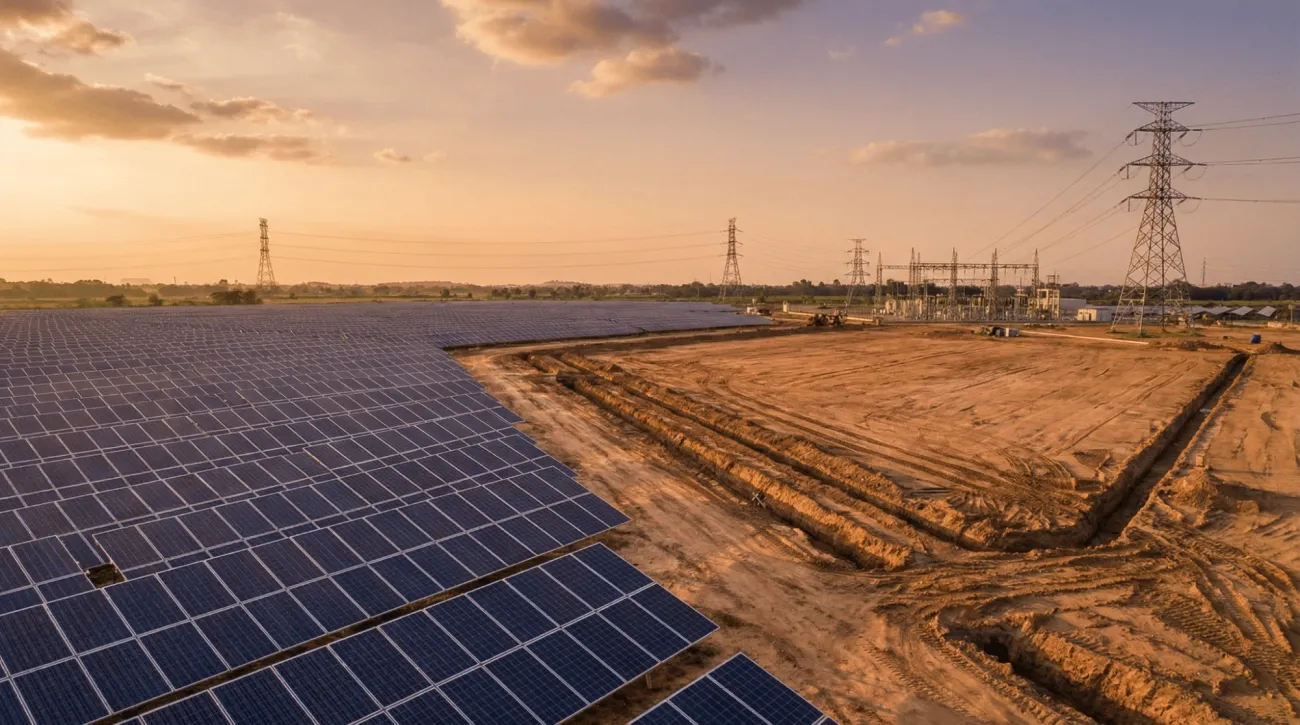
Oil-Immersed Transformers (S11 and S13 series) remain the powerhouse for outdoor substations and primary power intake facilities. If you have a dedicated outdoor vault or ample perimeter space, these units offer a distinct advantage in cost-benefit analysis and thermal management.
Cooling Efficiency: Insulating oil provides excellent heat dissipation, allowing these units to handle higher overload capacities typical of grid fluctuations.
Durability: The fully sealed corrugated tank structure prevents oil aging and withstands harsh outdoor elements better than exposed units.
Cost: For the same power capacity, oil-immersed units generally have a lower upfront cost compared to cast resin alternatives.
When installing these units outdoors, considering pad-mounted transformer security features is essential to protect critical infrastructure from tampering while ensuring public safety.
Hybrid Solutions for Large-Scale AI Infrastructure
For most hyperscale AI data centers, we recommend a hybrid approach. This strategy leverages the strengths of both technologies to optimize the total cost of ownership (TCO) and operational stability.
Recommended Deployment Strategy:
| Feature | Primary Substation (Outdoor) | Server Hall / Data Hall (Indoor) |
|---|---|---|
| Recommended Unit | Weisho S13 Oil-Immersed | Weisho SCB13 Dry-Type |
| Primary Role | Step down high voltage from the grid. | Final step-down near server racks. |
| Cooling Method | Mineral Oil (High Efficiency) | Air / Resin Cast (Safe) |
| Key Advantage | Lower capital expenditure for high MVA. | Fire safety and low noise levels. |
By placing robust oil units outside for the heavy lifting and safe dry-type units inside near the processors, you create a power distribution network that is both economically viable and technically secure.
Selection Checklist for Data Center Engineers
Selecting the right power distribution equipment is critical for maintaining the 99.999% uptime required by modern AI facilities. At Weisho, we guide engineers through a structured evaluation process to ensure the chosen transformer aligns with both current operational needs and future expansion plans.
Assessing Power Density and Cooling Infrastructure
AI workloads generate massive heat spikes, requiring transformers that can handle rapid load changes without overheating. The choice between oil and dry types often comes down to your facility’s existing cooling systems and available space.
Indoor Air Cooling: If your facility relies on forced air or liquid cooling for servers within a confined space, our SCB series dry-type transformers are ideal. They utilize natural air convection and integrate seamlessly into indoor layouts without requiring complex fire suppression systems.
Outdoor Heat Dissipation: For primary power feeds located outside the main data hall, oil-immersed units (like our S13 series) offer superior heat management. The insulating oil acts as a highly efficient coolant, allowing these units to manage higher power capacity loads with a smaller physical footprint compared to air-cooled equivalents.
Evaluating Local Safety Codes and Compliance
Regulatory compliance dictates the feasibility of your installation. Safety codes heavily favor specific insulation methods depending on the proximity to personnel and sensitive equipment.
Fire Safety Regulations: For indoor installation, particularly in multi-story data centers or urban hubs, fire codes often mandate flame-retardant equipment. Our cast resin transformers are self-extinguishing and pose no fire risk, meeting strict safety standards.
Environmental Standards: When installing outdoors, you must account for environmental impact. While oil-immersed units are efficient, they require containment pits to prevent oil leakage.
Maintenance Protocols: Compliance also involves long-term upkeep. Establishing a clear protocol for distribution transformer troubleshooting ensures that whichever type you choose remains compliant with safety inspections throughout its lifecycle.
Future-Proofing for AI Hardware Scalability
AI hardware evolves rapidly, often doubling power density requirements within a few years. Infrastructure installed today must handle the voltage rating and load capacity demands of tomorrow’s GPU clusters.
Overload Headroom: We recommend selecting transformers with high overload capabilities. Our designs use high-permeability silicon steel to ensure stability even when running above nominal capacity during peak processing times.
Modular Footprint: Consider the footprint size. Dry-type transformers are generally larger but easier to install in modular indoor banks. Oil-immersed units are more compact but harder to relocate once installed.
Efficiency Ratings: Prioritize low-loss designs (such as amorphous alloy cores) to reduce the life cycle cost. Energy efficiency directly impacts the Total Cost of Ownership (TCO) as power demands scale up.