 http://172.96.193.203/product/oil-immersed-transformer/
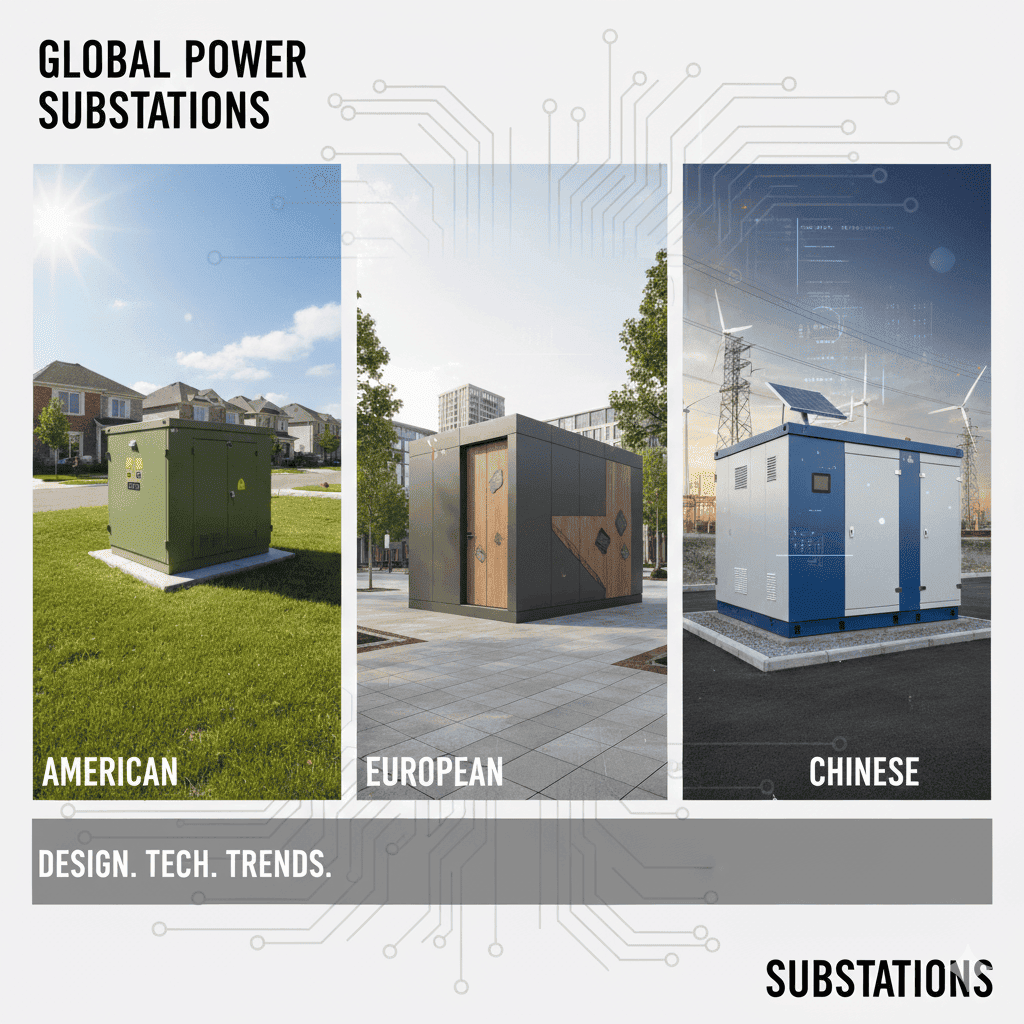
American, European, and Chinese box-type substations represent distinctly different philosophies in the realm of power distribution. These varied approaches are shaped by differing urban densities, environmental priorities, and cost considerations across regions.
While American units prioritize compactness and cost-effectiveness for widespread deployment, European designs emphasize advanced environmental features and aesthetic integration; Chinese substations frequently offer a pragmatic hybrid, balancing integration, cost, and design elements from both traditions. These differences profoundly influence their size, structural composition, internal design, key equipment configurations, safety features, installation and maintenance practices, and ultimate suitability for specific applications.
This article will provide an in-depth analysis from an electrical engineer's perspective, dissecting the technical intricacies, application scenarios, and future trends of these three major box-type substation types. Our aim is to offer comprehensive and profound insights for industry professionals and decision-makers alike.
Part 1: Understanding Box-Type Substations – The Multifunctional Power Hub
In modern electrical systems, a stable and reliable power supply forms the bedrock of a functioning society. Box-type substations, serving as critical links within the power distribution network, play an indispensable role in this regard.
They are integrated units designed to convert high-voltage electrical energy to lower voltages, distribute it, and protect the system.
Box-type substations, also frequently referred to as compact substations or package substations, essentially consolidate essential electrical equipment. This includes transformers, high- and low-voltage switchgear, metering devices, control and protection systems, and reactive power compensation units.
All these components are cleverly housed within a single, pre-fabricated, compact, and often movable metal or non-metallic enclosure. This high degree of integration makes them an ideal choice for power infrastructure development in an era of rapid urbanization.
The enclosed casing not only protects internal components from harsh weather conditions, dust, moisture, and other environmental factors. It also effectively guards against vandalism or unauthorized access, significantly enhancing equipment reliability and safety.
This concept of integrating multiple independent devices into one cohesive unit drastically simplifies the extensive civil engineering work traditionally required for conventional substations. It further shortens construction periods and substantially conserves land resources.
The core function of a box-type substation is to efficiently step down high voltage electricity (e.g., 10kV, 35kV) from the transmission network to lower voltages (e.g., 0.4kV) suitable for end-users. These include industrial, commercial, and residential consumers.
They act as the vital nerve endings of the distribution grid, ensuring that electrical energy is safely, stably, and reliably delivered to every home and business. Consequently, whether in residential areas, commercial complexes, factories, mines, or temporary construction sites, box-type substations perform an irreplaceable function. They serve as critical safeguards for modern urban and industrial lifelines.
Part 2: American Box-Type Substations – Compact and Economical Solutions
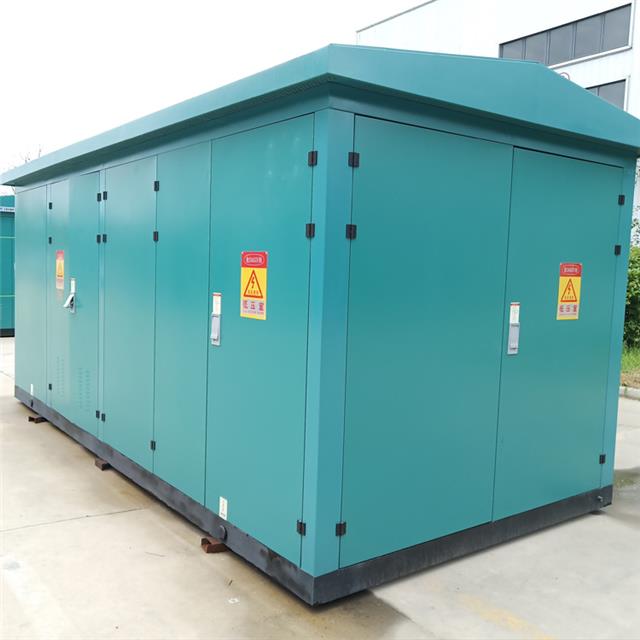
The design philosophy behind American box-type substations is deeply rooted in cost-effectiveness and pragmatism. In North America, particularly in suburban areas and regions experiencing rapid infrastructure expansion, American box-type substations are widely favored for their compact structure and lower initial investment.
Their design emphasizes quick deployment, ease of integration, and straightforward maintenance.
2.1 Size and Integration: Small Footprint, Efficient Operation
One of the most distinguishing characteristics of American box-type substations is their small physical footprint. They typically occupy a relatively modest amount of space, which provides a significant advantage in urban or suburban environments where land resources are limited or landscape requirements are strict.
This compact design allows American box-type substations to be more flexibly deployed along roadsides, at the edges of residential green spaces, or within small industrial parks. This thereby minimizes their impact on the surrounding environment and reduces land usage.
Note: The small size of American box-type substations is a key competitive advantage, particularly suitable for projects with strict space constraints.
2.2 Structural Features, Key Equipment Configuration, and Adhered Standards
The structural hallmark of American box-type substations lies in their high degree of integration. High-voltage components, such as fuses, load break switches, or circuit breakers, are often directly integrated within the transformer tank or tightly connected to it, forming a unified module. This design significantly simplifies external wiring and connection points, reducing the overall volume of the equipment.
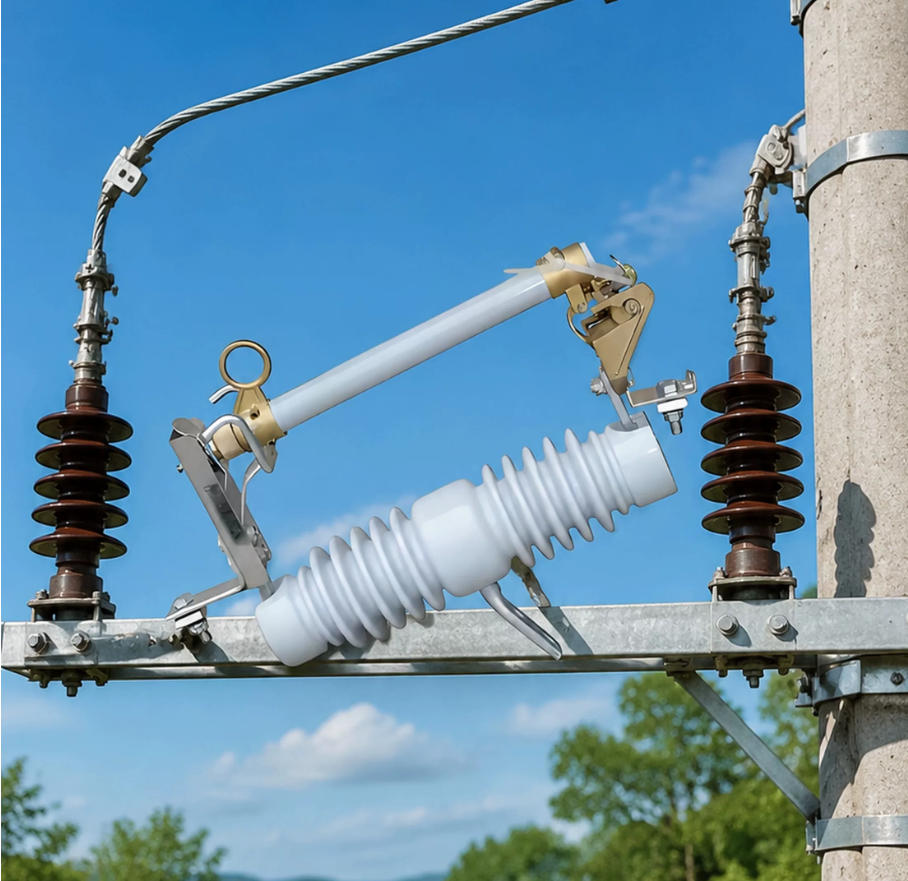
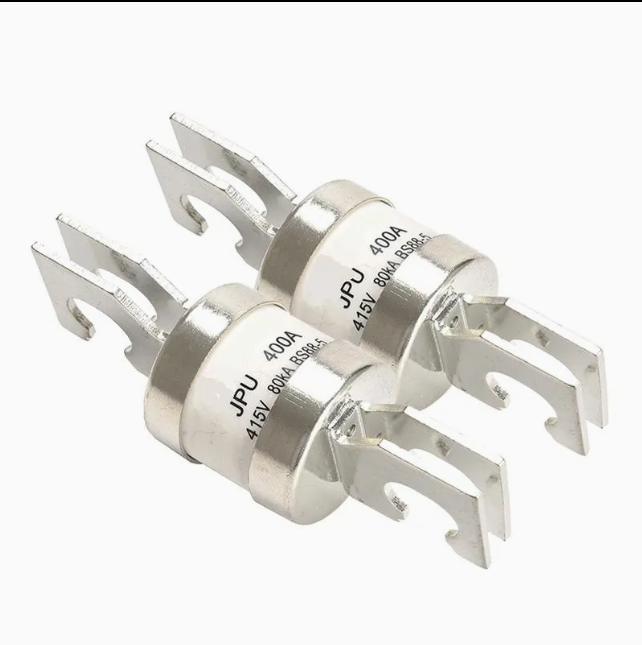
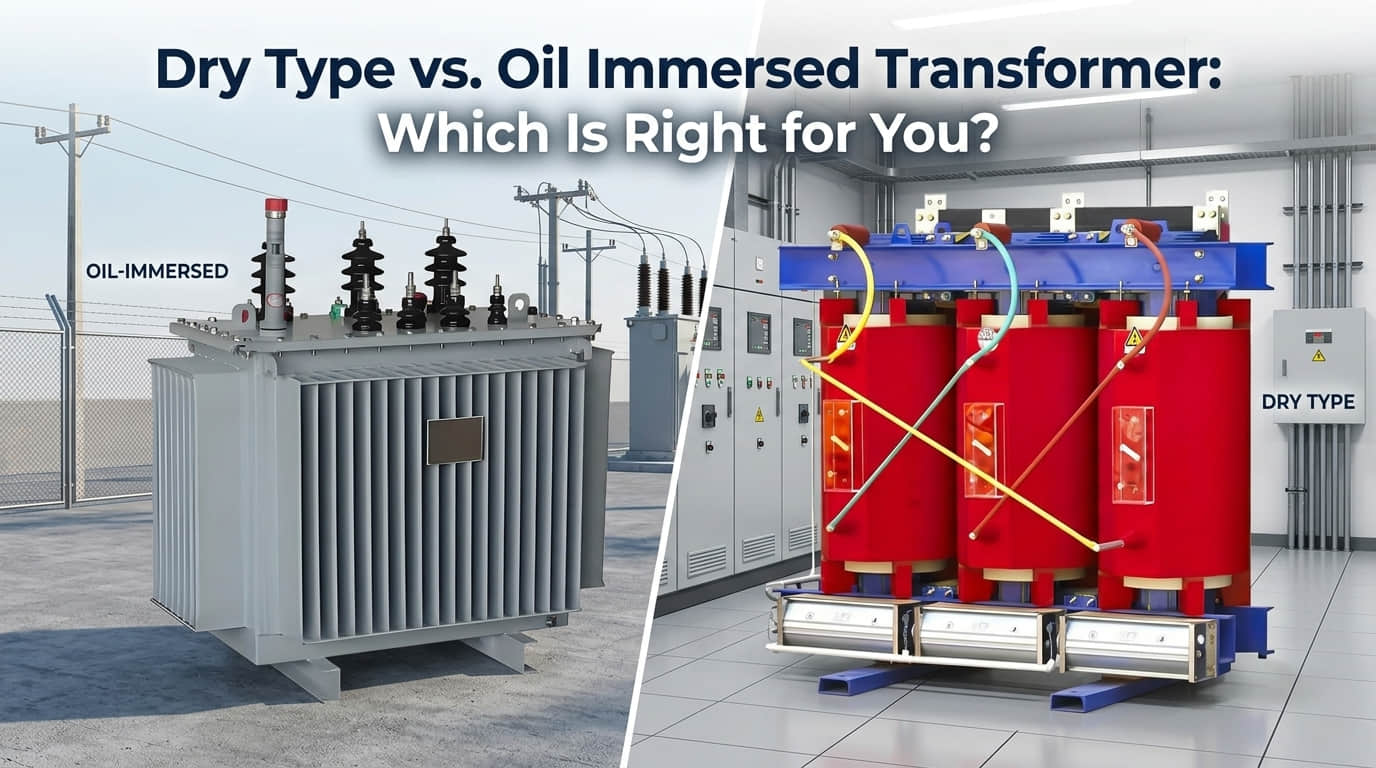
Regarding key equipment configuration, American box-type substations commonly employ oil-immersed transformers, which benefit from their excellent heat dissipation performance and relatively lower cost. The high-voltage side frequently utilizes a combination of fuses and load break switches for overcurrent protection and switching control, a configuration known for its simplicity and reliability.
Medium-voltage distribution typically involves radial feeders or simple ring main unit connections to meet localized distribution demands. In terms of technical standards, American box-type substations primarily adhere to ANSI (American National Standards Institute) and IEEE (Institute of Electrical and Electronics Engineers) standards. These standards emphasize equipment interchangeability, reliability, and safety, particularly regarding compatibility within the North American power system.
Tip: Understanding the highly integrated design of American box-type substations and their adherence to ANSI/IEEE standards is crucial for evaluating their applicability in the North American market.
2.3 Environmental Considerations, Safety Features, and Risk Management
In terms of environmental considerations, while American box-type substations do factor in integration with their surroundings—for instance, by adopting subdued colors and simple exteriors—their control over advanced environmental features and noise/radiation levels is less stringent compared to European designs. Due to potentially more exposed high-voltage components or less extensive shielding, American box-type substations can generate relatively higher levels of electromagnetic radiation and noise during operation.
Regarding safety features and risk management, American box-type substations prioritize fundamental electrical safety protection. Fire prevention typically relies on the sealing of the transformer tank itself and internal pressure relief devices to prevent oil leaks and fire spread. Requirements for external firewalls or large-capacity oil containment pits are comparatively more relaxed, which is often dictated by local regulations and geographical characteristics.
Shock protection complies with basic electrical safety standards, ensuring the safety of operators and the public. However, their design may incorporate fewer specialized protections for extreme environmental conditions, such as earthquakes or floods.
Note: American box-type substations often strike a balance between environmental considerations and certain safety features to achieve compactness and cost advantages.
2.4 Application Scenarios, Installation, and Operation & Maintenance Considerations
American box-type substations are widely applied, especially in regions with relatively abundant land resources and lower sensitivity to environmental noise and radiation. They serve as a primary component in urban distribution networks, supplying power to residential areas, small commercial facilities, industrial parks, and agricultural operations.
Their compact and cost-effective nature makes them an ideal choice for the rapid construction and expansion of distribution networks.
For installation, due to the small size and lighter weight of American box-type substations, foundation requirements are relatively simpler. On-site preparation work is reduced, and lifting and transportation costs are lower. This significantly shortens their deployment cycle.
In terms of operation and maintenance (O&M), as high-voltage components are often integrated within the transformer tank, some inspection and maintenance operations may require more specialized tools and techniques, potentially even necessitating power outages. Fault diagnosis primarily relies on on-site instrumentation and simple indicators, with fewer remote monitoring and intelligent diagnostic capabilities. Nevertheless, their overall reliability is high, and routine maintenance demands are generally low.
Tip: American box-type substations offer convenient and rapid installation, but certain internal inspections might be more complex.
2.5 Cost Structure and Economic Analysis
The most significant advantage of American box-type substations lies in their outstanding economic efficiency. In terms of initial procurement cost, due to their simplified design, integrated components, and mass production, American box-type substations are typically more competitive than other types of substations. This enables power companies to achieve broader distribution network coverage within limited budgets.
Regarding total lifecycle cost, although their O&M intelligence is not high, the high reliability of the equipment leads to fewer unplanned outages and repairs, keeping overall O&M costs manageable. However, if deployed in areas with strict radiation and noise restrictions, additional modifications or protective measures might be required, which would increase the total cost.
Part 3: European Box-Type Substations – A Benchmark of Aesthetics and Environmental Performance
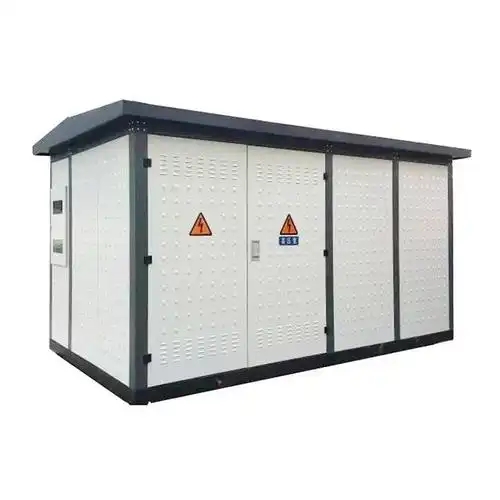
The design philosophy of European box-type substations reflects a profound emphasis on environmental aesthetics, community integration, and advanced environmental and safety features. In Europe, particularly in densely populated areas with strict urban planning and rigorous environmental regulations, European box-type substations are preferred for their superior performance and harmonious design.
3.1 Size and Integration: Larger Footprint, Enhanced Functionality
In contrast to American box-type substations' pursuit of extreme compactness, European box-type substations generally occupy a larger overall physical footprint. This increased physical space is not superfluous; rather, it is allocated to accommodate more advanced equipment.
It also provides more comprehensive internal isolation, achieves superior heat dissipation and sound insulation, and ensures ample access for maintenance.
The larger size also enables European box-type substations to integrate more complex intelligent control and monitoring systems, further enhancing their functionality. This makes them exceptionally well-suited for regions with stringent requirements regarding environmental and community impact.
Note: The larger size of European box-type substations is intentional, designed to support enhanced functionality and superior environmental performance.
3.2 Structural Features, Key Equipment Configuration, and Adhered Standards
The structural design of European box-type substations is typically more refined and robust. The enclosure materials frequently consist of high-quality stainless steel or specially coated steel plates, providing excellent resistance to environmental corrosion and ensuring a longer service life.
The transformer is commonly housed in a dedicated, separate metal compartment; this double-layer or multi-layer shielding structure effectively isolates electromagnetic radiation and noise.
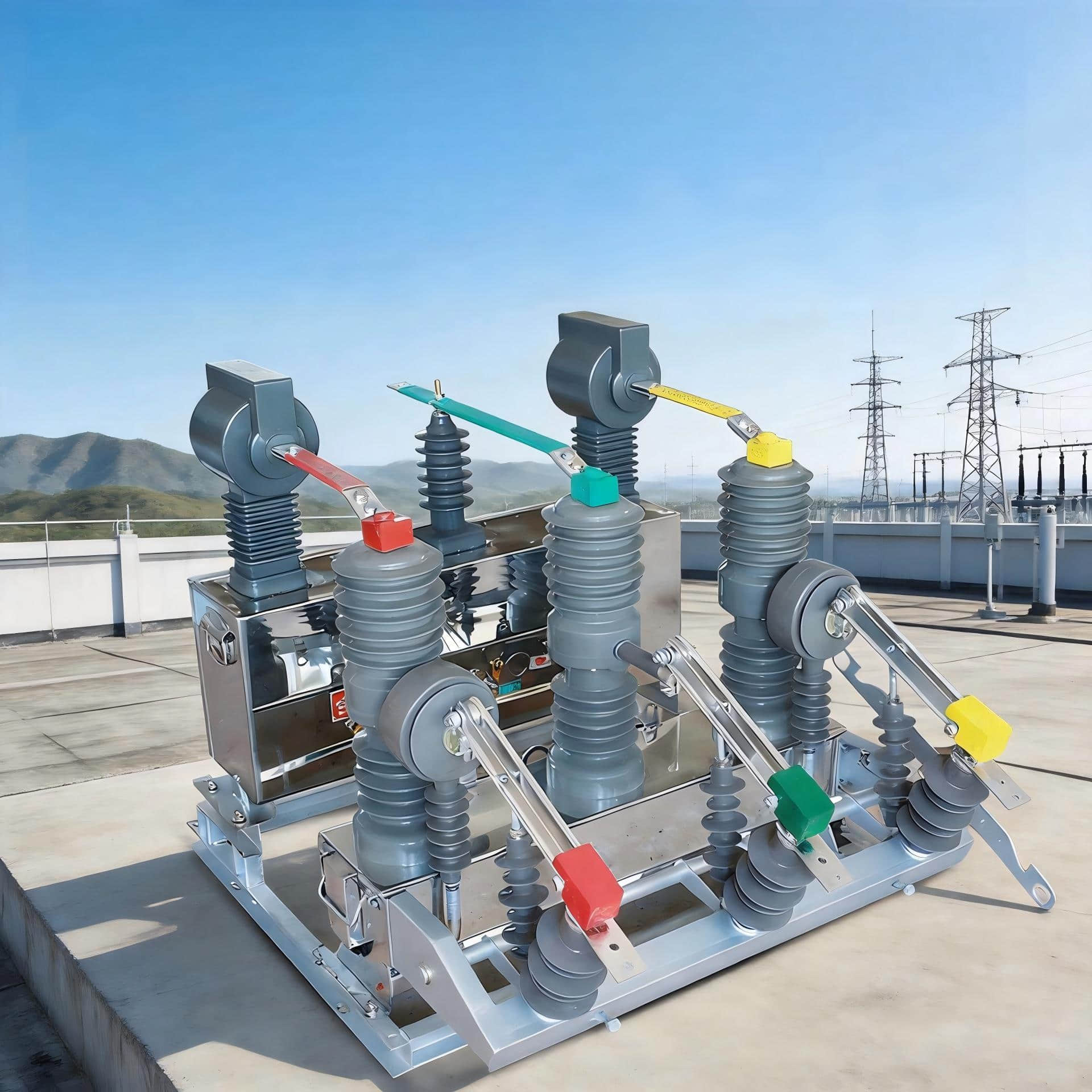
Regarding key equipment configuration, European box-type substations offer a more diverse and advanced selection. Transformer types include both traditional oil-immersed and the widely adopted dry-type transformers, favored for their excellent fire performance and low maintenance requirements. High-voltage switchgear often utilizes technically mature vacuum circuit breakers or SF6 gas-insulated switchgear (GIS); these devices boast higher breaking capacities, smaller volumes, and longer electrical lifespans.
Automation and relay protection systems are also more advanced, typically integrating remote monitoring and diagnostic capabilities. European box-type substations primarily adhere to IEC (International Electrotechnical Commission) standards, a comprehensive set of regulations with global influence that emphasizes equipment safety, performance, and testing specifications.
Tip: IEC standards and the use of SF6/vacuum switchgear are hallmarks of European box-type substations' high performance and safety.
3.3 Environmental Emphasis, Safety Features, and Risk Management
Environmental friendliness is a cornerstone of European box-type substation design. They incorporate various noise reduction technologies from the outset, such as specialized sound-absorbing materials and optimized ventilation duct designs. This ensures that operational noise levels are significantly lower than American box-type substations, thereby minimizing disturbance to residential and commercial areas.
Concurrently, their exterior design places strong emphasis on aesthetics, often employing materials and colors that harmonize with surrounding architectural styles. They can even offer customized artistic appearances, allowing them to integrate seamlessly into urban landscapes rather than appearing as an obtrusive presence.
In terms of safety features and risk management, European box-type substations adopt more comprehensive and stringent measures. They are generally equipped with anti-leakage devices and oil containment pits to address the risk of transformer oil spills, and feature strict firewalls and internal isolation measures to effectively prevent fire propagation. Higher levels of shock protection, refined internal electrical clearances, and operation safety interlock devices are meticulously designed to ensure the absolute safety of operators and the public. Furthermore, these designs typically account for protection capabilities against extreme natural disasters like earthquakes and floods.
Note: European box-type substations set an industry benchmark in noise control, aesthetic design, and multi-layered safety protection.
3.4 Application Scenarios, Installation, and Operation & Maintenance Considerations
European box-type substations are primarily deployed in urban centers with extremely high environmental demands, densely populated high-end residential areas, commercial complexes, tourist attractions, and industrial parks with stringent requirements for power quality and reliability. Their sophisticated design and superior performance make them the preferred choice for these sensitive locations.
Regarding installation, due to their larger size and weight, European box-type substations have more stringent requirements for installation sites and foundation structures. They may necessitate more robust foundations and larger lifting equipment. Correspondingly, transportation and installation costs are relatively higher.
For O&M, internal spaces are typically designed to be more spacious, facilitating routine inspections, equipment maintenance, and component replacement for maintenance personnel. Moreover, integrated advanced fault diagnosis and remote monitoring systems significantly enhance O&M efficiency, allowing faults to be quickly located and resolved, thus reducing outage times.
Tip: While European box-type substations involve higher upfront installation costs, they offer high O&M efficiency and robust reliability over their lifespan.
3.5 Cost Structure and Economic Analysis
European box-type substations typically incur higher initial procurement costs. This reflects the advanced materials, complex technologies, stringent manufacturing processes, high-end equipment configurations, and comprehensive environmental and safety features they incorporate. The higher initial investment is a testament to their superior quality and performance.
However, from a total lifecycle cost perspective, European box-type substations can be very economically viable in the long run due to their extended service life, lower maintenance frequency, higher operational efficiency, and stronger environmental adaptability. In projects demanding high environmental impact mitigation and reliability, the added value of European box-type substations often significantly outweighs their initial cost.
Further Reading and Visual Comparison: American vs. European Box-Type Substations
After delving into the detailed textual descriptions of American and European box-type substations, we highly recommend the following video for a more intuitive understanding of the differences between these two prevalent designs. This video provides a systematic overview of the basic concepts and components of a unitized substation (box-type substation) through a combination of visuals and narration.
It specifically highlights key contrasting features between American (Pad Mounted) and European (Compact) box-type substations, including size, structure, cooling methods, protection mechanisms, cost, and footprint. Watching this video will help you establish a clearer, more holistic conceptual framework before proceeding to the detailed comparison table in the next section. Please note that this video primarily focuses on American and European box-type substations; for an in-depth analysis of Chinese box-type substations, please continue reading the subsequent sections.
Part 4: Chinese Box-Type Substations – A Hybrid Evolution
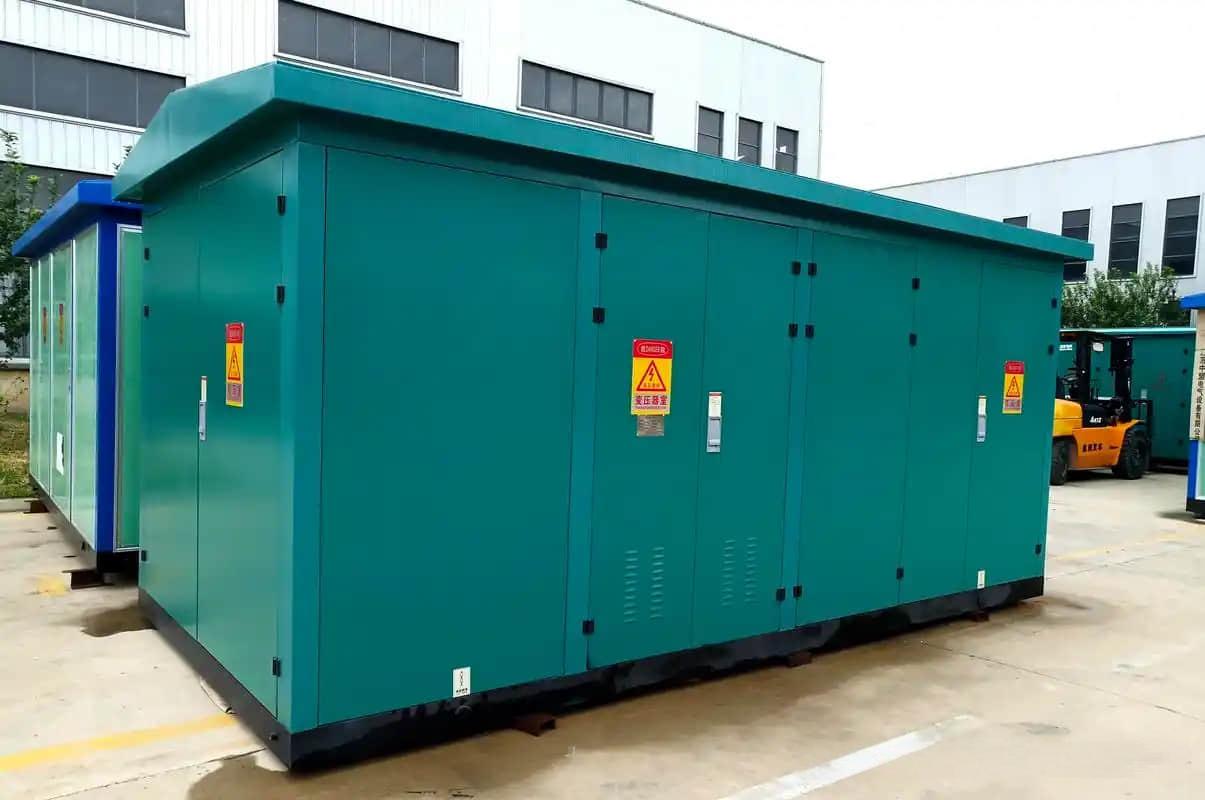
The development trajectory of box-type substations in China is distinct, having assimilated the essence of both American and European designs while adapting to the unique characteristics of China's power system, its immense market demand, and rapid urbanization. Consequently, Chinese box-type substations often exhibit a pragmatic, flexible, and highly adaptive hybrid evolutionary model.
4.1 Hybrid Approach, Key Equipment Configuration, and Adhered Standards
The design philosophy of Chinese box-type substations emphasizes "learning from diverse sources and adapting to local conditions." They skillfully blend the compact integration of American box-type substations with the environmental considerations of European designs, resulting in a diverse range of products.
This hybrid approach enables them to rapidly respond to the specific needs of different regions and projects, offering customized solutions.
In terms of key equipment configuration, Chinese box-type substations demonstrate significant flexibility. Transformer types can be selected as either oil-immersed or dry-type, depending on specific application scenarios and fire safety requirements. High- and low-voltage switchgear offers strong compatibility, allowing for configurations ranging from cost-effective load break switches and fuse combinations to more advanced vacuum circuit breakers or SF6 gas-insulated switchgear, and even integrated smart ring main units.
Automation and remote monitoring functionalities are also customizable according to client needs. Chinese box-type substations primarily adhere to Chinese National Standards (GB standards), while actively absorbing and translating international advanced standards like IEC, ensuring both international compatibility and technological cutting-edge performance.
Note: The greatest advantage of Chinese box-type substations lies in their high degree of flexibility and customization capabilities.
4.2 Design Features, Integrated Protection, and Safety Characteristics
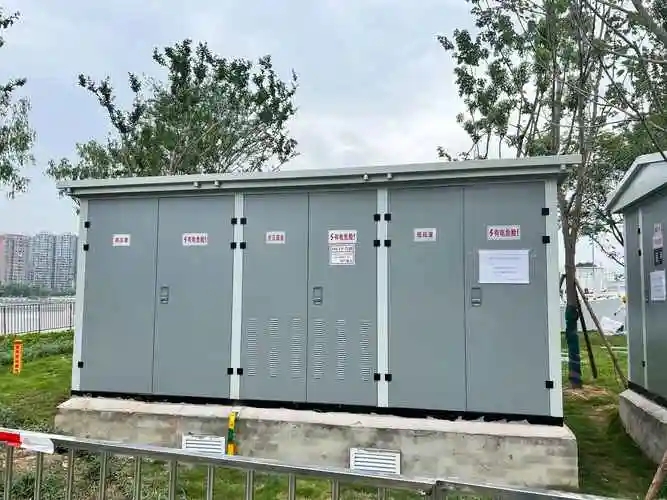
The enclosure design of Chinese box-type substations also prioritizes compactness and protective capabilities. Enclosures are typically manufactured from robust steel plates or aluminum alloys and undergo anti-corrosion treatment. This effectively resists harsh weather, dust, and external impacts.
The integrated design simplifies equipment installation and maintenance.
In terms of safety features and risk management, Chinese box-type substations incorporate comprehensive safety considerations in their design. For fire safety, they commonly adopt designs that isolate the transformer compartment from the high- and low-voltage compartments, and can be configured with automatic fire suppression systems and explosion relief vents. For oil-immersed transformers, oil leak prevention measures are increasingly sophisticated.
Protection against electric shock, internal safety isolation, and ingress of small animals must strictly comply with national standards. Furthermore, Chinese box-type substations are also designed with enhanced protection against earthquakes, floods, and other extreme natural disasters, tailored to the specific geographical characteristics of different regions.
Tip: Chinese box-type substations feature comprehensive and customizable safety designs, capable of addressing diverse environmental challenges.
4.3 Application Scenarios, Installation, and Operation & Maintenance Considerations
The application scope of Chinese box-type substations is remarkably broad, covering almost all areas requiring power distribution. They are a primary choice for urban distribution networks, industrial parks, large commercial complexes, residential communities, highway service areas, new energy power stations (such as wind and solar power), and temporary power supply projects.
Their efficient installation, optimized space utilization, and cost-effectiveness make them the preferred equipment for rapid infrastructure development in China and countries along the "Belt and Road" initiative.
In terms of installation, Chinese box-type substations balance the characteristics of both American and European designs, typically exhibiting good adaptability and construction efficiency. Modular design minimizes on-site installation work and shortens commissioning periods.
For O&M, high standardization, abundant spare parts supply, and convenient localized maintenance and troubleshooting are key advantages. With the advancement of smart grids, an increasing number of Chinese box-type substations integrate remote monitoring and intelligent O&M functionalities, further enhancing O&M efficiency and reliability.
Note: Chinese box-type substations, with their high cost-performance ratio and strong adaptability, have broad application prospects in both domestic and international markets.
4.4 Cost Structure and Economic Analysis
Chinese box-type substations exhibit very strong competitiveness in terms of initial procurement cost. Benefitting from a complete industrial chain, economies of scale in production, and continuous technological innovation, Chinese box-type substations can offer high-performance products at more economical prices. This high cost-effectiveness is a crucial factor in securing their competitive advantage in global markets, especially in developing countries.
Regarding total lifecycle cost, due to flexible configurations, reliable performance, and convenient localized O&M support, the long-term operating costs of Chinese box-type substations are also relatively manageable. They excel at balancing investment returns with operational reliability, delivering significant economic benefits to users.
Part 5: Key Differences: A Comparative Analysis of Box-Type Substation Designs
While all box-type substations serve the fundamental purpose of power distribution, their design choices reflect differing priorities. The table below summarizes the critical distinctions among American, European, and Chinese box-type substations, offering readers a clear and intuitive comparison.
Part 6: Future Trends and Global Collaboration
The design landscape of box-type substations is continually evolving, driven by emerging technologies and the growing global demand for sustainable infrastructure. Future trends indicate a deeper integration and enhanced intelligence, adapting to the evolving energy landscape and environmental challenges.
There is a growing emphasis on smart grid compatibility. Future box-type substations will no longer merely be simple power conversion nodes but rather sensing and control units within the smart grid.
This implies that they will integrate more advanced sensors, communication modules, remote monitoring, and automated control functionalities.
The objective of these advanced technologies is to improve the operational efficiency and resilience of the grid. They will facilitate faster fault detection, localization, and self-healing capabilities, thereby significantly reducing outage times and operating costs, while boosting power supply reliability.
Miniaturization technology is also advancing rapidly. With progress in power electronics and new materials, the size of future box-type substations is expected to shrink further without compromising their shielding performance or electrical capabilities.
This is particularly crucial for urban areas facing severe space constraints. Continuous innovation supports the deployment of higher capacity, smaller volume box-type substations in densely populated urban environments.
As global standards evolve, we may witness a convergence of design principles. For instance, there could be more points of synergy between IEC and ANSI/IEEE standards, leading to more harmonized international specifications for box-type substations.
This international collaboration could streamline manufacturing, certification, and deployment processes across different regions. It might offer a broader range of optimized, interoperable solutions, promoting the modernization of global power infrastructure.
The ultimate goal remains consistent: to deliver reliable, safe, and environmentally responsible power. Future box-type substations will achieve this through technological innovation and global cooperation, ensuring sustainable urban and industrial development worldwide.
Conclusion: Adapting to Local Needs and Global Standards
In summary, American, European, and Chinese box-type substations each offer distinct advantages, reflecting regional priorities in power distribution infrastructure. American designs champion compactness and cost-efficiency for broad urban deployment, while European models lead with superior environmental protection and aesthetic integration. Chinese substations frequently provide a versatile middle ground, combining robust performance with economic efficiency, making them highly adaptable to diverse urban settings.
The selection of a substation type is not merely a technical decision; it reflects a complex interplay of cost, space availability, environmental regulations, and public acceptance. Understanding these nuanced differences is crucial for effective urban planning and sustainable energy development.
As electrical engineers, in project planning, a comprehensive evaluation of specific project needs—weighing initial investment against total lifecycle costs, environmental compatibility against technical standards—is essential to select the most suitable box-type substation. As global grids become smarter and more interconnected, the continuous evolution of these critical components will be key to efficiently and responsibly meeting future energy demands.
Part 7: Frequently Asked Questions (FAQ)
Q1: Beyond cost and size, what other critical factors should electrical engineers consider when selecting a box-type substation?
A1: Besides cost and size, electrical engineers must critically consider: voltage level and capacity requirements; local environmental regulations and climatic conditions (e.g., temperature, humidity, salt spray, seismic rating).
Also important are load characteristics (e.g., impulse loads, harmonic content); reliability and availability demands (whether backup power or redundant configurations are needed).
Additionally, they should evaluate ease of operation and maintenance (O&M) and level of intelligence; equipment lifecycle costs (including initial investment, operating losses, and maintenance expenses); and local electrical standards and certification requirements.
Q2: Why do European box-type substations typically have lower noise levels than American counterparts? What are the technical principles behind this difference?
A2: Lower noise levels in European box-type substations primarily stem from their design philosophy and structural features. Technical principles include: transformer compartment shielding (housing the transformer in a separate metal box for acoustic isolation); and utilization of dry-type transformers (inherently less noisy than oil-immersed ones).
Other factors are optimized enclosure materials and structure (employing sound-absorbing and damping materials, and optimizing enclosure resonance); and superior ventilation duct design (reducing fan noise and preventing high-velocity airflow noise). American box-type substations, in their pursuit of compactness, often compromise on noise control.
Q3: In what specific aspects do Chinese box-type substations embody a "hybrid approach"? What are the advantages of this hybrid model?
A3: Chinese box-type substations embody a "hybrid approach" through: flexible transformer types (oil-immersed or dry-type options); and diverse high- and low-voltage switchgear configurations (can combine American-style fuse/load break switches with advanced European vacuum/SF6 switches).
Further, they have customizable automation levels (from basic protection to advanced intelligent monitoring); and adaptable exterior designs and environmental features to meet various project needs and budgets. The advantage of this hybrid model lies in its high flexibility and adaptability, enabling the provision of cost-effective, customized solutions that cater to China's vast and diverse market demands, while also meeting the complex requirements of "Belt and Road" initiative countries.
Q4: What does "radiation" primarily refer to in box-type substations? Does it affect human health, and how can it be effectively shielded?
A4: "Radiation" in box-type substations primarily refers to electromagnetic radiation. This originates from the electromagnetic fields generated by live equipment such as transformers and high-voltage busbars during operation.
Within normal operating ranges, the electromagnetic radiation levels produced by box-type substations typically comply with international and national safety standards, with no confirmed adverse effects on human health. Nevertheless, prolonged close-range exposure to strong electromagnetic fields still warrants attention.
Effective shielding measures include: the Faraday cage effect of metal enclosures (absorbing and reflecting electromagnetic waves); separate shielded compartments for transformers (as seen in European designs); optimizing internal electrical layouts to increase the distance between live parts and the enclosure; and establishing safety distances and warning signs around the substation perimeter.
Q5: With the evolution of smart grids, what are the primary aspects of intelligent box-type substations? How do they assist in O&M?
A5: The intelligence of box-type substations primarily manifests in: advanced sensing and monitoring (real-time monitoring of transformer temperature, load, oil level, partial discharge, environmental parameters, etc.); and communication and remote control (communicating with the main control center via fiber optics, wireless, etc., for remote switching operations and parameter adjustments).
Further aspects include fault self-diagnosis and self-healing (automatically identifying fault types and locations, then isolating and restoring power); data analysis and predictive maintenance (using big data analytics to predict equipment lifespan and maintenance cycles); and integrated distributed energy management (coordinating the grid connection of distributed energy sources like solar PV and energy storage).
These advancements significantly enhance O&M efficiency, reduce manual inspections, shorten fault recovery times, and improve grid reliability and economic performance.