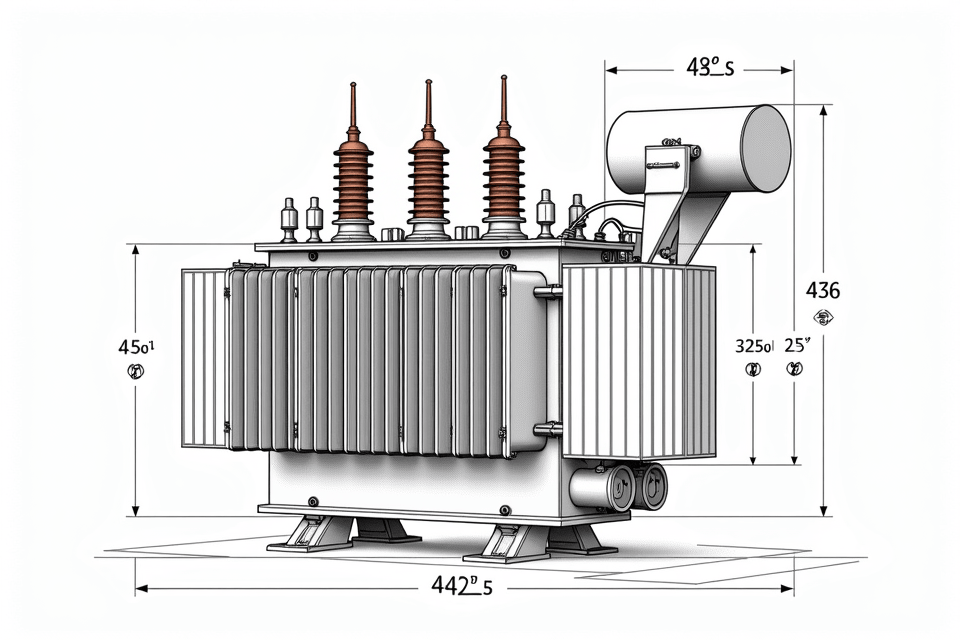
Are you struggling to decide which power equipment your project actually needs?
Confusing a transformer with a regulator can lead to costly inefficiencies and unstable power grids.
While they may look similar on the outside, their internal functions are worlds apart. One is built for voltage transformation, while the other is essential for voltage stabilization.
In this guide, you’re going to learn exactly what sets them apart.
We will break down The Differences Between Oil-Immersed Transformer vs. Oil-Immersed Voltage Regulator, covering everything from structural variations to cost analysis.
If you are looking to optimize your power management technology and ensure equipment longevity, this guide is for you.
Let’s dive right in.
Introduction to Oil-Immersed Electrical Equipment
At Weishuo Electric, we specialize in manufacturing robust power infrastructure designed for longevity and efficiency. Both oil-immersed transformers and voltage regulators utilize insulating oil as a primary cooling medium and dielectric barrier. This shared design feature allows for superior heat dissipation and protection against environmental contaminants, making these units ideal for outdoor installation and high-capacity industrial applications where air-cooled systems may fall short.
What is an Oil-Immersed Transformer?
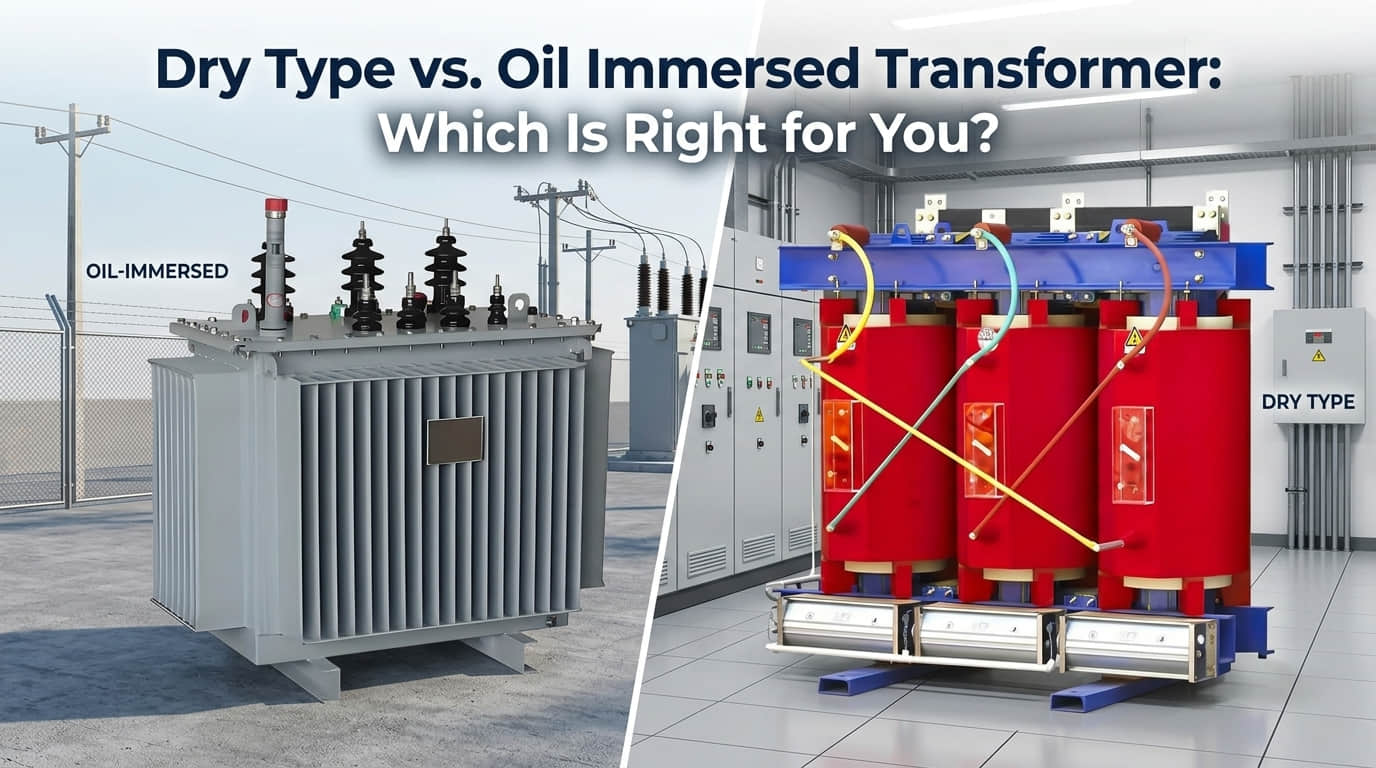
An oil-immersed transformer, such as our S11-M or S13-M series, is a static electrical device designed fundamentally for voltage conversion. Its primary role is to step up or step down alternating current voltage to match the requirements of the power grid or end-user equipment.
Structure: The core and windings are submerged in high-grade mineral oil within a hermetically sealed corrugated tank.
Function: It transforms voltage levels (e.g., from 10kV to 0.4kV) but does not actively correct fluctuations from the source.
Protection: The fully sealed design prevents oxygen and moisture ingress, significantly extending the service life of the insulation materials.
What is an Oil-Immersed Voltage Regulator?
An oil-immersed voltage regulator is engineered specifically for voltage stabilization. Unlike a standard transformer that simply converts levels, a regulator actively monitors the input voltage and adjusts the output to remain constant, regardless of grid instability.
Mechanism: It utilizes automatic control circuits and compensation motors to adjust the voltage ratio dynamically.
Purpose: These units protect sensitive precision machinery from voltage sags, surges, and instability.
Performance: Our high-power compensated regulators deliver high precision with no waveform distortion, ensuring reliable operation for industrial loads.
The Core Functions of Power Management Technology
While both devices may appear similar due to their oil-filled enclosures, they serve distinct roles in the power distribution ecosystem. Understanding the core function is essential for selecting the right equipment for your facility.
Transformers (S11/S13 Series): Focus on changing voltage potential to facilitate efficient transmission and safe distribution. They are the backbone of grid connectivity.
Regulators (SBW/DBW Series): Focus on maintaining consistency. They act as a firewall against grid fluctuations, ensuring that the voltage delivered to the load remains within a tight tolerance range.
Shared Efficiency: Both systems utilize Weishuo’s advanced vacuum oil filling processes and low-loss silicon steel sheets to minimize energy waste and operational costs.
Oil-Immersed Transformer vs. Voltage Regulator: Key Differences
Design and Structural Variations
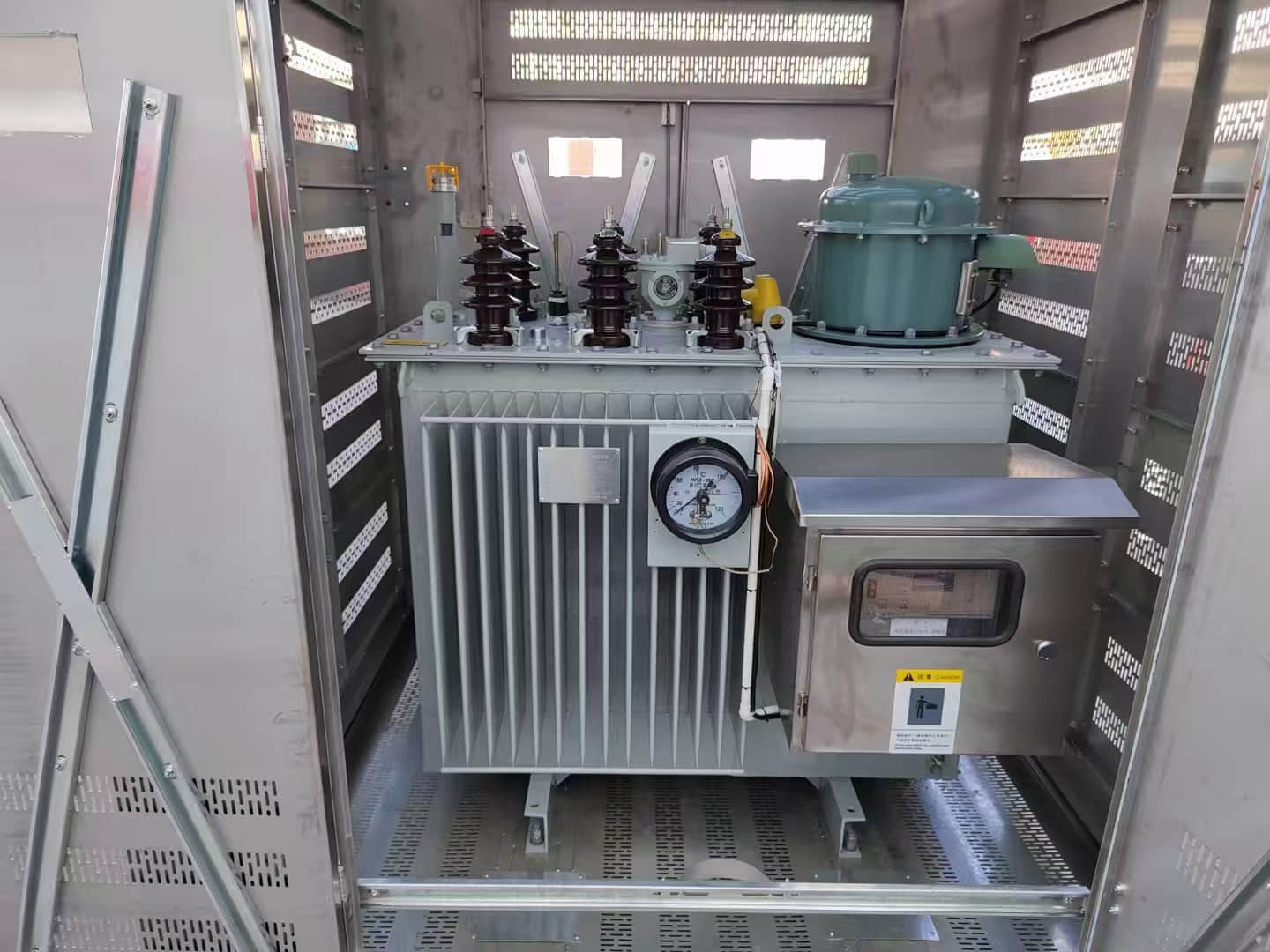
While both devices utilize insulating oil for thermal management and dielectric strength, their internal architecture differs significantly to serve their distinct purposes. In our S11-M and S13-M series power transformers, the design focuses on a static structure featuring high-permeability magnetic cores and primary/secondary windings. These components are housed in a fully sealed corrugated transformer tank, which prevents oxygen and moisture ingress, ensuring a long service life with minimal maintenance.
In contrast, an oil-immersed automatic voltage regulator (like our high-power industrial models) incorporates dynamic components. It typically houses a buck-boost transformer alongside a variable auto-transformer mechanism. Unlike the static nature of a standard distribution transformer, the regulator includes motor-driven assemblies inside the oil tank to physically adjust the voltage ratio in real-time. This makes the regulator’s internal structure more complex, as it requires moving parts to handle voltage fluctuations actively.
Voltage Transformation vs. Voltage Stabilization
The fundamental difference lies in the objective of the electrical output. An oil-immersed transformer is designed strictly for voltage rating conversion. Its job is to step down high voltage (e.g., 10kV or 35kV) to a usable low voltage (0.4kV) for power distribution. It does not actively correct the output if the input grid fluctuates; the output voltage will rise or fall proportionally with the input.
Conversely, the oil-immersed voltage regulator focuses on grid stability. It takes an unstable input voltage—which might vary due to load changes or grid issues—and maintains a constant, precise output voltage. It does not typically change the voltage level significantly (e.g., stepping down from transmission levels) but rather fine-tunes the existing voltage to protect sensitive industrial equipment from sags and surges.
Control Mechanisms and Tap Changer Functionality
We equip our oil-immersed transformers with a tap changer, typically an off-circuit type. This allows for manual adjustment of the turns ratio to accommodate long-term variations in the local grid, usually within a range of ±5% or ±2×2.5%. However, this adjustment cannot be done under load and is not meant for continuous correction.
The voltage regulator operates differently. It utilizes an automatic control circuit that constantly monitors the output. When it detects a deviation, it triggers a servo motor or similar mechanism to adjust the compensation voltage instantly. This provides continuous, stepless regulation without interrupting the power supply, ensuring that load capacity and performance remain consistent even in volatile electrical environments.
| Feature | Oil-Immersed Transformer (S11/S13-M) | Oil-Immersed Voltage Regulator |
|---|---|---|
| Primary Function | Voltage Level Conversion (Step-up/Step-down) | Voltage Stabilization (Constant Output) |
| Core Components | Static Windings, Magnetic Core | Buck-boost Transformer, Variable Motor Drive |
| Adjustment | Manual Tap Changer (Off-load) | Automatic Servo/Motor (On-load) |
| Response Time | N/A (Fixed Ratio) | Fast (Milliseconds to Seconds) |
| Moving Parts | None (Static) | Yes (Motorized regulation mechanism) |
Functional Comparison and Working Principles
How Oil-Immersed Transformers Change Voltage Levels
At Weishuo Electric, our oil-immersed transformers (like the S11-M and S13-M series) function based on the principle of electromagnetic induction. The core job here is voltage transformation. We utilize high-permeability cold-rolled grain-oriented silicon steel sheets to form the magnetic core.
When alternating current flows through the primary winding, it creates a varying magnetic flux in the core. This flux induces a voltage in the secondary winding. The change in voltage depends entirely on the turns ratio between the coils.
Step-Down: More turns on the primary, fewer on the secondary (e.g., 10kV to 0.4kV).
Step-Up: Fewer turns on the primary, more on the secondary.
The entire assembly is submerged in insulating oil, which serves two purposes: it acts as a cooling medium to dissipate heat generated by copper losses, and it provides high dielectric strength to prevent arcing between windings. For external connections, the high-voltage leads often pass through a composite dry-type wall bushing or similar insulators to ensure safe transmission.
How Oil-Immersed Regulators Maintain Constant Output
While transformers change voltage based on a fixed ratio, our automatic voltage regulator (SBW/DBW series) is designed to stabilize it. The working principle relies on a compensation transformer and a regulating circuit.
When the input voltage fluctuates due to grid instability, the sampling circuit detects the deviation. It signals a servo motor (or electronic switch) to adjust the position of the carbon brush on a variable auto-transformer. This action changes the compensation voltage added to or subtracted from the primary circuit.
Input Drops: The regulator adds voltage (boost).
Input Spikes: The regulator subtracts voltage (buck).
This ensures that your sensitive industrial equipment receives a flat, stable voltage regardless of what is happening on the main grid.
Precision and Response Speed in Voltage Control
The main distinction between these two devices lies in their ability to react to voltage fluctuations. A standard distribution transformer is a passive device; if the input voltage drops by 10%, the output drops by 10%. It does not actively correct the waveform.
In contrast, our oil-immersed voltage regulators are active systems. They are engineered for high precision. Here is a quick breakdown of how they compare in operation:
| Feature | Oil-Immersed Transformer (S13-M) | Oil-Immersed Regulator (SBW) |
|---|---|---|
| Primary Function | Voltage Level Conversion (e.g., 10kV -> 400V) | Voltage Stabilization (e.g., 380V ±20% -> 380V) |
| Response to Fluctuation | Passive (Output follows input changes) | Active (Compensates to maintain target) |
| Output Accuracy | Depends on Grid Stability | High Precision (Typically ±1% to ±3%) |
| Adjustment Speed | None (Fixed Ratio) | Fast (<1 second for typical deviations) |
For facilities requiring strict power quality, relying solely on a transformer is often insufficient. We recommend pairing transformers with regulators to handle both voltage conversion and stability.
Performance and Efficiency Factors
Cooling Medium and Heat Dissipation Capabilities
In both our oil-immersed transformers and voltage regulators, the insulating fluid serves a dual purpose: it acts as a high-grade dielectric barrier and the primary cooling medium. We utilize a vacuum oil filling process that removes moisture and air, significantly enhancing the dielectric strength of the oil.
For heat dissipation, the structural design plays a massive role. Our S11-M and S13-M series transformers feature a fully sealed corrugated tank. The corrugated sheets act as thermal radiators, expanding and contracting with temperature changes. This design eliminates the need for a traditional oil conservator, ensuring efficient thermal management while isolating the oil from the atmosphere to prevent aging.
Load Capacity and Handling in High-Demand Scenarios
When dealing with heavy industrial requirements, load capacity is a non-negotiable metric. Our transformers are engineered with high-purity oxygen-free copper or aluminum windings, giving them a robust overload capacity. They can sustain operation during peak demand periods without suffering from thermal runaway.
Transformers: Focus on handling continuous high-power transmission (up to 3150kVA).
Regulators: Focus on handling instantaneous current surges and stabilizing voltage drops.
For facility managers, accurately monitoring these high-demand flows is critical. Often, integrating a reliable current transformer into the system is necessary to track load levels and prevent exceeding the rated capacity of the main equipment.
Operational Efficiency and Power Quality Impact
Operational efficiency is directly tied to the materials we use. In our S13-M series transformers, we utilize high-quality cold-rolled grain-oriented silicon steel sheets. This upgrade reduces core losses (no-load losses) by approximately 30% compared to the older S11 series, leading to significant savings in operating costs over the equipment’s lifespan.
Regarding power quality, the distinction is clear:
Transformers: Their efficiency is measured by how little energy is lost during voltage conversion (minimizing copper losses and iron losses).
Voltage Regulators: Their performance is judged by output purity. Our SBW/DBW series regulators ensure high-precision stabilization with no waveform distortion, protecting sensitive electronics from the “dirty power” that often plagues unstable grids.
Application Scenarios: Where to Use Each Device
Power Distribution and Transmission Substations
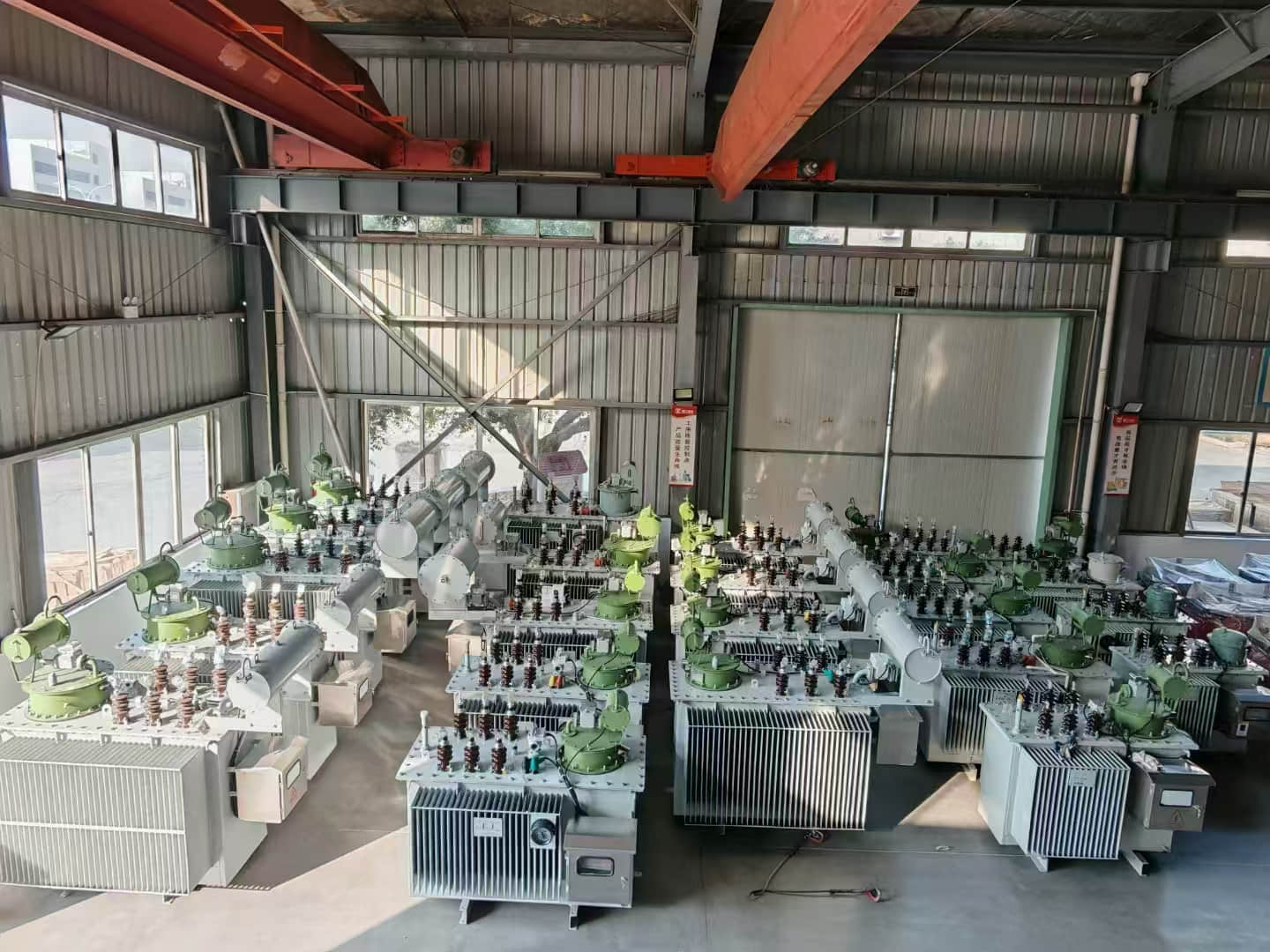
When we are building out the backbone of a power grid, the oil-immersed transformer is the undisputed workhorse. In transmission substations, the primary objective is efficient voltage transformation—taking high voltage (like 10kV or 35kV) and stepping it down to usable levels (0.4kV) for end-users. Our S11-M and S13-M series are specifically engineered for these outdoor installation environments where reliability is paramount.
These units operate continuously under varying loads, requiring robust insulation and thermal management. Since these substations are often exposed to the elements, supporting components like a pin type power insulator are critical for safely managing the high-voltage lines connected to the transformer bushings.
Industrial Manufacturing and Sensitive Equipment Protection
In an industrial setting, the priority shifts from changing voltage levels to maintaining voltage stability. Factories operating heavy machinery, such as large motors or welding equipment, often generate significant voltage fluctuations that can damage precision electronics. This is where the oil-immersed voltage regulator becomes essential.
For facilities using sensitive CNC machines, medical equipment, or automated production lines, a standard transformer is not enough because it passes input fluctuations directly to the output. We deploy high-power compensated regulators (like the SBW series) here to actively correct sags and surges. This ensures that expensive machinery receives a constant, clean voltage supply, preventing costly downtime and hardware failure.
Grid Stability and Rural Electrification Projects
Rural electrification presents unique challenges due to long transmission distances, which inevitably lead to voltage drops at the end of the line. While a power transformer is necessary to step down the voltage for residential use, it cannot always compensate for the severe instability found in weak rural grids.
In these scenarios, we focus heavily on grid stability. For remote areas with erratic power quality, installing a voltage regulator alongside the distribution transformer ensures that the community receives consistent power. Furthermore, because rural lines are highly susceptible to weather-related surges, protecting the entire setup with a lightning arrester is a standard safety protocol we insist on to extend the service life of the equipment.
Transformers: Best for stable grids needing voltage step-down (Urban grids, Power plants).
Regulators: Best for unstable grids needing constant output (Factories, End-of-line rural areas).
Cost Analysis: Initial Investment vs. Operating Costs
Initial Acquisition and Installation Expenses
When budgeting for power infrastructure, understanding the upfront difference between these two devices is critical. An oil-immersed transformer is a primary requirement for grid connection, handling the fundamental task of stepping down high voltage. For example, investing in a 33kV oil-immersed power transformer is a necessary capital expenditure for establishing a substation or industrial power supply.
In contrast, an oil-immersed voltage regulator is often an additional investment aimed at power quality. While the initial purchase price for high-power regulators can be significant, it protects expensive downstream machinery from damage. Installation costs for both are comparable, as they require similar concrete foundations, oil containment pits, and heavy-lifting equipment due to the weight of the transformer tank and cooling oil.
Maintenance Requirements for Oil-Filled Systems
We design our equipment to minimize maintenance costs, but the nature of oil-filled systems requires specific attention. Both devices rely on insulating oil for cooling and arc suppression. However, the maintenance schedule differs based on the internal activity of the components.
Transformers (S11/S13-M): Our fully sealed corrugated tank design eliminates the need for an oil conservator. This isolates the oil from the atmosphere, preventing moisture and oxygen ingress. Consequently, the dielectric strength of the oil remains stable for longer periods, reducing the frequency of oil testing and filtration.
Voltage Regulators: Since regulators involve active mechanical movement (such as brush gears or compensation motors) to adjust voltage, they may require more frequent inspections to ensure the moving parts function smoothly within the oil bath.
Long-term Lifespan and Total Cost of Ownership
The total cost of ownership (TCO) is heavily influenced by operating costs and energy efficiency. We prioritize low-loss designs to ensure that electricity bills remain manageable over the equipment’s 20 to 30-year service life.
Comparison of Efficiency Factors:
| Feature | S13-M Transformer | Voltage Regulator | Impact on TCO |
|---|---|---|---|
| Core Losses | Reduced by 30% vs. S11 | Minimal (Auto-transformer type) | Lower constant energy waste |
| Load Capacity | High overload tolerance | Rated for specific stabilization | Prevents premature replacement |
| Cooling System | ONAN (Natural) | ONAN / ONAF | Lowers auxiliary power usage |
| Sealing | Hermetically sealed | Fully sealed | Extends service life significantly |
By utilizing high-permeability silicon steel sheets, our S13 series significantly reduces no-load losses. While the upfront cost of a high-efficiency unit might be slightly higher, the reduction in core losses and copper losses usually pays for the difference within a few years of operation.
Selection Guide: Choosing the Right Solution
Selecting the correct power equipment is critical for operational efficiency and equipment longevity. At Weishuo Electric, we help clients determine whether they need voltage conversion via a transformer or stabilization via a regulator based on specific grid conditions and load demands.
Evaluating Input Voltage Stability Needs
The primary factor in your decision is the behavior of your incoming power supply. You must analyze whether you need to change the voltage level entirely or simply correct fluctuations in an existing supply.
Stable Grid, Different Voltage: If your incoming power is stable (e.g., 10kV) but your machinery requires a different level (e.g., 0.4kV), you need an Oil-Immersed Transformer like our S13-M series.
Unstable Grid, Correct Voltage: If the voltage level is correct (e.g., 380V) but suffers from dips, spikes, or instability that threatens sensitive machinery, you need an Oil-Immersed Voltage Regulator.
Comprehensive Protection: While regulators handle fluctuations, we also recommend installing lightning arresters to protect against sudden high-voltage surges that neither transformers nor regulators are designed to absorb.
Assessing Load Requirements and Capacity
Correctly sizing your equipment prevents dangerous overheating and ensures longevity. We advise calculating the total load capacity of all connected equipment, including starting currents for motors, which can be significantly higher than running currents.
| Factor | Transformer Consideration | Regulator Consideration |
|---|---|---|
| Sizing | Choose a kVA rating with a 20-30% buffer for future expansion. | Ensure the regulator can handle the maximum surge current of the load. |
| Efficiency | Look for low no-load losses (like our S13 series) to reduce operating costs. | Focus on high-power compensation efficiency to minimize energy waste. |
| Overload | Our oil-immersed units have strong overload capacity for short durations. | Regulators must be sized strictly to avoid waveform distortion under load. |
Environmental and Safety Considerations for Installation
The installation environment dictates the physical protection required for the equipment. Since both our transformers and regulators utilize insulating oil for cooling, the tank design is crucial for safety.
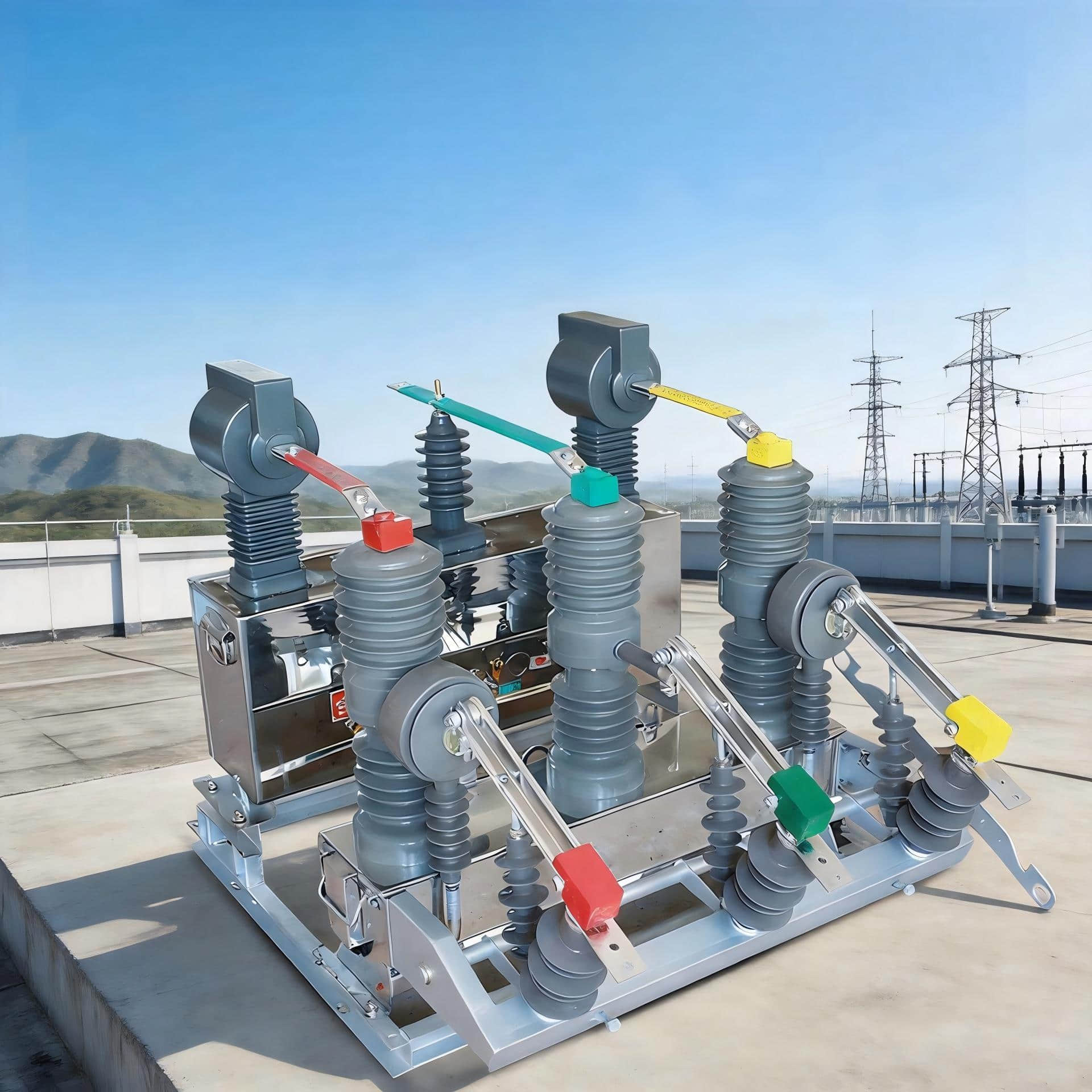
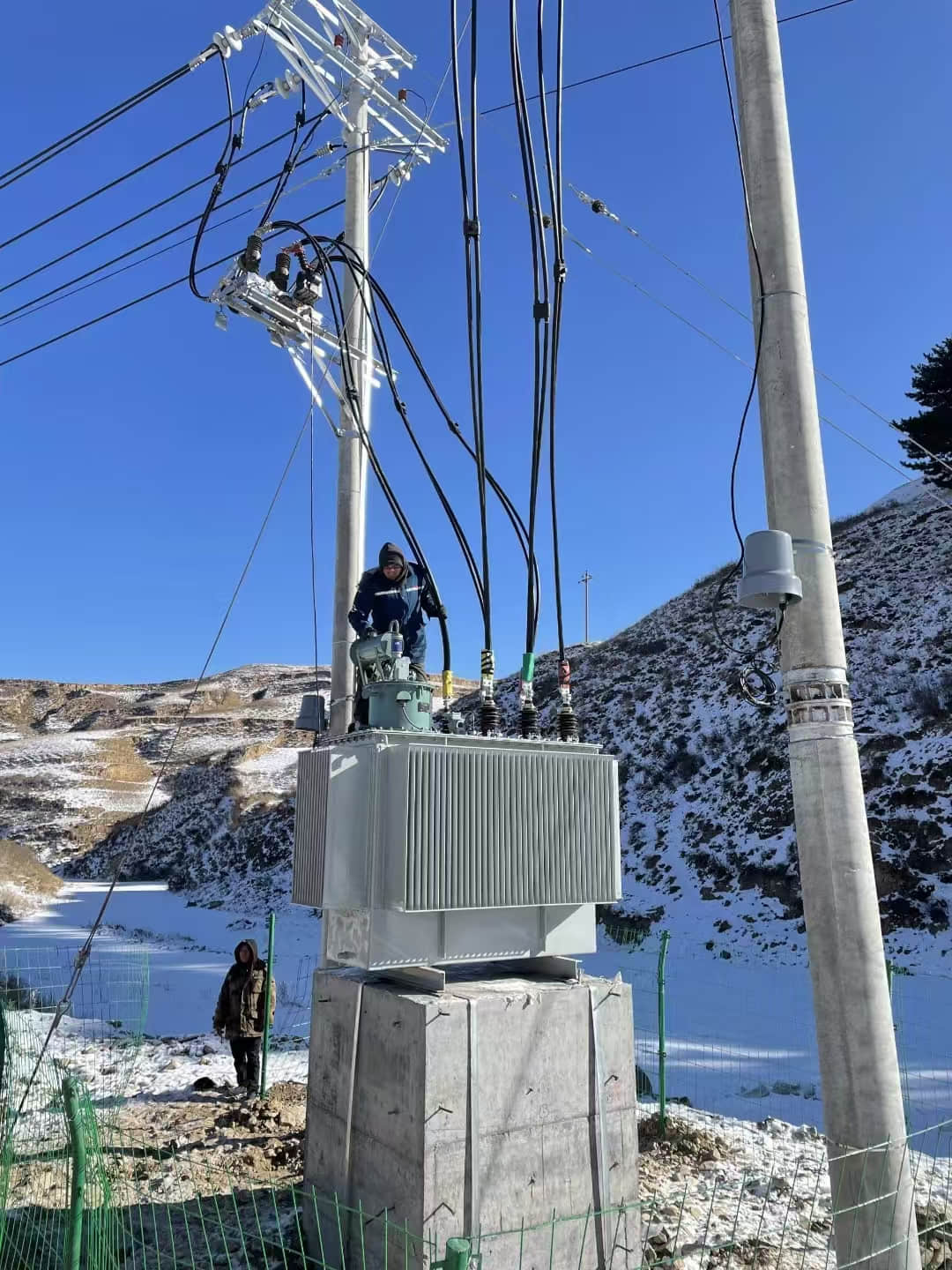
Outdoor Installation: Our fully sealed corrugated tank design prevents moisture and oxygen ingress, making these units ideal for harsh outdoor environments. When planning an outdoor substation, consider how this equipment integrates with 11kV circuit breakers for outdoor vs indoor applications to ensure a cohesive safety strategy.
Space and Ventilation: Ensure adequate spacing for the cooling system to function. While heat dissipation is managed by the oil and corrugated fins, natural airflow is still required.
Safety Protocols: For indoor installations, verify that the facility can accommodate oil-filled equipment regulations, including containment for potential leaks, although our hermetically sealed structure minimizes this risk significantly.
Frequently Asked Questions
Can a Transformer Replace a Voltage Regulator?
In short, no. While both devices manage electricity, they perform fundamentally different jobs. An oil-immersed transformer, like our S11-M or S13-M series, is designed to change voltage levels—stepping down high voltage (e.g., 10kV) to a usable low voltage (0.4kV). However, it operates on a fixed ratio. If the input voltage from the grid fluctuates, the output voltage will fluctuate by the same percentage.
An automatic voltage regulator, on the other hand, is built specifically to stabilize these fluctuations. It actively monitors the input and adjusts the output to maintain a constant level. You cannot use a standard transformer to fix an unstable power supply; you need a regulator for that specific task.
How Often Should the Cooling Oil Be Tested?
For traditional systems, regular testing of the insulating oil is critical to ensure dielectric strength and cooling performance. However, our modern fully sealed oil-immersed transformers feature a corrugated tank design that hermetically seals the oil from the atmosphere. This structure prevents oxygen and moisture from entering, which significantly slows down oil aging.
Standard Maintenance: For older open-type units, testing is recommended annually.
Weishuo Sealed Units: Our S11 and S13 series are designed to be virtually maintenance-free regarding oil quality, reducing long-term maintenance costs. Visual inspections of the transformer tank and monitoring for leaks are usually sufficient for routine checks.
Which Device Offers Better Protection Against Voltage Fluctuations?
The oil-immersed voltage regulator is the clear winner for managing voltage fluctuations. Its primary function is to compensate for dips and surges in real-time, ensuring your sensitive industrial equipment receives steady power. A transformer with a tap changer can adjust voltage, but only within a limited range and typically not automatically in response to rapid grid changes.
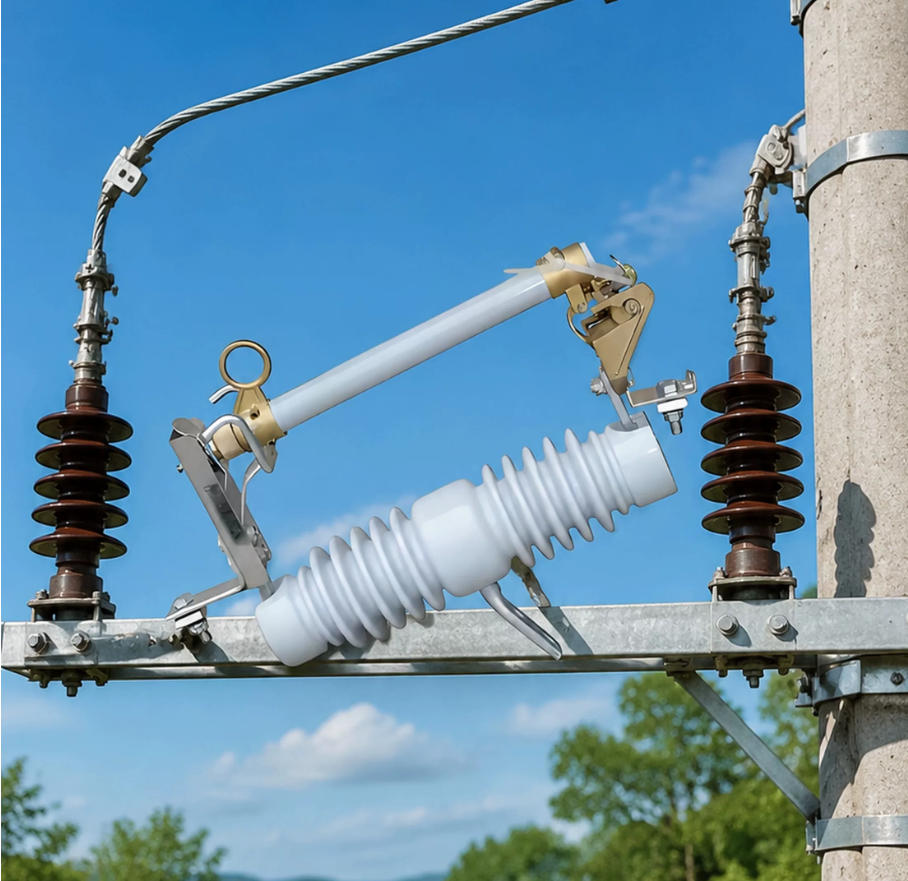
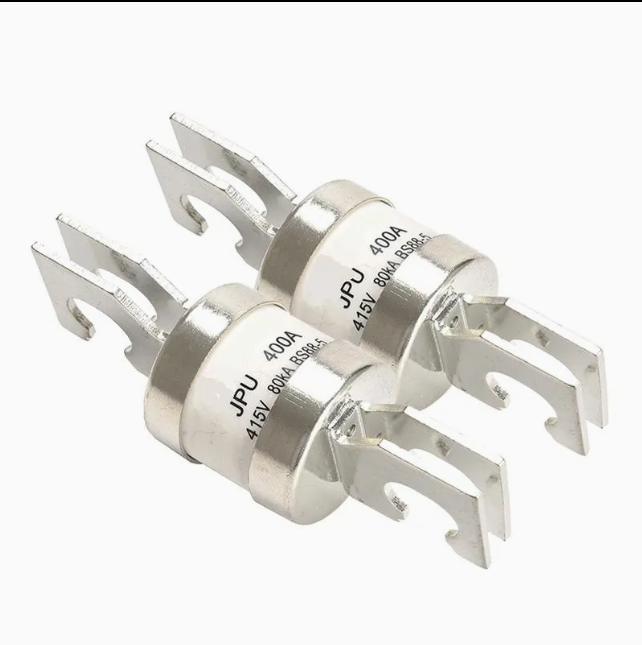
It is important to note that while regulators manage stability, they do not replace safety devices for catastrophic faults. For protection against short circuits or massive overloads, you must rely on components like a high-voltage fuse or circuit breaker to cut power instantly and prevent damage.