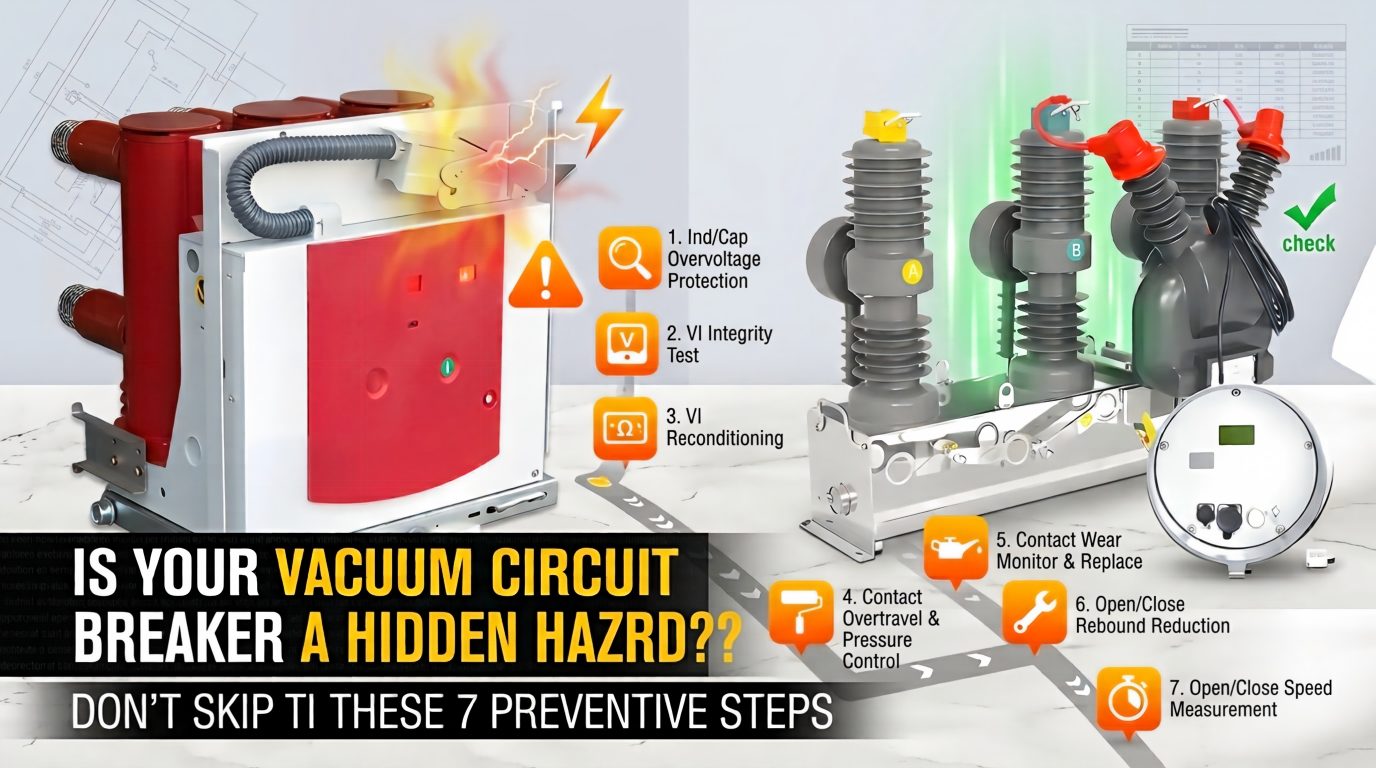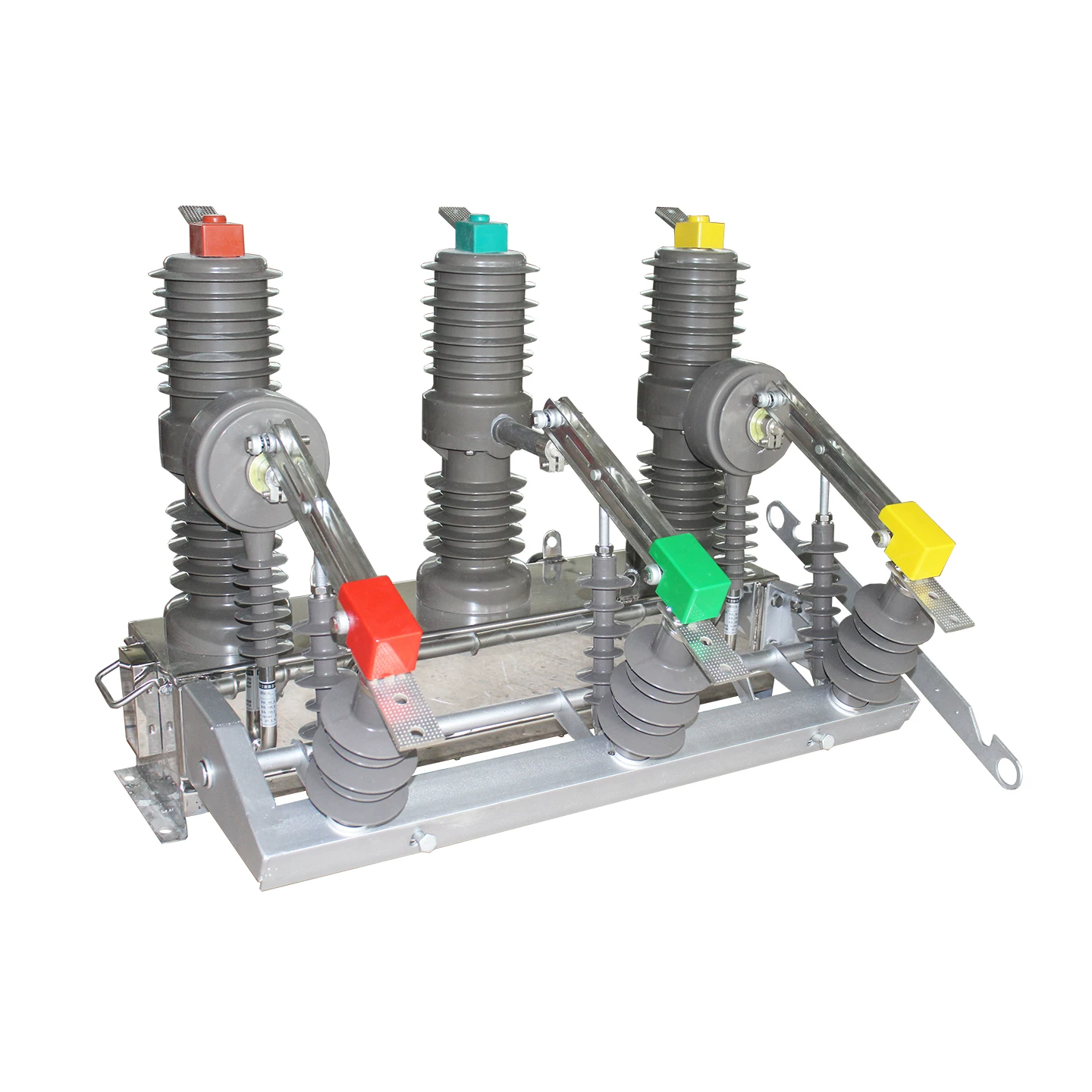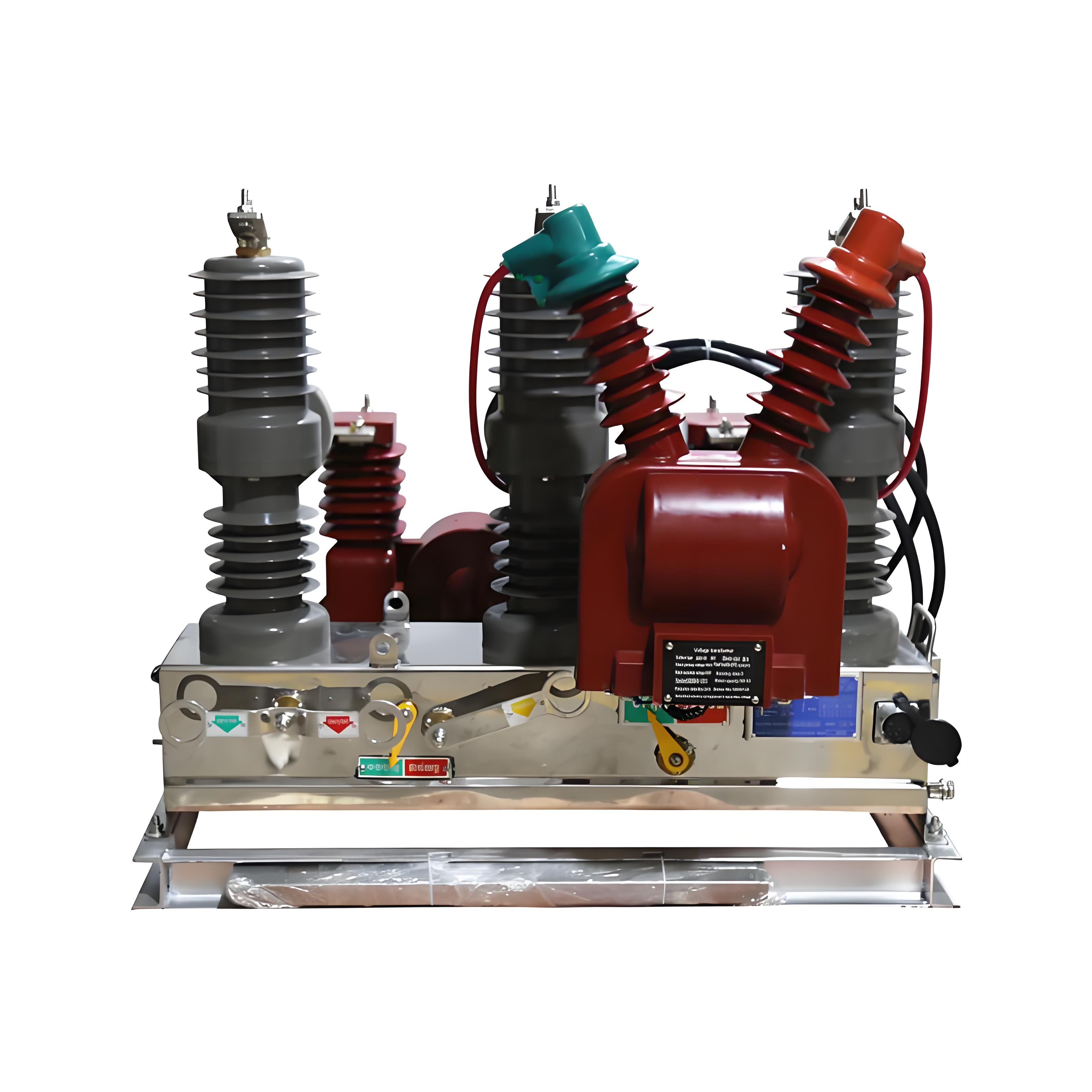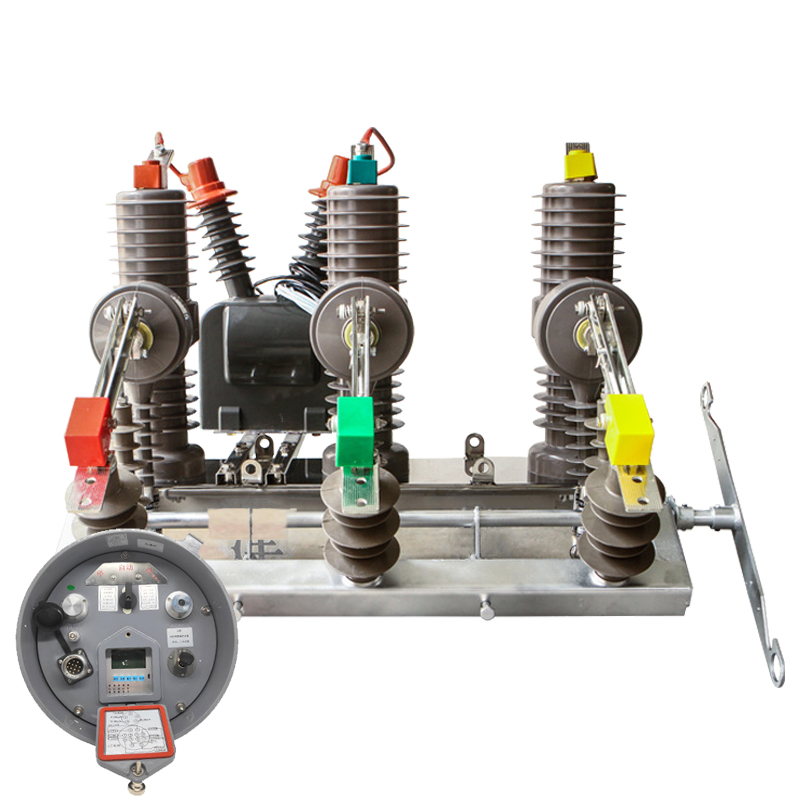
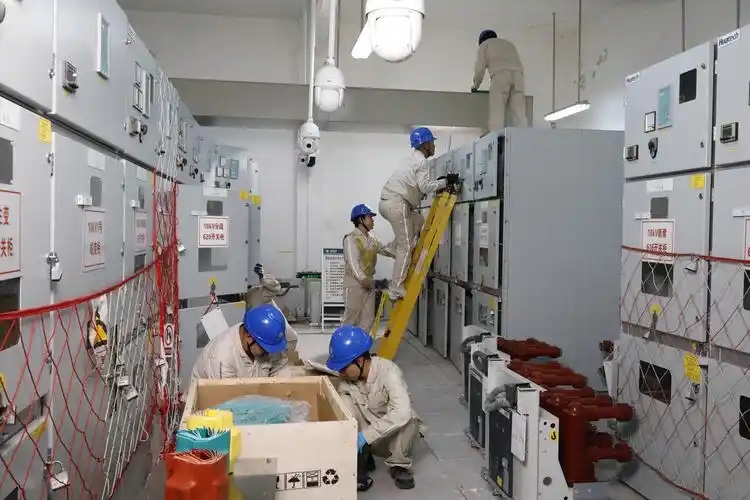
In modern industrial and commercial buildings, switchgear is the heart of the electrical system. It's responsible for both power distribution and protecting critical equipment.
Neglecting its maintenance is like ignoring a car’s service schedule. It will inevitably lead to performance degradation, reduced efficiency, and even a catastrophic failure down the line.
Why Switchgear Maintenance Is Critical
Electrical switchgear maintenance isn't just about extending equipment life; it's also about ensuring optimal performance. It also directly impacts personnel safety, operational continuity, and your company's bottom line.
A poorly maintained switchgear can harbor several hidden dangers. This can lead to serious risks like arc flashes, fires, and electrocution.
Ultimately, these issues result in unplanned downtime and significant financial losses. Implementing a systematic maintenance plan is the foundation for safeguarding your entire business operation.
The Cost of Neglect: From Minor Issues to Major Accidents
Many severe electrical system accidents don't happen suddenly. They are the result of many small issues that have accumulated over time.
Understanding the root causes of these common failures helps us better appreciate the true value of preventive maintenance. These problems are often easier to fix than you might think.
Arc Flash: This is one of the most serious risks in electrical maintenance. When connections are loose or insulation is damaged, it can lead to high-resistance spots that generate localized heat.

This heat can cause a violent and dangerous arc flash instantly. Such an event can not only permanently damage equipment but also cause severe injury or death to anyone nearby.
Insulation Breakdown: Insulating materials within a switchgear can gradually degrade over time. Factors like moisture and dust in the environment contribute to this process.
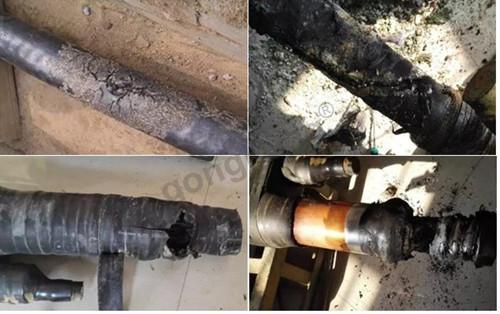
If not regularly cleaned and inspected, their insulating properties will decline. This can eventually lead to short circuits and dangerous fires.
Equipment Overheating: All electrical connections produce some level of heat. However, a loose connection or corroded contact dramatically increases resistance.
This results in severe localized overheating. Overheating can accelerate insulation aging, melt components, and lead to critical equipment failure.
Preventive Switchgear Maintenance and Testing
Preventive switchgear maintenance is about preventing failures before they happen. This is the most fundamental and crucial maintenance strategy for any system.
Switchgear maintenance and testing are core activities for ensuring your equipment’s performance is at its peak. It’s a proactive approach that pays for itself.
Detailed Maintenance and Testing Procedures
A thorough maintenance job typically involves several key steps. Adhering to each one is essential for safety and efficiency.
Safety Preparation: Always perform a proper Lockout/Tagout (LOTO) procedure. You must confirm all power is disconnected using voltage-sensing devices.
According to NFPA 70E safety standards, you must also wear the appropriate Personal Protective Equipment (PPE) for the task. Safety should always be your top priority.

Visual Inspection: Check the exterior and interior of the switchgear for any signs of physical damage, like dents or corrosion. You should also make sure the doors and seals are intact to prevent moisture from getting inside.
Cleaning: Remove any accumulated dust and dirt from the interior of the switchgear. You can use an industrial vacuum or a lint-free cloth.
Torque Check: Verify the tightness of all bolted connections, especially on busbars and cable terminations. You must use a torque wrench to ensure the connection is reliable and meets the manufacturer's values.
Lubrication: You should lubricate the moving parts of mechanical components like circuit breakers and switches. This ensures their operation is both smooth and reliable.
Insulation Testing: Use a high-voltage megohmmeter to test the insulation resistance of busbars and cables. This is a crucial step in assessing the overall health of the insulation material.
Contact Resistance Testing: Use a micro-ohmmeter to test the resistance of the main circuit breaker contacts. This ensures good conductivity and helps identify hidden corrosion or wear.
Thermal Imaging: During live operation, use an infrared camera to scan for potential hot spots. This is a crucial form of switchgear predictive maintenance.
Maintenance Pointers for Different Voltages
Different voltage levels have specific maintenance requirements that should be followed. It's crucial to understand these distinctions to perform the correct service.
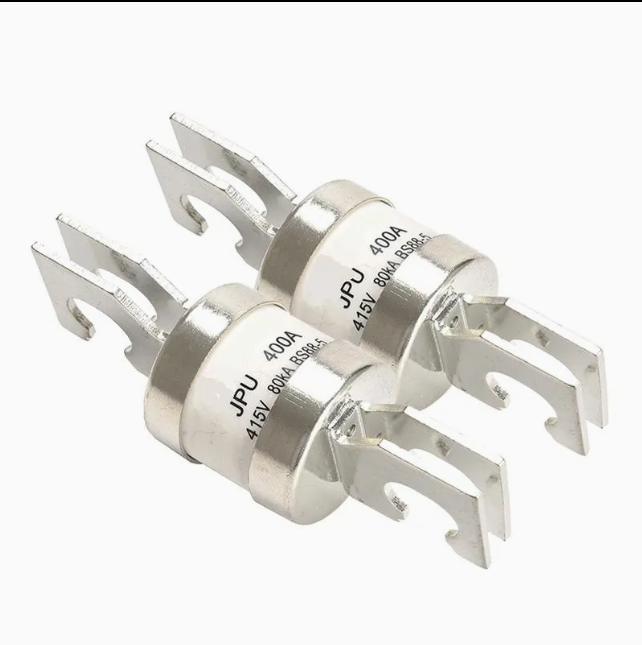
Low-Voltage (LV) Switchgear Maintenance: This primarily focuses on circuit breakers, fuses, and cable connections. Given the sheer number of these units, daily visual inspections are a must.
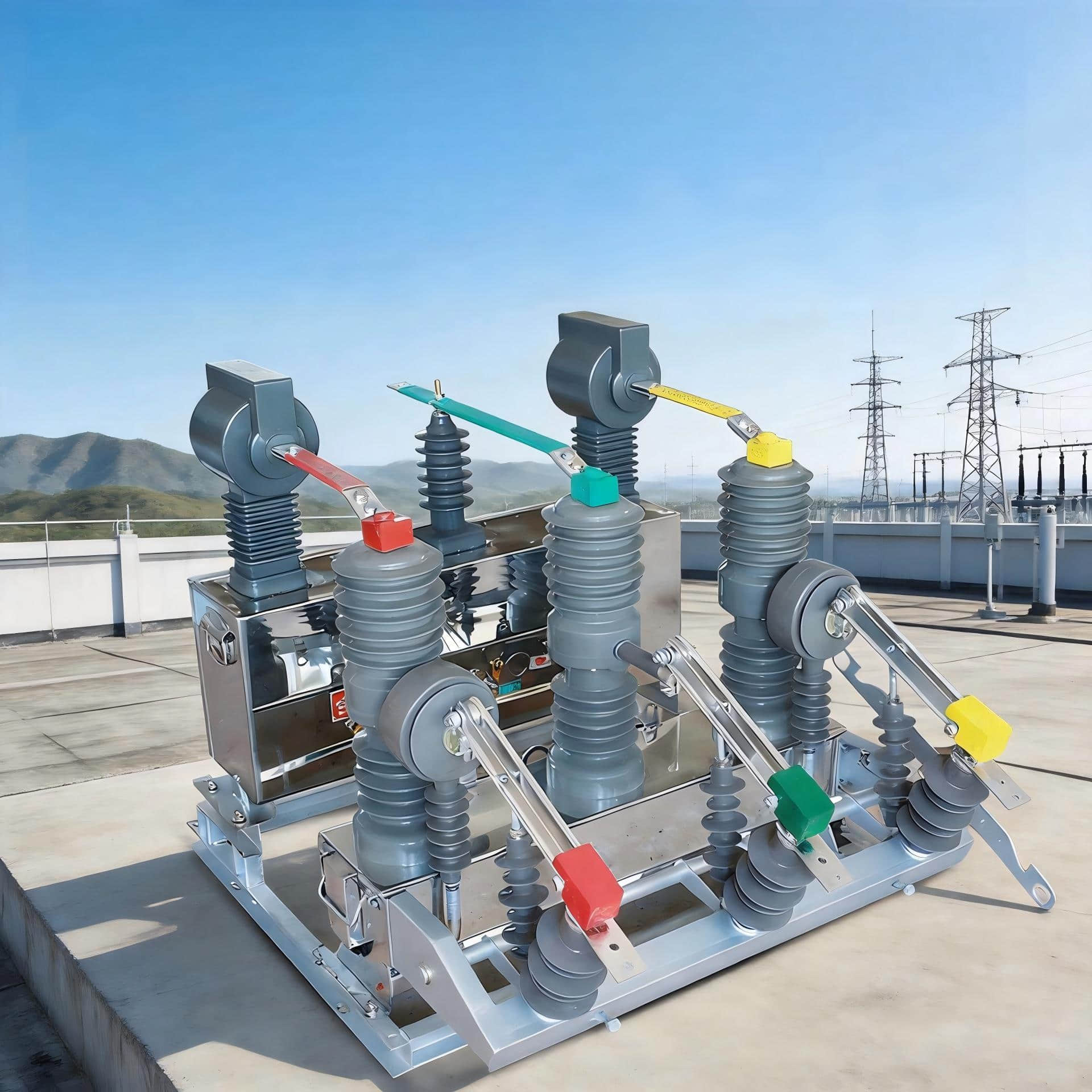
Medium- and High-Voltage (MV/HV) Switchgear Maintenance: This work is far more complex. In addition to general cleaning and tightening, it requires professional tests like partial discharge and high-pot testing.
For example, 11kV switchgear maintenance demands precise equipment and highly qualified personnel. This is to ensure absolute safety and accuracy.
Gas-Insulated (GIS) Switchgear Maintenance: The maintenance for these switchgear units differs from traditional air-insulated ones. Due to their sealed nature, maintenance primarily focuses on monitoring SF6 gas pressure and moisture content.
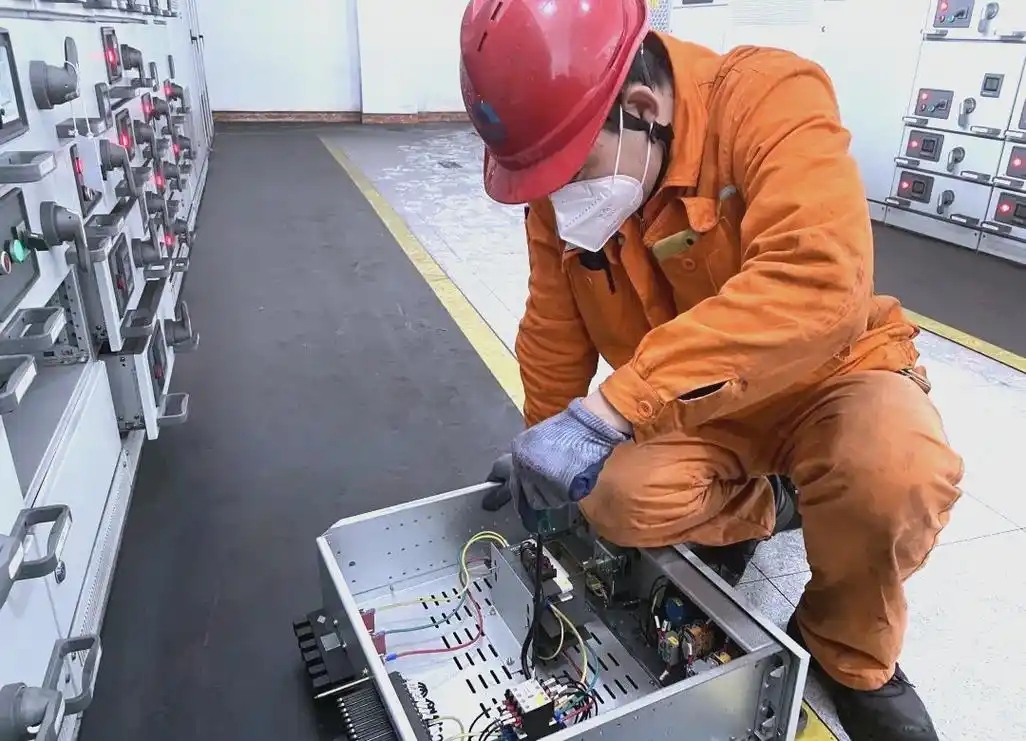
Success Stories: How Maintenance Saved Millions
To better illustrate the value of preventive maintenance, we’re sharing three real-world case studies from around the globe. These stories show how a proactive approach pays for itself.
Case One: A Detroit Automotive Plant. A large automotive manufacturer in Detroit, Michigan, relied on an aging 13.8kV switchgear system. During a routine annual switchgear preventive maintenance inspection, our engineers used thermal imaging to discover an abnormally hot spot.
After a detailed examination, we found that a loose bolt, caused by long-term vibration, had drastically increased the resistance. Without immediate action, this could have triggered a catastrophic arc flash.
Case Two: A London Financial Data Center. A major data center in London’s financial district requires extremely high power reliability. During a routine switchgear maintenance and testing service, our team found that a main circuit breaker’s contact resistance was outside of normal limits.
The test revealed a hidden corrosion issue. If it hadn't been fixed, it could have caused an unexpected trip during peak demand, impacting their business.
Case Three: An Outdoor Substation in Singapore. An outdoor substation in Singapore’s humid climate faced serious corrosion challenges. Our switchgear predictive maintenance plan involved regular monitoring of moisture, which led to the early detection of excess moisture in a sealed SF6 gas-insulated switchgear.
This indicated a minor seal leak. We promptly corrected the issue by refilling the gas and repairing the seals, preventing a critical grid failure.
Complete Switchgear Maintenance Checklist
A detailed and comprehensive switchgear maintenance checklist is essential for ensuring your work is systematic and thorough. This table covers all the key items from visual inspections to performance testing.
Professional Services and Resources
While this guide provides a thorough overview, some complex testing and repairs require a professional touch.
Finding a Service Provider
Choosing a reliable switchgear maintenance services company is critical. Firms that have certified engineers and advanced equipment can offer full-service solutions, from preventive maintenance to emergency repairs.
When selecting a provider, verify their qualifications and ensure they strictly follow industry standards. You should always look for a partner that prioritizes safety and compliance.
Training and Documentation
To improve your in-house team's capabilities, you can look for specialized switchgear maintenance training courses. These programs cover both theoretical knowledge and hands-on practice.
Additionally, consulting official documentation from manufacturers, such as switchgear maintenance PDFs or PPTs, is crucial. This will help you get the most authoritative information.
Switchgear Maintenance FAQ
1. How often should a switchgear be maintained?
There’s no single answer, as it depends on equipment type, environment, and load. For medium- to high-voltage switchgear, we recommend at least one preventive maintenance service per year.
2. Is professional maintenance worth the cost?
The cost of professional maintenance is minor when compared to the financial losses from unplanned downtime. It’s also far less expensive than the cost of a potential accident.
3. Why can't I perform maintenance myself?
Switchgear maintenance involves high-voltage electricity and presents an extremely high risk. Only trained professionals with the correct knowledge, tools, and safety protocols can perform this work safely.
4. What is the difference between preventive and predictive maintenance?
Preventive maintenance is periodic, like an annual inspection. Predictive maintenance is condition-based and uses technologies like thermal imaging to monitor the equipment’s health in real-time.
5. What documentation should I receive after maintenance?
A professional service provider should give you a detailed maintenance report. It should include a record of the work performed, test data, issues found, and future recommendations.
How Maintenance Extends Equipment Life
Correct and regular maintenance not only ensures safety but also significantly extends the lifespan of your switchgear. By consistently checking and testing, you can catch potential wear and aging issues early.
This prevents minor problems from causing cascade failures. This approach also greatly reduces your long-term switchgear operation and maintenance costs.
Contact Us for Professional Service & Support
Author: Thor, 12-Year Electrical Engineer
Company: Weisho Electric Co., Ltd.
📞 Phone: +86-0577-62788197
📱 WhatsApp: +86 159 5777 0984
✉ Email: thor@weishoelec.com
🌐 Website: weishoelec.com