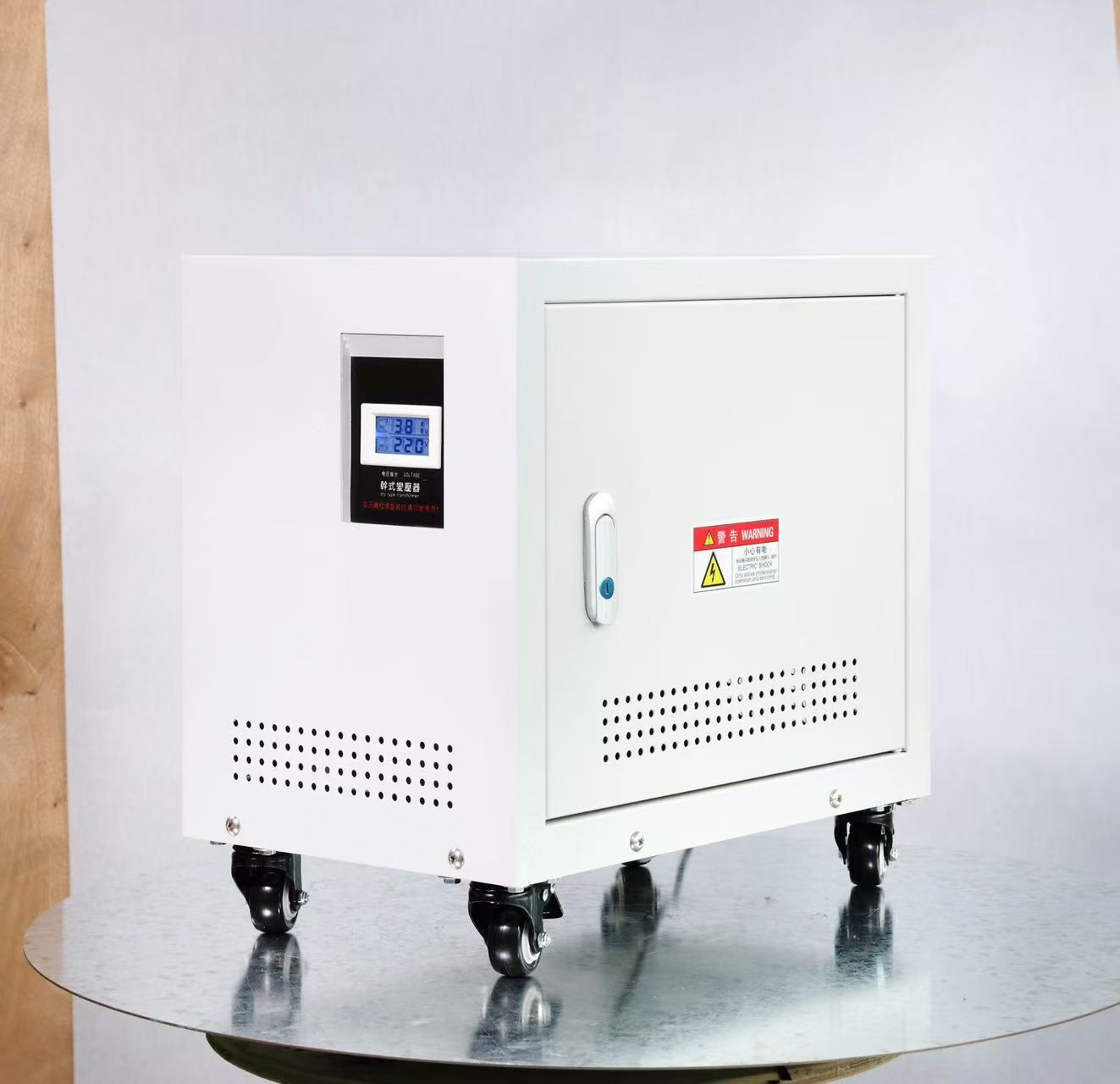
Working on live 120V AC gear without the right protection is playing with fire—literally. One wrong move on a hot chassis, a vintage tube amp, or a noisy audio rack, and you’re risking shock, damage, or hours chasing mysterious hum.
That’s where a 120V isolation transformer changes everything.
A quality 1:1 isolation transformer 120V gives you galvanic isolation, cuts ground loops, filters EMI/RFI noise, and creates a much safer environment for electronics repair, hi‑fi audio, and bench testing. Instead of guessing which cheap box online will actually protect your gear (and you), you’ll know exactly what to look for—power rating, shielding, core type, and certifications.
In this guide, you’ll see how a 120V isolation transformer really works, why it’s a must‑have for serious techs and audio enthusiasts, and how to choose a reliable unit (including solid options from WEISHO) without wasting money on the wrong hardware.
What Is a 120V Isolation Transformer?
A 120V isolation transformer is a special transformer that takes in 120V AC and outputs a separate, electrically isolated 120V AC.
You still get the same voltage, but your equipment is no longer directly tied to the building’s power and ground. That extra layer—called galvanic isolation—is what boosts safety, reduces noise, and protects gear.
How a 120V Isolation Transformer Works
A 1:1 isolation transformer 120V has two separate copper windings:
| Part | Name | What It Does |
|---|---|---|
| Input winding | Primary winding | Connects to wall power (120V AC) |
| Output winding | Secondary winding | Feeds your load with isolated 120V AC |
| Magnetic core | Core (iron/steel) | Transfers energy via a magnetic field, not wires |
Energy moves from primary to secondary through the magnetic core only.
There is no direct electrical connection between the input and the output.
That’s galvanic isolation.
1:1 Ratio and Galvanic Isolation Explained
Most bench isolation transformers for 120V power use a 1:1 turns ratio:
Input: 120V AC
Output: 120V AC (same voltage, isolated source)
Galvanic isolation means:
No shared neutral between the wall and the output
No direct conductive path for fault current
Touching one output line and ground is much safer than touching hot + neutral from the wall
You don’t use a 1:1 isolation transformer to change voltage.
You use it to break the direct link to the utility supply and control your reference ground.
Isolation Transformer vs Autotransformer vs “Standard” Transformer
These terms get mixed up a lot, but they’re not the same:
| Type | Isolation? | Shared Winding? | Common Use |
|---|---|---|---|
| 1:1 isolation transformer 120V | Yes | No | Safety, audio noise reduction, and repair work |
| Autotransformer (Variac) | No | Yes (one winding) | Voltage adjustment, testing, export gear |
| Standard step-up/step-down | Sometimes | Often separate | 120V to 240V, or 240V to 120V conversions |
Key differences:
Isolation transformer: Separate primary and secondary, true galvanic isolation.
Autotransformer/Variac: One shared winding, no isolation, not a substitute for a bench isolation transformer.
A “standard” transformer may or may not isolate, depending on design; a 120V isolation transformer is built specifically to isolate.
120V AC Specs in North American Power
In the US and most of North America, we design isolation transformer 120V products around these typical specs:
| Spec | Typical Value |
|---|---|
| Nominal line voltage | 120V AC |
| Frequency | 60 Hz |
| Tolerance | About ±5% (roughly 114–126V in practice) |
| Outlet type | NEMA 5-15 (15A) or 5-20 (20A) |
| Ground | Safety equipment ground required |
A good 120V isolation transformer is built to handle real‑world line variations, noise, and surges on this system, then deliver cleaner, safer 120V AC power isolation on the secondary side.
Key Benefits of a 120V Isolation Transformer
A 120V isolation transformer gives you safer, cleaner, and more stable power—especially important on a U.S. 120V AC bench, in a studio, or around sensitive electronics.
Shock protection and safer electronics repair
A 1:1 isolation transformer 120V breaks the direct electrical path (galvanic isolation) between you and the utility grid. That means:
Reduced risk of lethal shock when probing live circuits
Much safer work on tube amps, vintage gear, and SMPS boards
Better protection when using metal tools, scopes, and test gear on an open chassis
For any serious electronics repair safety setup, a bench isolation transformer is a must-have, not a nice-to-have.
Noise filtering, EMI/RFI reduction, and cleaner power
A quality 120V AC power isolation unit also helps clean up your line:
The transformer’s core naturally filters some EMI/RFI noise
Models with a Faraday shield transformer design block, high-frequency interference
Sensitive lab instruments, DACs, and digital gear run more stably on filtered power
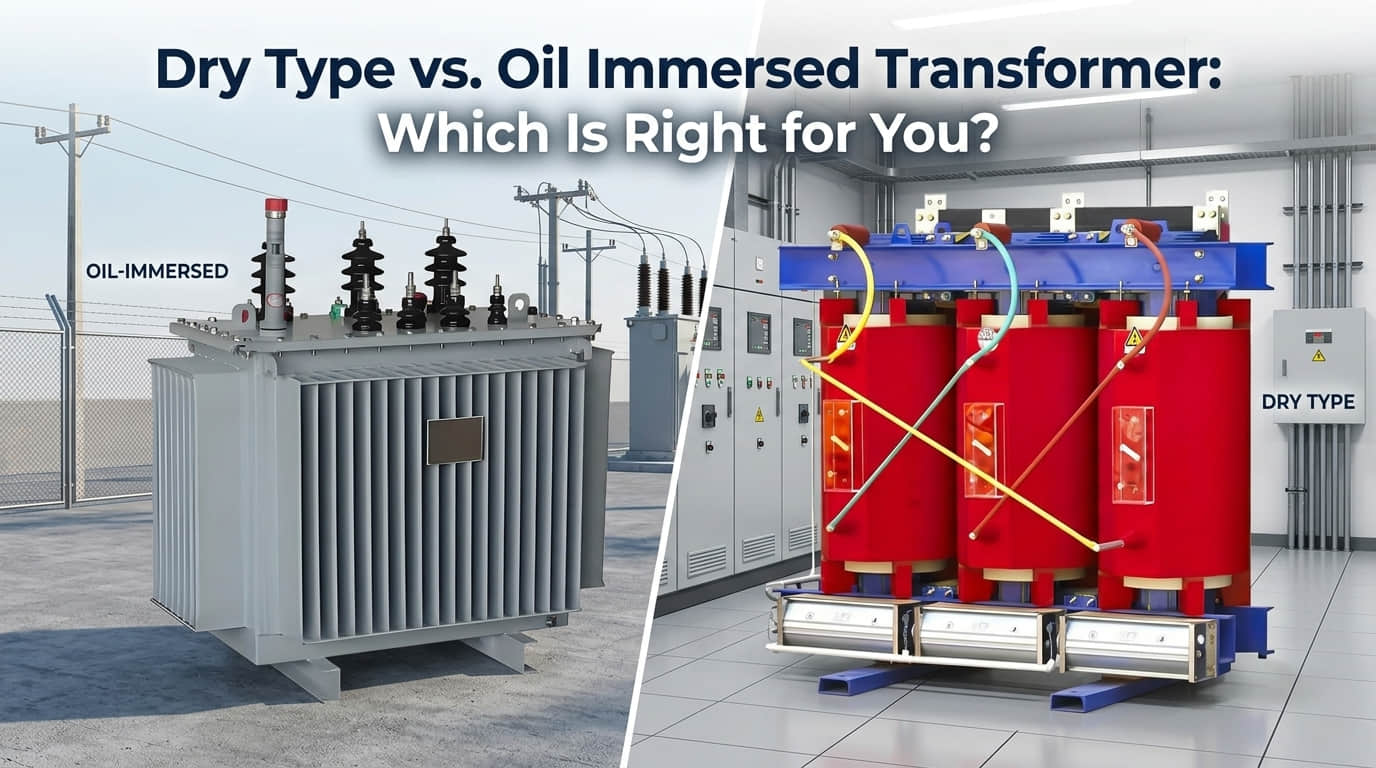
If you’re working near big motors, welders, or switching supplies, this cleaner feed can make a visible difference in performance—similar in spirit to how a well-designed oil-immersed transformer with an on-load tap changer stabilizes voltage at the grid scale.
Fixing hum and ground loop issues in audio systems
For audio isolation transformer 120V use, keeping AC grounds separated is huge:
Breaks ground loops between amps, interfaces, and rack gear
Cuts 50/60 Hz hum, buzz, and low-level hiss
Cleaner recordings and playback in hi‑fi and studio audio setups
Used with proper signal grounding or a ground loop isolator, a good audio noise reduction transformer can tighten your noise floor dramatically.
Protecting sensitive gear from surges and spikes
Many surge protection transformer designs add another safety layer:
The transformer absorbs and limits some fast spikes
Combined with MOVs or surge modules, it helps guard test equipment, studio gear, and PCs
Reduces stress on medical-grade isolation transformer systems, marine isolation transformer, and RV isolation transformer 120V setups
For shops, labs, and small industrial panels, pairing an industrial isolation transformer 120V with proper breakers and surge devices is a simple way to boost reliability and uptime.
120V Isolation Transformer Applications
A 120V isolation transformer is one of those tools that quietly does a lot of heavy lifting across different setups in the U.S. Here’s where it really earns its keep:
Electronics Bench and Lab Work
On a repair bench, a bench isolation transformer is almost non‑negotiable. It lets you safely probe live circuits, especially switch‑mode power supplies and AC‑powered gear, by breaking the direct path to the mains. For hobbyists, techs, and small labs, it’s the backbone for electronics repair safety and stable 120V AC power isolation.
Vintage Gear and Tube Amp Repair
Old radios, guitar amps, and tube gear often have “hot chassis” designs. A 1:1 isolation transformer 120V keeps you from tying your test gear and your body directly to line voltage. It’s the right way to work on vintage Fender/Marshall‑style amps, classic hi‑fi, and restored radios without gambling with shock risk.
Hi‑Fi and Studio Audio Setups
For home studios and audiophiles, a 120V audio isolation transformer helps kill hum, buzz, and ground loop noise that show up between amps, DACs, interfaces, and computers. A good audio noise reduction transformer with EMI/RFI filtering delivers cleaner power, so your signal chain is quieter and your monitoring is more accurate.
Medical and Clinical Equipment Isolation
Hospitals and clinics rely on medical‑grade isolation transformers to keep patient‑connected devices electrically isolated from the building mains. These meet strict safety standards and often pair with high‑reliability switchgear similar to what’s used in protected distribution cabinets and indoor load break switch systems like an SF6 load break switch assembly, where controlled, fault‑safe power handling is critical.
Marine, RV, and Industrial Use Cases
On boats and RVs, a marine isolation transformer or RV isolation transformer 120V helps handle shore power issues, prevent galvanic corrosion, and tame dirty campground or marina power. In shops and light industrial environments, an industrial isolation transformer 120V protects test stations, PLCs, and control gear from line noise and spikes, while keeping operators safer when working on live equipment.
How to Choose the Right 120V Isolation Transformer
Sizing by VA and watts for your load
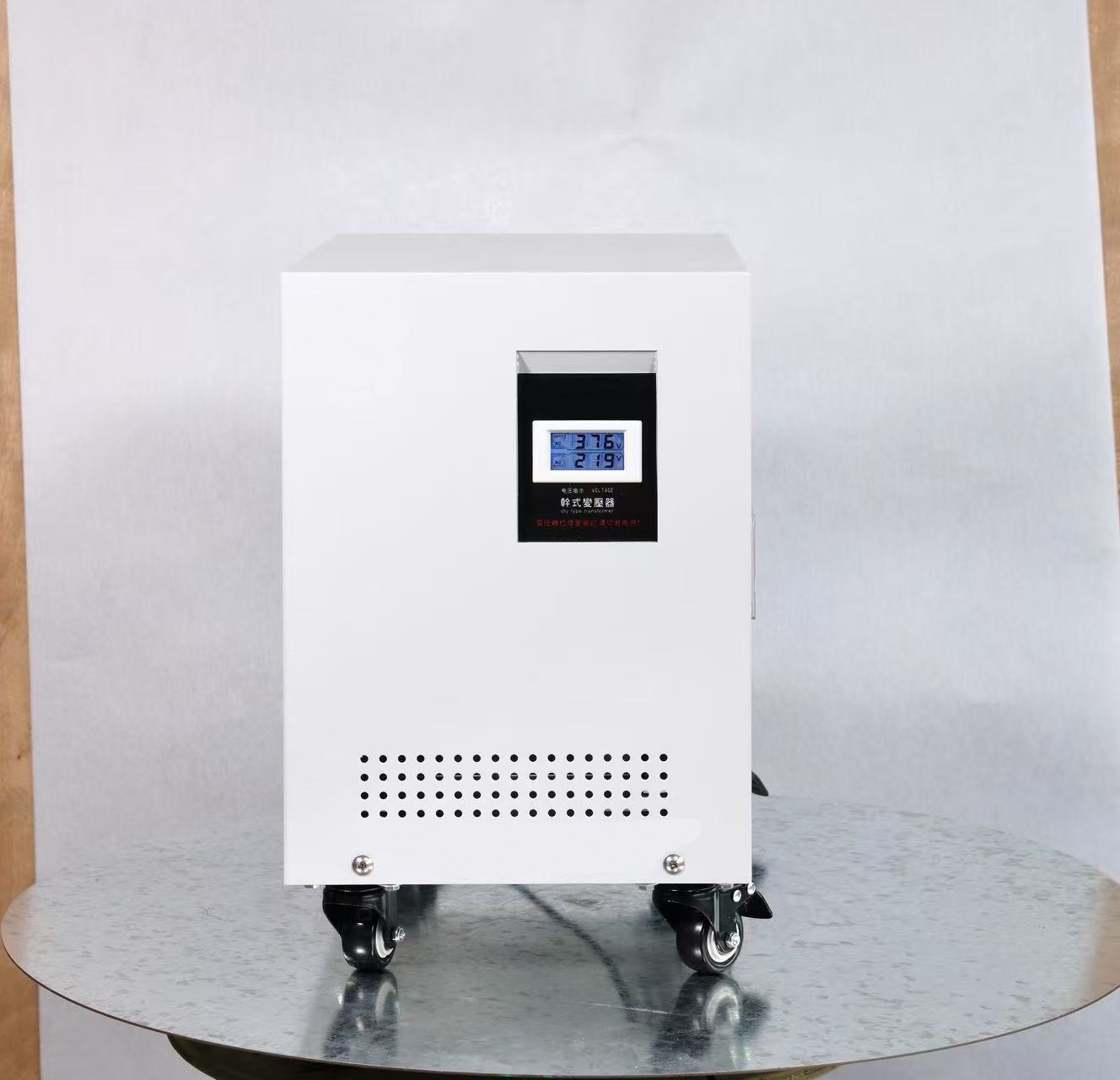
When you pick a 120V isolation transformer, start with the load:
Check watts or amps on your gear label (W or A at 120V).
Convert to VA:
For most electronics: VA ≈ Watts ÷ 0.8 (assumes 0.8 power factor).
Or use VA = Volts × Amps if amps are listed.
Add up all devices you’ll plug in, then add 30–50% headroom so the transformer runs cool and lasts longer.
Example: 400W of total gear → choose at least 600VA–700VA bench isolation transformer.
If you’re supporting gear that spikes on startup (tube amps, motors, power tools), size even larger to avoid nuisance trips and overheating.
Toroidal vs laminated core for noise and efficiency
Core type matters for how your 1:1 isolation transformer 120V behaves day to day:
Toroidal isolation transformer
More efficient, smaller, and lighter for the same VA.
Runs quieter with lower stray magnetic fields → great for audio noise reduction, studio racks, and home labs.
Slightly higher cost, can inrush harder at power‑on.
Laminated EI core
Bulkier and can mechanically hum more.
Very rugged and cost‑effective for industrial isolation transformers, 120V, and general shop use.
Often, the better value when weight and size aren’t a big deal.
For hi‑fi, studio, and bench work near sensitive electronics, I lean toward toroidal. For rough shop and industrial use, laminated is perfectly solid.
Shielding, Faraday screens, and build quality
If you want truly clean 120V AC power isolation, don’t skip shielding:
An electrostatic/Faraday shield between the primary and secondary helps block EMI/RFI and high‑frequency noise. It’s a big plus for audio isolation transformers, 120V, and sensitive test gear.
Look for a groundable shield lead and a clearly marked earth ground terminal.
Choose units with:
Thick metal housing
Solid strain reliefs and terminals
Quality internal wiring and insulation
If you’re already working on your power setup, pairing with a properly rated transformer like our step‑down transformer with robust construction is a smart move for long‑term reliability and safety.
Useful features: outlets, switches, meters, surge protection
The right features make daily use easier and safer:
Multiple outlets (preferably an isolated bank) for powering several devices.
On/off switch and resettable breaker so you don’t have to unplug to cut power.
Voltmeter/ammeter to see what your load is doing in real time.
Surge protection and filtering to clamp spikes, especially for vintage gear and tube amps.
An isolated ground outlet for cleaner audio and fewer ground loop problems.
For a busy bench isolation transformer, I recommend at least one front outlet, a main switch, and an overload protector.
Safety certifications: UL, CSA, medical‑grade
In the U.S., certifications are not optional if you care about safety and insurance:
UL Listed / UL Recognized and/or CSA marks show the transformer meets U.S./Canadian safety standards.
For clinical environments, look for medical-grade isolation transformers with:
Low leakage current
Hospital‑grade outlets
Specific medical approvals (e.g., UL 60601 equivalents)
If you’re installing near critical power gear or breaker panels, you should also follow NEC and local code practices similar to what’s expected when you replace an electrical breaker box safely.
Budget tiers: entry‑level, mid‑range, pro use
Match your spend to how you’ll actually use the transformer:
Entry‑level
Small 120V isolation transformer (150–500VA).
Good for hobby electronics repair, DIY projects, and light test work.
Mid‑range
500–1500VA with better shielding and AC filters.
Ideal for hi‑fi systems, home studios, and serious bench labs.
Pro / industrial
2kVA and up, rugged enclosure, often hard‑wired.
Best for shops, marine isolation transformer setups, RV isolation transformer 120V installations, and commercial audio racks.
I always suggest buying one size up from what you think you need—your gear list always grows, but your transformer should never be the weak link.
Best 120V Isolation Transformer Options
Low‑power 120V isolation transformer (bench & hobby)
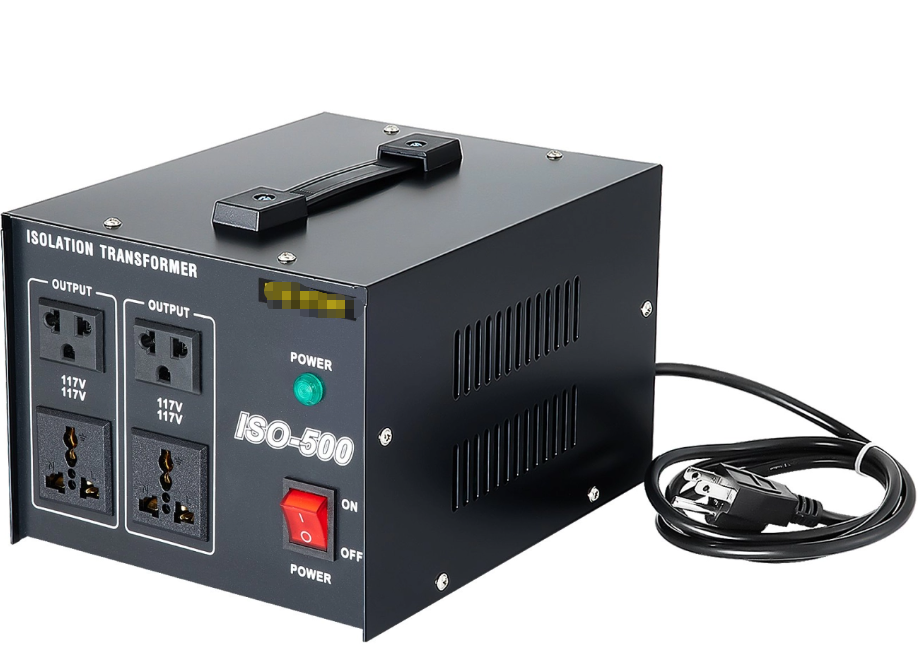
For electronics repair, DIY, and light test gear, a compact 1:1 isolation transformer 120V in the 300–500 VA range is usually enough. I like units that offer:
1–2 grounded 120V outlets on the front
Overload protection and a clear power switch
Basic EMI/RFI filtering for cleaner bench power
A good bench isolation transformer cuts shock risk when you’re probing live circuits and keeps noisy wall power away from your test gear.
Mid‑range 120V isolation transformer (audio & home labs)
For home studios, hi‑fi, and more serious labs, a 1000–2000 VA audio isolation transformer 120V is the sweet spot. Look for:
Toroidal isolation transformer design for low hum
Built‑in Faraday shield for better EMI/RFI filtering
Multiple isolated outlets for amps, DACs, and interfaces
Optional meters to watch voltage and current
These are ideal as an audio noise reduction transformer and ground loop isolator, especially when you’re chasing that last bit of background hum.
High‑capacity 120V isolation transformer (shops & industrial)
For shops, industrial benches, RVs, and small marine setups, a 3000–10000 VA industrial isolation transformer 120V makes more sense. What I recommend:
Rugged metal enclosure and strong mounting options
High inrush capability for tools, compressors, or big tube amps
Thermal protection, breakers, and clear status indicators
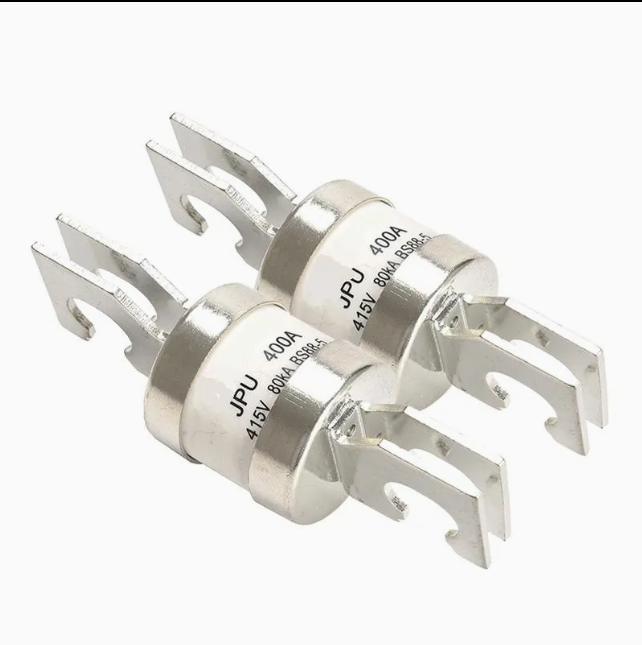
In heavier environments, isolation works hand‑in‑hand with your upstream protection gear, including breakers and fuse systems similar to those covered in Weisho’s breakdown of the 5 main types of fuses.
What makes WEISHO 120V isolation transformers stand out
WEISHO isolation transformers are built for real‑world North American use, not just lab specs. What I focus on:
True galvanic isolation with tight primary/secondary separation
Solid copper windings and low‑noise cores for stable 120V AC power isolation
Options with Faraday shield, surge protection, and multi‑outlet panels
UL/CSA‑oriented designs and medical‑grade variants inspired by our high‑voltage know‑how on products like the combined instrument transformer line
Whether you’re doing electronics repair safety work, cleaning up power in a studio, or isolating RV or marine loads, I build and recommend WEISHO units to be the kind of gear you buy once and rely on for years.
Install and Use a 120V Isolation Transformer Safely
Basic wiring and grounding, you shouldn’t skip
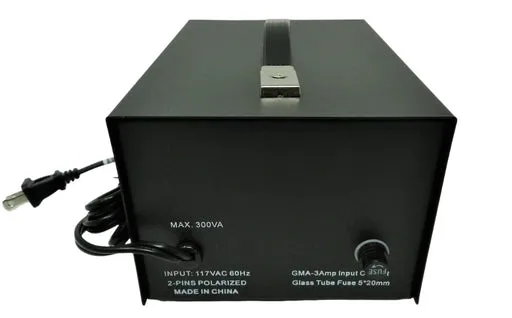
When you install a 120V isolation transformer, wiring and grounding are non‑negotiable:
Use a properly grounded 3‑prong outlet on a dedicated circuit whenever possible.
Line (hot), neutral, and ground must be wired exactly as the manufacturer shows—don’t guess, follow the diagram.
Keepthe input ground (from the wall) solid and continuous; never lift the safety ground to “kill noise.”
On the output side, remember: a 1:1 isolation transformer 120V breaks the direct electrical path, but you still need proper grounding to your equipment chassis.
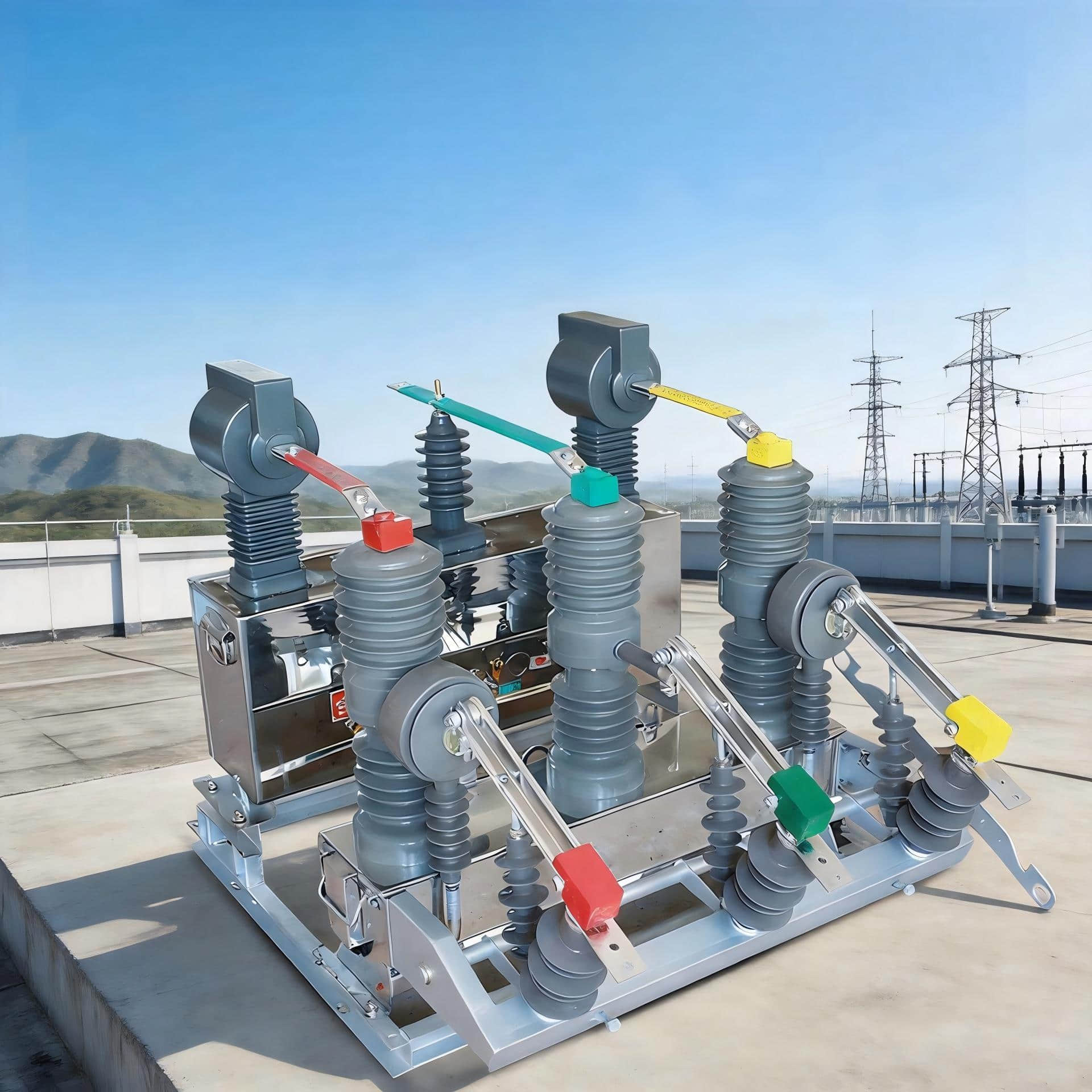
On large or critical setups (benches, labs, or commercial gear), pair your isolation transformer with compliant upstream protection like breakers or high‑voltage gear such as indoor vacuum circuit breakers for safer distribution.
Where to place the transformer on your bench or rack
A 120V isolation transformer runs cooler and safer when it’s placed smartly:
Keep it off the floor, away from dust and metal shavings.
On a bench, place it toward the back or side, with clear airflow around vents.
In a rack, leave 1U of space above and/or below for cooling, especially with toroidal isolation transformers that run warm under load.
Keep audio gear a bit away from large transformers to avoid magnetic hum pickup in sensitive preamps or mics.
Common mistakes and bad habits to avoid
These are the habits that damage gear or put you at risk:
Using the isolation transformer as a surge protector only—it’s for galvanic isolation and safety, not just spikes.
Connecting house wiring directly without proper outlets, strain relief, or enclosure.
Overloading the transformer beyond its VA rating; that’s how you overheat and shorten life.
Bypassing fuses or breakers because they “trip too often.” If they trip, there’s a problem to fix.
Using an isolation transformer on gear that already has SMPS supplies with built‑in filtering, then assuming you’re shock‑proof. You still have to respect live circuits.
Care, cooling, and maintenance for long life
If you want your 120V AC power isolation setup to last, treat it like a core part of your bench:
Keep vents and fan intakes clear; vacuum dust out occasionally.
Make sure the transformer runs warm, not burning hot. If you can’t hold your hand on the case for a few seconds, you’re either overloaded or have poor airflow.
Check cords, plugs, and outlets at least a couple of times a year for discoloration, looseness, or cracking.
Don’t stack heavy gear on top of the transformer; give it solid footing and room to breathe.
Handled right, a 120V isolation transformer becomes one of the safest, most reliable tools on your bench for electronics repair, audio work, and sensitive equipment protection.
120V isolation transformer FAQs
Do I really need an isolation transformer for repairs?
If you’re working directly on live 120V AC gear—tube amps, power supplies, vintage radios, guitar amps, test benches—a 120V isolation transformer is a must-have, not a luxury. It:
Breaks the direct path to the utility grid (galvanic isolation)
Reduces shock risk when you touch the chassis and ground
Makes “hot chassis” vintage gear far safer to troubleshoot
If your “repair” work is just swapping boards or doing low‑voltage DC troubleshooting with wall adapters, you can get by without one. But for open‑frame mains circuits, a bench isolation transformer is the right way to work in a U.S. 120V shop.
Isolation transformer vs variac vs surge protector
These three do very different jobs:
120V isolation transformer (1:1)
Isolates you and your gear from the building ground
Helps with electronics repair safety, ground loops, and noise
Often includes EMI/RFI filtering
Variac (autotransformer)
Adjusts AC voltage up/down (0–140V typically)
Does not provide galvanic isolation
Best used after an isolation transformer for repair work
Surge protector / power strip
Clamps voltage spikes and surges
Zero isolation, minimal noise cleanup
Good add‑on, but not a replacement for a 120V isolation transformer
For a proper U.S. bench setup: isolation transformer first, then a variac if you need adjustable voltage, plus a good surge protector on the input side.
Standard vs medical‑grade 120V isolation transformer
Both provide 120V AC power isolation, but they’re built to different levels:
Standard 120V isolation transformer
Great for audio, labs, marine, RV, and general electronics
Good insulation, basic or moderate leakage current
Typically UL/CSA listed for general use
Medical‑grade isolation transformer
Designed for patient‑connected gear and hospital environments
Very low leakage current, stricter insulation and testing
Often used in hospital isolation transformer 120V systems and clinical gear
If you’re running hi‑fi, studios, test benches, or industrial controls, a standard 1:1 isolation transformer 120V is usually enough. If it’s going near patients or critical life‑support gear, you want a medical grade isolation transformer and a grounding approach that aligns with medical codes. For deeper context on how grounding and isolation differ, I recommend checking a focused primer on grounding vs isolation transformer designs.
Troubleshooting common isolation transformer problems
When a 120V isolation transformer acts up, I look at a few basics first:
Hum or vibration
Normal light mechanical hum is fine; loud buzz means loose laminations, overload, or DC on the line
Check mounting, load size, and make sure you’re under the rated VA
Running hot
Verify total watts/VA of your connected gear
Stay under 70–80% of rated VA for continuous use
Ensure airflow; toroidal isolation transformers run cooler and quieter than many laminated cores
Breaker or fuse tripping
Inrush current from big transformers or tube amps can trip fast breakers
Try a slow‑blow fuse (within spec), or stagger startup of large loads
No output / low voltage
Confirm the input is really 120V
Check built‑in breakers, switches, or thermal resets
Inspect outlets and wiring connections for burns or loose terminals
If those basics don’t solve it, take the unit out of service and have it tested—especially if it’s handling critical loads like medical, marine isolation transformer, or industrial isolation transformer 120V applications.