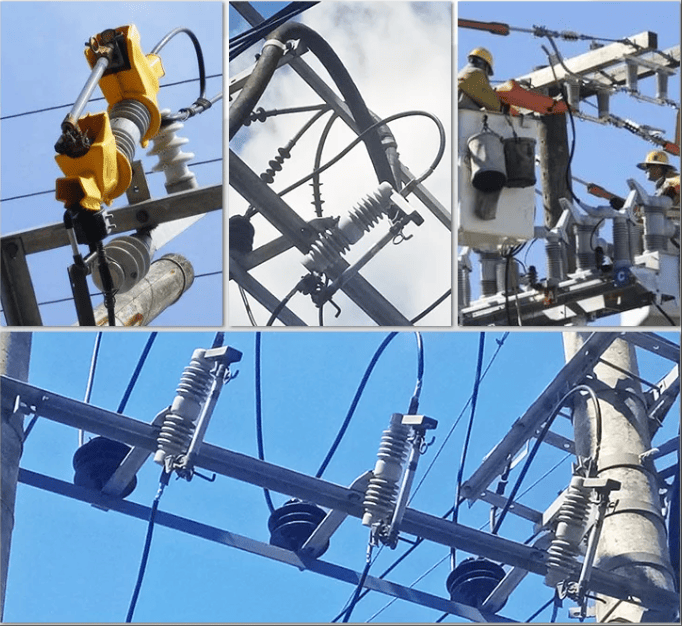
Many people in the power industry, including technical staff and electrical fans, often feel confused. They struggle to choose the right type of high-voltage fuse. Knowing the differences between fuse types and their appropriate applications is essential for ensuring safety and efficiency.
This article explains five common types of high-voltage fuses. The sentence focuses on their structure, how they work, and where people use them.
What Are High-Voltage Fuses?
High-voltage fuses are critical protective devices used in power systems. Engineers design them to interrupt the circuit when an overload or short circuit occurs. When the current goes above a certain level, the fuse melts from the heat. This disconnects the circuit and protects the equipment and wiring from damage.
The 5 Main Types of High-Voltage Fuses
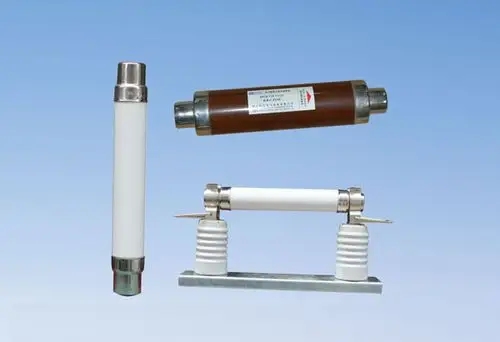
1. Current-Limiting High Voltage Fuses
Structure and Working Principle:
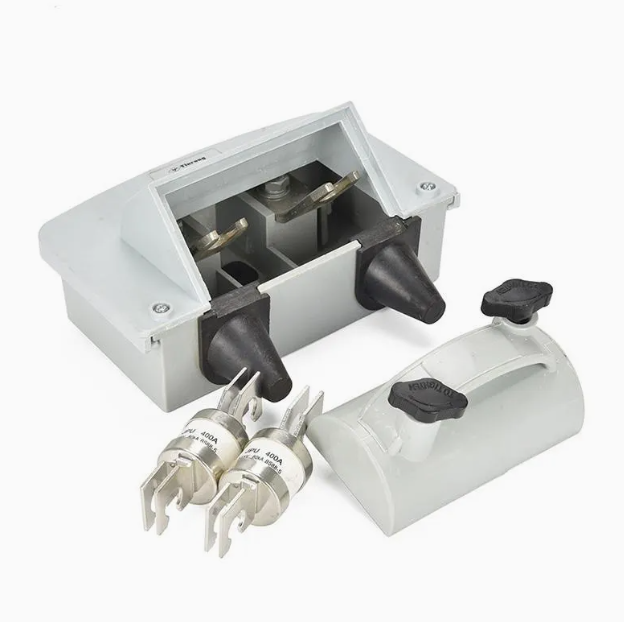
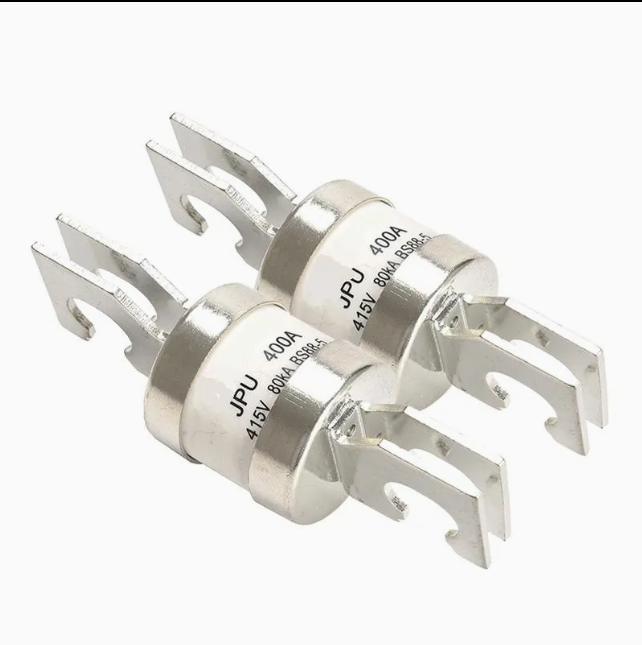
These fuses consist of a fusible element, quartz sand filler, fuse tube, conductive terminals, and connection points. Manufacturers typically make the fusible element from high-melting-point metals like copper or silver. When excessive current flows through the circuit, the element melts and generates an arc.
Text: ```Quartz sand in the fuse tube cools quickly. It puts out the arc by absorbing energy. This process deionizes the arc path. It limits the size and time of the short-circuit current.```
Applications:
Widely used in high voltage transmission lines, power transformers, and switchgear for short circuit protection. In substations, they help protect transformers by interrupting fault currents quickly, preventing further damage. In high-voltage switchgear, they ensure the safe operation of internal components by providing reliable short-circuit protection.
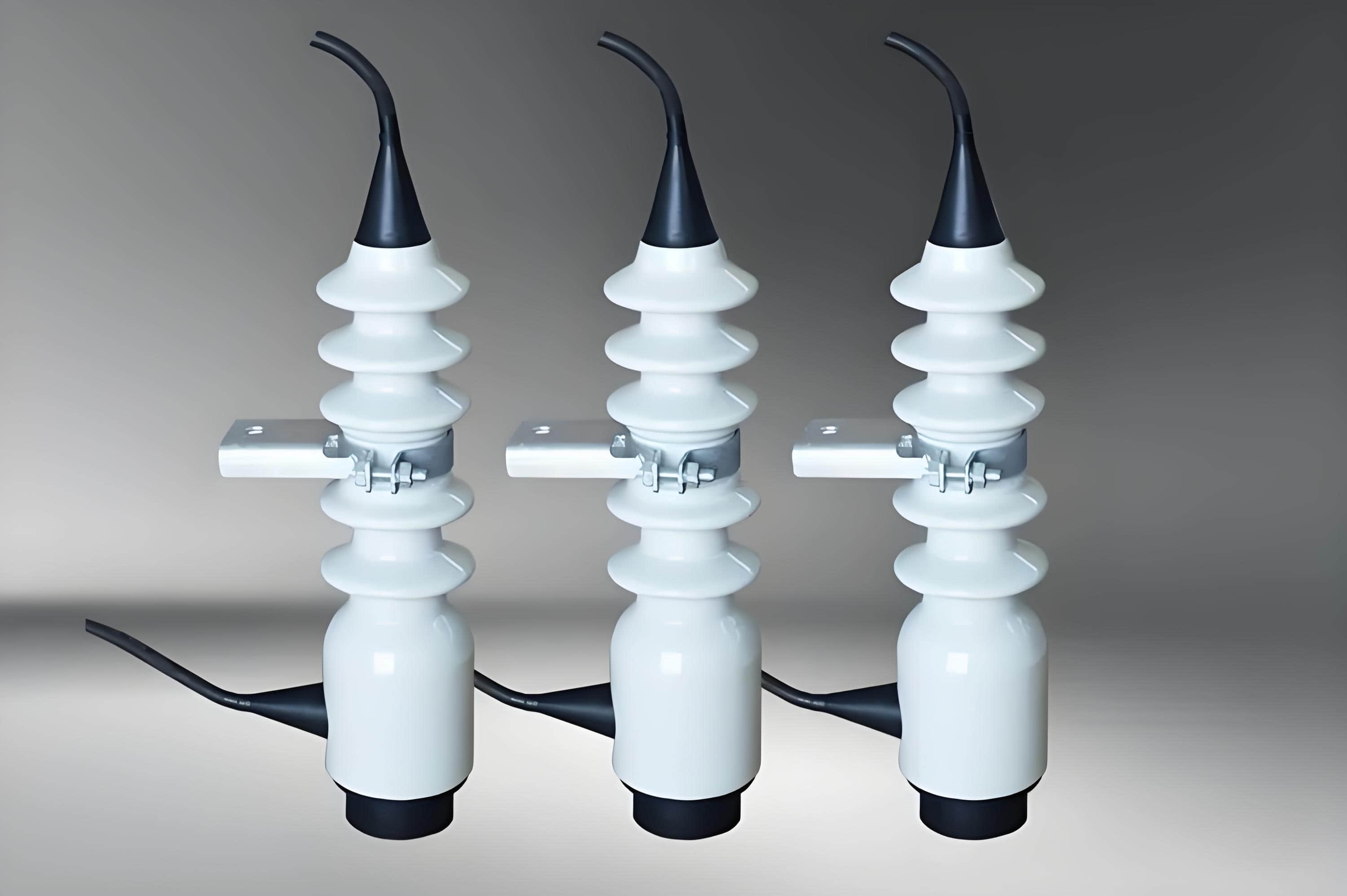
2. Expulsion High Voltage Fuses
Structure and Working Principle:
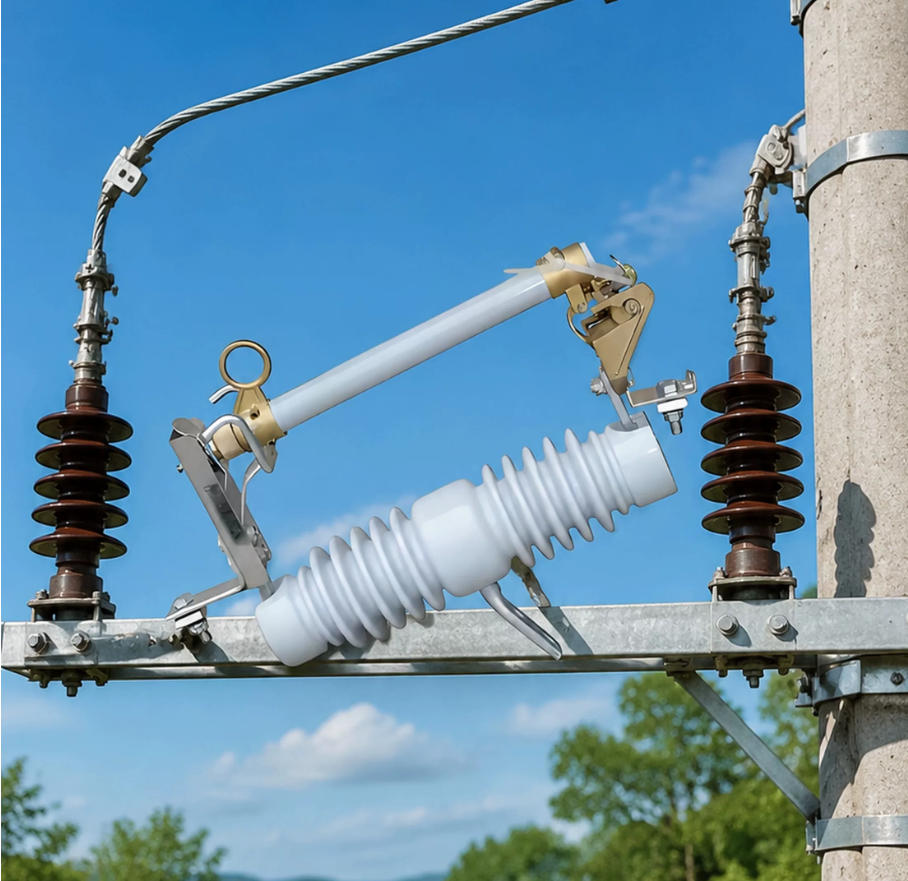
These fuses are composed of a fuse element, fuse tube, insulators, and terminals. Manufacturers typically make the fuse tube from fiber or gas-producing materials. When the fuse element melts from a fault current, the arc makes the internal material break down and produce gas. The high-pressure gas expels through the tube, blowing out the arc and extinguishing it rapidly.
Applications:
Commonly used in outdoor distribution networks with voltage levels of 10kV and below. For example, utility companies often place expulsion fuses on utility poles in rural areas.
They help protect distribution transformers and feeder lines. When a short circuit or overload happens, the fuse works right away. It cuts off the current and keeps the power supply stable in rural grids. Small factories may also use these fuses in their outdoor power systems for similar protection.
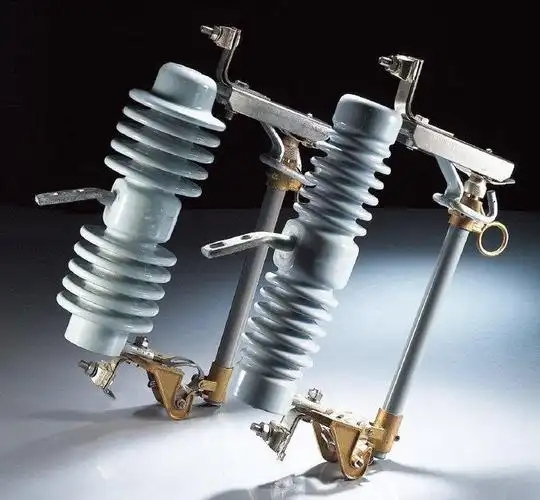
3. Drop-Out High Voltage Fuses
Structure and Working Principle:
A drop-out fuse includes an insulating support, movable and stationary contacts, and a fuse holder. The fuse tube, usually made from epoxy fiberglass or laminated paperboard, holds the fuse element.
Under normal conditions, both contacts hold the fuse tube in place. During a fault, the element melts and produces an arc that generates gas inside the tube.
The pressure pushes the tube away from the lower contact. Gravity then makes it drop down. This shows an open circuit and stops the arc.
Applications:
Typically used for short circuit and overload protection in 10kV and lower outdoor distribution lines and transformer systems. In cities, technicians put drop-out fuses on box-type substations. These fuses show when there is a fault.
They are especially useful in remote or mountainous areas, where ease of maintenance is essential. Their simple structure makes them suitable for quick field replacement and maintenance.
4. Resettable High Voltage Fuses
Structure and Working Principle:
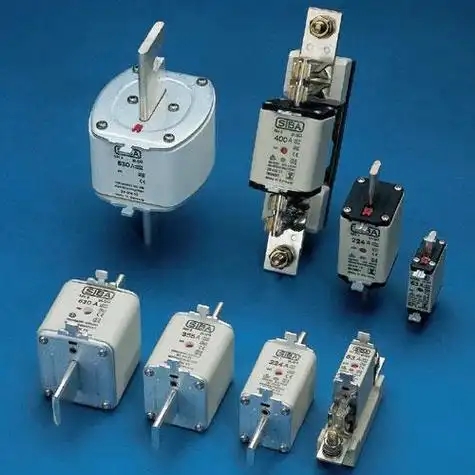
These fuses use metal oxide components, contact systems, and arc extinguishing devices. Under normal conditions, the metal oxide behaves like a low-resistance conductor. When the current exceeds a preset limit, its resistance increases sharply, limiting the fault current.
Once the team fixes the fault, the material cools down. It goes back to its original low-resistance state. This restores the circuit without needing to replace the fuse.
Applications:
Ideal for scenarios where high reliability and continuous power supply are required, such as data centers or manufacturing lines. In data centers, resettable fuses protect critical power circuits without causing extended downtime. Since even brief outages can lead to major losses, these fuses help maintain consistent power. Similarly, chemical plants and other industries with continuous operations use resettable fuses in high-voltage supply lines to avoid unnecessary disruptions.
5. Combined High Voltage Fuse Assemblies
Structure and Working Principle:
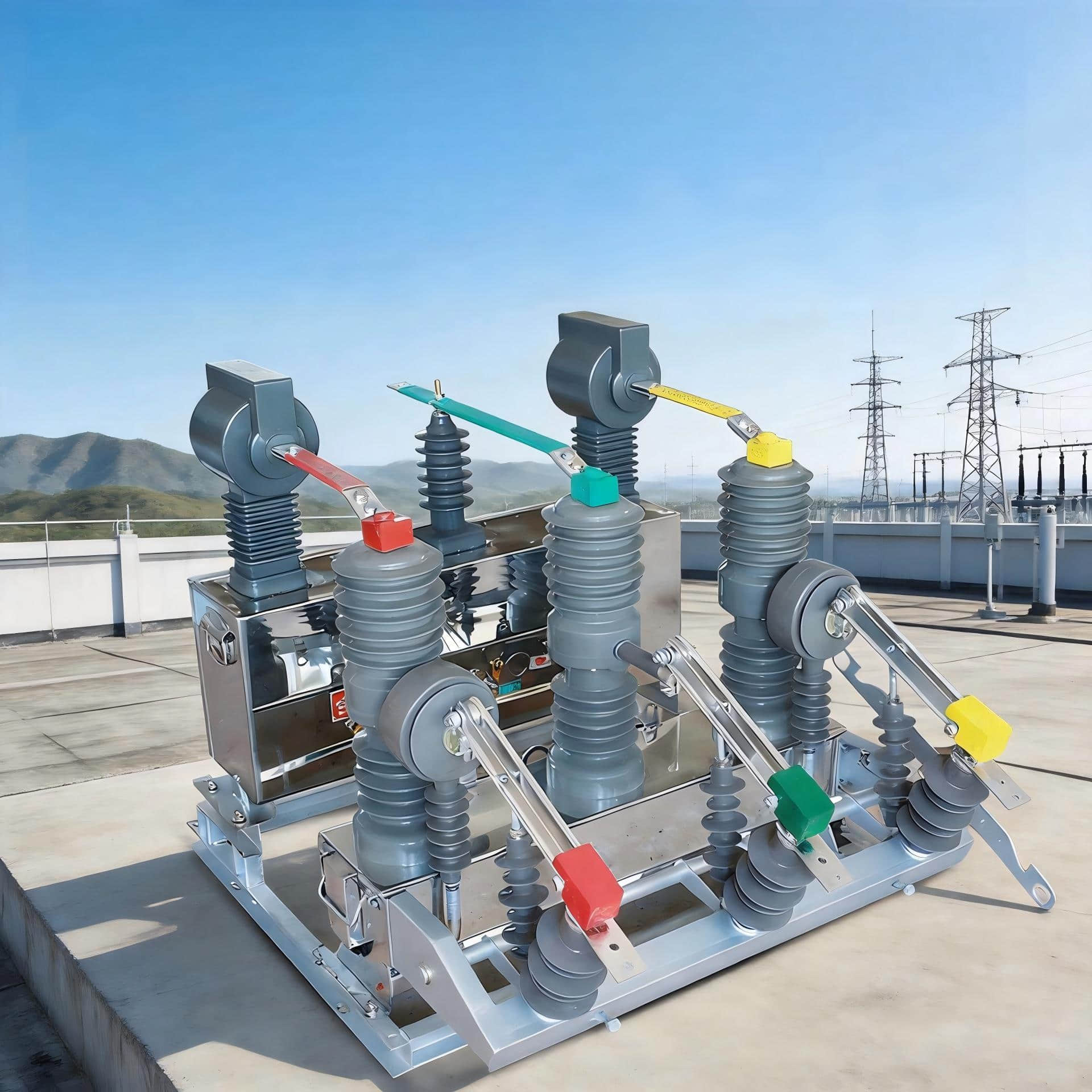
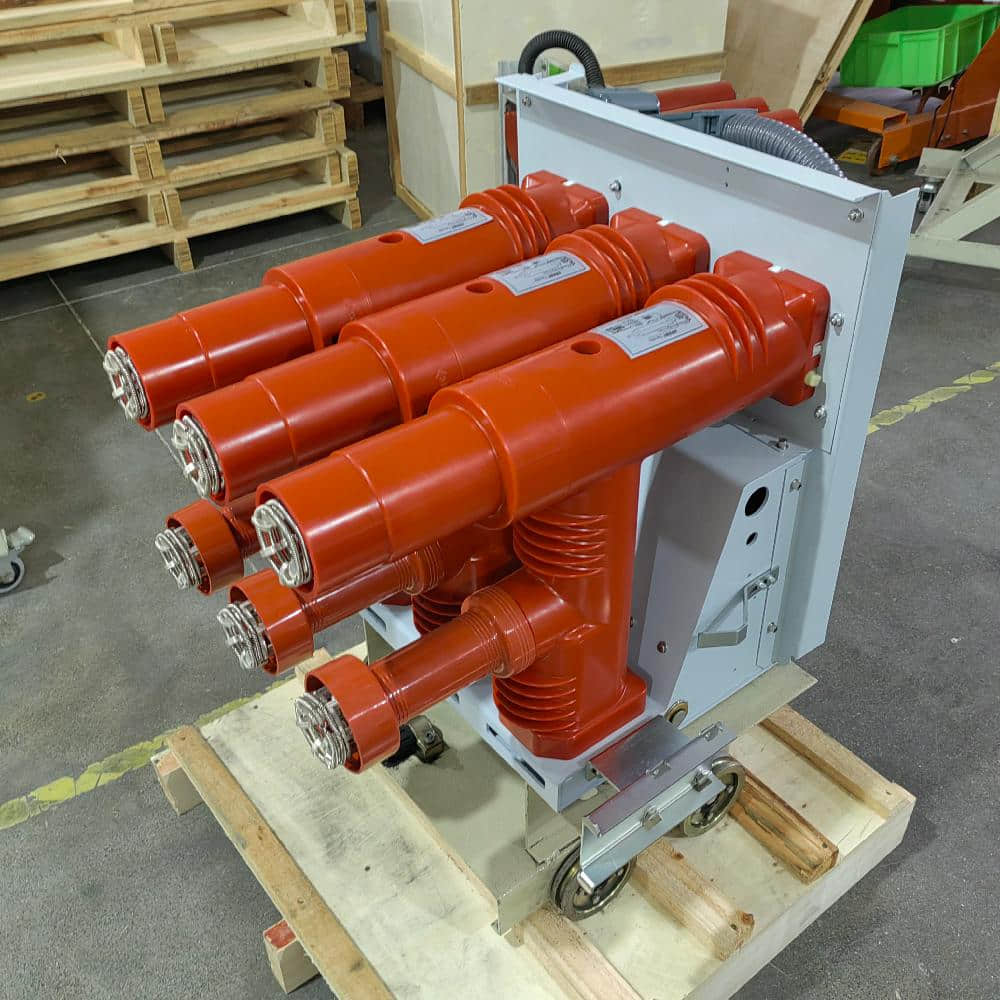
This type combines high-voltage fuses with other devices like load break switches or isolators. This creates a multifunctional protection and control unit.
For example, when used with a load break switch, the switch controls normal load operations. The fuse provides protection against short circuits. This combination provides comprehensive safety and operational flexibility in a compact design.
Applications:
Common in urban ring network systems and compact substations. In ring main units, these assemblies allow for easy switching of feeder lines while protecting against faults. In box-type substations, they serve as high-voltage incoming line protection and switching devices. By combining functions, they help ensure safe and efficient power distribution for urban infrastructure.
Selection and Application Tips
When choosing a high-voltage fuse, consider a few important factors. First, look at the rated voltage. Next, check the current. Also, think about the short-circuit capacity.
Finally, consider the protection needs of your equipment. Also, verifying that the fuse type and characteristics match the system parameters is important. Proper installation and strict adherence to operation guidelines are essential to ensure optimal performance.
Conclusion
High-voltage fuses are indispensable in protecting power systems from damage caused by overloads and short circuits. Understanding the structure, function, and typical applications of each fuse type is key to selecting the right product. With the right knowledge, professionals can ensure safer, more reliable operations across power networks. We hope this guide provides practical insights to help make informed decisions in fuse selection and application.