Author: Thor | Senior Electrical Engineer, Wei Shoe Electric Co., Ltd.
Qualifications: Electrical Engineering Degree, 12+ years of industrial power system experience, IEC/ANSI certified auditor
Introduction: Understanding the Critical Risks of Coil Burnout
In industrial power systems, circuit breakers protect transformers, motors, distribution panels, and the grid.
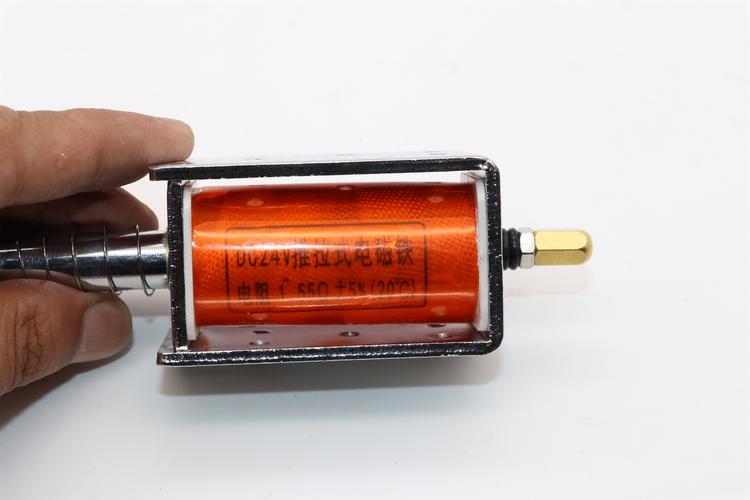
Trip and closing coils are the core components that ensure fast and reliable breaker operation.
When these coils experience circuit breaker coil burnout, it can lead to unexpected production stops, severe equipment damage, and even fire hazards.
This guide combines over a decade of field experience with technical principles, real-world cases, and practical preventive measures for industrial operators.
Reading this article will help users identify, prevent, and mitigate coil burnout risks effectively.
How Circuit Breakers and Coils Work
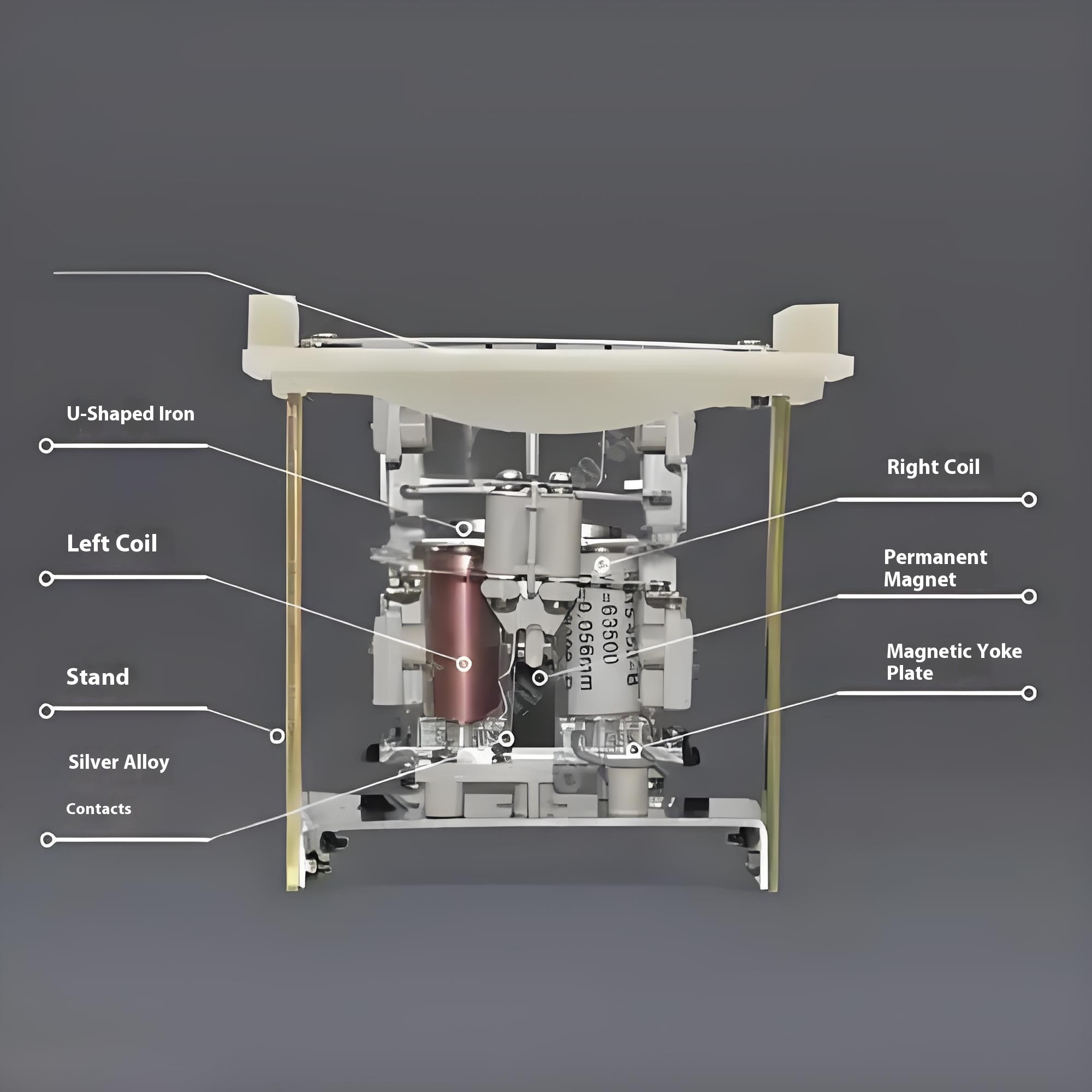
Circuit breakers use electromagnetic mechanisms to quickly open and close circuits.
Trip and closing coils receive signals and activate the magnetic core to operate the breaker.
Coil burnout occurs when they experience overheating, repeated mechanical stress, or insulation degradation.
Insight: Roughly 30% of new breaker coil failures are caused by unadjusted spring mechanisms.
Recognizing Circuit Breaker Coil Burnout Symptoms
Early detection of circuit breaker coil burnout symptoms reduces downtime and prevents serious equipment damage.
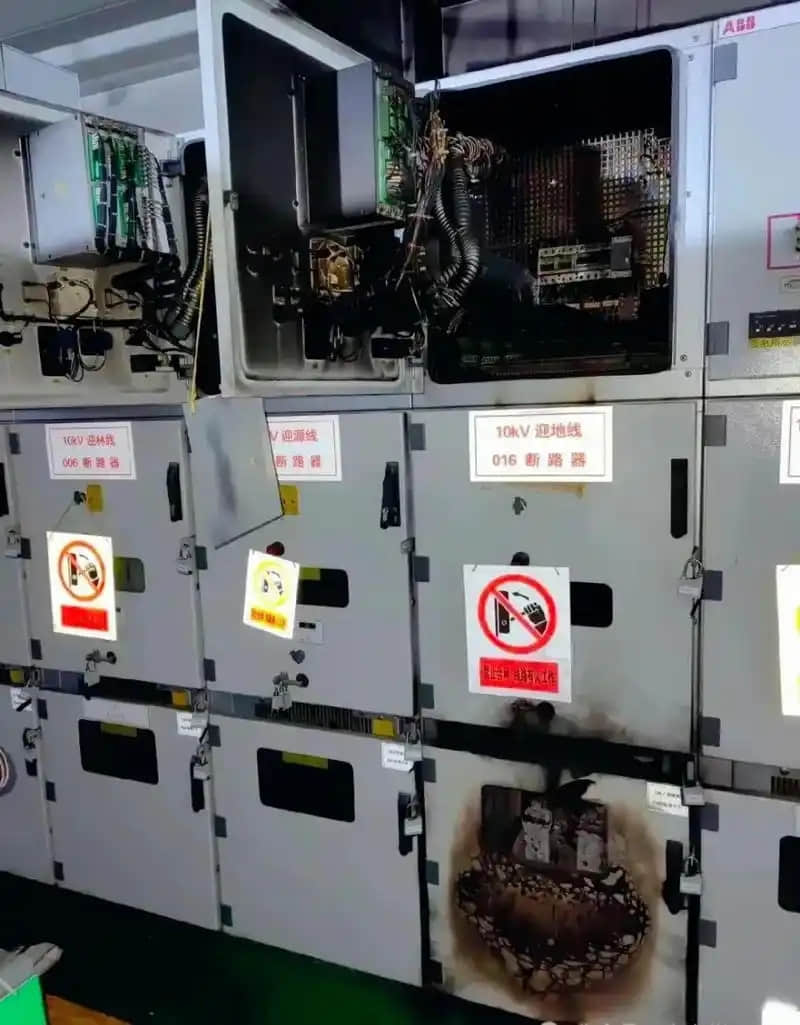
Physical signs: Burnt insulation, discoloration, smoke, or charred smell
Electrical indicators: Abnormal resistance, delayed operation, or overheating
Status: Normal – resistance within rated value; Burnout – resistance significantly high or open
Temperature: Normal – stable; Burnout – persistently high
Operation: Normal – fast and reliable; Burnout – delayed or fails
Appearance: Normal – intact; Burnout – discoloration, smoke, or burn marks
Tip: Infrared thermography can detect hotspots before catastrophic burnout occurs.
Detailed Causes of Circuit Breaker Coil Burnout
Electrical Factors
Overloads, voltage surges, and short circuits generate heat that gradually damages insulation.
Non-linear loads produce harmonics that accelerate aging and ultimately cause coil failure.
Mechanical Factors
Spring mechanism friction and improper installation increase mechanical stress.
Loose bolts or misaligned windings exacerbate wear.
Environmental Factors
High temperature, humidity, dust, and corrosive gases degrade insulation over time.
For example, photovoltaic inverter panels can reach 140°F (60°C) in summer, shortening coil life.
Design and Material Limitations
Low-grade insulation or inconsistent windings raise the risk of failure.
Older breakers may not meet IEC 60947 high-temperature standards.
Recommendation: Use high-temperature epoxy-insulated coils and ensure proper ventilation to extend life.
Standards Reference:
How Long Does Coil Burnout Usually Take
The duration depends on load, environment, and maintenance practices.
High-frequency motor starts in factories: 6–12 months without maintenance
Photovoltaic panels in extreme heat: 1–2 years
Commercial building distribution: 5–10 years with regular inspections
Tip: Regular insulation testing and coil resistance measurement can extend life by 30–50%.
Practical Strategies to Prevent Circuit Breaker Coil Burnout
Install voltage stabilizers and surge protectors to reduce electrical and thermal stress.
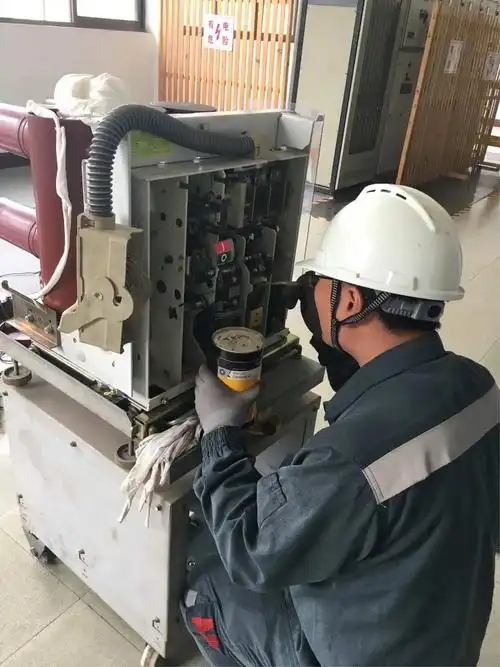
Regularly lubricate operating mechanisms and adjust friction for stable operation.
Monitor insulation resistance and perform infrared thermal imaging for early hotspot detection.
Upgrade to high-temperature insulation materials and optimize coil winding design.
Follow international standards IEC 60898, IEC 60947, and ANSI/IEEE.
Circuit Breaker Coil Burnout Maintenance Checklist
Goal: Extend the life of trip and closing coils and reduce circuit breaker coil burnout risk through regular inspection and maintenance.
Daily / Shift Maintenance
Visual Inspection: Check coils and breaker housing for burnt marks, discoloration, or cracks
Odor Check: Detect any burning smell
Environmental Conditions: Confirm cabinet temperature, humidity, and ventilation are normal
Alarm Records: Check if the monitoring system has overcurrent or fault alerts
Weekly Maintenance
Mechanical Operation Test: Manually or automatically test breaker opening and closing
Tightening Check: Inspect coil terminals and mounting bolts for looseness
Surface Cleaning: Remove dust, oil, and corrosion
Insulation Check: Preliminary insulation resistance measurement with a megohmmeter
Monthly Maintenance
Resistance Measurement: Measure coil resistance and compare with rated values
Temperature Monitoring: Use infrared thermography to identify hotspots
Operation Record Analysis: Review breaker trips and running load
Lubrication Check: Apply appropriate lubrication to the mechanical mechanism
Quarterly Maintenance
Comprehensive Insulation Test: Use an insulation resistance tester for a detailed assessment
Coil Voltage Check: Verify supply voltage is within the rated range
Mechanical Calibration: Check spring pressure and mechanism clearance
Load Analysis: Evaluate operational load and potential overload risks
Semi-Annual / Annual Maintenance
Coil Disassembly Inspection: Clean, check insulation, and replace worn parts if necessary
Thermal Imaging Comparison: Detect any temperature rise trends
Standards Verification: Ensure compliance with IEC 60898, IEC 60947, or ANSI/IEEE
Maintenance Log Update: Record all inspections, maintenance actions, and findings for trend analysis
Expert Recommendations
For breakers with high-frequency load cycles, shorten inspection intervals to two weeks
Combine with electrical monitoring systems to set overheat alarms
Maintain inspection history to predict trends and estimate coil lifespan
Use high-temperature epoxy insulation coils and high-quality mechanical components to reduce burnout risk
Pro tip: Following this circuit breaker coil burnout maintenance checklist dramatically improves reliability and prevents unexpected downtime.
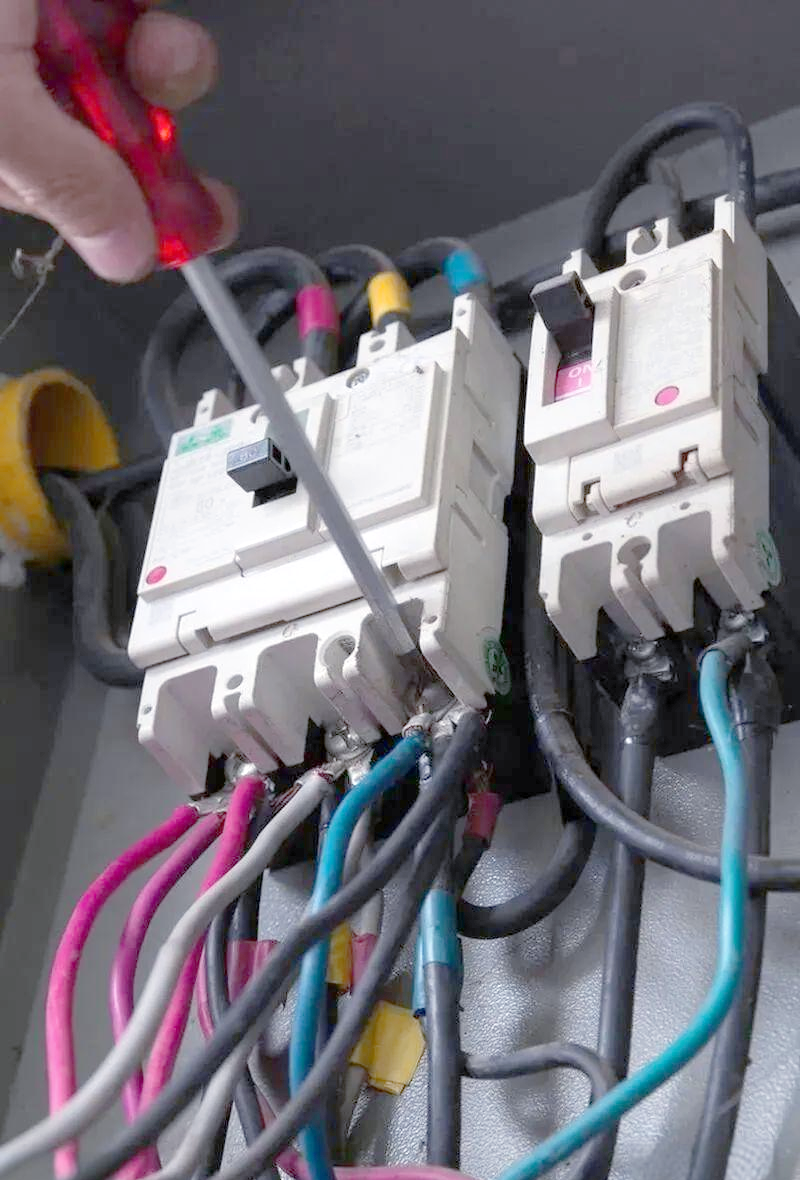
International Real-World Case Studies
Germany – Munich, Bavaria Photovoltaic Plant
Issue: High summer temperatures and frequent inverter starts
Breaker: Schneider Electric LVH1000
Result: Three coils burnt within eight months
Solution: Added fans, voltage stabilizers, and regular inspections
Outcome: No coil burnout in the following three years
Reference: Local technical maintenance report, 2021
USA – Chicago, Industrial Production Line
Issue: High-frequency motor starts with unadjusted friction
Breaker: Eaton Cutler-Hammer PKZM0
Result: Delayed operation and overheating
Solution: Adjusted mechanical friction, increased inspection frequency
Outcome: Reduced downtime and eliminated burnout incidents
Reference: Factory maintenance log, 2022
UK – London, Commercial Building Distribution Panel
Issue: Aging breaker with high humidity
Breaker: Siemens 3VA series
Result: Coil insulation failure
Solution: Replaced with a high-temperature coil, improved ventilation
Outcome: Improved distribution reliability
Reference: Maintenance contractor report, 2020
Call-to-Action
Regular inspection and preventive maintenance are critical for industrial circuit breakers.
Download the circuit breaker coil burnout maintenance checklist or request on-site inspection services to prevent unexpected failures.
For expert consultation, maintenance services, or technical support, contact Wei Shoe Electric Co., Ltd.:
📞 Phone: +86-0577-62788197
📱 WhatsApp: +86 159 5777 0984
✉ Email: thor@weishoelec.com
🌐 Resources: weishoelec.com
Conclusion
Circuit breaker coil burnout is preventable in industrial environments.
By monitoring circuit breaker coil burnout symptoms, understanding circuit breaker coil burnout causes, performing lifespan assessments, optimizing design, and following IEC/ANSI standards, operators can:
Significantly reduce coil burnout risk
Improve breaker reliability
Minimize production downtime and financial losses