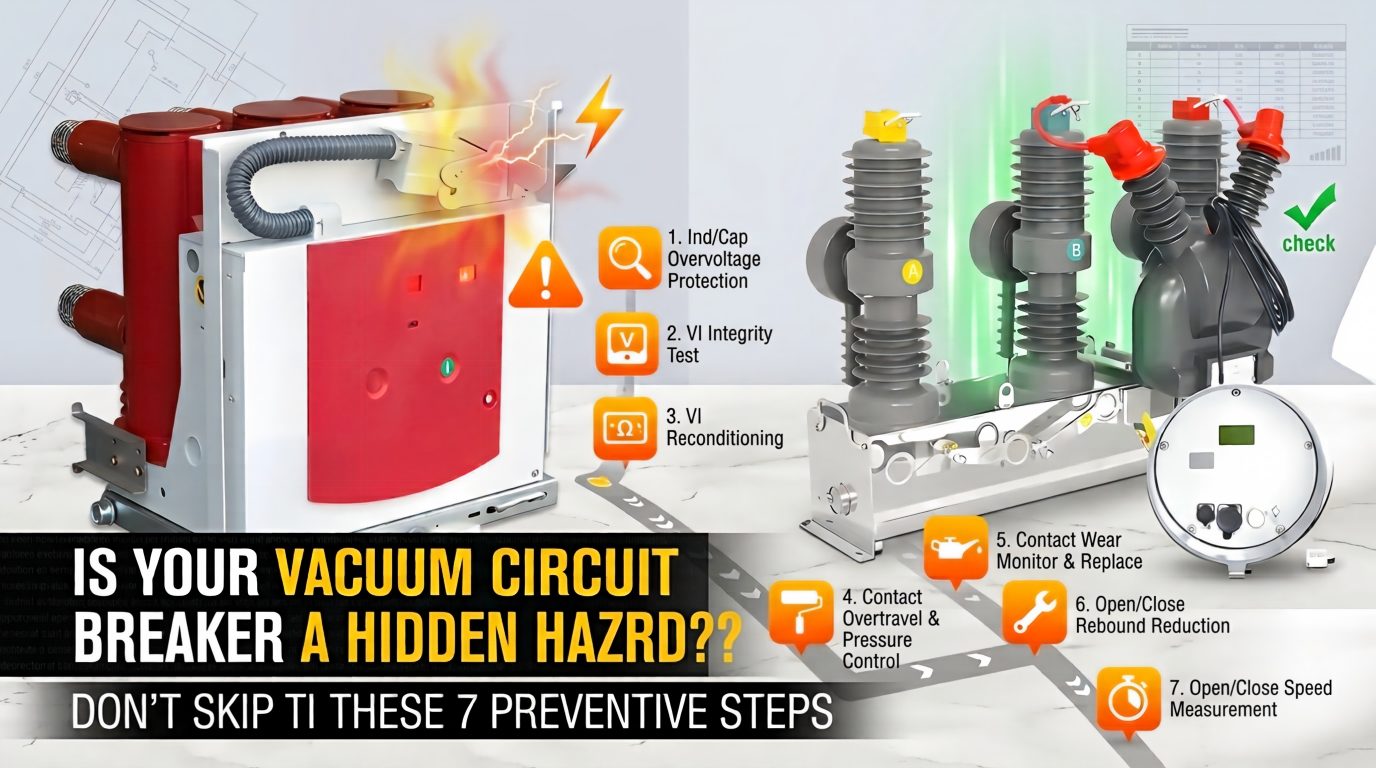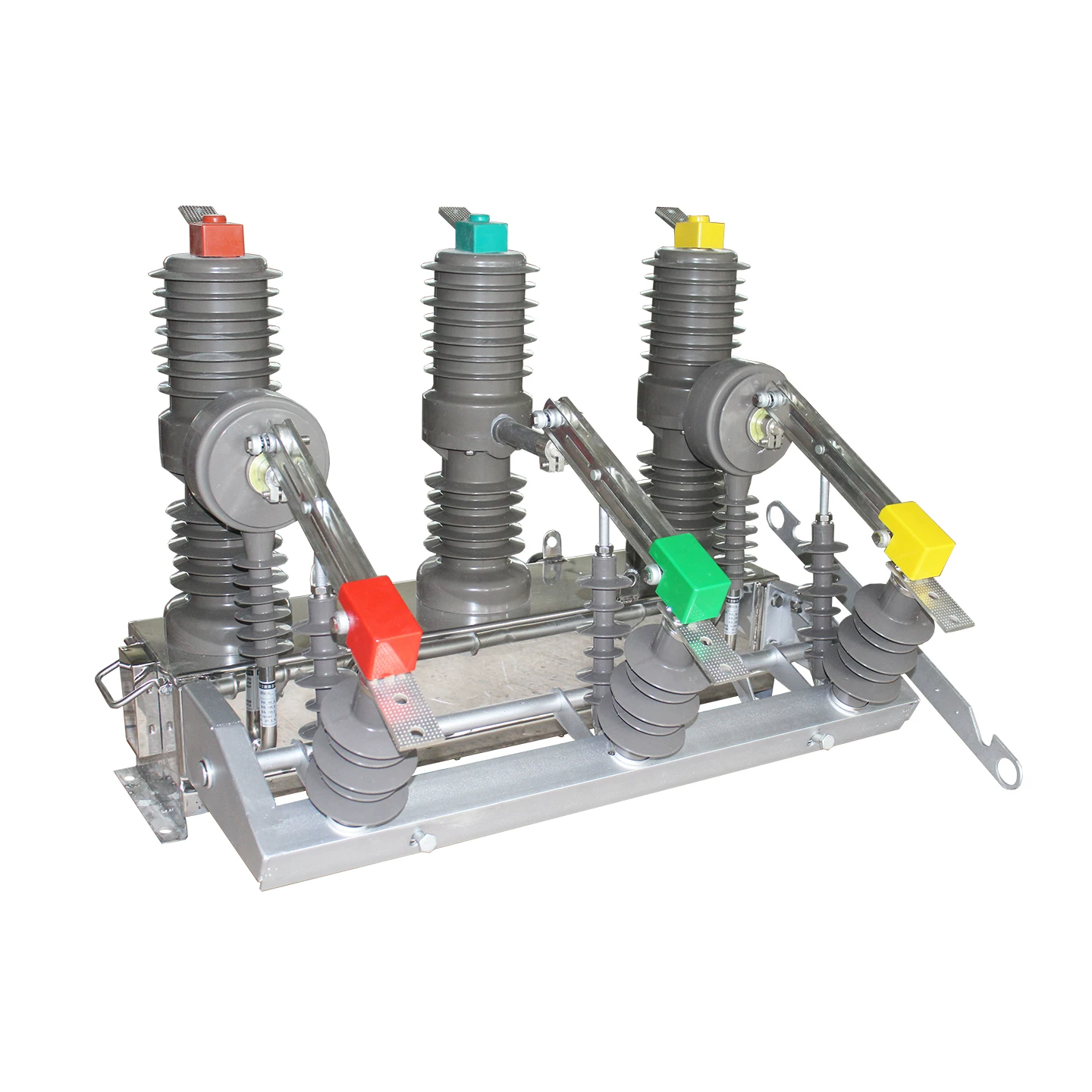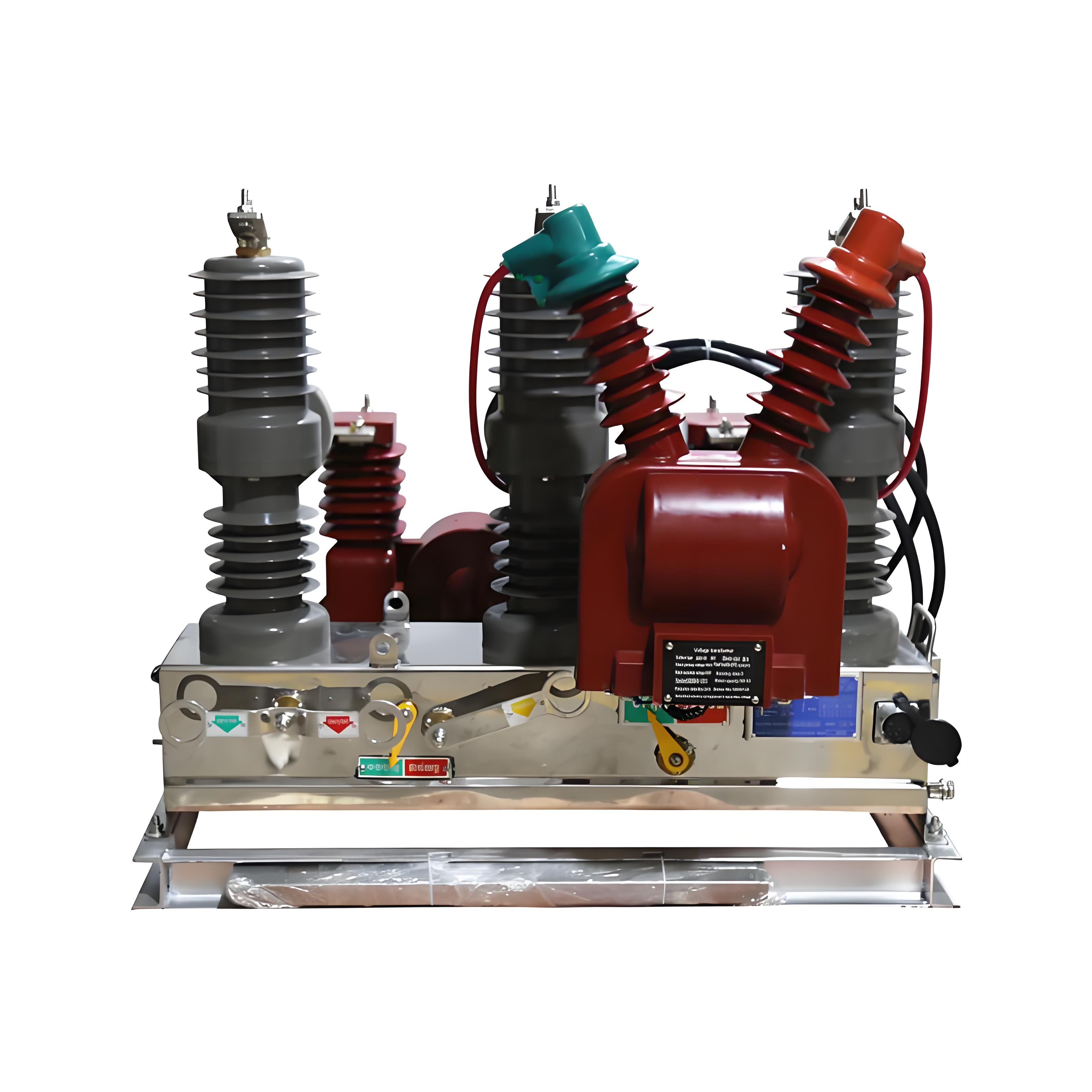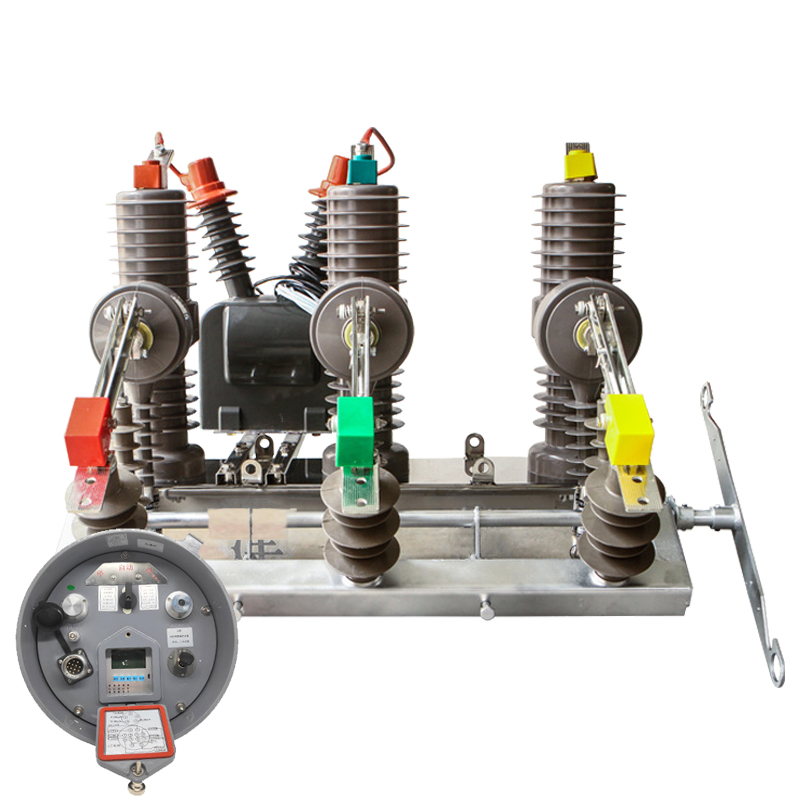
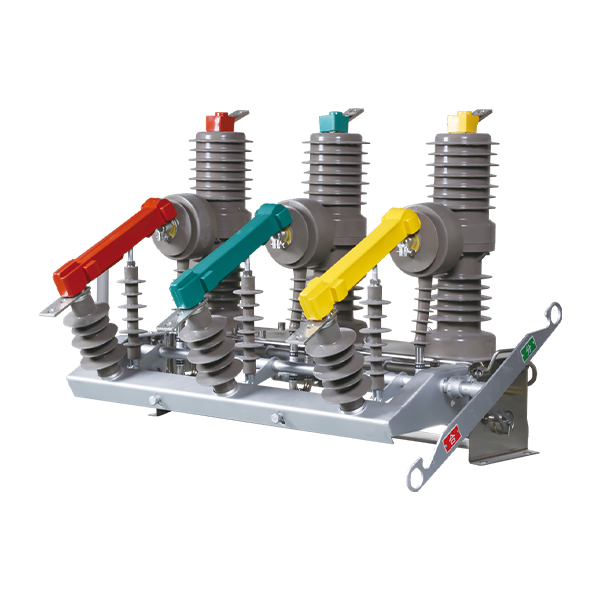
The working principle of a vacuum circuit breaker (VCB) mainly depends on the type of operating mechanism. There are three common types: electromagnetic, spring, and permanent magnet.
The main differences are in the power source and control logic. However, the arc extinguishing principle stays the same. It uses a vacuum as the medium.
When the operating mechanism opens the contacts of a VCB, it generates an arc between them. The high temperature makes the contact surface turn into vapor. This vapor, affected by the current, creates a magnetic field. This drives the arc to move quickly along the surface of the contacts.
The metal vapor then condenses on the shield (metal enclosure). Once the arc reaches zero current, the strength of the dielectric between the contacts quickly recovers. Then, the system puts out the arc.
In real-world applications, engineers widely use spring and permanent magnet mechanisms because of their higher performance. People are gradually phasing out electromagnetic mechanisms. Although the arc extinguishing principle is similar across all types, the choice of mechanism significantly affects performance and operation. Below is a breakdown of the main types and how they work:
I. Classification by Operating Mechanism
The operating mechanism provides the energy to open or close the breaker. Three main types exist:
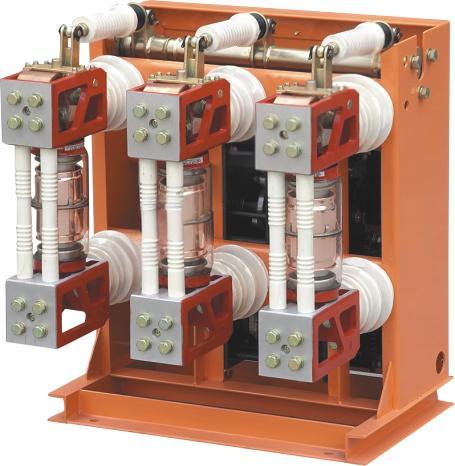
1. Electromagnetic Mechanism
How it works:
It uses electromagnetic force to move the contacts. When closing, the system energizes a closing coil to pull the armature and close the contacts. When you open it, either you energize an opening coil or you release a spring to separate the contacts.
Features:
This system has a simple structure and low cost. However, it uses a lot of energy when closing. It needs constant power to stay in position. The operation is slower.
This system mainly serves medium and low voltage systems, such as 10kV distribution networks. This type is now largely outdated.
Example: Early ZN28 series vacuum circuit breakers.
2. Spring-Operated Mechanism
How it works:
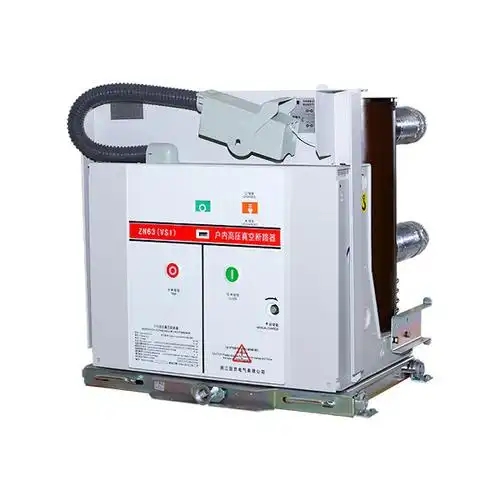
Energy is stored in a spring by a motor or manually. When closing, the spring releases its energy to drive the contacts. A second spring or a permanent magnet opens it.
Features:
Energy storage is separated from the closing action. Fast closing (within 100ms), highly reliable, suitable for frequent operations (e.g., substations, industrial power distribution). The most widely used type today. You need to perform periodic maintenance to prevent spring fatigue.
Example: ZN63 (VS1) series, commonly used in 12kV systems.
3. Permanent Magnet Mechanism
How it works:
Uses permanent magnets to hold the contacts in either open or closed positions. A short electromagnetic pulse changes the magnetic field direction to move the contacts.
Features:
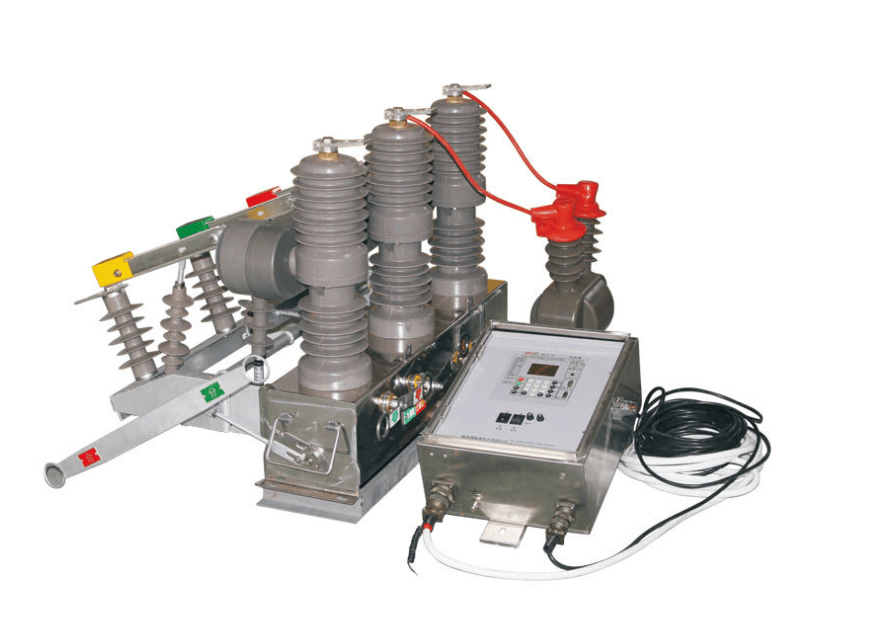
No mechanical springs, simple structure, long service life (over 100,000 operations), and almost maintenance-free. Incredibly fast operation with an opening time of less than 30 milliseconds. This is perfect for smart grids and frequent switching situations, like solar or wind power systems.
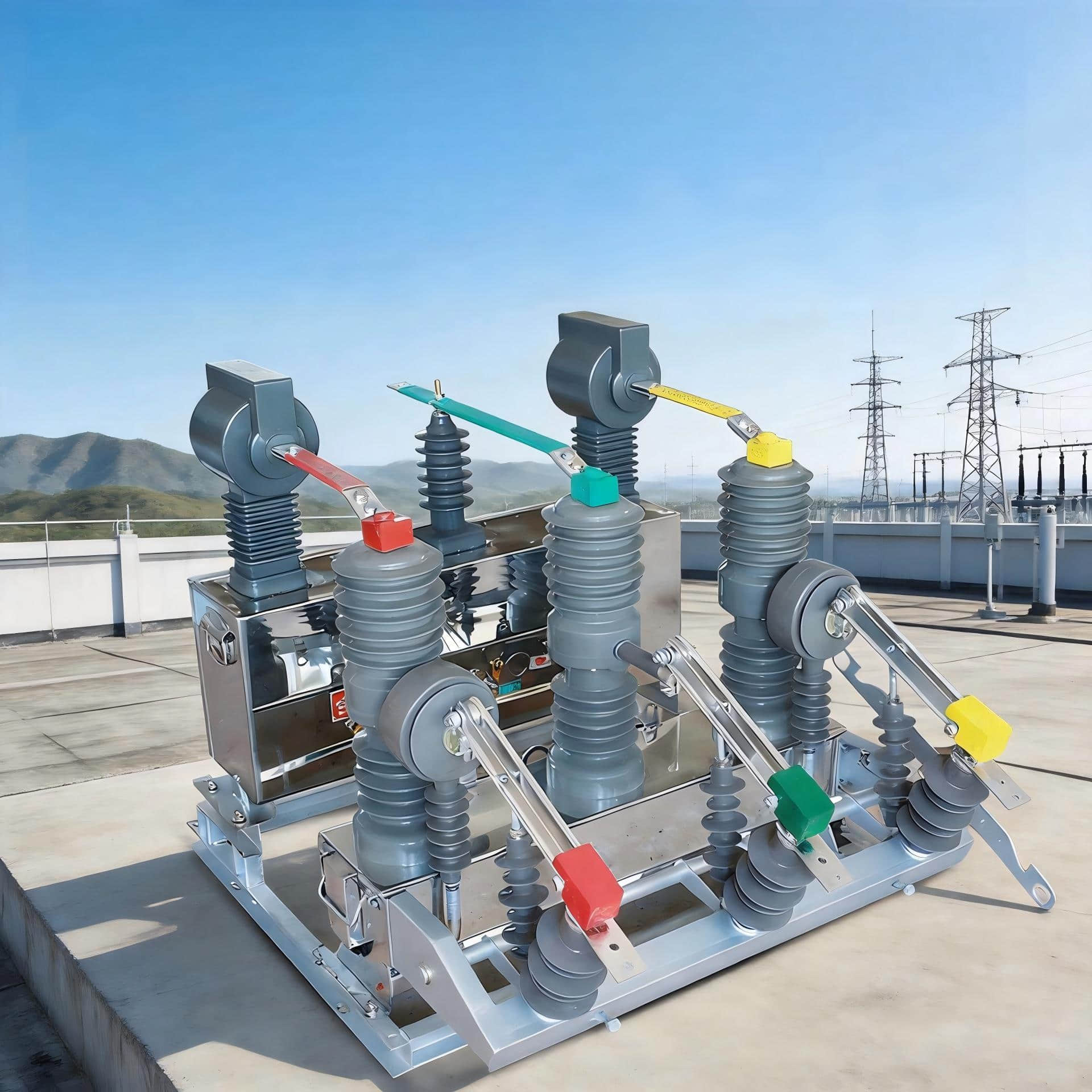
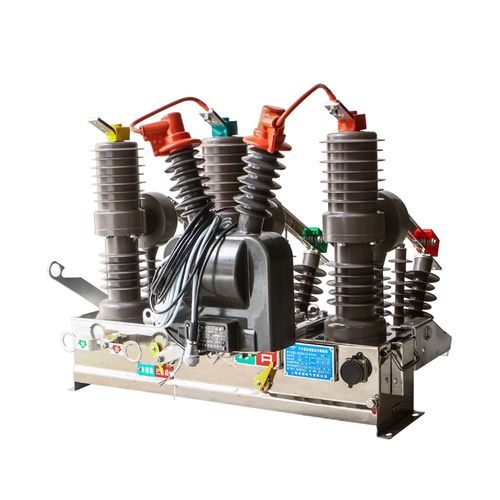
Example: Smart VCBs like our Weisho Elec ZW32 series.
II. Classification by Arc Chamber Structure and Extended Functions
Beyond the operating mechanism, VCBs can also be categorized based on arc chamber design and added functionalities:
1. Standard Vacuum Circuit Breakers
How it works:
Basic arc chamber design for simple opening/closing and arc breaking.
Application:
Used for standard power systems like transformer protection and motor control.
2. Smart Vacuum Circuit Breakers
How it works:
Equipped with sensors and controllers (such as microprocessor protection units) to monitor parameters like current, voltage, and contact wear. Supports remote control through communication interfaces (e.g., IoT).
Features:
Combines mechanical operations with digital technology. Acts as a key component of smart grid systems.
Application:
Smart substations and distribution automation (DA) systems.
3. Combined Vacuum Circuit Breakers (e.g., VCB-Fuse Combo)
How it works:
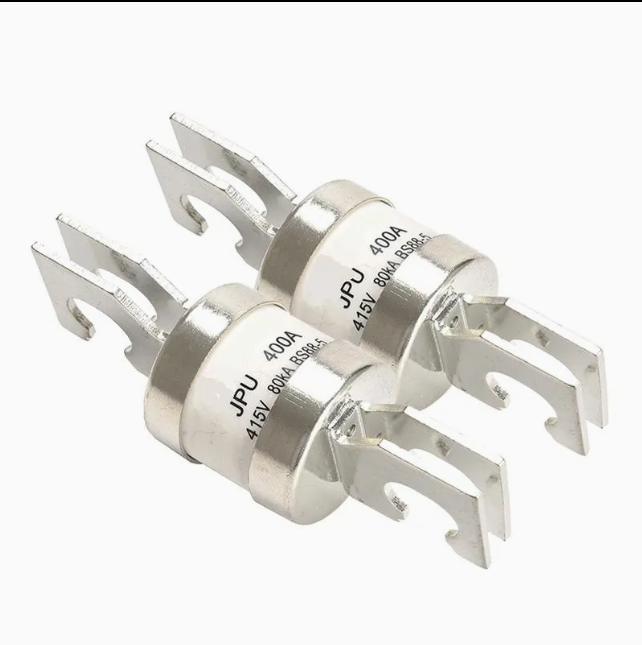
Fuse is connected in series with the VCB. The VCB breaks normal load current, while the fuse handles short-circuit current.
Features:
The fuse limits the current, reducing stress on the VCB. This design combines vacuum arc extinguishing with fuse protection.
Application:
Transformer protection up to 35kV (e.g., in RMUs or compact substations).
III. Classification by Voltage Level and Application
Though the arc extinguishing principle stays the same (vacuum), design and structure vary with voltage level:
1,Low Voltage Vacuum Circuit Breaker(Below 1kV): Compact chambers, designed for fast switching (e.g., motor protection).
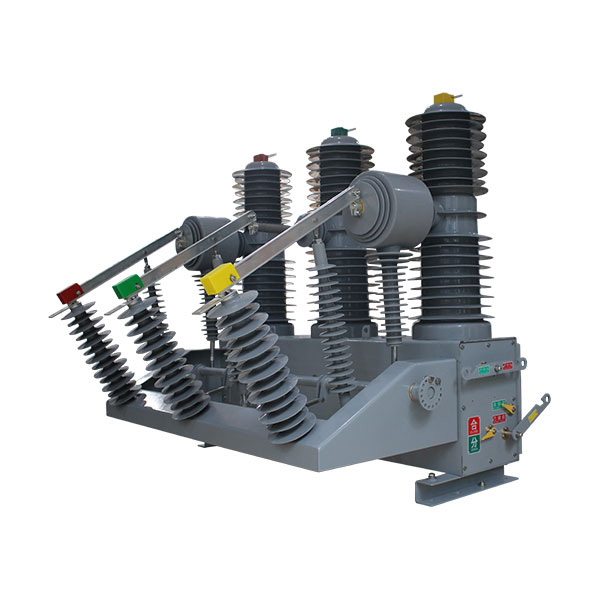
Medium Voltage Vacuum Circuit Breaker (3–35kV): It has multi-layer shielded chambers. These improve insulation and control arcs, like in 10kV switchgear.
High Voltage Vacuum Circuit Breaker (110kV and above, under development): This device uses several vacuum chambers in series. It also uses hybrid methods to stop arcs, like combining vacuum and SF₆, to manage higher voltages. Focuses on breakdown resistance and heat dissipation.
Summary: Key Differences in VCB Working Principle
The main distinction among vacuum circuit breakers lies in their power source and control logic. While the arc extinguishing method consistently relies on a vacuum environment, structural optimizations vary depending on voltage levels and application needs. In current practice, people widely use spring and permanent magnet mechanisms, while they phase out electromagnetic types.
For more details on how vacuum circuit breakers work or how to choose one, please contact us. Email: thor@weishoelec.com This is especially true if you need a reliable vacuum circuit breaker from China.