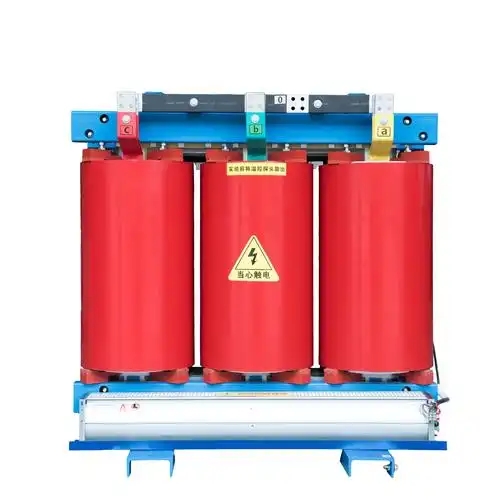
I understand how vital dry-type transformer maintenance is to prevent costly downtime or equipment failure. Are you worried about transformer overheating or unsure how to maintain it properly? This guide explains how to maintain and inspect dry-type transformers, ensuring safety and efficiency.
Picture a factory halting production due to a transformer failure, costing $30,000 in repairs. The U.S. National Fire Protection Association (NFPA) reports that 13% of industrial fires stem from electrical equipment issues (source: NFPA.org). Let’s dive into the technical details, maintenance steps, and inspection tips to keep your dry-type transformer running smoothly.
Understanding Dry-Type Transformers
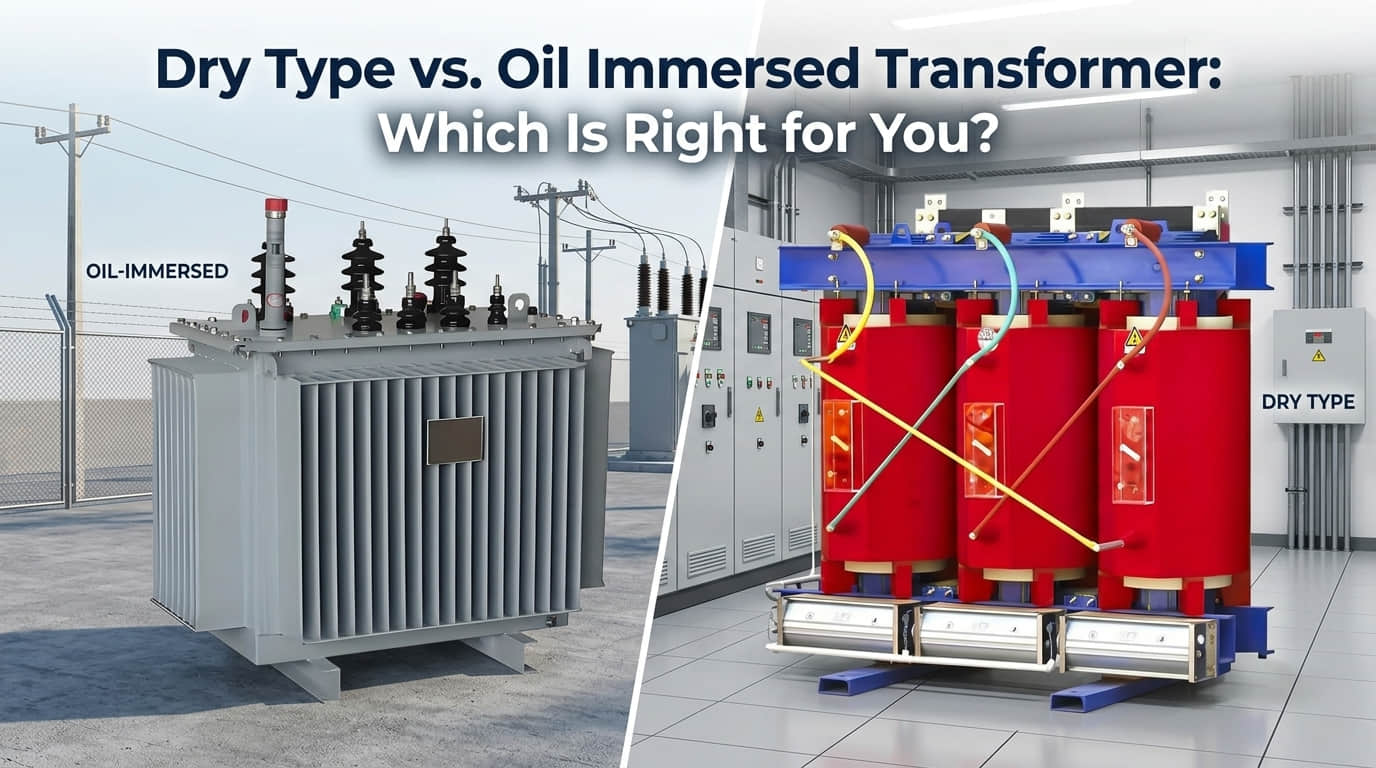
Dry-type transformers are critical for power distribution, using air for cooling instead of oil. Let’s explore their technical parameters and structure.
Technical Parameters
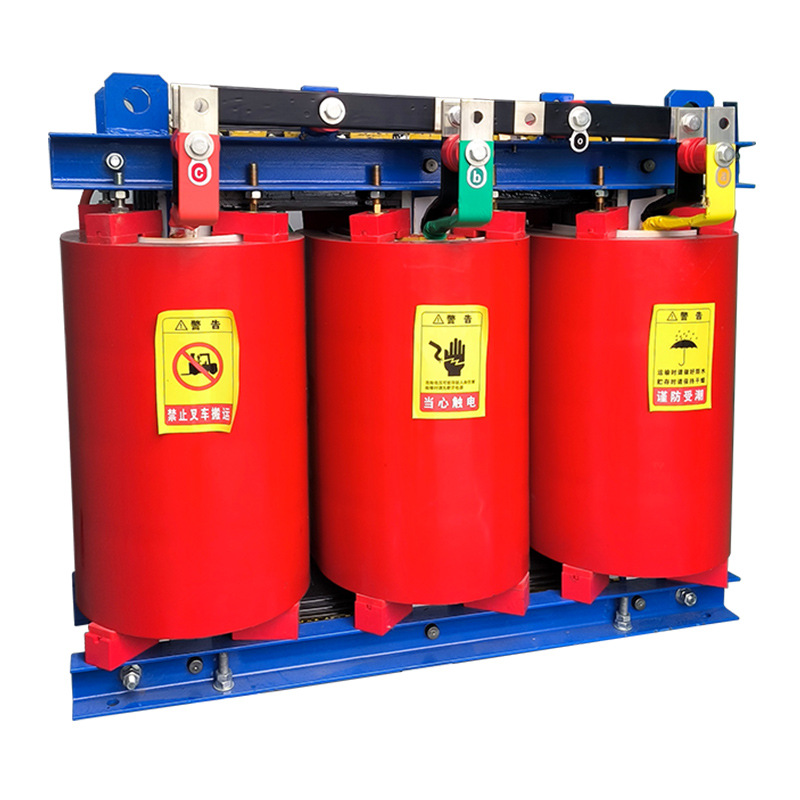
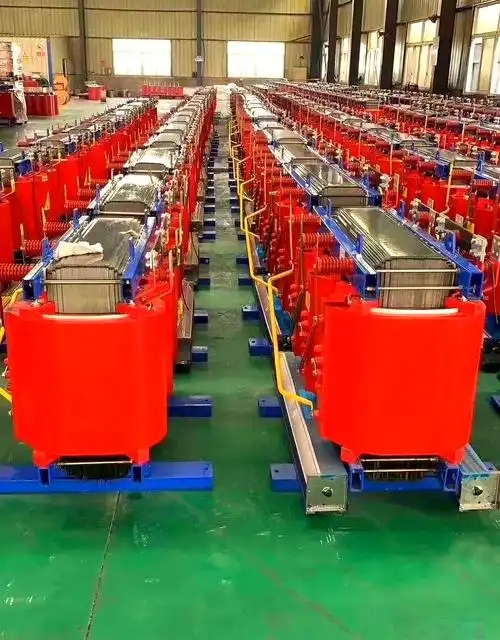
A dry-type transformer consists of:
Core and Clamps: Provide structural and magnetic support.
Windings: Conduct electricity for voltage transformation.
High/Low-Voltage Terminals: Connect to the power system.
Cooling Methods: Natural air cooling (NA) or forced air cooling (AF).
Model Example: S□(H)□B-□/□
S: Three-phase transformer.
H: Resin-cast (if present) or air-insulated.
B: Low-voltage foil winding.
□/□: Rated capacity (e.g., 1000kVA) and voltage (e.g., 10/0.4kV).
Energy Efficiency Standards
Per China’s GB 20052-2020 standard, 10kV dry-type transformers are classified into three efficiency levels (Level 1, 2, 3) based on:
No-Load Loss: Energy lost when powered but idle.
Load Loss: Energy lost under load.
Short-Circuit Impedance: Affects voltage regulation.
For example, a Level 1 1000kVA transformer has lower losses than a Level 3 transformer, saving energy costs.
Parallel Operation Requirements
To run transformers in parallel:
Same Voltage Ratio: ±0.5% difference allowed.
Same Impedance Voltage: ±10% difference allowed.
Identical Connection Group: Ensures phase alignment.
Capacity Ratio: Not exceeding 3:1.
A Midwest U.S. factory avoided a $20,000 loss by ensuring proper parallel setup, per a 2023 ESFI report (source: ESFI.org).
Dry-Type Transformer Maintenance
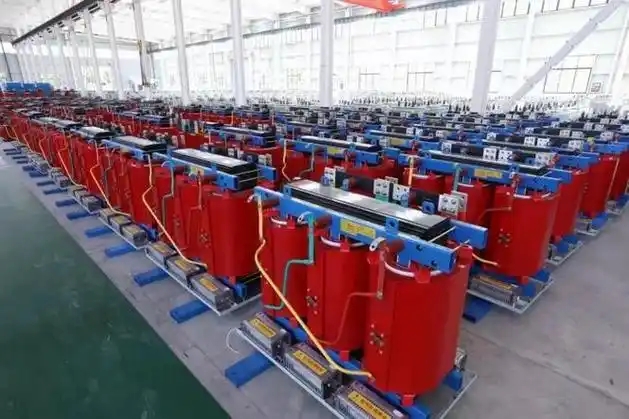
Proper maintenance prevents failures and extends transformer life. Here’s how to do it.
Pre-Operation Checks
Before energizing:
Visual Inspection: Check coils, leads, grounding, temperature sensors, and remove foreign objects.
Drying Process: If exposed to moisture, dry the transformer to prevent insulation failure.
Insulation Resistance:
High-voltage to low-voltage/ground: ≥300MΩ.
Low-voltage to ground: ≥100MΩ.
Pre-Operation Tests
Conduct these tests to ensure readiness:
DC Resistance Test: Verifies winding integrity.
Voltage Ratio and Connection Group: Confirms correct setup.
Core Insulation Test: Ensures no grounding issues.
Dielectric Strength Test: Applies 80% of factory withstand voltage for 1 minute.
Grid Connection and Operation
Adjust Tap Changer: Set the tap position based on grid voltage (e.g., 10000±2×2.5% V offers five tap settings).
Gradual Loading: Increase load slowly, listening for normal “humming” sounds. Abnormal noises (e.g., crackling) require immediate shutdown for inspection.
Post-Connection Monitoring
Daily Inspections: Check temperature (F-class insulation: ≤100°C normal, 120°C alarm, 150°C trip) and listen for unusual sounds.
Special Conditions: Increase inspection frequency during extreme weather or heavy loads.
A California data center avoided a shutdown by catching an overheating issue early, saving $25,000 (source: IEEE.org).
Maintenance Schedule
Frequency:
Dry, clean environments: Annually.
Humid or polluted areas: Every six months.
Tasks:
Dust removal from windings and surfaces.
Inspect fasteners and insulation surfaces.
Test temperature sensors and cooling fans.
Record observations (appearance, connections, grounding, insulation resistance).
Dry-Type Transformer Inspection
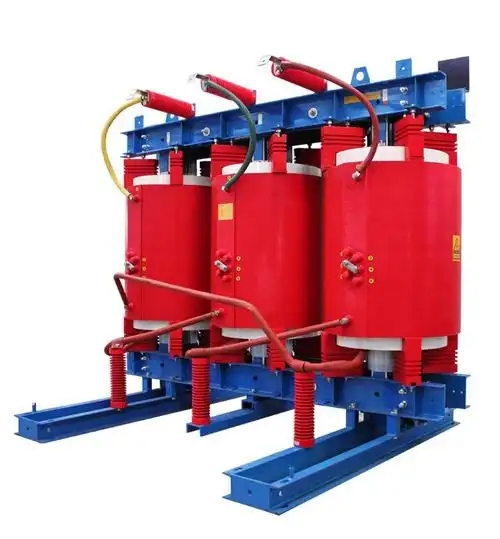
Regular inspections catch issues early. Here’s what to focus on.
Inspection Items
Installation Integrity: Check for tilting or loose components.
Enclosure Condition: Look for damage or corrosion.
Environmental Cleanliness: Ensure no water pooling or debris.
Ventilation and Temperature Sensors: Verify proper operation.
Leads and Connections: Inspect for wear or loosen loose connections.
Insulation Condition: Test for degradation.
Electrical Tests: Conduct preventive tests like dielectric strength.
Inspection Process
Visual Checks: Identify enclosure damage, water accumulation, or installation issues.
Temperature and Insulation Tests: Measure winding temperatures and insulation resistance.
Cleaning: Remove dust from internal and external surfaces.
Component Replacement: Swap out worn insulators or terminal boards.
Electrical Tests:
DC resistance to detect winding faults.
Dielectric strength to confirm insulation integrity.
A New York hospital upgraded its inspection routine, reducing transformer failures by 70%, per a 2024 ESFI report.
Key Tips for Transformer Longevity
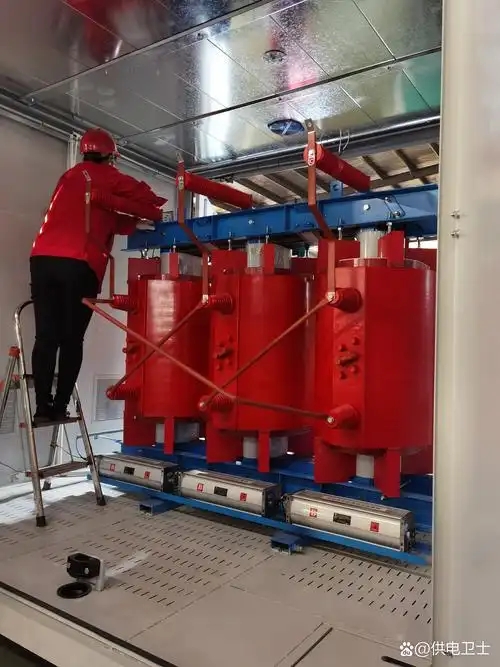
To ensure your transformer lasts:
Stay Proactive: Regular checks catch issues before they escalate.
Monitor Closely: Daily temperature and sound checks prevent overheating.
Clean Thoroughly: Dust removal protects insulation and windings.
Test Regularly: Insulation and electrical tests ensure reliability.
FAQ: Common Questions About Dry-Type Transformer Maintenance
1. What is a dry-type transformer?
It’s a transformer that uses air for cooling, with components like iron cores, windings, and terminals, ideal for indoor or safe environments.
2. How often should I maintain my dry-type transformer?
Annually in clean environments, every six months in humid or dusty areas, focusing on cleaning and testing.
3. What causes transformer overheating?
Dust buildup, loose connections, or overloading can raise temperatures beyond safe limits (e.g., 100°C for F-class insulation).
4. Why do parallel transformers need identical specs?
Same voltage ratio and impedance ensure balanced load sharing, preventing damage or inefficiency.
5. Can I skip pre-operation tests?
No, tests like insulation resistance and dielectric strength are critical to avoid failures and ensure safety.
Conclusion: Ensure Your Transformer’s Reliability
I’m Thor, and I hope this guide helps you master dry-type transformer maintenance and inspection. By following pre-operation checks, regular maintenance, and thorough inspections, you can prevent failures and extend equipment life, as seen in cases like the California data center saving $25,000. Need expert advice or maintenance solutions? Contact WeiShoe Elec at 86-0577-62788197, WhatsApp +86 159 5777 0984, or email thor@weishoelec.com. Share this guide, but please credit WeiShoe Elec. Let’s keep your power system reliable and safe!