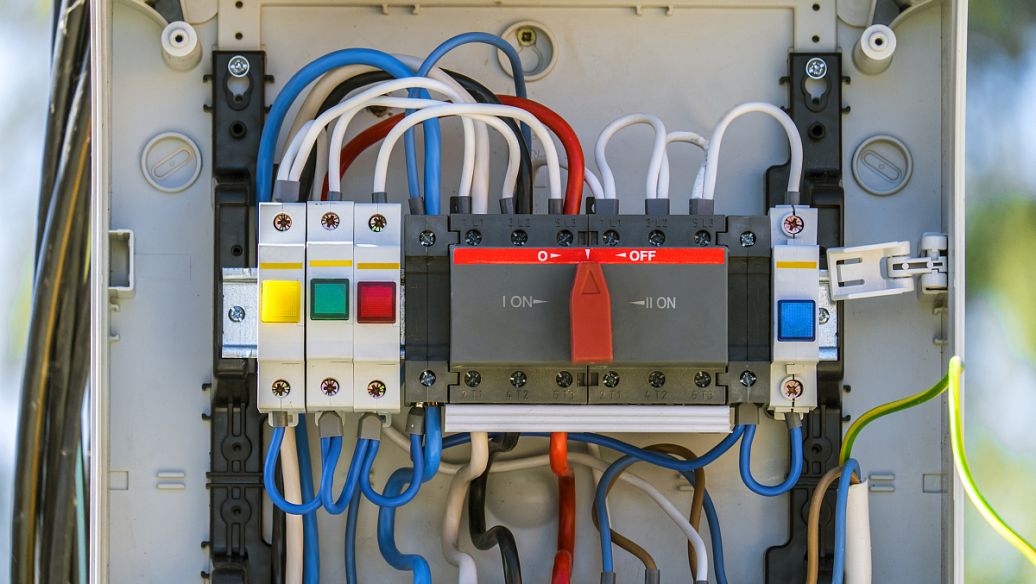
Recommended Wire Size for a 30-Amp Breaker
In North America, a 30-amp breaker typically pairs with:
10 AWG copper wire, or
8 AWG aluminum wire
These recommendations follow the National Electrical Code (NEC) and assume standard installation conditions (e.g., 60–75°C ambient temperature).
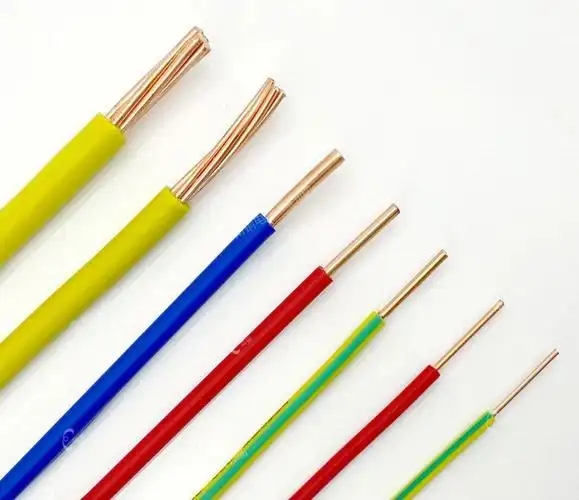
Wire Type | Recommended Size (AWG) | Current Rating (Amps) | Common Applications |
Copper Wire | 10 AWG | 30 A | Kitchen appliances, water heaters |
Aluminum Wire | 8 AWG | 30 A | Requires anti-oxidation terminals |
Copper is a better conductor than aluminum, which is why copper wire can be smaller while still safely carrying 30 amps.
Why Copper and Aluminum Wires Must Be Different Sizes
Copper Wire (10 AWG)
Copper wires have low electrical resistance and excellent conductivity. A 10 AWG copper wire carries 30 amps at 60°C. At 75°C, it can handle 35 amps. Copper generates less heat when electricity moves through it. This helps reduce the risk of insulation damage and fire hazards.
Aluminum Wire (8 AWG)
Aluminum resists electricity more than copper. This means it gets hotter with the same current. To compensate, aluminum wires must be thicker. An 8 AWG aluminum wire is necessary to safely carry 30 amps without overheating. Always use anti-oxidation paste and approved connectors when you install aluminum wire. This helps prevent corrosion and keeps conductivity strong.
Key Factors That Affect Wire Size Selection
Choosing the right wire isn’t only about amps. Several real-world factors can force you to size up:
Circuit Length
Voltage Drop Over Distance: Long wires can cause voltage drops. This may affect how devices perform and could lead to safety problems. For example, even a 10 AWG copper wire might not be enough if your circuit extends over 100 feet.
Solution: For long distances, use a larger wire size. Consider 8 AWG or 6 AWG copper. This helps reduce resistance and keeps voltage steady. Keep the voltage drop between 3% and 5% of the rated voltage. Use standard calculations for this.
Ambient Temperature
High temperatures lower capacity. Heat impacts how much current a wire can handle safely. In hot places like industrial buildings or attics, wires can’t cool down well. This raises the risk of fire.
Solution: If the temperature is often over 40°C (104°F), think about using a larger wire. Instead of 10 AWG, use 8 AWG copper for extra protection. You can improve airflow. You can also use ventilated cable trays. They help with heat dissipation.
Installation Method
Wires in Walls or Conduits: When wires are inside walls or conduits, they cannot cool down as easily. This can reduce their effective ampacity.
Solution: Adjust the wire size based on your installation method. If you install 30-amp circuits in wall-mounted conduit, upgrade from 10 AWG to 8 AWG copper. This helps keep everything safe.
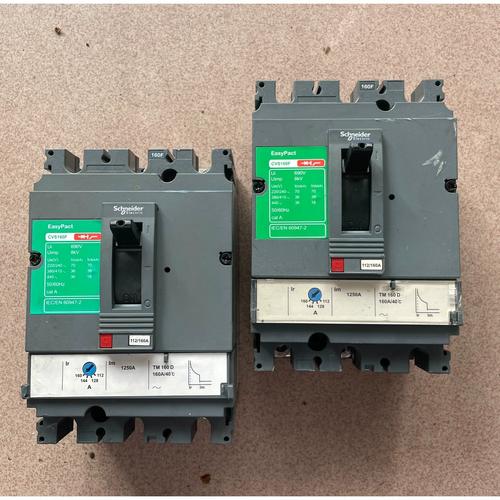
Special cases that must be given attention.
Equipment with High Start-Up Current
Some devices, like big compressors and welders, draw more current at startup than during regular use. These temporary surges can trip your breaker. They can also damage wires if the circuit is not sized correctly.
Solution:
Use wires with a higher short-term overload capacity.
Install a soft-start device to reduce startup current.
When you design the circuit, consider startup loads in your calculations. Choose a thicker wire, like 8 AWG or 6 AWG copper, to handle them.
Many devices share the same circuit.
When many high-powered appliances use the same 30-amp circuit, the total current can get close to or even go over the breaker's limit. Using a microwave, oven, and induction cooktop together can overload the circuit. So, it’s important to plan this carefully.
Solution:
Calculate the total load for all devices.
If their combined load exceeds 24 amps (80% of 30 amps), you may need a dedicated circuit or use a thicker wire (e.g., 8 AWG copper).
Plan usage to avoid running several devices at once. Spread them across different circuits.
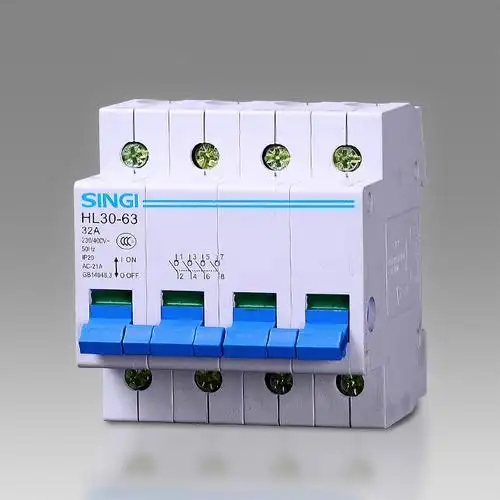
NEC Compliance and Safety Standards
The National Electrical Code (NEC) provides guidelines for wire sizing based on:
Ampacity tables
Installation conditions
Temperature ratings
Material type (copper vs. aluminum)
Always follow NEC rules and local code requirements. Using incorrect wire sizes can lead to:
Insurance claim denial
Equipment failure
Fire or electrocution risks
Legal liability for non-compliant installations
If you're unsure, ask a licensed electrician. You can also check NEC Article 310 for conductor ampacity.
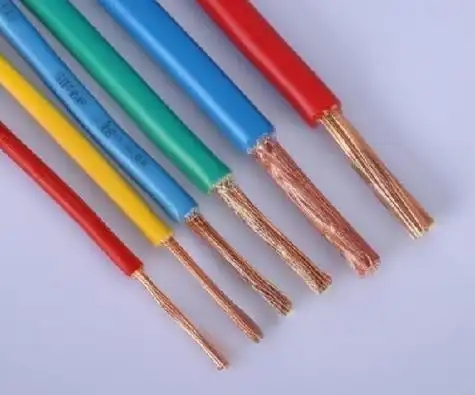
Final Thoughts
A 10 AWG copper wire or an 8 AWG aluminum wire works for most 30-amp circuits under standard conditions. But you must consider more factors such as:
Circuit length
Ambient temperature
Installation type
Connected equipment
Upsizing the wire is a simple investment. It can greatly boost system safety and performance. Calculate the voltage drop for long runs. Adjust for heat. Also, avoid overloading the circuit with too many devices.
Need expert help with wire selection?
At Wei Shoe Elec, we help you with wire sizing, selecting breakers, and planning code-compliant installations.
No matter if it’s a home project or a big industrial system, our team is here to help.
✅ Full technical support
✅ Product recommendations
✅ Custom solutions for wire routing and load planning
✅ NEC- and CE-compliant products
📞 Contact us today
📧 Email: thor@weishoelec.com
📱 WhatsApp: +86 159 5777 0984
🌐 Website: www.weishoelec.com
Let us help you wire with confidence.