On an electrical drawing, a circuit breaker symbol might look simple at first glance. It isn’t. That small mark tells you everything about safety, operation, and how the whole system is engineered to behave. Whether you’re dealing with 12kV medium-voltage switchgear (where VCBs are the heart of the system) or a packed low-voltage control schematic—recognizing these symbols quickly and correctly is non-negotiable field knowledge.
After more than 12 years in industrial power distribution, I’ve seen this play out on real jobs, from local installs to international projects in South Africa and the Middle East. These symbols are never just "filler" on a page. They tie directly into short-circuit protection, switching sequences, and post-fault investigation. The real trap lies in the standards: if you confuse IEC with ANSI conventions, you misread the design's intent. On paper, that’s a typo; on-site, it’s a hazard. Getting these standards straight ensures the installation team and the design team are finally speaking the same language.
Why is the circuit breaker symbol the universal language of the electrical world?
In any modern power system, a circuit breaker isn’t just a component; it’s the ultimate fail-safe. When an overload or short circuit hits, it cuts the power instantly. It’s a simple mechanical move with massive consequences—preventing equipment meltdowns and saving lives on the factory floor.
Now, imagine staring at a dense electrical schematic. It’s a jungle of lines, labels, and blocks. In that high-pressure environment, spotting a breaker symbol fast—and knowing its exact type—is the difference between a quick fix and a costly mistake. That’s why these symbols exist.
The circuit breaker symbol is more than a drawing; it’s a professional shorthand we use to communicate across borders. Once you master it, diagrams become readable, troubleshooting speeds up, and safety decisions happen in seconds, not minutes. In this guide, I’m breaking down what these marks actually mean, how IEC and ANSI standards differ, and how they apply to the real-world equipment we build every day.
The Logic Behind the Symbol: Evolution from Field Experience to Global Standards
Electrical symbols aren’t just random ink on a page; they are the codified results of decades of field failures, practical necessity, and hard-won industry consensus. The circuit breaker symbol is a perfect example of this evolution.
Breaking Down the Symbol: What It Actually Says
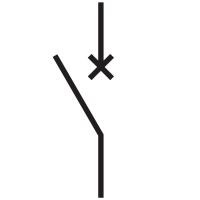
Strip it down to the basics: a circuit breaker symbol is usually a rectangle or square representing the housing. But the "soul" of the symbol is that diagonal stroke or the angled “<” line. That mark represents the mechanical switching action—the physical movement of the contacts.
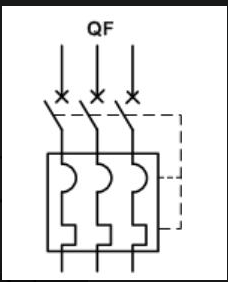
It looks simple, but it’s far from arbitrary. This visual captures the breaker’s primary mandate: an automatic mechanism designed to interrupt a live current under fault conditions. In modern switchgear diagrams—like those we design at Weisho—you’ll see these symbols paired with identifiers like “CB1” or “F2.” In a massive industrial system, those labels are your roadmap for fast, safe identification during a blowout or scheduled maintenance.
The Critical Guardrails of Standardization
Without strict standards, an electrical drawing becomes a dangerous mess. This is why the IEC (International Electrotechnical Commission) and ANSI (American National Standards Institute) exist. They ensure a breaker symbol carries the same weight whether the engineer is in China, Europe, or the US.
In my 12 years of experience, the real friction often happens at the borders. IEC standards dominate Europe and Asia (where most of our projects reside), while ANSI/IEEE is the law in North America (like the LADWP projects). The symbols might look similar, but the nuances are where mistakes hide. Ignoring these differences on a shared international project is a recipe for technical disaster.
From Pencil Marks to Digital CAD Libraries
Engineering used to be a world of individual styles, where one firm’s "standard" was another's "confusion." As power systems grew in complexity, hand-drawn inconsistency became a liability. We moved from manual sketches to the digital precision of CAD libraries.
Today, we don't draw symbols; we deploy them. Standardized libraries built into modern CAD tools ensure that every VCB or transformer symbol is consistent, legible, and accurate. It saves time, yes, but more importantly, it creates a document that any technician on the ground can read without second-guessing the designer’s intent.
A Closer Look at Breaker Symbols Across Standards and Device Types
For a field engineer, reading symbols is only the baseline. The real task is decoding what those marks imply—the device type, its functional limits, and its role in the system. In the world of circuit breakers, a tiny "tweak" in the drawing isn't just a detail; it often points to a completely different application or protection logic.
Functional Symbols: Visualizing the Protection Logic
Thermal-Magnetic Breakers: These symbols build on the standard mark by adding specific "telltales." A curved line represents the thermal element (overload), while a zigzag or coil signifies the magnetic trip (short-circuit). If you don't see both, you might be looking at a device that doesn't offer full protection.
RCDs & GFCIs: Residual current and ground fault devices are distinct. In many schematics, a curved arc or C-shaped mark is added alongside the base breaker symbol to indicate its ability to sense leakage current.
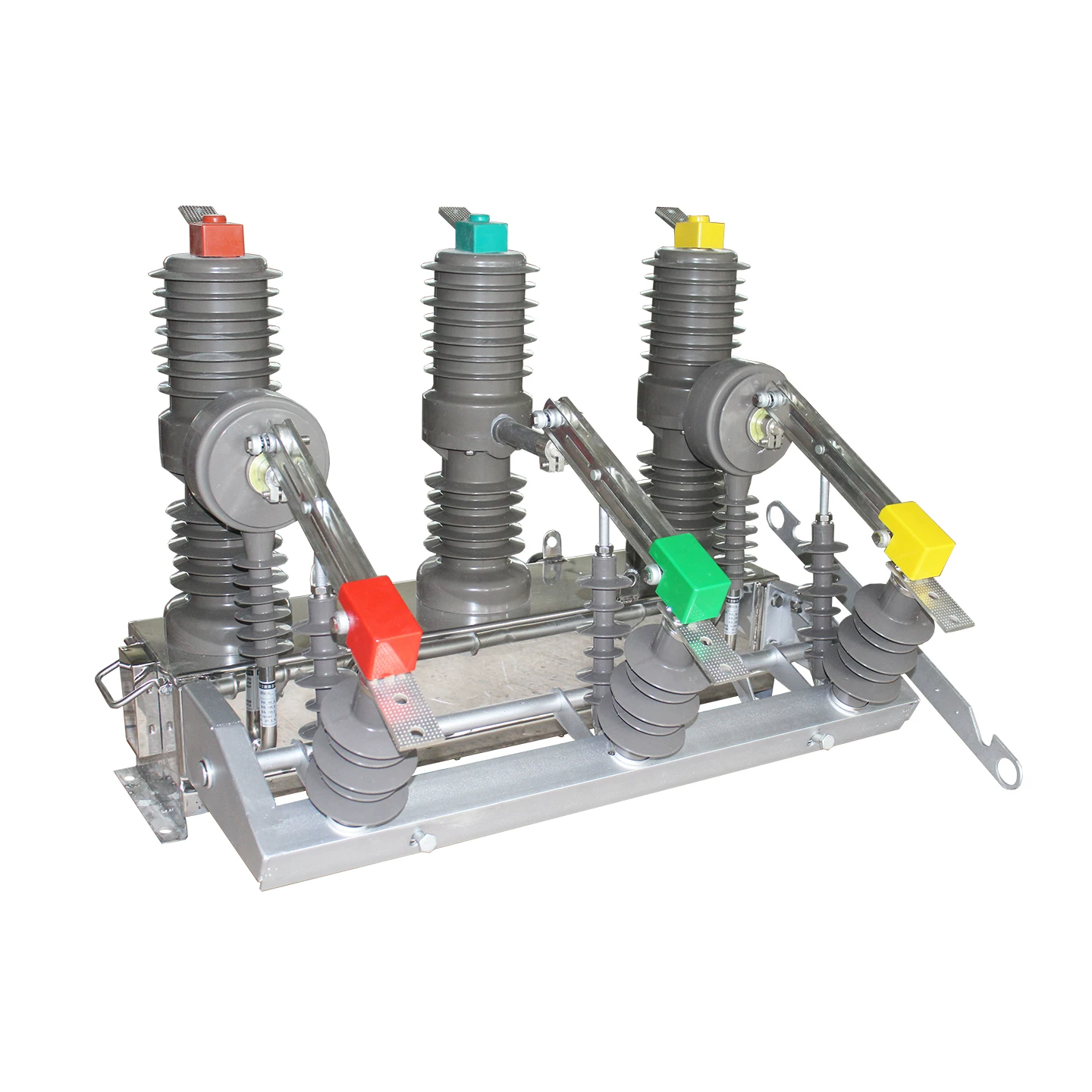
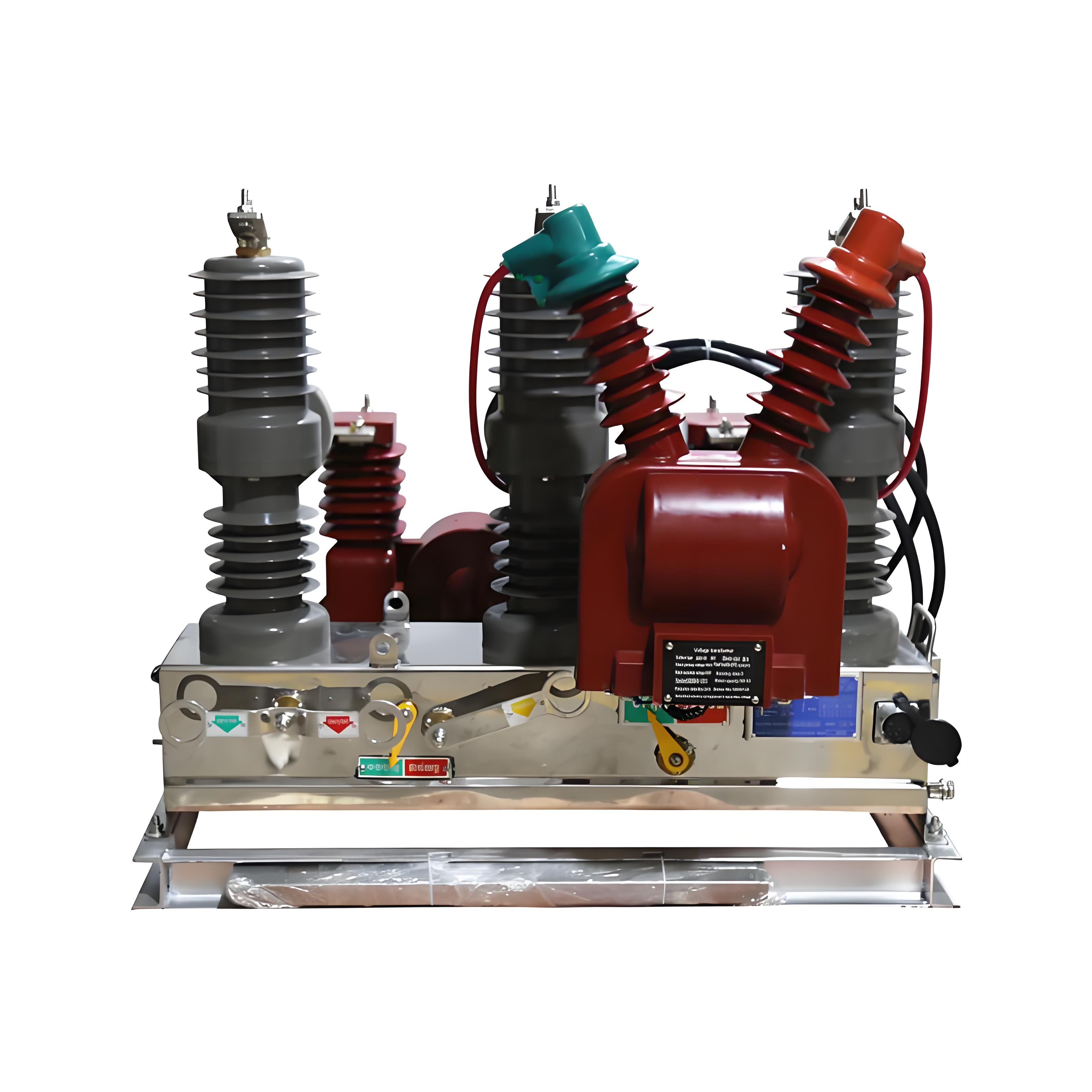
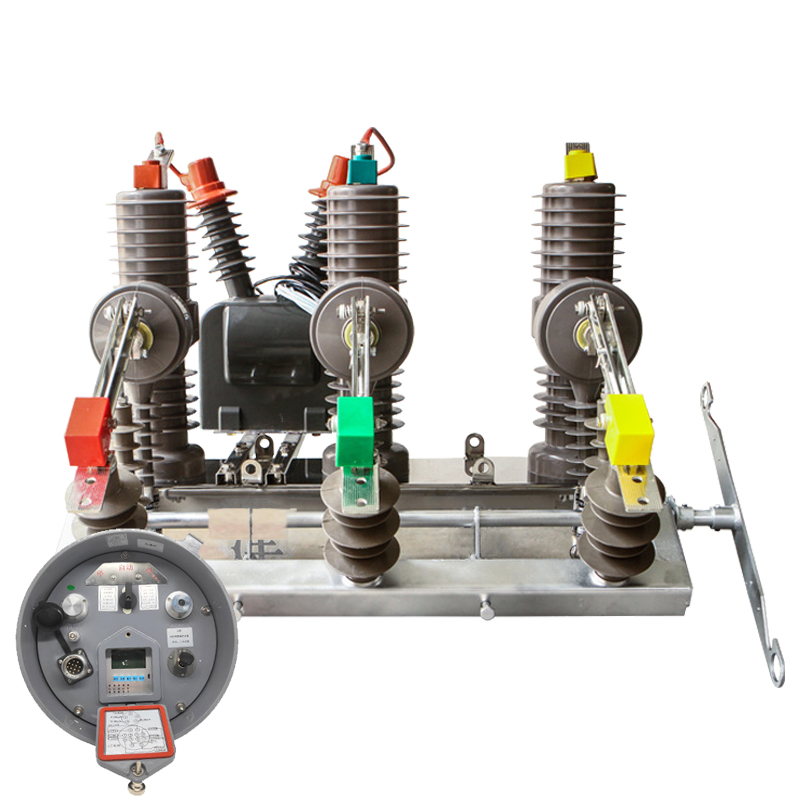
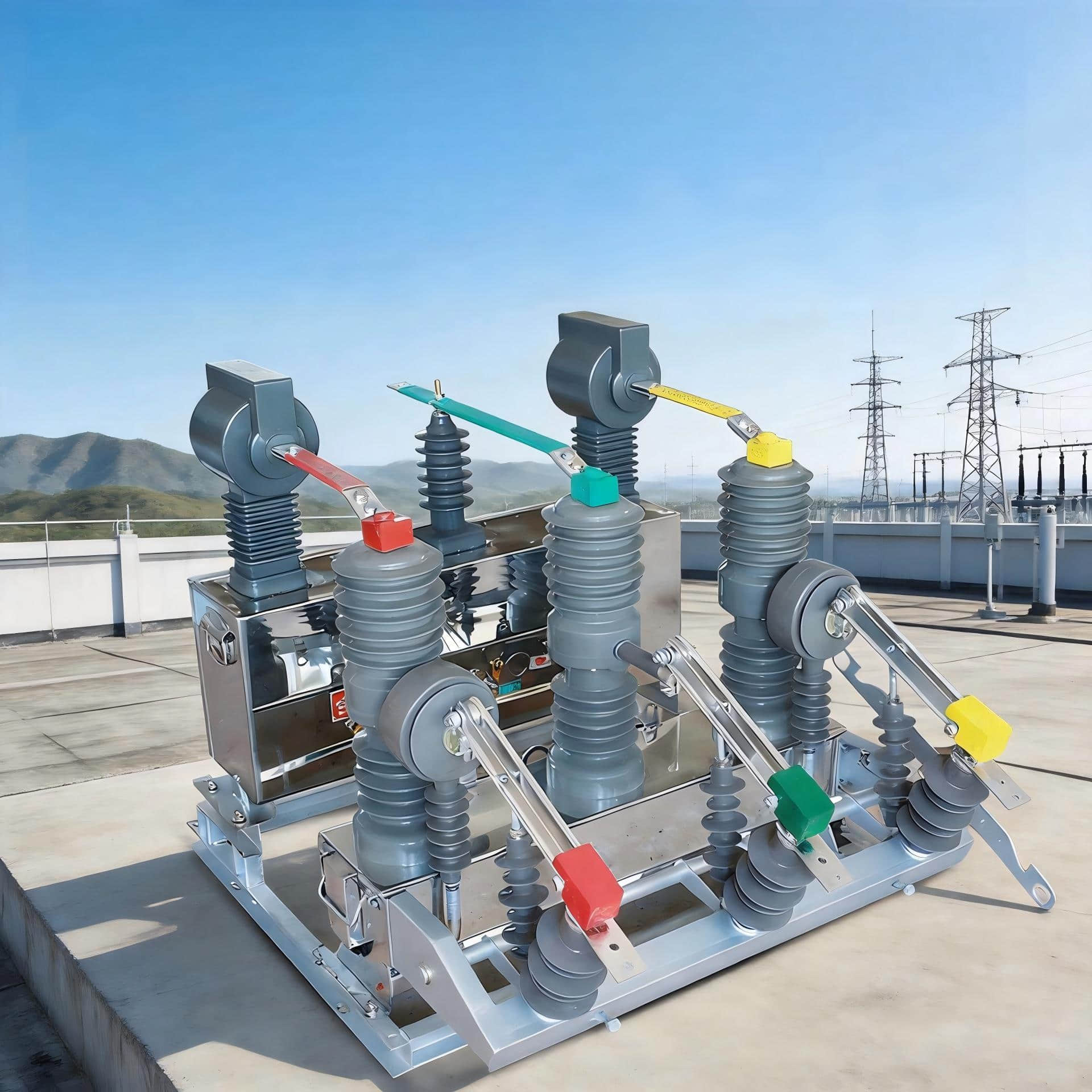
VCBs & ACBs: For the medium and high-voltage gear we handle at Weisho, such as Vacuum Circuit Breakers (VCBs) or Air Circuit Breakers (ACBs), the symbols get more granular. You’ll often see elements representing arc-extinguishing chambers or specific operating mechanisms. Distinguishing these is critical—you don't want to confuse a VCB with a standard load break switch during a technical audit.
Pole Symbols: Judging System Scale at a Glance
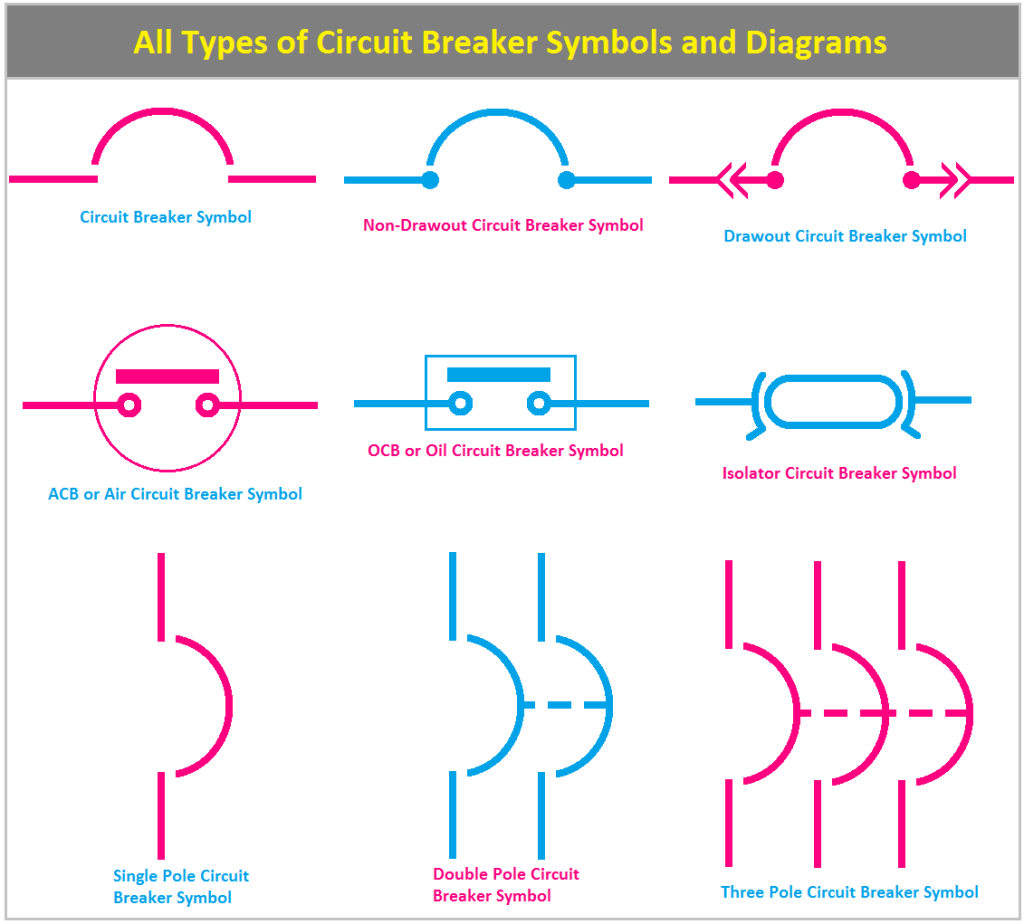
Single-Pole: The simplest form, common in single-phase circuits, shown with one rectangle and one switch line.
Double-Pole: Used to control two live conductors. The symbol displays two sets of rectangles and switch lines, linked by a dashed line to show synchronized operation.
Three-Pole: The standard for three-phase systems. These symbols include three synchronized switch lines—essential for the heavy industrial power distribution projects we manage in South Africa and the Middle East.
Structural Symbols: The Roadmap for Maintenance
Draw-out Circuit Breakers: This is where field convenience meets design. A draw-out symbol includes a dashed line or specific graphic showing that the breaker can be withdrawn from its base. In practice, this means we can swap a VCB for maintenance without killing the entire busbar—a massive advantage for plant uptime.
Fixed (Non-draw-out) Breakers: Shown much more simply, indicating a permanently installed device. If you see this symbol on a 40.5kV project, you need to plan for much longer downtime during servicing.
Circuit Breaker vs. Fuse: A Side-by-Side Comparison
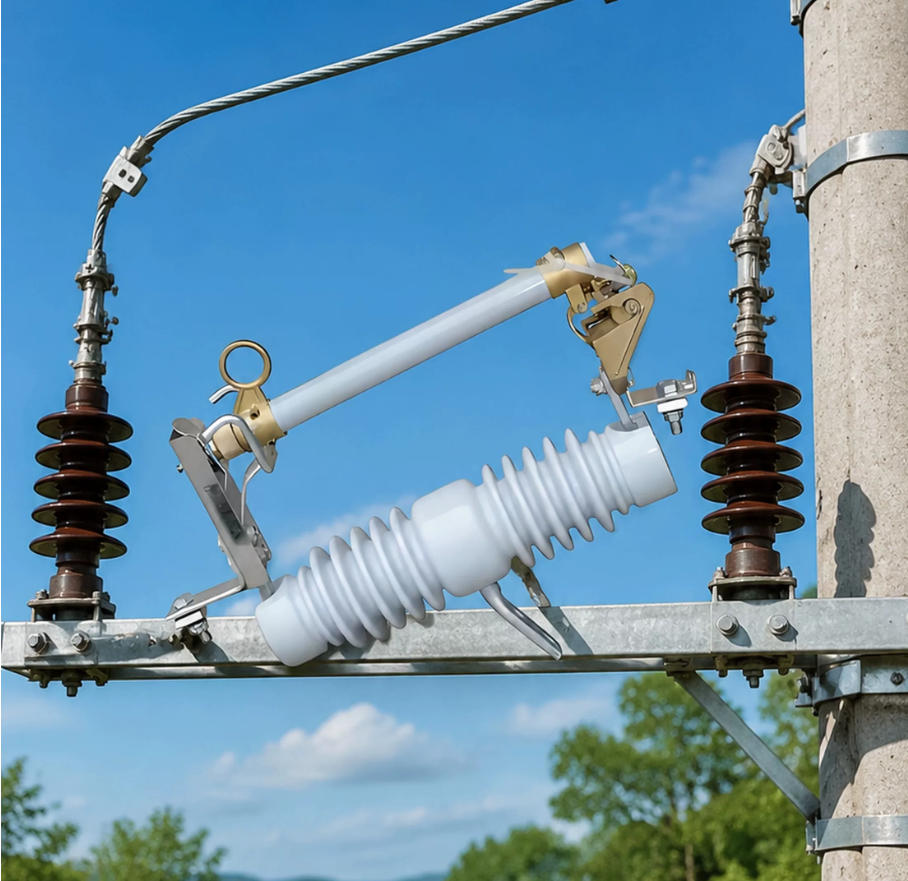
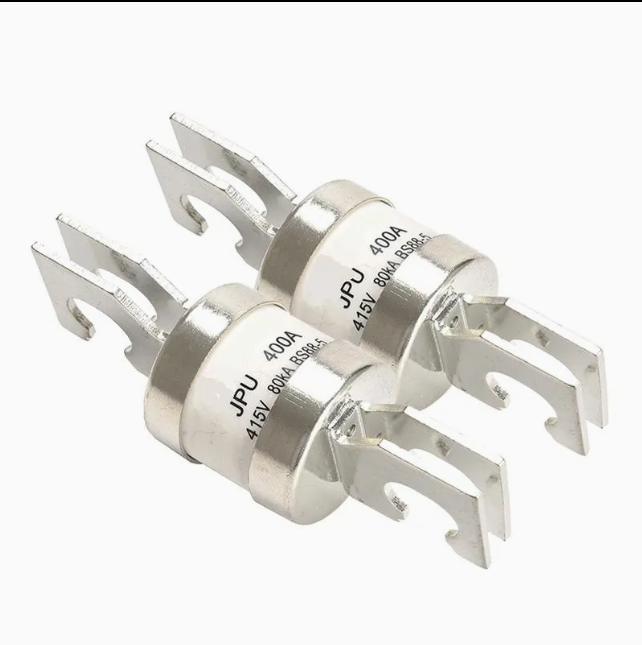
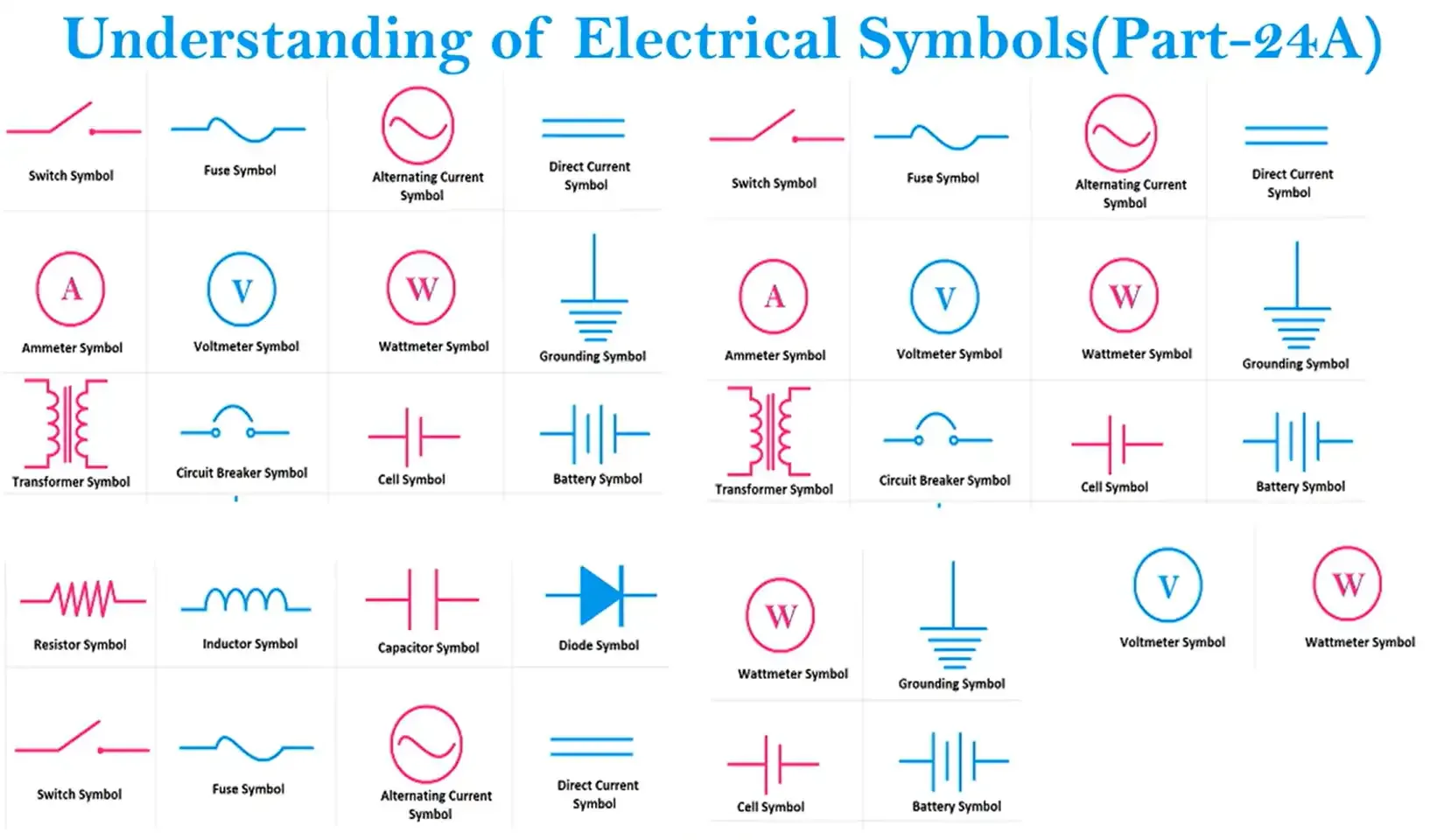
On electrical diagrams, circuit breakers (reusable switches) and fuses (single-use protection components) are two of the most common overcurrent protection devices. It's crucial to avoid confusing them, as their symbols are very different.
Practical Use: How to Read a Diagram and Pinpoint a Fault
Learning symbols is only the first half of the equation. In the field, the real value lies in "speed to diagnosis"—the ability to scan a diagram and solve a critical problem while the clock is ticking. After 15 years in industrial power, I've developed a systematic way to bridge the gap between a paper drawing and a dead circuit.
Reading a Diagram, One Step at a Time
English Version:
Locate the Device: Scan for the specific breaker symbol. Don't get distracted by the "noise" of the whole schematic; find your target first.
Check the Designation: Look for labels like “F1,” “Q1,” or “QF.” These are the device’s "IDs." In the international projects we handle, these IDs are the only way to ensure the technician and the designer are talking about the same component.
Consult the Legend & Schedule: The legend tells you what it is; the schedule tells you its rating (e.g., 630A, 25kA). Never assume a breaker’s capacity just by its symbol size.
Trace the Downstream Path: Follow the lines. Seeing what sits "below" the breaker (a motor? a transformer?) is the fastest way to understand its protection mandate.
Using Symbols to Diagnose Problems Fast
A diagram is a diagnostic tool, not just a map.
Imagine an industrial motor stops cold. You check the drawing and see that the breaker symbol includes both thermal and magnetic trip elements. If the breaker trips again the instant you try to restart, the magnetic element is likely reacting to a short circuit. If it takes a few minutes to trip, the thermal element is sensing an overload. Understanding this distinction from the symbol alone can save hours of aimless testing.
In our Weisho switchgear, we prioritize clear labeling because we know that in a high-stakes environment—like a Tanzanian utility project—clarity prevents catastrophic errors.
Why Intuitive Symbols Matter
The best symbols are intuitive. The switch line inside a breaker symbol isn't just a line; it’s a visual cue that the circuit can be broken automatically. Dashed lines between poles (like in a 3-pole VCB) tell you they operate as one unit. These "small" details make the logic visible, allowing an experienced engineer to "see" the electricity flowing—or where it has stopped.
FAQ
Why don’t circuit breaker symbols look the same everywhere?
Because the rules aren’t the same everywhere. Different countries use different electrical standards, so the symbols on drawings can change too. In the U.S. and Canada, ANSI and NFPA conventions are common. In much of Europe and Asia, IEC standards are more widely used. The idea behind the symbol is usually the same, but the way it’s drawn may not be.
What if I come across a circuit breaker symbol I don’t recognize?
Start with the legend or symbol list on the drawing—usually on the first page or near the end. That’s the quickest place to check, especially when a project uses custom or less common symbols.
Still not clear? Then it’s worth looking up the relevant electrical standard or asking someone with more project experience, like a senior engineer or team lead. A five-minute check can save a lot of confusion later.
Why does it matter if someone outside the electrical trade understands these symbols?
It matters more than people think. If you’re a homeowner, a DIYer, or part of a building maintenance team, knowing the basic breaker symbols can make everyday troubleshooting much easier—and safer. You can tell which breaker feeds the lighting, which one handles the air conditioner, and which circuit needs to be shut off when something goes wrong. In a stressful moment, that kind of clarity helps.
Conclusion: Knowing the Symbols Means Working Safer
A circuit breaker symbol may look simple on paper, but it stands for something important: protection. It marks a device that helps keep people, equipment, and entire electrical systems safe. That’s why learning these symbols isn’t just a technical detail—it’s practical knowledge.
For electrical professionals, it’s a basic part of the job. For anyone who regularly deals with panels, wiring, or facility upkeep, it’s a useful skill that can prevent mistakes.
And yes, the symbols themselves may keep changing. As smart grids, connected systems, and newer control technologies become more common, electrical diagrams will likely evolve with them. But one thing probably won’t change: the circuit breaker’s role as the system’s safety backstop.