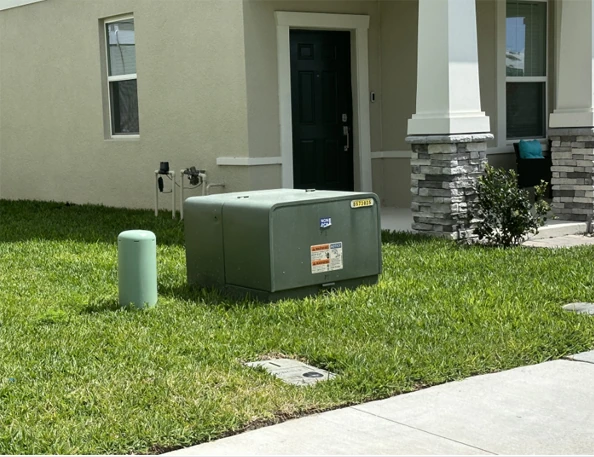
An electrical transformer box is a protective, enclosed unit containing a distribution transformer, which steps down high-voltage electricity to lower, usable voltages for homes and businesses. These boxes are commonly seen as green metal units on a concrete pad in neighborhoods with underground power lines, and they safeguard the transformer and its components from weather, animals, and people.
2. Defining The Electrical Transformer Box
These unassuming green boxes are the vital link connecting our macro power grid to our individual homes. They essentially serve as a secure and fortified home for the transformer, converting high-voltage energy from distant power lines into the safe and usable electricity we depend on.
You've likely seen these units on street corners, along sidewalks, or tucked away in a yard. Their presence makes underground cable distribution systems possible, helping to keep our community landscapes clear and uncluttered.
3. The Key Purposes Of A Transformer Box
A transformer box serves three critical functions within the electrical grid, each contributing directly to the system's safety, efficiency, and reliability.
Voltage Conversion (Step Down):
This is the most crucial function of the transformer box. To minimize energy loss during long-distance transmission, utility companies transmit power at extremely high voltages, often thousands of volts. This voltage is far too dangerous and unusable for our homes and businesses.
The transformer inside the box uses the principle of electromagnetic induction to "step down" this high voltage to safe and practical levels, such as 120/240 volts for residential use or 480 volts for commercial facilities. This conversion is the essential final step before power enters your property.
Watch this video to learn how a transformer works
Safety Protection:
The metal enclosure serves as a vital physical barrier, completely isolating high-voltage internal components from the external environment. This prevents accidental contact from people, curious children, or small animals, effectively eliminating the risk of electrical shock.
The boxes are designed with secure locks that only authorized utility technicians can open, preventing tampering by untrained individuals.
System Reliability and Component Protection:
In an outdoor environment, the transformer box is a fortified shelter for its internal components. It provides robust protection against harsh weather conditions like rain, ice, and intense UV radiation, keeping the sensitive electrical parts dry and clean.
This physical defense significantly reduces the likelihood of equipment failure due to environmental factors, which helps ensure a stable power supply and extends the overall lifespan of the distribution system.
4. Transformer Box Types & Technical Specifications
From an engineering perspective, transformer boxes are not one-size-fits-all; they are specifically categorized based on their technical parameters and intended use.
Transformer Capacity (kVA):
The key concept here is capacity, measured in kilovolt-amperes (kVA), which indicates the maximum amount of power a transformer can safely deliver. The physical size of the transformer box is directly related to its kVA capacity.
For instance, a small 25 kVA transformer box may serve just 2 to 3 houses, while a 150 kVA unit can provide stable electricity to a whole block or a small commercial plaza. Utility companies install transformers with the appropriate capacity for the anticipated load.
Voltage Class and Phase:
Single-Phase Transformers: This is the most common type for residential applications, providing 120/240-volt power. Their boxes are generally smaller and serve a row of homes.
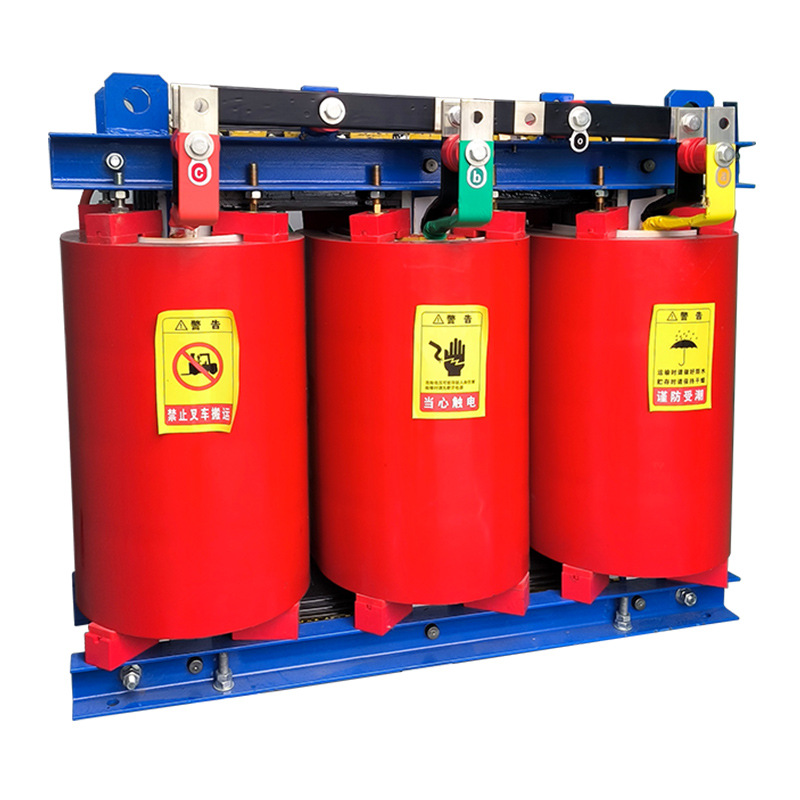
Three-Phase Transformers: These units are typically larger and used for commercial or industrial properties that require more robust power. They provide 480 volts or higher to run large machinery and other heavy-duty equipment.
5. The Internal Components of a Transformer Box
The inside of a transformer box is a world of highly integrated functionality, with each component playing an indispensable role in the safe transmission of power.
Transformer:
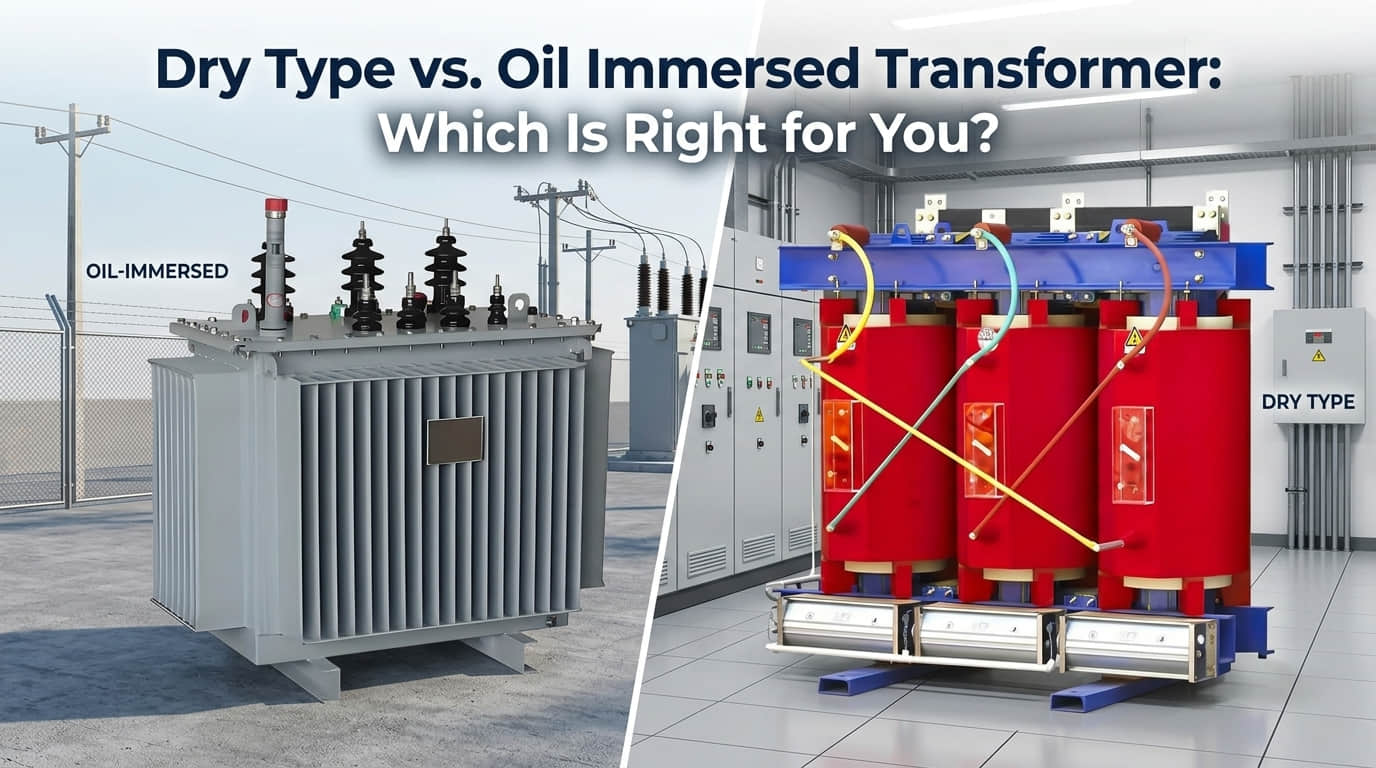
This is the core of the box, an electromagnetic device that changes voltage using a series of coils and an iron core. In residential areas, pad-mounted units are often oil-immersed, using mineral oil for both insulation and heat dissipation.
High and Low-Voltage Compartments:
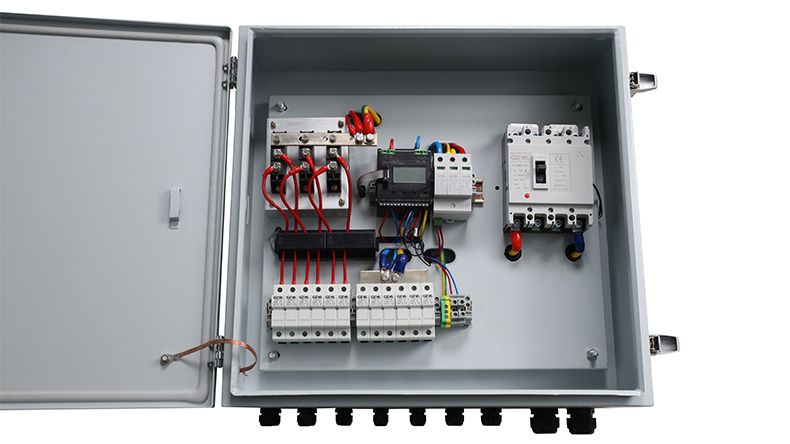
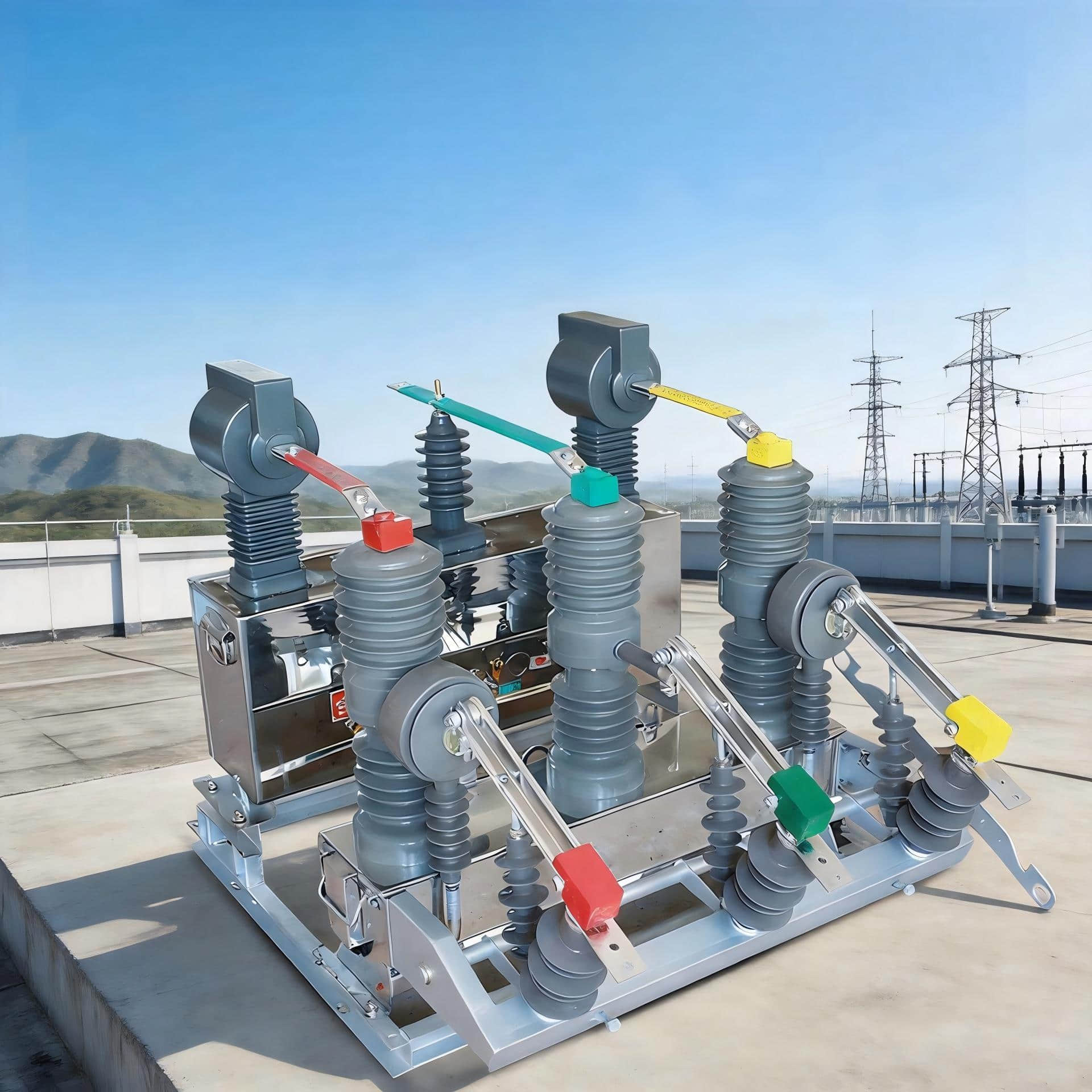
For safety, the interior is strictly divided into two separate compartments. The high-voltage side receives input from the power grid, while the low-voltage side connects to the lines that feed power to your property. This physical separation is a critical design feature to prevent accidental contact.
Fuses and Surge Arresters:
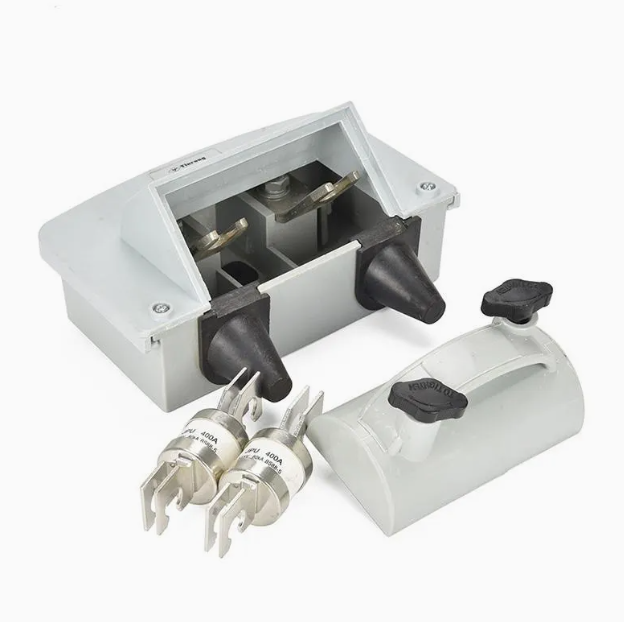
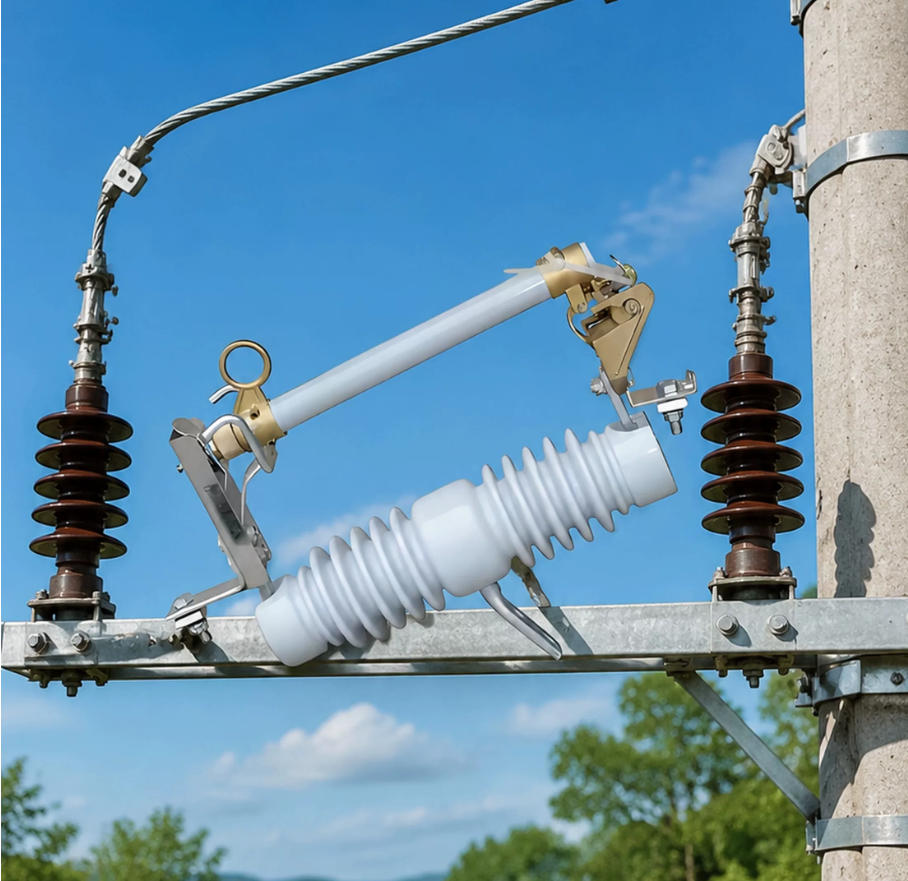
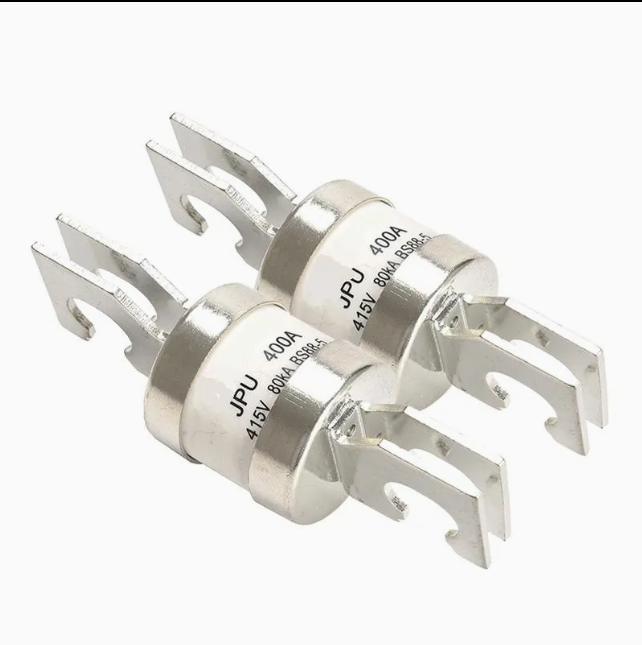
Fuses: Similar to circuit breakers, fuses are designed for extreme situations. If an internal short circuit or current overload occurs, the fuse will quickly "blow" to cut off the circuit and protect the transformer and other downstream equipment.
Surge Arresters: These are a vital safety device, designed to divert extremely high voltage surges from lightning strikes or power grid fluctuations safely into the ground. They prevent the transformer from being damaged by sudden voltage spikes.
Bushing Connectors:
These specialized connectors are often called "dead-front elbows" in the industry due to their touch-safe design. They are insulated connectors that provide a secure and reliable way to link underground cables to the transformer's input and output terminals.
Watch this video to see what's inside a transformer
6. Operation and Maintenance
A transformer box is not a "set it and forget it" device; it requires consistent, systematic maintenance to ensure its long service life.
Routine Maintenance:
Field Inspections: Utility technicians regularly inspect the transformer boxes in the field, checking the integrity of the unit's shell and ensuring that ventilation holes are not blocked. They also look for any signs of internal abnormalities.
Oil Analysis: For oil-filled transformers, oil samples are periodically collected and tested. By checking the oil for moisture, gases, and chemical compounds, technicians can assess the transformer's health and detect potential insulation or overheating issues before they cause a full-blown failure.
Tip: Regular maintenance and a timely replacement of a faulty unit are crucial for a community's power stability. Promptly reporting any abnormalities can prevent a large-scale power outage.
7. Safety First: Essential Precautions
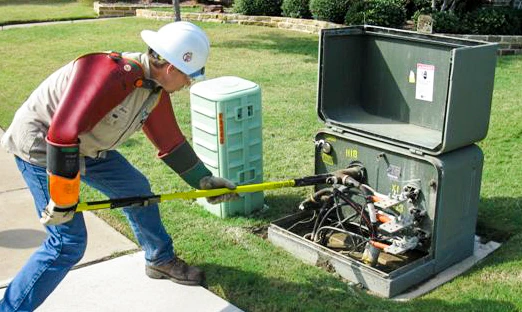
The inside of a transformer box contains lethal high voltage, and any improper handling can lead to serious accidents. Knowing and following these safety guidelines is of the utmost importance.
Never Open or Tamper with the Box:
A Clear Warning: Any attempt to open or touch a transformer box is extremely dangerous and could result in electrocution, serious injury, or even death. These devices are designed to be operated only by trained utility technicians who follow strict safety protocols.
Call the Professionals: Only authorized utility personnel have the tools and training to work on these units. If you find a box that is unlocked, report it immediately to the local power company.
Note: Even if a box appears harmless, it can contain lethal voltages. Any unauthorized contact could have severe consequences.
Keep a Safe Distance:
Clearance Requirements: To ensure that utility workers have a safe space to work, you should keep all plants, fences, and other objects at least 10–12 feet (about 3–3.6 meters) away from the front of the box. A clearance of 3–5 feet (about 0.9–1.5 meters) should be maintained from the sides and back.
Call 811 Before Digging:
Underground Lines: Before you start any excavation work in your yard, you must always call 811. This is a free service in the U.S.
The Reason Why: Transformer boxes are connected to underground high-voltage cables. Accidentally striking a buried cable can cause a massive power outage and an extremely dangerous electrical shock.
Abnormal Signs and Their Engineering Principles:
Strange Sounds: A normal transformer makes a low humming sound. However, a sudden popping or hissing sound could indicate an internal electrical arcing or a loose part.
Weird Smells: A burnt smell can mean that the internal insulation is overheating and failing, while the smell of oil indicates a potential leak from the transformer's cooling system.
Act Immediately: If you notice any of these signs, contact your electric utility company right away.
Note: Under no circumstances should you ever attempt to diagnose or repair a transformer box yourself. Your actions could endanger both you and the entire community's power grid.
8. Summary of Key Features
9. Conclusion
The electrical transformer box is a critical, though often overlooked, part of our modern power distribution system. It works silently in neighborhoods, safely and efficiently converting the high-voltage electricity transmitted over long distances into the low-voltage power we use every day.
By understanding its core functions and strictly adhering to the necessary safety precautions, we can collectively ensure the ongoing reliability of our electrical grid and maximize public safety. The next time you see one of these green metal boxes, you'll have a much deeper appreciation for the engineering and purpose behind it.
10. Frequently Asked Questions (FAQ)
Q1: Why does my transformer box occasionally make a humming sound? Is that normal?
A: A low humming sound is a normal part of a transformer's operation, caused by the vibration of its internal electromagnetic coils. This is typically nothing to worry about unless the sound becomes suddenly loud, sharp, or includes a distinct buzzing or popping noise.
Q2: What should I do if I find the door to a transformer box unlocked?
A: Immediately move away from the box and call your local utility company's emergency service line. Do not attempt to close the door yourself or touch the box, as an unlocked unit still contains lethal high voltage.
Q3: What is the lifespan of a transformer box? Do they ever need to be replaced?
A: A well-maintained transformer box can typically operate for 30 to 40 years or even longer. However, if it experiences severe overloads, lightning strikes, or its internal components age and fail, the utility company will replace it to ensure the grid's continued stability.
Q4: Why is it important to keep a safe distance and not let bushes cover the box?
A: The clearance is for safety and heat dissipation. Covering the box with plants can cause it to overheat, shortening its lifespan and potentially leading to a fire. The space also provides utility workers with a safe area for maintenance and repairs.
Q5: I live in an apartment building. Why don't I see a transformer box?
A: Apartment buildings and commercial complexes often use larger, three-phase transformers. These are usually located in a dedicated electrical room in the basement or are sometimes concealed in an underground vault or a utility closet within the building.