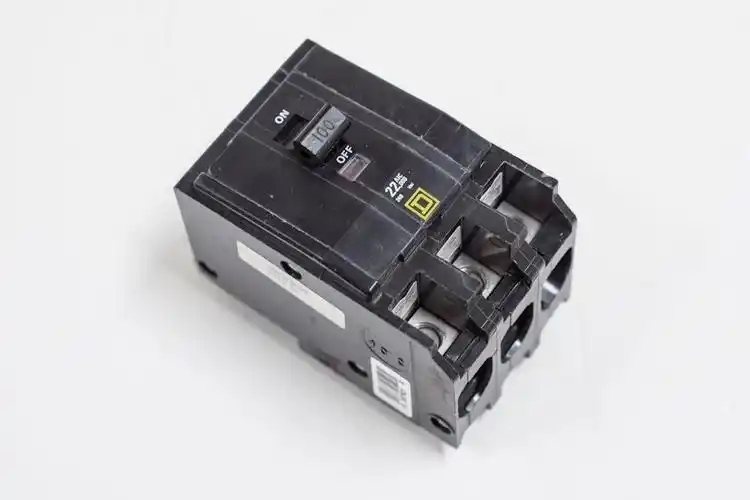
A QO circuit breaker is a type of electrical circuit breaker from Schneider Electric's Square D brand. It's well-known for its unique "Qwik-Open" technology and a clear "Visi-Trip" visual indicator.
This efficient circuit protection device quickly shuts off power during overcurrents or short circuits. It keeps wires, equipment, and people safe.
Its reliability, durability, and compact design make it a top choice for both residential and commercial electrical panels.
Core Technology and Design Features
The QO breaker stands out from other devices because of its blend of innovative technology and user-friendly design. These features enhance its performance and make it incredibly convenient for real-world applications.
1.1 “Qwik-Open” Technology
The "QO" in its name stands for "Qwik-Open," which highlights its most important feature.
When a short circuit happens, current can spike to extremely high levels in a fraction of a second. If a breaker is too slow to react, this burst of energy can destroy equipment or even cause an explosion or fire.
Qwik-Open technology uses a finely-tuned internal mechanism to respond in milliseconds, instantly interrupting the circuit. Compared to many older breakers, the QO acts like a trained security guard, neutralizing a threat the moment it appears.
This gives your circuits and connected devices an unmatched level of protection.
1.2 “Visi-Trip” Indicator
Imagine a circuit trips and you're left in the dark, standing in front of a breaker box filled with identical-looking switches. Trying to find the right one is frustrating and wastes a lot of time.
The "Visi-Trip" feature was designed to solve this exact problem. A small, prominent window on the breaker's handle instantly flips from black to a bright red or orange color when it trips.
You can spot the tripped breaker from a distance, which makes troubleshooting incredibly easy and efficient.
1.3 Plug-On Design
Traditional breakers often rely on screws and a "pigtail" wire to connect to the panel's busbar. This can make installation complicated and leaves a risk of a loose connection over time.
The QO breaker uses an innovative "plug-on" design with a sturdy clamp that clips directly onto the busbar. This streamlined process reduces installation time and minimizes the chance of human error.
It creates a more secure and reliable connection, which is a major reason why many professionals prefer it.
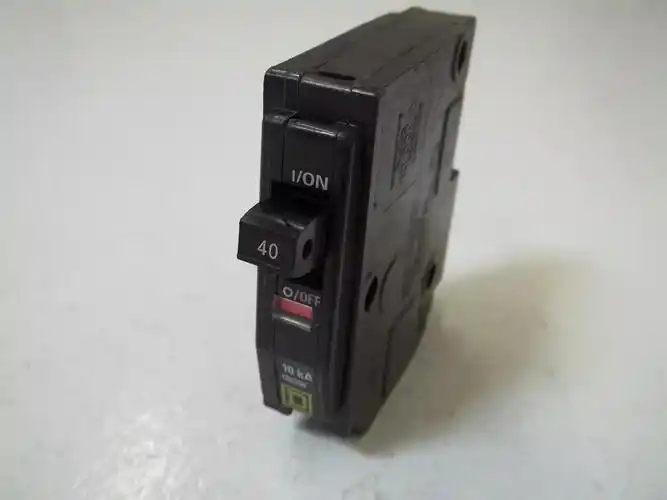
Types of QO Breakers and Their Use
The QO breaker isn't just one product; it's a family of devices, each designed to tackle a specific electrical safety challenge.
2.1 Standard Thermal-Magnetic Breakers
This is the most common type and what most people think of when they picture a breaker. It uses a thermal-magnetic protection mechanism to keep circuits safe.
A thermal-magnetic breaker protects against slow overloads (from too many devices running at once) and instantaneous short circuits. The thermal protection works with a bimetallic strip that bends and trips the breaker when it gets too hot.
The magnetic protection uses an electromagnetic coil that instantly trips the breaker in a split second when it senses an extreme current spike from a short.
2.2 Arc-Fault Circuit Interrupters (AFCI)
Arc faults are a hidden and deadly electrical threat. They're often caused by loose wire connections or damaged cables.
These faults create a low-current, high-heat arc that can easily ignite nearby materials like wood or dust. This is a common cause of electrical fires in homes.
An AFCI breaker has a sophisticated microprocessor that precisely identifies these dangerous arcing patterns. It immediately cuts power to the circuit, preventing a fire from starting.
The National Electrical Code (NEC) now requires AFCIs in many living spaces, like bedrooms and living rooms. This provides an extra layer of fire protection.
2.3 Ground-Fault Circuit Interrupters (GFCI)
A ground fault occurs when an electrical current takes an unintended path to the ground, often through a person. If you touch a faulty device, your body could become the conductor, leading to a life-threatening electric shock.
A GFCI breaker continuously monitors the current on the hot and neutral wires to ensure they are balanced. If it detects even a tiny imbalance (as little as 5 milliamps), it trips the circuit in a fraction of a second.
The NEC requires GFCIs in all wet locations, including kitchens, bathrooms, laundry rooms, and outdoor outlets.
2.4 Combination AFCI/GFCI
To offer the most comprehensive protection, Schneider Electric combined both AFCI and GFCI technology into a single device. This combination breaker can prevent both electrical fires and shocks.
Its main benefit is saving space in a crowded panel while giving a single circuit dual protection. This makes it an ideal solution for new construction or electrical system upgrades.
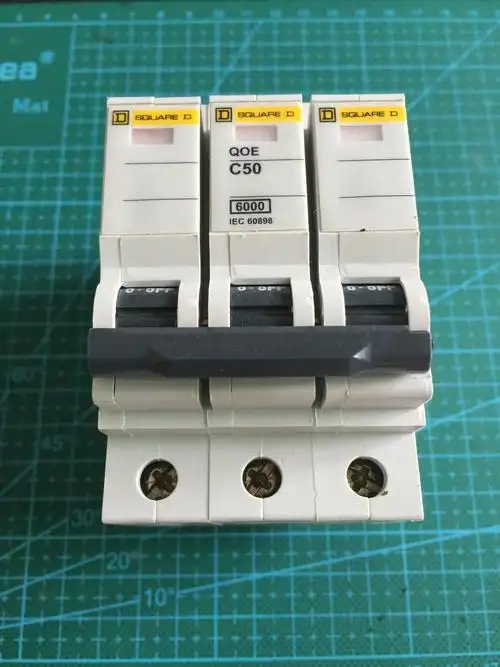
Technical Specifications
For a professional electrician, choosing the right breaker goes beyond just picking a brand. It requires careful consideration of key technical specs to ensure the system is both safe and compliant.
3.1 Voltage and Amperage
These are the most basic parameters of any breaker.
The voltage rating indicates the maximum operating voltage the breaker can handle. The amperage is the maximum continuous current it's designed to pass.
You must choose an amperage rating that matches your wire gauge to prevent the wire from overheating.
3.2 Poles
A breaker's number of poles determines how many energized conductors it can protect. Single-pole breakers protect one hot wire for 120V circuits, which are typically used for lighting and outlets.
A double-pole breaker protects two hot wires for 240V circuits. These are commonly used for large appliances like electric ranges, dryers, and central air conditioners.
3.3 Interrupting Capacity (kAIC)
This is one of the most important safety ratings for any breaker. Rated in kiloamps (kA), the kAIC indicates the maximum short-circuit current the breaker can safely interrupt without failing or exploding.
Most residential applications use a standard 10kAIC breaker, which is typically sufficient. However, for homes or businesses located near large power transformers, a higher interrupting capacity of 22kAIC or more might be necessary.
Choosing a breaker with an insufficient kAIC rating is a serious safety hazard.
Installation, Compatibility, and Industry Standards
Even with the most advanced technology, an electrical device is useless if it's not installed properly. QO breakers are designed for easy installation, but they must still be handled by a professional.
4.1 Compatibility
The QO breaker's unique plug-on design is specifically made for the Square D QO series of load centers. It's not compatible with the company's other major product line, Homeline.
Although Homeline breakers look similar, their physical interfaces are different, and you must never interchange them. Always check your panel's model number before you buy a new breaker.
If you want to see the physical differences and proper installation process for QO and Homeline breakers, the video below provides a clear demonstration and explanation.
4.2 Installation and Safety
Electrical work is extremely dangerous, and all breaker installations must be performed by a qualified electrician.
Before beginning any work, the main power to the panel must be completely shut off and verified with a voltage tester. A proper connection between the wire and the breaker's terminal is crucial.
Any loose connections can lead to overheating, arcing, or fire.
4.3 Certifications
As an industry leader, the QO breaker's manufacturing process and performance are certified by third parties. It is UL-listed, which means it has passed rigorous safety tests and meets the highest industry standards.
In North America, the use of QO breakers must also comply with the National Electrical Code (NEC). The NEC provides a detailed framework for electrical systems to ensure their safety and reliability.
Conclusion
A QO circuit breaker is far more than just a simple on/off switch. It's an intelligent safety device that integrates innovative technology and adheres to strict industry standards to provide a powerful layer of protection.
From its swift "Qwik-Open" technology to its specialized AFCI and GFCI models, the QO series shows a deep commitment to electrical safety.
Its unique plug-on design and high interrupting capacity options make it a go-to choice for electricians, builders, and homeowners. Choosing a QO breaker means you're investing in professional-grade circuit protection that builds a strong, reliable defense for your home or business.
Frequently Asked Questions (FAQ)
Can I use a QO breaker in a Homeline panel?
No, you can't. QO and Homeline are two different product lines from Square D with distinct physical interfaces. Forcing one to fit into the other can damage the equipment and create a serious safety risk.
Why does my QO breaker trip so often?
A tripping breaker is doing its job by protecting the circuit. Frequent trips usually indicate a circuit overload, a short circuit, or a ground fault. If the issue persists, don't keep resetting the breaker; instead, contact a professional electrician to diagnose the problem.
What's the difference between a QO and a regular breaker?
Beyond standard thermal-magnetic protection, QO breakers have two key features that set them apart: the "Visi-Trip" indicator for easy troubleshooting and the "Qwik-Open" technology for a faster response. Their plug-on design also makes installation easier and more reliable than traditional breakers.
Is it safe to reset a QO breaker?
In most cases, yes. But before you reset it, you should first unplug or disconnect the device that caused the trip. To reset a QO breaker, push the handle to the full "OFF" position and then move it to the "ON" position. If the breaker immediately trips again, a serious fault exists.
How do I choose the right amperage?
A breaker's amperage must match the size of the circuit wire it protects. For example, a 15A breaker is for 14-gauge wire, while a 20A breaker is for 12-gauge wire. Choosing a breaker with an amperage rating that's too high won't protect the wire, which can lead to overheating and fire.