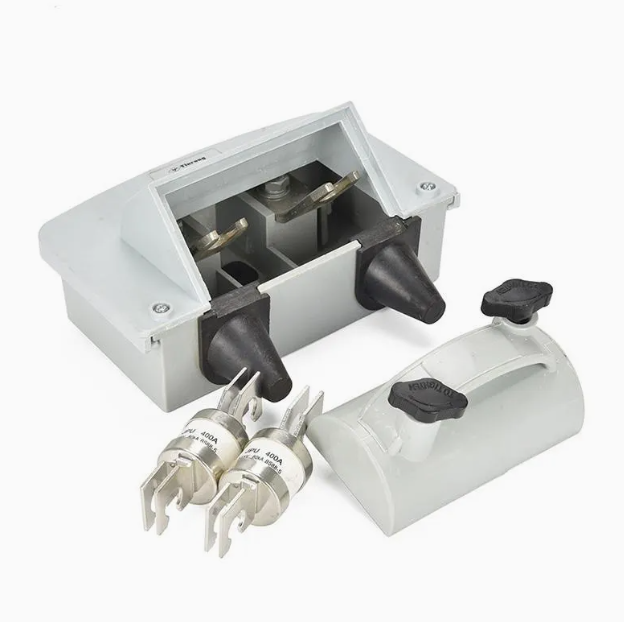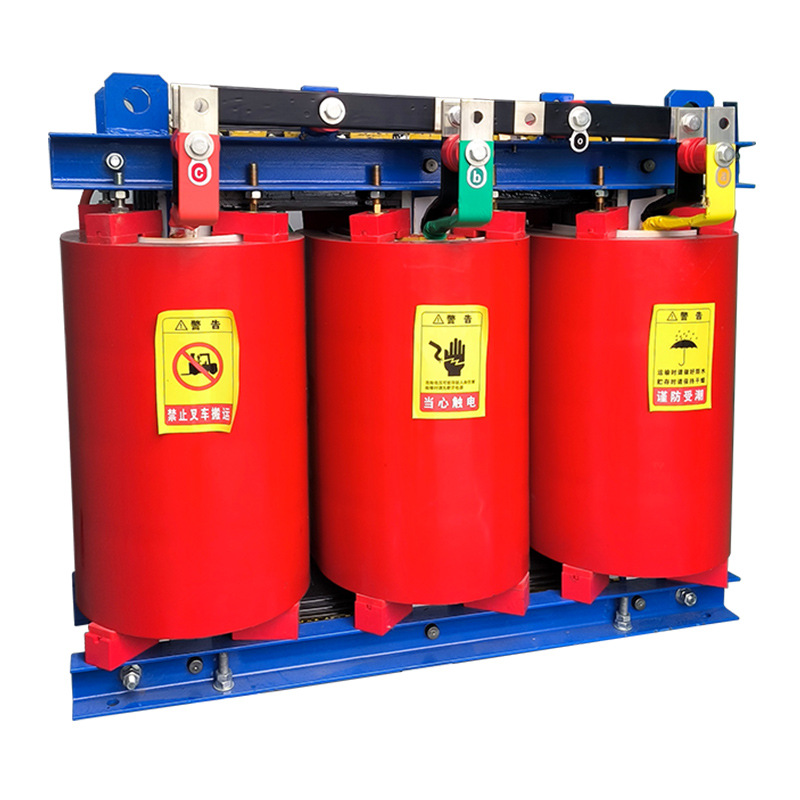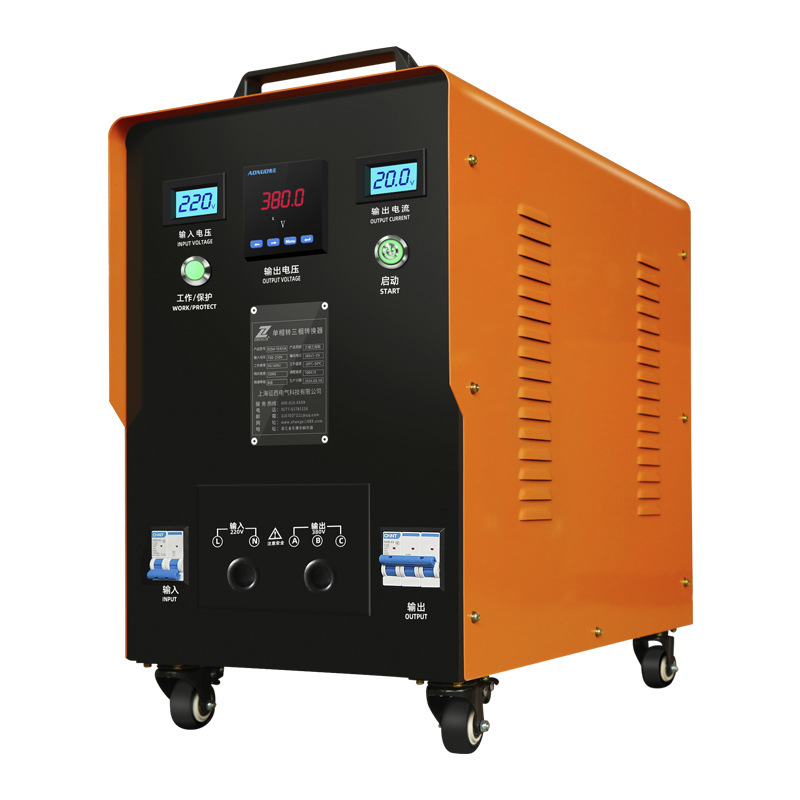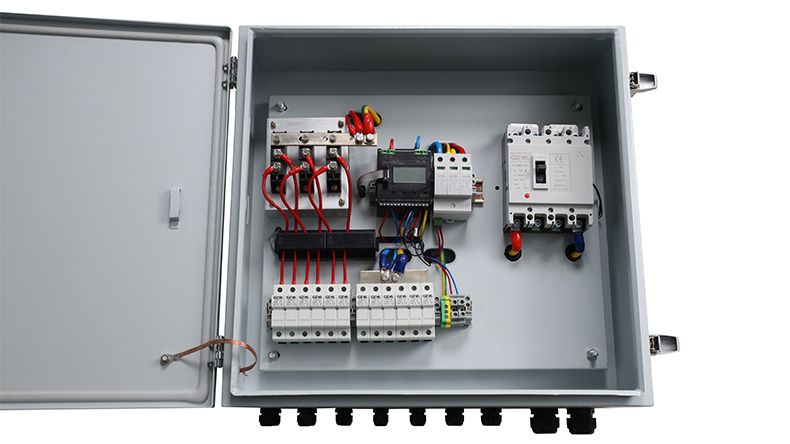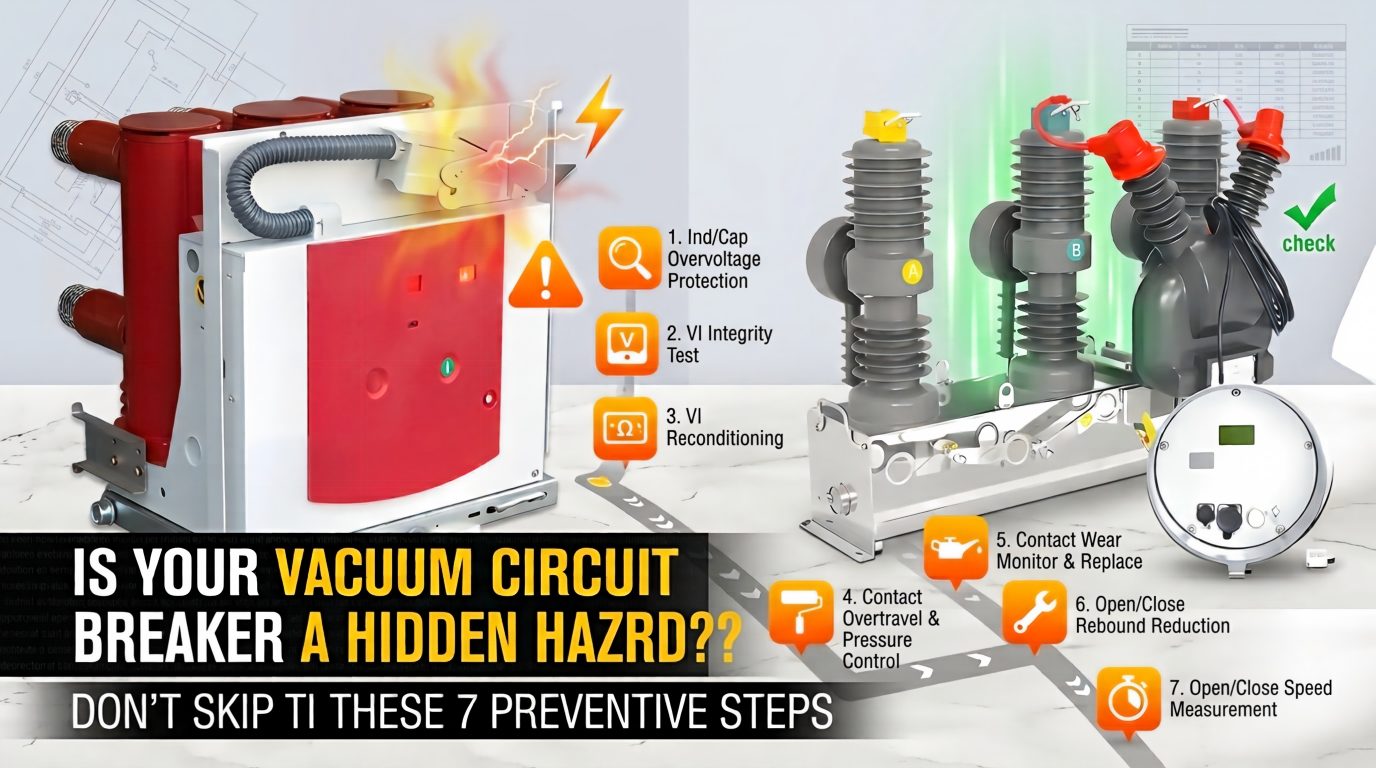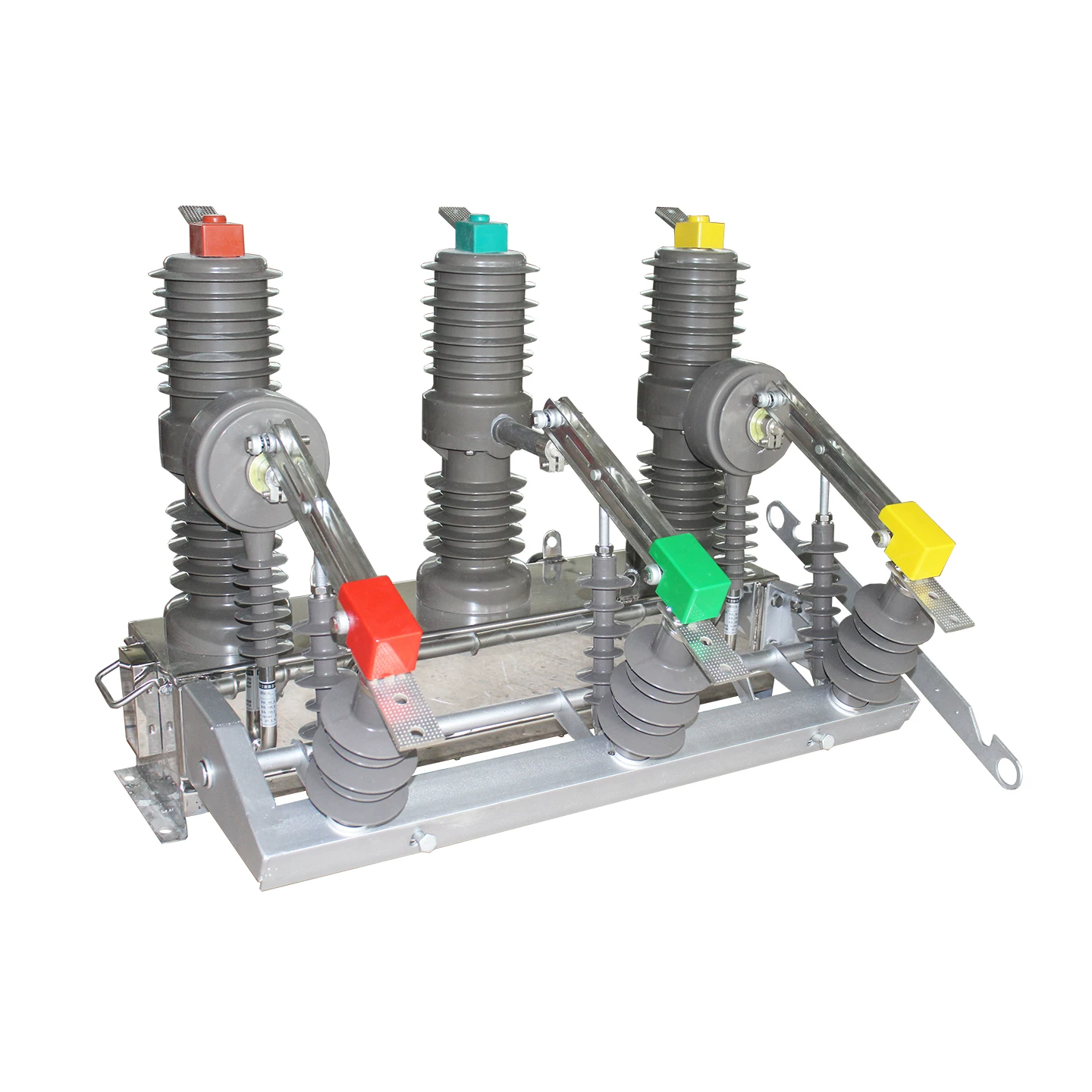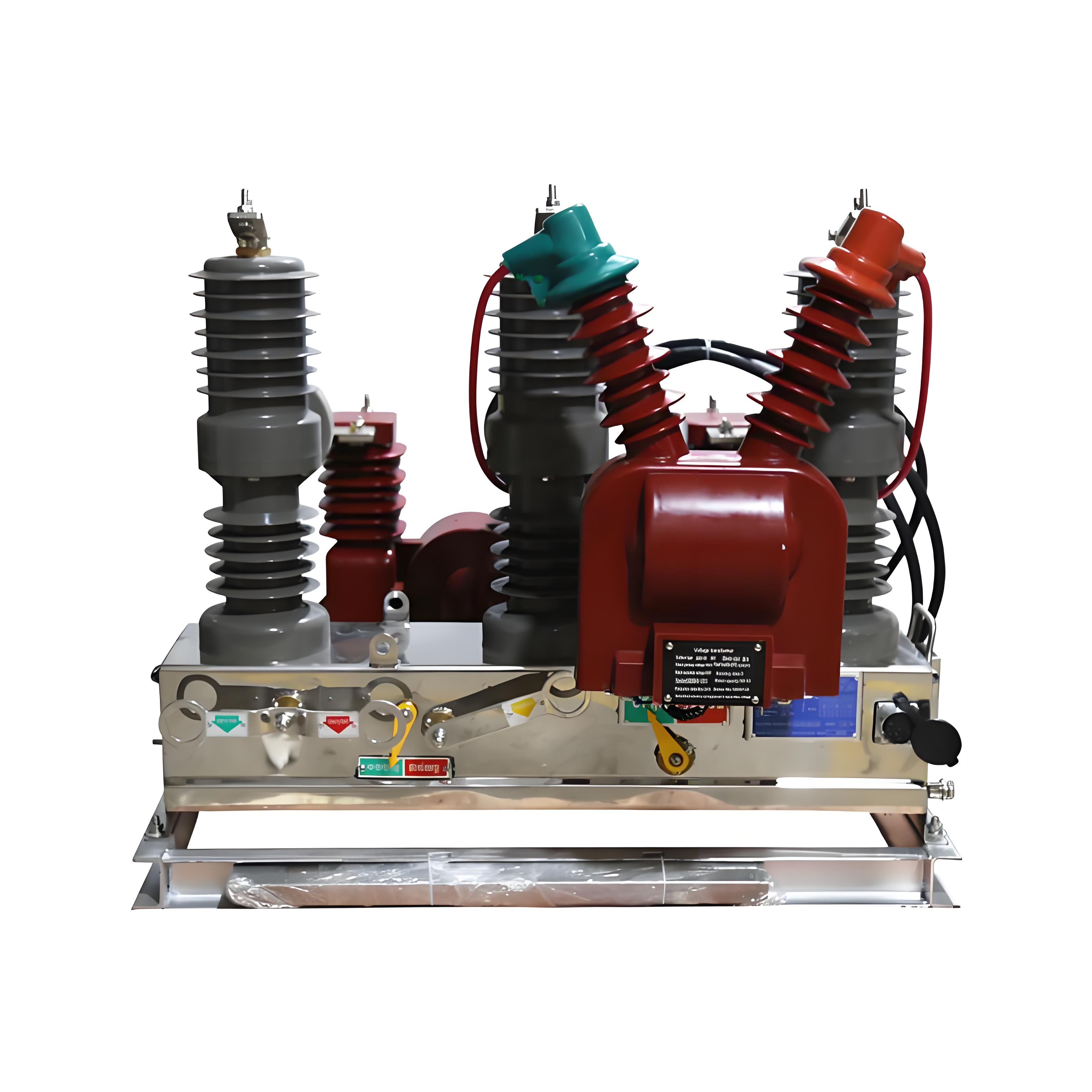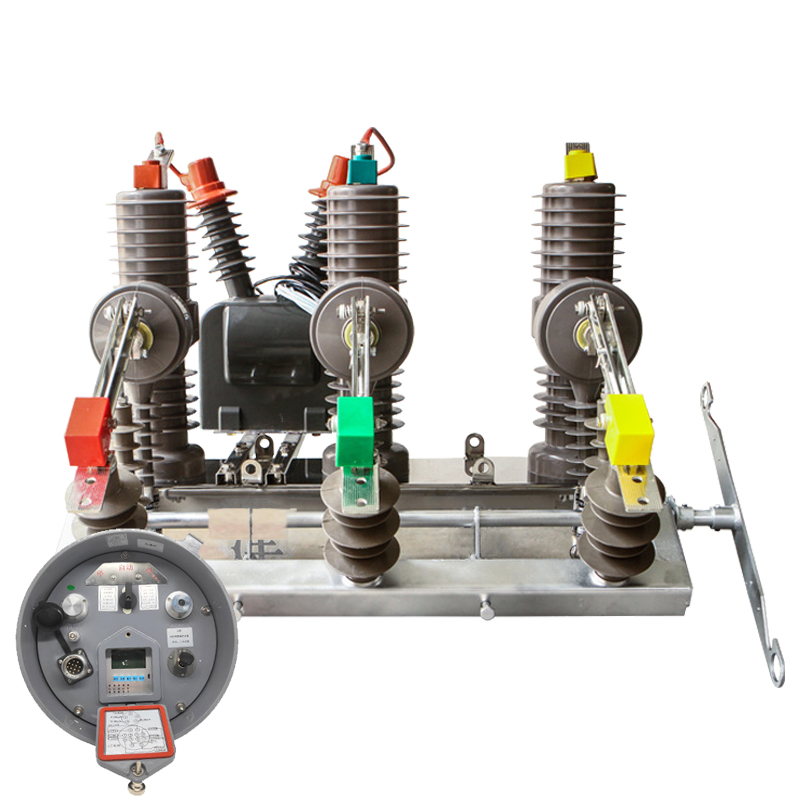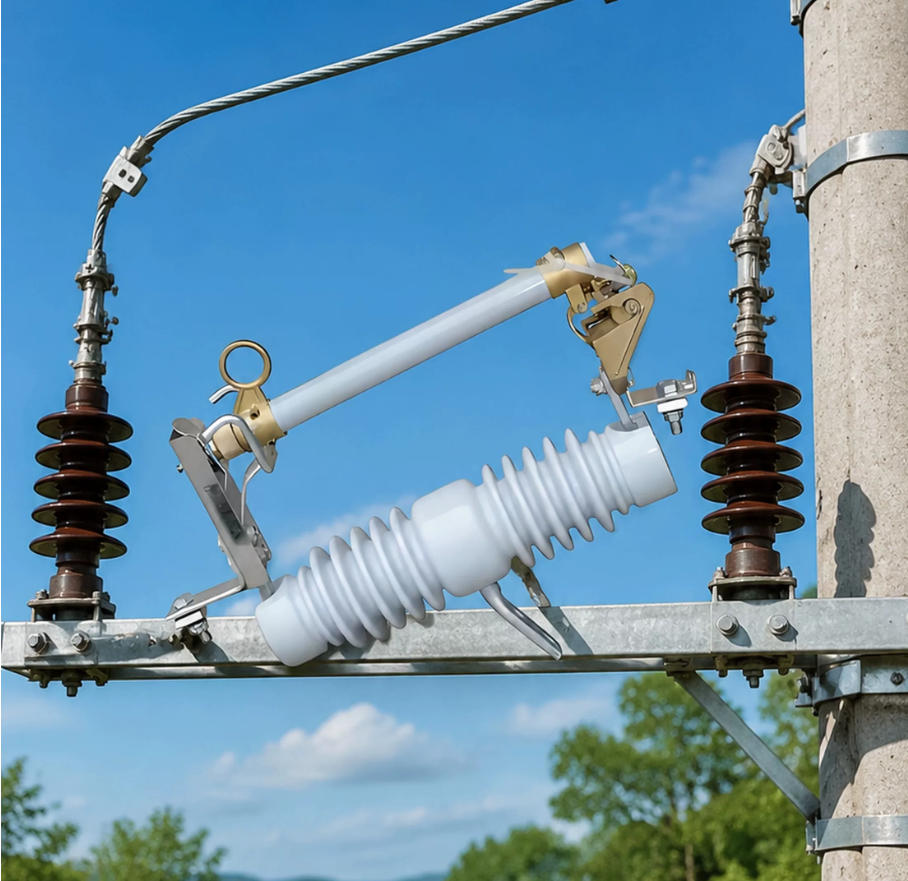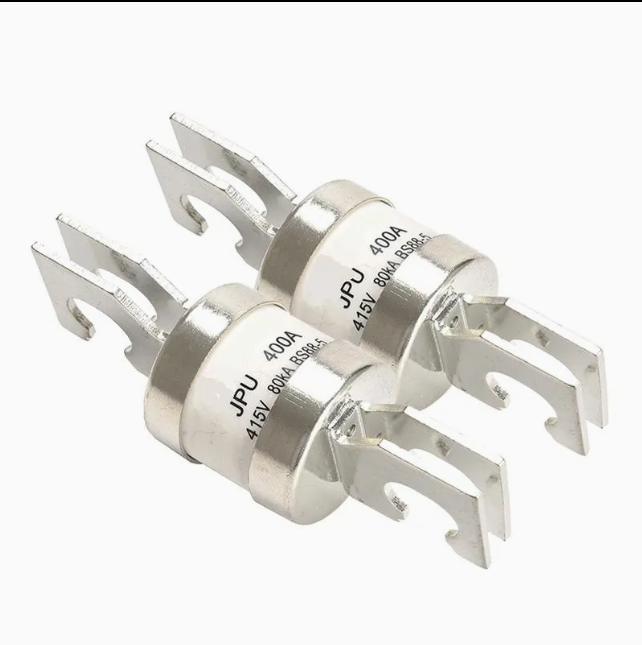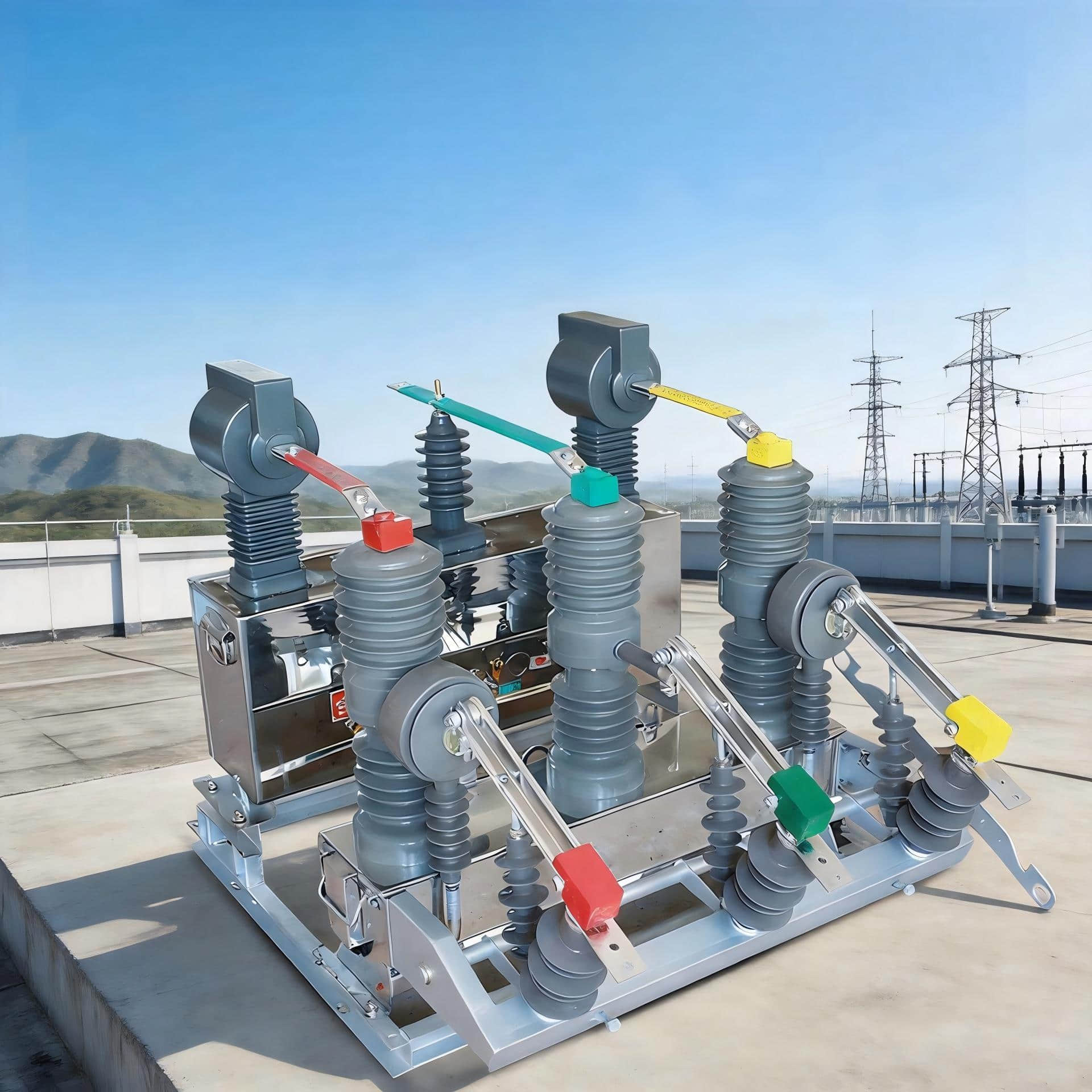
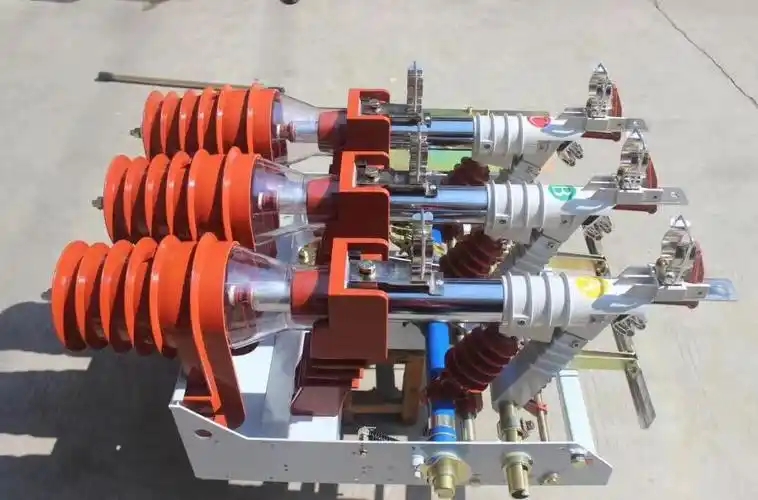
You use a load break switch to safely turn circuits on or off. It works even when electricity is moving through the wires. This device lets you control power without causing harm or danger. Picking the right switch helps protect machines and keeps people safe. Knowing how a load break switch works helps you feel sure when working with electrical systems.
Key Takeaways
A load break switch lets you safely turn power on or off. It works even when electricity is flowing. This helps protect equipment and people from harm.
These switches are very important in medium and high voltage systems. They are usually used for voltages from 6 kV to 40.5 kV.
Load break switches are not the same as disconnect switches. Load break switches can work when current is flowing. Disconnect switches only work when there is no current.
Load break switches have safety features like locks and indicators. These features help stop accidents and keep people safe.
It is important to check and maintain load break switches often. This keeps them working well and helps stop failures.
Picking the right load break switch is important for safety. You should choose based on voltage and what you need it for. This makes electrical systems safer and works better.
Automatic load break switches can react faster and be controlled from far away. This makes them good for big systems.
Load break switches are used in many places. They are found in factories, big buildings, and renewable energy systems.
Load Break Switch Basics
Definition
A load break switch helps you control electricity in a circuit. You can turn the power on or off while the current flows. Its main job is to safely stop or start load currents. You see these switches in medium voltage systems. They work from 6 kV up to 36 kV. Some types work in high voltage systems up to 40.5 kV. Common ratings are 12 kV, 24 kV, and 36 kV.
A load break switch is not the same as a disconnect switch. You use a load break switch to stop current when the circuit is working. A disconnect switch only separates circuits when no current flows. The table below shows how they are different:
Difference | Load Break Switch | Disconnect Switch |
|---|---|---|
Functions & Purpose | Switch under load | Isolate when de-energized |
Breaking Capacity | Has rated the breaking capacity | No breaking capacity, no-load only |
Design & Construction | Arc extinguishing, double-break contacts | Simple design, visible open gap |
Operation Method | Manual or motor, operated under load | Manual or motor, operated off-load |
Protection Features | Often combined with protection | No protection function |
Application Scenarios | Load switching, DC/AC circuits | Maintenance isolation, safety gaps |
Safety Characteristics | Safe breaking with minimal arcing | Visible isolation, no load operation |
Main Purpose
A load break switch lets you safely stop and start normal currents. This is important for controlling circuits in medium voltage networks. Using a load break switch keeps the system safe and steady. It protects equipment and people during daily use or emergencies.
Applications
You find load break switches where electricity needs safe control. These switches are used in many places and industries. Here are some common voltage levels and uses:
Medium voltage systems from 6 kV to 36 kV
High voltage systems below 40.5 kV
The table below shows where load break switches are used:
Industrial Sector | Description |
|---|---|
Electrical Substations | Used to control power and help with circuit isolation for repairs. |
Industrial Plants | Installed for power control and safety in big factories. |
Commercial Buildings | Helps divide electricity and allows safe shutdowns. |
Pole-Mounted Systems | Controls electricity in large areas and operates reliably in challenging weather conditions. |
Renewable Energy Systems | Used in solar and wind setups for repairs or low output times. |
Ring Main Units (RMUs) | Gives safe and compact power in city underground systems. |
Tip: Pick the right load break switch for your needs. This helps make your facility safer and more reliable.
Operation
How It Works
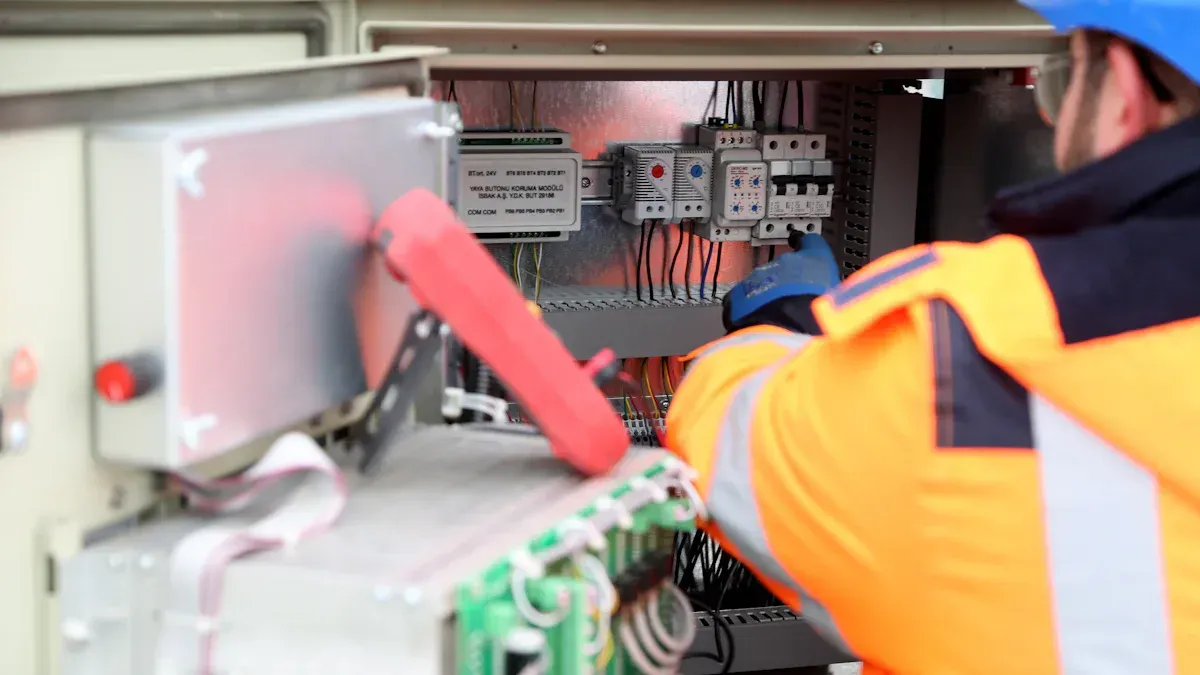
A load break switch allows you to control electricity while the current is in motion. When you flip the switch, it makes a gap in the circuit. This gap stops electricity from flowing. The switch must handle stopping the current quickly. If you open the circuit with current flowing, an electric arc appears. The arc gets very hot and can hurt equipment or people. The load break switch uses special ways to put out the arc fast and safely.
Switching Under Load
When you use the switch with current flowing, the arc system protects you and your equipment. Different switches use different ways to cool and stop the arc. You can see the main arc methods in the table below:
Method | Description |
|---|---|
Solid Material | Makes gas when heated by the arc, cooling and forcing ions to join and stop the arc. |
Puffer-Type Switch | Has a gas chamber; compressed gas blows on the arc to stretch and cool it so it goes out fast. |
Compressed Air System | Sends fast air to cool and break the arc in a short time. |
SF₆ Gas | Breaks down into particles that grab electrons, lowering conductivity and cooling the arc. |
Oil Immersion | Makes gas bubbles that cool and blow the arc while stopping oxygen from helping it burn. |
Vacuum Load Break Switch | Metal vapor keeps the arc, which condenses in a vacuum, stopping it when the current is zero. |
Each method helps stop the arc quickly. This keeps the switch safe and working well.
Safety Features
Safety features in the load break switch give you extra protection. These features help stop accidents and keep you safe when you use the switch. Some switches have signs that show if the circuit is open or closed. Others use locks so you cannot use the switch by mistake. Many switches have shields or barriers to protect you from electric shock. Some designs use sensors to check the switch position and send alerts if something is wrong.
Tip: Always look at the safety features before you use a load break switch. This helps you stay safe and keeps your system working well.
Mechanisms
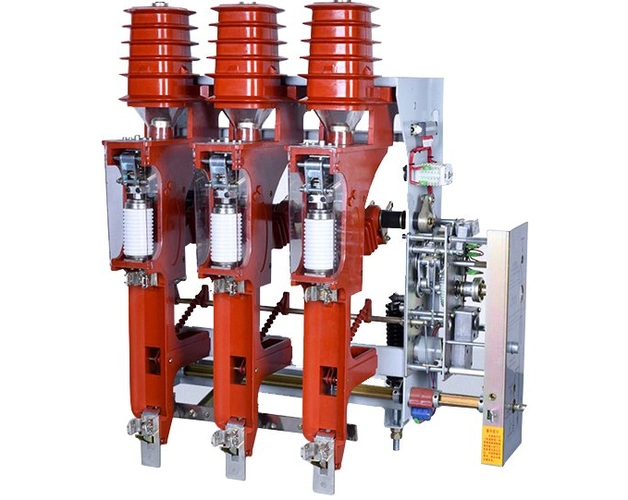
There are several moving parts inside a load break switch. These parts help the switch work fast and reliably. The main mechanical parts include:
Springs that hold energy and release it to move the contacts quickly.
Linkages that connect the handle or motor to the contacts.
Other moving parts that guide the contacts and keep them steady.
Self-lubricating materials in some switches lower wear and stop failures.
You need to keep these parts in good shape. Regular oiling and adjusting help the switch last longer. If you care for the mechanism, you lower the chance of breakdowns and keep your electrical system safe.
Advantages
Safety
You want your electrical system to be safe. A load break switch helps you control circuits without danger. You can turn the power on or off while the current flows. This lowers the chance of electric shock or fire. Many switches have signs, locks, and shields to keep you safe.
In factories, safety rules are important. You should pick switches that meet key standards. These rules show the switch passed through safety tests:
IEC 62271-103: This rule is for high-voltage load break switches. It gives design, testing, and use rules. It also has tests for making and breaking power.
IEEE C37.71: This rule is used in the United States. It sets ratings and test ways, like short-circuit and insulation tests.
Note: Always check for these rules before you put in a switch. Certified switches help you follow safety laws and protect your team.
Efficiency
You want your electrical system to work well. A load break switch makes fixing and checking easier. You can quickly separate broken equipment. This keeps the rest of your system working. You do not need to turn off everything to fix one part.
Here are ways these switches help you work better:
You can safely separate broken equipment. This stops more damage and keeps people safe during repairs.
You can do checks without turning off all the power. This keeps your business running and lowers downtime.
Regular checks and tests make switches work better. This stops outages and keeps power on.
Tip: Using the right switch saves time and money. You do not need to shut down the whole system.
Reliability
You need equipment you can trust. A good switch keeps your power on and your system steady. Makers test these switches in many ways to make sure they work under stress. Here are some main tests in the table below:
Test Duty | Description |
|---|---|
TDload | Checks if the switch handles normal load current at its rated voltage. |
TDloop | Tests if the switch can open a closed-loop circuit. |
TDlc | Looks at how well the switch stops line charging capacitive current. |
TDcc1/TDcc2 | Tests the breaking of cable charging current. |
TDef1/TDef2 | Checks if the switch handles mechanical and heat stress. |
If you pick a switch that passes these tests, it lasts longer and works better. This means fewer outages and less worry for you.
Applications
Industrial
Factories and power plants use load break switches a lot. These places need safe ways to control electricity. The switches help protect machines and workers from harm. Sometimes, a factory needs to fix or upgrade part of the system. A load break switch lets you turn off just one area. Most machines can keep working while repairs happen.
You see these switches in control panels and motor centers. They are also in transformer rooms and substations. These places have big machines and high voltage. Here is a table that shows where they are used:
Area | Purpose |
|---|---|
Control Panels | Safe switching and isolation |
Motor Centers | Protect motors during faults |
Transformer Rooms | Disconnect for maintenance |
Substations | Sectionalize power grids |
Tip: Check your switches often in factories. Regular checks help stop accidents and keep things working.
Commercial
Load break switches are in malls, offices, and hospitals. These buildings need steady power for lights and computers. The switches split power into smaller parts. If one part has trouble, you can turn it off. The rest of the building keeps working.
You find these switches in electrical rooms and on main lines. They help control power during repairs or emergencies. You can also test systems without turning off everything.
Hospitals use switches to keep important machines safe.
Malls use them for lights and air conditioning.
Offices use them to protect computers and servers.
Note: Always follow safety rules when using these switches. This keeps people safe and stops power loss.
Residential
You do not see load break switches in every house. But big apartments and gated communities use them. These places need safe ways to control power for many homes. The switches let you turn off power for repairs or upgrades. This helps stop blackouts for everyone.
In these areas, switches are in main panels and outdoor boxes. You can turn off the power to one building or area. Other homes keep their power. This makes repairs safer and faster.
Apartments use switches for each floor or block.
Gated communities use them for street lights and shared spaces.
Large homes may use them for backup generators.
Tip: Ask a licensed electrician to install or check these switches. This keeps your family and neighbors safe.
Comparison
Load Break Switch vs. Circuit Breaker
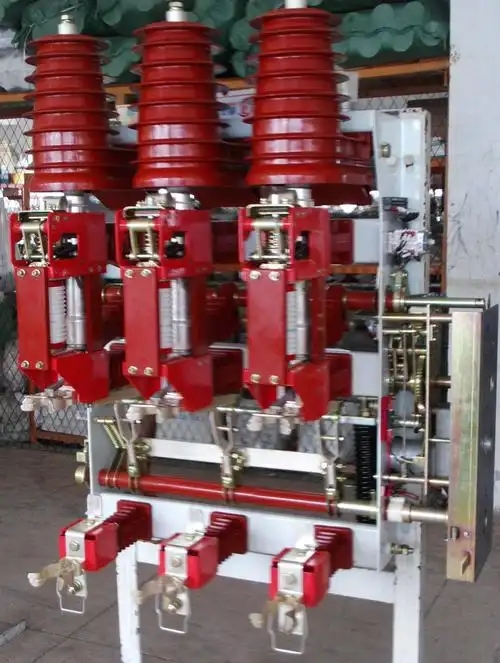
You see load break switches and circuit breakers in many systems. They do not do the same job. A load break switch lets you open or close a circuit with normal current. You use it to control power when things work as usual. Circuit breakers protect your system from problems. They find faults like short circuits and stop bad currents fast.
Here is a table that shows how they are different:
Feature | Load Break Switch | Circuit Breaker |
|---|---|---|
Functionality | Opens/closes circuits under normal load | Interrupts circuits automatically during faults |
Protection Capability | No fault protection | Built-in fault protection |
Interrupting Capacity | Handles normal load currents | Clears large fault currents |
Operating Mechanism | Manual or motor-operated, slower | Rapid, spring or magnetic operation |
You use a load break switch for safe power control. You use a circuit breaker for fault protection. Circuit breakers act fast and stop dangerous currents. Load break switches are best for regular switching, not for faults.
Tip: Use circuit breakers to protect from faults. Use load break switches for safe control when things are normal.
Load Break Switch vs. Isolator
You might wonder how a load break switch is different from an isolator. Both help you disconnect parts of your system. They work in different ways. A load break switch can break a circuit when current flows. It has a device to put out the arc and make switching safe. Isolators only work when no current flows. They do not have arc extinguishing parts.
Here is a table to show the differences:
Feature | Load Break Switches | Isolators |
|---|---|---|
Operational Role | Interrupts circuits under load | Isolates circuits without a load |
Safety Implications | Lockout/tagout systems for extra safety | Visible disconnection for maintenance |
Structural Elements | Combines switching and isolation | Simple design, clear visibility |
Conditions of Use | Good for frequent disconnections | Best for high-voltage maintenance |
You use a load break switch to cut off current and isolate a circuit. It works for both switching and isolation. Isolators only separate circuits when no current flows. They help you see a clear gap for safety during repairs.
Load break switches can cut off fault current and act as isolators and circuit breakers.
Isolators only give isolation during repairs. They cannot break the load.
Note: Pick a load break switch for flexible and safe use. Choose an isolator for clear separation when fixing things.
Types of Load Break Switch
Air-Insulated
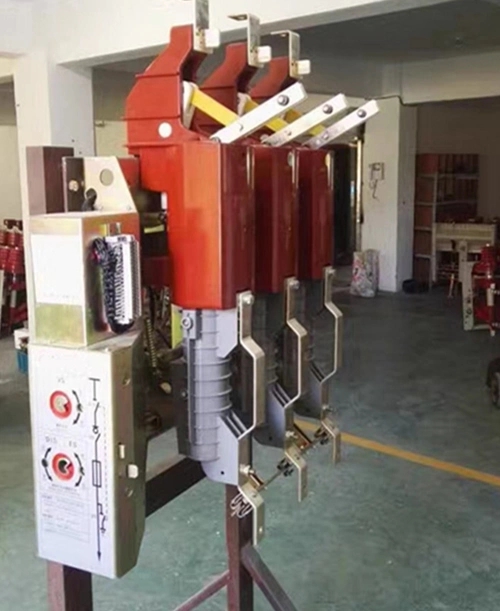
Air-insulated load break switches are used in medium voltage systems. These switches use air to keep live parts apart. You can put them inside or outside buildings. They are good for simple and steady power control.
Air-insulated switches help protect transformers and keep things safe. You can use them in small or big places, like homes or factories. These switches also work with smart grid systems, so you can upgrade easily. If you need to turn power on and off a lot, these switches can do it many times. You can add current-limiting fuses for more protection from too much current. When there is a short circuit, these switches stop the current safely.
Here is a table that lists the main good points of air-insulated load break switches:
Advantage | Description |
|---|---|
Gives strong protection for transformers and makes the system better. | |
Easy application in a wide range of configurations | You can install them in many different ways. |
Smart grid and network automation are ready | Works with new smart grid technology for better results. |
Capability for application with frequent switching requirements | It can be used often without losing performance. |
Full range protection in combination with CEF current limiting fuses | Protects against too much current when used with special fuses. |
Safe and reliable solution for short circuit current interruptions | Keeps people safe during short circuits and lowers danger. |
Tip: Air-insulated switches are a safe and easy way to control power in many places.
Gas-Insulated
Gas-insulated load break switches use special gases like SF₆ to keep parts apart and stop arcs. You find these switches where there is not much space or where extra safety is needed. The gas inside keeps electricity from jumping between parts. This helps the switch work well, even in hard places.
You see gas-insulated switches in power grids. They help stop electrical problems from spreading. You also find them in solar and wind power systems. These switches help the grid stay steady when new energy is added. Big factories use gas-insulated switches to protect important equipment and stop power loss.
Here is a table that shows where gas-insulated load break switches are used:
Application Area | Description |
|---|---|
Used to keep things safe and stop problems from spreading. | |
Renewable Energy | Helps the grid stay steady and adds new power safely. |
Industrial Facilities | Protects big machines in factories and stops power cuts. |
Note: Gas-insulated switches help keep your system safe and steady, even when you add new energy.
Vacuum
Vacuum load break switches use a vacuum chamber to stop arcs. The vacuum blocks heat and sparks, making things safer. This lowers the chance of fire or electric shock. Vacuum switches work well for a long time. They do not need as much fixing as air-insulated switches. You save money and time because they break less.
Vacuum switches last longer than air-insulated types. You can use them for many years without trouble. They can handle hot and rough places better than other switches.
Here are some main good points of vacuum load break switches:
Improved safety: You get strong protection from arc damage, so fire and shock risks are lower.
Reliability: There are fewer problems and fewer fixes, so your system works well.
Longer lifespan: Vacuum switches last up to four times longer than air-insulated ones.
Tip: Pick vacuum load break switches if you want the best safety, long life, and less work for your electrical system.
Manual vs. Automatic
When you pick a load break switch, you choose manual or automatic. Each type is good for different places. You should know how each one works and why it helps.
Manual load break switches need a person to use them. You pull a lever or turn a handle to open or close the circuit. These switches are best where you do not switch power a lot. You see them in small factories, schools, or local power panels. Manual switches cost less and are easy to use. You do not need special training to use them. You can see and hear the switch move, so you know the power is off.
Automatic load break switches work by themselves. They use sensors and motors to open or close the circuit. You do not need to be near the switch to use it. These switches help in big buildings, power plants, or places where safety matters most. Automatic switches can connect to smart systems. You can control them from a computer or phone. This makes your system safer and more reliable.
Here is a table that shows the main differences:
Feature | Manual Load Break Switch | Automatic Load Break Switch |
|---|---|---|
Operation | Hand lever or handle | Motor, sensors, or remote |
Response Time | Depends on human action | Instant, within milliseconds |
Monitoring | Needs regular checks | Monitors itself all the time |
Cost | Lower upfront cost | Higher cost, more features |
Best Use | Small systems, less switching | Large systems, frequent switching |
Tip: Pick a manual switch if you want something simple and cheap. Choose automatic if you need quick action and remote control.
Automatic load break switches give you some big benefits:
Faster Response Time: Automatic switches stop electricity in milliseconds. This speed helps protect equipment and keeps people safe.
Continuous Monitoring: These switches watch the circuit all the time. You do not need to check them by hand. This lowers the chance of missing a problem.
Smart Technology Integration: Many automatic switches work with smart systems. You can monitor and control them from far away. This makes your electrical system more reliable and easier to manage.
Think about what you need before you choose. If you have a small building and do not switch power often, a manual switch may be enough. If you run a big factory or want to keep people safe fast, an automatic switch is better.
Note: Always follow safety rules when you use any load break switch. The right choice helps protect your equipment and everyone around you.
Selection
Choosing the Right Switch
You want to pick the best load break switch for your system. You need to look at several important factors. Each factor helps you match the switch to your needs. The table below shows what you should check before you decide:
Factor | Description |
|---|---|
Applications | Use switches for selector functions, power distribution, transformer connections, and isolation for servicing. |
Components | Look for a strong switch body, safe housing, reliable contacts, and a good arc extinguishing medium like air, vacuum, or SF₆. |
Voltage Ratings | Make sure the switch fits your system voltage. Most switches work from 1kV to 52kV. Common ratings are 2.4kV to 15kV. |
Continuous Rating | Check if the switch can handle your current. Many switches have a continuous rating of 600 amps. |
Operation | Choose manual switches for simple jobs. Pick motor-driven switches if you need remote control. |
Tip: Always match the switch to your system’s voltage and current. This keeps your equipment safe and working well.
Installation
You need to install your switch the right way. Good installation helps your system run safely and smoothly. Start by reading the instructions from the maker. Place the switch in a spot that is easy to reach but safe from water and dust. Use strong mounts to hold the switch steady. Connect all wires tightly so they do not come loose. Make sure the switch is straight and level. Test the switch after you install it. Turn it on and off to see if it works right.
Use safety gear when you install the switch.
Check that the switch is not near heat or moving parts.
Label the switch so everyone knows what it controls.
Note: If you feel unsure, ask a trained electrician to help with installation.
Maintenance
You want your switch to last a long time. Regular care keeps it working and stops problems before they start. Follow these steps to keep your switch in good shape:
Regular Inspections: Check the switch often. Clean it and replace any broken parts. This stops failures and keeps your system safe.
Environmental Protections: Use covers or boxes to protect the switch from rain, dust, and heat. Look at the switch every few months to make sure the environment is safe.
Mechanical Upkeep: Oil moving parts and change worn pieces. This helps the switch move smoothly and lowers the chance of breakdowns.
Tip: Write down each time you check or fix the switch. A good record helps you spot problems early.
You keep your system safe and reliable when you choose, install, and care for your load break switch the right way.
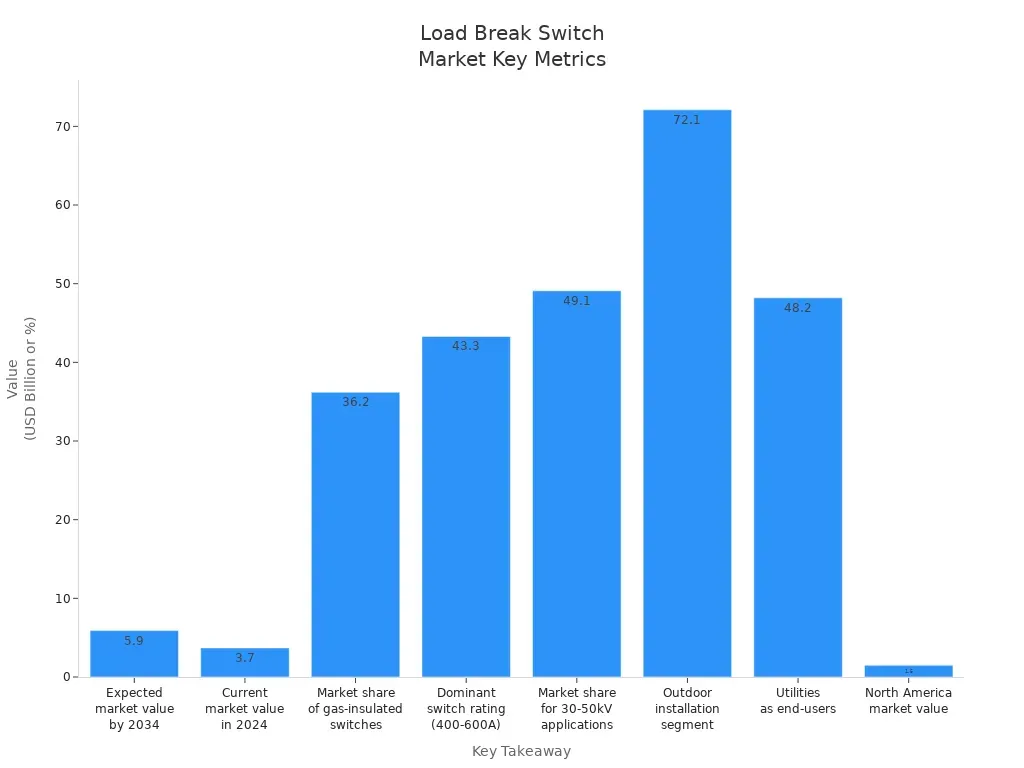
You now know how a load break switch helps you control circuits. It keeps electrical systems safe and working well. You can trust it for safety, reliability, and good performance. Studies say the market for these switches is growing fast. Many people use them outside and in utility companies.
Key Takeaway | Value |
|---|---|
Expected market value by 2034 | |
Outdoor installation market segment | 72.10% |
Utilities as end-users | 48.20% |
If you want to learn more, check out these links:
FAQ
What is the main job of a load break switch?
You use a load break switch to safely turn electrical circuits on or off while current flows. This helps you control power and protect equipment during normal operation.
Can a load break switch protect against short circuits?
No, a load break switch does not protect against short circuits. You need a circuit breaker for fault protection. The load break switch only handles normal switching under load.
Where should you install a load break switch?
You should install a load break switch in places where you need safe power control. Common spots include substations, factories, commercial buildings, and large residential complexes.
How often should you check or maintain a load break switch?
You should inspect your load break switch every few months. Clean, lubricate, and test it to keep it working well. Regular checks help you find problems early.
What is the difference between manual and automatic load break switches?
Manual switches need you to operate them by hand. Automatic switches use motors or sensors and can work remotely. Automatic types respond faster and offer more safety features.
Can you use a load break switch in outdoor settings?
Yes, you can use load break switches outdoors. Pick weatherproof models with proper enclosures. These switches work well in pole-mounted systems and utility networks.
How do you know if a load break switch is open or closed?
Many switches have clear indicators or windows. You can see if the contacts are open or closed. Some models use lights or sensors to show the switch position.
Tip: Always check the indicator before working on any circuit. This keeps you safe.