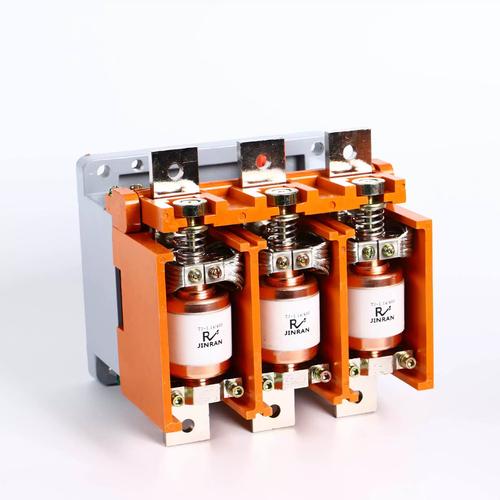
As an electrical engineer working on the frontlines at Wei Shoe Electric, I get questions from clients almost daily:
“Our factory motors keep tripping—should we use vacuum or air contactors?”
“We run heavy mining equipment; which one can handle frequent starts?”
If you’ve ever wondered the same, you're not alone. In this article, I’ll break down the two most common types of contactors—air and vacuum—in plain English. With real-world cases and field-tested advice, I’ll help you avoid 90% of the selection mistakes I see across the industry.
1. Visual Snapshot: Air vs. Vacuum Contactor Differences at a Glance
Think of an air contactor like trying to blow out a fire with a fan—it uses air and arc chutes to disperse the arc. A vacuum contactor, in contrast, is like lighting a match in a vacuum flask—no oxygen, no arc.
Real-world example:
At a U.S. automotive plant, monthly downtime due to air contactor failure averaged 8 hours. After switching to vacuum contactors, breakdowns dropped to zero.
2. Technical Comparison: Choosing the Right Type Can Save Up to 30% in Equipment Costs
🔹 Arc Interruption Capability
Air Contactors: Ideal for low-voltage (e.g., 380V) motor control. But when facing short circuits or frequent switching, air is too slow, like using a hand fan against a flame.
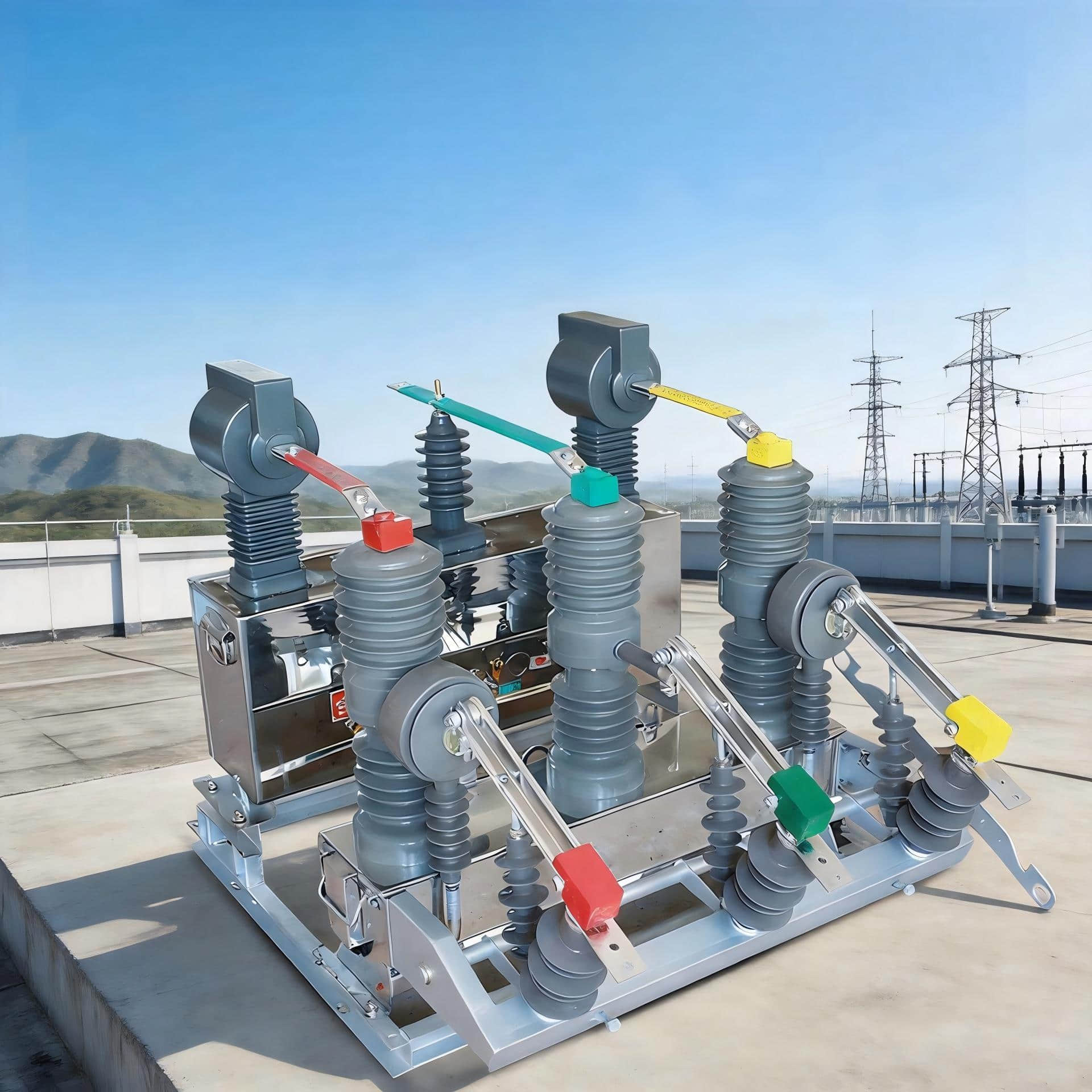
👉 Case: A food processing facility in Germany suffered a €20,000 loss due to insufficient arc suppression in air contactors.Vacuum Contactors: These are perfect for medium—and high-voltage systems (up to 10kV). They quench arcs in just 0.1 seconds in a sealed vacuum environment.
👉 Case: A Colorado wind farm reduced maintenance costs by $150,000/year using vacuum contactors for turbine switching.
🔹 Lifespan & Durability
Air Contactors: Mechanical life ~1 million operations. Frequent use causes contact wear.
👉 Example: A UK textile factory halted production when worn-out air contactors failed mid-operation.Vacuum Contactors: Electrical life exceeds 1 million operations.
👉 Example: A French nuclear power plant adopted vacuum contactors to extend maintenance intervals and reduce downtimes by 30%.
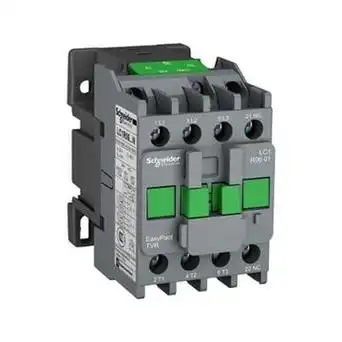
🔹 Application Scenarios Overview
| Type | Voltage Range | Typical Applications | Source |
|---|---|---|---|
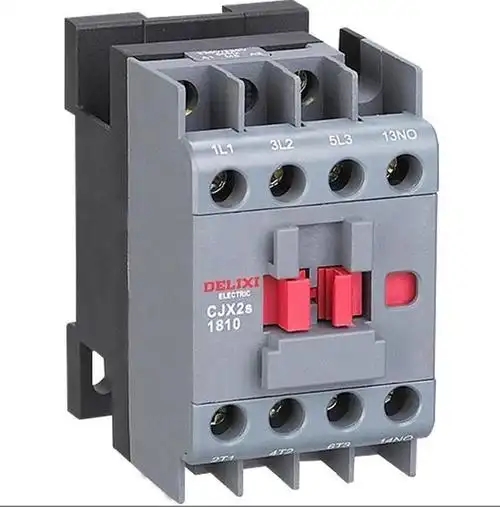
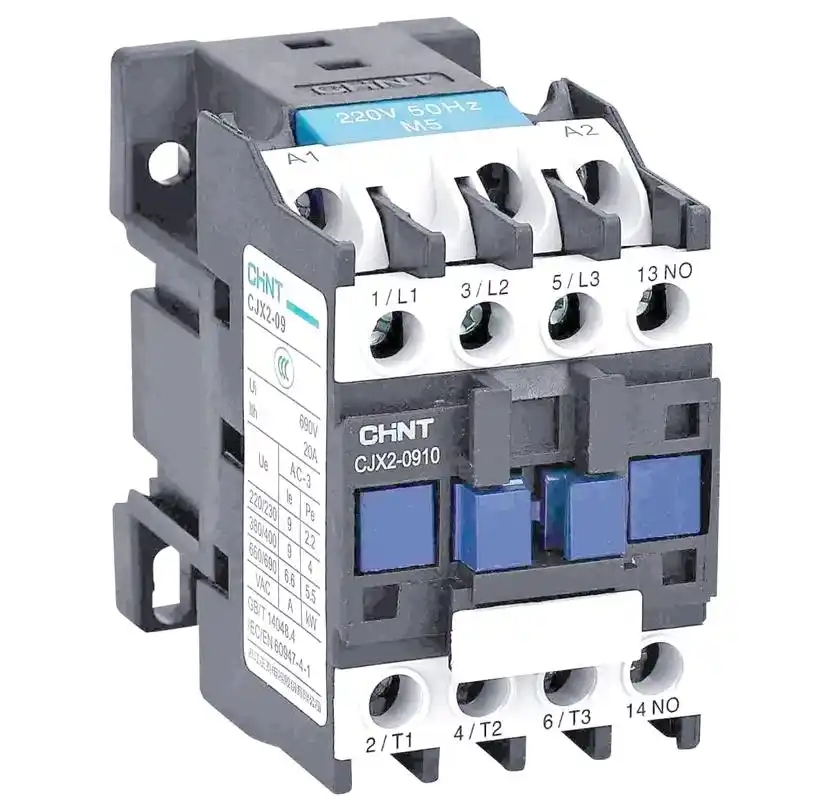
| Air Contactor | Low voltage (≤1kV) | General-purpose motors, lighting loads | Siemens Whitepaper |
| Vacuum Contactor | Low & Medium Voltage (>1kV) | Mining equipment, renewables, rail transit | IEEE Electrical Journal 2023 |
3. Real Mistakes from Global Clients: Don’t Let This Happen to You
❌ Case 1: Wrong Voltage, Catastrophic Explosion
A Texas chemical plant chose a cheaper air contactor to control a 6kV motor. Result? Explosion on energization. They later switched to Wei Shoe Electric’s vacuum contactors, which have now run reliably for over 3 years.
❌ Case 2: Frequent Starting Killed the Line
An Italian machinery manufacturer used air contactors for a stamping machine without accounting for the high switching frequency. They replaced the unit 12 times in 6 months. After switching to vacuum contactors, the annual maintenance cost dropped by 60%.
4. Thor's Pro Tips: How I Recommend Contractors as an Electrical Engineer
✅ Check the voltage:
Use air contactors below 1kV. For anything higher, go straight to vacuum.
✅ Count the switching frequency:
If the equipment switches more than 50 times/day, vacuum contactors are safer and longer-lasting.
✅ Assess the environment:
In dusty, humid, or outdoor conditions (e.g., mining), vacuum contactors perform more reliably.
5. FAQ – Your Top Questions Answered
Q: Can I use an air contactor in high-voltage circuits?
A: Not! That’s like using a home socket for industrial loads. U.S. NEC codes strictly prohibit this.
Q: Are vacuum contactors more expensive?
A: Initially ~30% more, but with 5 years of maintenance-free operation, the long-term cost is lower.
👉 Case: A UK railway operator saw a 22% drop in TCO after switching to vacuum units.
Q: Can I install the contactor myself?
A: For low-voltage air types, yes—if you follow the manual. High-voltage vacuum contactors must be installed by a licensed electrician. Canada reported electrocution cases from DIY installs.
Q: Which type is quieter?
A: Vacuum contactors are nearly silent. Air contactors often produce audible "clack" sounds during operation—hospitals and data centers prefer a vacuum for this reason.
Q: Are Wei Shoe Electric contactors certified?
A: Yes. Our products hold 12+ international certifications, including CE, UL, RoHS, and more. We proudly serve over 500 clients across the U.S. and Europe, including GE Energy.
6. Final Thoughts from Thor: Don’t Let a Tiny Component Wreck Your Project
Still unsure which contractor suits your setup? Choosing the right type can reduce your system failure rate by up to 80% and cut maintenance costs significantly.
As an engineer at Wei Shoe Electric, I help global clients like you daily. You’re welcome to reach out anytime for a free selection consultation—just send us your voltage level, motor specs, and switching frequency.
📞 Phone: +86-0577-62788197
📱 WhatsApp: +86 159 5777 0984
📧 Email: thor@weishoelec.com
And don’t forget to bookmark this article or share it with a colleague—but please credit "Wei Shoe Electric – Engineer Thor" when you do!