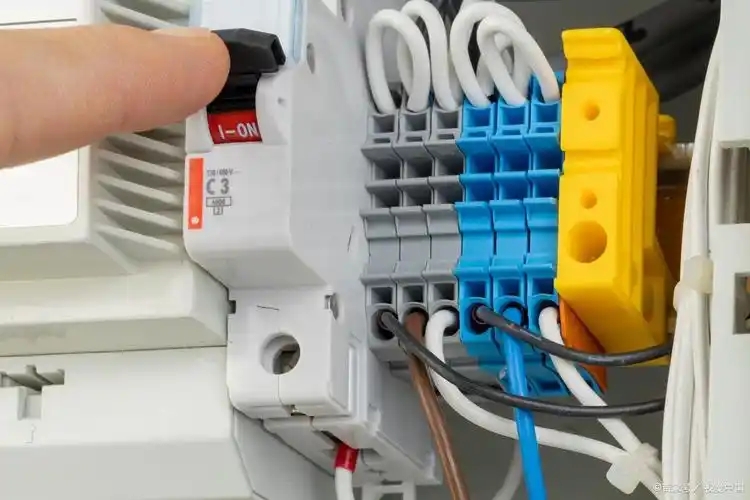
If you're comparing VCB and MCCB, you're likely trying to choose the right breaker for your power system. In this post, I’ll break down what makes these two types of circuit breakers different—and help you decide which one suits your needs best.
When I first faced this choice in an industrial project years ago, I realized how easily people confuse the two. That's why I’m sharing this guide based on real-world applications. Let’s explore which breaker fits your voltage, reliability, and budget requirements.
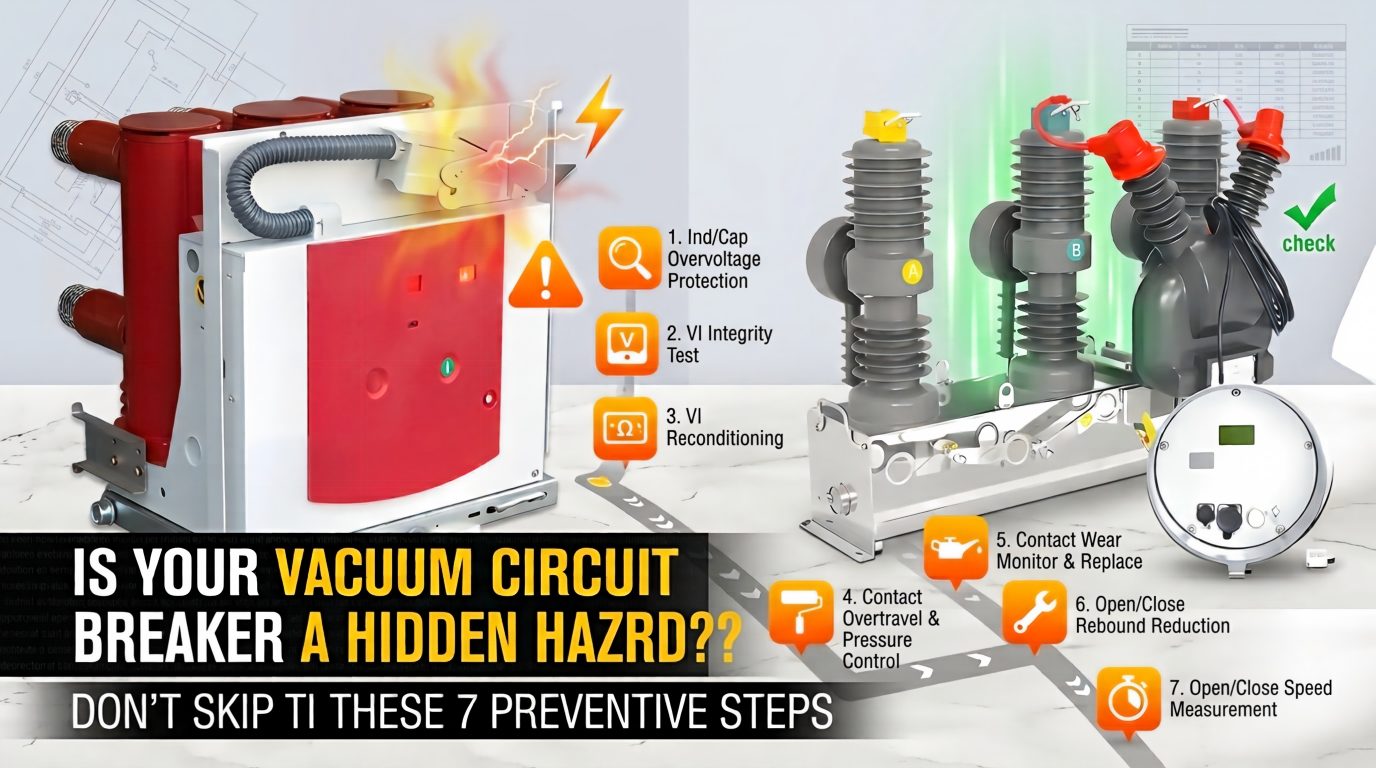
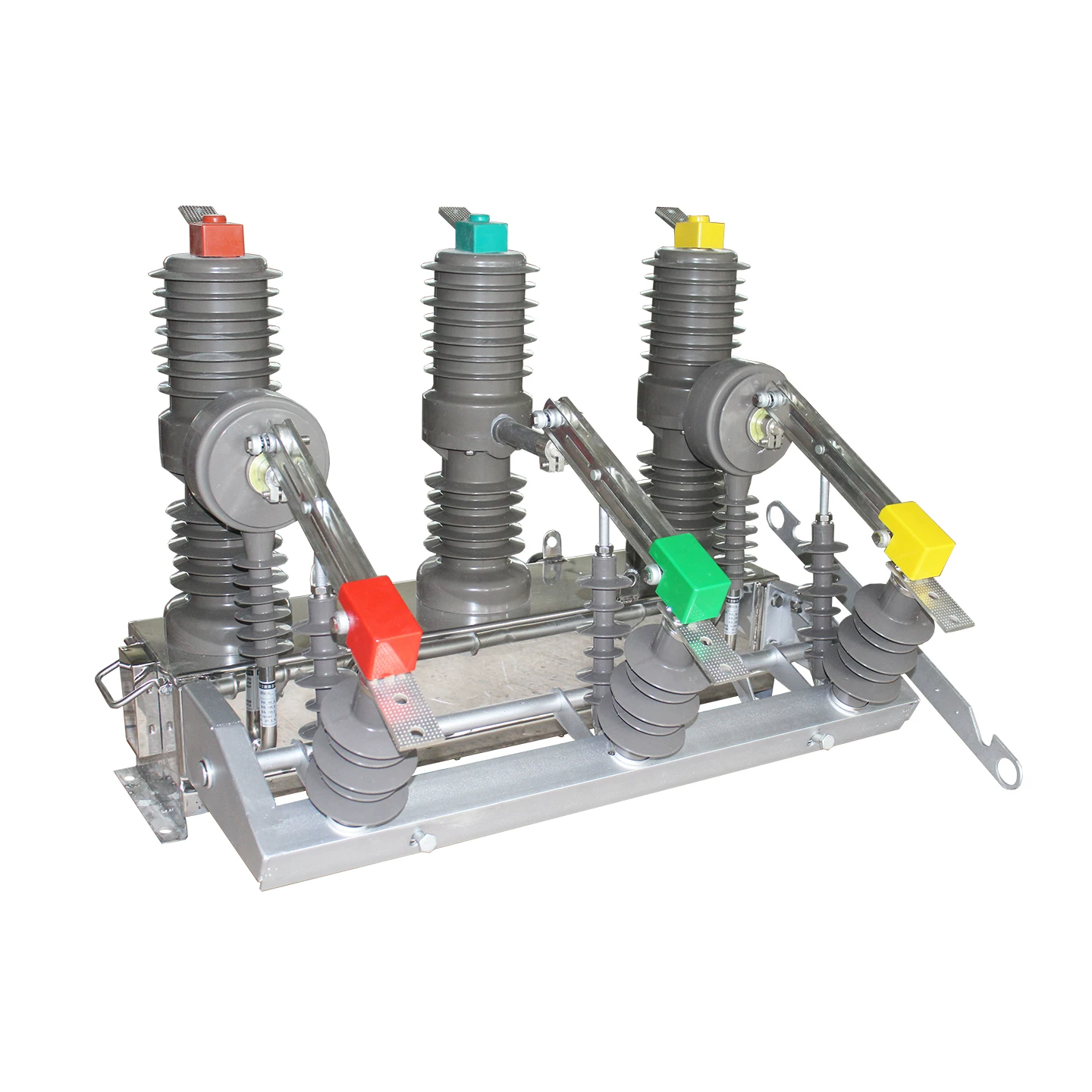
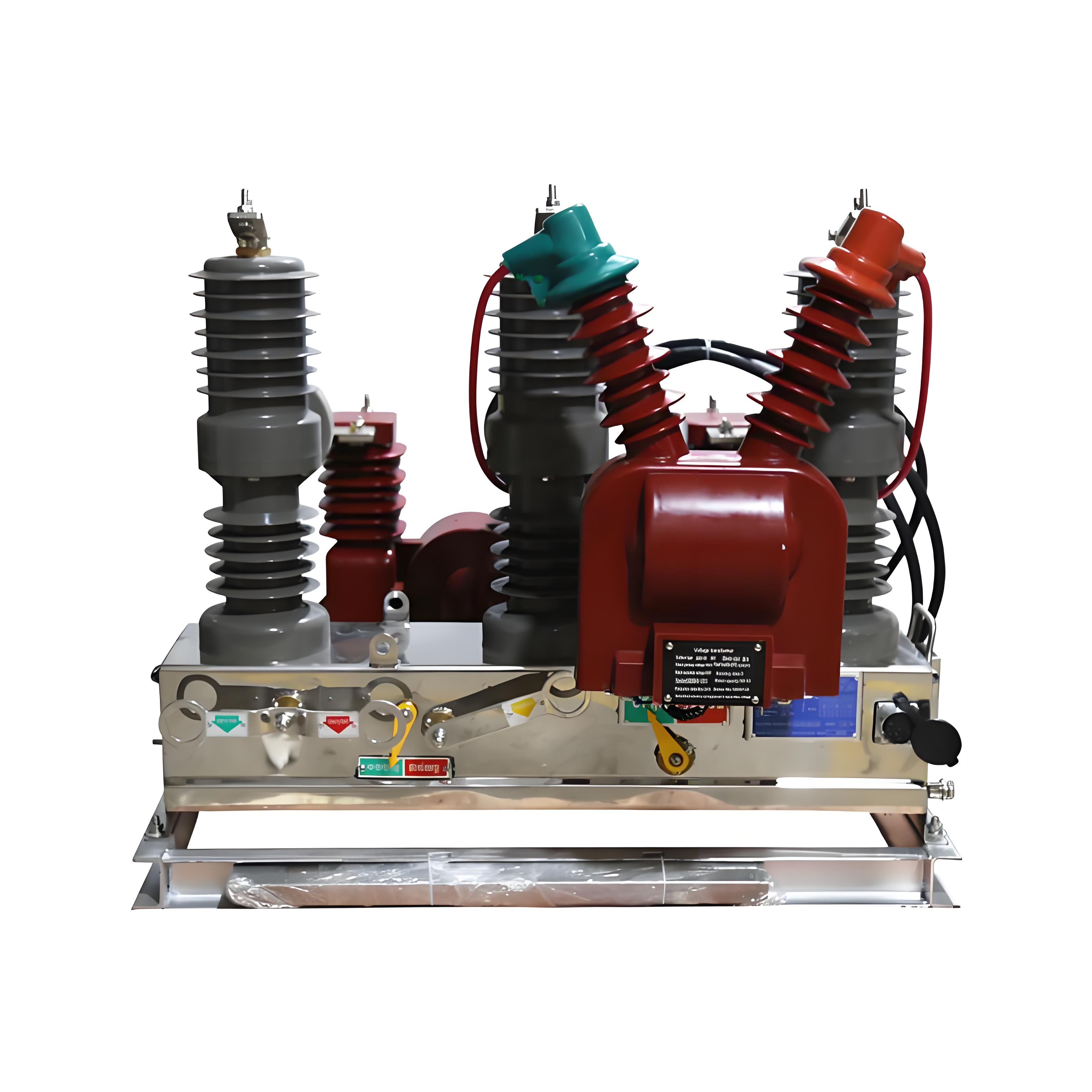
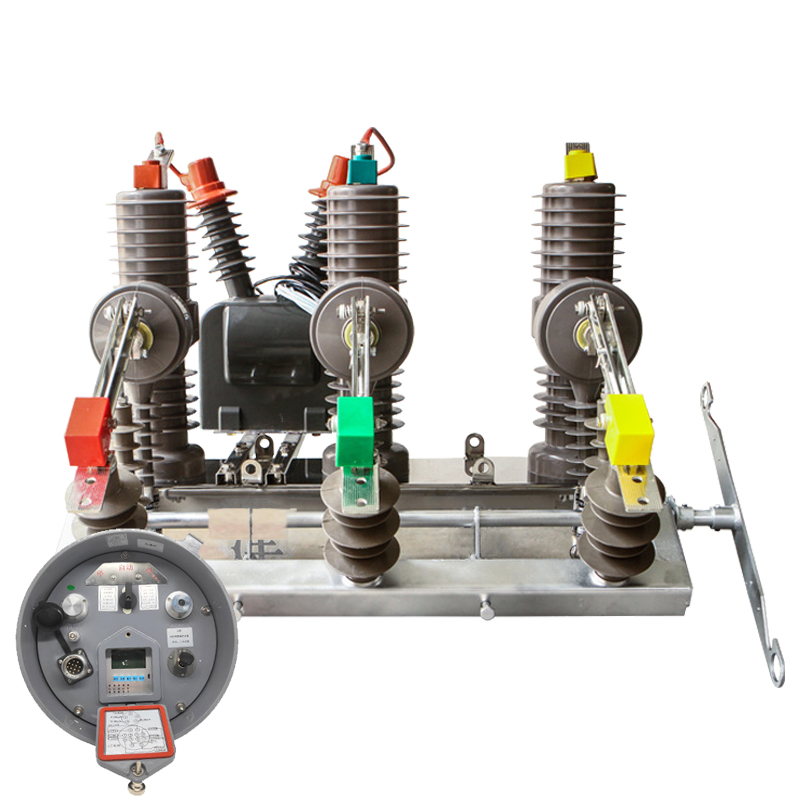
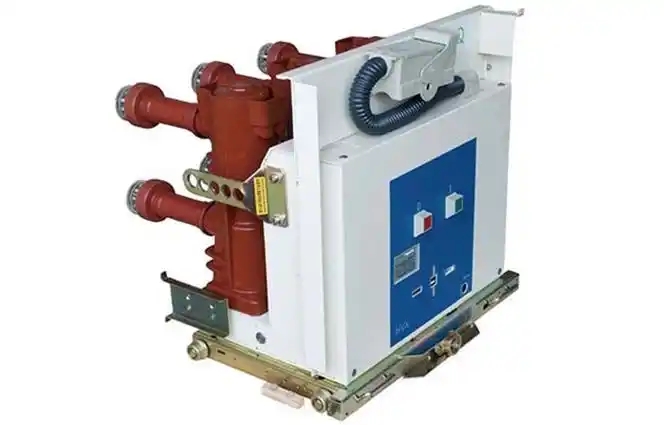
What Is a VCB (Vacuum Circuit Breaker)?
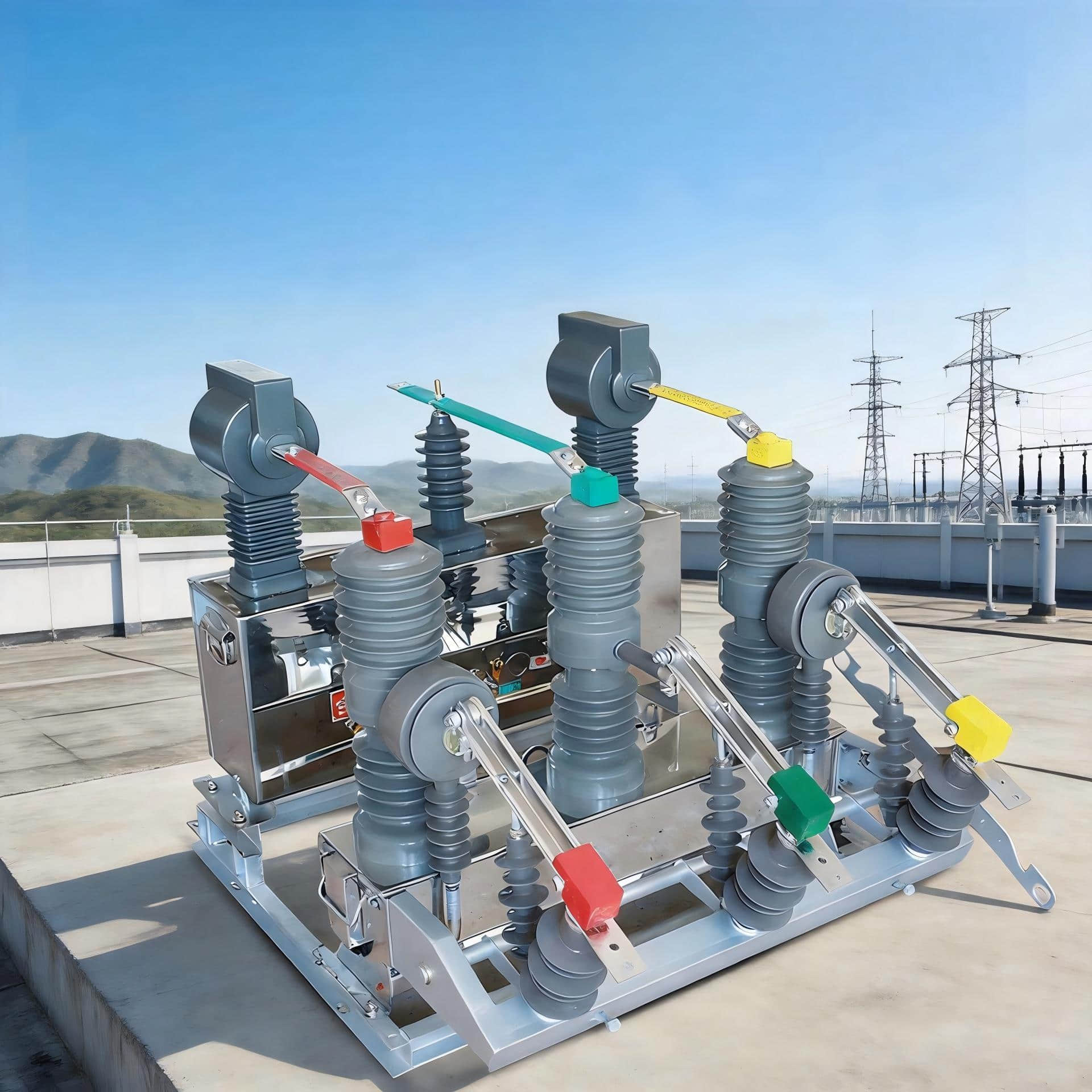
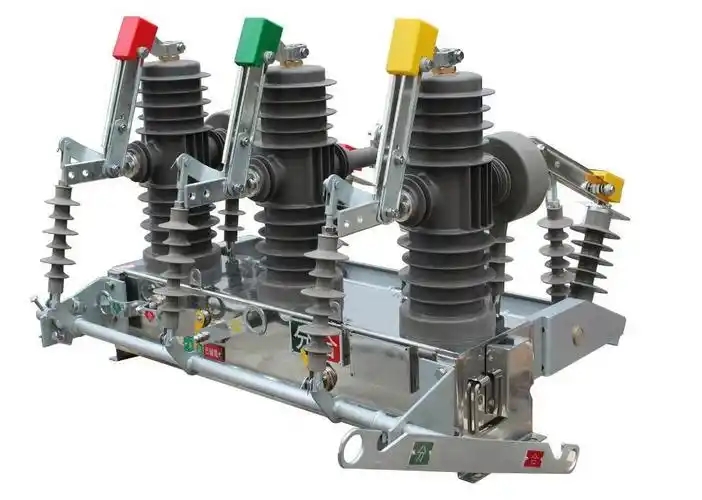
A VCB uses a vacuum as the arc-quenching medium, making it ideal for medium-voltage systems (typically 3.3kV to 36kV). When the contacts open, the arc is quickly extinguished in the vacuum, minimizing damage and allowing for a longer life.
Voltage Range: 3.3kV–36kV
Arc Extinction: In a vacuum
Common Uses: Substations, industrial facilities, heavy-duty applications
VCBs are robust, with minimal maintenance needs and high reliability under repeated switching.
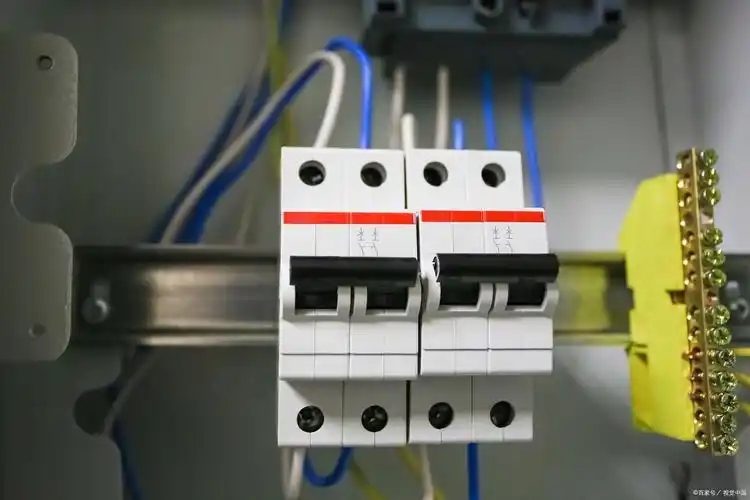
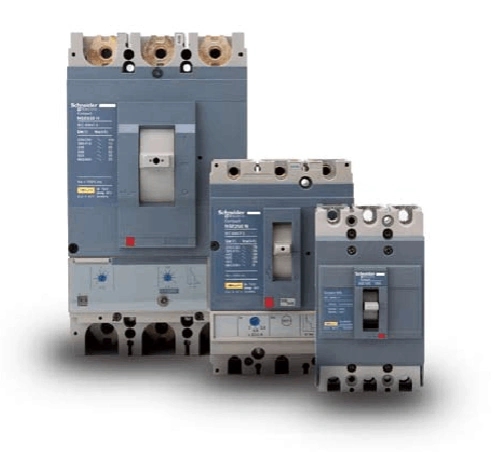
What Is an MCCB (Molded Case Circuit Breaker)?
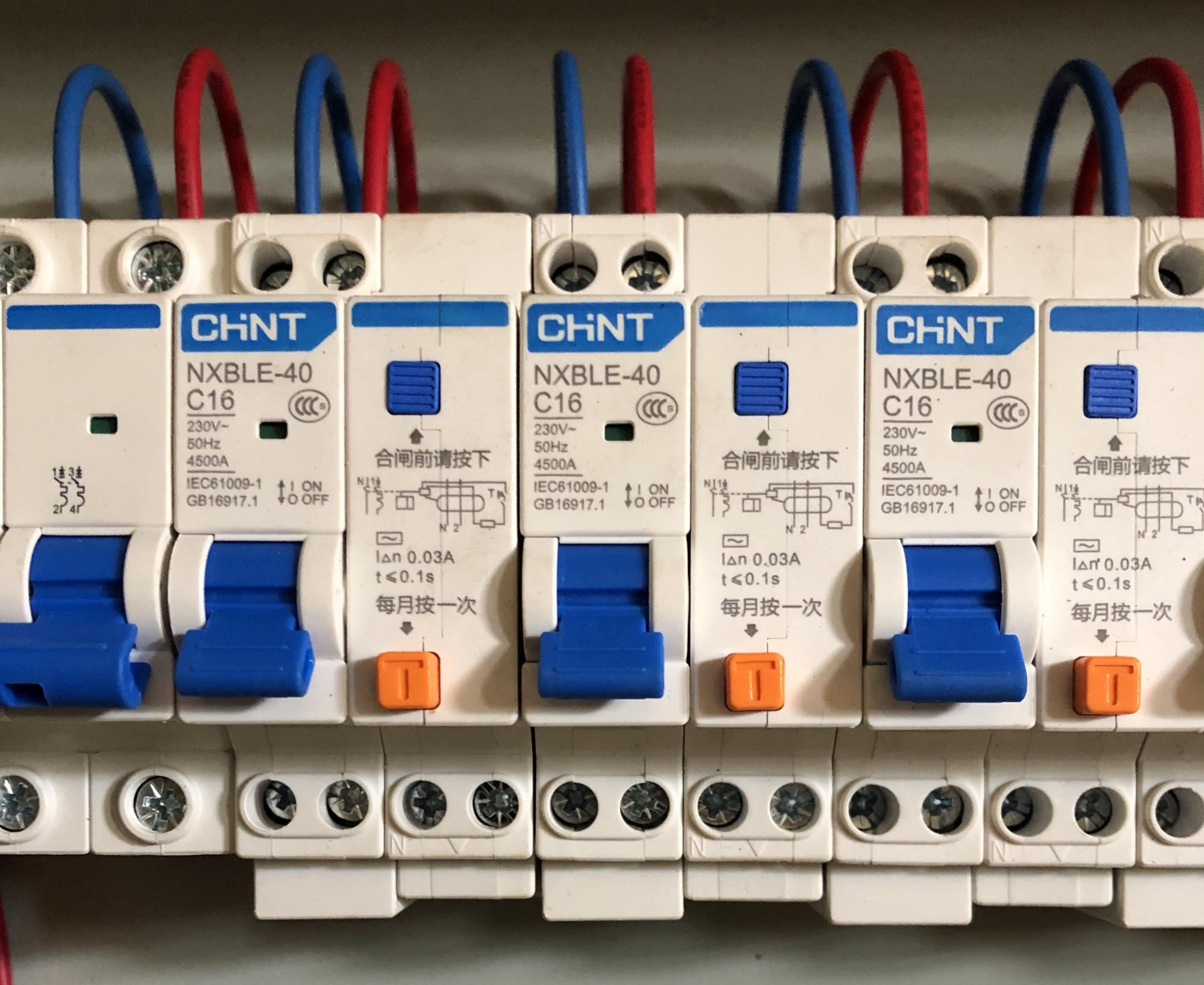
An MCCB is designed for low-voltage systems, typically up to 1000V. It uses air as the arc-extinguishing medium and includes thermal and magnetic trip units for protection.
Voltage Range: Up to 1000V
Arc Extinction: In air
Common Uses: Residential, commercial, small-scale industrial setups
MCCBs are compact, cost-effective, and easy to install—but they’re not suitable for medium-voltage operations.
Key Differences Between VCB and MCCB
Let’s break down the essential differences to help you decide.
1. Operating Voltage
VCB: For medium-voltage systems (above 1kV)
MCCB: For low-voltage systems (below 1kV)
2. Arc Quenching Technology
VCB: Vacuum ensures rapid arc extinction
MCCB: Air is less efficient and generates more wear
3. Maintenance
VCB: Requires minimal maintenance due to sealed construction
MCCB: Easier to maintain, but wears faster with frequent tripping
4. Durability
VCB: Longer lifespan, especially in high-demand environments
MCCB: Shorter lifespan if frequently used in harsh conditions
5. Cost
VCB: Higher initial cost, but better long-term reliability
MCCB: Lower upfront cost, ideal for budget-friendly applications
Common Failure Scenarios: What to Watch Out For
VCB Failures
Vacuum loss due to seal failure
Coil burnout in control circuits
Improper insulation in humid conditions
MCCB Failures
Overheating due to underrated sizing
Mechanical wear of moving parts
Nuisance tripping from transient surges
Real-World Use Cases
Example 1: Industrial Plant in Germany
A manufacturing plant using 11kV motors switched from MCCBs to VCBs due to frequent overloads. The switch reduced failures by 80% over one year. [Source: Siemens Industry Report, 2023]
Example 2: Data Center in the U.S.
For a low-voltage distribution panel (480V), the facility chose MCCBs for each rack. Quick installation and cost savings made it the right choice.
FAQs: VCB vs MCCB
If you're still weighing your options, here are some common questions engineers and facility managers often ask when choosing between VCB and MCCB:
1. Can I use MCCB instead of VCB in a medium-voltage system?
No. MCCBs are designed for low-voltage systems up to 1000V. Using an MCCB in a medium-voltage environment can result in overheating, failure to interrupt large fault currents, and serious equipment damage. For voltages above 1kV, always use a VCB.
2. What is the key difference between VCB and MCCB?
The primary difference lies in their operating voltage and arc-quenching medium. VCBs use a vacuum and are built for medium-voltage systems, while MCCBs use air and are designed for low-voltage applications.
3. Which breaker lasts longer, VCB or MCCB?
VCBs generally have a longer operational life, especially in environments with frequent switching. Thanks to their sealed vacuum interrupters, they require minimal maintenance compared to MCCBs.
4. Are VCBs more expensive than MCCBs?
Yes, VCBs have a higher upfront cost due to their medium-voltage rating and engineering complexity. However, they offer better long-term value in demanding environments due to reliability and reduced maintenance.
5. How do I decide which breaker to choose?
It depends on your system's voltage level, environmental conditions, switching frequency, and budget. If your system operates above 1kV or requires high reliability, go for a VCB. For simpler, low-voltage setups, an MCCB is sufficient.
Conclusion
Choosing between a VCB and MCCB isn’t just about voltage—it’s about long-term reliability, cost, safety, and ease of maintenance.
At Wei Shoe Elec, we work with clients every day to analyze their system needs and help them make confident decisions. I hope this comparison gave you a clear roadmap. Whether you’re building a factory or upgrading a power panel, the right breaker makes all the difference.
Need help choosing between VCB and MCCB? Contact us for a tailored consultation or technical recommendation.