Looking to understand the different types of substations and how to choose the right one? You're in the right place. In this article, we’ll walk you through the major substation types—indoor, outdoor, underground, and compact—explaining their features, applications, and benefits. Whether you’re planning a new energy project or just want to clarify your options, this guide will help you make informed decisions.
At Wei Shoe Elec, we’ve spent over a decade manufacturing and exporting compact substations that meet UL, IEC, and ANSI standards. We've seen how project delays, space limitations, and safety requirements can be confusing when selecting a substation. That’s why we’re here to make the process clear and practical—with real-world insights, examples, and professional advice.
What Is a Substation and Why Does It Matter?
A substation is a critical part of the power system that changes voltage levels and directs electricity where it’s needed. Without it, energy transmission and distribution would be inefficient and unsafe. Substations come in different types to match specific locations, capacities, and operational needs.
Key functions include:
Voltage transformation: High to medium or medium to low
Switching operations: For maintenance or emergency control
Protection: Safeguarding systems from faults and overloads
The 4 Main Types of Substations
1. Outdoor Substation
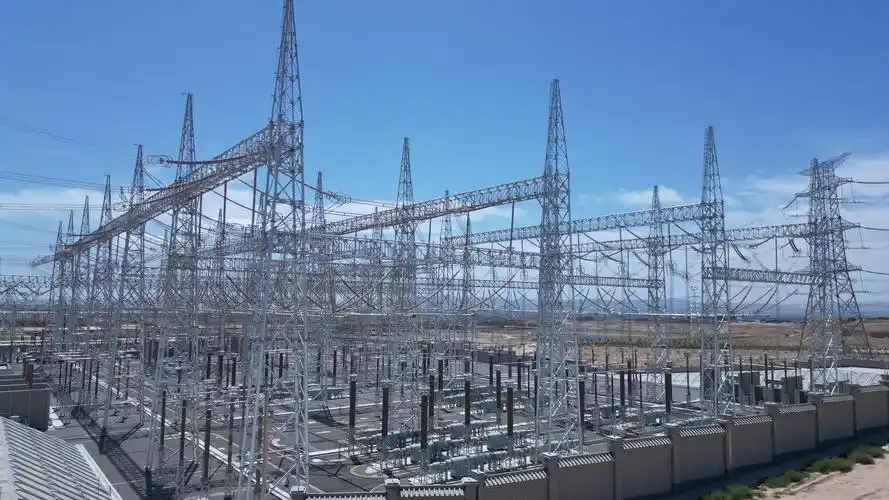
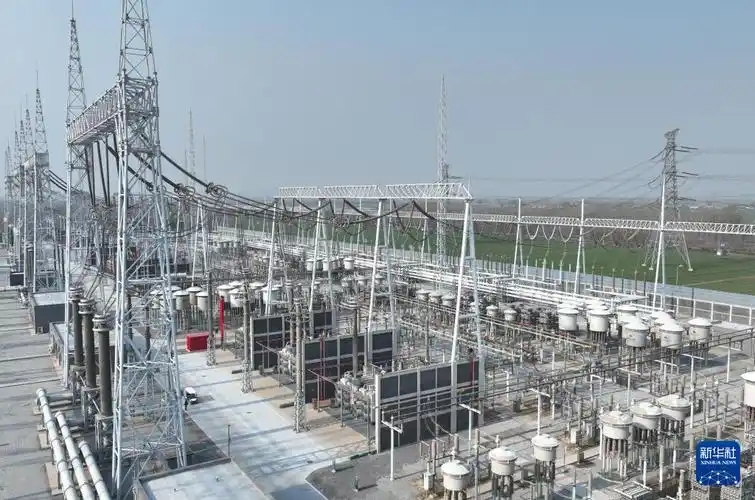
Outdoor substations are built in the open air and typically serve high-voltage transmission needs.
Features:
Equipment such as transformers and circuit breakers is mounted outdoors
Requires large areas of land
Cost-effective for rural or remote areas
Applications:
Long-distance transmission networks
High-voltage industrial setups
Pros:
Easy access for maintenance
Low construction cost
Cons:
Vulnerable to weather
High space requirements
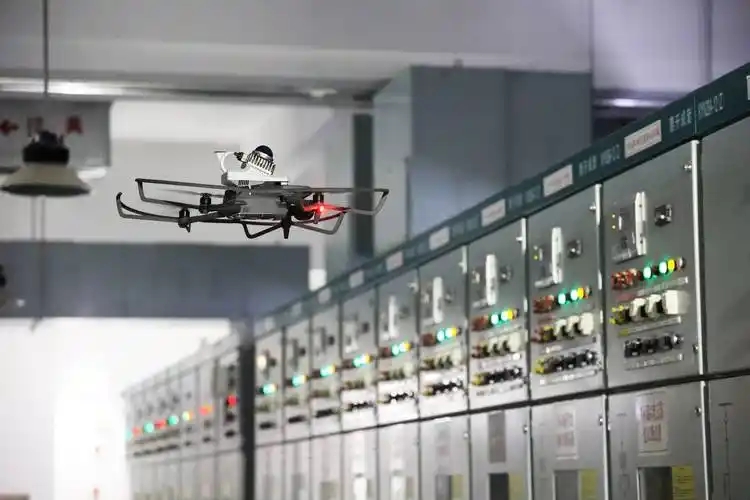
2. Indoor Substation
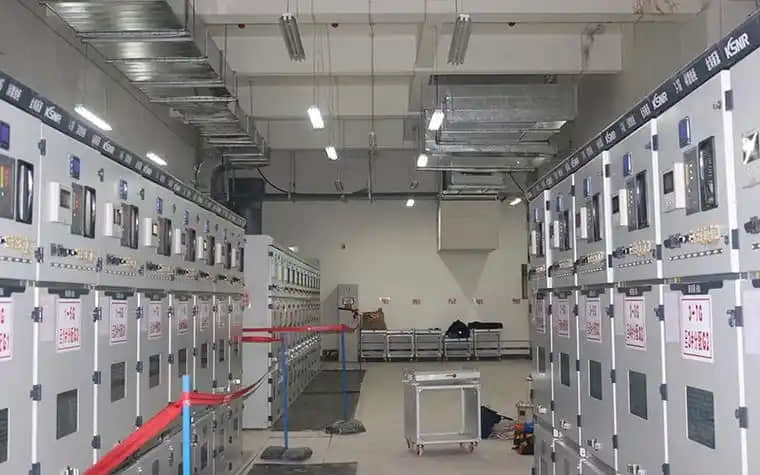
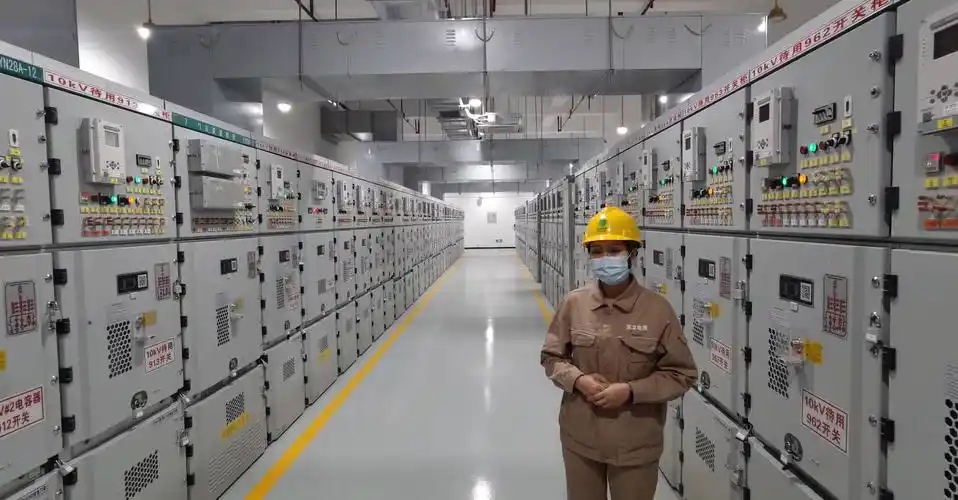
Indoor substations are enclosed within buildings and preferred in urban or sensitive environments.
Features:
Equipment is protected from environmental factors
Compact layout suitable for limited spaces
Enhanced operator safety
Applications:
Commercial buildings
Hospitals and data centers
City utility grids
Pros:
Weatherproof and vandal-resistant
Minimal noise and visual impact
Cons:
Higher construction and ventilation costs
Limited scalability
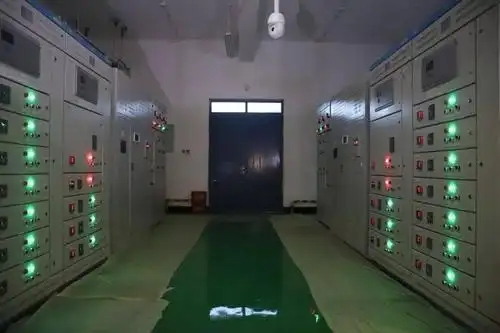
3. Underground Substation
Underground substations are installed below ground level, often in high-density urban zones.
Features:
Extremely compact
Zero visual impact on cityscapes
Requires advanced cooling systems
Applications:
Downtown business districts
Metro systems
Airports
Pros:
Perfect for aesthetic-sensitive areas
Maximum land utilization
Cons:
High cost and complex design
Difficult access for repairs
4. Compact Substation (Including Box-Type and Prefabricated)
Compact substations combine multiple components into a single unit, making them easy to install and relocate. At Wei Shoe Elec, this is our specialty.
Features:
Pre-assembled or modular units
Integrated transformer, switchgear, and protection systems
Quick deployment on-site
Applications:
Temporary power needs
Renewable energy (solar/wind farms)
Industrial and mining zones
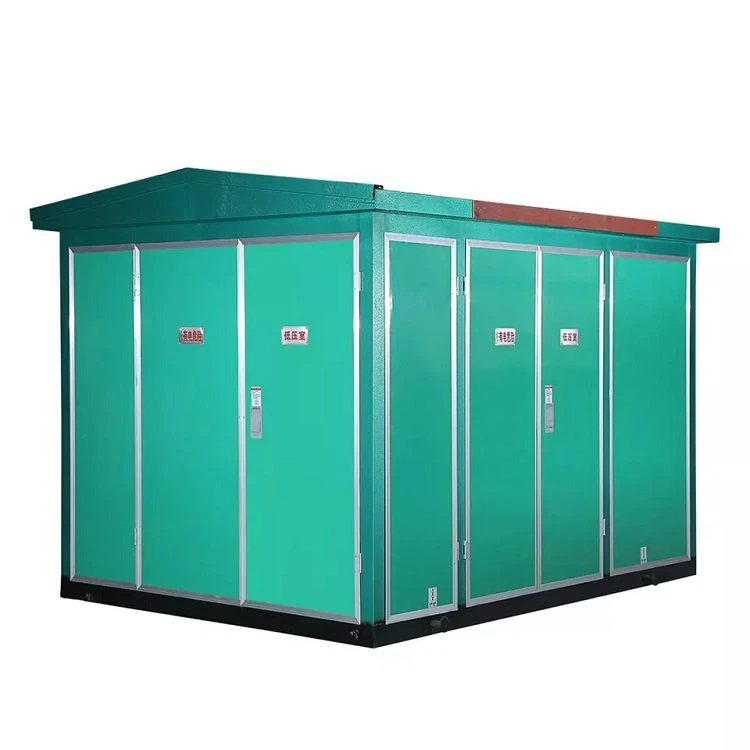
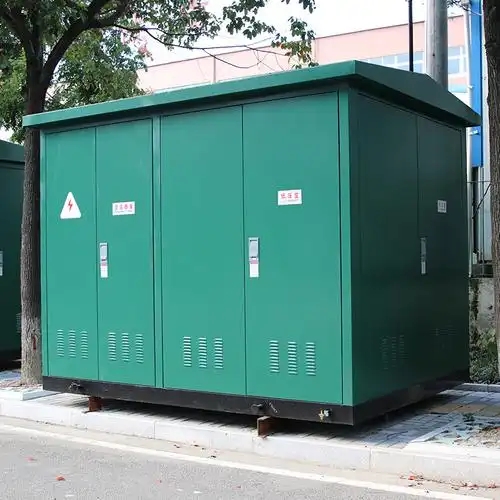
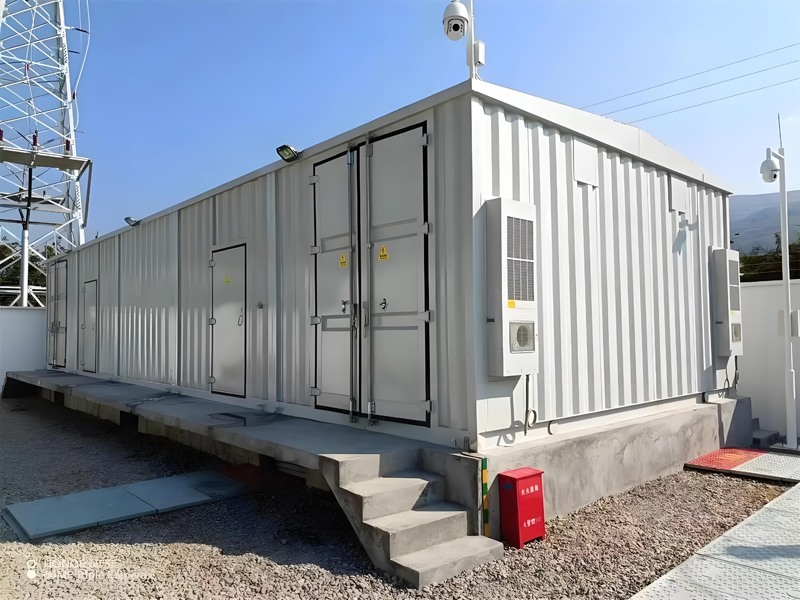
Box-Type Substation
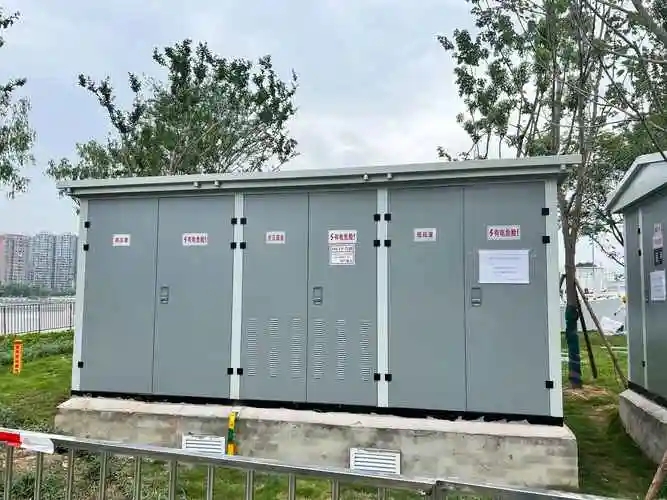
Box-type substations are metal-clad, weatherproof units designed for outdoor use.
Advantages:
Strong environmental protection
Simple structure and easy handling
Standardized sizes for various power ratings
Use Case: In South Africa, a solar farm used 20 box-type substations to fast-track its off-grid electrification project. Installation took only 3 days per unit, cutting project time in half.
Prefabricated Substation Cabin
Prefabricated substations are factory-built cabins that offer full customization and integrated functionality.
Advantages:
Built to exact project specs
Faster installation compared to traditional on-site builds
Aesthetically flexible (stone, brick, or metallic finish)
Use Case: In Germany, a prefabricated cabin substation powered a large warehouse. It met strict fire codes and was integrated within the building perimeter, avoiding extra land permits.
Indoor vs Outdoor vs Compact: What’s Right for You?
Feature | Indoor | Outdoor | Compact (Box/Prefab) |
Space efficiency | Medium | Low | High |
Cost | High | Low | Medium |
Maintenance | Moderate | Easy | Minimal |
Deployment time | Long | Moderate | Fast |
Visual footprint | Low | High | Low |
Typical use case | Urban infrastructure | Remote stations | Temporary or mobile systems |
Why Choose Compact Substations?
At Wei Shoe Elec, we often recommend compact substations when:
Time is limited: Our prefab units are shipped ready to connect
Space is tight: No need for large land areas
Cost matters: Fewer labor and civil work expenses
Bonus: You get standardized quality, lower installation risk, and global compliance in one neat package.
Choosing the Right Type: Key Considerations
Before you decide, ask yourself:
Where will it be installed? (Urban, rural, underground)
What’s the voltage and load requirement?
Are aesthetics or noise a concern?
Do you have skilled personnel for assembly and maintenance?
What’s the project timeline?
If your answers lean toward flexibility, speed, and convenience, compact substations may be your best option.
Conclusion
Substations are not one-size-fits-all. Choosing the right type can make or break your power project’s success. From outdoor giants to indoor enclosures and compact all-in-ones, each type has its place.
At Wei Shoe Elec, we bring over 10 years of hands-on experience building smart, efficient, and compliant substations for clients worldwide. We hope this guide helps you better understand your options and choose the right solution.
📩 Need help deciding? Contact us for expert advice, drawings, or pricing. Let’s build your power future—together.