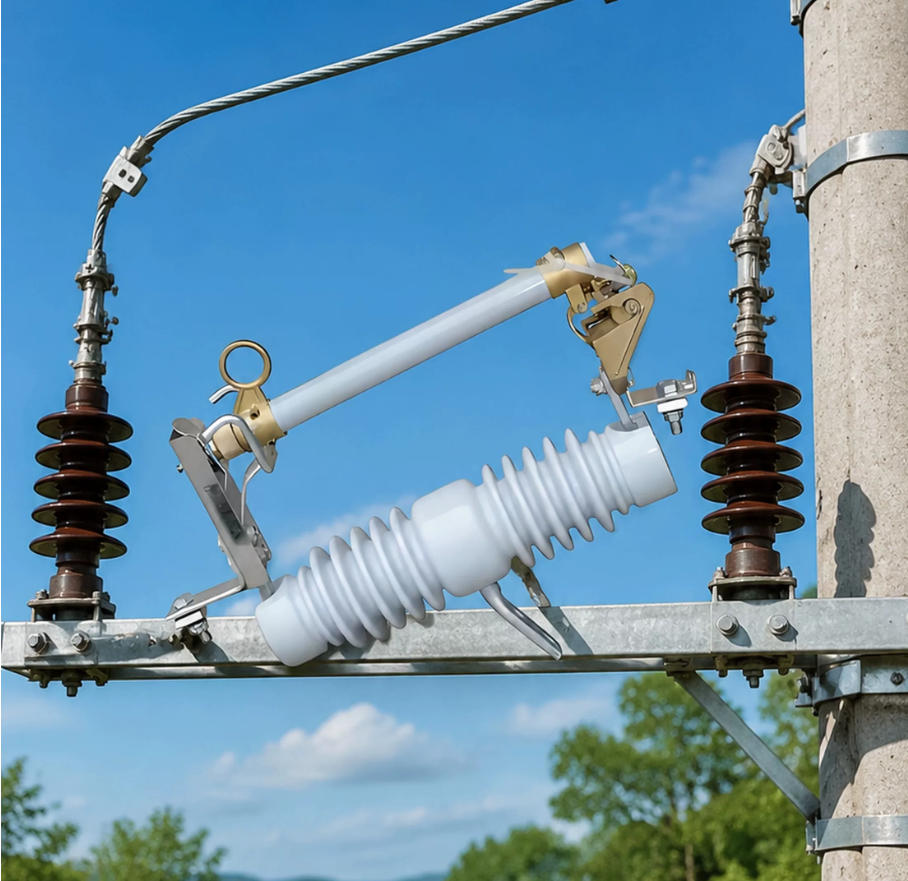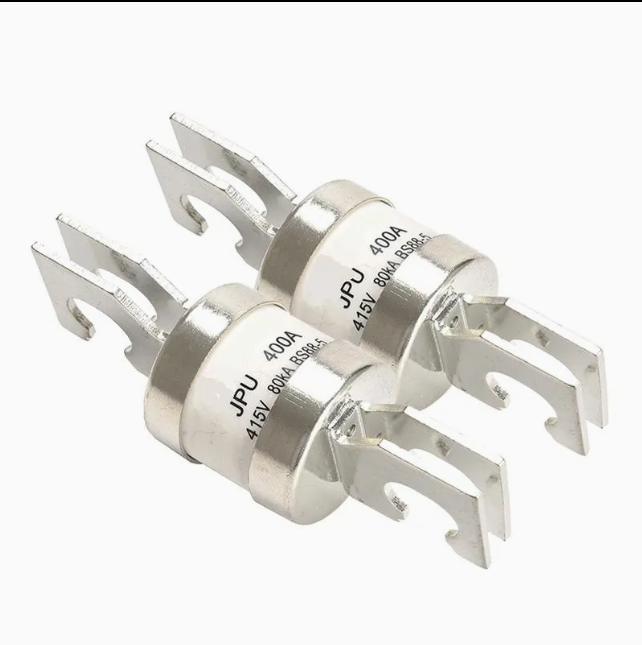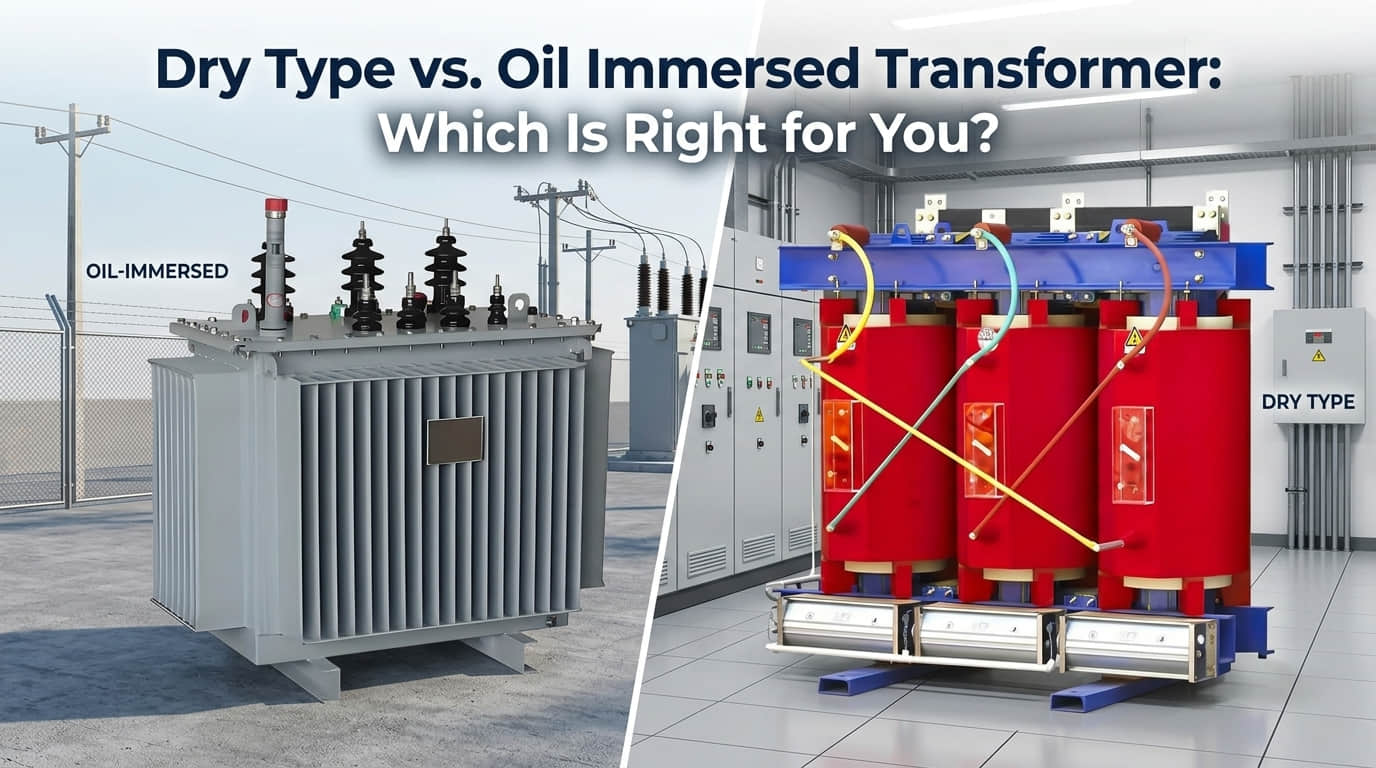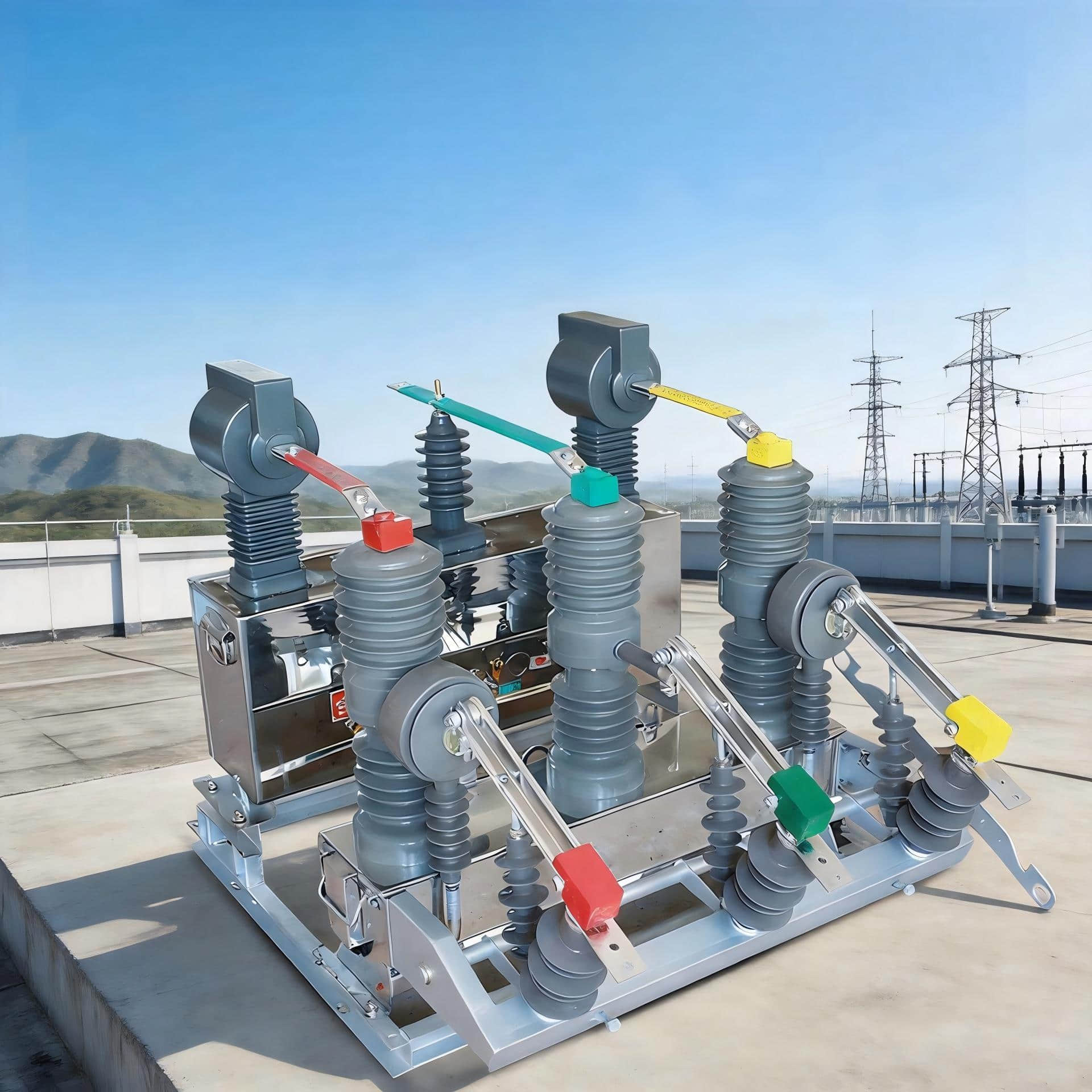
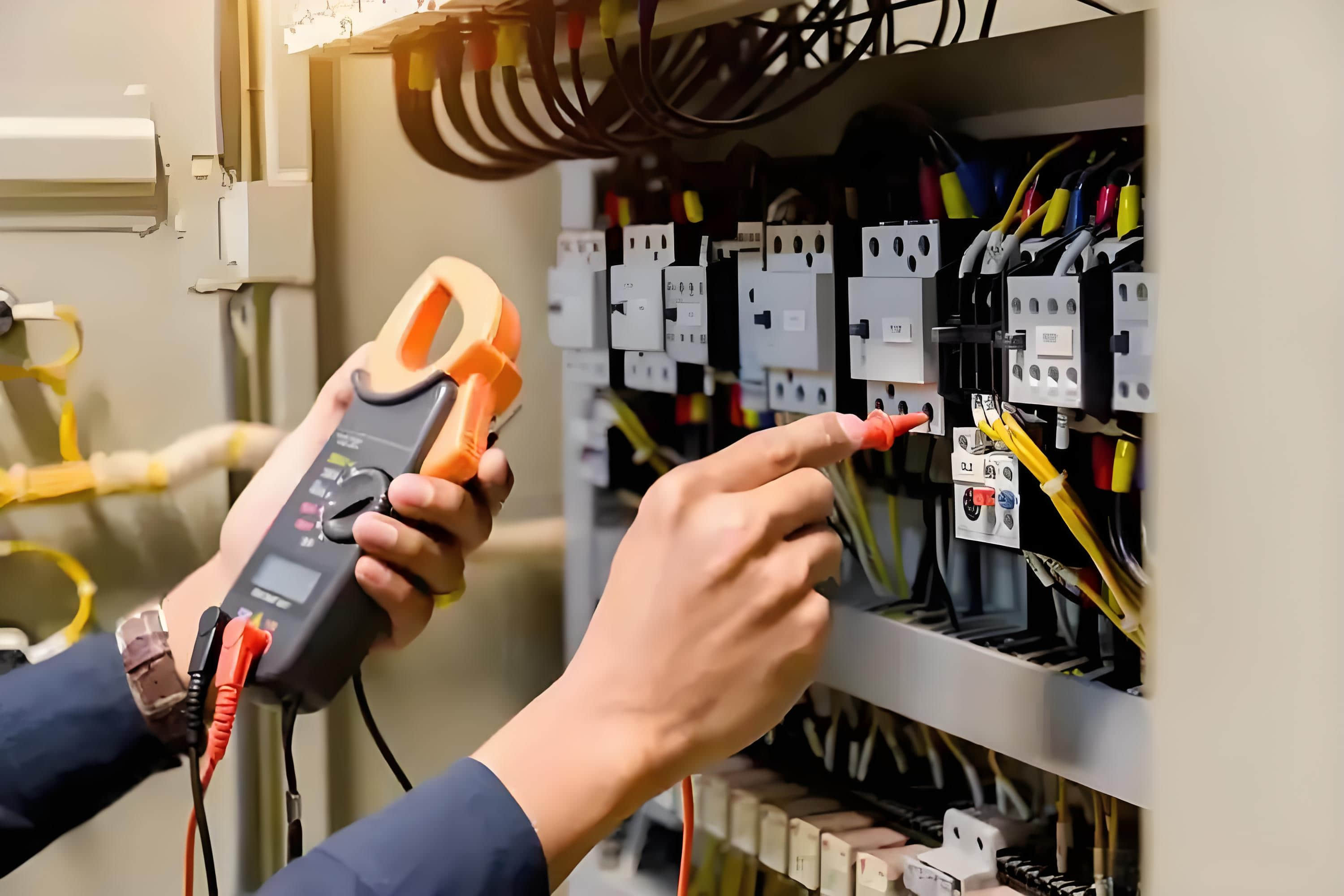
In any power system, transformers act as crucial "energy hubs," silently keeping homes lit and factories running. But if not maintained properly, even small issues can snowball into major failures, impacting your business continuity. So, how can you ensure your transformers operate stably and reliably?
This guide will use straightforward language and practical examples to explain the core skills of transformer maintenance, helping you become a pro in no time!
I. Transformer No-Load Test Run: Getting the "Power Beast" Started
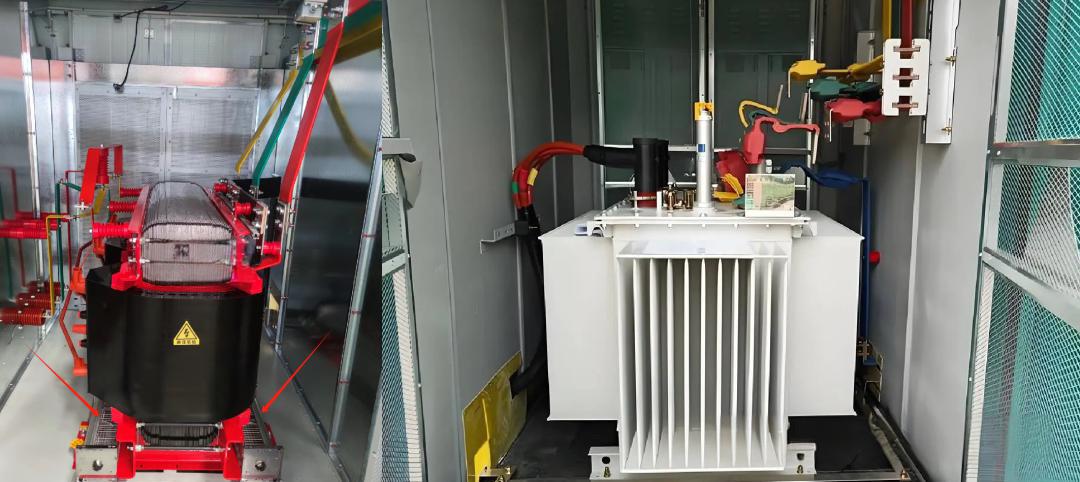
(A) Pre-Test Run Preparations: Inspecting Like Moving into a New Home
Q: What's the very first thing we should do before a transformer starts operating?
A: Before getting your transformer "to work," you need to check it and its surrounding equipment thoroughly, just like inspecting a new house before moving in. Walk around the transformer first, looking for any dents, deformations, rust, or chipped paint on the casing, ensuring its external integrity.
Q: How important are nameplate parameters and insulation resistance checks?
A: Double-check the nameplate parameters to confirm they match the design drawings; you wouldn't want to install the wrong model. Also, use professional instruments to measure the insulation resistance. This is like a "safety check-up" for the transformer – if it doesn't meet standards, it can't start!
Q: What are the key points to watch out for with wiring and grounding?
A: You must repeatedly confirm the high and low voltage side wiring; incorrect wiring can lead to serious problems. Ensure the grounding is securely fastened for safety. If it's a pad-mounted transformer, remember to remove the cooling fan's seals, or it might "overheat" and shut down!
Q: Besides the equipment itself, what other preparations are essential?
A: Additionally, check that the protective devices are activated and their settings are accurate. Gather your tools: a thermometer, multimeter, and so on. And always wear insulated shoes and insulated gloves. Only then are you truly ready.
(B) Test Run Operating Steps: Hand-Holding Your "New Employee" into the Job
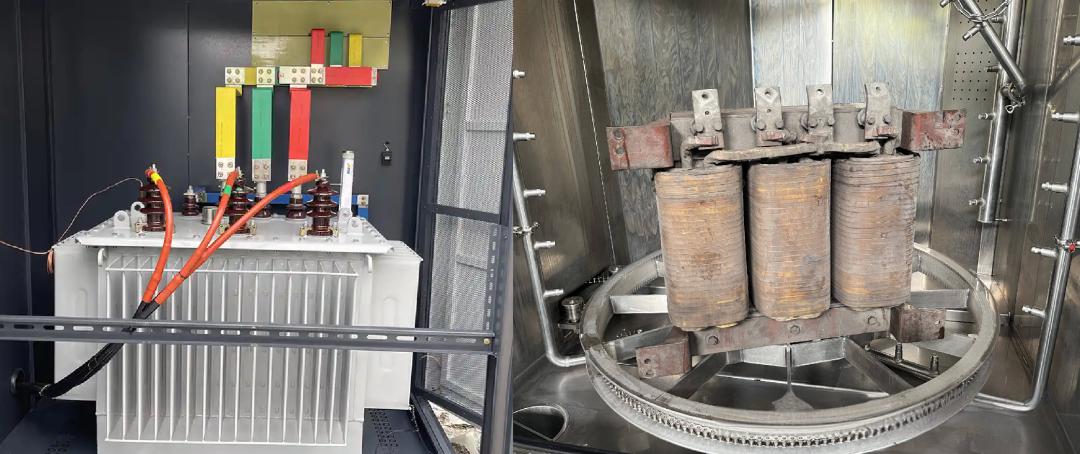
Q: What's the first step for a no-load test run?
A: Once everything is ready, guide the transformer through its test run, just like familiarizing a new employee with their workflow. Start by setting the tap changer to the middle position. Let it run unloaded for a while, listening for smooth operation.
Q: How do we check the tap changer contacts?
A: Next, switch to other tap positions to check for tight contact points and ensure there's no looseness or arcing, confirming every tap position works correctly.
Q: Is there anything special about energizing a transformer for the first time?
A: For a transformer's first "shift," you can directly perform a full-voltage impulse closing (energize from the high-voltage side). If conditions allow, gradually increasing the voltage from zero is safer, like teaching a child to walk – slow and steady wins the race. An inrush current might occur at the moment of closing; don't panic, this is normal. Just make sure the protective devices don't trip unnecessarily.
(C) Key Monitoring Points During Operation: Being the Transformer's "Personal Doctor"
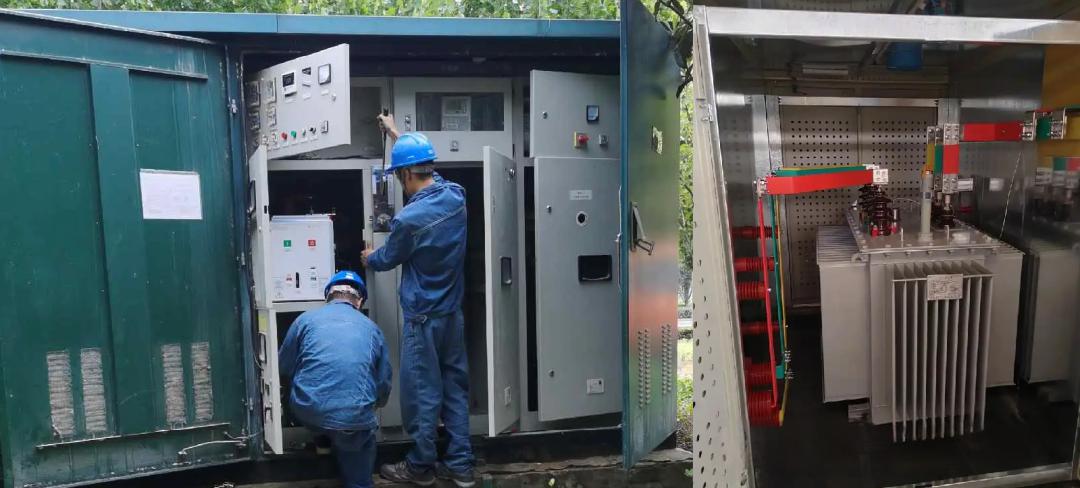
Q: After energizing, what core indicators should we continuously monitor?
A: After energizing, you can't just walk away. You need to constantly monitor the transformer's "health," like caring for a sick family member. Keep a close eye on the high-voltage side voltmeter; if the voltage fluctuates by more than ±5%, it's an alert!
Q: How can we tell the transformer's condition by its sound?
A: Listen carefully to the operating sound. If you hear "crackling" discharge sounds or abnormal vibrations, shut down immediately and inspect! These unusual noises are often signs of impending failure.
Q: What's the main focus of temperature monitoring?
A: Regularly use an infrared thermometer to measure the oil temperature and winding temperature. For oil-immersed transformers, if the top oil temperature rise exceeds 55K (99°F), be cautious. This is like a fever in a person, and you need to find the cause quickly.
Q: Why is it important to record data and handle abnormalities?
A: Record voltage, current, and oil level data every ten minutes in a small table to easily compare and analyze trends. If the oil level suddenly drops, first check for oil leaks due to aging gaskets. If the temperature continues to soar, troubleshoot for cooling fan malfunctions.
(D) Handling Special Situations: Emergency Preparedness for "Just in Case"
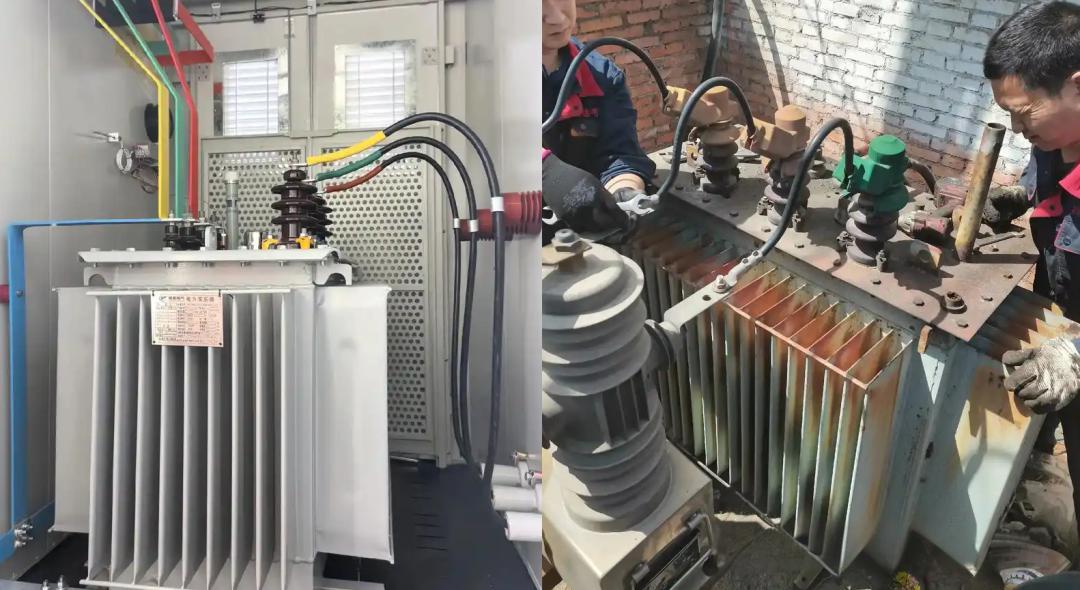
Q: What special tests do newly installed or majorly overhauled transformers require?
A: Newly installed or majorly overhauled transformers must undergo five full-voltage impulse closing tests," similar to a new driver practicing parallel parking multiple times. After each closing, focus on whether the excitation inrush current triggers a false trip of the relay protection.
Q: What should you do if the protective device trips?
A: If the protective device trips unexpectedly, don't blindly restore power; first, check the lines and settings. Make sure the fault is cleared before considering restoring the operation.
Q: How do you "stress test" the cooling system?
A: For transformers with forced oil circulation or forced air cooling, you also need to measure the no-load temperature rise. First, turn off the cooling devices and let them run "naked" for 12-24 hours, recording the oil temperature changes. Once the oil temperature reaches 75°C (167°F), start the cooler and see how long it takes for the temperature to drop and stabilize. This is like testing an air conditioner's cooling effect – understanding its "temperament" ensures confident future use.
II. Transformer Overhaul: Giving Your Equipment a "Deep Spa Treatment"
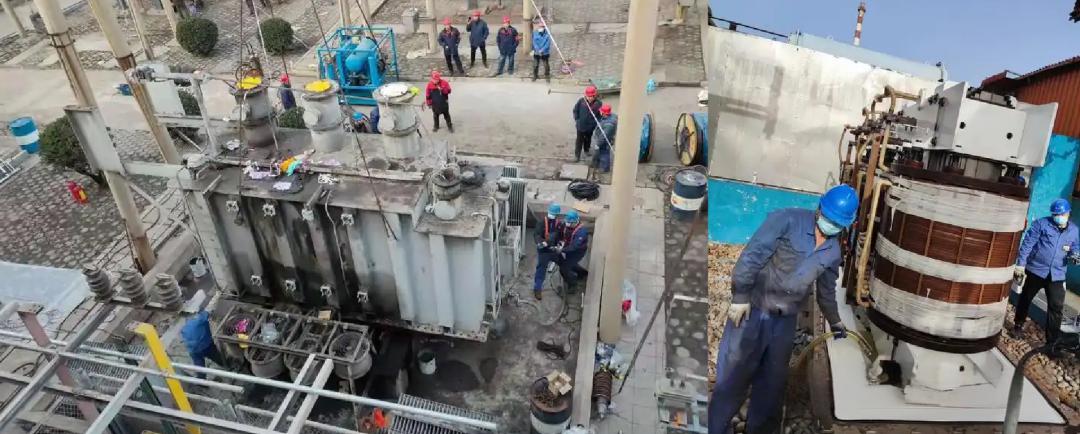
(A) Reasons for Overhaul: Why Do Transformers Need a "Check-up"?
Q: Why do transformers need regular overhauls?
A: A transformer is like an old car; no matter how well it's maintained, problems will arise after long use. During continuous operation, it endures the thermal effects of current, electromagnetic forces, and attacks from moisture, corrosion, and vibration.
Q: What issues can arise if maintenance is neglected?
A: Winding insulation can age, the core might loosen, and tap changer contacts can wear out. Therefore, regular overhauls are like annual car inspections: they proactively identify hidden dangers, prevent breakdowns, and ensure a stable power supply.
(B) Overhaul Classification and Frequency: Different "Conditions," Different Treatment Plans
Q: What are the different types of transformer overhauls?
A: Transformer overhauls are categorized into major overhauls and minor overhauls, similar to emergency room visits versus regular physicals. A major overhaul is a "dissection" operation, where the transformer's internal assembly is lifted out of the oil tank for a comprehensive inspection and repair.
Q: What's the typical frequency for a major overhaul?
A: Generally, a new transformer undergoes its first major overhaul after 5 years of operation, then every 10 years thereafter. If "serious symptoms" like abnormal noises or excessive oil temperature are observed during operation, a major overhaul must be scheduled sooner. Fully sealed transformers are more "delicate" and are only considered for major overhauls if tests reveal issues.
Q: What are the characteristics and frequency requirements for minor overhauls?
A: A minor overhaul is a routine "check-up" that doesn't require lifting the core. It primarily involves inspecting external accessories and addressing minor faults. Normally, it's done annually, but if the transformer operates in "harsh environments" like heavily polluted industrial areas or high-altitude, cold regions, the frequency should be shortened to semi-annually or even quarterly, like people living in smoggy areas needing more frequent lung check-ups.
III. Transformer Major Overhaul Projects: Giving Your Transformer a "Full Body Makeover"
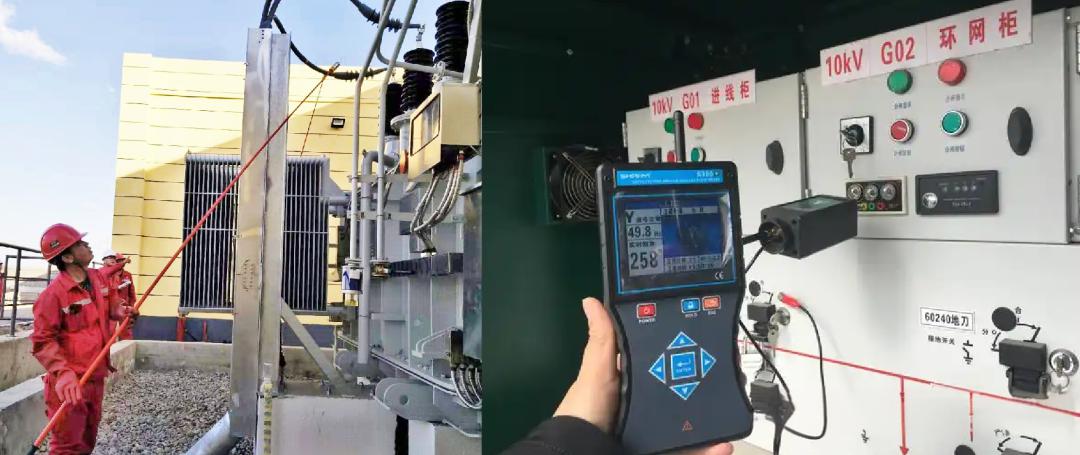
Q: What are the main projects involved in a major overhaul for an oil-immersed transformer?
A: A major overhaul for an oil-immersed transformer is a "systematic project." Let's break it down step-by-step to ensure every aspect is covered.
Q: How are the casing and accessories refurbished and inspected?
A: First, "wash" the transformer. Use a cleaner to wipe off oil stains and rust from the casing, patching any oil leaks. Then, spray it with anti-rust paint, like giving it a new coat, to prevent metal corrosion. The conservator and radiators, these "buddies," also need individual testing to ensure they function properly.
Q: Why is oil maintenance and internal assembly inspection so important?
A: Transformer oil is like the blood in a human body; it deteriorates over time and needs to be tested and either replaced or filtered as needed. Carefully lifting out the internal assembly is the core of the major overhaul! Thoroughly check the windings for deformation or insulation damage, and repair problems promptly.
Q: How do you maintain the cooling system and safety devices?
A: Clean dust and debris from the radiator fins, and overhaul the fan motors and oil pumps to ensure smooth coolant circulation. Critical safety devices like explosion-proof membranes and pressure relief valves must be thoroughly checked and calibrated to ensure they release pressure promptly during a fault.
Q: What are the key steps in tap changer repair and final assembly testing?
A: Disassemble the tap changer, polish off oxidation layers on the contacts, and adjust spring pressure to ensure contact resistance meets standards when switching taps. After assembling all components, first perform a seal test, then debug the control circuits. Finally, perform insulation resistance, turns ratio, and DC resistance tests. Once all data is qualified, the transformer can be "fully resurrected" and returned to service.
IV. Transformer Minor Overhaul Projects: Quick Fixes for Everyday "Aches and Pains"
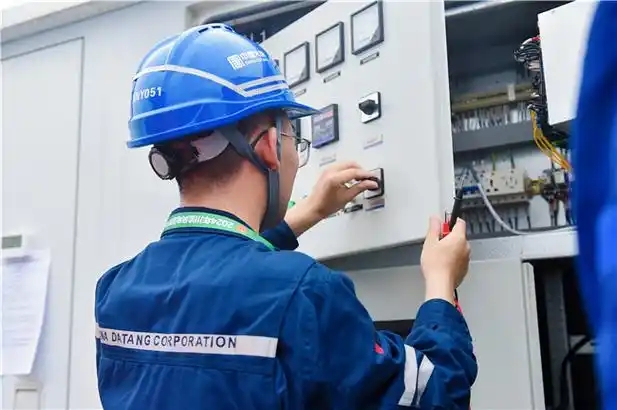
Q: What kinds of issues do minor overhauls typically address?
A: Minor overhauls primarily address the transformer's everyday minor issues, such as localized overheating or slight oil leaks discovered during routine inspections. These are handled during the minor overhaul.
Q: How do we inspect and repair connection point problems?
A: Copper-aluminum connections are prone to faults, much like an electrical plug easily having poor contact. Carefully check for blackening or deformation at the connections, and use an infrared thermometer to measure their temperature. If the temperature is abnormal, you'll need to disassemble, clean with sandpaper, apply conductive paste, and re-tighten.
Q: How are the bushing, tank, conservator, and safety devices maintained?
A: Use a high-pressure water gun to wash dust and dirt from the bushing surfaces, inspect the porcelain for cracks, and replace aged or hardened sealing gaskets at the tank joints. If the silica gel in the breather has turned pink, replace it promptly, and test the gas relay's sensitive operation.
Q: What does auxiliary system and insulation testing involve?
A: Add lubricant to the cooling fan and oil pump bearings, and clean dust from inside the motors. Use a megohmmeter to measure insulation resistance, and a DC bridge to measure the DC resistance of the tap windings, ensuring all parameters meet requirements.
V. Distinguishing Winding Insulation Aging: Developing a "Sharp Eye" to Discern Condition
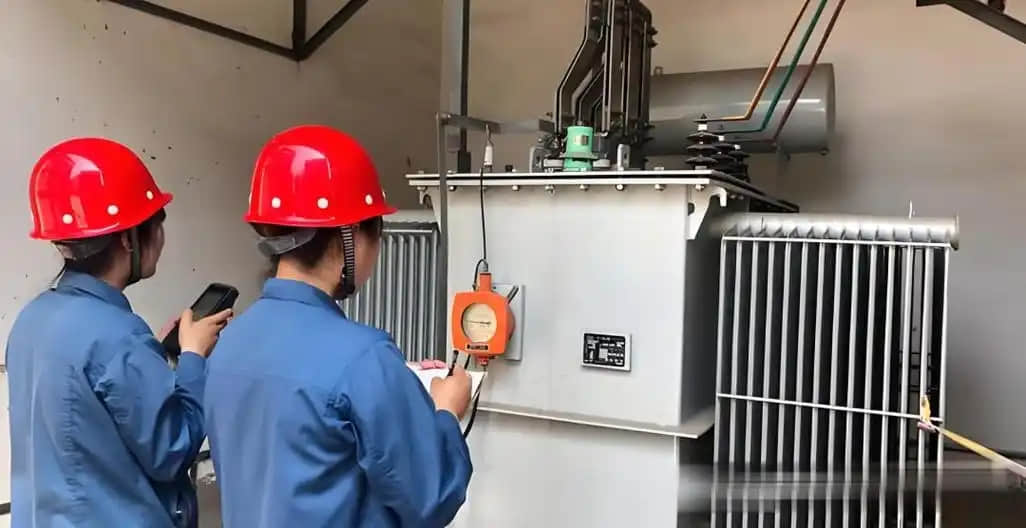
Q: How can we determine the extent of transformer winding insulation aging?
A: Judging the degree of transformer winding insulation aging is like a Traditional Chinese Medicine doctor diagnosing a patient through "observation, listening, smelling, and touching." We assess it by observing color and testing elasticity.
Q: What do the different grades of insulation aging signify?
A: Grade 1 (Excellent): The winding surface is bright, resilient when pressed, and free of cracks, indicating superb condition. Grade 2 (Acceptable): The color is slightly darker, and the texture is harder, but without cracks, still usable.
Q: Which aging signs indicate unreliable or deteriorated insulation?
A: Grade 3 (Unreliable): The color is distinctly dark, and the insulation is hard and brittle, showing small cracks with a light press – this is very dangerous. Grade 4 (Deteriorated): The insulation layer is completely carbonized, jet black, and crumbles and flakes off like a cookie when touched; it's completely scraped and must be replaced immediately.
VI. Transformer Phasing: The Key to "Harmonious Operation" of Equipment
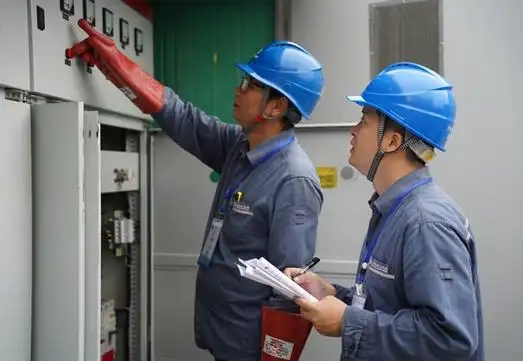
Q: In what situations is it mandatory to phase a transformer?
A: Transformers must be phased in these situations, much like a band tuning their instruments before a performance: when newly installed or after a major overhaul, as internal wiring changes can cause phase misalignment. Before parallel operation, the phases of different transformers must match, and after system fault repairs, re-phasing is also necessary.
Q: What is the specific method for phasing?
A: The phasing method is straightforward. First, use an operating transformer to calibrate the phase of the voltage transformers on both bus sections; this serves as the baseline. Then, allow the new transformer to energize one bus section, and measure the voltage at both ends using a phase meter or voltmeter.
Q: How do you determine if the phasing result is correct?
A: If they are in phase, the voltage will be close to 0V; if they are out of phase, the voltage will be the line voltage value. If the values are correct, it means the two transformers are in phase, and you can confidently connect them to the grid!
Mastering these transformer maintenance skills can significantly reduce the risk of faults and ensure stable power operation. At Weishoelec, as a professional Chinese manufacturer, we understand the critical importance of equipment operation and maintenance for our clients in Europe, the Americas, and other overseas markets.
If you have any further questions during practical operation or wish to delve deeper into specific aspects, please don't hesitate to reach out! I'm Thor, an Electrical Engineer at Weishoelec, and I'm ready to discuss your needs.
Weishoelec Contact Information:
Phone: +86 0577-62788197
WhatsApp: +86 159 5777 0984
Email: thor@weishoelec.com