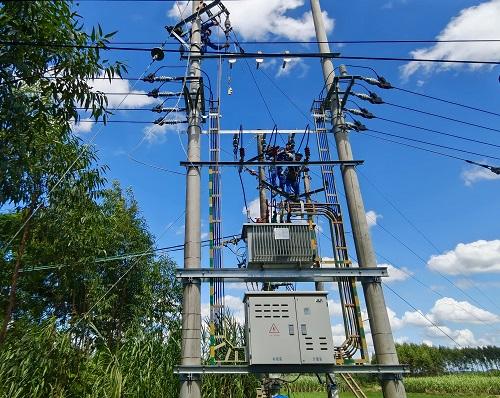
In daily power use and engineering projects, it's crucial to clearly distinguish between high voltage, low voltage, and power/control systems during transformer installation. Think of it like laying the foundation for an electrical system—a solid foundation ensures safe and stable power. Misunderstanding these concepts can lead to wiring failures, shorten the lifespan of electrical equipment, and even impact sensitive control devices like network communications.
Let's dive in, combining widely accepted standards and practical installation experience. We'll thoroughly explain their definitions, characteristics, and specific applications.
I. Defining High and Low Voltage: From Standards to Practical Application
(A) Evolution of Definition Standards & Core Principles
The criteria for high and low voltage have continually evolved with power technology. Currently, the international standard uses 1000V AC (or 1500V DC) as the dividing line:
High Voltage Systems: 1000V and above. Commonly found in transmission lines (e.g., 13.8kV, 34.5kV) and large industrial distribution scenarios. Their design requires strict insulation and protection measures.
Low Voltage Systems: Below 1000V. This includes power for commercial buildings (480V), residential use (120V/240V), and control circuits (24V DC). The focus here is on safety protection and compatibility with user-end devices.
This classification balances system safety with equipment compatibility. For example, in a commercial park's power upgrade, 13.8kV high voltage is stepped down by transformers to 480V and then distributed to individual businesses. This ensures efficient power transmission while meeting the voltage requirements of terminal equipment.
(B) Typical Voltage Levels and Transformer Applications
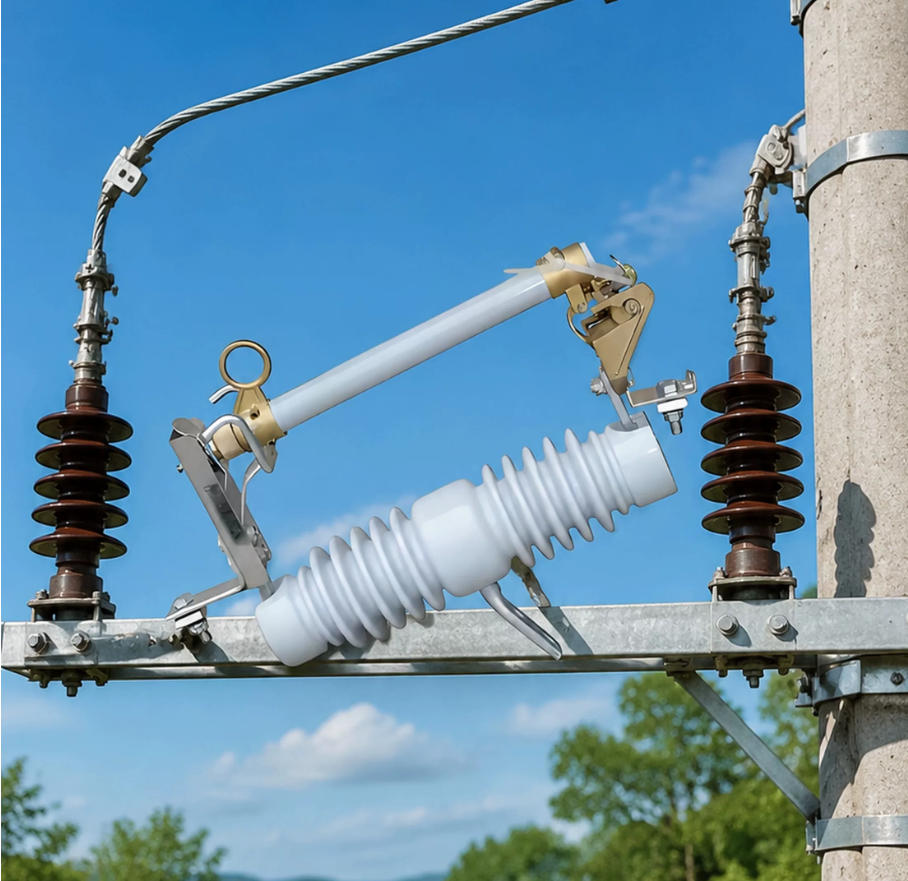
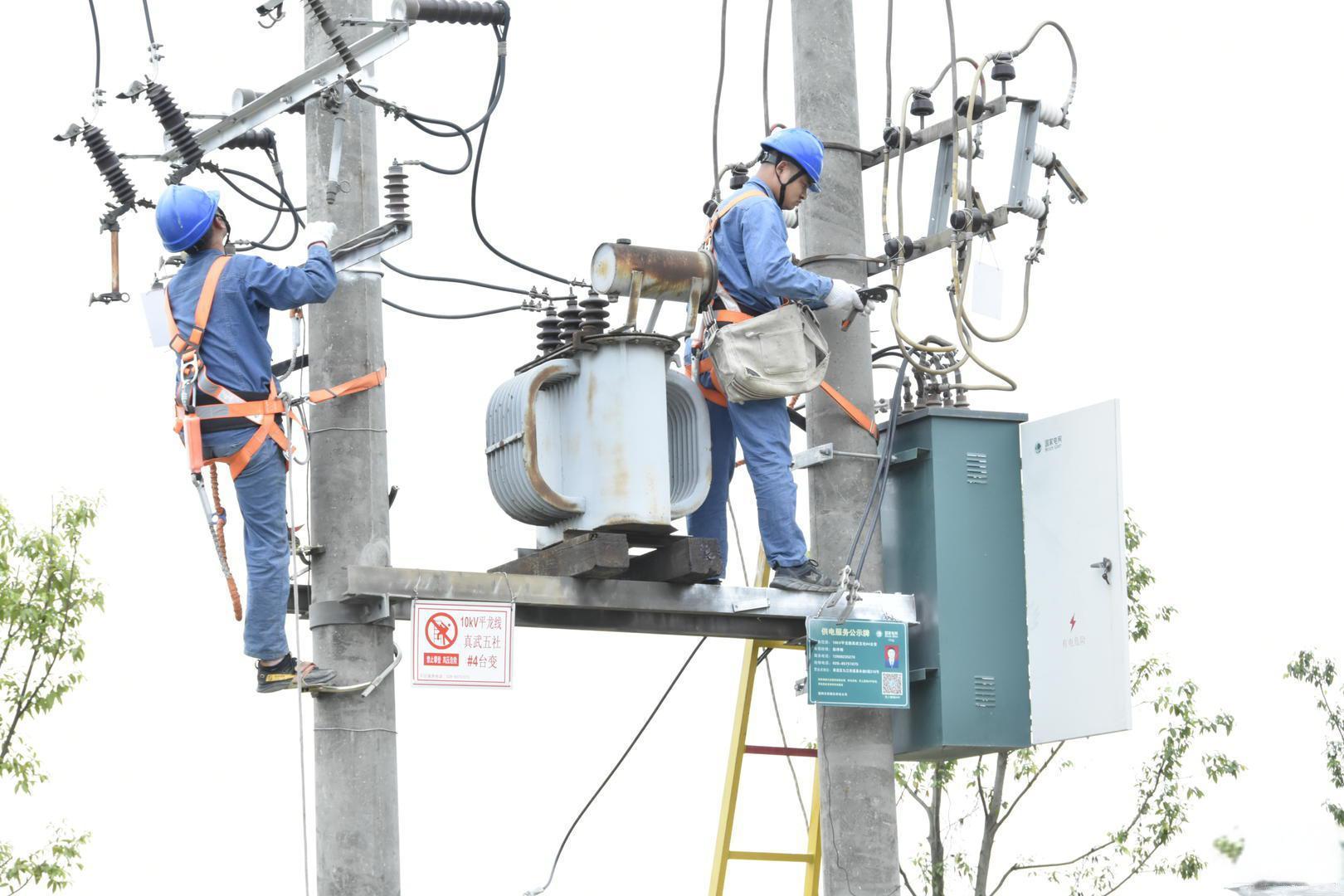
During installation, the high-voltage side requires UL-compliant lightning arresters and overcurrent protection devices. For the low-voltage side, focus on short-circuit current withstand capability. General grounding resistance must meet a requirement of.
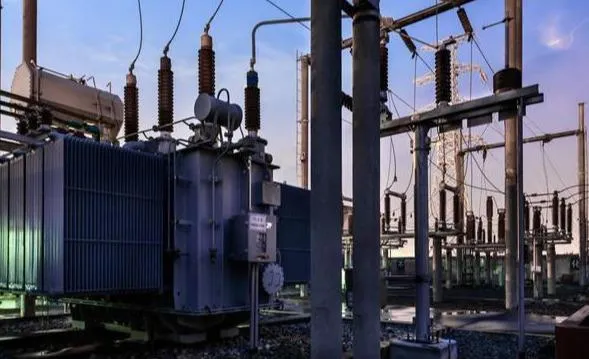
II. The Essential Difference Between Power and Control Systems: Energy vs. Information
(A) Core Technical Characteristics Comparison
The distinction between power (strong current) and control (weak current) systems is based on their functional attributes, not merely voltage levels:
Objective & Purpose
Power Systems: Focus on electrical energy transmission and conversion, with efficient power supply as the core objective. For instance, in data centers, 480V power (stepped down by transformers) is distributed via large cross-section copper busbars, requiring control over line losses ( copper loss) and optimized heat dissipation design.
Control Systems: Emphasize information transmission and control, prioritizing signal integrity. In smart building systems, for example, 24V DC powers sensors, and data transmission through network cables requires controlling signal attenuation (dB per 100 meters).
Technical Parameter Differences
Frequency: Power systems primarily operate at 50/60Hz utility frequency; transformer designs must minimize core hysteresis loss. Control systems cover frequency bands like audio (20Hz-20kHz) and radio frequency (100kHz+), requiring suppression of harmonic interference (THD ).
Power Magnitude: Power systems are measured in kW/MW (e.g., 1000kVA transformers) and require large-current circuit breakers. Control systems are measured in mW/μW (e.g., IoT nodes) and only need miniature relays (contact current A).
(B) Analysis of Typical Application Scenarios
Power Systems: The Core Network for Energy Transmission
Industrial Drives: 480V three-phase motors are started by transformers, with soft starters limiting inrush current to 3-5 times the rated value. Conductors are sized at 1.25 times the rated current (e.g., a 75kW motor paired with a 35mm² cable).
Commercial Distribution: In shopping mall electrical rooms, 13.8kV/0.4kV transformers need an independent setup. The high-voltage side uses cross-linked polyethylene insulated cables (rated for 90°C), while the low-voltage busbar trunking system must meet IP54 protection standards.
Control Systems: The Nerve Center for Information Interaction
Security Monitoring: Access control systems (12V DC) are powered by isolation transformers. Cameras (24V PoE) require a minimum 30cm (approx. 12 inches) separation from power lines to avoid electromagnetic interference.
Industrial Control: Variable frequency drives (380V power circuit) and control boards (5V signal) are isolated via optocouplers, with an isolation voltage of kV to prevent power faults from affecting control signals.
(C) Convergence Trends and Technical Responses
With the development of smart grids, scenarios where power and control systems converge are increasing:
Industrial Automation: When VFD power circuits and control boards share a common ground, single-point grounding with a 0.05Ω series resistor is required to eliminate ground loop interference.
Renewable Energy Systems: In solar power plants, the 1000V DC side and 3.3V control side are connected via UL 1577-certified isolation modules, balancing safety with signal integrity.
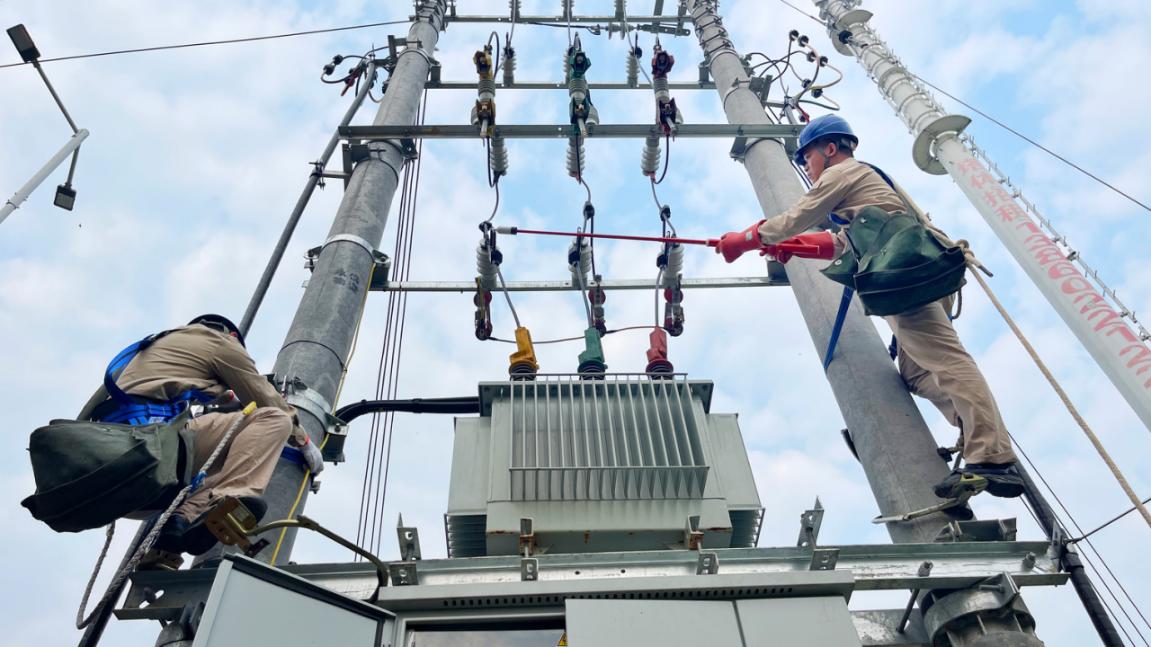
III. Key Transformer Installation Standards: From Design to Construction
(A) Physical Isolation Principles
Cable Segregation
Power cables (e.g., THHN conductors) and control cables (e.g., CAT6 network cables) must be laid in separate trays, with a minimum spacing of 30cm (approx. 12 inches).
At crossovers, use 1.5 mm-thick metal barriers for isolation to reduce signal interference.
Protective Earth (PE) and Signal Ground (GND) must be set up independently, connected via an equipotential bonding box (transition resistance ) to prevent ground potential rise from affecting control equipment.
Equipment Layout
Transformer rooms and low-voltage switchgear rooms should be separated by fire-rated walls with at least a 2-hour fire resistance.
Control cabinets should be spaced at least 1.2 meters (approx. 4 feet) from power cabinets. In data centers, high-voltage transformers should ideally be placed in independent areas, with control equipment centralized in a monitoring room, using fiber optics for signal transmission.
(B) Insulation and Protection Design
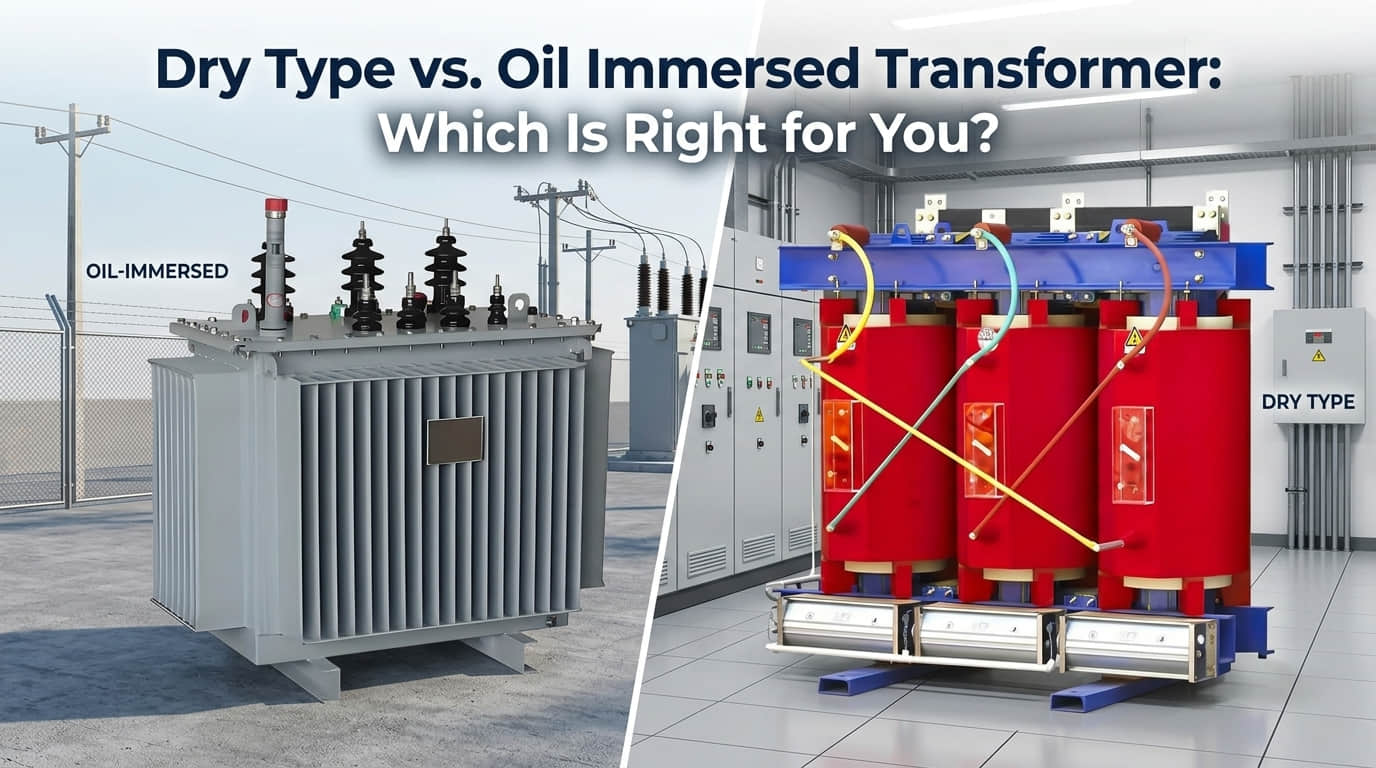
High Voltage Side: 13.8kV transformer bushings should be made of silicone rubber (creepage distance ratio mm/kV). Insulation resistance testing should use a 5000V megohmmeter (resistance MΩ).
Low Voltage Side: 24V control transformers must have Class II safety certification. Their output should include a surge protector (response time ns) to limit induced lightning voltage to V.
(C) Common Issues and Solutions
Signal Interference: If a control room is located near a transformer, a 0.5mm galvanized steel shield can be added to the equipment enclosures, and a 50mm grid copper mesh installed on the walls, which can reduce electromagnetic interference by 80%.
Grounding Confusion: In TN-S systems, the neutral (N) and protective earth (PE) conductors must be strictly separated. The transformer neutral point grounding resistance should be to prevent equipment enclosures from becoming energized (voltage V safety limit).
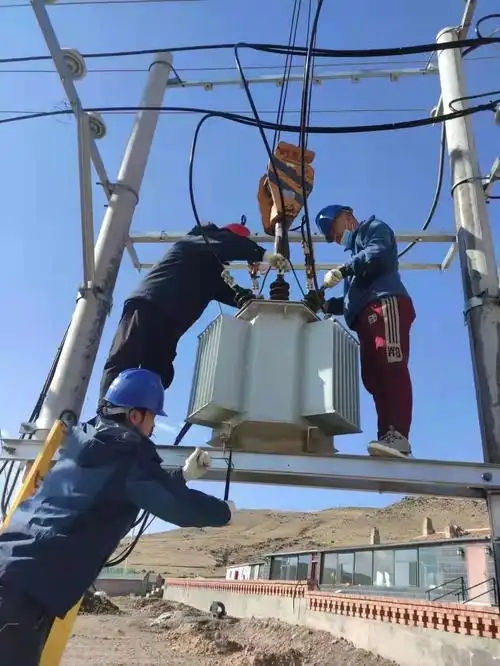
IV. Technical Evolution and Future Trends
High-Voltage Direct Current (HVDC): ±320kV and higher DC transmission systems require specialized converter transformers. Bi-directional saturable reactors are used to suppress DC bias, adapting to the needs of renewable energy grid integration.
Control System Power Expansion: PoE (Power over Ethernet) technology (IEEE 802.3bt) enables 48V/90W power delivery. Despite higher power, it remains classified as "control power" due to its dual insulation design, demonstrating the principle of function-first classification.
Conclusion: Precise Classification is the Foundation for Safe Operation
Accurate differentiation between high/low voltage and power/control systems is a fundamental prerequisite in transformer selection and power system design. Whether adhering to U.S. NEC electrical codes or internationally accepted IEC standards, or facing new scenarios involving the convergence of power and control systems, the key lies in grasping their essential differences: power systems focus on efficient energy transmission, while control systems prioritize information processing and transfer.
In the actual construction phase, a comprehensive consideration of equipment technical parameters, installation environment characteristics, and electrical safety regulations is crucial. Only then can a stable and reliable power system be built to fully meet the demands of industrial production and daily electricity use.
We hope this article provides clear guidance for your transformer and power system design and installation projects. If you face challenges in complex power project planning, equipment selection, or specific transformer applications, the expert team at Weishoelec is ready to provide professional consultation and customized solutions. We're committed to ensuring your power systems operate safely and efficiently.
About the Author
I'm Thor, an Electrical Engineer with Weishoelec. As a Chinese manufacturer focused on serving the U.S., European, and global overseas markets, Weishoelec is dedicated to providing high-quality, internationally compliant power solutions.
We understand the critical role of all high-voltage electrical equipment in power systems. That's why we meticulously control every stage—from design and material selection to production—to ensure our products deliver superior performance, stable operation, and utmost reliability and safety.
Beyond our advanced products, we have a professional engineering team ready to offer technical consultation and support. If you have any questions about this article, or if you're looking for reliable 10kV high-voltage equipment and related power solutions, don't hesitate to contact us.
Weishoelec looks forward to partnering with you!
Phone: +86-0577-62788197
WhatsApp: +86 159 5777 0984
Email: thor@weishoelec.com