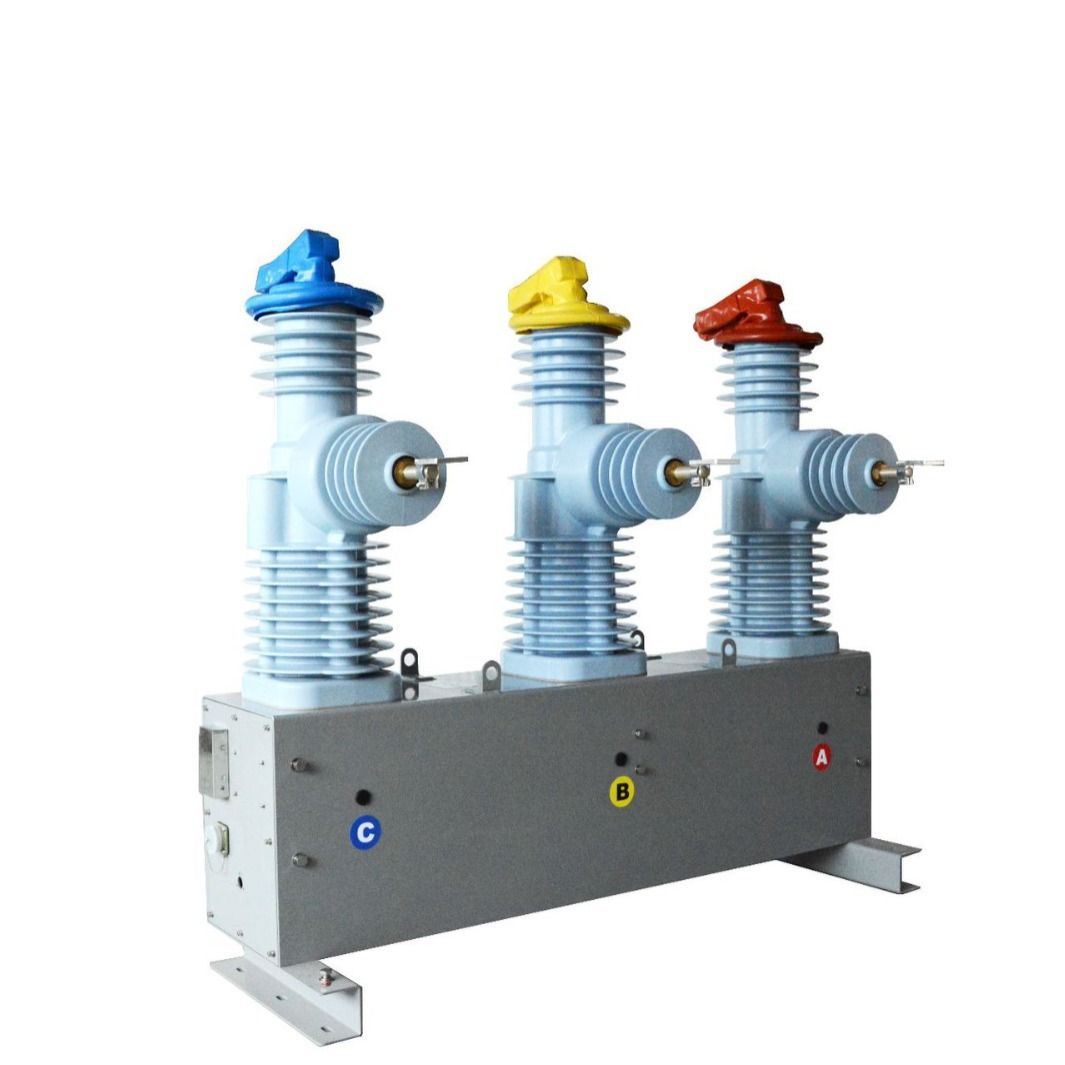
When looking at a 33kV auto recloser, you want clear, useful info. This guide gives you an idea of what to look for in a medium voltage auto recloser. It's for utility engineers, operations managers, and field technicians in the U.S. who need help choosing the right device.
The article talks about the key benefits of reclosers. They automatically fix faults and cut down on outages. This means better service for customers and safer crews. You'll learn how features like adaptive protection and arc fault mitigation save money and improve safety.
When you're shopping, you'll see names like Schneider Electric, ABB, Siemens, Eaton, and Schweitzer Engineering Laboratories (SEL). We'll compare their reclosers to help you choose the best one for your needs. This includes looking at their features, installation, controls, and how they meet standards.
Keep reading for a detailed guide. It's written in a friendly way, with technical info and clear steps. It's all about picking, setting up, and keeping a distribution grid recloser running smoothly in your system.
Key Takeaways
33kV auto recloser restores service quickly by automatically interrupting and reclosing after transient faults.
Important 33 kV recloser features include adaptive protection, communications, and arc mitigation for safety.
Integration with SCADA/DMS and vendors like Schneider Electric, ABB, Siemens, Eaton, and SEL simplifies operations.
Medium voltage auto recloser use reduces customer outages and lowers lifecycle costs on feeders.
Evaluate communications, protection curves, and installation needs to verify ROI for your network.
Understanding what a 33kV auto recloser does on your distribution network
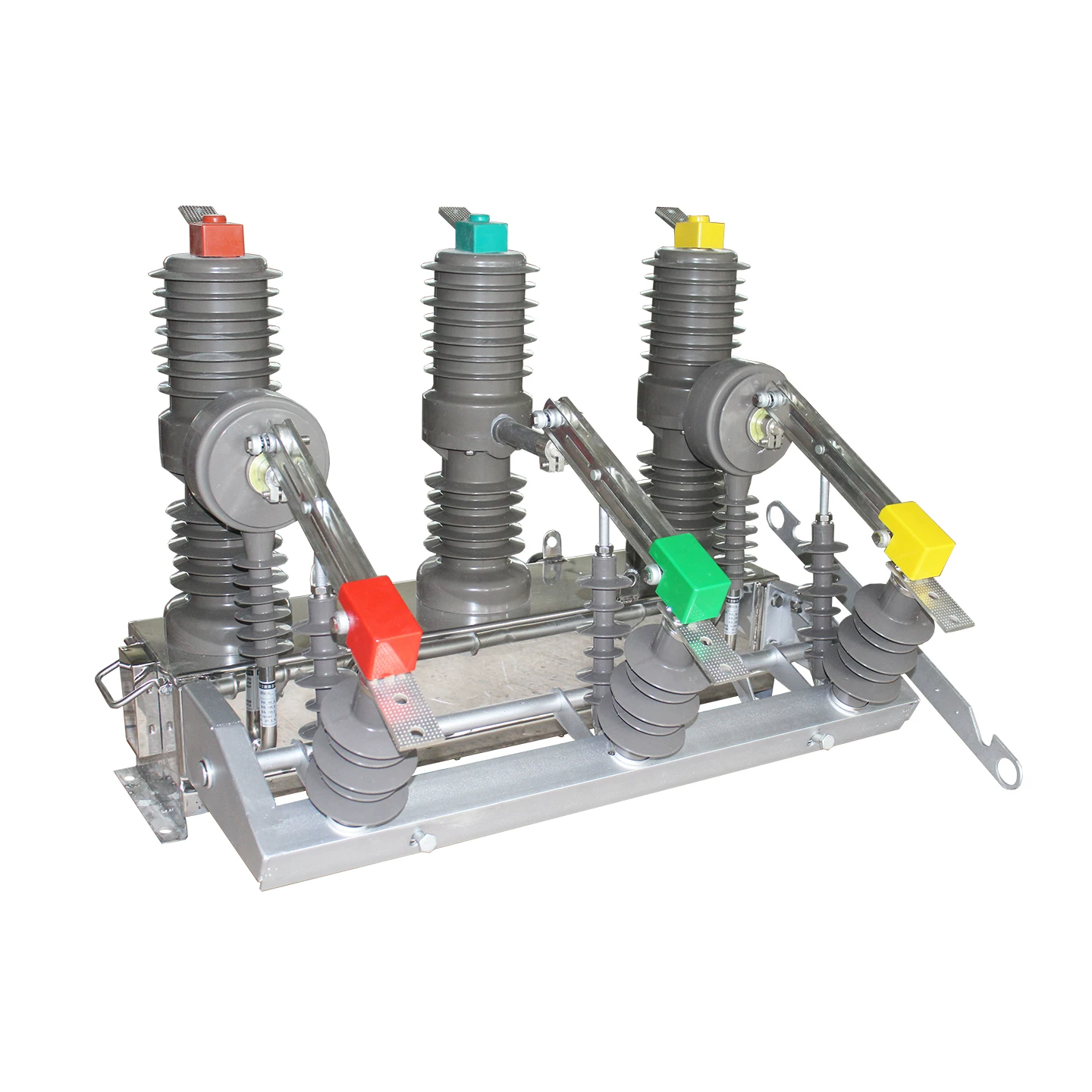
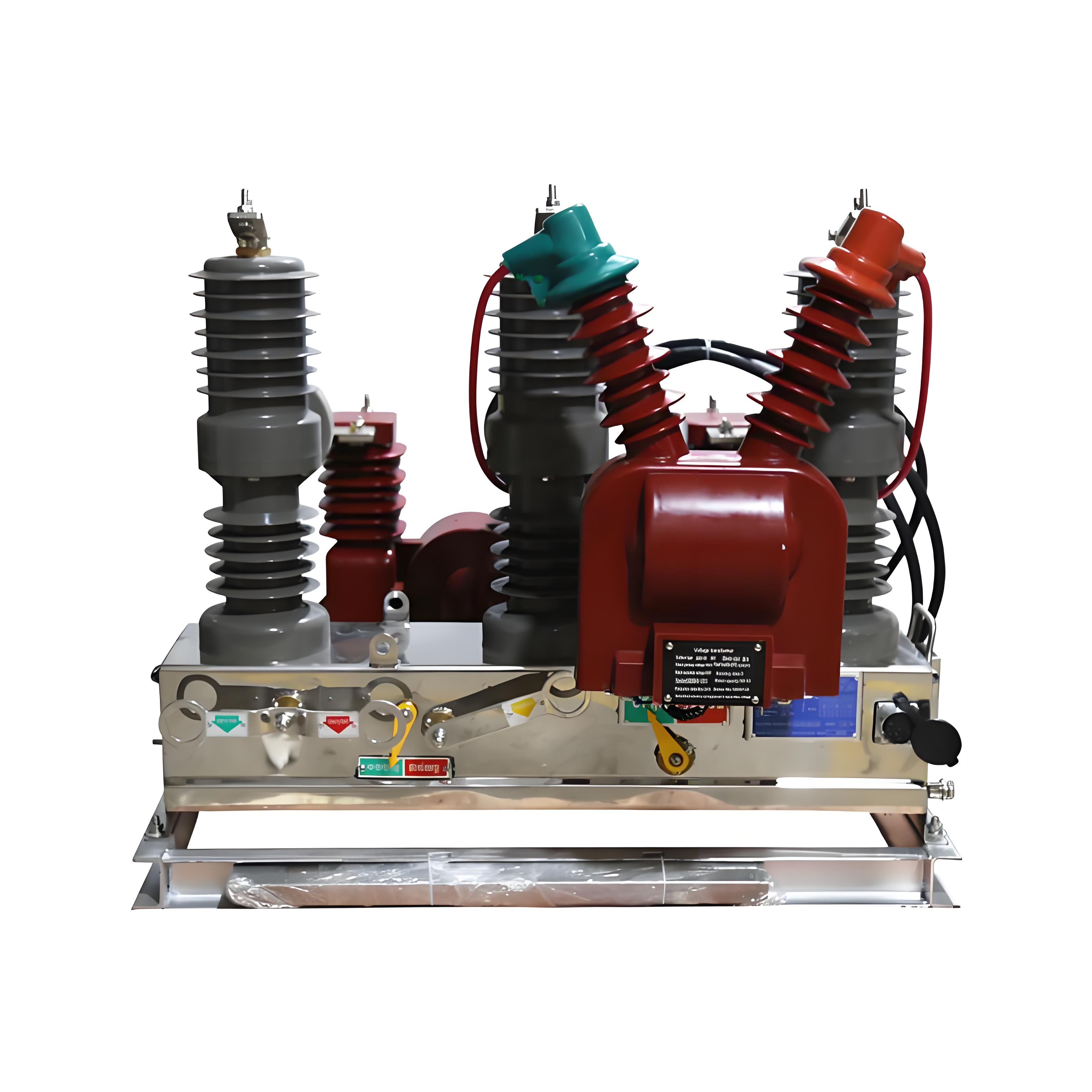
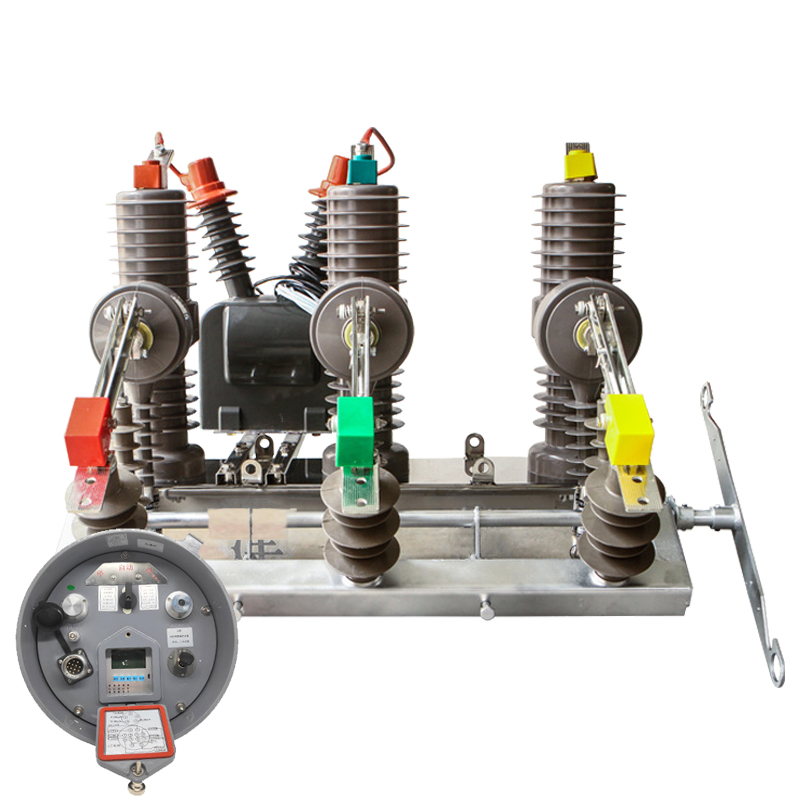
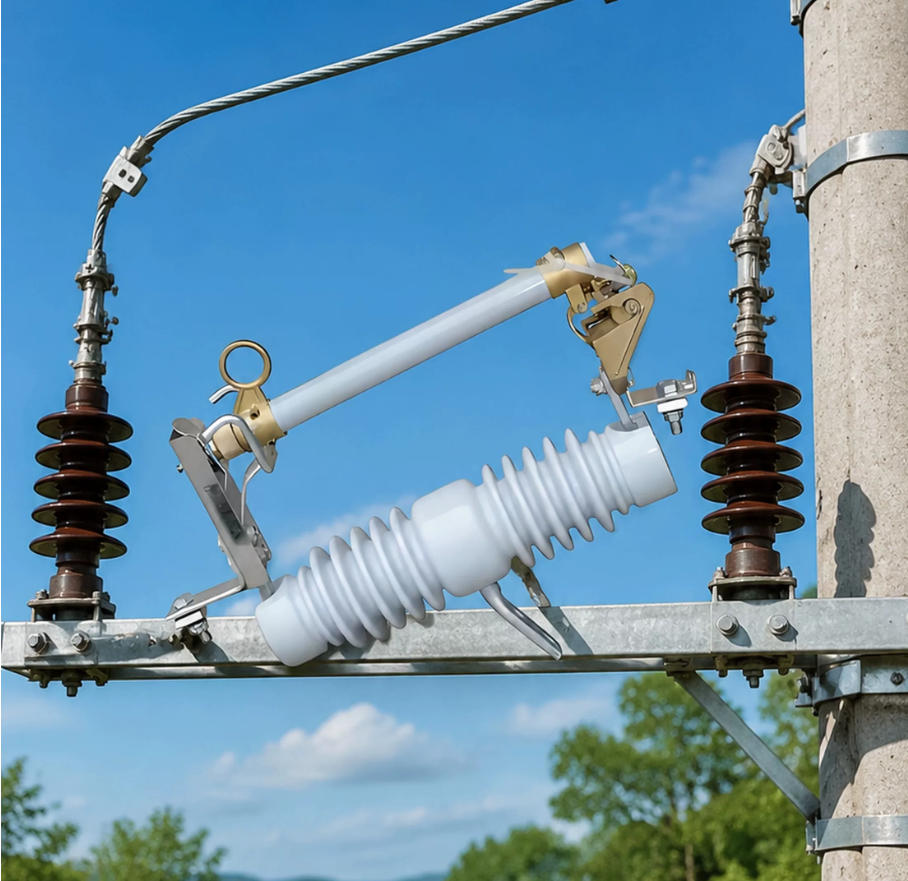
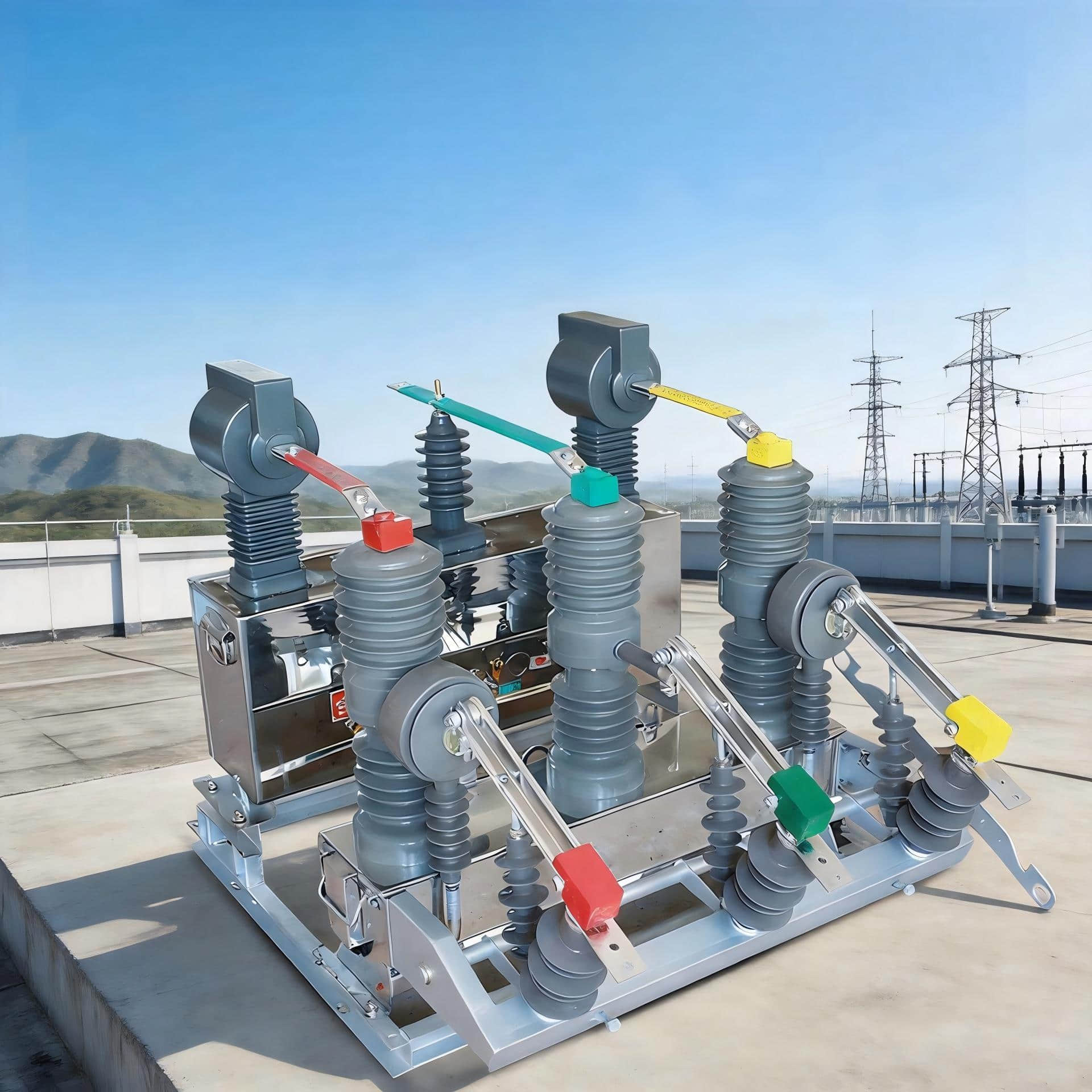
A 33kV auto recloser is a device that helps limit power outages. It works by sensing faults and automatically switching off and on to fix them. You can find them mounted on poles, pads, or in indoor cabinets, depending on where they're needed.
Basic function and role in distribution grids
Reclosers play a key role in keeping power on by catching short-term faults. These faults can be caused by lightning or tree branches touching power lines. When a fault is detected, the recloser cuts off power and then turns it back on after a short time.
If the fault is gone, power is restored without needing a person to do it. Working with other devices, reclosers help isolate faults, reducing the area affected by outages.
How it differs from breakers and sectionalizers
Reclosers are designed for frequent use in the field. Breakers, on the other hand, handle bigger faults and are used at substations. They don't cycle as often as reclosers.
Sectionalizers don't interrupt power but count interruptions from upstream devices. They open when there's no current. Reclosers interrupt and then close again, while sectionalizers rely on upstream devices to operate.
Typical installation locations and system impact
Reclosers are often placed in the middle of feeders or near critical loads. They're also used near power generation sites. Their placement helps restore power quickly and efficiently for more customers.
| Placement | Primary Benefit | Typical Use |
|---|---|---|
| Mid-feeder | Limits the outage radius | Restore service after transient faults |
| Feeder tie points | Flex for load transfers | Reconfiguration during faults or maintenance |
| Laterals to critical loads | Protect essential services | Hospitals, water treatment, and emergency systems |
| Near DG interconnections | Coordinate with generation protection | Maintain stability at distribution network boundaries |
By placing reclosers correctly, you can improve your power grid's reliability. This leads to better metrics like SAIDI/SAIFI. Working together, reclosers, breakers, and sectionalizers ensure outages are short and targeted. This approach supports modern power grid management and fault isolation.
Automatic fault detection and rapid reclosing capabilities
Devices that find faults quickly and fix them fast are crucial. Modern 33kV reclosers use current and voltage sensing to spot issues in milliseconds. This quick action and digital filtering help avoid false alarms from harmless spikes.
The system's ability to sample waveforms and check for overcurrent helps decide if a fault is temporary. If it is, the recloser follows a set sequence to restore power. This cuts down on outages and truck rolls for your utility.
How sensing shortens outages
Intelligent devices detect and act on temporary faults fast. They open in milliseconds, wait a bit, then try to close again. Many overhead line faults are brief, so this quick action often fixes the issue without needing a person.
Reclose sequences and timing
Reclose plans can be simple or complex. They usually have 0.5–3 seconds of wait time between tries and a longer pause after repeated failures. You can adjust the timing to fit your system and protect your equipment.
Adjustable reclosing times help coordinate with other devices. This ensures arcs have time to go out and prevents closing into a lasting fault. This approach improves handling of brief faults while keeping your equipment safe.
Selective tripping to limit impact
Selective tripping logic makes sure the closest device to a fault isolates it first. This is done through time-current curves, directional elements, and negative-sequence detection. Communication-assisted schemes like permissive and transfer trip further refine this process.
With selective tripping, you avoid unnecessary outages. This combination of selective logic and quick reclose sequence cuts down on service interruptions. It makes your distribution network more reliable.
| Feature | What it does | Benefit to your grid |
|---|---|---|
| Automatic fault detection | Uses current/voltage sensing and waveform sampling to spot faults | Fast identification of transient faults; fewer false trips |
| Reclose sequence | Programmable single to multi-shot attempts with dead times | Restores service after momentary faults; reduces outage duration |
| Reclosing times | Configurable dead-time, short-time, and long-time delays | Coordinates with upstream devices; protects equipment |
| Selective tripping | Time-current curves, directional elements, and comms-assisted schemes | Limits outages to the nearest device; fewer customers impacted |
| Transient fault handling | Digital filtering and arc settling intervals | Improves successful recloses and reduces unnecessary lockouts |
Enhanced grid reliability with adaptive protection settings
Smart protection keeps your feeders stable as conditions change. Adaptive protection adjusts relay behavior when load, topology, or fault contribution shifts. You get fewer nuisance trips and clearer fault discrimination without manual intervention.
Adaptive protection concepts for varying load conditions
Adaptive protection uses algorithms to change pickup thresholds, time delays, and reclosing logic as your network moves through peak and off-peak states. Relays and reclosers that support dynamic relay settings can tighten sensitivity during light load and add margin during heavy load to avoid false operations.
These schemes monitor topology and fault currents. They react when parts of a feeder are isolated for maintenance. The result is reduced service interruptions and faster fault isolation.
Remote setting adjustments and coordination with SCADA
You can push protection curves and firmware from the control room through SCADA coordination. Remote setting adjustments let you tune devices during switching operations so selectivity stays intact. Real-time visibility helps you spot coordination gaps before they cause outages.
Secure access, authentication, and role-based control are essential when you enable remote provisioning. Good cybersecurity practices protect your adaptive protection changes and prevent unauthorized overrides.
Benefits for rural and urban distribution scenarios
Rural feeders benefit from adaptive protection because long radial lines face wide fault current swings. Tuning dynamic relay settings helps pinpoint faults and improves rural feeder reliability by limiting the number of customers affected.
Urban distribution protection gains from fast, coordinated action where loads are dense and lateral ties are common. Adaptive schemes reduce the chance of cascading outages and keep service continuity for critical customers.
Across both environments, adaptive protection combined with SCADA coordination lowers the number of sustained outages, streamlines maintenance planning, and gives operators more flexibility during unplanned events.
Communication interfaces and remote monitoring features
Modern communication protocols make control clearer and faster. Utilities often choose devices that fit their networks. This ensures smooth communication with substation systems and field SCADA.
Common protocols: IEC 61850, DNP3, Modbus
IEC 61850 reclosers offer a standardized data model. They use fast GOOSE messaging for quick control. This is great for networks needing low-latency control.
DNP3 reclosers are common in North America for reliable SCADA. They are best when you need resilience and an accurate sequence of events.
Modbus support is useful for connecting older assets. Many devices can handle multiple protocols. This means one recloser can work with IEC 61850, DNP3, or Modbus.
Benefits of real-time telemetry and event logging
Telemetry streams give you real-time insights into feeder health. You get live data on voltage, current, and more.
Event logs capture important data for fault analysis. They include a sequence of events and waveforms. This makes investigating faults faster and more accurate.
Real-time alarms and alerts help dispatch crews quickly. A remote monitoring recloser sends notifications. This shortens outages and keeps crews efficient.
Integration with distribution management systems
DMS integration combines feeder telemetry with outage management. It enables centralized fault location and auto-restoration. This makes crew dispatch smarter.
Advanced setups use ADMS for Volt/Var control and DER coordination. The recloser enforces protection settings. This improves operator awareness across multiple feeders and substations.
| Feature | What it provides | Typical protocol |
|---|---|---|
| Fast protection signaling | Millisecond-level trip and close commands for critical faults | IEC 61850 (GOOSE) |
| SCADA interoperability | Time-stamped data and robust polling for wide-area control | DNP3 |
| Legacy device access | Simple read/write register mapping for older RTUs and PLCs | Modbus |
| Event and waveform capture | SOE and oscillography for fault diagnostics and compliance | IEC 61850 / DNP3 |
| Remote diagnostics | Health reports, firmware updates, and condition alerts | IEC 61850 recloser, DNP3 recloser |
| Outage automation | Automated switching and crew dispatch via integrated platforms | DMS integration |
| Field compatibility | Gateway support for mixed-protocol grids and phased upgrades | Multi-protocol (IEC 61850, DNP3, Modbus) |
Arc fault mitigation and safety enhancements
Modern distribution systems need fast, reliable protection. A safety recloser with arc fault detection features keeps crews and the public safe. These devices use waveform analysis and high-frequency sensing to improve response without harming normal operations.
How reclosers detect and respond to arc faults
Reclosers use waveform-based algorithms and oscillography to spot arcing. They check for second-harmonic, high-frequency components, and pattern recognition. Specialized arc sensors feed relays that can issue faster clearing commands or block reclosing when an arc signature appears.
When the relay sees a consistent arc pattern, it can trip and hold open. This stops repeated energizing of a hazardous fault. It reduces the number of arc events that need manual intervention.
Personnel and equipment safety improvements
Preventing repeated recloses on arcing faults reduces risk to line workers and the public. It lowers the chance of burns, blast injuries, and equipment damage. Better isolation and sectionalizing also shrink energized work zones and simplify switching procedures for crews.
These protections work with PPE and safe work rules under NFPA 70E. When arc flash mitigation is built into a safety recloser, you can document safer switching steps. Field crews can follow established lockout/tagout routines without added exposure.
Standards and compliance considerations
Choose reclosers and relay packages with manufacturer test data and third-party certification. Look for IEEE arc protection performance. Consider IEEE 1228 and IEEE 1695 families for recloser testing, ANSI C37 series for switching devices, and NFPA 70E for worker electrical safety.
Document protection settings, safety interlocks, and test results as part of commissioning and site procedures. This documentation supports compliance, helps with audits, and clarifies when to disable or adjust arc fault detection recloser features during maintenance or system changes.
Energy efficiency and loss reduction benefits
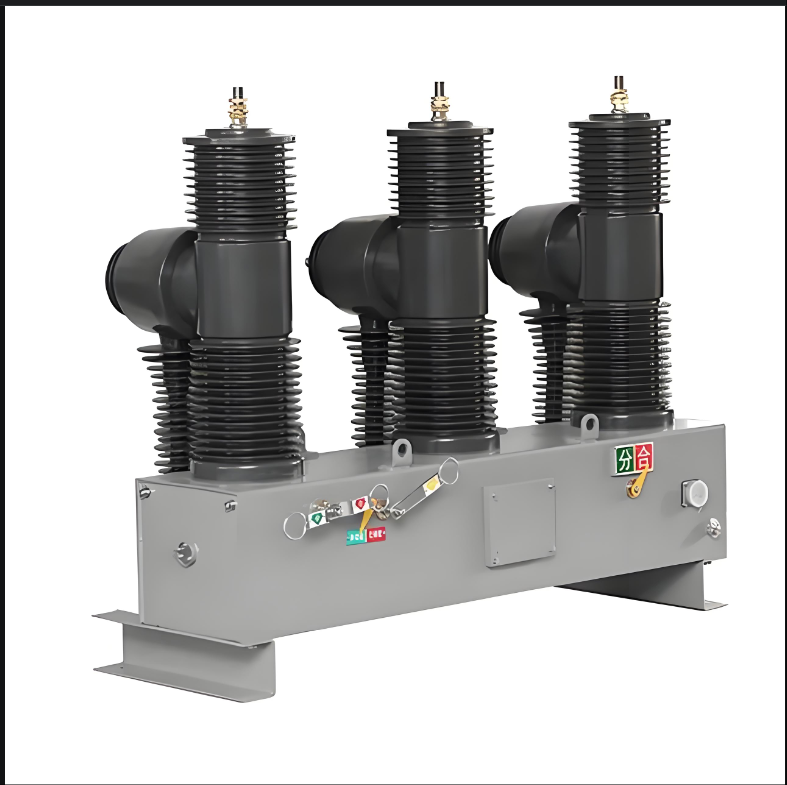
You want to see your uptime go up and energy waste go down. A modern auto recloser can fix a feeder in seconds after a fault. This is much faster than waiting hours for a crew to arrive.
This quick fix means customers lose fewer minutes of service. It also means less energy is wasted during outages.
Automatic reclosing means less energy waste when loads try to start up again. Utilities see this as a win because it means fewer power quality and delivery issues.
Staged reclosing and smart inrush filtering protect big equipment from damage. This makes your assets last longer by reducing stress and wear.
With fewer faults and less need for crews to roll out, you save money. You also avoid unplanned downtime and can plan for replacements better.
These changes help your reliability numbers. Faster fixes and shorter outages improve your SAIDI and SAIFI scores.
Good SAIDI SAIFI scores mean you avoid penalties and make customers happier. You also use your assets better and save on outage-related costs. Plus, you get indirect energy savings that are easy to track over time.
Durability and design features for harsh environments
Choosing a 33kV recloser for outdoor use means durability is key. A rugged design helps it handle salt spray, ice, and heat. Weatherproof parts and insulation ensure it works well in different U.S. climates.
Make sure your recloser matches the environmental protection you need. Look for an IP rating or NEMA-equivalent housing. Insulation systems use SF6-free or vacuum interrupters to protect against sun damage.
Tests for salt-fog, ice, and heat make it better for coastal, northern, and southern areas. Surge arresters and lightning protection also help avoid damage to controls.
Material and mechanical design for longevity
Choosing the right materials is important. Corrosion-resistant alloys and stainless fasteners prevent seizing and corrosion. Reinforced enclosures protect electronics from the elements.
Mechanical operation cycles are crucial. Strong motor drives or spring mechanisms ensure reliable performance. Fail-safe positions keep crews and loads safe if power fails.
Maintenance intervals and lifecycle expectations
Regular MV recloser maintenance is vital. Tasks include annual inspections, mechanical checks, and firmware updates. Condition-based monitoring can extend maintenance intervals.
A recloser can last 20+ years with proper care. Replace parts on schedule to avoid outages. Timely maintenance and part swaps keep it running well.
| Feature | What to look for | Benefit |
|---|---|---|
| Enclosure protection | IP rating recloser ≥ IP65 or NEMA 4X; UV-stable polymer | Keeps moisture and dust out; resists sun damage |
| Interruption technology | SF6-free or vacuum interrupters | Lower environmental risk; reliable fault clearing |
| Corrosion resistance | Stainless fasteners, plated hardware, polymer hinges | Reduces seizure and maintenance in coastal areas |
| Mechanical rating | High operation cycle count; robust motor or spring drive | Extends recloser lifecycle; predictable operation |
| Surge protection | Integrated surge arresters, transient suppression for controls | Protects electronics; reduces lightning-related failures |
| Maintenance strategy | Condition-based diagnostics plus annual inspections | Optimizes MV recloser maintenance and lowers downtime |
| Expected service life | 20+ years with proper care | Long-term asset value when paired with routine maintenance |
Advanced protection algorithms and fault classification
Modern reclosers use smart logic for protection. They check current and voltage waveforms at high speeds. This helps figure out if a problem is just a blink or a real fault.
Waveform analysis and discerning transient vs permanent faults
Protection devices use special techniques to identify fault types. They look at waveforms, check for harmonics, and detect inrush. This way, they can tell if a fault is temporary or permanent.
Fault location assistance and sectionalizing support
When a fault happens, reclosers help find where it is. They use different methods to locate the fault. This way, you can fix only the affected part, saving time and effort.
Customization of protection curves for your system
You can adjust protection curves to fit your system. This means you can change how they react to different situations. Companies like SEL and ABB offer tools to help with this.
Ease of installation and commissioning advantages
You want a recloser installation that saves time and cuts risk. Modern devices come with preconfigured relays and tested assemblies. This lets you work faster on-site. A plug-and-play recloser can reduce field hours and lower the chance of setting errors during commissioning.
Pre-configured settings and factory integration
Companies like ABB and Schneider Electric offer factory default templates for common feeder types. These templates speed up commissioning by providing tested protection curves and communications profiles. You can choose units with relays and communications pre-wired, making the commissioning phase mostly verification.
Tooling, mounting, and connection considerations
Plan for pole-mount brackets, pad foundations, and clearances that meet ANSI/IEEE standards. Use proper HV cable termination practices and follow vendor manuals for CT and PT hook-ups. Make sure fiber or twisted-pair runs, auxiliary power feeds, and equipment grounding are ready before energizing.
Include lightning protection and secure access routes for routine maintenance. Proper mechanical bolting and torque checks prevent issues that might delay recloser installation or require repeat visits.
Training and support for field crews
Invest in field crew training that covers protection settings, troubleshooting, and routine maintenance. Vendor courses from Siemens or GE Grid Solutions offer hands-on sessions and reference materials. During initial energization, arrange live remote support to validate SCADA links and confirm successful commissioning steps.
Provide crews with test procedures, mobile apps, and quick-reference guides to shorten learning curves. Ongoing field crew training reduces errors and helps your team make the most of preconfigured relays and plug-and-play recloser benefits.
Cost considerations and return on investment
Before you choose equipment, you need to know the costs and benefits. Look at the device cost, installation, communications, and maintenance. This helps you see how the spending compares to the future gains.
Initial purchase vs long-term operational savings
The initial cost includes the recloser, controls, and warranties. Installation and commissioning add to this with labor and SCADA setup. Communications and maintenance costs are also important.
On the savings side, fewer truck rolls save on labor and fuel. Shorter outages mean less penalty and fewer complaints. Assets last longer, and manual switching is needed less often, saving money.
Reduced outage penalties and improved customer satisfaction
Quick automatic restoration means less downtime for businesses. This reduces penalties and boosts customer satisfaction. It helps keep business customers happy by ensuring they have power when they need it.
Lower SAIDI and SAIFI numbers help in tariff negotiations. This leads to financial benefits over time. It makes the case for using reclosers stronger for utilities.
Case examples of ROI in similar US utilities
Many utilities and cooperatives saw fewer outages after using smart reclosers. They reported less downtime and fewer truck rolls for faults. This shows a good return on investment compared to old methods.
Look for case studies from ABB, Schneider Electric, Eaton, and SEL. Compare different feeders and conditions in a pilot. A small test can confirm expected savings before a full rollout.
| Cost Element | Typical Range (USD) | Key Impact on ROI |
|---|---|---|
| Device capital cost | $12,000 - $45,000 | Primary upfront expense; influences payback period |
| Installation & commissioning | $4,000 - $18,000 | Field labor and SCADA integration; short-term project cost |
| Communications | $1,000 - $8,000 + subscriptions | Enables remote control and telemetry; affects long-term benefits |
| Ongoing maintenance | $300 - $1,500 per year | Routine inspections and firmware updates; low relative cost |
| Operational savings (per feeder) | $8,000 - $60,000 annually | Fewer truck rolls, avoided penalties, reduced outage minutes |
| Estimated payback period | 1.5 - 6 years | Depends on fault frequency, load criticality, and incentives |
Compatibility with renewable integration and microgrids
Adding solar, wind, or battery systems to a feeder requires protection updates. Modern reclosers can handle bidirectional flows and manage faults. This is crucial for integrating renewables and ensuring smooth operations for utilities and DER owners.
How reclosers support distributed generation interconnection
Reclosers with adaptive protection can manage fault currents from rooftop PV or small wind turbines. They use directional sensing and adjustable curves to avoid miscoordination. You can program a DER interconnection recloser to curtail DER output or isolate a segment during persistent faults.
Islanded mode and coordinated protection strategies
In scenarios where a microgrid separates from the main grid, boundary reclosers are key. They work with battery inverters and inverter ride-through settings to preserve selectivity. Proper islanding coordination uses communications and adaptive logic for smooth transitions between grid-connected and islanded modes.
Enhancing grid resilience with renewables on the feeder
Intelligent reclosers enable sustaining service to critical loads while faults are isolated. This leads to faster restoration and local generation support when storage and renewables are available. For best outcomes, validate protection settings and operational sequences with inverter manufacturers and DER owners to align microgrid protection and operational goals.
| Use Case | Recloser Role | Key Benefit |
|---|---|---|
| PV-rich feeder | Directional fault detection and adaptive curves | Reduced nuisance trips and safe DER interconnection |
| Community microgrid | Boundary protection and mode transition control | Seamless islanding coordination and restored service |
| Feeder with battery storage | Coordination with inverter ride-through and curtailment | Maintained selectivity during islanded operation |
| Emergency sectionalizing | Fast isolation of faulted segments | Prioritized supply to critical customers |
Compliance, testing, and certification standards
Reclosers must follow strict rules to ensure they work safely and reliably. This means aligning with industry standards and utility specifications. This ensures that equipment, testing, and documentation meet manufacturer and regulatory expectations.
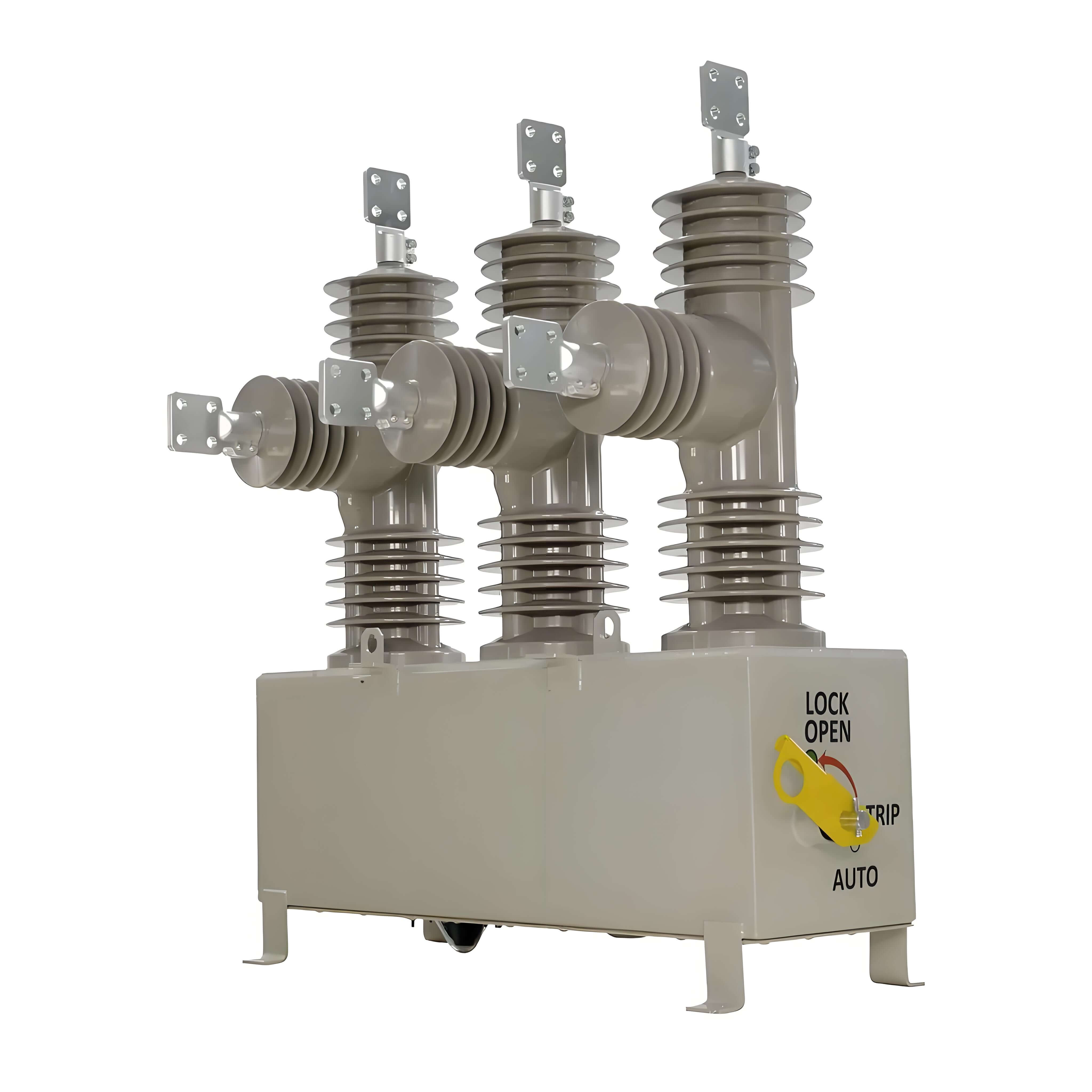
Relevant North American and international standards
Start with ANSI and IEEE guidelines for electrical safety and performance. ANSI C37 series sets a base for fielded equipment. IEEE standards are key for setting relays and protection curves.
NFPA 70 and NFPA 70E protect workers during installation and maintenance. For global use, follow IEC recloser standards. IEC 61850 is key for modern protection devices' data models and messaging.
NEMA and UL ratings are important for enclosures and environmental exposure. NERC reliability standards apply if your system is under regional compliance.
Factory acceptance testing and site commissioning checks
Plan a detailed factory acceptance test for reclosers before they ship. This should include checking protection logic, communications, relay settings, and a physical inspection.
Use a commissioning checklist for on-site verification. This includes secondary injection tests, CT/PT ratio checks, and primary current checks. Also, validate device timing, protection coordination, and SCADA/DMS connectivity.
Keep waveforms, sequence-of-events (SOE) files, and test logs. These records help with troubleshooting and validating device performance after changes.
Documentation and recordkeeping best practices
Organize your documentation in a way you can trust. Keep as-built drawings, settings sheets, and protection coordination studies together. Also, store relay configuration files, FAT/SAT reports, and maintenance history in a controlled place.
Use version control for relay firmware and settings. Store critical records securely off-site. Keep original test files, waveforms, and SOE captures for audits. Schedule audits to check adherence to standards and capture changes.
| Item | Purpose | Typical Deliverable |
|---|---|---|
| ANSI C37 and IEEE | Define electrical and switching performance | Compliance matrix, test reports |
| IEC 61850 | Standardize communications and data models | MMS/GOOSE configuration files, protocol tests |
| Factory Acceptance Test Recloser | Verify functionality before shipment | FAT report, signed checklists, waveform captures |
| Commissioning checklist | Guide on-site validation and integration | Completed checklist, SAT report, SCADA logs |
| Documentation set | Provide traceability and future support | As-built drawings, relay configs, maintenance log |
| Records retention | Support audits and post-event analysis | Archived waveforms, SOE files, firmware versions |
Conclusion
A 33kV auto recloser is key for today's power systems. It automatically fixes faults and quickly reconnects to reduce outages. It also protects your equipment well.
It works with advanced protection systems and analyzes waveforms. This means better fault detection and feeder sectioning.
The benefits of a recloser include working with SCADA systems. This is from companies like ABB and Schneider Electric. It lets you watch events, change settings online, and work with energy sources and microgrids.
To use a recloser well, first check if it fits your feeder. Ask for data sheets and success stories from vendors. Then, test it fully during setup.
Collaborate with your team and stakeholders. This ensures your system runs smoothly and reliably.
A 33kV auto recloser is a device that automatically switches off and on to fix faults. It's like a smart switch that tries to fix problems itself. It's good because it cuts down on long power outages and makes your system more reliable. Reclosers are made for quick fixes in the field. They're not just for starting or stopping power. Sectionalizers just open when they get a signal from a breaker. But reclosers can both fix faults and then turn back on, making your system safer. There are different ways reclosers can work to fix faults fast. They can try a few times to turn back on, with a short pause each time. This way, they can fix small problems quickly, saving you from long power outages. Yes, modern reclosers can talk to SCADA and DMS systems. This lets you control and check them from far away. You can change settings, see how they're doing, and get help when you need it. Adaptive protection changes how the recloser works based on what's happening. It can adjust to different loads and conditions. This means it can work better in busy areas and during changes. Look for IEC 61850, DNP3, and Modbus. These let the recloser talk to other systems. This way, you can make sure everything works together smoothly. Reclosers use special sensors to find arc faults. They can stop the recloser from turning back on to keep things safe. This helps prevent damage and keeps people safe. Reclosers need to be tough for the weather. Look for ones that can handle salt, ice, and heat. They should also have good protection against lightning and surges. Reclosers need regular checks and maintenance. With good care, they can last over 20 years. But how long they last depends on how much they're used and the weather. Reclosers can tell the difference between small problems and big ones. They use special tools to figure this out. This means they can fix small problems fast and avoid wasting time. FAT checks if everything works as it should. SAT makes sure it works right in your place. You need to test everything and make sure it's all set up right. Reclosers need to work with new energy systems. They should be able to handle power going both ways and know when to stop. This is important for keeping the power flowing smoothly. The cost of reclosers includes the device itself, setting it up, and keeping it running. The savings come from fewer power outages and longer life for your equipment. You can see how much you'll save by trying one out first. Companies like Schneider Electric, ABB, Siemens, Eaton, and SEL are popular. They offer reclosers that meet U.S. standards. Look at what each one offers to find the best fit for you. Reclosers need to follow U.S. safety and protection rules. They should meet standards for safety, power systems, and communication. Make sure they're up to code and safe to use. Reclosers fix problems fast, which saves energy and reduces wear on equipment. They can also adjust how they work to protect your system. This means your equipment lasts longer and works better. Manufacturers should teach you how to use and maintain the reclosers. They should also help with setting them up and getting them working right. This includes hands-on training and help when you need it. Keep detailed records of how your reclosers are set up and how they work. Use version control for updates and keep important documents safe. This helps with audits and fixing problems later. Yes, many reclosers come ready to go. They're set up in the factory and tested. This makes setting them up faster and easier, but you still need to check they're right for your system.FAQ
What is a 33kV auto recloser, and why should you consider one for your feeder?
How does a recloser differ from a circuit breaker or a sectionalizer?
What protection and reclosing schemes are typical, and how do they reduce outage time?
Can reclosers coordinate with SCADA and DMS systems for remote control and monitoring?
How do adaptive protection settings improve performance under varying load conditions?
What communication protocols should you look for when specifying a recloser?
How do reclosers detect and respond to arc faults to protect personnel and equipment?
What environmental and mechanical design features matter for harsh U.S. climates?
How often should you perform maintenance, and what lifecycle can you expect?
How do advanced fault classification and waveform analysis help in restoration?
What is required during factory acceptance testing (FAT) and site commissioning (SAT)?
How do you handle compatibility with distributed generation and microgrids?
What are the main cost drivers, and how do you estimate ROI?
Which vendors and protection controllers are commonly used in the U.S. market?
What standards and certifications should reclosers meet for U.S. deployments?
How do reclosers improve energy efficiency and reduce wear on downstream equipment?
What training and support should you expect from manufacturers?
How do you document and maintain protection settings and records?
Can reclosers be pre-configured for plug-and-play installation to speed commissioning?