In the realm of robust and efficient power distribution, the oil-immersed transformer stands out as a foundational technology. As an industry leader, Weisho Electric understands that the decision to select this transformer type often hinges on its ability to perform under harsh operating conditions. Beyond simple reliability, their specialized design delivers five critical, long-term benefits that directly enhance system resilience and longevity. This deep dive will explore these key engineering advantages and demonstrate how they optimize electrical infrastructure.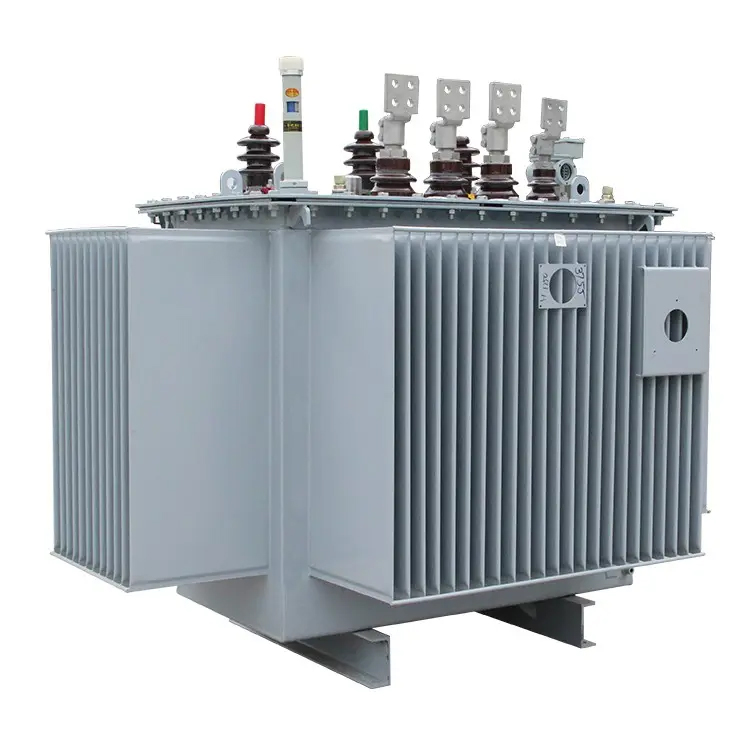
Key Engineering Advantages: Optimizing Performance in Harsh Settings
The specialized design of Weisho’s oil-immersed transformers translates into five critical advantages that ensure resilience and efficiency, particularly when deployed in demanding or high-load environments:
1. Superior Thermal Management & Longevity: The dielectric oil ensures highly efficient heat dissipation, allowing for consistent performance and an extended operational lifespan even under peak loads and high ambient temperatures.
2. Enhanced Insulation Integrity: Transformer oil acts as a powerful insulator, maintaining the dielectric strength required to prevent internal faults and ensuring unparalleled reliability against voltage surges or operational wear.
3. Robust Reliability Against Environmental Stress: Hermetically sealed tanks provide excellent protection against moisture, dust, and corrosive elements, significantly reducing the risk of short circuits and operational failures in humid or contaminated areas.
4. Optimized Total Cost of Ownership (TCO): Despite initial setup, these units offer lower long-term operating costs due to reduced maintenance requirements and superior energy efficiency compared to air-cooled alternatives.
5. Proven Scalability and Power Density: Their compact size relative to power capacity allows for higher power density and easier integration into large-scale electrical systems, providing superior power distribution efficiency.
What Are Oil-Immersed Transformers?
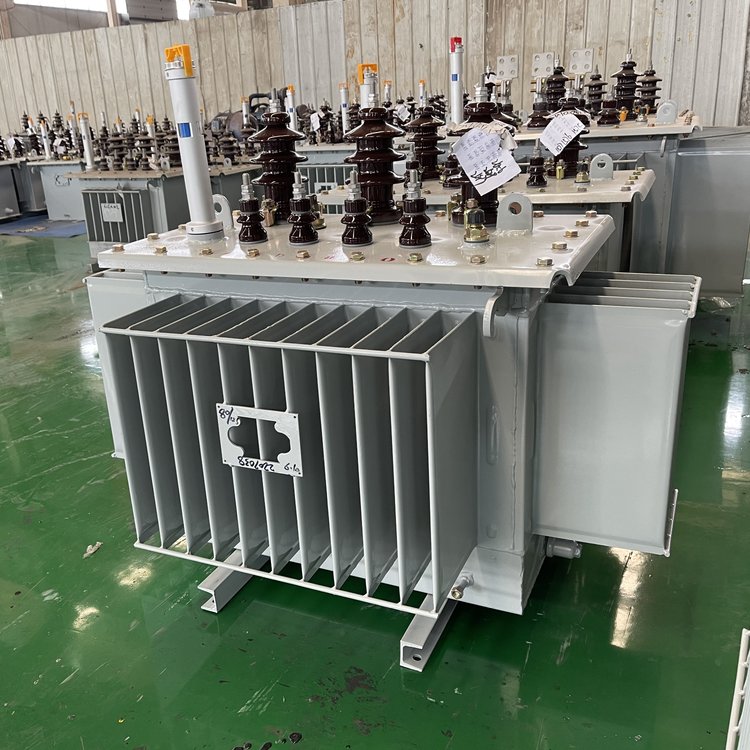
Oil-immersed transformers are a critical component in electrical infrastructure, distinguished by their design, which utilizes insulating fluid for both cooling and protection. Unlike dry-type units, these transformers immerse the core and windings within a fluid-filled tank. This method is crucial for handling the immense thermal load generated by high-voltage operations, ensuring consistent performance and extended operational lifespan.
The Role of Dielectric Fluid in Insulation and Cooling
The fluid—typically mineral oil or increasingly, high-performance synthetic oils—performs a dual, essential function:
1. Superior Cooling (Thermal Management): The oil absorbs heat generated by the windings and core, circulating it efficiently to the tank walls where it dissipates. This superior thermal management is paramount for preventing overheating and maintaining efficiency, particularly in high ambient temperature environments.
2. Enhanced Insulation Integrity (Dielectric Strength): The fluid acts as a powerful dielectric shield, preventing arcing, flashovers, and short circuits between the energized components. This robust insulation integrity is the core reason why oil-immersed units are renowned for their reliability and safety in managing high voltages.
Weisho Insight: While mineral oil is the industry standard due to its good dielectric strength and cost-efficiency, manufacturers are increasingly leveraging advanced synthetic oils (esters) for projects requiring superior fire safety, biodegradability, and enhanced thermal performance. Choosing the correct fluid is as vital as selecting the transformer itself.
| Oil Type | Thermal Stability | Chemical Stability | Dielectric Strength | Weisho Application Focus |
| Mineral Oil | Moderate | Good | High | Standard Industrial & Utility |
| Synthetic Oil | High | Excellent | Very High | Harsh/Critical Environments |
1. Superior Thermal Management for Longevity
The most fundamental advantage of oil-immersed transformers, crucial for operations in high-load and elevated ambient temperature settings, is their superior thermal management system.
Knowing how the dielectric fluid works is vital: the highly refined oil is not merely a component, but an active thermal medium that guarantees the transformer’s efficiency and operational lifespan.
How Oil Aids in Heat Dissipation
Unlike passive cooling methods, the transformer oil actively facilitates heat transfer through natural convection. As the oil absorbs the heat generated by the core and windings, it moves away from these energized parts and circulates toward the cooler tank walls and radiators. This continuous, systematic removal of thermal energy is key to maintaining a stable operating temperature. By keeping the internal components consistently below critical temperature thresholds, the oil significantly mitigates the risk of insulation degradation and premature equipment failure.
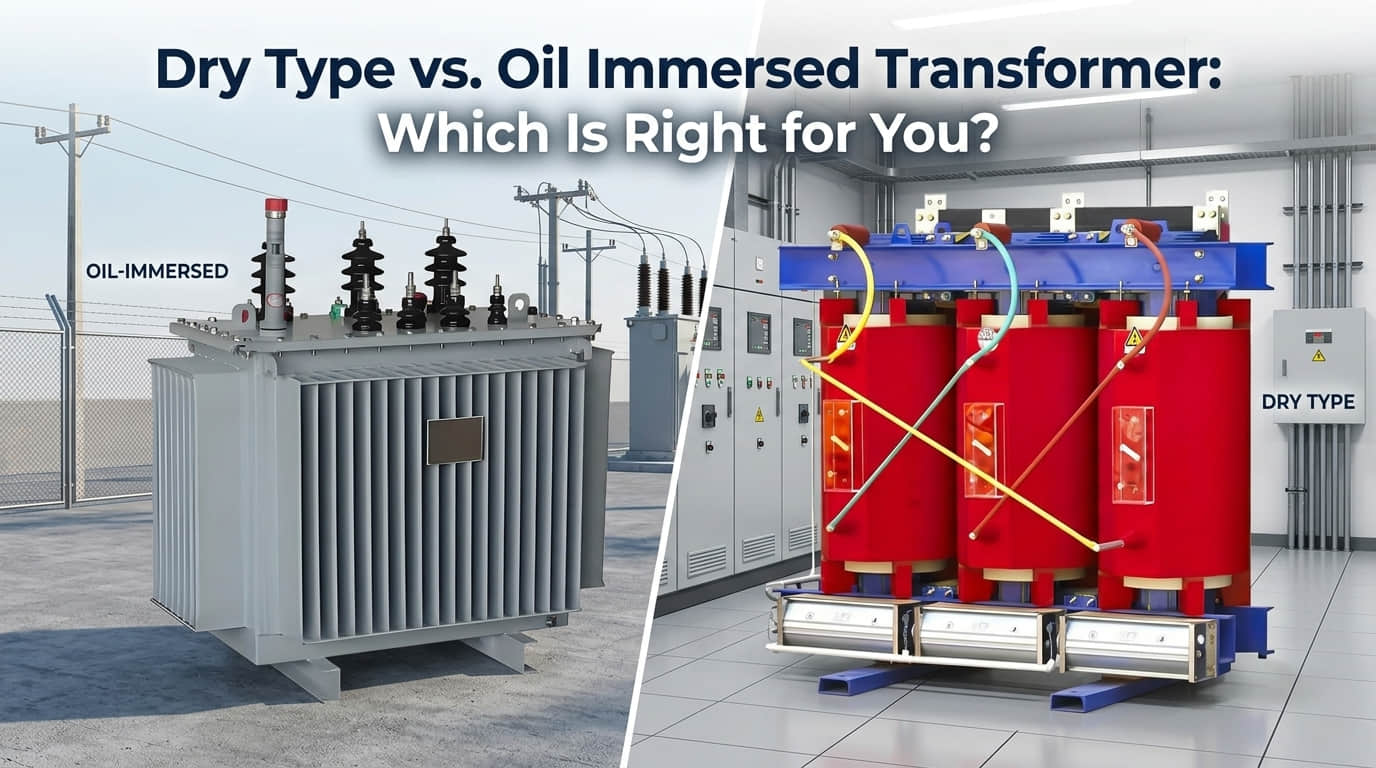
Comparison: Oil-Immersed vs. Dry-Type Cooling
For high-capacity and severe-duty applications, oil immersion is demonstrably superior to air-cooling. While dry-type transformers rely solely on air convection, their heat dissipation capacity is inherently limited, leading to higher operational temperatures and reduced power density.
| Feature | Oil-Immersed Transformers (Weisho) | Dry-Type Transformers |
| Primary Cooling Method | Dielectric Oil Convection/Circulation | Air Convection/Forced Air |
| Thermal Efficiency | Highest. Ideal for continuous high-load factors. | Moderate. Limited by ambient air temp. |
| Power Density | Higher. Compact design for greater power output. | Lower. Requires larger footprint for comparable capacity. |
In summary, this efficient heat exchange mechanism is what allows oil-immersed units to maintain operational stability and reliability where dry-type alternatives would suffer derating or failure.
2. Robust Durability and Extended Lifespan
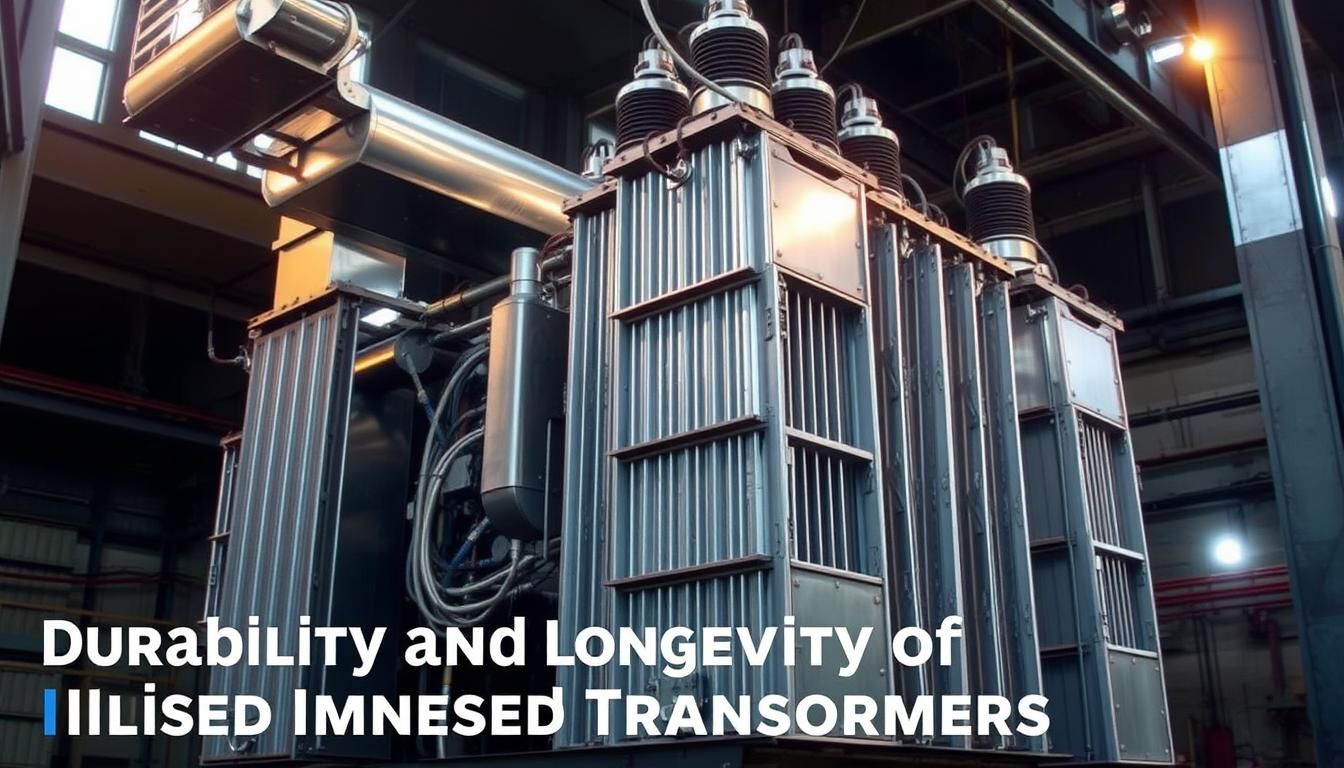
Oil-immersed transformers are engineered for exceptional durability, often achieving an operational lifespan exceeding 30 years when properly managed. This longevity is not accidental; it is a direct result of the design's inherent protection and a stringent maintenance protocol.
Design Factors Contributing to Longevity
The durability advantage begins with the specialized design:
Effective Insulation Protection: The dielectric oil serves as a continuous barrier, shielding the cellulose insulation of the windings from atmospheric contaminants like moisture and oxygen. Degradation of this solid insulation—the primary determinant of a transformer’s lifespan—is significantly slowed down by the constant presence of the fluid.
Thermal Stability Assurance: As discussed, the superior cooling capability prevents localized hot spots within the windings. Excessive heat is the number one enemy of electrical equipment longevity, as per the Arrhenius law, which dictates that every 10℃ rise in temperature can halve the insulation life.
Maintenance Best Practices for Sustained Reliability (Weisho Protocol)
To realize this 30+ year lifespan, rigorous monitoring and maintenance are crucial. Weisho’s field engineering protocols emphasize proactive condition assessment:
Routine Oil Quality Analysis: Regular testing of the oil's dielectric strength, moisture content, and acidity level is paramount. These tests, such as Dissolved Gas Analysis (DGA), provide the earliest indicator of potential internal faults (e.g., overheating or partial discharge) long before they become critical failures.
Temperature and Load Monitoring: Continuous monitoring of winding and top oil temperature is essential to ensure operation stays within safe thermal limits.
Sealing Integrity Checks: For hermetically sealed units, periodic checks confirm the tank's defense against the ingress of environmental contaminants, which is vital for use in harsh settings.
In essence, the oil-immersed design provides a naturally protected environment, while disciplined maintenance converts that protection into decades of reliable service.
3. Optimized Power Density and Energy Efficiency
Oil-immersed transformers are foundational to efficient power distribution primarily due to two interrelated factors: their high power density and their ability to minimize energy losses even when operating at or near full capacity.
High Load Capacity and Power Density
Unlike air-cooled units, the superior thermal management enabled by the dielectric oil allows the core and windings to be constructed in a more compact design without compromising thermal integrity. This results in optimized power density—meaning a physically smaller unit can handle a significantly higher power load. This is especially critical for utility providers and industrial facilities in dense urban environments where footprint is a constraint, ensuring consistent and reliable electricity supply even during peak demand periods.
Minimizing Energy Loss
Oil-immersed units inherently demonstrate low resistance losses, significantly enhancing the transformer's energy efficiency. Their effective design and superior cooling capabilities minimize the internal temperature rise that often leads to increased winding resistance and energy dissipation (I²R losses) in less efficient designs. This capability to maintain high efficiency under heavy and continuous loads contributes directly to a reduced total cost of ownership (TCO) over the unit's lifespan and supports the overall goal of sustainable, low-loss energy transmission.
Weisho’s engineering emphasis on optimized core-and-coil design ensures that our oil-immersed transformers meet or exceed modern energy efficiency standards, making them a cornerstone for reliable, high-capacity electrical grids.
4. Strategic Advantage in Total Cost of Ownership (TCO)
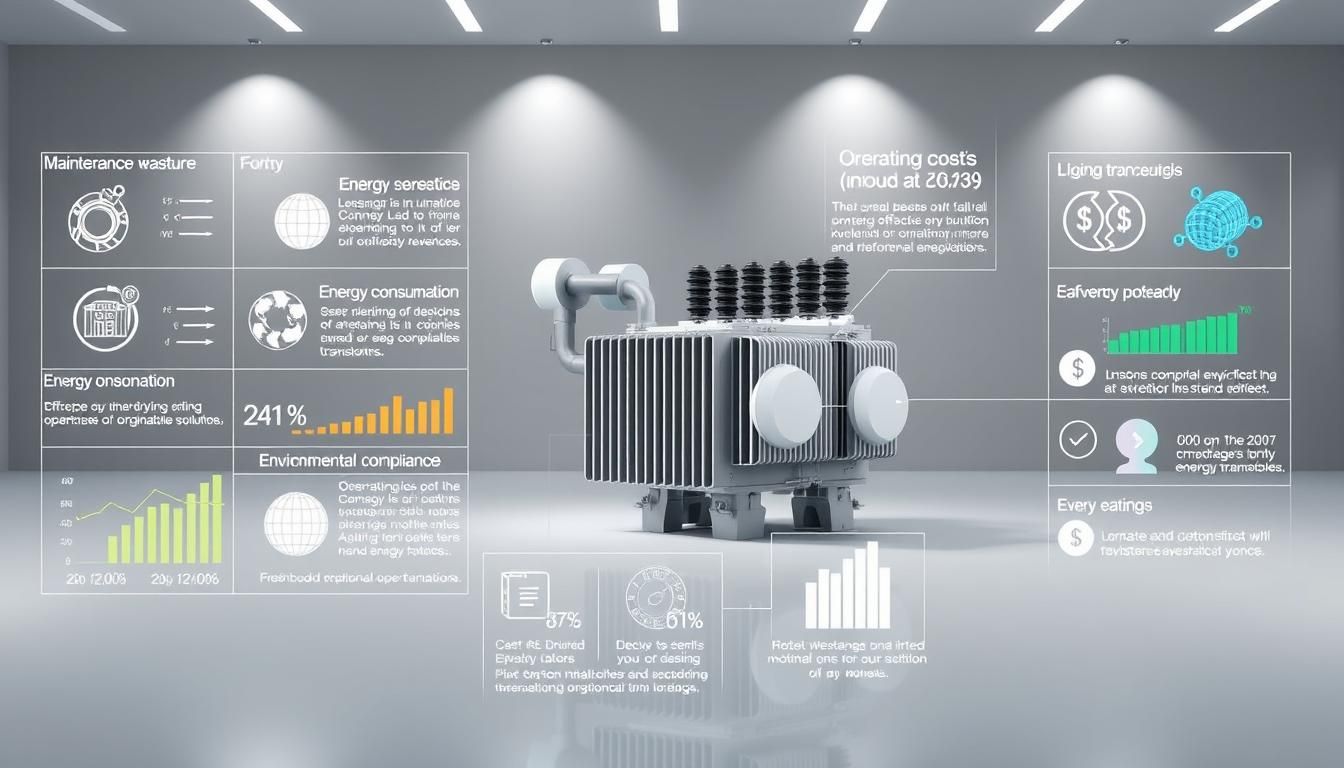
While the initial capital expenditure for oil-immersed transformers may be higher than certain alternatives, their economic viability becomes evident when analyzing the Total Cost of Ownership (TCO) over a 30-year lifecycle. Choosing these units represents a long-term strategic investment that delivers substantial savings through superior efficiency and minimized maintenance requirements.
Energy Efficiency and Operational Savings
The core of their low operating cost is their exceptional energy efficiency. As discussed (see Section 3), their design minimizes and eddy current losses by maintaining lower operating temperatures and optimizing core materials. This superior performance directly results in:
Reduced Utility Bills: Lower power loss means lower energy consumption throughout the transformer’s lifespan.
Minimized Upgrade Costs: Their natural ability to handle high and fluctuating loads often eliminates the need for costly system upgrades or premature replacements, resulting in a strong return on investment (ROI).
Longevity and Maintenance Economics
The extended durability of oil-immersed transformers significantly influences the TCO calculation. With less downtime and decades-long operational life (see Section 2), users benefit from:
Predictable and Lower Maintenance Costs: Maintenance focuses on proactive oil analysis (DGA) rather than reactive repairs, which is far more cost-effective.
Less Frequent Replacement Cycles: A typical service life exceeding 30 years greatly reduces capital expenditures associated with purchasing and installing new units.
Weisho is committed to engineering transformers whose long-term operational savings far outweigh the initial investment, making them the most economical choice for critical infrastructure projects.
5. Maximized Reliability and Failure Prevention
The final and most critical advantage, particularly for infrastructure deployed in electrically volatile, harsh environments, is the significantly reduced risk of internal failure and short circuits. This enhanced safety is a direct function of the dielectric fluid's properties.
Preventing Electrical Discharge and Arcing
The core protective mechanism lies in the oil’s high Dielectric Breakdown Voltage (). Acting as a primary and highly robust insulating medium, the oil effectively prevents electrical discharge and arcing between live components. During minor transient faults, the oil exhibits a natural self-healing behavior—filling micro-voids and restoring its insulating integrity after brief electrical stresses.
This inherent protection significantly reduces the likelihood of catastrophic failures, fire hazards, and the substantial repair costs associated with severe insulation breakdowns.
Reliability Comparison: Oil-Immersed vs. Dry-Type Transformers
Selecting the appropriate transformer type is a critical safety decision. While both oil-immersed and dry-type transformers meet modern safety standards, liquid-filled designs provide notable long-term reliability advantages — particularly when it comes to protection against environmental degradation.
| Aspect | Oil-Immersed Transformers (Weisho) | Air-Cooled Dry-Type Units |
|---|---|---|
| Primary Insulation | Dielectric Oil (High ) | Air & Solid Materials (Lower ) |
| Protection from Moisture/Dust | Hermetically Sealed (Excellent Protection) | Depends on Enclosure Rating (Higher Risk of Ingress) |
| Fault Isolation | Excellent — Oil absorbs and contains arc energy | Good — Requires specialized arc-resistant enclosure |
By leveraging the superior insulating and cooling capabilities of dielectric oil, Weisho ensures that your electrical system remains safe, stable, and continuously operational — providing unmatched long-term peace of mind.
Sustaining Performance: Environmental Stewardship
For contemporary industrial and utility projects, the conversation surrounding oil-immersed transformers extends beyond performance to sustainability and environmental responsibility. When managed correctly, these units align with modern environmental stewardship goals, primarily through their lifecycle management and material handling practices.
Responsible Fluid Management and Recycling
The key to the environmental benefit lies in responsible dielectric fluid management. Used transformer oil is a valuable resource that, through established practices, can be reprocessed and reused. This commitment to oil recycling significantly reduces the consumption of virgin resources and minimizes industrial waste.
Weisho Commitment (Trustworthiness): We uphold stringent internal protocols aligned with local and international environmental regulations for the handling and disposal of all spent fluids. This proactive approach helps prevent leaks and safeguards local ecosystems from contamination.
Condition-Based Maintenance: Employing advanced oil analysis (such as DGA, as mentioned earlier) extends the useful life of the oil itself, reducing the frequency of replacement and the overall environmental footprint of the transformer over its long lifespan.
| Practice | Description | Weisho’s Sustainability Impact |
| Routine Monitoring | Conducting routine checks on oil quality and tank integrity. | Prevents leakage, minimizing the risk of soil and water contamination. |
| Oil Reclamation | Reprocessing used dielectric fluid for industrial reuse. | Conserves virgin resources and promotes a circular economy model. |
| Proper Disposal | Adhering to certified processes for disposing of non-recyclable materials. | Ensures compliance and protects the environment from hazardous waste. |
By integrating these robust environmental practices with superior engineering, Weisho ensures our oil-immersed transformers offer both high performance and responsible operation.
Final Verdict: Beyond Benefits, Achieving Long-Term Value
The consistent, decades-long performance of oil-immersed transformers is not just a legacy—it is a result of calculated engineering advantages that directly address the core challenges of modern power distribution, particularly in harsh and high-demand environments.
As we have demonstrated, their value proposition is built upon a matrix of critical features:
Engineering Longevity: The superior Thermal Management and Robust Durability (Sections 1 & 2) ensure the asset delivers a service life of 30+ years, safeguarding your initial capital investment.
Economic Advantage: Optimized Power Density and maximized Energy Efficiency (Sections 3 & 4) guarantee the lowest Total Cost of Ownership (TCO) by minimizing operational losses and maintenance frequency.
Uncompromised Safety: The high Dielectric Breakdown Voltage of the fluid, paired with mandatory features like Pressure Relief Valves and advanced monitoring, delivers Maximized Reliability (Section 5), safeguarding both personnel and critical infrastructure against catastrophic failure.
Choosing a transformer is a commitment to your grid's future. Weisho Electric Co., Ltd. combines these fundamental engineering benefits with a commitment to Environmental Stewardship, providing units that are not only high-performing and safe but also align with global sustainability goals.
Ready to maximize the resilience and efficiency of your electrical infrastructure?
Contact the Weisho engineering team today for a tailored consultation on selecting the optimal oil-immersed transformer for your specific high-voltage application.

Adaptability Across High-Demand Applications
The superior engineering and inherent characteristics discussed—including robust cooling and high reliability—make the oil-immersed transformer the ideal solution for a vast spectrum of electrical demands, from large-scale utilities to specialized industrial facilities.
Targeting Critical Infrastructure
While suitable for steady residential power distribution, these units truly excel in critical and high-voltage industrial settings where performance stability is non-negotiable.
| Application Type | Key Technical Demand | Why Oil-Immersed Units Excel (Weisho Focus) |
| Data Centers | Non-stop high-load factor, zero downtime | Superior thermal management prevents overheating under continuous peak load. |
| Heavy Industry / Manufacturing | Resilience against load fluctuations and harsh environments | Robust durability and sealing ensure protection from dust, moisture, and vibration. |
| Renewable Energy Integration | Stability for large capacity, remote deployment | High power density and reliability reduce maintenance needs in remote substation locations. |
Case Studies of Successful Implementations (Weisho Experience)
Instead of generic claims, Weisho’s track record validates their application: For instance, our units were selected by a major regional utility for a critical substation upgrade, specifically for their low TCO and proven longevity in coastal, humid conditions. This focus on solving specific engineering challenges underscores their versatility far beyond standard commercial use.
Upholding Trust: Compliance with Global Standards
A key differentiator for reputable manufacturers is strict adherence to, and often the exceeding of, established electrical and safety standards. Compliance with industry standards ensures that the transformer is not only safe but also reliably interoperable within global electrical grids.
The Role of Certification (EEAT - Trustworthiness)
Groups like the IEEE (Institute of Electrical and Electronics Engineers) and the IEC (International Electrotechnical Commission) establish the rigorous criteria for performance, safety, and testing procedures. Certification means the transformer has undergone extensive verification tests to confirm its:
Insulation Integrity: Performance under voltage surges and thermal stress.
Load Performance: Capacity to operate efficiently under sustained loads.
Safety Features: Proper functionality of pressure relief and protection devices.
Weisho’s Commitment to Quality Assurance
Weisho Electric’s manufacturing processes are engineered to consistently meet the most stringent requirements of these international bodies, including specific regional certifications essential for major markets. This commitment to quality assurance is our guarantee that our oil-immersed units integrate seamlessly into critical infrastructure projects and deliver the safety and operational stability that global electrical codes demand.
By choosing certified equipment, operators mitigate liability and ensure a long-term, trustworthy asset investment.
Oil-Immersed vs. Dry-Type: A Critical Comparison
When specifying electrical infrastructure, the debate between Oil-Immersed and Dry-Type (Air-Cooled) transformers is critical. The fundamental difference lies in their cooling medium, which dramatically impacts their performance envelope and long-term economic viability.
Performance Under Load
Oil-immersed transformers utilize dielectric fluid for superior heat exchange. This liquid-based cooling is highly effective, allowing the unit to operate efficiently under sustained heavy loads and in high-ambient temperature settings. Consequently, they are the preferred choice for large industrial projects and utility substations where consistent reliability is non-negotiable.
Conversely, Dry-Type transformers rely on air convection (sometimes forced air). While offering low fire risk and simple installation, their thermal capacity is inherently limited. They often face derating (a reduction in capacity) when operating under peak loads or in elevated temperature environments, making them less suitable for mission-critical, continuous-duty applications.
Long-Term Value Assessment
The initial lower cost often associated with Dry-Type units must be weighed against the lifetime costs. Oil-immersed units manage heat better, reducing the stress on internal insulation, which translates directly to a longer operational lifespan and significantly lower maintenance frequency. This positions the oil-immersed unit as the superior, more economical choice over the total cost of ownership (TCO).
| Feature | Oil-Immersed Transformers | Dry-Type (Air-Cooled) Transformers |
| Cooling Efficiency | Superior. Highly effective liquid heat transfer. | Moderate. Limited by air convection/ambient temperature. |
| Load Handling | Excellent. Ideal for sustained heavy loads. | Good. Prone to derating under peak or hot conditions. |
| Operational Lifespan | Longer (30+ years). Due to internal component protection. | Shorter. More vulnerable to insulation degradation from heat cycles. |
| Application Suitability | High-capacity, critical infrastructure, harsh environments. | Indoor installations, low-fire-risk, light/medium industrial. |
Future-Proofing Assets: Trends in Transformer Technology
Transformer technology is rapidly evolving, driven by the dual pressures of grid modernization and increased environmental accountability. For oil-immersed units, innovation centers on enhancing performance, sustainability, and intelligent operation. This focus demonstrates a clear commitment to meeting future energy demands efficiently and responsibly.
Innovations in Oil Immersion Techniques (EEAT - Forward-looking Expertise)
The core advancements in oil-immersed technology involve critical material and design upgrades:
Sustainable Fluids: A significant trend is the adoption of Natural and Synthetic Ester Fluids. These advanced dielectric fluids offer superior fire safety (higher flash points) and are readily biodegradable, minimizing environmental risk compared to traditional mineral oil. This is crucial for compliance with increasingly strict global environmental regulations.
Enhanced Cooling Systems: Modern units integrate sophisticated cooling methodologies, such as Forced Oil/Forced Air (OFAF) or Directed Flow Cooling. These systems actively manage heat transfer to drastically increase MVA capacity (power rating) without increasing the physical size, directly enhancing power density.
Advanced Insulation Materials: Research into new high-temperature insulation materials, alongside fluid enhancements, further minimizes energy loss, contributing to lower operating temperatures and ultra-high energy efficiency.
The Integration of Smart Technology
To maximize reliability, modern transformers are becoming "smart assets." This involves integrating Internet of Things (IoT) technology for Continuous Condition Monitoring (CCM). This smart approach allows operators to:
Track critical parameters (e.g., temperature, winding moisture, and DGA results) in real-time.
Predict potential faults before they lead to failure, shifting from reactive maintenance to predictive maintenance.
Optimize unit loading and scheduling, further enhancing their contribution to the modern smart grid.
By integrating these innovations, Weisho ensures that our oil-immersed transformers are not just reliable today but are future-proof assets ready for the grid of tomorrow.
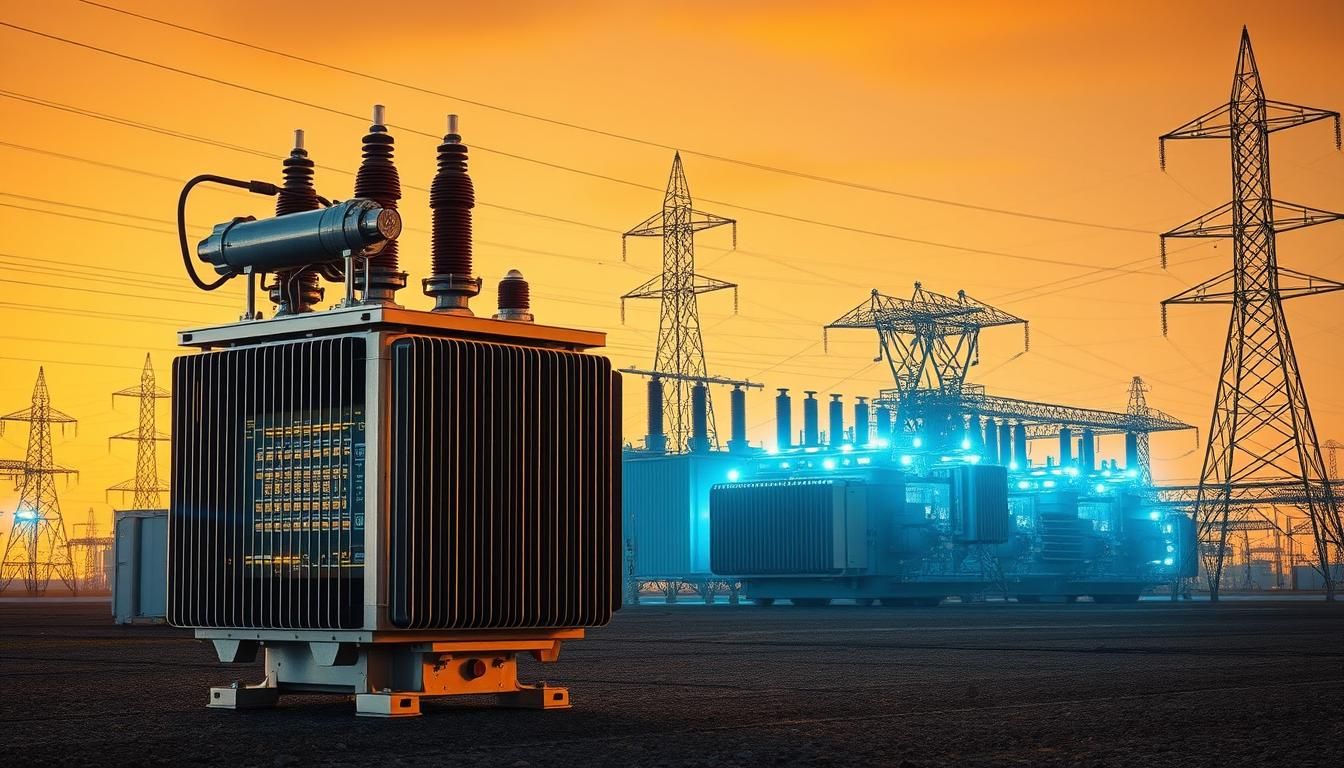
These changes in oil tech are good for our planet. They also make transformers last longer and work better. This brings us into the future of electricity.
Common Misconceptions & Final Verdict
To fully appreciate the modern oil-immersed transformer, it is essential to address and debunk common misconceptions that often cloud purchasing decisions.
Debunking Key Myths (EEAT - Trustworthiness)
The safety and operational myths surrounding liquid-filled units are often outdated, failing to account for modern engineering and fluid science:
| Myth | Fact (Weisho Engineering Perspective) | EEAT Integration |
| Oil transformers are unsafe due to fire risk. | False. Modern dielectric fluids (especially ester oils) have high flash points. Combined with pressure relief valves and strict compliance, the fire risk is minimal and highly contained. | Safety features, compliance, and fluid chemistry. |
| They are prone to leakage and environmental harm. | False. Hermetically sealed designs and rigorous in-factory testing (Section 2) prevent fluid ingress or egress, ensuring maximum environmental protection. | Design robustness and environmental responsibility. |
| Oil-cooled transformers require heavy, complex maintenance. | False. Maintenance is focused on non-invasive predictive maintenance (DGA), which is easier and more cost-effective than frequent air-filter changes and component inspections required by dry-type. | TCO and maintenance protocol efficiency. |
Final Verdict: Beyond Benefits, Achieving Long-Term Value
The consistent, decades-long performance of oil-immersed transformers is not just a legacy—it is a result of calculated engineering advantages that directly address the core challenges of modern power distribution, particularly in harsh and high-demand environments.
As we have demonstrated, their value proposition is built upon a matrix of critical features:
Engineering Longevity: The superior Thermal Management and Robust Durability (Sections 1 & 2) ensure the asset delivers a service life of 30+ years, safeguarding your initial capital investment.
Economic Advantage: Optimized Power Density and maximized Energy Efficiency (Sections 3 & 4) guarantee the lowest Total Cost of Ownership (TCO) by minimizing operational losses and maintenance frequency.
Uncompromised Safety: The high Dielectric Breakdown Voltage of the fluid, paired with mandatory features like Pressure Relief Valves and advanced monitoring, delivers Maximized Reliability (Section 5), safeguarding both personnel and critical infrastructure against catastrophic failure.
Choosing a transformer is a commitment to your grid's future. Weisho Electric Co., Ltd. combines these fundamental engineering benefits with a commitment to Environmental Stewardship and adherence to Global Standards, providing units that are not only high-performing and safe but also align with global sustainability goals.
The Future Outlook (EEAT - Forward-looking Expertise)
The market for oil-immersed units is robust, driven by global infrastructure modernization and the integration of large-scale renewable energy projects. Future demand will center on units that incorporate high-efficiency fluids and IoT-enabled predictive maintenance systems. Weisho is focused on delivering these future-proof assets that guarantee operational excellence for the next generation of power grids.
Ready to maximize the resilience and efficiency of your electrical infrastructure?
Contact the Weisho engineering team today for a tailored consultation on selecting the optimal oil-immersed transformer for your specific high-voltage application.
Frequently Asked Questions (FAQs)
Q: What are oil-immersed transformers used for?
A: They are critical components for high-voltage power transmission and distribution, highly valued for their superior performance under sustained heavy loads. They are deployed extensively in utilities, large industrial facilities, and demanding commercial centers where reliability is paramount.
Q: How does oil enhance the performance of transformers?
A: The dielectric fluid performs a dual, essential function: it provides superior thermal management via convection cooling to prevent overheating, and it maintains high insulation integrity by offering robust dielectric strength against electrical stresses.
Q: What is the lifespan of oil-immersed transformers?
A: With adherence to a stringent predictive maintenance protocol—primarily focused on Dissolved Gas Analysis (DGA) and oil quality checks—these units are engineered to achieve an operational lifespan often exceeding 30 years.
Q: Are oil-immersed transformers environmentally friendly?
A: Yes, when managed responsibly. Their environmental impact is minimized by adhering to strict oil recycling and disposal protocols, and by utilizing natural or synthetic ester fluids, which are readily biodegradable alternatives to mineral oil.
Q: How do oil-immersed transformers compare to dry-type transformers?
A: Oil-immersed units are superior in thermal capacity and power density. They are better suited for sustained peak loads and harsh environments, whereas dry-type units are often limited by air convection and are prone to derating at high temperatures.
Q: What safety features do oil-immersed transformers have?
A: They are equipped with multiple safety mechanisms, including Pressure Relief Valves to manage internal pressure, thermal sensors for overheating prevention, and robust hermetic sealing to prevent external contamination and oil spills.
Q: What trends are emerging in transformer technology?
A: Key trends include the adoption of sustainable ester fluids, the integration of IoT for Continuous Condition Monitoring (CCM), and the use of Forced Oil/Forced Air (OFAF) cooling systems to enhance power density and efficiency.
Q: How can I ensure the longevity of my oil-immersed transformer?
A: Longevity hinges on proactive condition-based maintenance. This involves routine Dissolved Gas Analysis (DGA), continuous temperature monitoring, and maintaining the sealing integrity to prevent moisture and oxygen ingress.
Q: What are the market projections for oil-immersed transformers?
A: The market outlook is strong, driven by global infrastructure modernization, the need for TCO optimization, and the increasing demand from renewable energy projects requiring highly reliable, large-capacity transformation units.