Selecting the appropriate current transformer (CT) depends heavily on your specific project requirements. These devices are crucial for accurate current measurement.
Solid-core current transformers are typically ideal for new installations where high accuracy is essential. They offer a robust and precise solution for critical applications.
Conversely, split-core current transformer models are better suited for retrofits or situations with limited installation space. Their design allows for easier integration into existing systems.
Important decision factors for choosing a current transformer include installation requirements, accuracy levels, cost, and the intended application. Careful consideration of each factor ensures optimal performance and safety. The table below outlines these factors and provides practical examples:
For optimal results, always match the current transformer to your specific installation environment. This ensures it meets all performance requirements effectively.
Key Takeaways
Solid-core current transformers are renowned for their higher accuracy and durability. This makes them ideal for new installations where power can be safely disconnected for setup. They provide a reliable foundation for precise electrical measurements.
Split-core current transformers offer exceptional convenience with their easy, non-intrusive installation. They eliminate the need for power shutdowns, making them perfect for retrofit projects, maintenance tasks, and temporary monitoring setups. Their flexibility is a major advantage.
Choosing the right transformer type hinges on a careful assessment of several factors. These include the specific installation requirements, desired accuracy needs, budget constraints (cost), and available space. A balanced decision ensures both safe and reliable performance.
Regular testing and consistent maintenance are crucial for both solid-core and split-core transformers. These practices help them maintain accuracy and safety over extended periods. Ultimately, this proactive approach significantly extends their service life.
Adhering to industry standards and following proper installation procedures is paramount. Such practices not only protect personnel and equipment but also maximize the transformer's efficiency and overall safety. Compliance ensures long-term operational integrity.
Comparison
Key Differences
Choosing between solid-core and split-core current transformers involves evaluating several important factors. Their main differences are found in their fundamental design, installation requirements, achieved accuracy, and overall cost. The table below summarizes these key aspects, providing a quick reference for comparison:
Tip: Split-core CTs allow for installation without disconnecting power, which makes them ideal for upgrades or maintenance. Conversely, solid-core CTs provide higher accuracy and enhanced durability. These characteristics suit them perfectly for new installations and permanent setups. ([Internal Link: Your Solid-Core CT Product Page])
Recent performance tests indicate that certain split-core models, such as the AccuCT 50A, often achieve better specified accuracy than some solid-core counterparts. Despite this, solid-core types generally remain smaller and more rugged. However, they may face challenges related to supply and cost fluctuations.
The selection of core material and its construction also significantly impact efficiency, losses, and thermal performance. For instance, amorphous and nanocrystalline cores ([Internal Link: Your Core Materials/Technology Article]) are known to reduce losses and improve efficiency. This is particularly beneficial in specialized applications where energy efficiency is critical.
Pros and Cons
Both solid-core and split-core current transformers offer unique advantages and disadvantages. A thorough understanding of these can greatly assist users in selecting the most suitable current transformer for their specific needs.
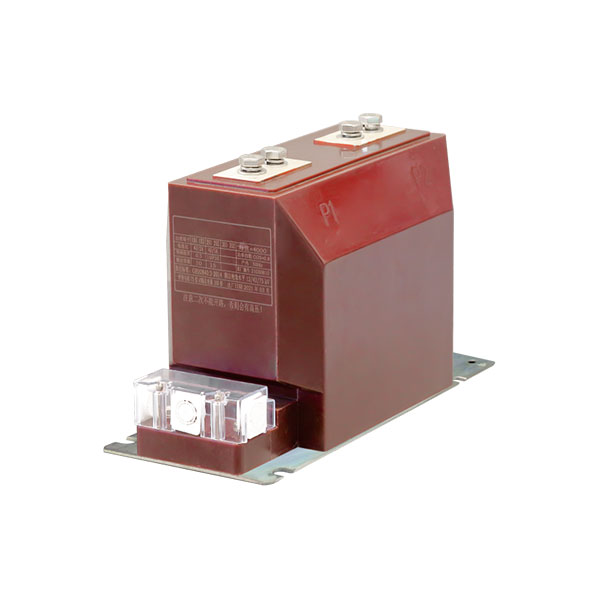
Solid-Core CTsPros:
They provide higher accuracy and impose a lower burden, making them exceptionally suitable for precise metering applications.
Their design is more compact and rugged, which typically leads to a longer service life in various environments.
Due to their simpler construction, they generally come at a lower cost, offering a more economical solution. Cons:
Installation requires the electrical conductor to be disconnected, which can result in an interruption of the power supply.
Their fixed design makes them less flexible for retrofit or upgrade projects, where a power shutdown might be inconvenient.
Supply chain issues, often related to import costs and availability, can sometimes arise, impacting procurement.
Split-Core CTs Pros:
They offer incredibly easy installation without the need to disconnect existing wiring, saving significant time and reducing potential risks.
Their design is ideal for retrofit projects, routine maintenance, and temporary monitoring applications where power continuity is essential.
They come in flexible sizing options, making them adaptable for a wide variety of applications.
The installation process is inherently safer since no power shutdown is required, minimizing operational disruptions. Cons:
They are typically slightly less accurate than solid-core CTs, especially noticeable at lower current levels.
The open-core design can introduce minor errors and make them more susceptible to external magnetic interference, potentially affecting measurement integrity.
Mechanical wear may occur over time due to their moving parts (hinges, latches), particularly in harsh operational environments.
Due to their more complex manufacturing process, they generally come at a higher initial cost compared to solid-core types.
Recent innovations in CT testing, such as the CT Analyzer ([Internal Link: Your CT Testing Equipment Page]), have significantly improved the ability to measure accuracy, phase displacement, and safety factors. These measurements can now be done quickly and reliably. Regular testing performed after installation helps maintain long-term accuracy and consistent performance for both types of current transformers.
The ultimate choice between solid-core and split-core designs should be carefully considered the specific application, the installation environment, and the anticipated long-term maintenance needs. For example, energy-efficient systems might greatly benefit from amorphous or nanocrystalline cores due to their superior performance characteristics. Meanwhile, high-frequency or high-precision applications may necessitate specialized materials and configurations to meet stringent requirements.
Installation
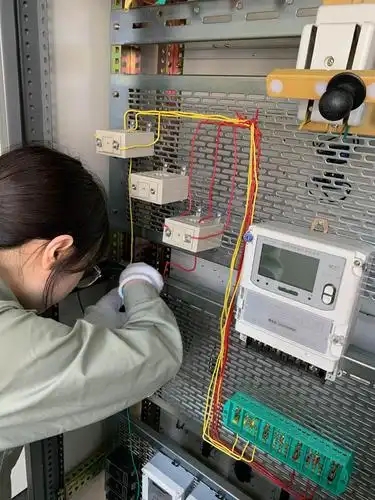
Solid-core ProcessSolid-core current transformers demand careful planning before their installation can begin. Electricians must first disconnect the electrical conductor from the circuit. This allows them to thread the conductor properly through the CT’s closed core. This particular step makes solid-core CTs best suited for new construction projects or major electrical upgrades, where power can be safely and conveniently shut off.
Industry manuals from reputable organizations like ANSI, IEC, and IEEE provide comprehensive best practices for installing solid-core CTs. Installers are strongly advised to adhere strictly to these guidelines. Key recommendations include:
Thoroughly reviewing manufacturer instructions and meticulously following all applicable safety standards.
Carefully inspect the installation site to ensure adequate ventilation and proper clearances around the transformer.
Always wear personal protective equipment (PPE) and strictly adhere to lockout/tagout procedures before commencing any work.
Ensuring correct polarity during wiring and securely fastening all connections to energy meters or protective relays.
Properly grounding the transformer itself and meticulously checking all insulation to prevent potential high-voltage risks.
Completing final inspections and comprehensive tests, which must include thorough ratio and polarity checks, to confirm correct operation.
Throughout the installation process, installers must ensure the transformer’s core remains clean and entirely free from contaminants. Proper insulation and reliable grounding are critical for safeguarding both the equipment and personnel from electrical hazards. By diligently following these detailed steps, the accuracy and safety of the CT can be maintained effectively throughout its entire service life.
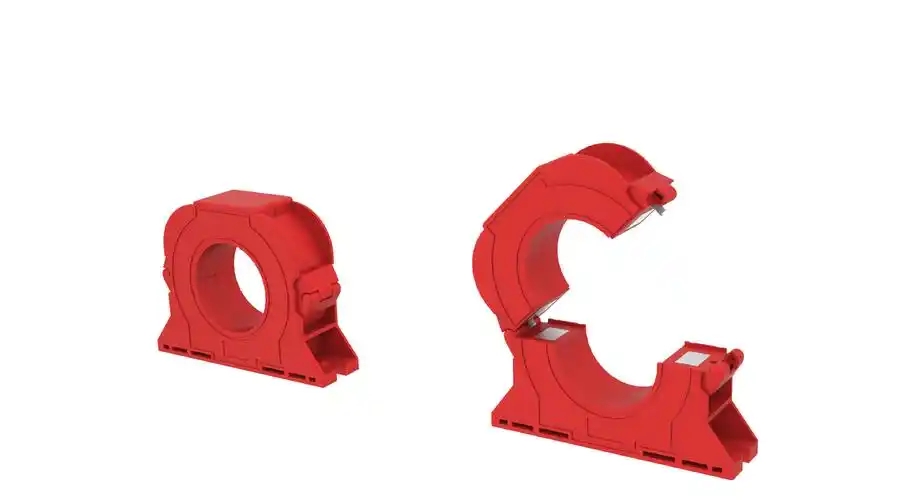
Split-core Process Split-core current transformers offer a significantly simpler installation process, which is especially beneficial for retrofit projects. Technicians are not required to disconnect the existing electrical conductor. Instead, they can simply open the CT's core, precisely position it around the live cable, and then securely close it.
The typical steps for installing a split-core CT include:
Initially removing any pressure pieces or screws that hold the core halves together.
Carefully separating the core into its two parts and positioning it precisely around the conductor that needs to be monitored.
Completely cleaning the contact surfaces of the core halves and applying a thin layer of rust-proof oil to ensure optimal contact and prevent corrosion.
Precisely aligning the core halves and tightening all bolts or screws to ensure a snug and secure fit around the conductor.
Reattaching any pieces that were removed during the initial separation. For larger core units, non-magnetic supports may be added if necessary to ensure stability.
Safety remains paramount during this seemingly straightforward process. The secondary circuit of a split-core CT should never be left open during operation to prevent dangerous insulation breakdown and high voltage risks. Technicians must properly ground one end of the secondary winding and ensure the outer casing is also grounded. Before reconnecting any meters, it is crucial to short-circuit the current circuit and verify insulation resistance. If the transformer emits an unusual buzzing sound after installation, tightening the bolts can often resolve the issue, ensuring proper core closure.
When to Use Each Solid-core CTs perform best in new installations or situations where the electrical conductor can be safely disconnected. These transformers provide superior accuracy and durability. This makes them ideal for permanent setups and precise metering applications where long-term reliability is key.
Split-core CTs excel in retrofit situations, routine maintenance, or temporary monitoring projects. Their unique design allows for installation without interrupting the power supply. This capability saves valuable time and significantly reduces associated risks. Electricians should carefully match the CT type to the specific project’s needs. This involves considering crucial factors such as safety requirements, desired accuracy levels, and the complexities of the installation environment.
Tip: Always adhere strictly to manufacturer guidelines and industry standards. This ensures a safe and reliable CT installation every time. Proper procedures are essential for protecting both valuable equipment and personnel while simultaneously maintaining measurement accuracy throughout the transformer’s lifespan.
Accuracy
Solid-core Performance Solid-core current transformers consistently deliver high accuracy in electrical measurements. Their closed magnetic core design is key, as it minimizes air gaps within the magnetic circuit. This design effectively reduces magnetizing errors, leading to more precise readings.
This robust structure allows solid-core CTs to achieve stringent accuracy classes. These often include 0.2 or 0.2S, as precisely defined by industry standards such as IEC 61869-2 and ANSI/IEEE C57.13. These standards establish strict limits for both ratio and phase angle errors, ensuring reliable performance. Solid-core CTs are frequently deployed in critical applications like revenue metering and protection systems, where exact current measurement is non-negotiable. Their inherently stable performance over time means they typically require less frequent calibration. Many utility companies and large industrial sites rely heavily on solid-core CTs for long-term, dependable data acquisition.
Note: Solid-core CTs maintain their high accuracy even in challenging environmental conditions, making them a preferred choice for permanent installations that demand consistent performance.
Split-core Performance Split-core current transformers offer considerable flexibility for installation, but they do present unique accuracy challenges. Their distinct split design inherently introduces small air gaps within the magnetic core. These minute gaps can potentially cause magnifying errors, which may slightly reduce the overall measurement precision.
Studies typically show that standard split-core CTs usually meet lower accuracy classes, such as 1.0 or 3.0, when compared to their solid-core counterparts. However, significant advancements have been made in their calibration. Calibration for split-core CTs involves visual inspection, connection testing, and the use of precise reference current sources to measure ratio and phase angle errors accurately. Technicians can also apply specific correction factors to further improve their accuracy. Recent research demonstrates impressive progress, showing that advanced self-correction methods, including auxiliary winding loops and sophisticated algorithms, can dramatically reduce split-core CT errors from over 30% to below 0.2%. These innovative improvements allow modern split-core CTs to achieve accuracy levels remarkably similar to high-class solid-core CTs, especially when environmental and installation factors are meticulously managed.
Application: The accuracy differences between solid-core and split-core CTs directly influence their most suitable applications. Solid-core CTs are ideal for scenarios where precise measurement is essential. This includes critical functions like billing, comprehensive protection schemes, and ensuring compliance with stringent regulatory standards. Their stable and verifiable accuracy supports the integrity of crucial infrastructure and long-term monitoring initiatives.
In contrast, split-core CTs excel in situations demanding installation speed and safety over the highest possible accuracy. They are perfectly suited for temporary monitoring, energy audits, and various retrofit projects. Users of split-core CTs should carefully consider periodic calibration and ongoing maintenance. This proactive approach ensures that their performance remains reliable over time. Selecting the appropriate CT type guarantees that measurement data consistently meets the specific needs of each application, ranging from routine daily monitoring to high-stakes revenue metering.
Cost and Size
Price Factors Several distinct factors significantly influence the overall price of current transformers. Material choice plays a critical role, as do the complexities of core construction and the required voltage rating. Reports from industry analysts consistently show that solid-core CTs often come at a lower cost than split-core models. This is primarily attributed to their simpler design and fewer moving parts, which streamlines the manufacturing process.
Conversely, split-core CTs demand more intricate manufacturing techniques, which inherently increase their production price. Market research documents further highlight that pricing also varies considerably by region, specific manufacturer, and the intended application. For instance, the Fact.MR report ([External Link: Fact.M R report URL, if available]) provides detailed tables illustrating how market value and volume fluctuate based on transformer type, construction, and end use. In the United States, average prices can differ significantly by manufacturer and region, directly reflecting local production costs and demand dynamics. These comprehensive reports are invaluable for buyers, helping them understand precisely how each factor contributes to the final price point of a CT.
Material and core type affect base cost.
Manufacturing complexity increases the price of split-core CTs.
Regional differences and application needs influence the market price.
Space ConsiderationsEffective space planning is an essential aspect when selecting a current transformer for any project. Solid-core CTs generally feature a smaller physical footprint. This compact size makes them easier to integrate into tight enclosures or already crowded electrical panels, optimizing available space.
In contrast, split-core CTs, while often larger in overall dimension, offer unparalleled flexibility for installations where removing conductors is simply not feasible. Electrical codes, such as NEC Articles 450, 110, and 480, establish strict requirements for working clearances, fire ratings, and separation distances. Engineers and architects must collaborate early in the design phase to ensure sufficient space is allocated for safe installation and ongoing maintenance. The physical size of the transformer and the required working area can significantly impact facility layout and construction choices. Some studies even utilize grid-based models to optimize transformer placement ([External Link: Relevant study URL, if available]), which assists planners in mapping load density and anticipating future expansion needs efficiently.
Proper space allocation is crucial for ensuring safe access to equipment, maintaining adequate ventilation, and guaranteeing compliance with essential fire protection standards.
Maintenance
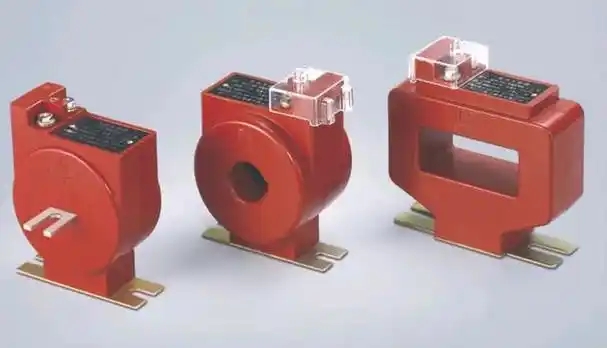
Maintenance needs distinctly differ between solid-core and split-core current transformers. Solid-core CTs feature a sealed design with inherently fewer moving parts. This robust construction significantly reduces the risk of mechanical failure. Consequently, they often require less frequent inspection and servicing, contributing to lower long-term maintenance costs.
Split-core CTs, on the other hand, incorporate hinges and latches as part of their design. These mechanical components may experience wear and tear over time, especially when operating in harsh environmental conditions. Regular checks are crucial to prevent common issues such as loose connections or core misalignment. Both types of current transformers greatly benefit from periodic testing. These tests are essential for confirming their accuracy and ensuring the integrity of their insulation. Facility managers should meticulously schedule routine maintenance. This proactive approach is vital for extending the service life of the transformers and ensuring their continuous, reliable performance within the electrical system.
Solid-core CTs: Typically require lower maintenance and offer a longer lifespan due to their robust, sealed design with fewer moving parts.
Split-core CTs: Necessitate more frequent checks, largely due to their mechanical components and the potential for issues related to air gaps.
Both types: Regular testing is critical for maintaining consistent accuracy and ensuring ongoing safety throughout their operational life.
Current Transformer Applications
Solid-core current transformers fulfill numerous vital roles within various electrical systems. Electricians frequently select them for new construction projects due to their inherent reliability and precision. These transformers integrate seamlessly into switchgear assemblies, control panels, and energy meters, providing essential measurement capabilities.
Power companies extensively utilize solid-core models for revenue metering applications, where their high accuracy is paramount for billing purposes. Industrial plants rely on them for meticulously monitoring large motors and generators, ensuring optimal performance and preventing potential overloads. Solid-core CTs are also integral components in protective relays, where they assist in detecting electrical faults and effectively preventing costly equipment damage. Their robust, closed design contributes significantly to their stability and dependable long-term use in critical infrastructure.
Common applications for solid-core CTs include:
Utility revenue metering for precise energy billing.
Monitoring switchgear and comprehensive panelboard systems.
Ensuring the protection of generators and large industrial motors.
Performing high-precision measurements in laboratory settings.
Solid-core CTs are best suited for new installations where the electrical conductor can be safely disconnected. This ensures proper integration and optimal performance from the outset.
Split-core UsesSplit-core current transformers provide exceptional flexibility for integration into existing electrical systems. Technicians commonly employ them in retrofit projects, particularly when it is not feasible to shut down power. These innovative transformers are designed to clamp easily around existing cables, making their installation both quick and remarkably safe, minimizing operational downtime.
Building managers frequently use split-core CTs for conducting energy audits and performing temporary load studies. This allows them to gather crucial data without interrupting normal operations. Maintenance teams rely on them extensively for troubleshooting electrical issues and monitoring system performance, all without requiring any service interruption. Moreover, split-core models are highly effective in submetering applications, where they accurately track energy consumption in different sections of a building.
Typical uses for split-core CTs include:
Efficient retrofit installations in various commercial and industrial buildings.
Conducting temporary energy monitoring and detailed audits.
Facilitating precise submetering for accurate tenant billing.
Enabling crucial maintenance and troubleshooting tasks within live electrical systems.
Split-core CTs are valued for their fast, non-intrusive installation. This capability saves significant time and reduces the inherent risks associated with working on live electrical circuits.
Real-world ScenariosEngineers and facility managers frequently encounter a range of critical choices when selecting a current transformer. Consider a new hospital project: the design team would typically install solid-core CTs within the main switchgear. These transformers are selected for their ability to provide highly accurate data, essential for both billing and robust system protection.
In contrast, imagine an older office building where the maintenance crew needs to monitor energy usage without any power shutdown. In this scenario, they would likely opt for split-core CTs. These devices can be easily clamped around existing wires, even within crowded electrical panels, minimizing disruption.
Furthermore, a manufacturing plant planning to upgrade its equipment and wanting to track energy use by individual departments would also find split-core CTs ideal for submetering. This approach allows them to implement the monitoring system without halting critical production lines. Conversely, a utility company constructing a new substation would opt for solid-core CTs. These are crucial for permanent, high-accuracy metering, ensuring the integrity of the power grid.
Ultimately, choosing the right CT type is contingent upon the specific needs and constraints of the project. New installations generally benefit most from solid-core CTs, while retrofit and upgrade projects often necessitate the flexibility and convenience offered by split-core models.
Safety and Environment
Installation SafetyProper installation of current transformers is paramount for safeguarding both personnel and valuable equipment. Installers must consistently adhere to the manufacturer's guidelines for mounting and all wiring connections. Before commencing any work, it is imperative to verify that all necessary manuals, detailed drawings, and comprehensive test plans are readily available.
Rigorous site safety measures are crucial for accident prevention. These include maintaining clear access pathways, ensuring proper grounding of all components, and conspicuously displaying warning signs. Technicians are required to visually inspect the transformer meticulously and confirm that all its parts precisely match the specified requirements. Correct positioning, precise alignment, and effective vibration damping are all critical factors for achieving stable and reliable operation.
A safe installation process encompasses several key steps:
Verifying that transformer ratings precisely match the current and voltage requirements of the system.
Actively avoiding overload conditions by diligently monitoring the primary current flow.
Installing robust short-circuit protection on the primary side of the transformer.
Thoroughly inspect the insulation to prevent any potential electrical hazards.
Crucially, never leave the secondary circuit open during operation. This is a critical safety rule.
Ensure proper grounding of both the transformer and all related equipment.
Conducting comprehensive testing of protection and control systems before energizing the unit.
Regular training programs and clear, concise documentation are vital for maintaining a safe work environment. These practices significantly reduce risks during both the installation and ongoing maintenance phases of the current transformers.
Durability is a fundamental characteristic that ensures current transformers perform reliably over many years of service. Manufacturers like ABB rigorously test their transformers under real-world conditions for thousands of hours. These extensive tests are designed to confirm that all functions of the transformer remain consistently within safe operating limits.
Monitoring the hot spot temperature inside the transformer is a crucial practice. This helps to predict potential insulation aging, which directly impacts the overall lifespan of the unit. Advanced digital modules, such as CoreTec 4 ([External Link: CoreTec 4 product/info page, if available]), play a vital role. They collect comprehensive sensor data, which is then used to accurately assess operational health and predict the remaining life expectancy of the transformer.
Routine diagnostic tests are essential for supporting the long-term durability of current transformers:
Winding resistance tests are conducted to detect any internal damage or anomalies within the windings.
Turns ratio tests are performed to confirm the accuracy of the transformer's voltage transformation.
Dielectric strength tests are used to check the quality and integrity of the insulation system.
Oil analysis and thermal scanning reveal any signs of overheating risks within the transformer.
Visual inspections are performed to catch early signs of wear, corrosion, or other physical degradation.
Maintenance performed based on the insights from these tests effectively extends the transformer's operational life. This proactive approach ensures safe and continuous operation, maximizing the return on investment.
Standards Industry standards are indispensable guides for the safe design, precise installation, and reliable operation of current transformers. The IEEE C57 series specifically defines comprehensive requirements for instrument transformers. Its focus is squarely on ensuring both safety and unwavering reliability across various applications.
ANSI standards, including ANSI C84.1 and ANSI/IEEE C57.12.00, meticulously set voltage ratings and general performance requirements for these devices. NEMA standards further address crucial aspects such as construction methodologies, performance criteria, and vital environmental considerations. The National Electrical Code (NEC), also known as NFPA 70, rigorously specifies installation and wiring safety protocols. OSHA regulations are designed to protect workers by outlining safe electrical practices in the workplace.
Internationally, standards like IEC 60364 play a critical role in harmonizing electrical safety rules across the globe. Furthermore, environmental directives such as RoHS and WEEE are increasingly important. They limit the use of hazardous substances in manufacturing and mandate responsible recycling practices for electrical and electronic equipment.
Strict adherence to these standards is fundamental. It ensures both the safety of the electrical systems and the environmental responsibility in every installation, from design to disposal.
Decision Guide
Selection StepsSelecting the right current transformer requires a clear and systematic process. Engineers and facility managers can follow these structured steps to make informed and optimal choices for their projects:
Define the Application: Begin by identifying whether the project is a brand-new installation or a retrofit of an existing system. New builds often benefit significantly from solid-core CTs due to their inherent precision. Conversely, retrofits may necessitate the flexibility and ease of installation offered by split-core models.
Assess Measurement Needs: Precisely determine the required accuracy level for the application. High-precision tasks, such as revenue metering for billing, demand the superior accuracy typically provided by solid-core CTs. For temporary monitoring or routine energy audits, split-core CTs may offer sufficient accuracy, balancing performance with ease of use.
Evaluate Installation Constraints: Critically assess whether the electrical conductor can be safely disconnected during the installation process. If disconnection is not possible or practical, split-core CTs present a much safer and faster solution, minimizing operational downtime.
Compare Performance Metrics: Thoroughly review the detailed specifications of various CT options. This includes crucial metrics like accuracy class, phase shift characteristics, and overall durability. Utilizing evaluation metrics such as accuracy, precision, and recall ([External Link: Relevant metric definition URL, if available]) can provide a systematic way to compare options. Performance tables and clear visualizations are also highly effective tools for highlighting key differences between models.
Consider Cost and Maintenance: Carefully balance the initial budget against the long-term maintenance requirements. Solid-core CTs typically have lower upfront costs and generally require less ongoing upkeep. In contrast, while split-core CTs may have a higher initial purchase price, they can lead to significant savings in installation time and associated labor costs.
Review Standards and Safety: Ensure that the chosen CT model fully complies with all relevant industry standards and safety requirements. Proper alignment of the transformer type with the project’s technical goals and data needs is crucial. This adherence prevents inefficient results and ensures the safety and integrity of the electrical system.
Tip: For the best possible outcome, always ensure that the chosen transformer type precisely aligns with both the specific technical requirements of the application and the realities of the installation environment.
Mistakes to Avoid. Many common mistakes can occur during the crucial selection and installation phases of a current transformer. Actively avoiding these errors is vital for ensuring both safety and reliable operation of the electrical system:
Introducing foreign materials, such as cotton waste, inside the transformer during repairs or maintenance. Such debris can compromise insulation and functionality.
Carelessly dropping tools or any other materials into the transformer tank. This can cause physical damage or create hazardous conditions.
Standing on leads or cleats. This seemingly minor action can cause significant damage to the connections or the transformer itself.
Performing welding or soldering inside the tank when air cell bags are present. This poses a serious fire or explosion risk.
Energizing the transformer without thoroughly investigating and resolving any protection alarms that may have been triggered.
Skipping essential pre-commissioning checks or failing to meticulously compare the installation results with the original factory data.
Handling the off-circuit tap switch while the transformer is energized, or neglecting to lock it securely before use.
Using improper lifting equipment, such as low-capacity jacks or inadequate slings, can lead to catastrophic damage or injury during handling.
Creating loose connections or tampering with protection circuits. These actions can compromise the safety and reliability of the entire system.
Overloading transformers beyond their rated capacity or attempting to parallel incompatible units. This can lead to overheating, damage, and system failure.
Case studies vividly demonstrate that seemingly minor issues, such as moisture buildup or shared neutral conductors ([External Link: Relevant case study URL, if available]), can rapidly escalate into dangerous operating conditions. Thorough inspection, meticulous circuit design, and strict adherence to established standards are fundamental in preventing these problems. Proactively monitoring for overheating, diligently controlling moisture levels, and consistently following recommended maintenance schedules are key practices. These actions not only extend the transformer's operational life but also significantly enhance overall system safety.
Note: Careful planning, coupled with regular and meticulous checks, dramatically reduces the risk of costly errors and potential equipment failure.
Selecting the right current transformer depends on several key factors. Users should follow this comprehensive checklist for effective selection:
Identify the nominal primary current of the circuit and allow for extra capacity to accommodate potential surges.
Choose a secondary current rating that precisely matches the analyzer or metering device being used.
Verify the thermal rating of the CT to ensure safe operation under expected load conditions.
Confirm that the physical dimensions of the CT will fit around the conductor and within the available installation space.
Make an informed decision between solid-core and split-core types, based on whether it’s a new build or a live system requiring non-intrusive installation.
Match the accuracy class of the CT to the specific measurement needs of the application.
Ensure that the CT's power rating is sufficient to cover all connected devices and secondary burdens.
Matching the CT type precisely to the installation environment and the required accuracy ensures both reliable performance and paramount safety for the electrical system.
FAQ
What is the main difference between solid-core and split-core current transformers? Solid-core CTs feature a closed core design. This means electricians must disconnect the electrical conductor to thread it through the transformer during installation. In contrast, split-core CTs are designed to open up. This allows installers to easily clamp them around existing wires without the need to cut power, providing a significant advantage in certain scenarios.
Can split-core current transformers match the accuracy of solid-core types?Historically, split-core CTs generally offered lower inherent accuracy. However, modern advanced models incorporate sophisticated self-correction features or utilize specific calibration methods. These technological advancements enable them to achieve accuracy levels remarkably similar to high-class solid-core CTs, especially when environmental and installation factors are meticulously managed. Regular calibration remains crucial for maintaining optimal performance.
When should someone choose a split-core current transformer?Split-core CTs are the preferred choice for retrofit projects, temporary monitoring initiatives, or any situation where shutting down power is not feasible or desirable. Their design allows for fast, safe installation directly around live conductors, minimizing disruption and maximizing efficiency.
Are solid-core current transformers more durable than split-core types?Generally, yes, solid-core CTs are considered more durable. They boast a rugged, sealed design with fewer moving parts. This robust construction makes them more resistant to wear and environmental factors, often leading to a longer operational lifespan in harsh conditions. Split-core CTs, with their mechanical hinges and latches, may experience wear over time.
Do both types of current transformers require regular maintenance?Yes, both solid-core and split-core CTs benefit from periodic testing. These tests are essential for confirming their accuracy and verifying the integrity of their insulation over time. While solid-core CTs typically require less frequent mechanical checks due to their sealed nature, split-core CTs might need more attention to their mechanical components, such as hinges, latches, and connections, to ensure continued reliable performance.
Ready to choose the best CT for your project?Contact Weishoelec today for expert consultation and to explore our range of high-performance current transformers!
About the Author:
ThorSenior Electrical Engineer at Weishoelec
Need professional advice on electrical equipment or current transformer products?
Contact Weishoelec now for customized, expert service!
Phone: +86-0577-62788197 WhatsApp: +86 159 5777 0984 Email: thor@weishoelec.com
Choose Weishoelec, choose exceptional quality and reliable assurance!