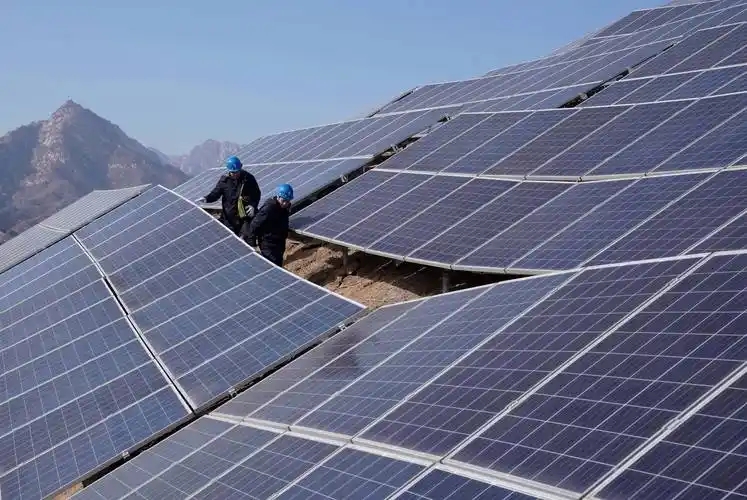
The rapid growth of new energy solutions has made distributed solar photovoltaic (PV) power a popular choice for homes and businesses. Its flexibility and efficiency are undeniable. Among the leading operational models, "Self-Consumption with Excess Power Grid-Connection" stands out. It's a smart way to meet your electricity needs while making the most of clean energy.
This article will delve into the fundamental concepts of this innovative solar solution. We'll break down its operational principles, outline its various profit streams, and identify ideal application scenarios. Get ready to uncover the full potential of this game-changing energy model.
I. The Core Concept of "Self-Consumption with Excess Power Grid-Connection"
"Self-Consumption with Excess Power Grid-Connection" is a prime example of how distributed solar PV systems operate. The fundamental idea is simple: your solar system generates electricity, and you use that power first. When your system produces more electricity than you need, the excess is sent to the public grid and sold to your utility company.
Conversely, if your solar panels aren't generating enough power, you can seamlessly draw what you need from the public grid. This blend of "self-use" and "grid connection" is highly effective. It maximizes local solar power consumption and creates extra income for you.
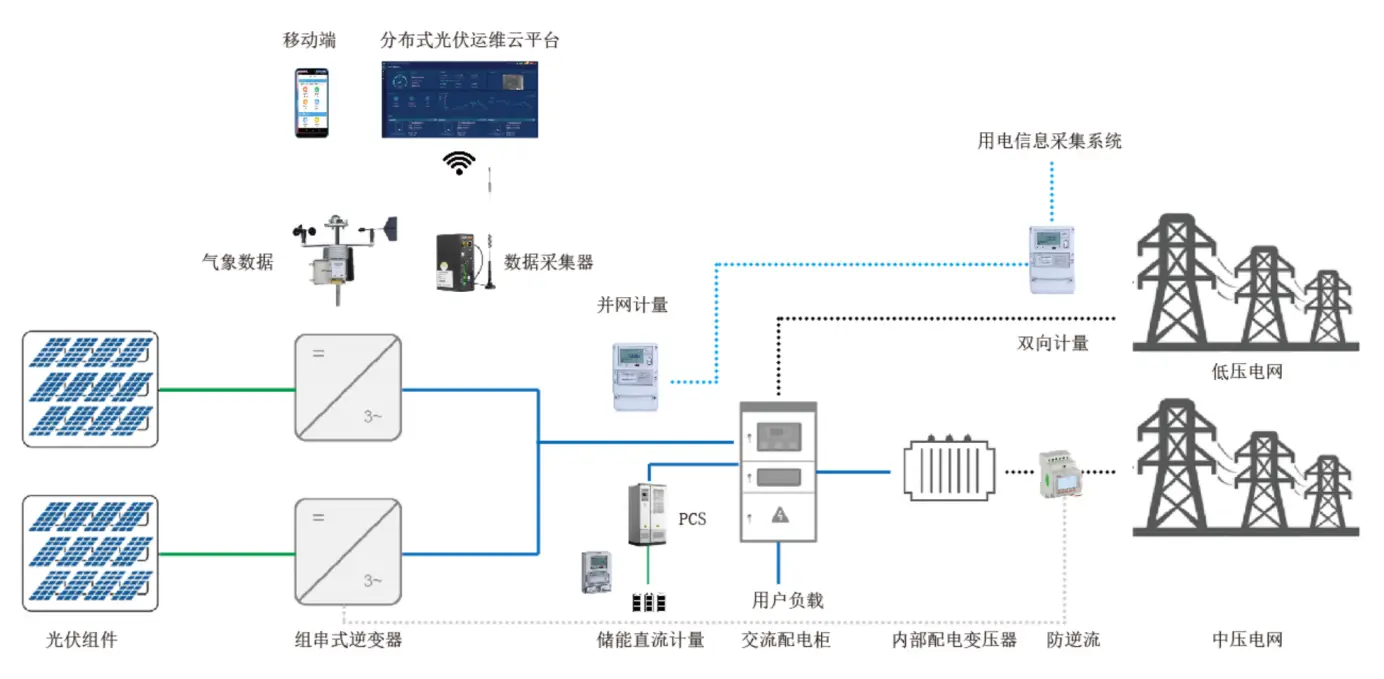
From a technical perspective, this model relies on two crucial elements: metering and grid integration. To measure your energy flow, your PV system connects to your home's electrical panel, specifically on the load side of your meter. This requires either an extra meter to track exported solar power or, more commonly, a bi-directional meter that records both the electricity you buy from and sell back to the grid.
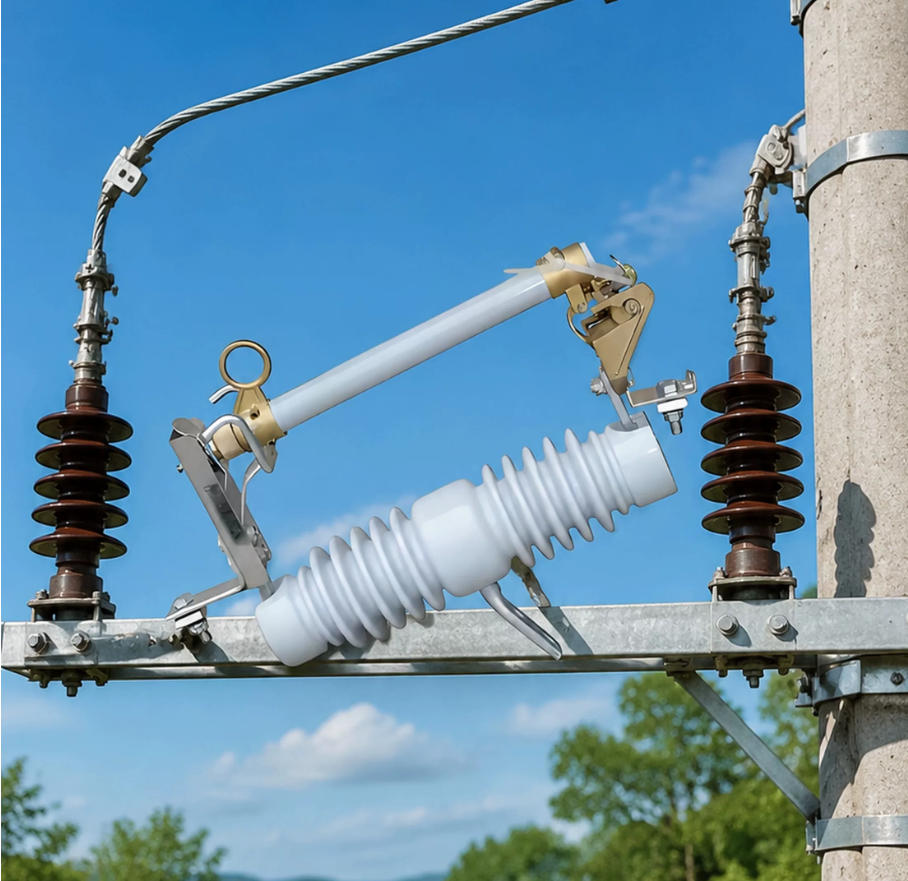
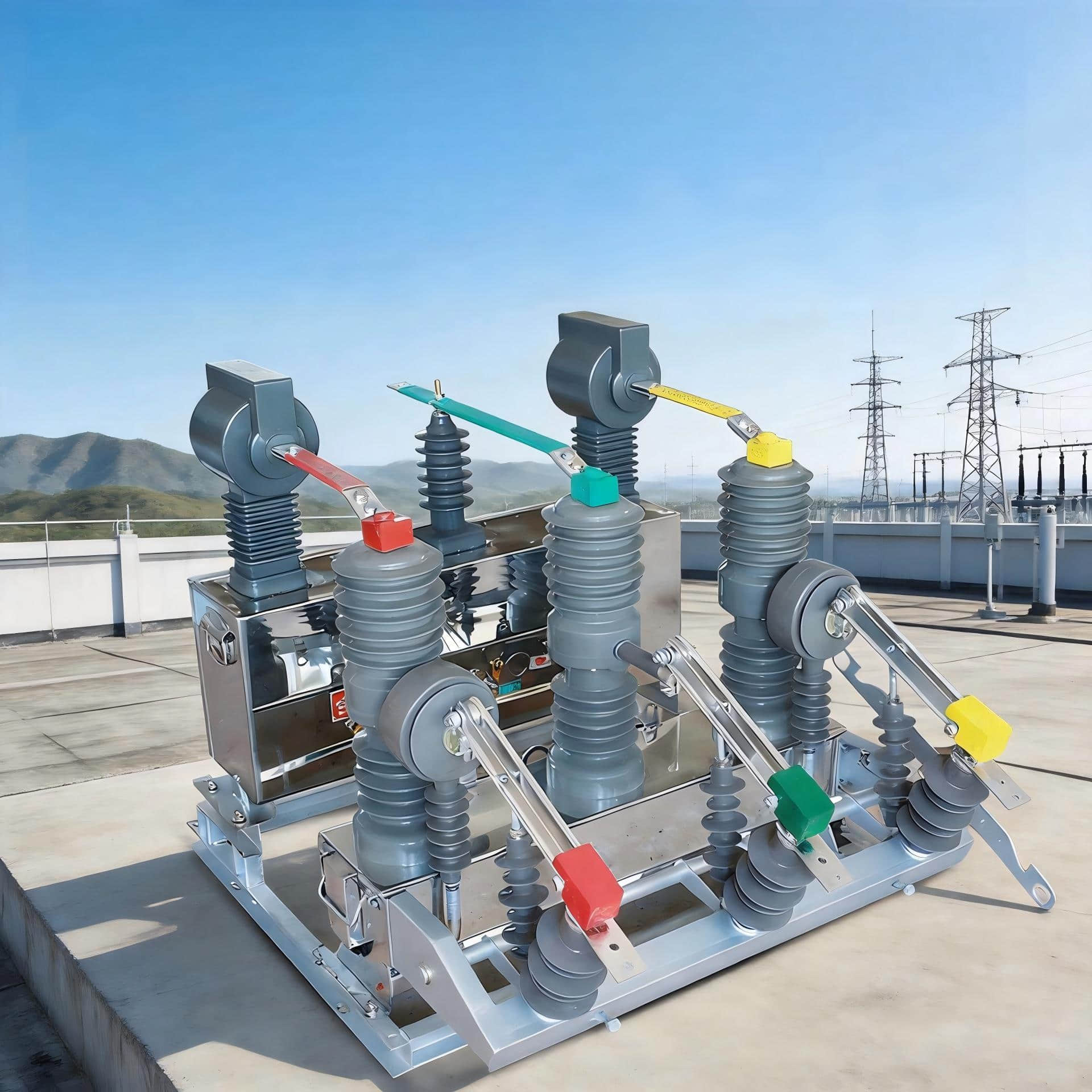
Grid integration ensures your PV system and the main utility grid work together flawlessly. Special equipment enables smooth transitions between self-consumption and grid export. This means your normal power supply is never interrupted, and grid stability remains unaffected.
II. How It Works: The Smart Collaboration Between Solar PV and the Grid
To truly understand how this model operates, think of it like a water storage tank in your kitchen. When your tap (your solar PV system) provides enough water, you'll naturally use that water from your tank first. If there's extra water you don't need, it flows into the public water pipes (the electricity grid). Should your tank run low, you simply open the public tap (the utility grid) to get more.
In an electrical system, the logic is quite similar. If your solar generation is less than or equal to your home's electricity demand, all the PV power is "fully self-consumed." You won't need to buy any electricity from the grid, which directly lowers your utility bill. However, if your solar generation is greater than your home's demand, the surplus power flows into the grid through special equipment. This exported electricity is accurately measured by your meter, and your utility company compensates you based on a predetermined rate.
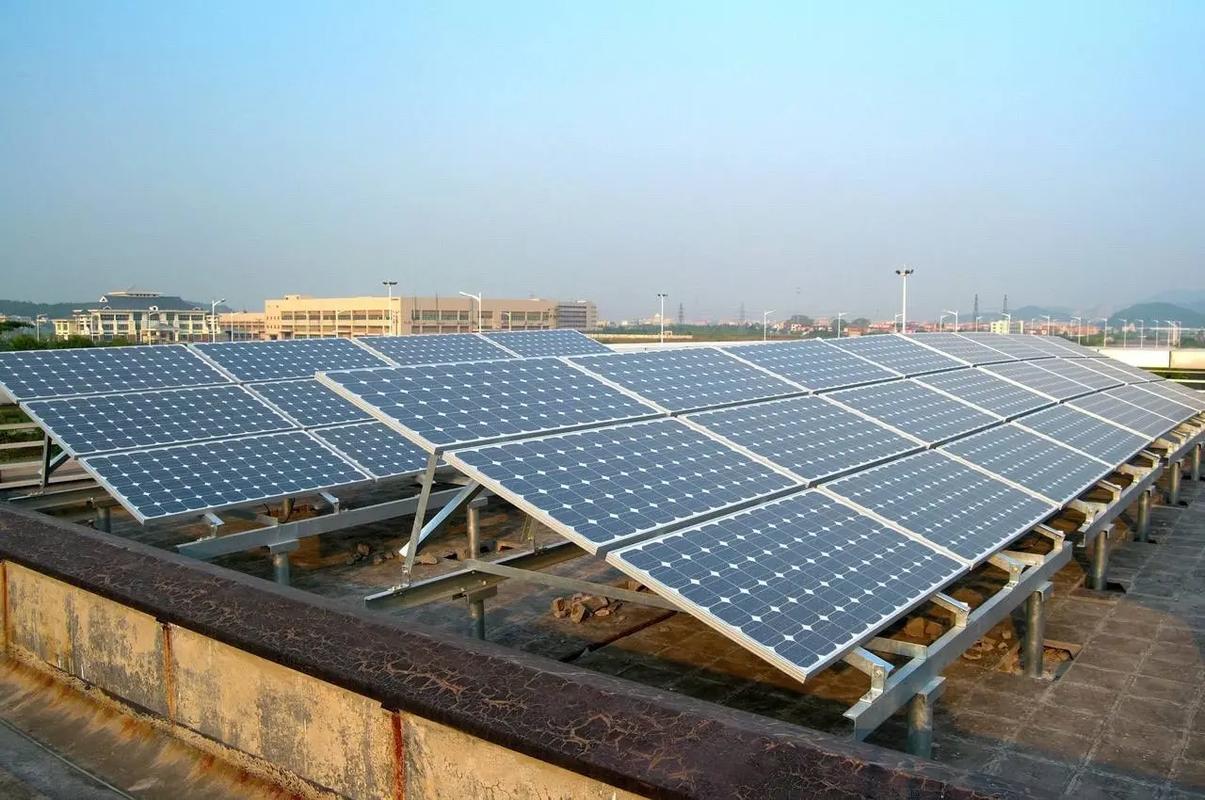
It's important to remember that this specific model primarily applies to distributed solar PV systems. These systems are typically found on residential rooftops, commercial building tops, or industrial facilities. They usually have capacities ranging from a few kilowatts (kW) to several hundred kW and connect to low-voltage distribution networks, making it easy to consume power right where it's generated.
In contrast, centralized solar power plants, like the large-scale solar farms in the Mojave Desert in the U.S., operate differently. These are massive facilities, often generating megawatts (MW) of power, and they connect to high-voltage transmission grids. They are better suited for a "full grid-connection" model, where all the electricity produced is sent directly to the grid rather than being used by an individual customer for self-consumption.
III. Unlocking Profits: Three Revenue Streams for Your Solar Investment
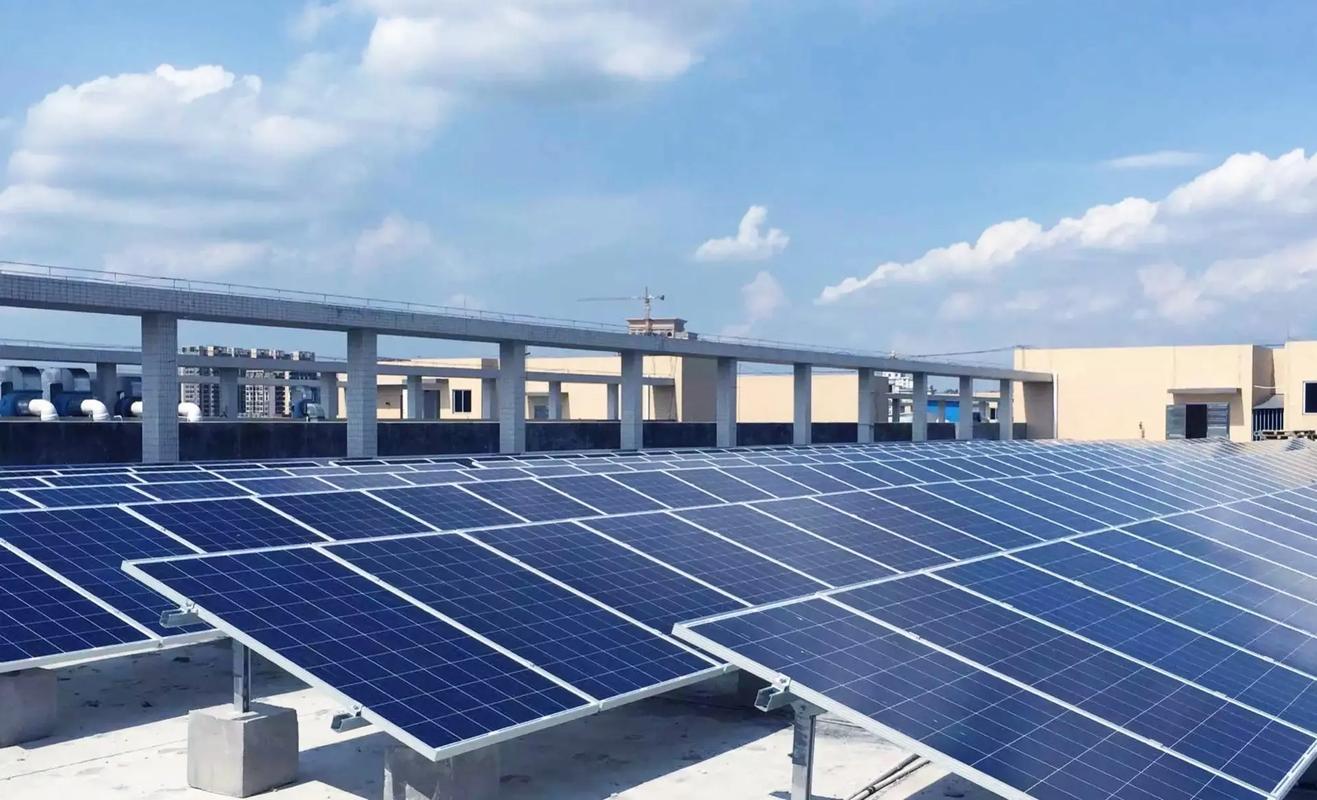
For you, "Self-Consumption with Excess Power Grid-Connection" offers a compelling triple benefit, essentially creating a "save and earn" advantage that makes solar an attractive investment.
1. Reduced Electricity Bills (Saving)By prioritizing the "self-consumption" of your solar power, you directly cut down on the amount of electricity you purchase from the grid. For instance, in Germany, where the average residential electricity price is around €0.35/kWh (as of early 2025), a household generating 5,000 kWh annually and fully self-consuming could save approximately €1,750 per year on electricity bills. Similarly, in California, USA, with average residential rates hovering around $0.30/kWh, self-consuming that same 5,000 kWh could lead to annual savings of about $1,500.
2. Government and Local Incentives (Earning/Cost Reduction)To encourage the growth of distributed solar, many countries offer attractive incentives for "Self-Consumption with Excess Power Grid-Connection" projects. In Germany, while the initial Feed-in Tariff (FiT) has seen adjustments, smaller distributed PV systems still qualify for a fixed payment for excess power fed into the grid. Additionally, the German government's KfW Bank provides beneficial loans and grants to make solar installations more accessible and affordable.
In the United States, the Federal Investment Tax Credit (ITC) is a significant benefit, allowing you to claim a 30% tax credit on your solar system installation costs. Beyond federal programs, many states offer their incentives. For example, Massachusetts runs programs like SMART (Solar Massachusetts Renewable Target), which provides compensation at fixed rates for solar electricity generated, further boosting your potential earnings.
3. Excess Power Grid-Connection Revenue (Earning)The surplus electricity you send to the grid is compensated at a specific "feed-in tariff" or through a net metering policy, which varies by country and region. In the United States, many states, including California, Arizona, New York, Massachusetts, and Florida, have Net Metering policies. Under these policies, the electricity you export to the grid directly offsets the electricity you purchase, essentially allowing you to earn credits at or near the retail electricity rate. For example, if your home exports 1,000 kWh annually, at an average retail rate of about $0.15/kWh in some U.S. states, you could earn an additional $150 per year.
In the United Kingdom, smart meters track excess electricity, which is then compensated at a set feed-in tariff. While this rate might be slightly lower than the retail price, it still provides a consistent revenue stream.
A Real-Life Success Story: The Smiths' Energy Journey in Arizona
Consider the Smiths, a couple living in Arizona, USA. After learning about their state's net metering policy, they decided to install an 8kW solar system on their rooftop. They were pleasantly surprised to see their monthly electricity bills drop significantly once the system was up and running. Even during the scorching summer months, when their air conditioning ran continuously, their solar panels met most of their demand. Any extra power sent to the grid resulted in credits on their bill. This savvy move saved them over $1,800 annually on electricity costs, giving them a profound sense of energy independence and control.
Overall, the typical payback period for distributed solar PV investments ranges from 6 to 10 years, with solar panels themselves lasting over 25 years. This offers the potential for consistent long-term returns. However, it's crucial to remember that any investment carries inherent risks. Potential challenges include changes in government policy, the impact of extreme weather on generation efficiency, and the gradual degradation of equipment performance over time. To mitigate these risks, it's essential to choose experienced installers and high-quality equipment.
IV. Ideal Scenarios: Why Commercial Buildings Favor This Model
The specific electricity consumption patterns of different settings play a key role in determining the most suitable solar model.
Residential Homes: If your household uses less electricity during the daytime, your solar system might produce more power than you immediately need. Selling this surplus back to the grid can generate extra income, especially in areas with robust net metering policies, like many U.S. states, where the financial benefits are substantial.
Commercial Buildings / Industrial Facilities: These environments typically have high electricity demands during the day, for things like air conditioning and machinery operation. This aligns perfectly with the peak generation hours of solar PV. As a result, commercial and industrial sites achieve a high "self-consumption" rate and export less excess power, significantly reducing electricity bills and minimizing potential "revenue loss" from lower feed-in tariffs. This makes "Self-Consumption with Excess Power Grid-Connection" particularly appealing to them. Across Europe, for example, many factories and office buildings have adopted this model to dramatically cut energy costs. A prime example is a large German logistics center that installed a multi-megawatt PV system on its roof. This move saves them hundreds of thousands of Euros in electricity expenses annually and aligns with their corporate green energy goals.
Remote Areas: If your location is far from the main power grid, a "full self-consumption" model might be more appropriate. In this case, any excess electricity generated can be stored in battery systems, preventing waste and ensuring continuous power supply.
Whether you're a homeowner looking to lower daily electricity costs by utilizing your roof space, or a business owner aiming to optimize energy expenditure with a solar system, choosing the right high-efficiency solution tailored to your specific scenario is crucial. For more detailed case studies and technical insights on designing solar systems, selecting equipment, and maximizing generation efficiency and profits across various applications, we invite you to visit our dedicated page:
V. Conclusion: The Value and Significance of "Self-Consumption with Excess Power Grid-Connection"
"Self-Consumption with Excess Power Grid-Connection" is far more than just a business model; it represents an optimal solution for utilizing clean energy. For you, it means lower electricity costs and additional income. For society, it enhances the local consumption of solar power and reduces energy loss from long-distance transmission. On a national level, it drives the shift in energy structure and helps achieve crucial carbon neutrality goals.
As technology advances and policy support grows, this model will only become more mature. In the future, we anticipate its deeper integration with energy storage and smart grids, leading to new forms like "Solar + Storage + Flexible Grid-Connection." This evolution will enable distributed solar PV to play an even more vital role in the ongoing energy revolution. If you're considering installing a solar system, weigh your electricity usage patterns against local incentive policies to choose the best model. Let the sun truly become a tangible source of income for you.
Frequently Asked Questions (FAQ)
As you consider installing a solar system, you might have some common questions. We've compiled the following FAQs to provide you with helpful answers:
Q1: How much does it typically cost to install a solar system?A1: Solar system installation costs vary based on system size, equipment brand, installation complexity, and regional differences. Generally, the average cost for a residential solar system ranges from $2.50 to $4.00 per watt. For instance, a 6kW home system might cost between $15,000 and $24,000 before considering tax credits and incentives. Commercial or industrial system costs require individual assessment based on their specific design and scale.
Q2: How do I apply for a grid connection with my utility company?A2: The grid connection process typically involves several steps: First, contact your local Utility Company to understand their specific interconnection requirements and application forms. Next, submit your complete system design proposal and any necessary permits. After approval from the utility company, your system can be installed. Finally, once installation is complete, the utility company will perform a final inspection and install a bi-directional meter to finalize the grid connection. The exact procedures and required documents will vary by country and region.
Q3: Does a solar system require regular maintenance?A3: Solar systems generally require minimal maintenance. The primary routine task is periodically cleaning the solar panels to remove dust, leaves, or bird droppings, ensuring maximum power generation efficiency. Additionally, we recommend a professional system inspection every one to two years to ensure components like inverters and wiring are operating correctly.
Q4: Will my solar system still provide power during a grid outage?A4: For most grid-tied solar systems that don't include a battery storage system, the system will automatically shut down during a grid power outage. This is a safety feature (known as anti-islanding) designed to protect utility workers who might be repairing the grid. This means that even if the sun is shining, your solar system will not power your home during an outage unless you have a battery backup system installed. If you wish to have power during an outage, you'll need to integrate a battery storage solution with your solar PV system.
About the Author
This article was written by Thor, a seasoned Electrical Engineer at Weishoelec. As a leading Chinese manufacturer, Weishoelec specializes in providing high-quality electrical solutions and solar-related products to clients across Europe, the Americas, and other overseas markets. We are dedicated to delivering reliable and efficient clean energy systems through innovative technology.
If you have any questions about solar system design, equipment selection, or our products, please don't hesitate to reach out:
Phone: +86 0577-62788197
WhatsApp: +86 159 5777 0984
Email: thor@weishoelec.com
We look forward to exploring the future of clean energy with you!