Hey there! I'm Thor, an electrical engineer with Wei Shoe Elec. I'm here to answer a big question many property owners, businesses, and energy enthusiasts are asking: Can your solar system actually make you money by connecting to the grid?
You've probably thought about solar for green living or to shrink your power bills. But what if your solar panels could do even more?
They have the potential to turn your roof, land, or commercial space into a real revenue generator. Imagine recouping your initial investment in just 3 to 5 years.
This isn't just about cutting costs. It's about fundamentally changing your financial outlook. You can sell your excess power back to the grid.
Lots of people feel confused by solar jargon. They wonder about the practicalities of sending their self-made electricity to the utility company.
Upfront costs, installation complexity, or simply whether the system truly pays off are common worries. We get that hesitation.
But what if the sun could do more than just power your operations? What if it became a profit center?
In this article, we'll clear up the confusion. We'll simplify how grid-tied solar works.
You'll see how properties and businesses worldwide are using this tech. They're benefiting financially and environmentally, often seeing fast returns.
Get ready to understand the real earning potential of your solar investment!
How Your Solar Power System Connects to the Grid
So, how does electricity from your rooftop, ground-mounted array, or commercial facility get to your neighbors' lights? And, more importantly, how does it get credited back to you on your utility bill?
It all comes down to a smart connection. This link is between your property’s solar setup and the larger electricity grid.
We call this a grid-tied or on-grid solar system.
Unlike off-grid systems that store all power in batteries, grid-tied systems work directly with your local utility. It’s a two-way street for energy.
The Journey of Electricity: From Sunlight to Your Grid and Beyond
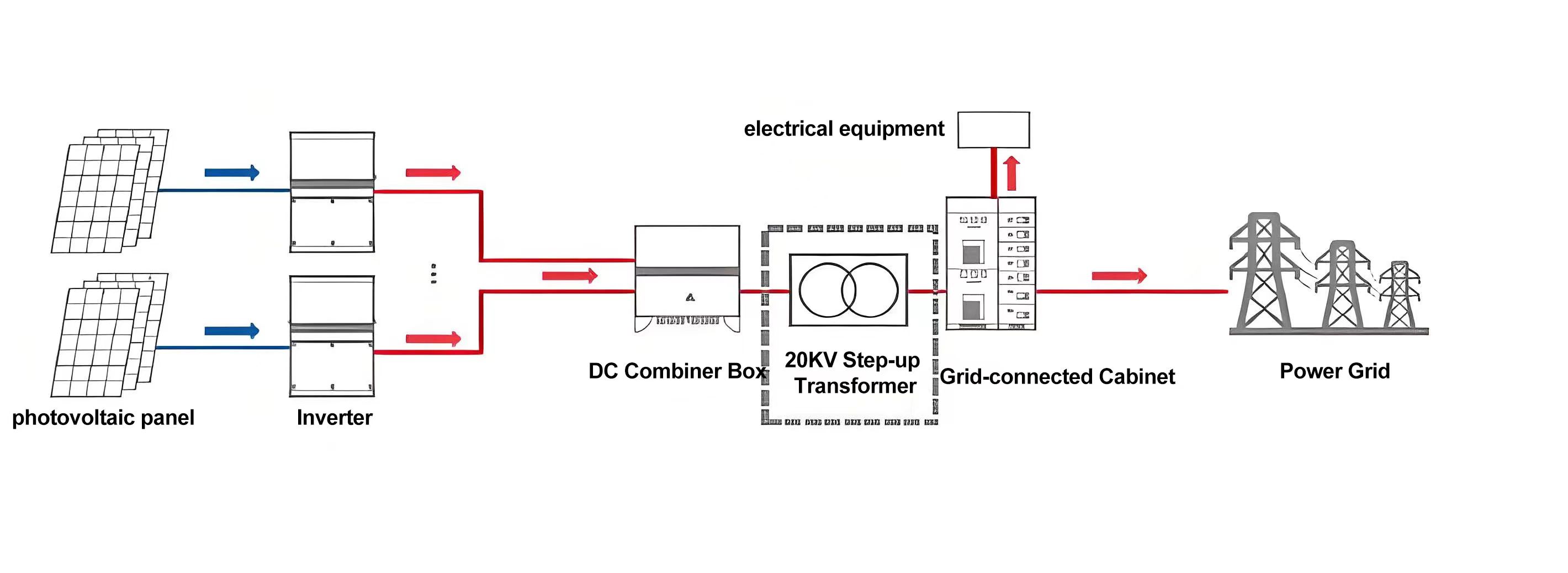
Let's trace the path electricity takes in a grid-tied system:
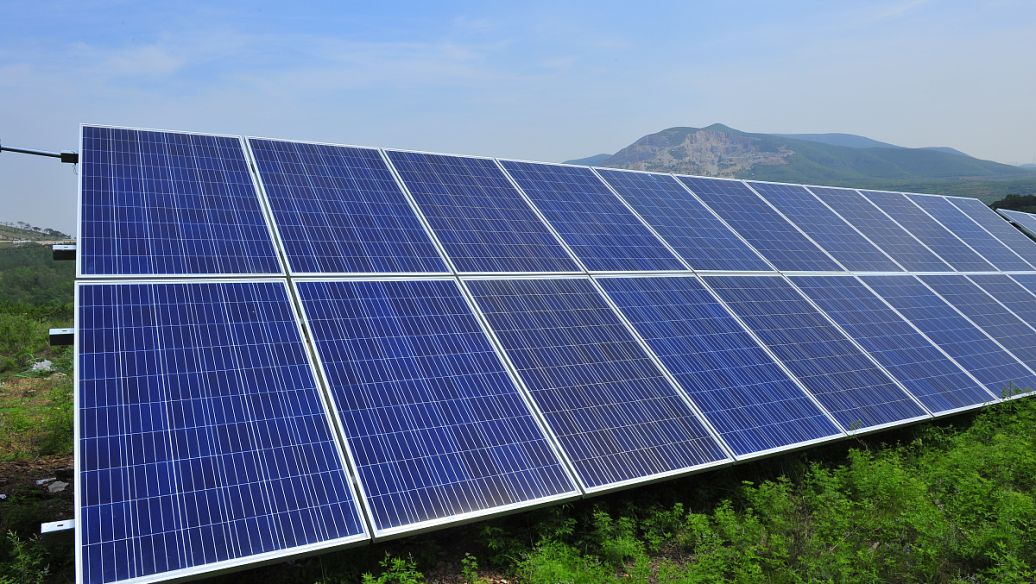
Sunlight Hits Solar Panels: It starts on your roof, open land, or even a carport. Your solar panels (PV arrays) capture sunlight. They convert it into direct current (DC) electricity. Think of DC as a one-way street for electrons.
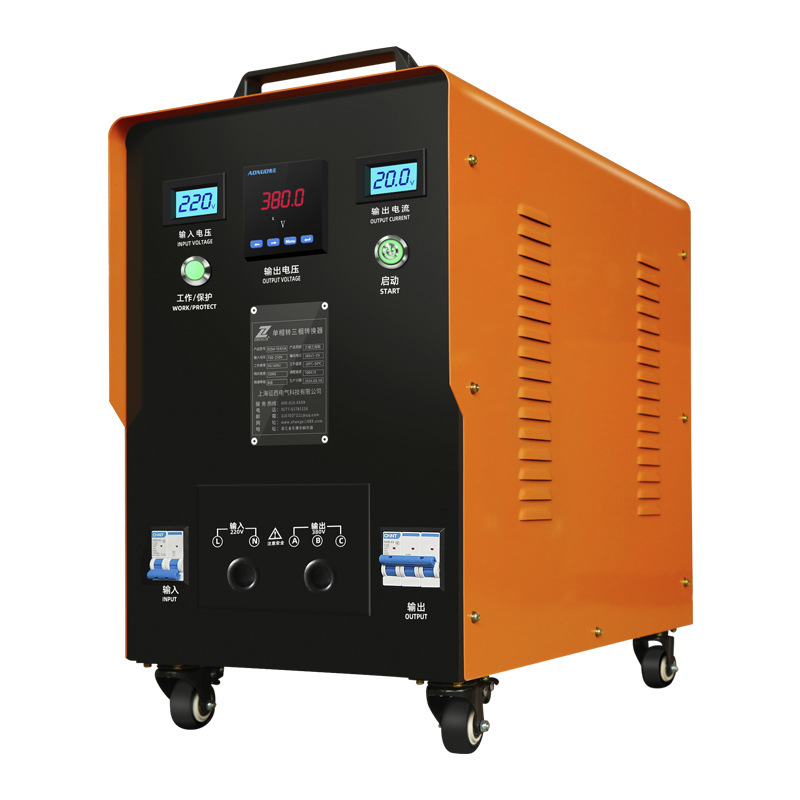
The Inverter: DC to AC Conversion: Your property, facility, or business runs on alternating current (AC). The electrical grid also uses AC. This is where the inverter comes in. It's the brain of your solar system. This vital device takes the DC from your panels. Then, it transforms it into usable AC. It’s like a translator, making sure your solar power "speaks" the same language as your appliances and the grid.
Powering Your Property First: The AC electricity your panels generate first goes straight to power your property. If your solar panels produce enough, you use your own clean energy. This cuts down on what you buy from the utility. That's immediate savings.
Selling Excess Back to the Grid: What happens if your solar panels make more electricity than you're using? Maybe it's a bright, sunny afternoon, and operations are slow. Your system might have a surplus. This excess electricity automatically goes back to the public utility grid. It flows right through your electricity meter. Here’s the best part: your utility often pays you for this power. Your extra generation becomes a tangible earning opportunity!
Drawing Power When Needed: On the flip side, if your panels aren't making enough power (like at night, on cloudy days, or during peak demand), your property seamlessly pulls extra electricity from the grid. You stay connected to your utility, so you always have reliable power.
Key Components of Your Grid-Tied Solar System
Understanding the main parts of your grid-tied solar setup can really simplify how it all works together.
Solar Panels (PV Array): Your Energy Harvesters
These are the most visible parts of your system.
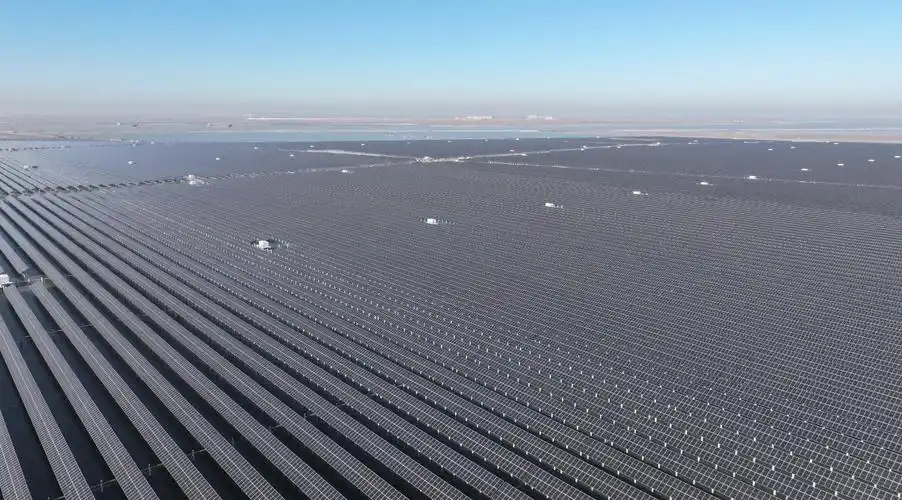
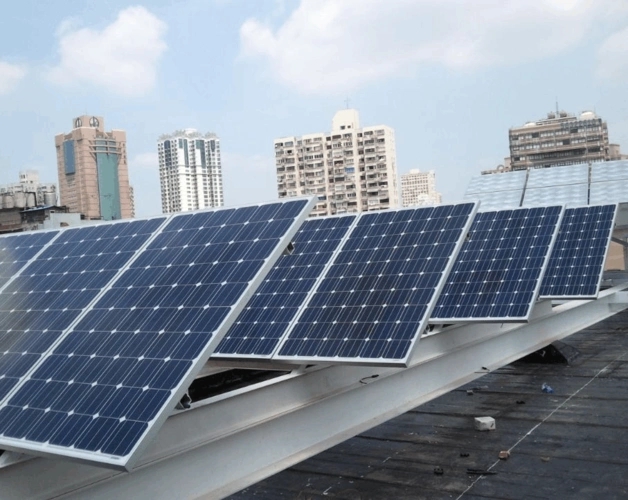
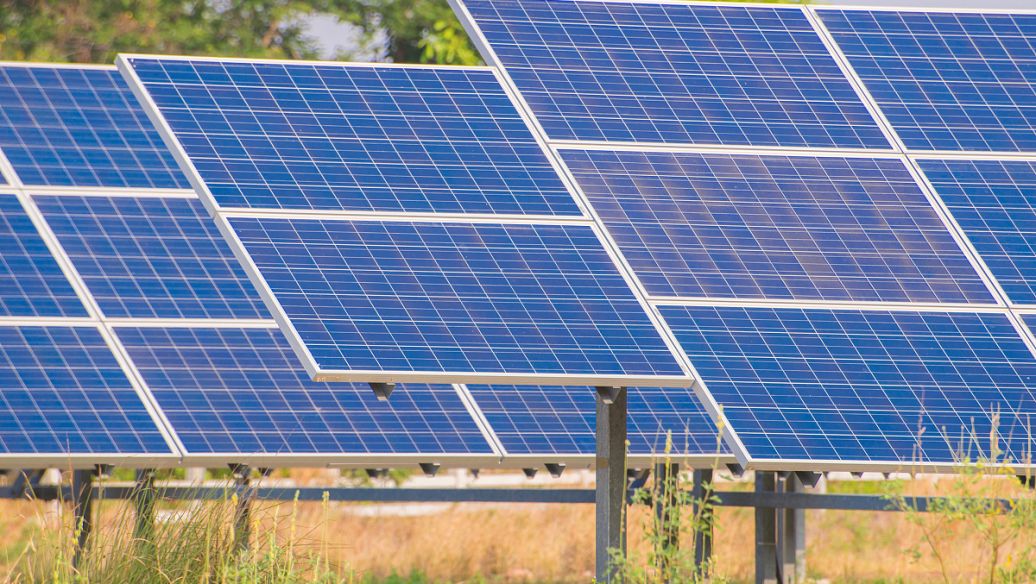
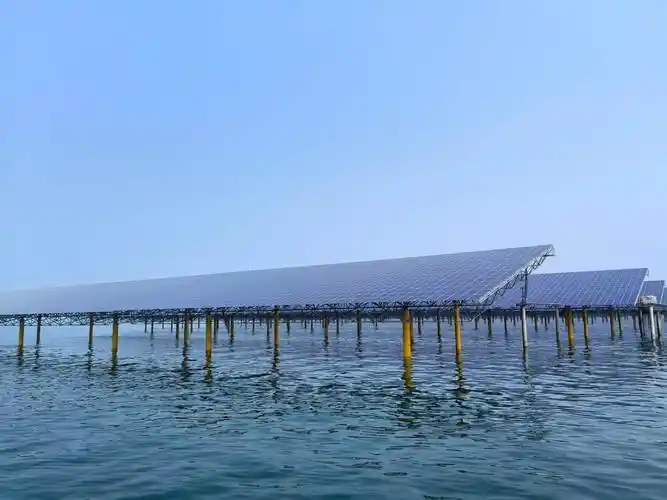
They’re usually mounted on your roof, on ground arrays, or integrated into carports.
Panels are designed to capture sunlight efficiently. They kickstart the electricity generation process.
Modern solar panels are tough. They’re built for decades of dependable performance. They turn solar radiation into useful electrical energy.
The Inverter: The System's Intelligent Translator
The inverter might be the most crucial piece of equipment after the panels themselves. It’s not just a simple converter. It’s a smart device that keeps your system running safely and efficiently with the grid.
Grid-Interactive Inverters:
These are the most common types for grid-tied systems.
They synchronize with the grid's voltage and frequency.
A key safety feature: if the utility grid goes down (like during a blackout), these inverters automatically shut off your solar power to the grid. This protects utility workers.
Hybrid or Multimode Inverters:
These offer more flexibility.
They can work with battery storage systems, plus connect to the grid.
They can power your property directly, send excess to the grid, or charge batteries.
Grid-Following Inverters (GFL):
These need an existing AC waveform from the grid, or from a grid-forming inverter, to operate.
Most standard grid-tied inverters fall into this category.
Grid-Forming Inverters (GFM):
These are more advanced.
They can create an AC waveform. This allows them to run independently and power a microgrid, even if the main grid is down.
The Bidirectional Electricity Meter: Your Energy Scorekeeper
Forget your old, one-way electricity meter!
A bidirectional meter (also known as a net meter) is essential for a grid-tied system.
This smart meter measures electricity flow in two directions:
The power you pull from the grid when your solar isn't enough.
The extra power your solar system sends back to the grid.
This two-way measurement is vital for programs like net metering. We'll talk about that next. It allows precise tracking of your energy exchange and your potential earnings.
Essential Safety & Support Components
Beyond the main players, a grid-tied system includes crucial parts for safety and efficient operation:
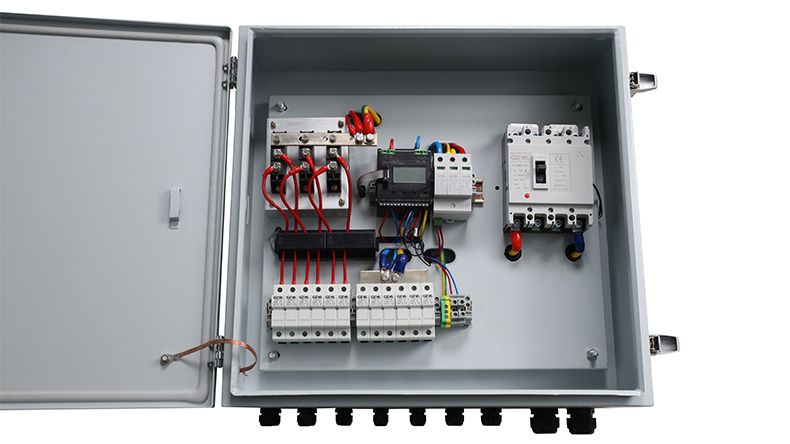
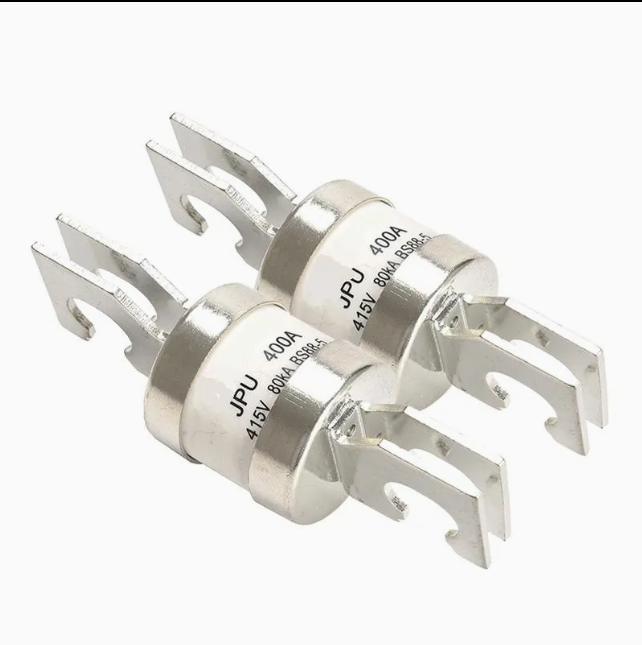
AC Breaker Panels and Fuses: These guard your electrical circuits from overloads, preventing equipment damage.
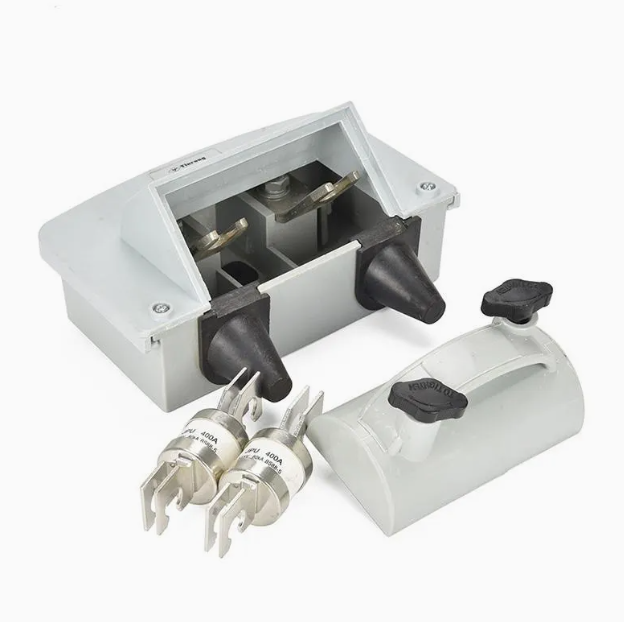
Safety Disconnect Switches: These let you manually shut down your system for maintenance or emergencies, keeping workers safe.
Appropriately Rated Cabling: This ensures safe and efficient electricity transfer throughout the system, cutting down on energy loss.
The Advantages of Tying Your Solar System to the Grid: Beyond Savings
Connecting your solar system to the grid offers powerful benefits. It goes way beyond just cutting your carbon footprint. It directly impacts your bottom line.
Significant Electricity Bill Savings
This is often the main reason property owners and businesses go solar.
By generating your electricity, you buy less from your utility.
On sunny days, you might use only self-made power. This leads to immediate, noticeable savings on your monthly bill.
These direct savings hugely boost your Return on Investment (ROI).
Net Metering and Feed-in Tariffs: Unleashing Your Earning Potential
This is where your solar system can truly start making you money! It turns your investment into an income generator.
Net Metering: Get Credit for Your Green Energy:
Most states and countries have net metering policies.
With a bidirectional meter, if your panels make more power than your property uses, that extra power goes to the grid. It gets credited to your account.
This means your utility is "buying back" your surplus power.
These credits can then offset what you pull from the grid when solar production is low (like at night). This can lead to a zero or even negative electricity bill.
Imagine getting paid for your electricity at the end of the month!
Example from California, USA: Net metering has been key to solar growth in California. Both residential and commercial property owners have used it. For example, a small San Diego business installed a grid-tied system on its warehouse roof. On sunny days, their panels often overproduce. Thanks to net metering, their extra generation earns credits. These greatly reduce their utility costs during less sunny times. It's a clear path to financial benefit. (Source: California Public Utilities Commission, various solar incentive programs).
Feed-in Tariffs (FiT): Direct Payments for Your Power:
Some regions offer feed-in tariffs.
The utility pays you a set rate for every unit of electricity your solar system sends to the grid.
This can be a separate payment or a bill credit. It directly rewards you for adding clean energy to the national supply.
This gives you a predictable revenue stream from your solar investment.
Example from Victoria, Australia: Victoria used to offer a premium Feed-in Tariff. A large factory in Melbourne installed a system. They got a direct payment for every kilowatt-hour their panels sent back to the grid. This provided a steady income from their solar. (Source: Victorian Government Solar Homes Program - historical FiT rates). While specific FiT rates can change, the core idea stays: you get paid for your clean energy.
Rapid Return on Investment: Recouping Your Costs Quickly
One of the most appealing things about grid-tied solar today is how fast you can get your money back.
With lower electricity bills, net metering credits, and possible feed-in tariffs, many solar projects can recoup their initial costs in as little as 3 to 5 years.
After this, the electricity your system makes is free. It turns into pure profit or much bigger savings for decades.
This makes solar a smart financial move, not just an environmental one.
Uninterrupted Power Supply (with Limitations)
A standard grid-tied system won't power your property during a blackout.
This is a safety feature of most inverters.
However, it does ensure you always have power from the grid when your solar isn't enough.
For blackout protection, you'll need battery storage with a hybrid inverter.
Environmental Impact: A Greener Footprint
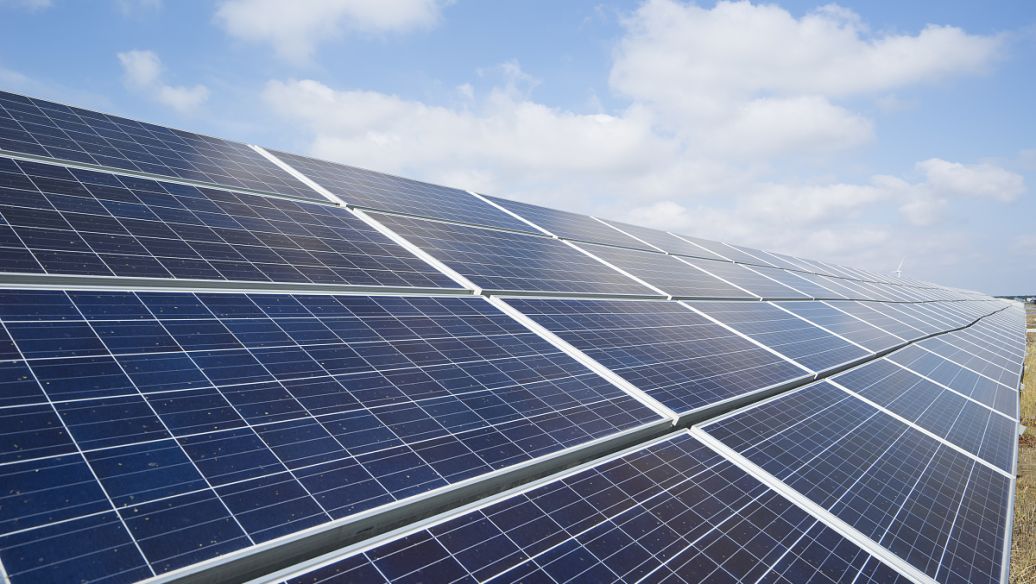
By generating your electricity from a renewable source, you sharply cut your reliance on fossil fuels.
This reduces greenhouse gas emissions. It also helps create a healthier planet.
It's a win-win for your budget and the environment. Your financial goals align with sustainable practices.
The Path to Connecting Your Solar System to the Grid
Installing and connecting a grid-tied solar system involves more than just putting panels on your roof. Here’s what you need to know:
Step 1: Design and Planning
A qualified solar installer will check your property's energy needs.
They'll also assess roof, ground, or site suitability. This includes spots for ground-mounted arrays, carports, or big commercial setups.
They'll look at local solar irradiance. Then, they’ll design a system that fits your needs.
This includes picking the right size and type of panels and inverter. The goal is top performance and maximum financial returns.
Step 2: Obtain Necessary Approvals
Before any physical installation, you need pre-approval for grid connection.
You get this from your local utility company, often called the Distribution Network Service Provider (DNSP).
This step is crucial. It ensures your system meets safety standards. It also confirms the local grid can handle your electricity exports.
They’ll also tell you about any "export limits." This is the most excess solar generation you're allowed to feed back into the grid.
Real-World Hurdles: A Case Study from Germany: In Germany, a country with high solar use, a commercial facility in Bavaria faced delays. Their grid connection approval was slow due to local grid capacity issues. This shows how important it is to talk to your DNSP early. You need to understand their rules and any potential bottlenecks. The approval did come through, but it highlighted that each region's grid can have unique challenges. These can impact how fast you get up and running and start earning.
Step 3: Professional Installation
Putting in a solar system means specialized electrical work. It also involves rooftop/site safety.
That makes professional installation vital.
Certified technicians will install the panels, wiring, and inverter. They'll connect everything to your property’s electrical panel and the grid.
Step 4: System Inspection and Activation
After installation, your system will be inspected. Local authorities and the utility company will check it.
They'll ensure it meets all safety and regulatory standards.
Once approved, your new bidirectional meter will be installed (if you don't have one).
Your system will then be officially activated. You can start generating and potentially selling electricity.
Understanding Potential Challenges
The benefits, especially the financial ones, are clear. But it’s smart to know about potential issues too.
Initial Investment:
The upfront cost can be significant.
But remember, with smart design and good policies, many solar projects can recoup their initial costs in as little as 3 to 5 years.
Various incentives, tax credits, and financing options also significantly help lower this cost.
Policy Changes:
Net metering rates or feed-in tariffs can change over time.
This impacts your long-term financial returns.
It’s important to research current local policies. Also, understand how they might evolve.
Grid Stability:
In some areas with high solar use, grid operators might set limits. Or they might require extra equipment to keep the grid stable.
However, this is less common for typical homes and small-to-medium businesses.
FAQ: Your Top Questions About Grid-Tied Solar Systems
Q1: Will my solar system work during a power outage?
A1: A standard grid-tied solar system will not work during a power outage. For safety, the inverter automatically shuts down. This stops electricity from feeding back into the grid and protects utility workers. If you need backup power, you'll need a system with battery storage and a hybrid inverter. This adds to your initial investment but also provides energy independence.
Q2: How do I know how much electricity my system is generating and consuming, and thus earning?
A2: Your bidirectional meter tracks electricity both coming in from and going out to the grid. This gives you the crucial data for calculating your earnings. Many modern solar systems also have monitoring apps or online portals. These provide real-time data on your solar production and property use. You can easily track your energy performance and financial returns.
Q3: What is "net metering," and how does it make me money?
A3: Net metering is a billing method. It credits solar energy system owners for the electricity they add to the grid. When your solar panels make more power than you use, that extra power goes to the grid. Your utility company then gives you a credit on your electricity bill. This credit can offset the cost of electricity you pull from the grid at other times. It can even reduce or eliminate your monthly bill. This direct cut in expenses, or even a credit balance, is how your system generates a financial return.
Q4: How long does it take to get a grid-tied solar system installed and approved, impacting my ROI timeline?
A4: The whole process can vary widely. This includes initial talks, getting grid connection approval, and activation. It depends on your location, local rules, and utility processing times. It usually takes 2 to 6 months. This covers design, permits, installation, and final checks. While this impacts when your system starts earning, the quick 3-5 year payback often makes it worth it.
Q5: Are there government incentives or tax credits for installing grid-tied solar, accelerating my payback?
A5: Yes, many governments (national, state, local) offer various incentives. These include tax credits, rebates, and grants. They encourage solar adoption. These can significantly cut your system's upfront cost. They also directly speed up your payback period. For example, the U.S. federal solar tax credit (ITC) lets property owners deduct a percentage of their solar system cost from federal taxes. It's vital to research specific incentives in your area to get the most financial benefit.
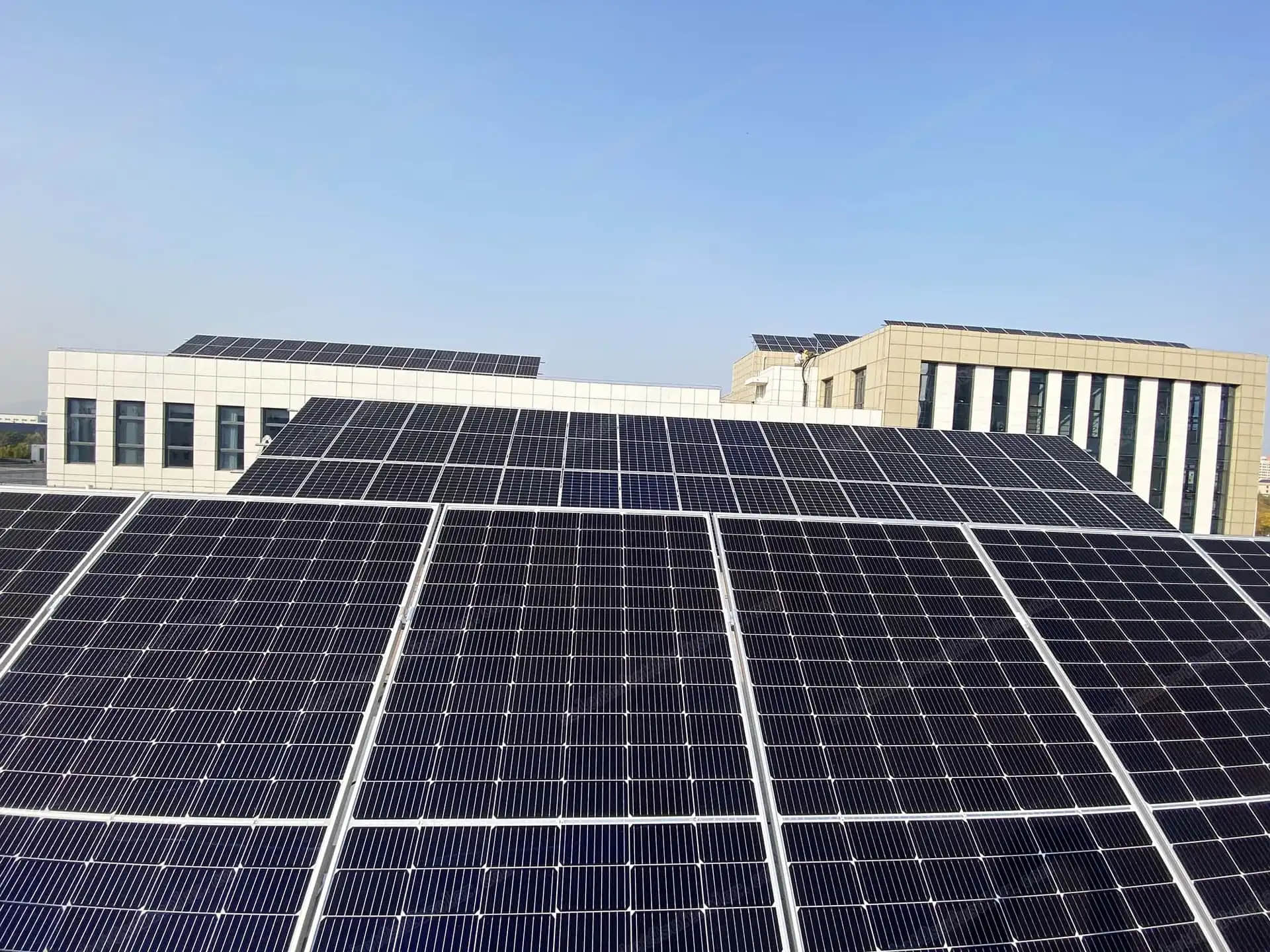
Conclusion: Powering Your Future, One Panel at a Time – And Profiting!
So, can your solar system make you money? Absolutely! By understanding how your solar panels connect to the grid, you can use profitable programs like net metering or feed-in tariffs. Navigating the approval process lets you turn your property or business into a hub of savings. You can even generate a significant income.
It’s an investment that pays off fast. You can often recoup your initial costs in just 3 to 5 years. After that, subsequent energy generation becomes pure profit. This isn't just about going green. It’s a smart, long-term financial move for a more sustainable future.
As Thor, an electrical engineer from Wei Shoe Elec, I truly hope this article has clarified grid-tied solar systems. I hope it empowers you to make informed decisions. My goal is always to give you accurate, easy-to-understand info. It's designed to genuinely help you solve energy challenges and hit your financial targets.
Ready to see how solar solutions can specifically benefit your property or business? Want to learn about custom designs that boost your returns, possibly helping you recoup your investment in just a few short years?
Unlock your full energy potential and find out how solar can improve your bottom line. Visit our website for more insights and expert guidance on comprehensive power solutions:
Have more questions? Need a custom quote tailored to your specific needs and potential ROI? We're here to help!Phone: 86-0577-62788197WhatsApp: +86 159 5777 0984Email: thor@weishoelec.com
Feel free to share this article with anyone considering solar for their property or business, especially if they're looking to make their investment work harder for them! Just remember to credit Wei Shoe Elec.