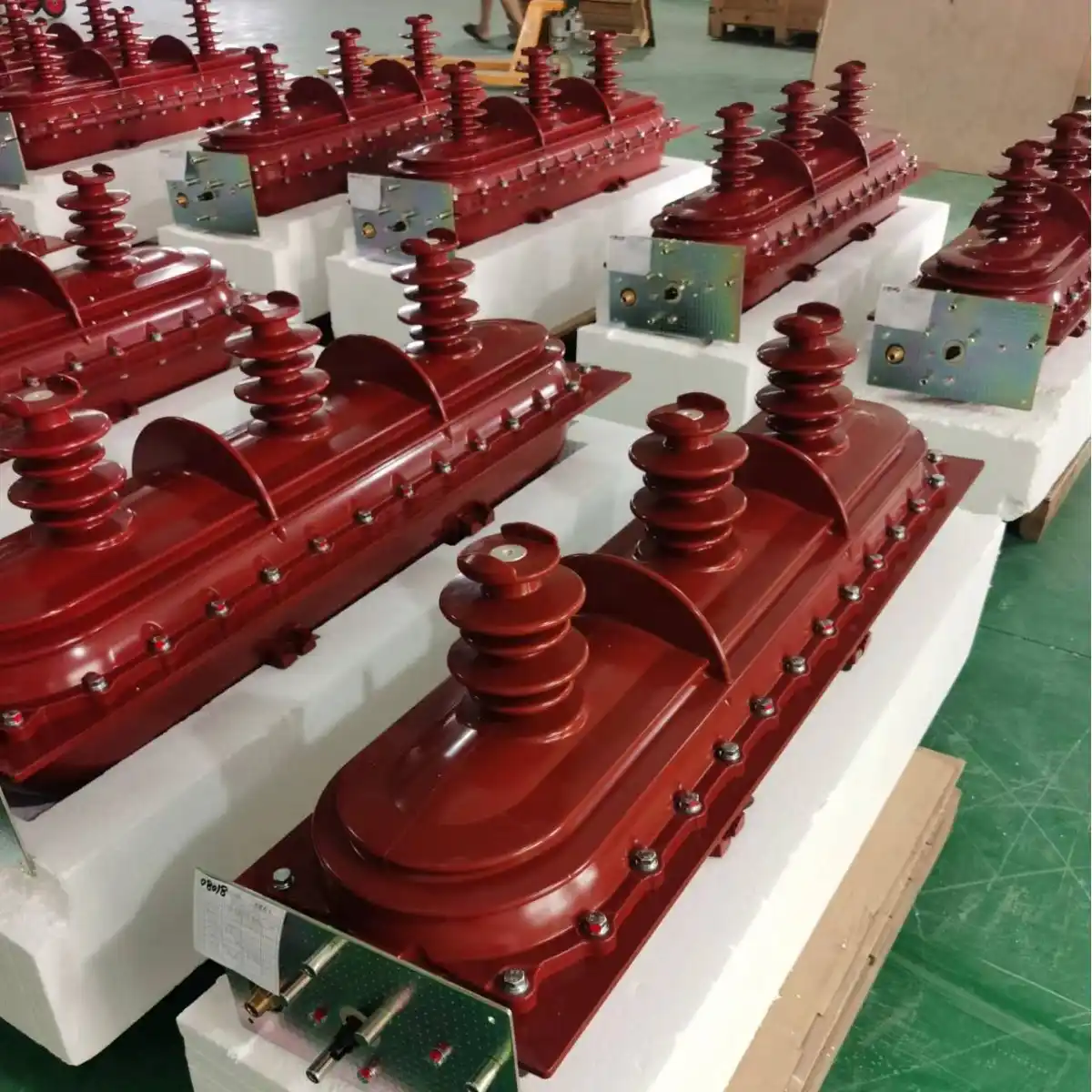
When I discuss reliability with plant teams, three concerns always arise first: unplanned outages, safety during switching, and space limitations. A properly selected SF6-insulated load break switch (LBS) directly targets all three.
Load Break Switch vs Breaker vs Disconnector
It helps to be very clear on what each device actually does:
| Device Type | Main Function | Can Interrupt Load Current? | Fault Interruption? | Typical Use |
|---|---|---|---|---|
| Load Break Switch (LBS) | Make/break normal load, basic fault make | Yes | No (only make, not clear) | Feeder switching, sectionalizing, RMUs |
| Circuit Breaker | Protect and clear faults | Yes | Yes | Main incomers, critical feeders, motors |
| Disconnect Switch (Isolator) | Provide visible isolation only | No | No | Lock-out/tag-out, maintenance isolation |
In simple terms:
Load break switch = safe, controlled load switching + isolation
Circuit breaker = protection + fault clearing
Disconnector = mechanical isolation only, no load breaking
An SF6 load break switch combines safe load interruption and reliable visible isolation in one compact device, which is why I use it so often in medium-voltage (MV) industrial designs.
Where SF6 Load Break Switches Fit in MV Industrial Networks
In a typical 5–38 kV industrial power system, you’ll see medium voltage load break switches at key nodes where you need flexibility but don’t want the cost and complexity of full breakers everywhere.
Common placements:
Ring Main Units (RMUs)
SF6 ring main unit with integrated 24 kV load break switch per feeder
Used for looped distribution in large plants and industrial campuses
Enables sectionalizing without shutting down the whole network
Transformer Substations
Indoor SF6 switchgear on the MV side of distribution transformers
Used to switch and isolate MV cables and transformers safely
Often part of compact substation equipment in space-tight rooms
Motor Control Centers (MV MCCs)
Feeder sections supplied via SF6-insulated load break switches
Provide load isolation upstream of MV soft starters or VFDs
Allow safe work on large motors without taking down entire buses
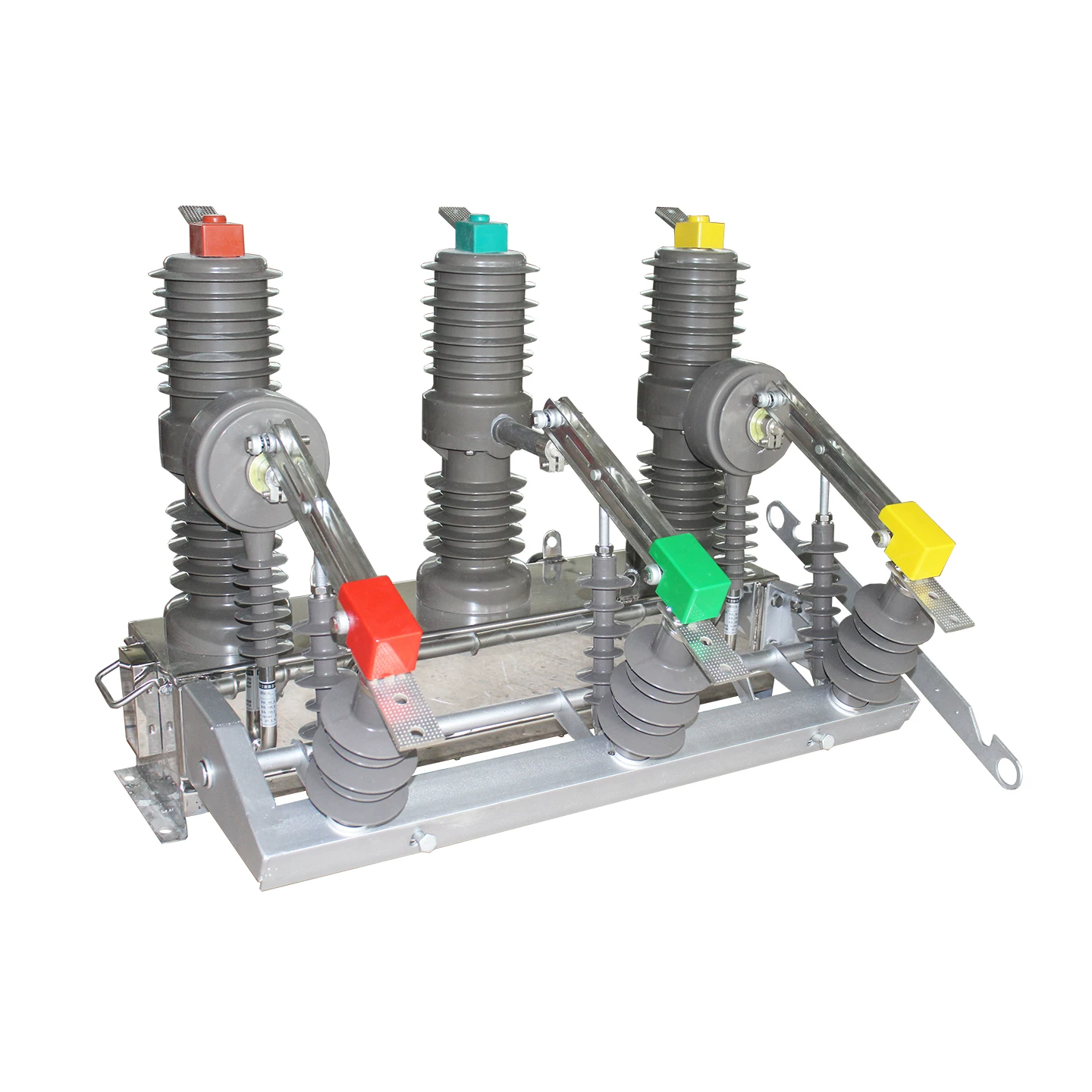
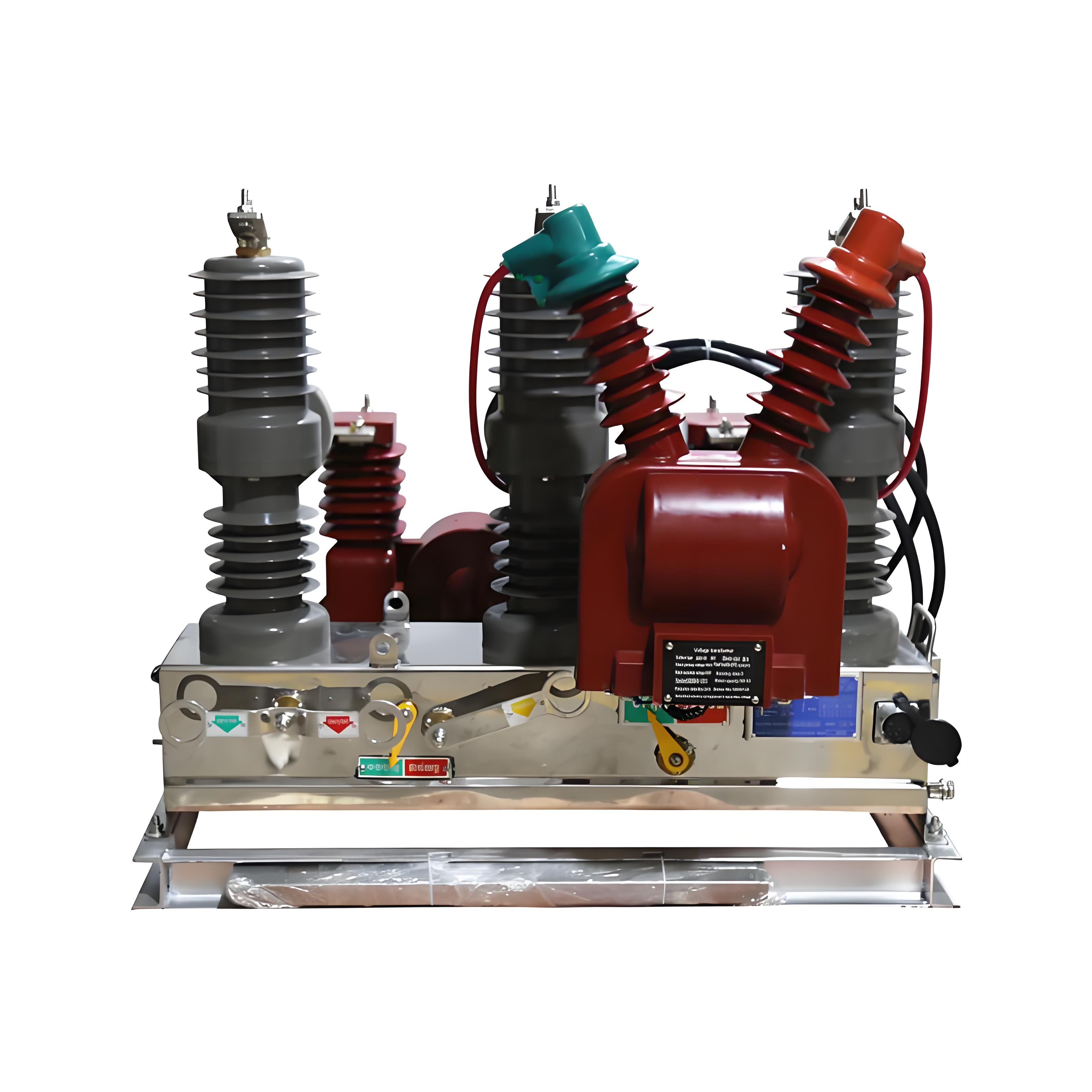
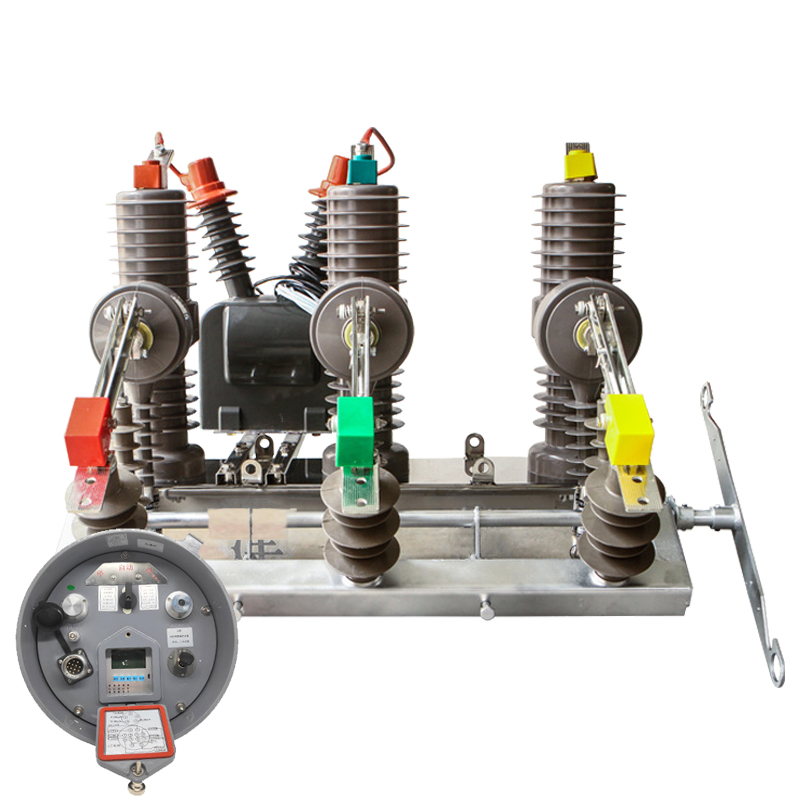
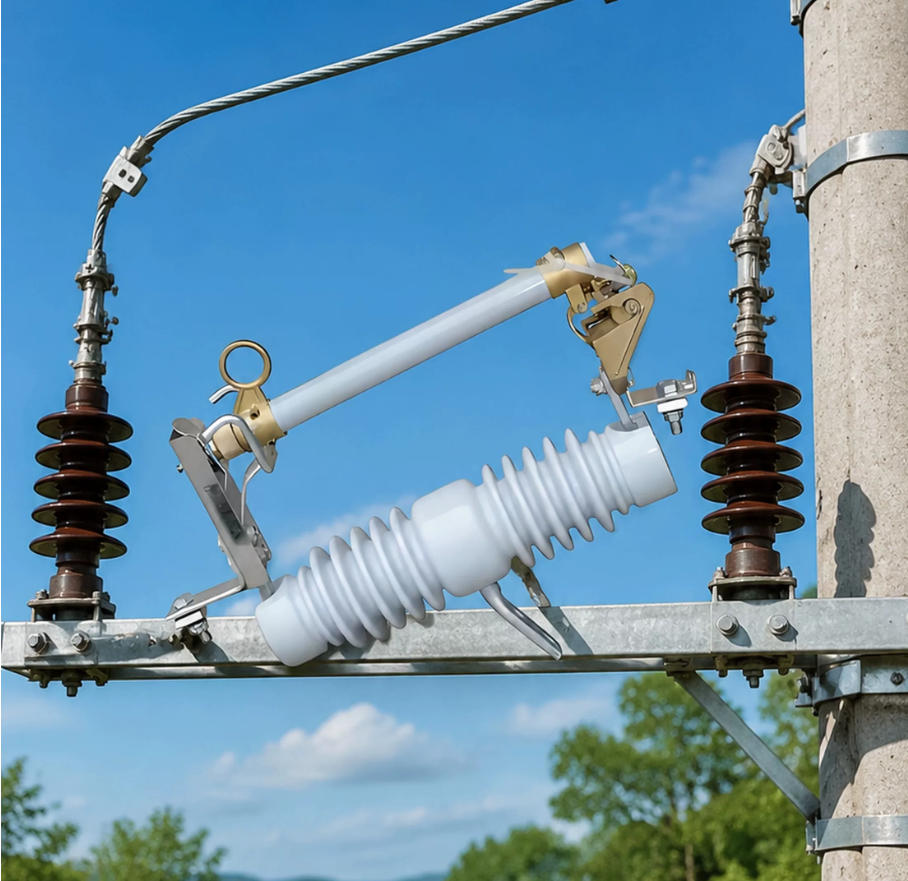
You’ll also see outdoor SF6 load break switches mounted on poles or pads feeding:
Automotive plants and manufacturing lines
Petrochemical units and refineries
Data centers and logistics hubs
Water treatment and mining operations
Why Industrial Facilities Rely on SF6 LBS for Reliable Load Isolation
In real plants, the need is simple: switch under load without tripping production and isolate equipment safely for maintenance. SF6 LBS delivers that by combining:
Safe load switching
Designed for frequent operations under normal load
Handles cable charging currents and small transformer loads without excessive wear
Reliable isolation
Clear open gap inside SF6 gas, often with visible position indication
When integrated in panels, it works like a compact “electrical disconnects & safety switches” system for MV
High reliability under tough conditions
A sealed SF6 chamber is unaffected by dust, humidity, or pollution
Ideal for brownfield MV upgrade solutions where old air-insulated gear struggles
For US plants under pressure to cut downtime and maintenance, an SF6 puffer type LBS offers a practical balance: more robust and compact than air devices, cheaper and simpler than full breaker-based lineups, and purpose-built for industrial power system reliability.
If you’re evaluating “sf6 load break switch for sale”, “replacement sf6 load break switch,” or want a new SF6 load break switch under $25,000, the first step is to decide exactly where in your MV network you need load switching plus isolation—that’s where an SF6 LBS is usually the right tool.
Why SF6 Technology Is Superior for Load Breaking
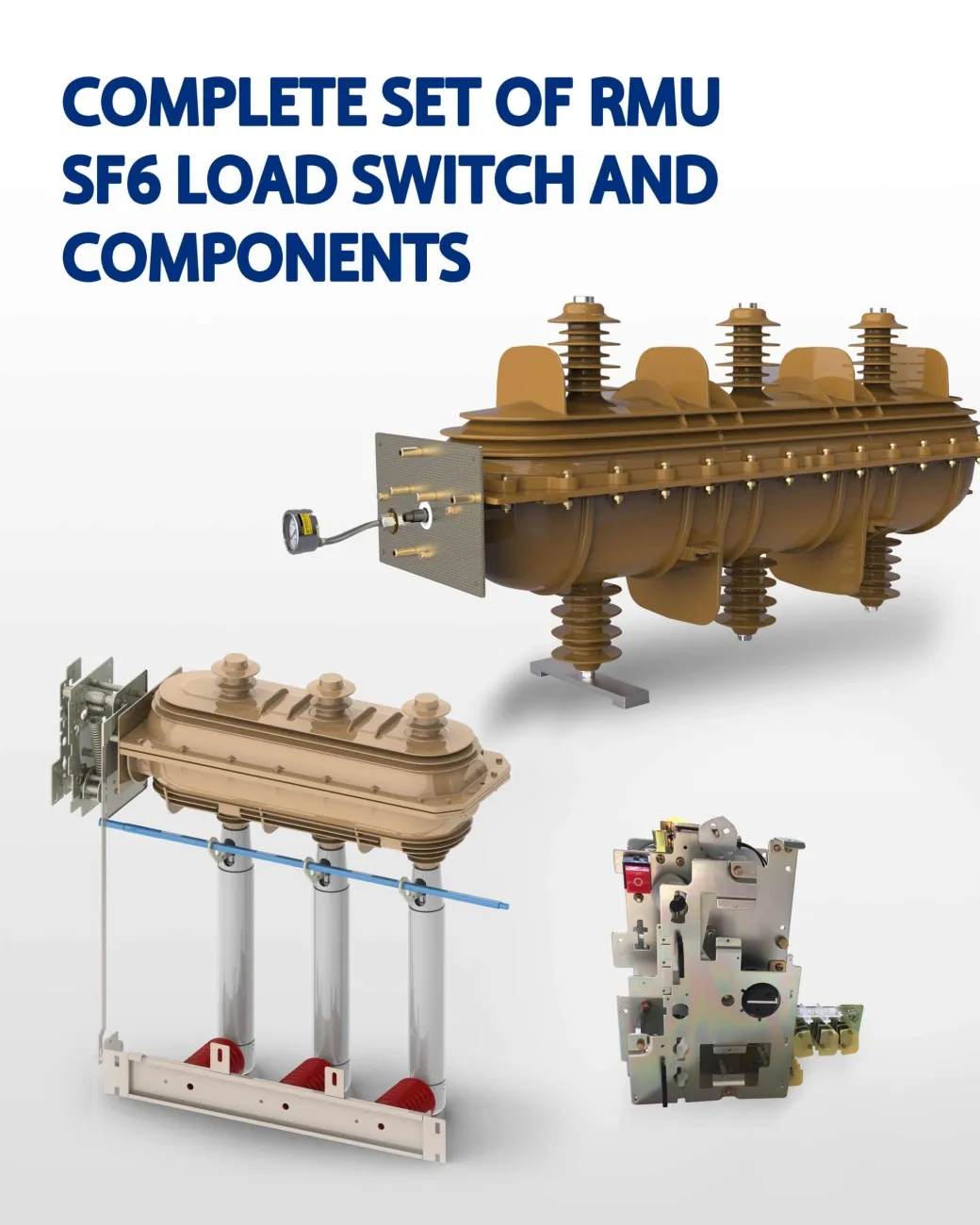
When it comes to medium voltage load break switches, SF6 (sulfur hexafluoride) is still the benchmark for reliable, repeatable switching under load.
Dielectric Strength: SF6 vs. Air and Other Media
SF6 has roughly 2–3x the dielectric strength of air, which lets us:
Design more compact SF6-insulated load break switches (great for tight indoor rooms or compact substations)
Run equipment at higher voltage levels with smaller clearances, especially in 24 kV load break switch and ring main unit SF6 switch setups
Improve insulation performance in polluted or humid environments where air-insulated gear struggles
That high dielectric strength is a key reason SF6 gas insulated switchgear has become standard in many U.S. industrial plants.
Fast, Reliable Arc Quenching with SF6
Every time a load break switch opens under load, it needs to deal with an arc. SF6 makes that process clean and predictable:
SF6 puffer type LBS uses gas pressure to blow SF6 through the arc and cool it fast
The gas has strong arc-quenching properties, so the arc is extinguished quickly and consistently
This gives SF6 load break switches strong fault-make capability, which is critical when equipment must close safely onto a faulted line
That fast arc quenching is what lets modern indoor SF6 switchgear and outdoor SF6 load break switches maintain high reliability in demanding industrial power systems.
Less Contact Wear, Lower Operating Energy
Because SF6 breaks the arc so quickly:
Contact erosion is significantly reduced, which directly extends the mechanical and electrical life
Operators and motor mechanisms need less operating energy, since the switch doesn’t have to fight a long, unstable arc
You get longer maintenance intervals and fewer unplanned outages
For facilities looking to optimize MV switchgear maintenance, SF6 “sealed for life switchgear” is a major advantage for total cost and uptime.
Why SF6 Is Preferred in MV Industrial Distribution
In real U.S. industrial environments—dust, humidity, temperature swings, and tight footprints—SF6 load break switches offer a strong balance of performance and practicality:
Compact design for brownfield MV upgrade solutions and compact substations
Stable performance across a wide range of temperatures and altitudes
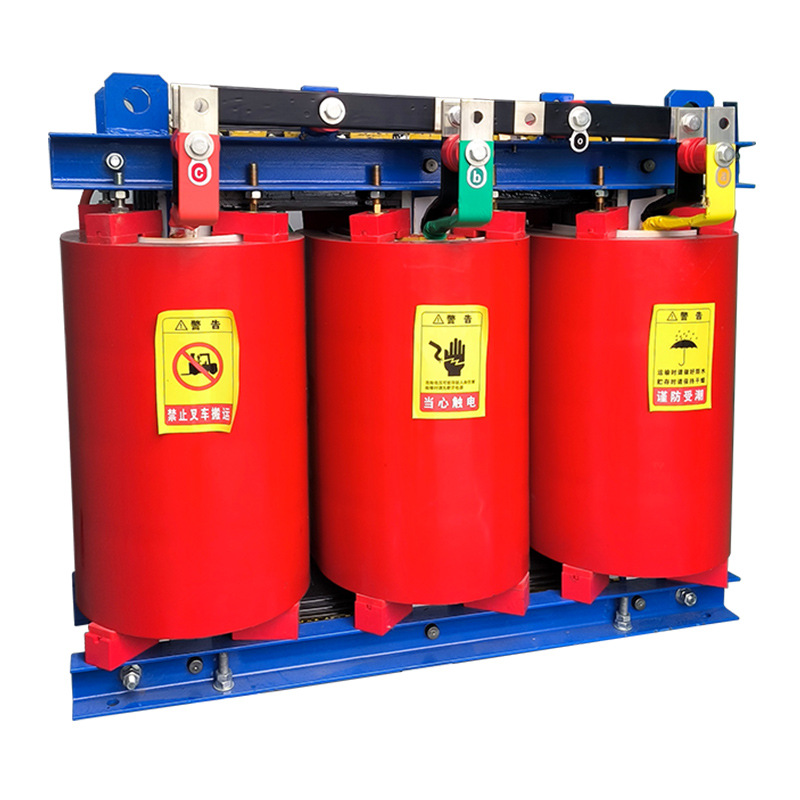
Proven reliability in industrial power system reliability projects, especially where transformers and medium-voltage networks need robust protection (often paired with three‑phase transformers in MV distribution)
That’s why, when I specify SF6 load break switches for sale—whether new SF6 load break switch equipment or replacement SF6 load break switch units for existing gear—SF6 is still my go-to for industrial switchgear reliability in medium-voltage distribution networks.
Key Reliability Advantages of SF6 Load Break Switches
SF6 load break switches are built for one job: keep your plant running without surprises. When we design and supply SF6 insulated load break switches for medium-voltage industrial systems, these are the reliability points we focus on:
Zero Downtime During Normal Load Switching
A quality SF6 puffer type LBS lets you switch feeders, transformers, and ring main loops under load with no interruption to production. The high dielectric strength of SF6 and fast arc quenching mean:
Smooth, repeatable switching of normal operating currents
No nuisance trips or voltage dips on sensitive equipment
Clean load transfers in SF6 ring main units (RMU) and compact substations
For plants upgrading or expanding existing MV systems, this is key to avoiding costly shutdowns.
Full Fault-Make Capability Under Abnormal Conditions
An industrial-rated fault-make load break switch is your safety net when something goes wrong. Properly rated SF6 LBS (
Critical Safety Features of SF6 Load Break Switches
When I design and select SF6 load break switches for industrial plants in the U.S., safety comes first. Here’s what really matters.
Sealed SF6 Compartments & No Exposed Live Parts
Modern SF6 insulated load break switches use sealed-for-life gas tanks:
Fully sealed SF6 tank → no contact with the atmosphere, ultra-low leakage.
No exposed live parts → safe for operators even in tight indoor rooms.
IP-rated enclosures → strong protection against dust, moisture, and accidental contact.
Result: You get a safer MV lineup, especially in busy production areas, MCC rooms, and compact substations.
Visible Earthing, Interlocks & Mechanical Safety
I always push for switches with clear, physical safety cues and forced interlocking:
Visible earthing position (viewing window or indicator) so staff can see the circuit is grounded.
Key/mechanical interlocks prevent:
Switching ON when grounded
Opening doors when the switch is LIVE
Operating in the wrong sequence
Padlockable handles to lock out/tag out during maintenance.
Manual operating mechanism with spring energy to ensure fast, complete operation.
These features cut the risk of human error, which is where most accidents happen.
IEC & IEEE Safety Compliance
A serious medium voltage load break switch should be tested to:
IEC 62271-103 – load break switch performance and safety.
IEC 62271-200 / 62271-202 – metal-enclosed and prefabricated substation requirements.
IEEE C37.71 – high-voltage switches and fault-make performance.
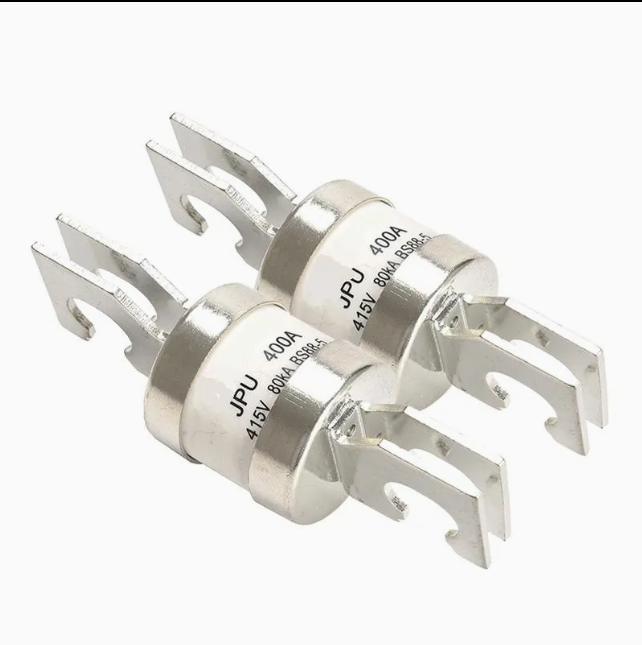
I like to pair SF6 LBS with certified protection devices (relays, fuses, breakers). For example, when choosing between breaker and fuse protection on the same feeder, I cross-check with guidance like this breakdown of circuit breaker vs HRC fuse selection.
Bottom line: If it doesn’t show third-party type test reports to these standards, I don’t buy it.
Explosion-Proof & Hazardous Location Design
In U.S. petrochemical, oil & gas, and grain handling facilities, hazardous area rules are strict. For these sites, I look for:
Arc-proof / arc-resistant enclosures to direct internal faults away from personnel.
Options for Class I, Division 2 or Zone-rated enclosures (depending on NEC/IECEx/ATEX needs).
Pressure relief devices to safely vent an internal arc.
Robust housings for outdoor SF6 load break switches in refineries or tank farms.
Configured correctly, SF6 LBS gives you safe, compact switching even in explosion-risk zones—without sacrificing reliability or uptime.
Lifecycle Cost Benefits of SF6 Load Break Switches
When I look at SF6 load break switches for US industrial plants, I don’t just compare price tags—I compare lifecycle cost and lost production risk. That’s where SF6 insulated load break switches usually win.
CapEx vs. OpEx: SF6 vs. Air & Vacuum
SF6 LBS might cost a bit more upfront than basic air-insulated gear, but the long-term savings are real.
| Item | SF6 Load Break Switch | Air‑Insulated Switchgear | Vacuum Switchgear |
|---|---|---|---|
| Initial CapEx | Medium | Low to Medium | Medium to High |
| Routine Maintenance Cost | Very Low (sealed for life) | Medium to High | Medium |
| Service Intervals | Long (10–20+ years) | Shorter, more inspections | Medium |
| Space / Civil Works Cost | Low (compact footprint) | Higher (larger rooms/cabinets) | Medium |
| Total 20‑Year Cost | Lowest in most MV plants | Higher (labor + downtime) | Competitive but often higher |
Less Outage Time, Less Lost Production
In US factories, refineries, and data centers, every minute costs real money. SF6 medium voltage load break switches help by:
Enabling fast, reliable switching without nuisance trips
Cutting unplanned outages thanks to sealed-for-life design
Reducing planned shutdown time for maintenance and inspections
If your plant runs 24/7, a single avoided outage can pay back the difference vs. cheaper switchgear.
Long Service Life = Lower Total Cost of Ownership
SF6 puffer type LBS is built for decades, not just years:
Minimal contact wear due to excellent arc quenching
No frequent gas topping when using modern sealed designs
Less spare parts stocking and less technician time
Over a 20–30 year period, that means lower total cost of ownership than many air-insulated or older designs.
Justifying SF6 Investments with Data
When I build a business case for “Buy SF6 load break switch” instead of a cheaper option, I lean on:
Failure rate data and mean time between failures (MTBF)
Downtime cost per hour for each production line or process
Lifecycle cost models (CapEx + OpEx + outage cost + maintenance)
Compliance and reliability requirements from utilities and insurers
Once you put real outage costs and labor into the model, SF6 load break switch reliability usually makes the “SF6 load break switch under $25,000” question less important than the millions in production it protects.
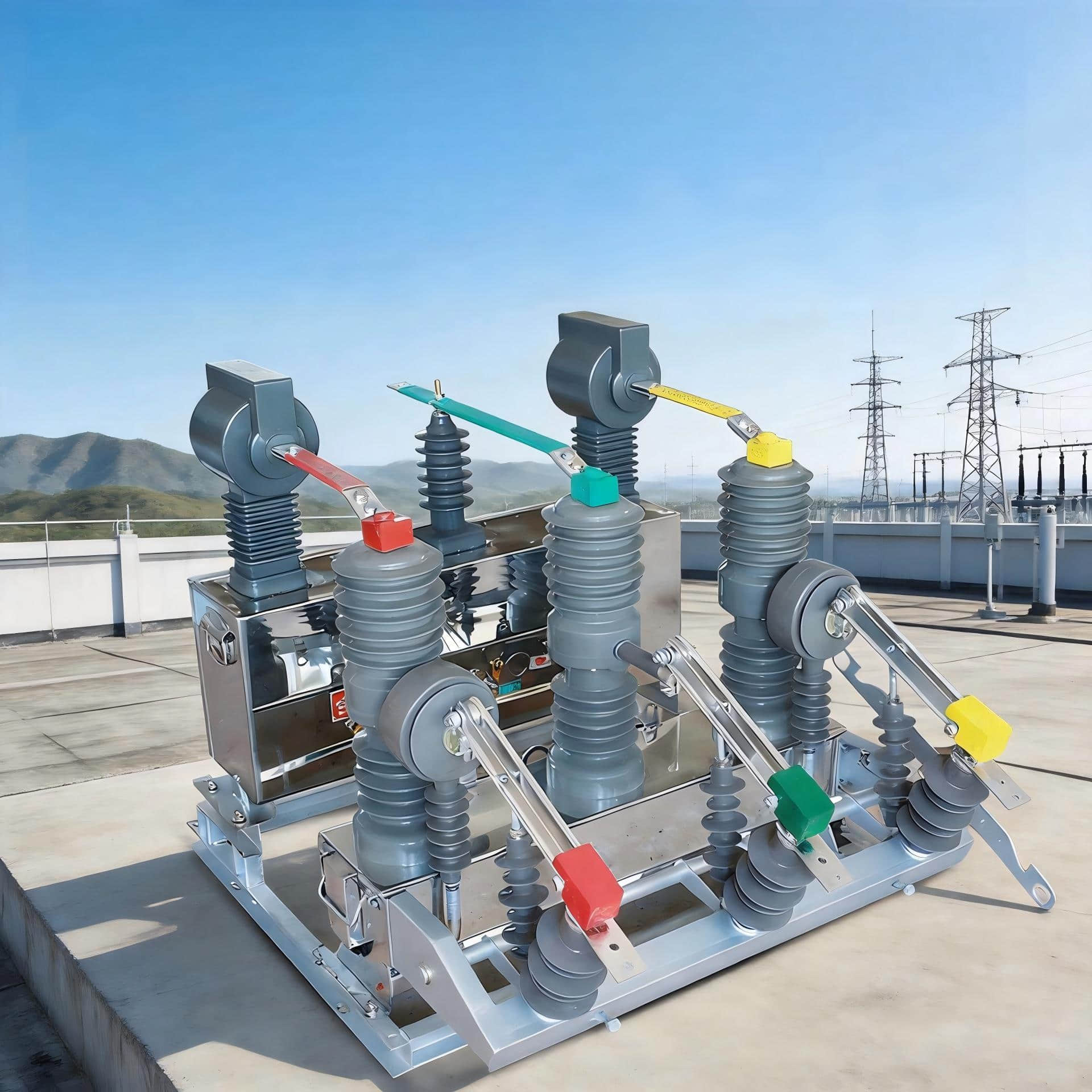
If you’re also comparing with outdoor options, you can align SF6 LBS planning with proven devices like an outdoor load break switch for medium-voltage networks to keep both CapEx and long-term risk under control.
Environmental and Regulatory Considerations for SF6 Load Break Switches
SF6 is a powerful greenhouse gas, so in the U.S. and EU it’s tightly watched. If you’re running SF6 insulated load break switches in an industrial plant, you’re expected to track gas inventory, record additions and removals, and in some states (like California) submit annual SF6 emissions reports. On the standards side, modern SF6 load break switches and SF6 gas insulated switchgear are designed to comply with IEC 62271 series and typically align with EPA and EU F-Gas expectations on leakage and reporting.
Today’s SF6 load break switch designs are sealed-for-life, welded, and factory-tested to keep leakage rates extremely low—often well under 0.1% per year. That’s why a compact 24 kV load break switch or SF6 ring main unit can run for decades without topping up gas. Using puffer type SF6 LBS technology also means less gas volume for the same dielectric performance, which further cuts environmental impact over the asset’s life.
In our projects, we push strict best practices for SF6 handling, monitoring, and recycling:
Use certified SF6 recovery carts for filling and de-gassing.
Install density gauges and alarms on critical indoor SF6 switchgear.
Capture and recycle SF6 at end of life through approved reclaim facilities.
Train maintenance teams on safe SF6 procedures and documentation.
The trade-off is simple: SF6 switchgear delivers rock-solid industrial power system reliability—especially in harsh environments—while modern engineering and handling practices keep emissions extremely low. For most U.S. industrial facilities, the net result is fewer unplanned outages, less production loss, and a small, manageable SF6 footprint when compared to the environmental cost of repeated failures, scrap, and downtime in less reliable MV equipment.
How to Choose the Right SF6 Load Break Switch for Your Plant
When you’re buying an SF6 load break switch for an industrial plant in the U.S., you need to size it right the first time. Here’s how I look at it.
1. Pick the Right Voltage Class & Current Ratings
Match the switch to your real operating conditions, not just the nameplate.
Key points:
System voltage: 5 kV, 15 kV, 24 kV, 27 kV, 38 kV are common.
Rated current: size for continuous load + future expansion (630A, 800A, 1,250A are typical).
Cable and transformer size: confirm the LBS rating matches feeder and transformer kVA.
Quick sizing table (typical MV distribution):
| Feeder / Transformer Size | Typical Voltage Class | Typical LBS Current Rating |
|---|---|---|
| ≤ 1,000 kVA | 15 kV | 400–630 A |
| 1,000–2,500 kVA | 15–24 kV | 630–800 A |
| 2,500–5,000 kVA | 24–27 kV | 800–1,250 A |
| > 5,000 kVA | 27–38 kV | 1,250 A and up |
2. Short-Circuit Making & Mechanical Endurance
You want the switch to survive the worst day in your plant.
Short-circuit making capacity:
Check kA rating vs available fault current from your utility or upstream gear.
For industrial plants, 16–31.5 kA is common for fault-make load break switches.
Mechanical endurance:
Look for at least 1,000–2,000 operating cycles for standard industrial duty.
Heavy switching (e.g., motor loads, frequent reconfiguration) may need a higher endurance class per IEC 62271-103.
3. Indoor vs Outdoor, Pole-Mounted vs Panel-Integrated
Match the design to your site layout and environment.
Design selection:
| Option | When to Use It |
|---|---|
| Indoor SF6 switchgear | Switch rooms, MCC areas, data centers, and factories |
| Outdoor SF6 load break switch | Yard substations, plant perimeter, remote feeders |
| Pole-mounted LBS | Overhead lines, rural or large outdoor campuses |
| Panel-integrated LBS / RMU | Compact substations, brownfield upgrades, tight rooms |
If you’re planning compact substations or underground distribution, a panel-integrated SF6 LBS inside a box-type or underground substation (similar to our underground box-type substation solutions) often gives the best footprint and safety.
4. Key Questions to Ask SF6 Switchgear Suppliers
Don’t just ask for price. Ask for proof.
Technical questions:
What voltage, current, and short-circuit making ratings are type-tested?
Are you compliant with IEC 62271-103 and IEEE C37.71?
What’s the SF6 leakage rate and sealed-for-life guarantee?
What’s the mechanical and electrical endurance class?
Do you offer both indoor SF6 switchgear and outdoor SF6 load break switch options for the same rating?
Commercial & support questions:
What’s the lead time, and are spares stocked in the U.S.?
What’s the warranty period and on-site support coverage?
Can you provide project references in similar U.S. industries (automotive, petrochemical, data center)?
Do you support retrofit / replacement SF6 load break switch projects in existing lineups?
Nail these points up front, and you’ll buy an SF6 insulated load break switch that actually fits your plant, not just your budget.
Real-World Industrial Applications of SF6 Load Break Switches
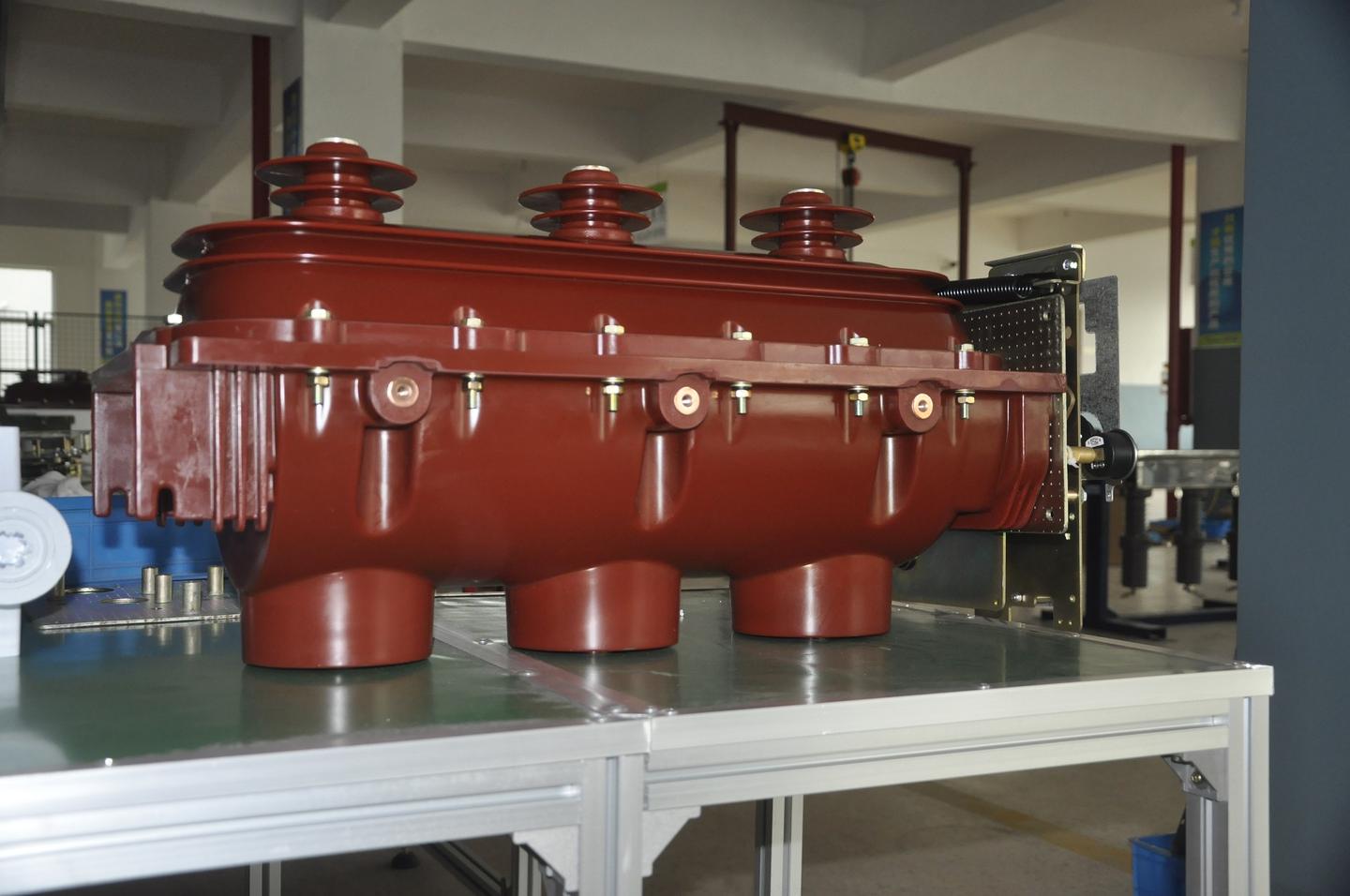
SF6 Load Break Switches in Automotive Manufacturing
In U.S. automotive plants, an SF6 insulated load break switch is one of the easiest ways to stabilize medium-voltage (MV) networks during expansions and model changes. When you’re feeding body shops, paint lines, and robotics from ring main units (RMUs), SF6 LBS gives you:
Fast, safe load isolation for sections of the line without shutting down the entire plant
Compact 24 kV load break switch panels that fit into tight brownfield substations
Fault-make capability that protects upstream gear and keeps outages localized
Tie that in with digital relays and quality metering (often paired with dedicated medium-voltage current transformers), and you get a cleaner MV backbone with fewer unplanned trips.
Petrochemical and Oil & Gas SF6 LBS Applications
In petrochemical and oil & gas facilities, the priority is simple: no ignition risk, no unexpected downtime. That’s where sealed-for-life SF6 gas insulated switchgear stands out:
Outdoor SF6 load break switch units with corrosion-resistant enclosures handle salt spray, chemicals, and dust
Explosion-risk areas benefit from sealed compartments and no exposed live parts
Fault-make load break switches are used on feeders to pumps, compressors, and process units to prevent cascading trips
Most plants standardize on IEC 62271-103 load break switch designs so their maintenance teams deal with one proven technology across the site.
Data Centers: Uptime and Redundancy
Data centers in the U.S. lean hard on SF6 ring main units and indoor SF6 switchgear for MV distribution from utility service entrances to UPS and critical loads. The value is clear:
High reliability and low maintenance, which aligns with 24/7 uptime requirements
Compact SF6 RMU for industrial plants that fits in electrical rooms where floor space is expensive
Simple sectionalizing for A/B feeding, so you can maintain one path while the other stays live
Paired with intelligent dual-power switchgear like a modern outdoor automatic transfer solution, SF6 load break switches help maintain redundancy all the way from MV to LV.
Lessons From Harsh Environments
From desert solar farms feeding industrial loads to coastal LNG terminals, SF6 gas insulated switchgear has proven a few key points:
SF6 puffer type LBS keeps stable performance under extreme temperatures, high humidity, and heavy pollution
Properly installed sealed-for-life switchgear shows extremely low SF6 leakage over decades
Most issues come from poor installation or wrong product selection, not the SF6 technology itself
When we specify SF6 LBS for harsh conditions, we focus on:
Correct **IP rating and
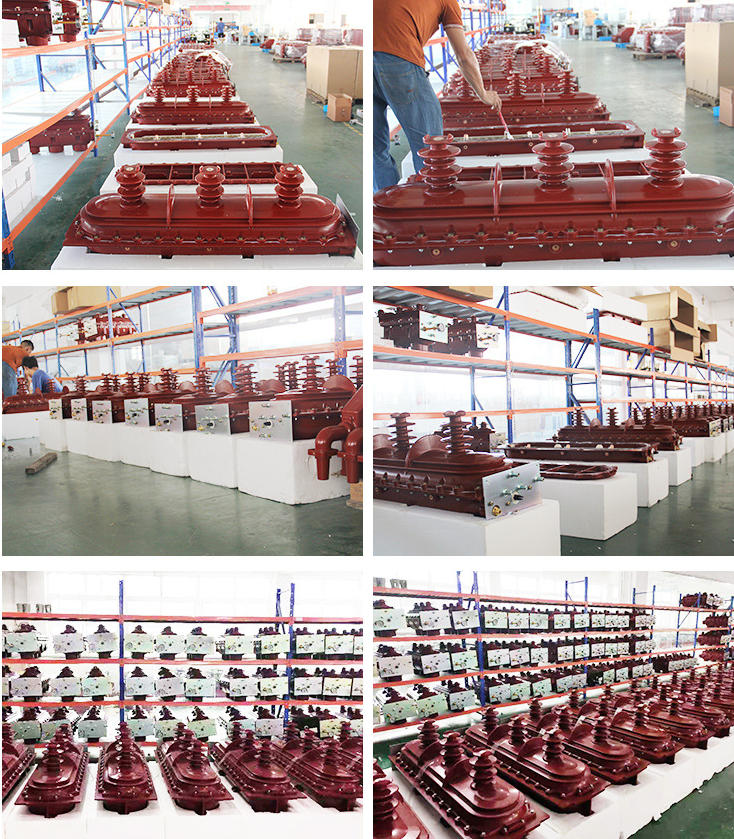
Choosing a Reliable SF6 Load Break Switch Manufacturer
When you’re buying an SF6 load break switch for an industrial plant in the U.S., the manufacturer matters just as much as the datasheet. You’re trusting this gear with your uptime, your people’s safety, and your power quality, so you can’t treat it like a commodity.
What to Look for in an SF6 Load Break Switch Supplier
For any SF6 insulated load break switch (indoor or outdoor), I’d only work with a supplier that can clearly deliver:
Proven MV experience
Solid track record in 12 kV–24 kV medium voltage load break switches and SF6 gas insulated switchgear.
Real references in industrial environments: plants, data centers, oil & gas, utilities.
Transparent technical data
Clear ratings: voltage class, continuous current, fault-make load break switch capability, short-time current.
Full alignment with IEC 62271-103 and, where applicable, IEEE C37.71.
Product range and availability
Indoor SF6 switchgear, outdoor SF6 load break switch, ring main unit SF6 switch, compact substation equipment.
Stock options for new SF6 load break switch plus lead times for customized panels.
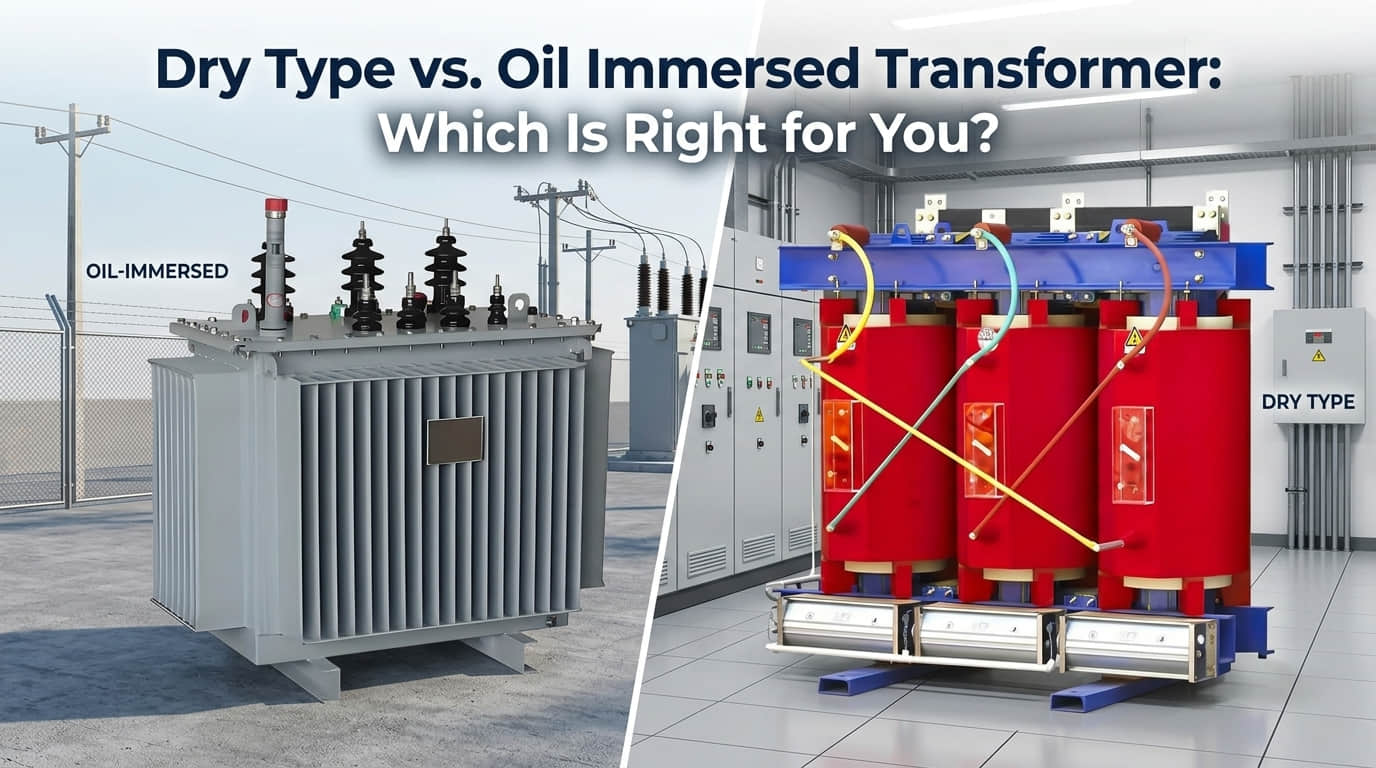
If you’re upgrading switchgear around transformers, it’s worth understanding how the electrical transformer box sits in your MV/LV layout so you pick the right switch location and ratings in the first place. A quick review of how transformer enclosures tie into the power grid architecture can help you avoid under‑specifying your SF6 LBS in critical feeders.
Testing, Certification, and Global References
Any SF6 puffer type LBS you buy should come with:
Type-tested switchgear
Complete type test reports from accredited labs (not just “tested by manufacturer”).
Dielectric tests, short-circuit making tests, mechanical endurance, temperature-rise tests.
Recognized certifications
IEC 62271 series compliance; IEEE/ANSI references for U.S. projects when required.
UL or local approvals where the AHJ (Authority Having Jurisdiction) expects them.
Real-world references
Installed base in ring main unit SF6 switch applications, compact substations, and brownfield MV upgrade solutions.
References in harsh or mission‑critical sites: petrochemical, mining, data centers, automotive.
If a supplier can’t show you successful projects and third-party test evidence, don’t put their SF6 load break switch in your main feeds.
How Advanced SF6 Technologies Improve Reliability and Safety
Top-tier SF6 LBS designs use features that directly boost reliability and safety in industrial power systems:
Sealed-for-life switchgear
SF6 gas compartments have been sealed to minimize the SF6 leakage rate for decades.
No live parts are accessible during normal operation, reducing risk for operators.
Optimized arc quenching
Modern SF6 puffer type LBS tech for fast, stable arc extinction and lower contact wear.
Lower operating energy and smoother mechanism movement (fewer failures, less adjustment).
Compact, modular designs
Smaller footprints for indoor SF6 switchgear rooms and compact substations.
Easy integration into SF6 ring main units, MCC-adjacent panels, or retrofit breaker boxes & load centers.
These upgrades translate into fewer nuisance issues, safer switching, and better uptime in industrial distribution networks.
Support, Customization, and After-Sales Service
In the U.S. market, support is often the real differentiator between “cheap” and “cost-effective” SF6 load break switch sale offers:
Application engineering support
Help sizing a 24 kV load break switch, checking short-circuit making capacity, mechanical endurance, and coordination with existing relays, busbars, and electrical disconnects & safety switches.
Clear answers on indoor vs outdoor, pole-mounted vs panel-integrated versions, and replacement SF6 load break switch options for legacy gear.
Customization when you need it
Options for cable hubs, splitters & switches, custom cubicle sizes, and busbar arrangements.
Color/finish variations (gray SF6 load break switch is typical; other colors like red or green SF6 load break switch are often possible for specific safety coding).
After-sales service and spares
Local or regional support for commissioning, training, and troubleshooting.
Guaranteed spare parts availability across the switch’s lifecycle and clear procedures for SF6 handling, monitoring, and recycling.
When you’re ready to buy SF6 load break switch solutions—whether " new SF6 load break switch or used SF6 load break switch for a budget retrofit—treat the supplier’s technical depth testing and support as core spec items. That’s how you protect your industrial power system reliability and keep total cost of ownership under control not just chase an SF6 load break switch under $25 000 on paper.