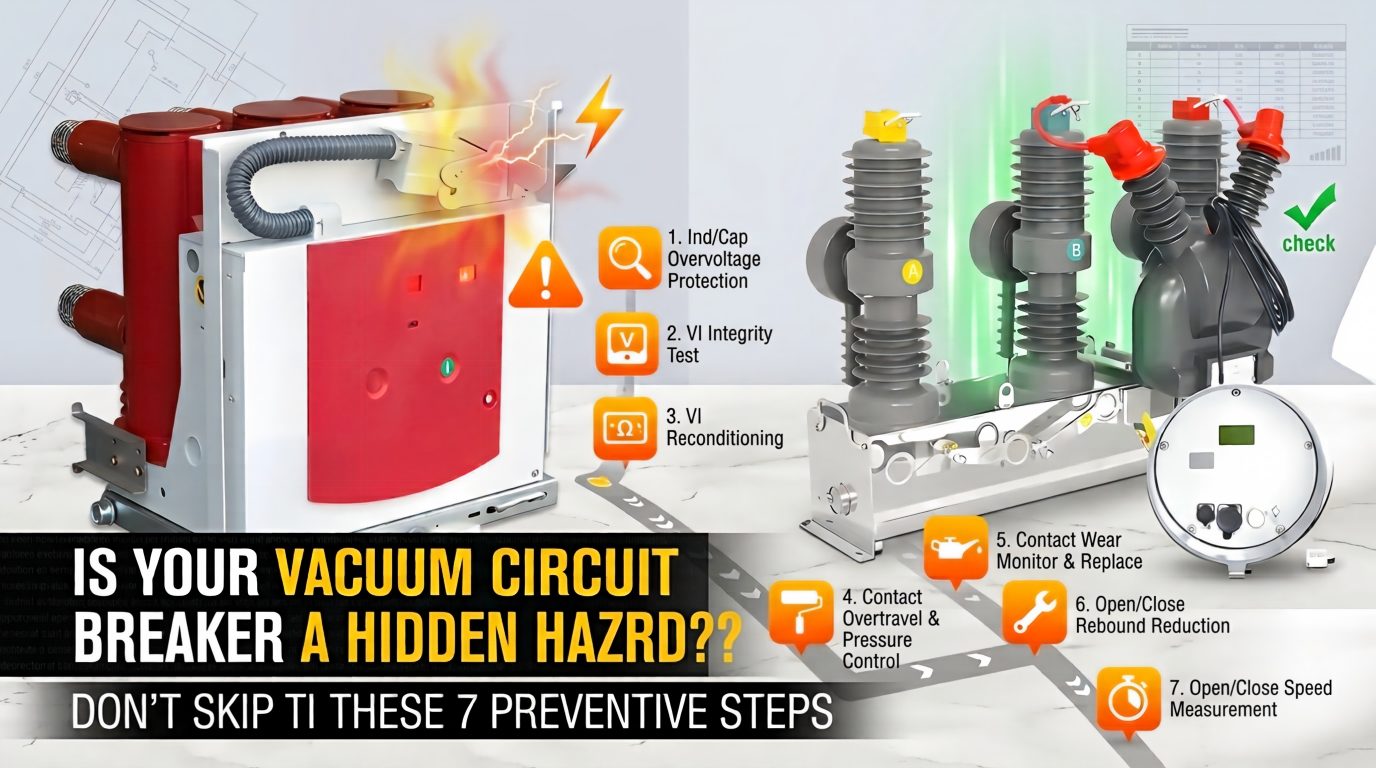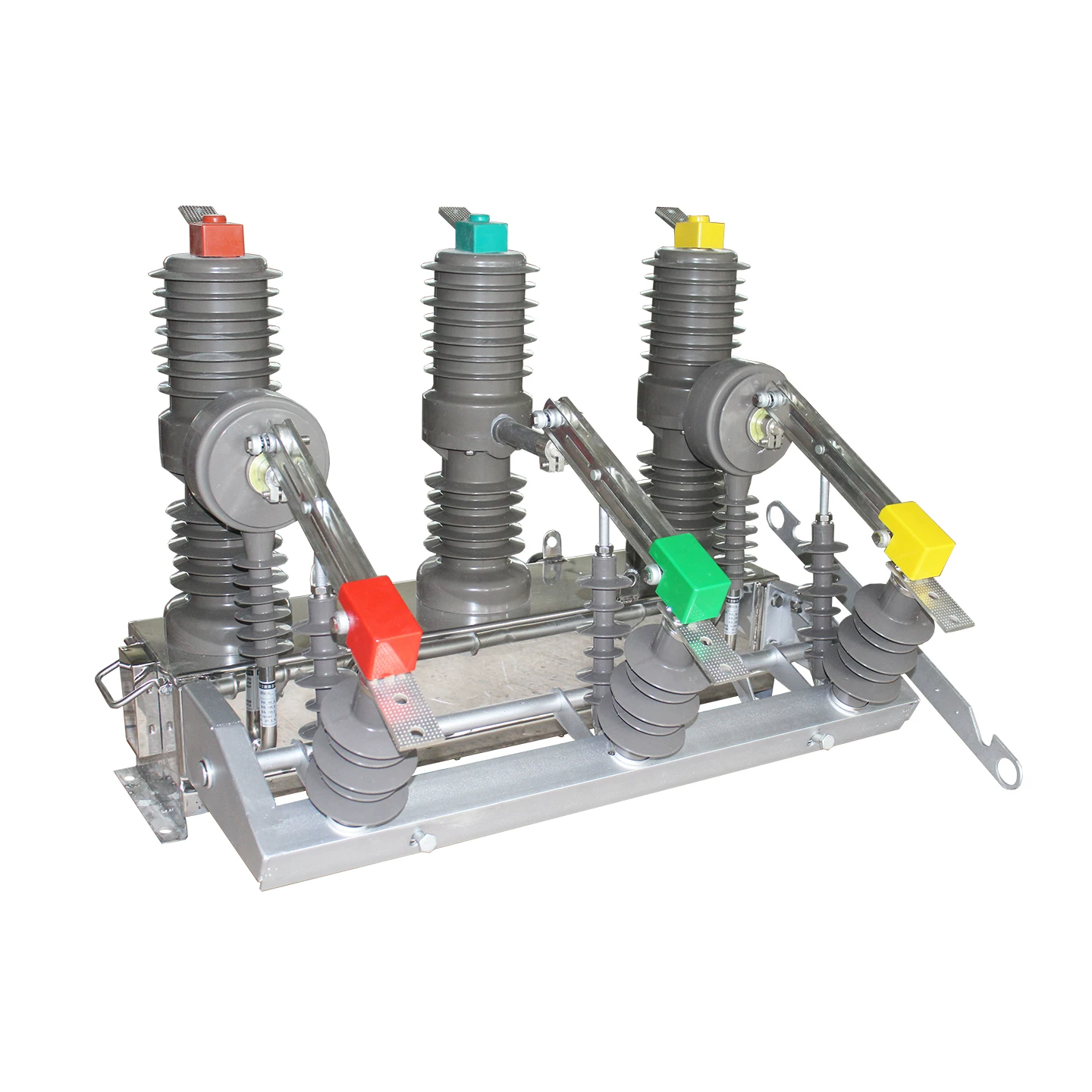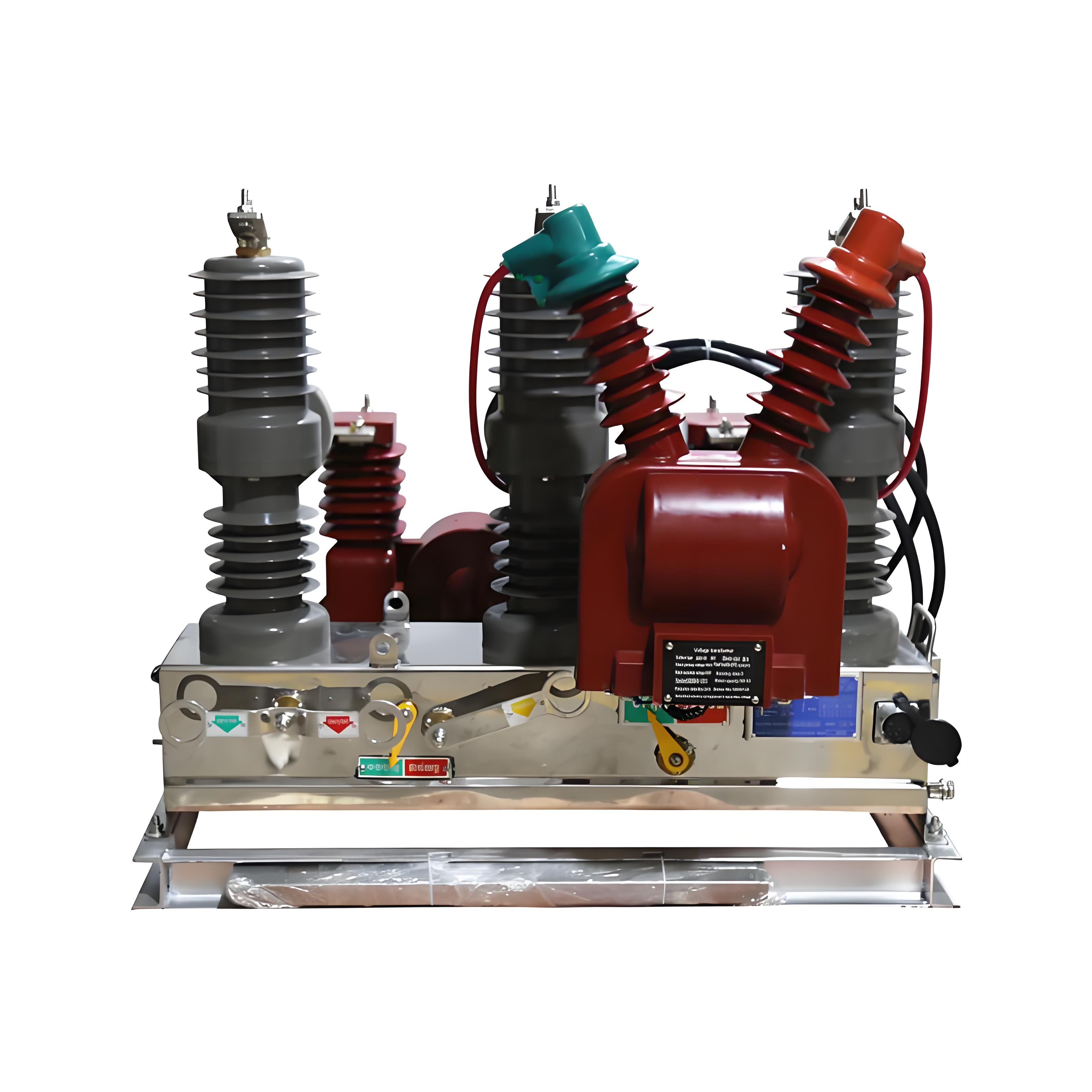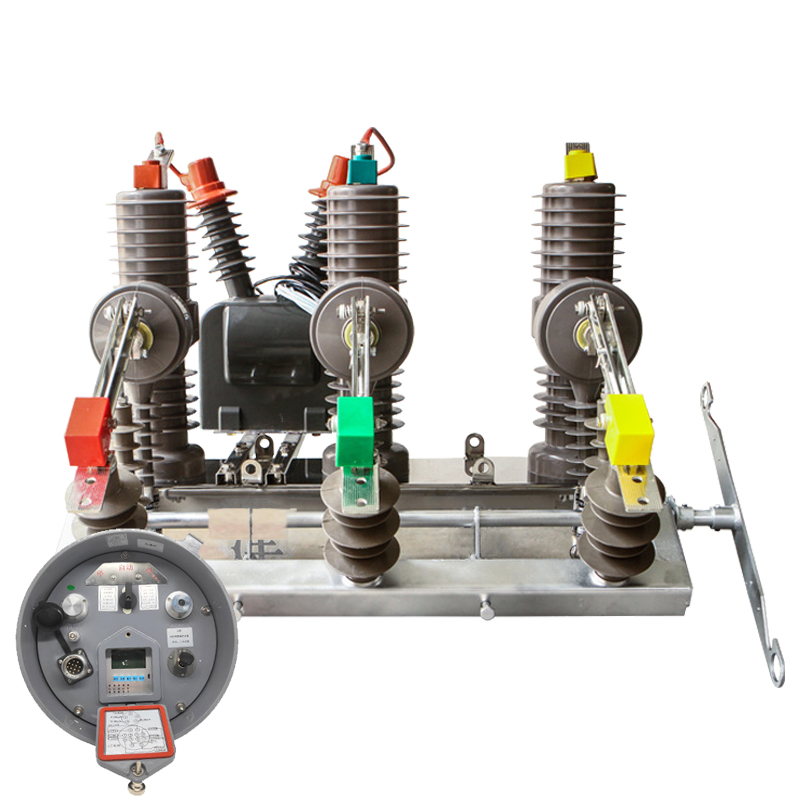
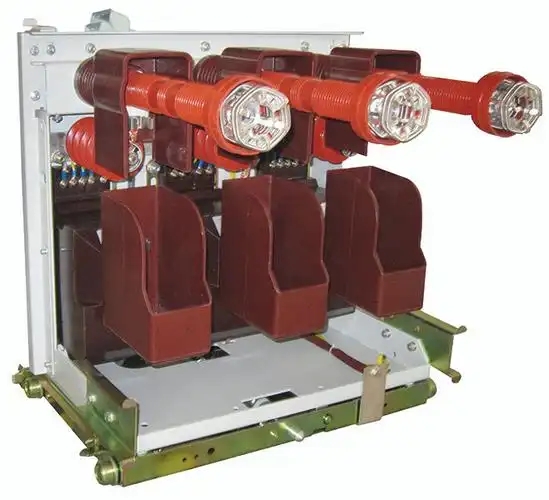
When dealing with medium voltage switchgear, such as KYN28 or other withdrawable panel types, understanding the difference between a rack-in breaker and a PT truck is essential for both safety and functionality. Despite their similar form factor and racking mechanisms, these two components serve very different purposes and require distinct operational considerations.
I'm Thor, an electrical engineer at Wei Shoe Elec. Over the years, I’ve investigated multiple incidents and design flaws involving improper use of switchgear compartments, especially where PT trucks were mistakenly treated as protective devices. This guide aims to provide in-depth, practical comparisons with real-world implications.
What Is a Rack-In Breaker?
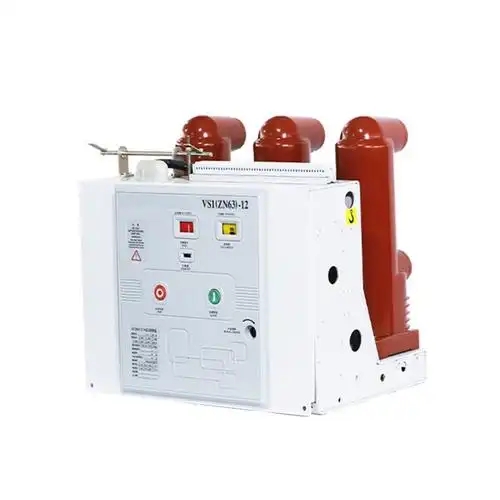
A rack-in breaker is a withdrawable circuit breaker unit—typically a Vacuum Circuit Breaker (VCB)—that is inserted into a switchgear panel to connect both main power circuits and control systems. It enables fault protection, overload interruption, and load switching. These breakers comply with IEC 62271-100 and GB 1984 standards.
Key Characteristics:
Designed to interrupt fault currents quickly and safely
Equipped with tripping coils, arc quenching chambers, and interlocks
Typically rated between 12kV and 40.5kV, with current ratings from 630A to 3150A
Applications:
Industrial feeders, transformer inputs, and motor control centers
High-reliability systems require the rapid clearing of faults
What Is a PT Truck?
A PT truck is a withdrawable handcart unit containing one or more voltage transformers (PTs). Its purpose is limited to measuring voltage, feeding control circuits, or metering, not protection or load switching. PT trucks follow standards such as IEC 60044-2 and IEC 62271-102 (for switching devices with measurement roles).
Key Characteristics:
Includes fused PTs for overload protection
Provides control and metering voltage inputs to relays and meters
Designed to be withdrawn or inserted only under no-load conditions
Applications:
Voltage sensing for protection relays (e.g., undervoltage release)
Revenue metering input
Auxiliary control circuit power
Technical Comparison Table
| Feature | Rack-In Breaker (VCB) | PT Truck |
|---|---|---|
| Main Function | Fault protection, switching | Voltage sensing, metering |
| Load Carrying Capability | High (up to 3150A) | Low (fused PT burden only) |
| Can it Break a Fault Current? | Yes | No |
| Control Wiring | Complex tripping & signaling | Simple secondary outputs |
| Interlocks Required | Yes (mechanical + electrical) | Yes (racking lock, fuse presence) |
| Key Standards | IEC 62271-100, GB1984 | IEC 60044-2, IEC 62271-102 |
Engineering Insight: Why Misuse Happens
From a mechanical perspective, both units share a similar racking interface. This causes:
Visual confusion, especially by junior staff or during maintenance in dim conditions
Panel mislabeling, leading to operation without confirming the actual function
Absence of interlocking systems, making it physically possible to rack in a PT under load
📌 Design Advice: Always label hand carts clearly and implement dual interlocks—mechanical + electrical—to avoid human error.
Real Case: PT Truck Arc Flash in a South American Utility
In 2018, a Brazilian utility experienced a flashover incident when a PT truck was racked in during live operation on a 13.8kV system. Investigation by CIGRÉ SC A3 showed:
Interlocks were bypassed during testing
The PT fuse failed instantly, but didn't clear the arc
Resulted in a 6-hour outage and two injuries
Lesson: PT trucks are never to be treated as live-switchable components. They are auxiliary sensing units and must be de-energized before operation.
(Reference: CIGRÉ Technical Brochure 779, 2019)
Engineering Selection Guide
Choose a Rack-In Breaker if:
Short-circuit interruption is needed
Load switching is frequent
You're protecting mission-critical assets
Choose a PT Truck if:
Only voltage sensing or metering is required
Control relays need a stable reference voltage
System needs are non-load-bearing
📌 Tip: For compact switchgear designs, some manufacturers (e.g., Siemens NXAir, Schneider Premset) use fully enclosed PT drawers with spring-loaded isolation contacts.
Conclusion: Respect the Function, Avoid the Failure
Rack-in breakers and PT trucks may look alike, but functionally, they’re worlds apart. One is a guardian of fault isolation, the other a passive observer feeding data. Mistaking one for the other can result in costly equipment failure, outages, or safety hazards.
🛠️ As engineers, we must build systems that are not only electrically correct but operationally foolproof. That includes:
Design-level separation
Clear nameplate labeling
Full interlock implementation
🚀 Need Help Designing or Specifying Withdrawable Units?
At Wei Shoe Elec, we assist OEMs, EPCs, and utilities with:
Custom rack-in VCB & PT truck configurations
Safety-focused racking interlock schemes
Standards-compliant system integration
📧 Email: thor@weishoelec.com
📞 Phone: +86-0577-62788197
💬 WhatsApp: +86 159 5777 0984
Get the exact unit you need—reliably, safely, and on spec.