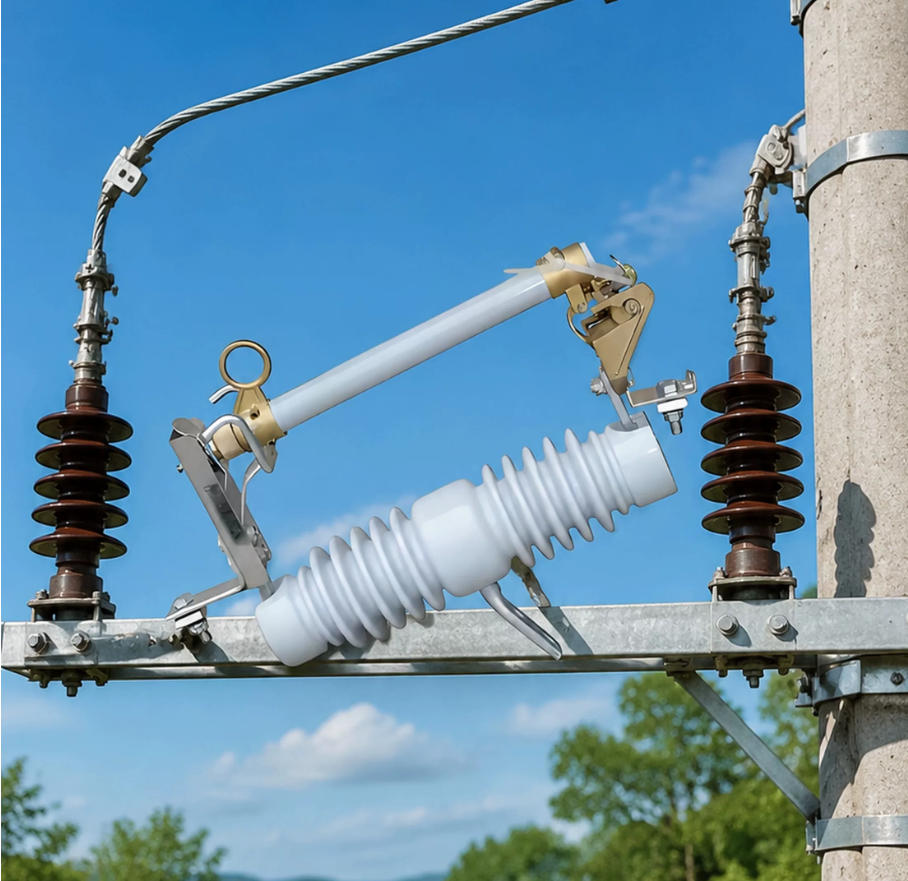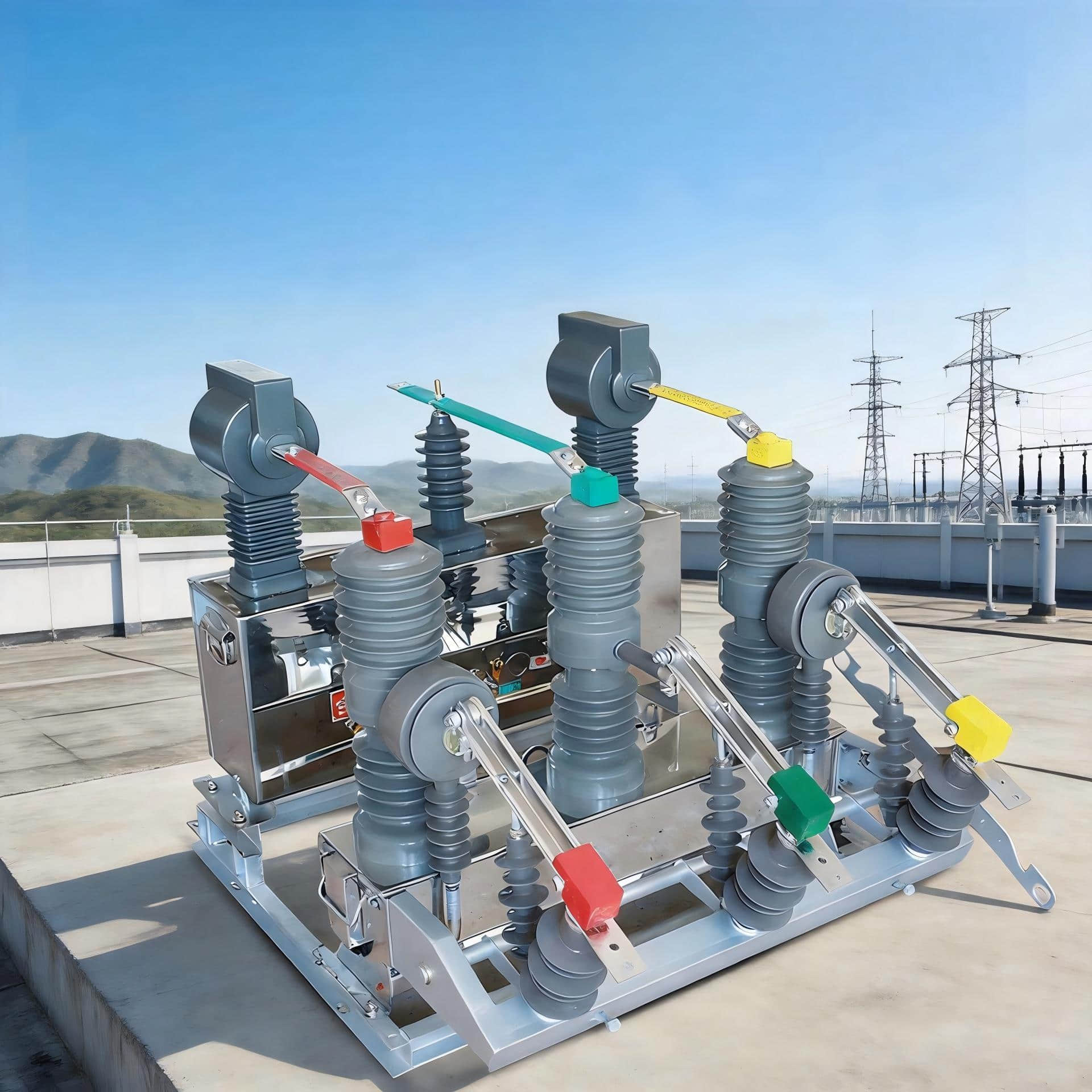
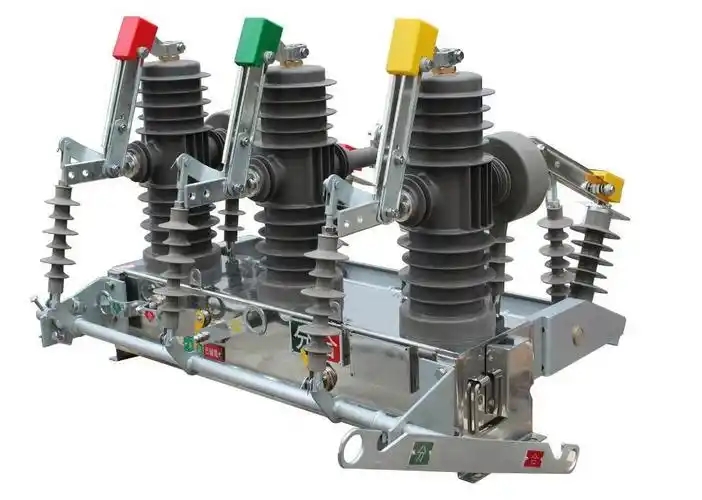
When choosing between an outdoor vacuum circuit breaker or an indoor vacuum circuit breaker (VCB), the decision can feel overwhelming. Each type serves a specific purpose, and using the wrong one can lead to costly mistakes, downtime, or safety issues.
As someone who has worked with countless clients through Wei Shoe Elec, I know firsthand how many engineers and project managers struggle with this choice. In this article, I’ll help you compare both types clearly, using real-world examples and practical advice to confidently guide your selection.
What Is a Vacuum Circuit Breaker?
A vacuum circuit breaker (VCB) is a type of switchgear used to control and protect electrical systems in medium-voltage applications. It operates by interrupting the current flow in a vacuum chamber, which ensures rapid arc extinction and minimal contact erosion. This makes VCBs highly reliable, safe, and long-lasting.
Commonly used in industries, utilities, and commercial buildings, VCBs are valued for their maintenance-free performance and compact size.
Key Differences Between Outdoor and Indoor VCBs
Let's break down the core differences:
| Feature | Outdoor VCB | Indoor VCB |
|---|---|---|
| Installation | Open-air substations, pole-mounted | Inside metal-clad switchgear rooms |
| Protection Level | High (IP55+) to withstand weather | Medium (IP40-IP52) in controlled areas |
| Durability | Resistant to rain, UV, and dust | Protected from weather-related wear |
| Space Requirement | Needs large open areas | Fits compact electrical rooms |
| Maintenance | Less frequent, specialized | Easier access for inspection |
| Cost | Higher total cost (structure + device) | Lower installation costs |
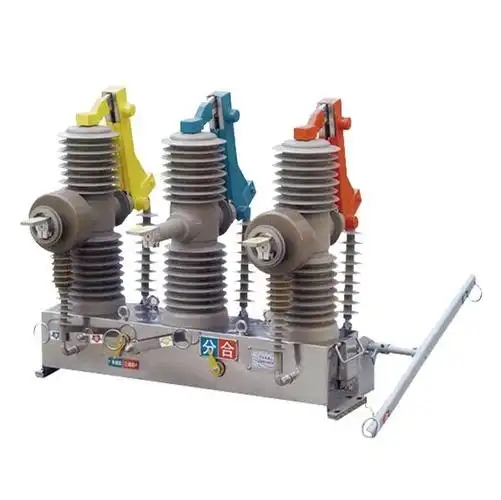
When Should You Use an Outdoor VCB?
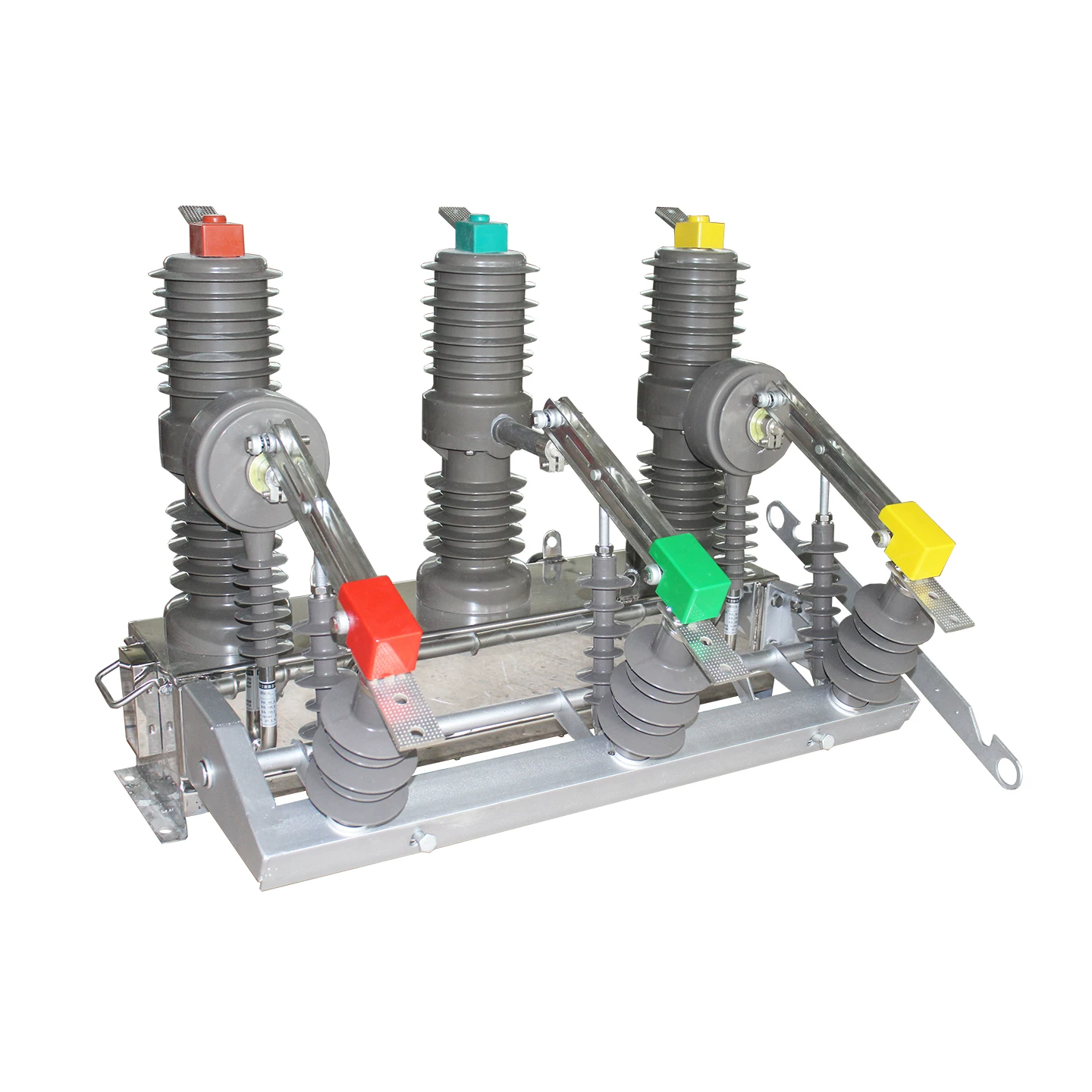
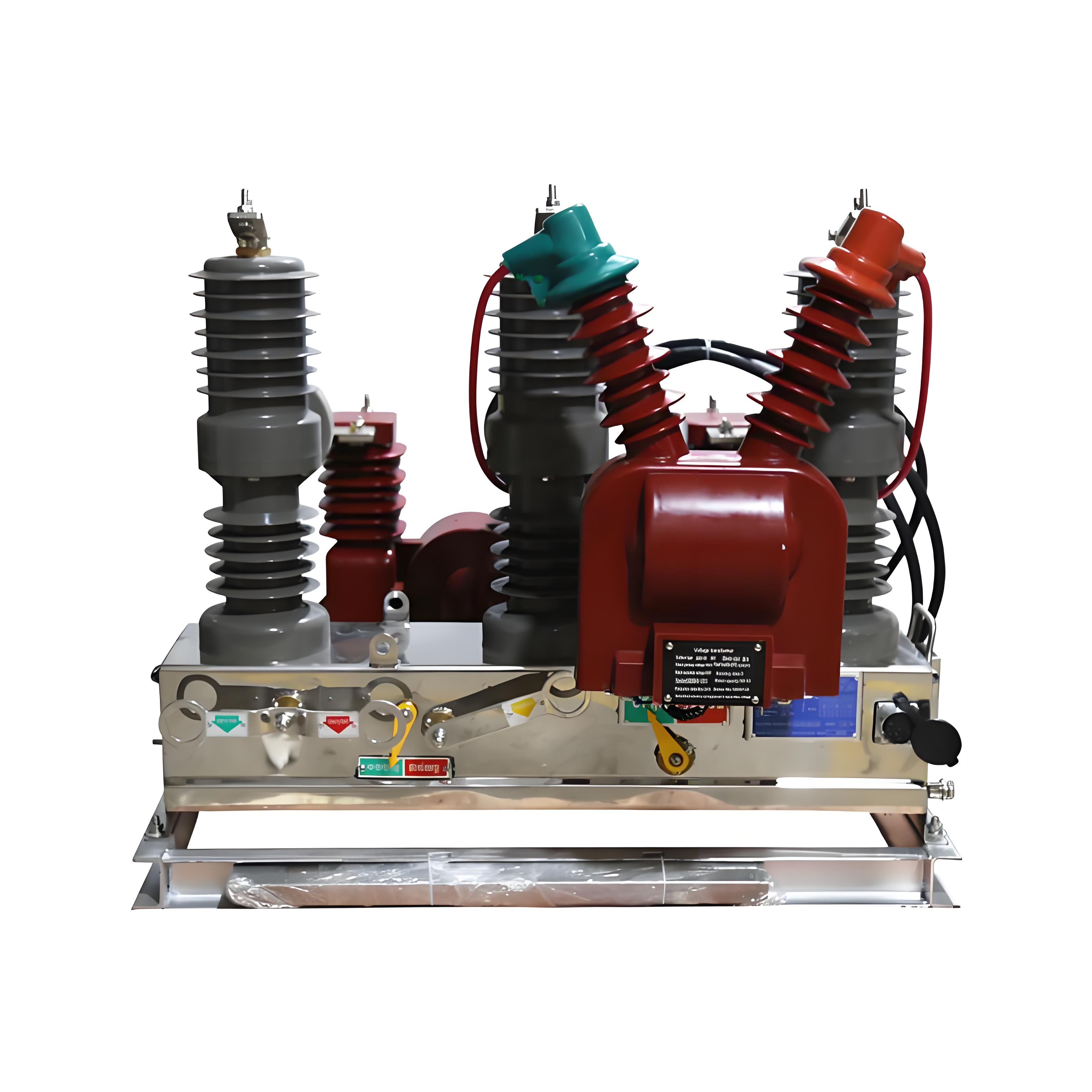
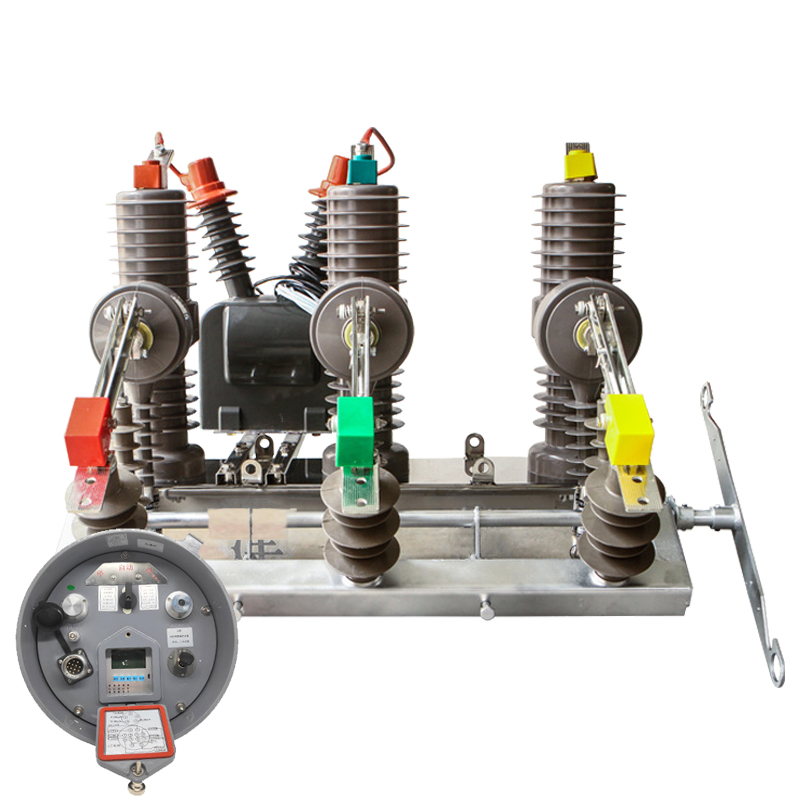
Outdoor vacuum circuit breaker are ideal when the installation site is:
Far from buildings or indoor areas
Exposed to extreme weather conditions
Required to serve a pole-mounted or open-type substation
Example: In 2021, a utility project in rural South Africa required outdoor VCBs to control power at multiple transmission points. These locations had no shelters, and temperatures ranged from 5°C to 40°C. Outdoor VCBs with weatherproof enclosures were installed to reduce maintenance needs and ensure stable performance.
Advantages:
No need for building infrastructure
Withstands rain, snow, and high temperatures
Durable for remote or temporary installations
When Should You Use an Indoor VCB?
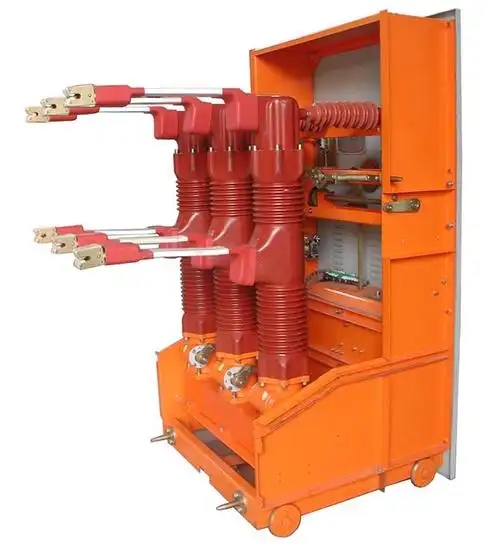
Indoor vacuum circuit breakers are used in:
Urban substations
Commercial buildings (like hospitals or malls)
Industrial switchgear rooms
Example: In a data center project in Frankfurt, Germany, indoor VCBs were chosen due to space limitations and the need for high reliability. The VCBs were installed inside metal-enclosed switchgear to ensure dust-free, controlled operation.
Advantages:
Compact design fits tight rooms
Easier to access and maintain
Safer in controlled temperature/humidity environments
Technical Considerations for Selection
When choosing between the two types, ask yourself:
1. Where will the breaker be installed? If outdoors, consider the environmental protection level (look for IP ratings).
2. How accessible is the site for maintenance? Indoor systems are generally easier to reach.
3. What is your budget? Outdoor systems may incur additional structural and weatherproofing costs.
4. Do you require expansion in the future? Indoor switchgear allows easier integration of new components.
Common Mistakes to Avoid
Avoid these pitfalls to ensure a safe and efficient installation:
Choosing based on price alone: The cheaper option today could be costly tomorrow in repair or replacement.
Ignoring environmental impact: Outdoor installations need UV and rain protection.
Misjudging available space: Indoor VCBs can be installed even in small utility rooms.
Overlooking long-term maintenance: Outdoor units require trained personnel with safety equipment.
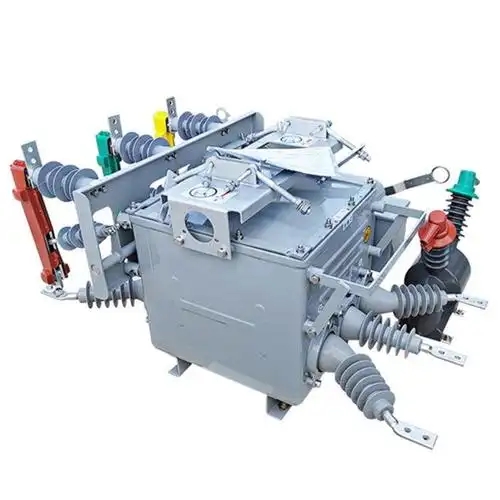
Summary: Pros and Cons
Outdoor VCBs
✔ Excellent for remote, open installations
✔ High protection against the weather
✘ Higher installation cost
✘ Needs more safety clearance
Indoor VCBs
✔ Compact, safer for indoor use
✔ Easier inspection & replacement
✘ Needs a climate-controlled environment
✘ Limited to the existing room size
Wei Shoe Elec’s Recommendations
Here’s a quick guide to help you decide:
Outdoor VCB is best if you’re dealing with isolated substations, rural grids, or areas with harsh climates.
Indoor VCB is better if: your application is in a city, a commercial building, or a factory with an electrical room.
If you’re still unsure, just contact us with your project details. We’ll help you evaluate environmental conditions, maintenance plans, and future load expansion to find the best fit.
FAQs About Indoor vs Outdoor VCBs
1. Can outdoor VCBs be installed indoors? Technically, yes, but it’s not economical or space-efficient. Their design is bulkier and better suited for open spaces.
2. Are indoor VCBs less durable than outdoor ones? No, they are designed to last equally long, but in a controlled environment. Exposing indoor VCBs to weather can cause early failure.
3. What’s the average cost difference? Outdoor VCB systems cost more due to extra enclosures, poles, and weatherproofing. Indoor units save on structural needs.
4. Do I need special training to maintain an outdoor VCB? Yes, outdoor systems often require more PPE and site-specific training due to environmental exposure and physical access challenges.
5. Which VCB type lasts longer? Both have similar operational lifespans (20-30 years) when maintained properly under suitable conditions.

Conclusion
Choosing between an outdoor and indoor VCB doesn’t have to be difficult. By understanding your environment, space, and project scope, you can make a confident decision. As someone who has supported countless installations, I always remind my clients: the right VCB isn’t the most expensive or the most powerful—it’s the one that best fits your application.
At Wei Shoe Elec, we’re happy to help you compare specs, assess risks, and find the optimal solution. Ready to take the next step? Contact us for tailored support or to request a quote.