
You are in need of a crisp, definitive guide to help you confidently select the right metal-clad switchgear for your critical infrastructure. This comprehensive document is specifically tailored for electrical engineers, facility directors, plant managers, and strategic procurement teams operating within the United States. It delivers expert-level advice spanning technical specifications, stringent industry standards, unique site requirements, rigorous procurement processes, installation best practices, and a sharp focus on Total Cost of Ownership (TCO).
This guidance is meticulously designed to help your operation drastically reduce unplanned downtime and elevate operational safety margins across the board. Every recommendation provided here is strategically oriented toward achieving tangible, real-world engineering outcomes that matter most. The decision you make on selecting the appropriate power distribution switchgear directly influences your system’s long-term uptime, safeguards worker protection, and fundamentally dictates the overall Total Cost of Ownership (TCO) over its lifespan.
You will gain crucial insights into evaluating common Tier 1 U.S. manufacturers, including Eaton, ABB, Siemens, and Schneider Electric, allowing you to master the comparison of vital parameters like nominal ratings, short-circuit withstand capability, and the essential quality of after-sales service support.
Feel free to utilize this guide sequentially, treating it as a step-by-step masterclass, or navigate directly to the specific sections most relevant to your current project's phase and scope. By the time you conclude this reading, you will possess the specialized knowledge required to evaluate competitive bids astutely, meticulously verify manufacturer compliance, and ultimately select the most fitting metal-clad switchgear solution for both your immediate facility needs and your long-term operational objectives.
⚡ Key Engineering Takeaways: Mastering the Fundamentals
This guide is structured to provide actionable, practical, and highly professional advice, ensuring you are equipped to make the most technically sound engineering decision when specifying metal-clad switchgear. The apparatus you choose has a direct and measurable impact on your site’s operational safety profile, the frequency of unplanned downtime events, and, crucially, the projected Total Cost of Ownership (TCO) over a two-decade period. For major U.S. projects, your primary focus must be on executing an apples-to-apples comparison of the highly specialized technical differences found among established market leaders such as Eaton, ABB, Siemens, and Schneider Electric. When meticulously evaluating potential options and their respective bids, you must always maintain a laser focus on the equipment's fundamental ratings, its maximum short-circuit interrupting capacity, and the documented quality of the vendor’s long-term service and support infrastructure.
I. The Technical Divide: Metal-Clad vs. Metal-Enclosed Switchgear
When the time comes to specify switchgear for a flagship data center, a large-scale manufacturing plant, or a utility substation, a solid grasp of the foundational terminology and technical definitions is absolutely paramount. This initial section will thoroughly define metal-clad switchgear, explore its principal components, and clarify the indispensable technical distinctions separating it from other enclosure types. This foundational knowledge will enable you to accurately weigh critical factors such as worker safety, efficient space utilization, and the often-overlooked requirements for long-term maintenance accessibility.
What Precisely Defines Metal-Clad Switchgear?
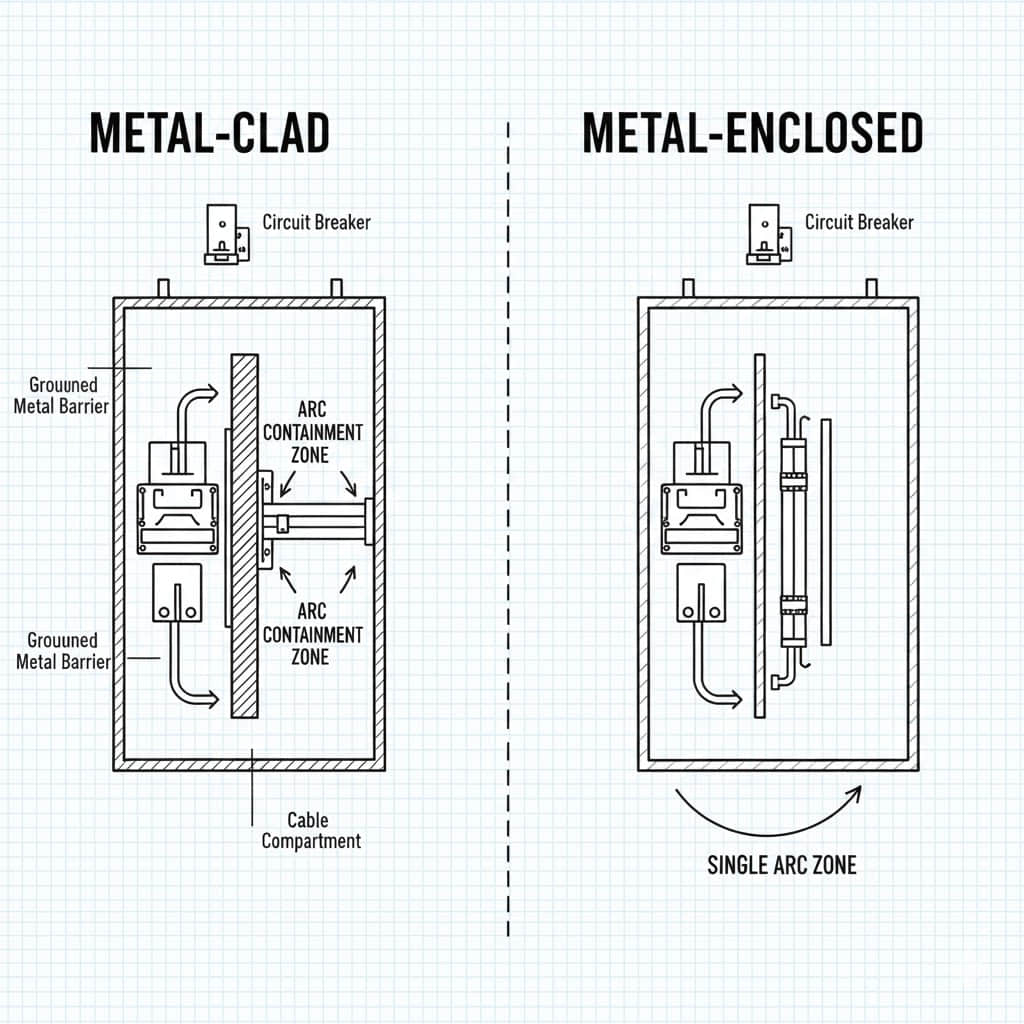
The fundamental definition of metal-clad switchgear is rooted in the physical isolation of its core energized components. This classification stringently requires that every major component—including the central circuit breaker, the main buswork, and essential instrument transformers—be housed within its own separate, independently grounded metal compartment. This highly specialized design is generally utilized for distribution voltage levels ranging from 5 kV up to 38 kV, and its engineering objective is to maximize personnel safety around potentially live parts during both routine operation and crucial maintenance activities.
🥇 Core Metal-Clad Advantage: Metal-Clad gear is explicitly engineered to robustly contain and limit the spread of internal arc faults, thereby delivering the absolute maximum level of operator protection available in this class of equipment.
A Critical Technical Comparison: Clad vs. Enclosed
For any competent engineer, the very first step toward making a correct selection is developing an exhaustive understanding of the technical differences among Metal-Clad, Metal-Enclosed, and the advanced Gas-Insulated options.
| Characteristic | Metal-Clad (Best in Class Safety) | Metal-Enclosed (Value Focused) | Gas-Insulated (Space Saving) |
| Component Isolation | Core components (breaker, bus, cable) are independently, physically isolated by grounded barriers. | All internal components are typically housed within one common, large compartment. | Core components are hermetically sealed within SF6 gas. |
| Safety and Fault Control | Highest rating. Designed to contain and redirect internal arcing; compliant with IEEE C37.20.2. | Lower rating. Less expensive initially, but it offers significantly less control over the consequences of internal faults. | Extremely High. The sealed environment effectively prevents external contaminants and environmental degradation. |
| Maintainability | Excellent accessibility. Universally features Draw-out Circuit Breakers for simplified, rapid, and safer maintenance. | Lower accessibility. Typically necessitates a longer, more comprehensive system outage to service or replace internal components. | Low. Maintenance intervals are exceptionally long, but internal repair, if ever required, involves extremely high complexity and specialized tooling. |
| Physical Footprint | Largest overall size. Requires ample adjacent space for safe operation, breaker withdrawal, and mandated clearances. | Medium footprint. Usually designed to be more compact than the Metal-Clad variant. | Smallest footprint. The optimal choice for sites with severely restricted or premium real estate. |
| Cost Profile | The highest initial procurement cost reflects the enhanced construction and safety features. | Lowest initial procurement cost. | High initial procurement cost, but highly suitable for harsh or complex environmental conditions. |
💡 Video Insight: Medium-Voltage Switchgear Fundamentals
Before we proceed with the detailed analysis of load calculation methodologies and compliance verification, please invest a few minutes to view this highly informative, expert video. This professional content, provided by major manufacturer Eaton, will offer an immediate visual context for the structures, inherent safety features, governing IEEE standards (such as C37.20.2), and the latest digital maintenance technologies, including partial discharge monitoring and remote racking operations.
Mastering Components and Terminology
A robust familiarity with the individual switchgear components is absolutely necessary for the accurate interpretation of technical specifications and detailed single-line diagrams. These terms represent the foundational language of medium-voltage power distribution engineering.
— Buswork: These are the primary conductors that hold the responsibility for reliably carrying and distributing high currents throughout the assembly. — Breakers: Both Main and Tie Breakers are utilized to strategically control the flow of power; simpler Load-Interrupter Switches are often sufficient for less critical feeder circuits. — Instrument Transformers: Crucial elements like Current Transformers (CTs) and Potential Transformers (PTs) are deployed to accurately monitor the system’s real-time electrical status. — Protective Relays: These devices represent the "electronic brain" of the system, expertly detecting fault conditions and instantaneously initiating the required breaker tripping actions. — Ratings: The paramount operational parameters include the nominal Rated Voltage, Continuous Current capability, Short-Circuit Interrupting Rating, and the specified Breaker Type. These figures are the primary determinants of system compatibility and fault protection efficacy.
II. The Strategic Case for Metal-Clad: Uptime, Safety, and TCO
The strategic selection of the right switchgear goes far beyond a simple purchasing decision; it is fundamentally an investment designed to achieve high levels of operational uptime, guarantee personnel safety, and ultimately slash long-term lifecycle costs. Metal-clad switchgear is built to be intrinsically durable and consistently meets the most stringent industrial standards, providing clear, tangible advantages over potentially cheaper, but inherently riskier, alternatives.
Advantage One: Enhanced Durability and Sustained Long-Term Value
The Metal-Clad design inherently provides a highly robust level of mechanical and environmental protection, effectively isolating sensitive components from dust, moisture, and potential external damage, which consequently significantly extends the equipment's useful service life. While the initial capital expenditure is undeniably higher, Metal-Clad switchgear consistently delivers substantial cost savings over the equipment’s extended operational horizon. This translates directly into fewer and more predictable repair events, a documented higher potential resale value, and critically, a dramatic reduction in the risk of both unplanned downtime and catastrophic emergency repair costs. Brands that are globally recognized for excellence, such as Eaton, Siemens, ABB, and Schneider Electric, ensure their products’ long-lasting performance through adherence to exceptionally strict, auditable quality control measures.
Advantage Two: Uncompromised Safety and Simplified Maintenance
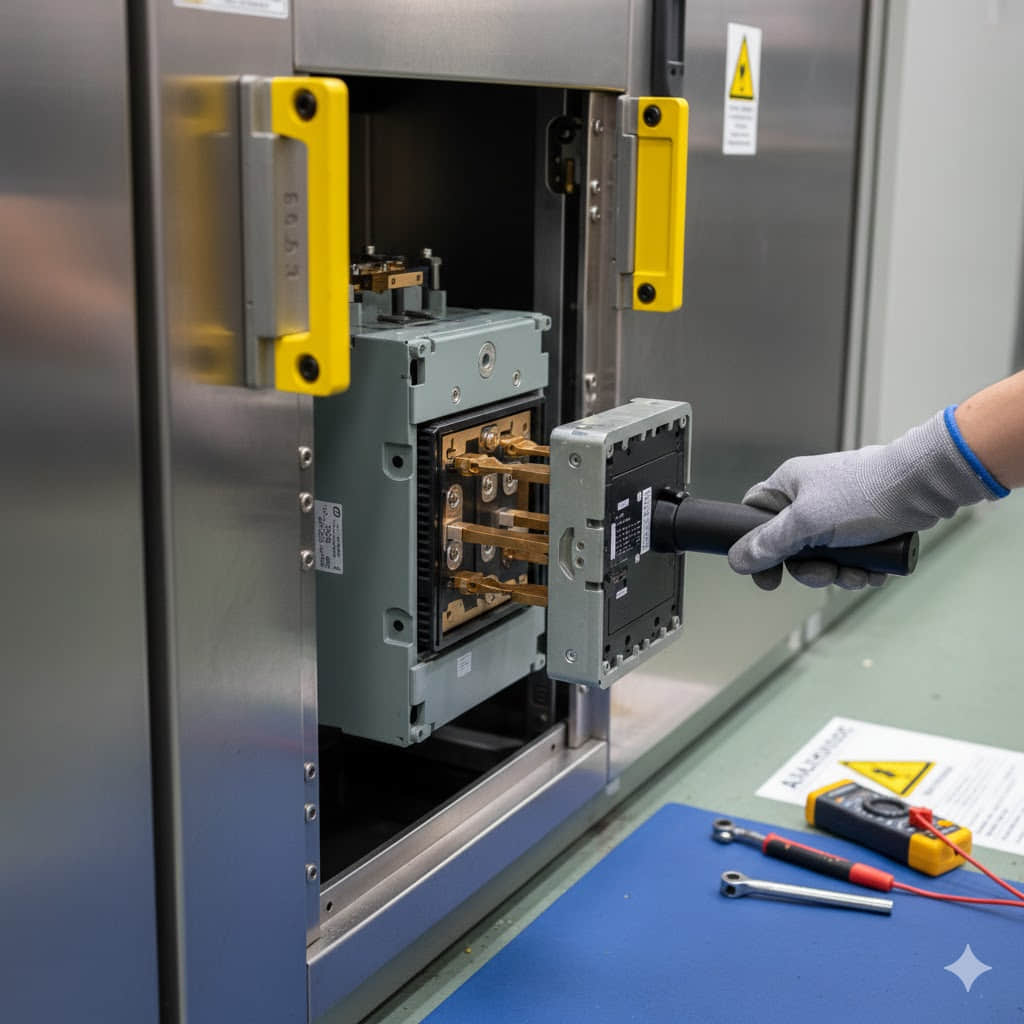
Metal-clad units are meticulously engineered to incorporate absolutely critical safety features, including the foundational compartmentalization and state-of-the-art Arc Flash Containment technologies. The highly isolated design is specifically optimized to limit fault propagation to the minimum area necessary, which firmly establishes Metal-Clad as the mandated choice for all high-risk or mission-critical operational areas. Furthermore, the inclusion of Draw-out circuit breakers permits the rapid, safe isolation and removal of the breaker unit for inspection or maintenance without the necessity of shutting down the entire electrical system; this singular feature profoundly reduces both the elapsed time and the inherent risk exposure for maintenance teams operating near or around energized systems.
Ideal Applications: Where Metal-Clad Excels
Metal-Clad switchgear represents the unequivocal, gold-standard choice for any critical facility, including Tier IV data centers, essential hospital complexes, heavy manufacturing plants, public utility providers, and large-scale commercial structures. These operational environments share a common, unyielding demand for the highest attainable levels of reliability, fast serviceability, and exceptionally robust, institutionalized safety measures.
— Primary Benefits: Guaranteed long service life, highly predictable and simplified maintenance scheduling, and significantly enhanced hazard protection. — Alternatives to Carefully Consider: For sites facing extreme space constraints, a shift to Gas-Insulated gear may be justified, while specific lower-voltage distribution needs might be met by low-voltage bolted designs.
III. Defining Power Needs: Load, Short-Circuit Analysis & SLD Review
Prior to making any final selection, the establishment of a rock-solid, verified engineering plan is non-negotiable. You must commence this phase by comprehensively cataloging all existing connected loads, accurately predicting peak demand requirements, and projecting expected future operational growth to meticulously avoid undersizing the eventual equipment, a mistake that invariably leads to crippling downtime costs down the line.
1. Precise Switchgear Load Calculation
First, a comprehensive switchgear load calculation must be executed and rigorously reviewed, a process that requires the intelligent incorporation of realistic Diversity Factors, accurate representation of severe motor starting currents, and consideration of the expected operational duty cycles. A strategic reserve for future expansion is paramount; a responsible planning approach dictates reserving an additional 20% to 30% capacity specifically for anticipated load growth, while adding all necessary safety and operational margins on top.
2. Short-Circuit Calculation and Interrupting Capacity
You are required to precisely calculate the prospective fault current that could appear at the main bus. This critical short-circuit calculation must accurately account for factors including the utility source impedance, the full contribution from connected transformers, and the specific impedances of all major feeder circuits.
⚠️ Expert Engineering Mandate: It is absolutely mandatory to engage a licensed professional electrical engineer to meticulously conduct a comprehensive short-circuit study and a protective coordination analysis utilizing industry-standard specialized software tools such as SKM PowerTools or ETAP. The engineer’s detailed report will authoritatively determine the precise voltage class, the necessary continuous current ratings, and the critical short-circuit rating, ensuring that the specified breaker's minimum Interrupting Rating (Interrupting kA) safely exceeds the maximum calculated worst-case short-circuit value.
3. The Central Role of the Single-Line Diagram (SLD)
You must ensure the preparation of an accurate and thoroughly validated Single-Line Diagram (SLD) which graphically displays all major components: transformers, feeder circuits, protective devices, critical metering points, and the complete bus arrangement. The SLD serves as the core, guiding technical document that dictates all subsequent decisions regarding bus sizing, final breaker locations, and the precise physical equipment layout.
— Protective Coordination and Selectivity: You must insist on running coordination and selectivity studies to verify with certainty that the protective relays and breakers will flawlessly clear faults, thereby guaranteeing that the impact of any fault is successfully minimized to the smallest, most isolated zone possible.
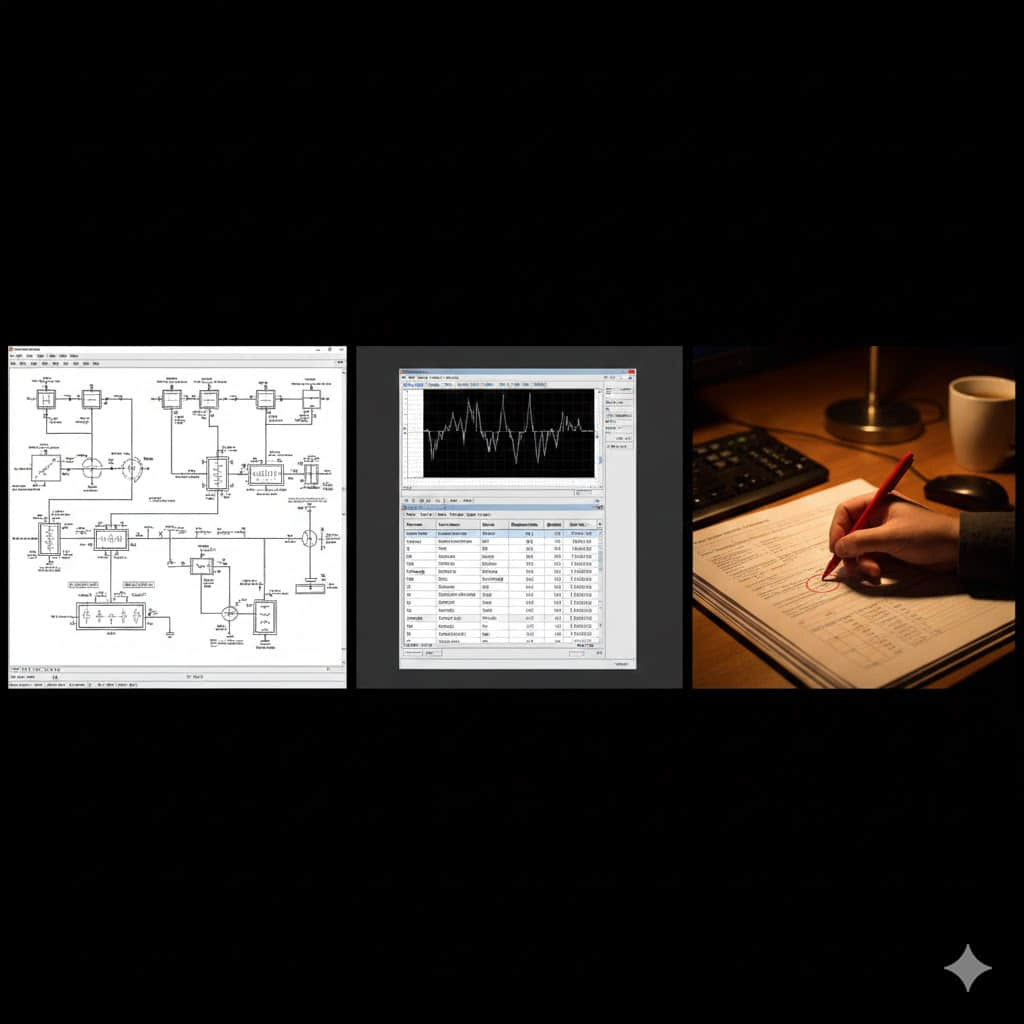
🛑 Critical Engineering Warning: A disproportionate number of high-cost electrical failures can be directly traced back to inadequate short-circuit calculations or improperly executed protective coordination. You must always include the fully accurate, finalized SLD and the complete short-circuit calculation results as non-negotiable components of the technical specification package before formally releasing the Request for Proposal (RFP) to vendors.
IV. Technical Specification Evaluation: Safety and Performance Thresholds
Before any final switchgear selection can be justified, you are required to conduct a rigorous, detailed examination of all critical technical specifications. The unit's short-circuit interrupting rating, its rated voltage, and its nominal continuous current capacity jointly represent the three indispensable baseline thresholds for guaranteeing overall system safety and operational performance.
1. Short-Circuit Rating and Withstand Capability
You must ensure that the switchgear’s maximum short-circuit interrupting rating is demonstrably higher than the absolute maximum possible short-circuit current that could realistically occur at your specific site location. Always specify and select gear that safely exceeds the worst-case, calculated scenario, thus ensuring the capacity to safely handle the subsequent mechanical and thermal stresses involved. Always meticulously verify the equipment's nameplate for both the Interrupting kA and the Mechanical Withstand Ratings. If any uncertainty exists, a professional electrical engineer must be immediately engaged to assist with the required fault studies.
2. Rated Voltage, Current, and Frequency Considerations
A basic, non-negotiable step is to verify that the specified rated voltage, the continuous current rating, and the frequency (which is standard 60 Hz in the U.S.) align perfectly with your service requirements. Beyond the basics, you must also carefully account for potential current derating factors that may arise due to prolonged high ambient temperatures or operations at high altitudes. Your final technical specifications must clearly and unequivocally list all required ratings alongside the precise environmental operating conditions.
3. Interrupting Capacity and Breaker Compatibility
You will need to make an informed choice on the Interrupting Device Type, deciding between vacuum, SF6, or legacy air circuit breakers based on your facility’s specific maintenance cycles and expected lifespan requirements. Critically, confirm that the breaker's unique draw-out mechanism, its local interlocks, and its guide rails are all certified to be fully and safely compatible with the specific switchgear assembly you are considering. Pay focused attention to specifying mainstream, industry-proven breaker series such as Eaton Magnum DS, Schneider Masterpact, and Siemens 3WL/3AH to ensure parts availability.
V. Safety Standards and Compliance: Verifying Vendor Qualifications
Guaranteeing strict adherence to all governing safety standards is fundamental to safeguarding your operational team's well-being and ensuring your entire project remains on schedule. As the responsible procuring party, you must not only possess theoretical knowledge of the relevant standards but also have a clear process for verifying the manufacturer's actual, demonstrated compliance.
1. Core ANSI and IEEE Guidelines
— IEEE C37.20.2: This publication stands as the authoritative standard governing the construction and minimum enclosure performance requirements for metal-clad switchgear. It mandates stringent requirements covering isolation design, grounding methodology, insulation levels, and acceptance testing protocols. — ANSI C37 Series: This broad collection of standards governs the technical construction, performance, and testing of both circuit breakers and the switchgear assemblies they are housed within. — IEEE Std 142 (The Green Book): This standard provides comprehensive guidelines and mandatory requirements for implementing proper, effective grounding practices across all facilities.
2. NEMA Enclosure Ratings and Site Environment
NEMA ratings define the specific level of equipment protection against the ingress of dust, moisture, and corrosion for both indoor and outdoor installations.
— NEMA 1: Standard indoor use, offering protection against falling dirt. — NEMA 3R: The baseline requirement for outdoor installations, providing basic protection against rain, sleet, external ice formation, and windblown dust. — 🚨 Expert Caution: You must meticulously ensure that the specified NEMA enclosure rating is perfectly matched to your site’s actual operational environment (e.g., highly corrosive coastal areas, severely dusty manufacturing workshops) to prevent expensive and unnecessary retrofits later on.
3. NFPA 70 and Arc Flash Safety
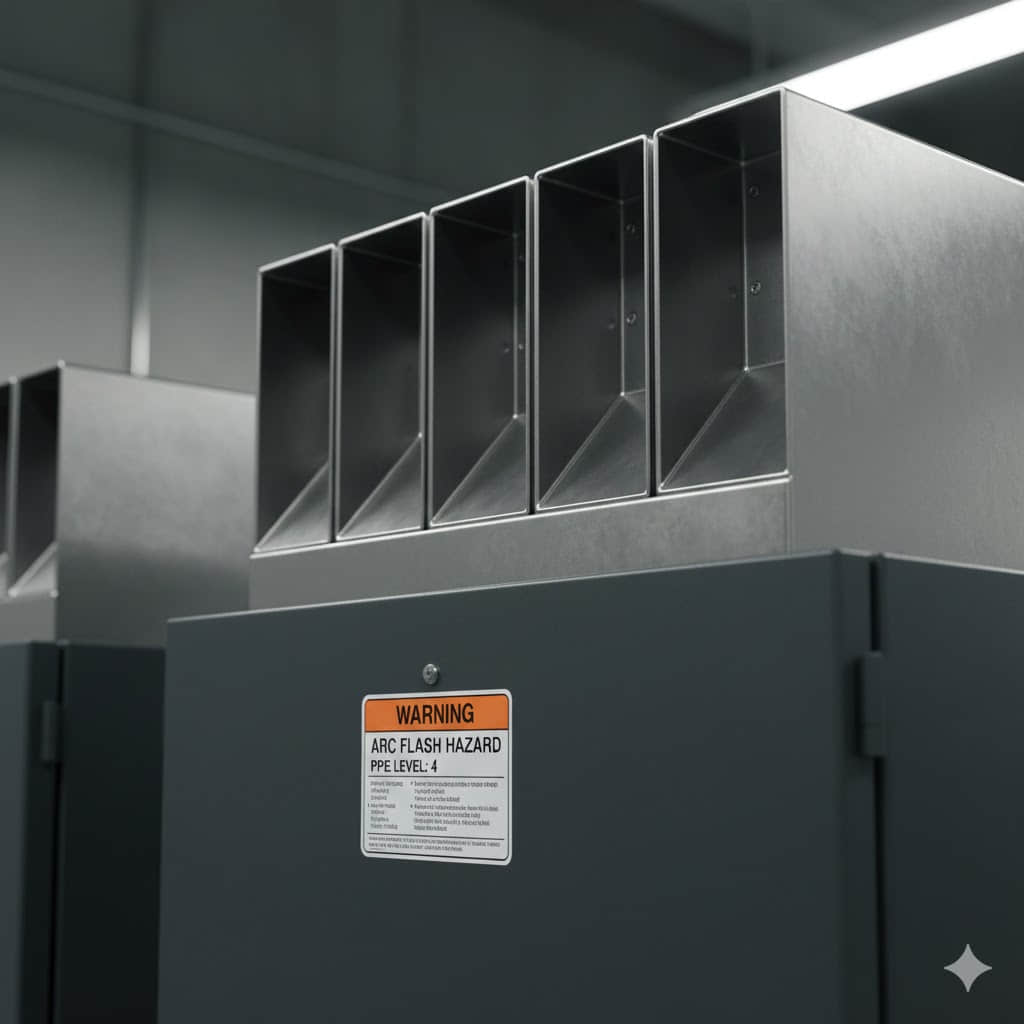
— NFPA 70 (National Electrical Code - NEC): This code sets forth the fundamental rules for equipment labeling, mandatory working clearances, and safe, permanent installation practices. — NFPA 70E: This is the paramount industry standard for Electrical Safety in the Workplace, governing Arc Flash Practices, which mandates incident energy labeling and dictates personnel guidance on the appropriate use of required PPE (Personal Protective Equipment). — Arc-Resistant Design: For facilities operating in high-risk zones, it is strongly advised to consider specifying Arc-Resistant metal-clad solutions. These units are expertly designed to both withstand and contain the energy of internal arcing events, drastically reducing the hazardous incident energy level exposed to the operator.
4. How to Conduct Manufacturer Compliance Verification
| Verification Item | Engineering Requirement (Mandatory Evidence Chain) | Core Rationale and Purpose |
| Type Testing | Formally request all Factory Type-Test Certificates and comprehensive reports. | Vigorously verifies that the fundamental design complies with standards like IEEE C37.20.2. |
| Third-Party Certification | Secure official UL/CSA Listings documentation. Confirm specific compliance with UL 1558 (if applicable to the assembly). | Independently confirms that the equipment has undergone rigorous safety audits by recognized, independent safety organizations. |
| Quality Control | Systematically review the manufacturer's internal ISO Quality Certifications and process documentation. | Ensures the stability, repeatability, and control of the entire manufacturing process. |
| Site Witnessing | Formally arrange for Witness Testing during both the Factory Acceptance Testing (FAT) and the Site Acceptance Testing (SAT). | Provides absolute assurance that the equipment delivered precisely matches the finalized technical specifications and performance claims. |
VI. Maintenance Strategies and Total Cost of Ownership (TCO) Calculation
To ensure the long-term, stable, and predictable operation of your new metal-clad switchgear, you must strategically implement a maintenance plan that expertly combines time-based routine care with cutting-edge advanced condition-based monitoring.
1. Preventive (PM) and Predictive (PdM) Approaches
— Preventive Maintenance (PM): This involves routine, scheduled tasks such as internal cleaning, specified lubrication, and essential visual inspections performed on a fixed calendar schedule. This method is fundamentally designed to prevent simple mechanical failures over time.
— Predictive Maintenance (PdM): This methodology represents the clear trend in advanced, modern facilities. It strategically utilizes technology to expertly detect incipient issues before they can escalate into catastrophic failures:
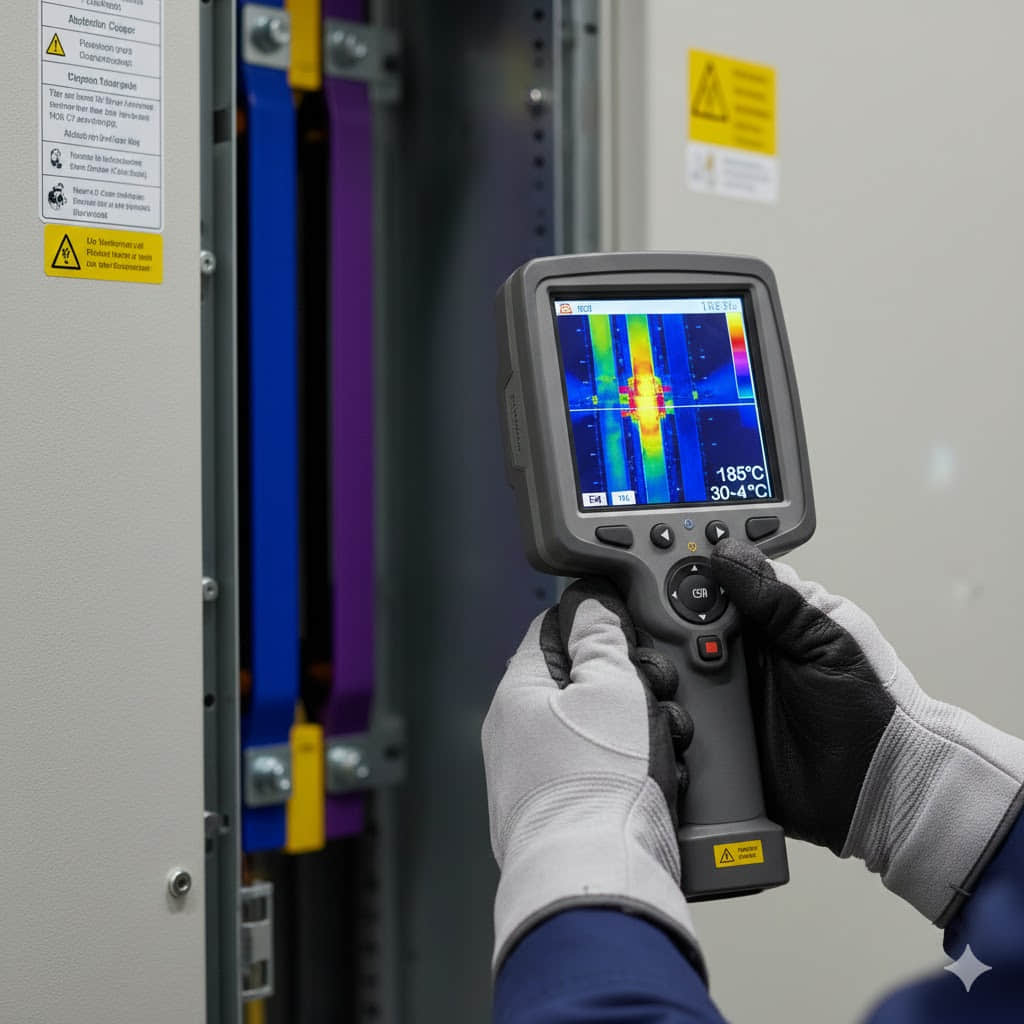
— Infrared Thermography: Used to rapidly locate high-resistance hot spots at critical busbar connections, indicating loose joints.
— Partial Discharge Testing: A crucial diagnostic tool for detecting and analyzing early-stage insulation problems.
— Gas/Oil Analysis: Used to remotely monitor the internal chemical and physical state of the equipment’s insulating medium.
2. The Detailed Inspection and Testing Schedule
— Annual Check: Utilize infrared scans to identify thermal anomalies or issues within the buswork and connection points.
— Mid-Term Check (1–3 Years): Based on the operating load and ambient environment, conduct detailed internal visual inspections and precise Contact Resistance Testing.
— Deep Maintenance (3–6 Years): Conduct deep maintenance procedures and relay calibration on all circuit breakers and critical protective devices to ensure settings have not drifted.
3. Accurately Estimating Total Cost of Ownership (TCO)
When evaluating any switchgear bid, you must absolutely resist the temptation to look solely at the initial procurement cost. A responsible TCO model must comprehensively include the following:
— The initial purchase price and all associated installation and commissioning costs.
— Spare parts inventory investment, ongoing maintenance labor costs, and annual service contracts.
— The cost of warranties and the extremely expensive cost of downtime (which is frequently the single largest component of TCO).
Engineering Calculation: Your team must develop a realistic 10 to 20-year TCO lifecycle plan. Systematically compare the projected costs of a PM-only program versus a combined PM+PdM program. The substantial cost savings achieved by proactively reducing catastrophic failures will invariably provide the most compelling and robust argument for management to authorize the necessary investment in advanced PdM technologies.
VII. Strategic Supplier and Manufacturer Evaluation (The Decision Checklist)
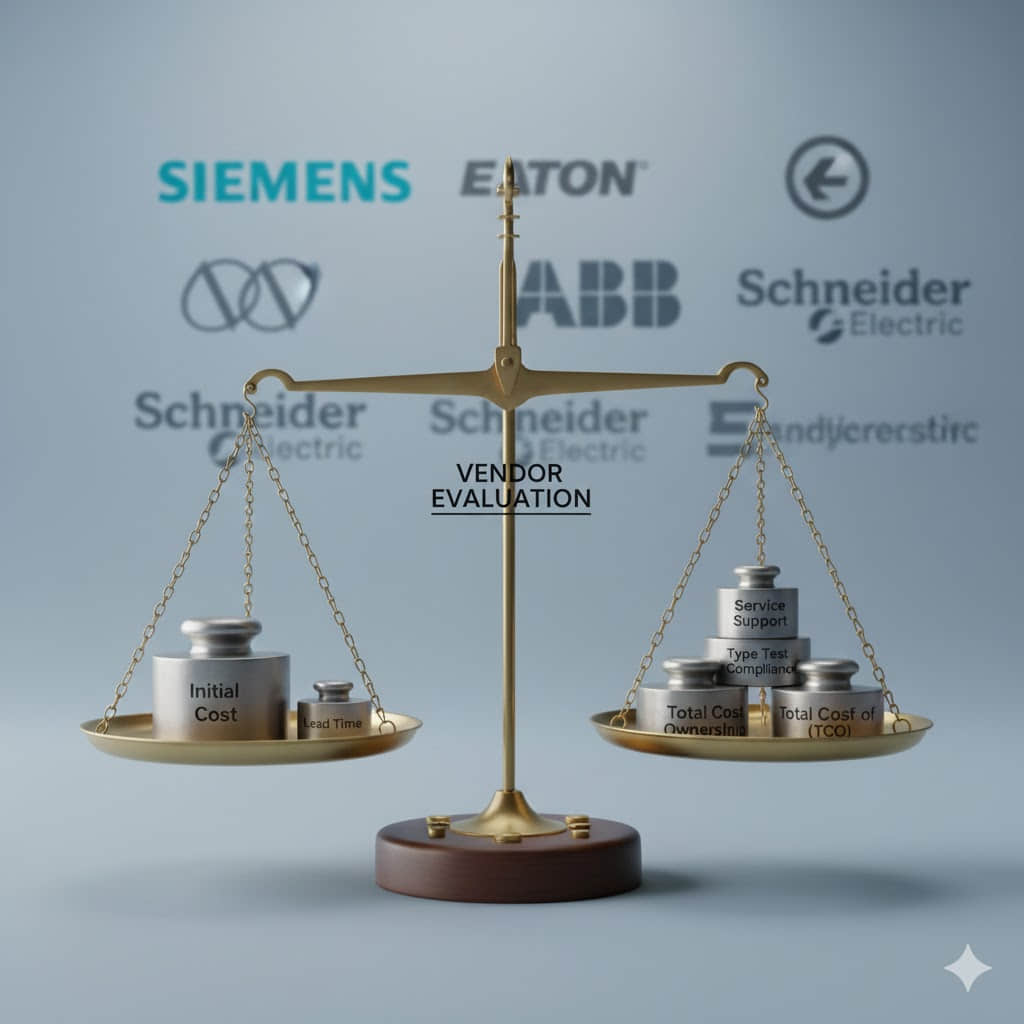
Selecting the most suitable long-term supplier is a foundational pillar for guaranteeing a successful project outcome and stable operations for decades. You must find the optimal balance between initial price competitiveness and a proven track record of long-term performance and robust local support.
| Evaluation Area | Senior Engineer's Inquiry Checklist (Key Questions) | Core Rationale |
| Technical Ratings | What are the verified short-circuit interrupting and withstand ratings? Can the vendor provide stamped type test reports? | Ensures absolutely safe operation under maximum fault conditions and confirms regulatory compliance. |
| Testing & Commissioning | What is the explicit scope of the Factory Acceptance Test (FAT)? Can the vendor provide sample commissioning reports for review? | Verifies performance integrity before financial handover and dramatically minimizes costly startup issues on site. |
| Lead Times & Customization | What are the guaranteed lead times for standard versus highly customized assemblies? Which bus, relay, and metering options are fully customizable? | Ensures the procurement schedule aligns perfectly with demanding project milestones. |
| Service & Spares | What is the guaranteed response time for emergency field service calls? Is a critical spare parts inventory readily available locally to the site? | Minimizes catastrophic downtime and reliably supports long-term equipment maintenance. |
| Local Presence | Does the manufacturer or their authorized distributor maintain a regional office or service center geographically close to your project site? | Significantly speeds up necessary support and dramatically reduces high-cost logistics fees. |
| Compliance | Does the final quote explicitly include UL/CSA certification and a formalized Arc Flash study report that fully complies with NFPA 70E requirements? | Protects your long-term investment and, most importantly, the safety of your workforce. |
Service, Warranty, and Contractual Support
You must always formally inquire about the guaranteed response time for all emergency service calls. Crucially, you need to confirm the local, readily available stock of critical spare parts (such as specialized interrupters, essential trip units, and replacement CTs). A robust, established local field service network with readily accessible parts can be the single most important factor in dramatically reducing extended downtime and mitigating severe logistics risks during a critical emergency.
VIII. Customization, Legacy Upgrades, and the Cybersecurity Horizon
1. Customization and Retrofit Strategies
— When Should You Customize? Customization is typically only required for unique bus layouts, requests for non-standard metering equipment, or specific sizing to fit within existing control room panel constraints. Be aware that customization invariably results in longer lead times and significantly higher initial costs.
— Upgrade vs. Full Replacement Analysis:
— Retrofit: If the existing bus structure, insulation, and enclosure are determined to be in structurally sound condition, you may be able to replace obsolete breakers with modern draw-out units and high-quality insulated barriers. While initial costs are lower, you must critically verify that the old gear’s fault rating still adheres to all current electrical codes.
— Full Replacement: If the existing legacy equipment lacks the sufficient fault rating or fails to meet current code compliance, a full, strategic replacement may be the safer, and ultimately more cost-effective solution in the long run.
2. Protection, Control, and Communications: SCADA and Cybersecurity
— Protective Relays: Standardize on advanced Digital/Microprocessor-based Relays. These powerful devices offer highly advanced logic, comprehensive event recording, and essential communication functions. You must always ensure absolute protective selectivity is configured to isolate the fault to the smallest area possible.
— SCADA Integration: It is vital to fully integrate all metering data, continuous energy monitoring logs, and alarm status information directly into your central control room’s supervisory system. SCADA integration provides operators with real-time breaker position status, temperature trends, and current load data.
— Communication Protocols: Confirm that the switchgear supports all necessary standard protocols, including Modbus TCP, DNP3, and the advanced IEC 61850 standard.
⚠️ Cybersecurity Warning: You must treat switchgear network cybersecurity as a paramount consideration integrated directly into the initial design phase. This requires utilizing network segmentation strategies, strong authentication protocols, and end-to-end encrypted communications. When leveraging advanced protocols like
IEC 61850, your operations must strictly adhere to the established NIST Cybersecurity Framework and diligently ensure all device firmware is regularly patched and updated.
🔚 Conclusion: A Sound Engineering Decision Secures the Future
The final choice of medium-voltage metal-clad switchgear represents a critical, long-term capital investment in the reliability and safety of your entire power distribution system. You must begin by fully understanding the foundational principles of Metal-Clad's isolation, absolutely ensure that the unit's voltage, interrupting capacity, and short-circuit withstand capabilities perfectly match your system requirements, and maintain strict, non-negotiable adherence to all ANSI, IEEE, and NFPA standards.
Your Final, Actionable Next Steps:
— Finalize SLD and Calculations: Ensure your master Single-Line Diagram and comprehensive short-circuit calculations are formally signed off and stamped by a licensed Professional Engineer (PE).
— Create an Evaluation Checklist: Utilize the technical specifications and supplier evaluation checklist provided in this guide to meticulously construct your final Request for Proposal (RFP) package.
— Ensure Stakeholder Involvement: Proactively engage your Operations, Maintenance, Procurement, and Engineering Teams early and collaboratively throughout the entire selection process.
The intrinsic benefits of specifying metal-clad switchgear are absolutely clear: it dramatically reduces unplanned downtime, significantly lowers long-term maintenance costs, and fundamentally boosts the safety profile for all personnel. By resolutely adopting this TCO-oriented engineering approach, your facility will be strategically positioned to benefit from the most reliable protection and the lowest overall total cost of ownership.