Introduction
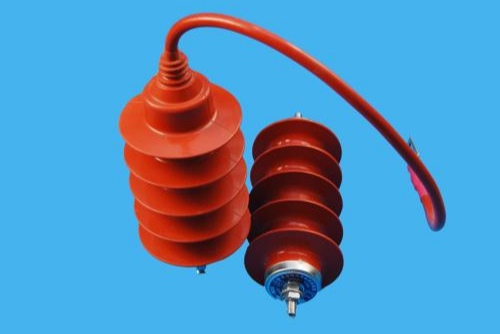
A lightning arrester and an insulator may look similar, but they serve completely different purposes. The biggest difference is their shape: lightning arresters have terminal connectors, while insulators do not.
If you’ve ever confused the two, you’re not alone. This article clears up the confusion and helps you make the right decisions for your electrical systems.
Understanding the difference between these two components can protect your equipment and save thousands in repair costs. We’ll explain their core functions, real-world applications, and the risks of mixing them up—all in simple, everyday language.
What Is a Lightning Arrester?
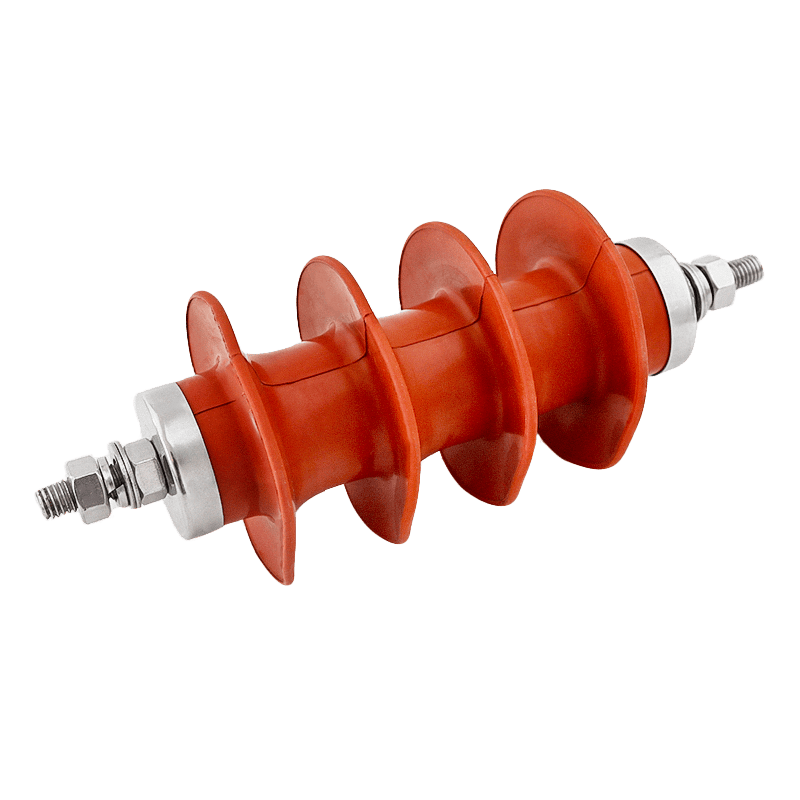
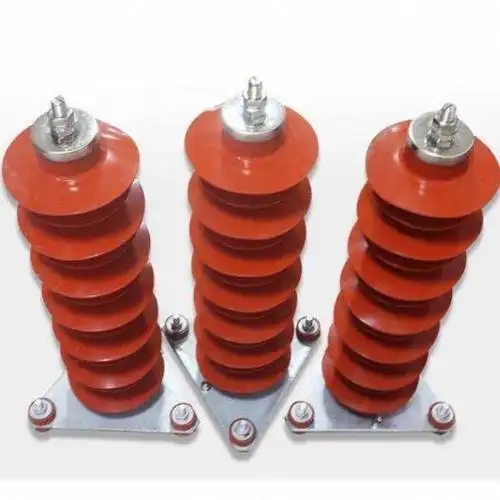
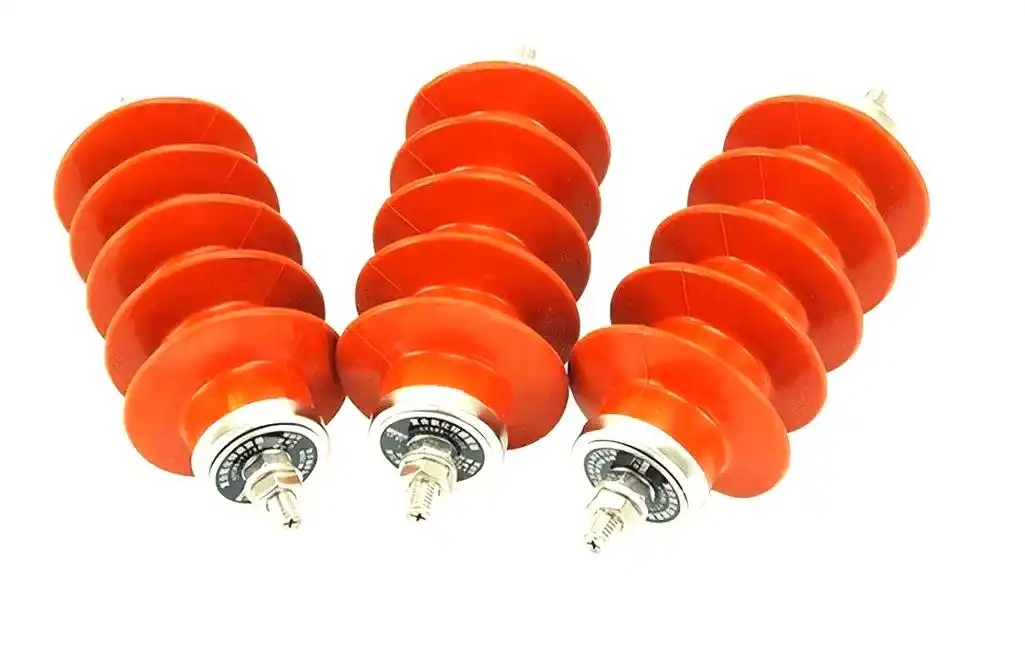
A lightning arrester protects your equipment from sudden voltage surges caused by lightning or switching operations. It acts like a safety valve for your power system.
When a high-voltage spike hits the line, the arrester safely diverts it to the ground, preventing it from damaging expensive gear like transformers or circuit breakers. Without an arrester, that surge can destroy sensitive components in seconds.
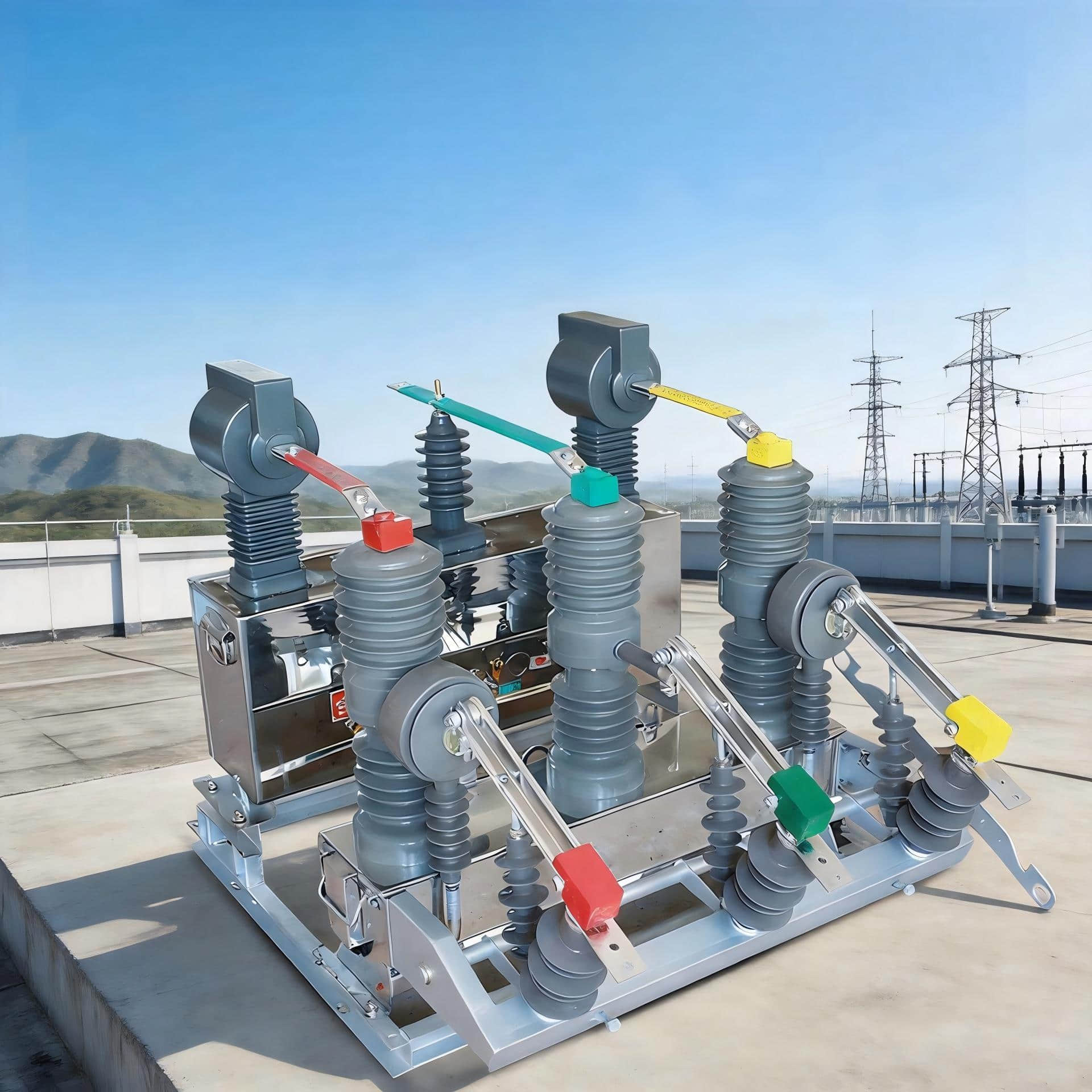
Modern arresters are built for fast response. They are typically installed close to the equipment they protect, like at the entrance of substations or near distribution transformers.
What Is an Insulator?
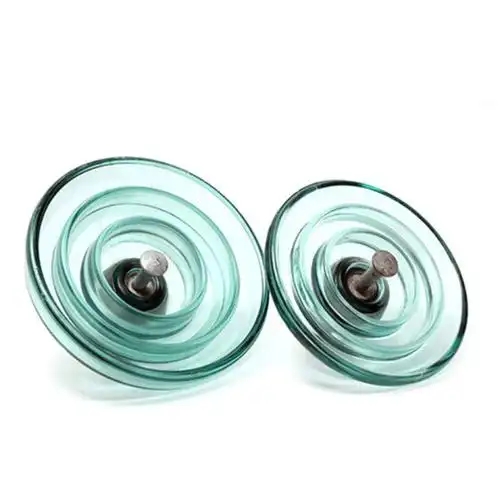
An insulator supports electrical conductors and prevents unwanted current from flowing to the ground. It ensures that electricity only flows where it’s supposed to.
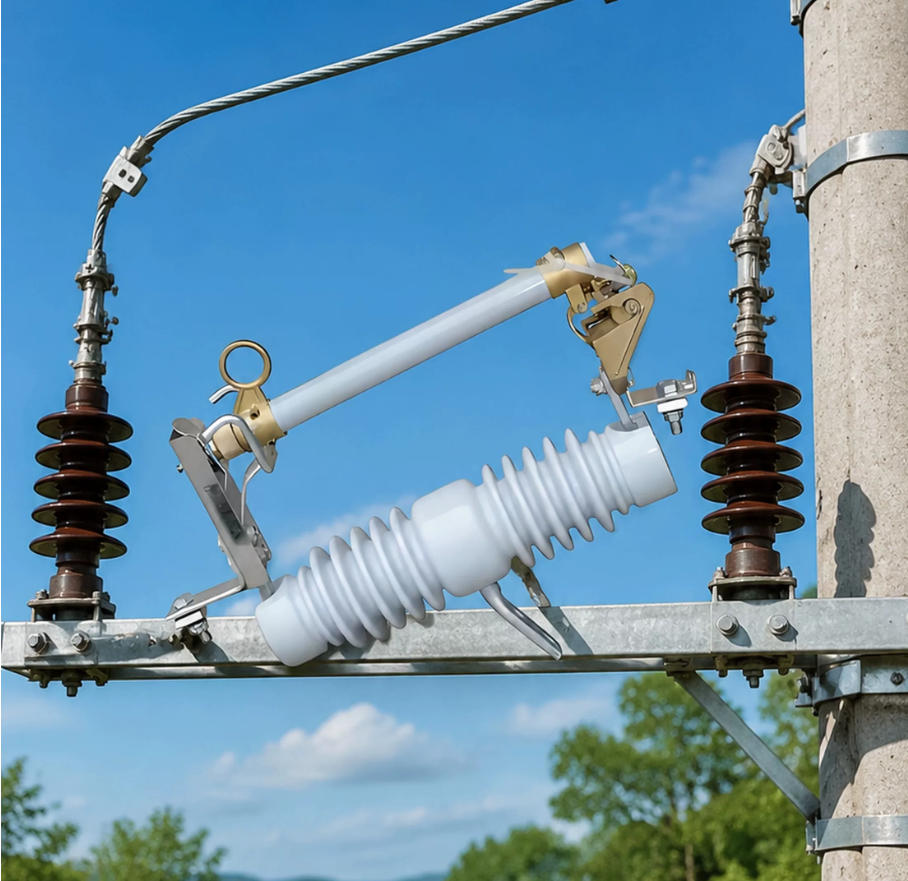
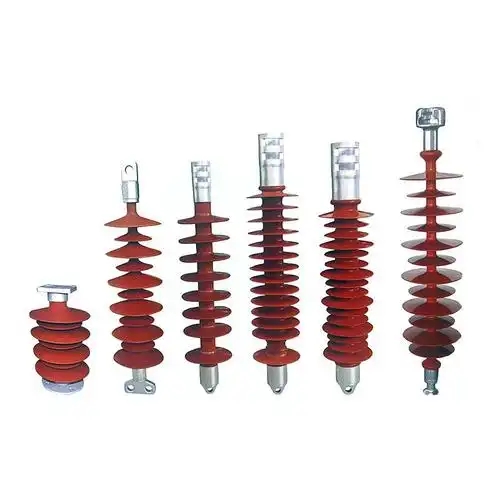
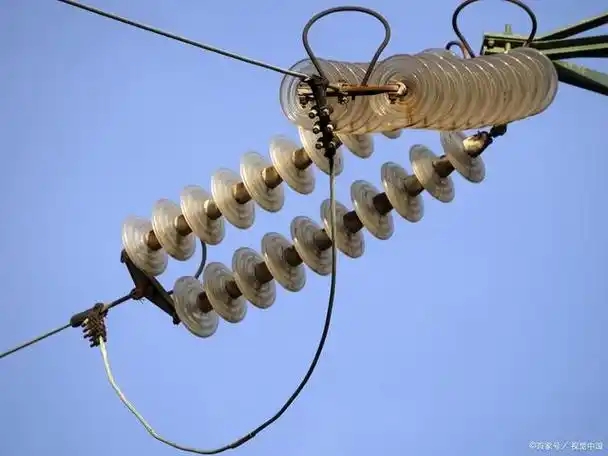
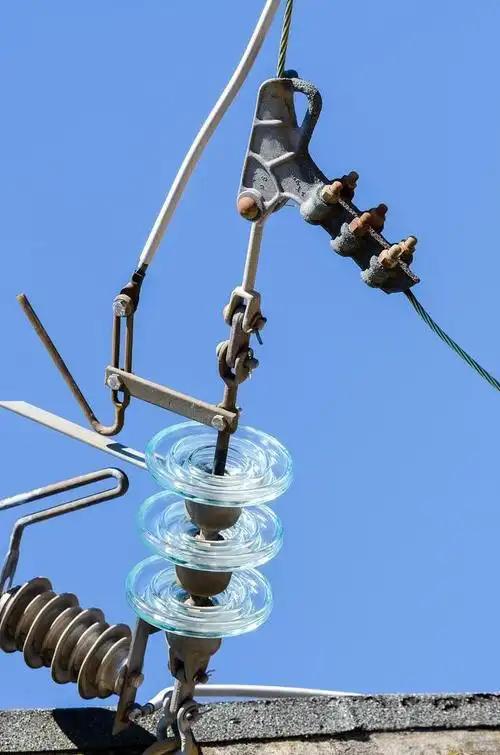
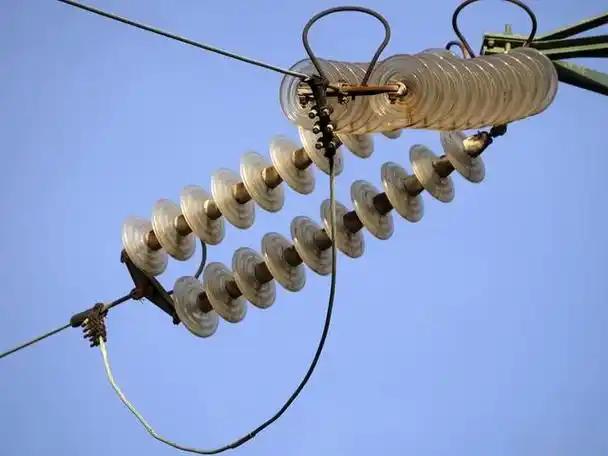
Insulators are usually made from materials like porcelain, glass, or composite polymers. You can find them on transmission towers, circuit breakers, or inside switchgear.
While an arrester responds during a fault, an insulator works all the time. It doesn't allow current to pass under normal conditions, ensuring system stability and safety.
Core Function: Conduct vs Insulate
The main difference comes down to how each device interacts with electricity. A lightning arrester conducts excess voltage to the ground. An insulator resists current flow completely.
In simple terms, an arrester is like a safety gate that opens only during danger. An insulator is like a wall that never lets anything through. One is reactive, the other is constant.
Mixing up their roles can lead to serious system failures. Each plays a unique role in electrical safety.
Where Are They Installed?
Lightning arresters and insulators are placed in different parts of the power system, based on what they do.
Arresters go near vulnerable equipment—transformers, circuit breakers, switchgear. They protect these devices from incoming surges.
Insulators are found along transmission lines, on poles, and in high-voltage equipment. Their job is to hold up and separate conductors, ensuring there's no accidental contact.
Correct placement is key. Putting an arrester where an insulator should go can cause leakage or flashover.
Real-World Case: Arrester Saved a Wind Farm
In 2017, a wind farm in Texas faced multiple lightning strikes during a summer storm. Thanks to high-quality metal-oxide lightning arresters installed at the base of each turbine, none of the inverters or control systems were damaged.
The lightning was safely discharged to ground, preventing what could have been over $500,000 in equipment damage and days of downtime.
This case shows the critical value of arresters in surge-prone environments.
What Happens If You Confuse Them?
Installing an insulator where an arrester is needed leaves your system exposed to surges. The result? Burnt components, power outages, or even fires.
Likewise, putting a lightning arrester where an insulator should go can allow leakage current or reduce insulation strength. That leads to short circuits or arc flashes.
Mistakes like this often happen due to similar shapes or a lack of training. That’s why education and correct labeling are so important.
Quick Comparison Table
| Feature | Lightning Arrester | Insulator |
|---|---|---|
| Main Purpose | Diverts surge to the ground | Prevents unwanted current |
| Conductivity | Conducts only during surges | Always resist the current |
| Material | Metal oxide or similar | Porcelain, glass, polymer |
| Location | Near equipment | On towers, poles, and insulators |
| Typical Use | Surge protection | Mechanical + electrical support |
How to Choose the Right One
Start by understanding your system’s needs. If you're worried about lightning or switching surges, you need an arrester.
If you need structural support for conductors and constant insulation, go with an insulator. Both are critical and must be used together in most power systems.
Check manufacturer specs, voltage ratings, and installation guidelines before buying.
Common Myths and Misunderstandings
"They look the same, so they must be interchangeable." Wrong. Their function is completely different.
"Only high-voltage systems need arresters." Also wrong. Even residential systems can benefit from surge protection.
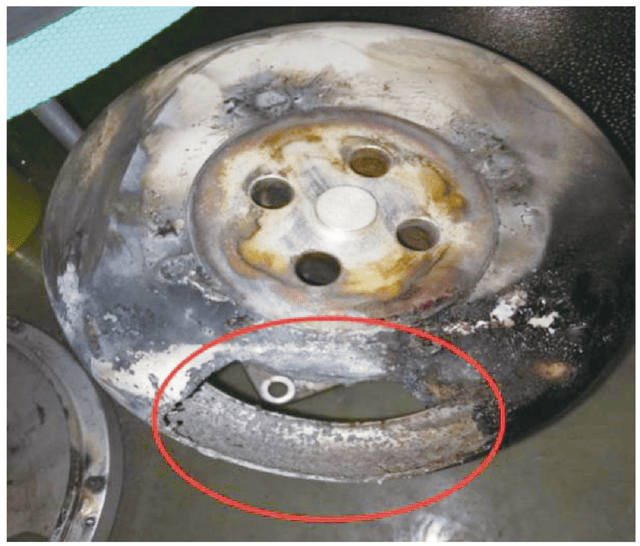
"Insulators don't fail." Not true. Aging, contamination, or mechanical damage can cause breakdowns.
Real Failures from Using the Wrong Component
In 2019, a commercial solar plant in Spain suffered massive inverter damage after replacing degraded arresters with high-voltage insulators. The team mistakenly believed the components were similar enough to switch out.
Within weeks, a lightning strike caused $200,000 in losses. This incident highlighted the importance of not just visual similarity but understanding actual functionality.
In another case in Canada, placing a surge arrester where an insulator was needed led to surface tracking on a composite line post, forcing a shutdown in peak winter.
What to Check Before Installation
Before you install any arrester or insulator, verify the following:
Voltage rating: Match the component to the system voltage.
Environmental conditions: Humidity, pollution, and temperature matter.
Mounting location: Make sure you’re placing it in the right part of the network.
Standards compliance: Use products tested to IEC or IEEE standards.
Installation method: Follow the manufacturer's guidelines closely to avoid flashover or poor performance.
Doing this helps avoid dangerous mistakes and extends the lifespan of your equipment.
FAQ: Lightning Arrester vs Insulator
Q1: Can I use a lightning arrester as an insulator in a pinch?
A: No. Their functions are not interchangeable. A lightning arrester conducts surge current, while an insulator blocks current entirely.
Q2: What happens if I install them in the wrong locations?
A: Misplacement can lead to failures like flashovers, arc faults, or damaged equipment.
Q3: Are there combined units that offer both functions?
A: No single component provides both surge protection and insulation. They must be used together but perform separate tasks.
Q4: How often should arresters and insulators be checked or replaced?
A: Inspection intervals depend on the environment, but typically every 3–5 years. Check for signs of wear, tracking, or contamination.
Q5: Are polymer insulators more reliable than ceramic ones?
A: Each has its pros and cons. Polymer insulators are lighter and resistant to breakage, while ceramic types offer long-term durability.
Conclusion
Lightning arresters and insulators work hand in hand, but they do not replace each other. Knowing when and where to use them keeps your power system safe and reliable.
If you're unsure which product fits your needs, don't guess. Contact our team for expert guidance, configuration support, or a custom quote. We're here to help you choose wisely and protect your investment.