Is unplanned downtime costing your facility thousands per minute?
You might have noticed a significant shift in how modern facilities are managing grid reliability.
It isn’t just about replacing old fuses anymore.
It’s about intelligent automation.
In this post, I’m going to break down exactly Why More Private Industrial Power Networks Are Choosing Automatic Circuit Reclosers to protect their critical assets.
You’ll learn how this technology drastically improves uptime, reduces maintenance costs, and future-proofs your infrastructure.
Let’s dive straight in.
Understanding Automatic Circuit Reclosers (ACRs) in Industrial Networks
What is an Automatic Circuit Recloser?
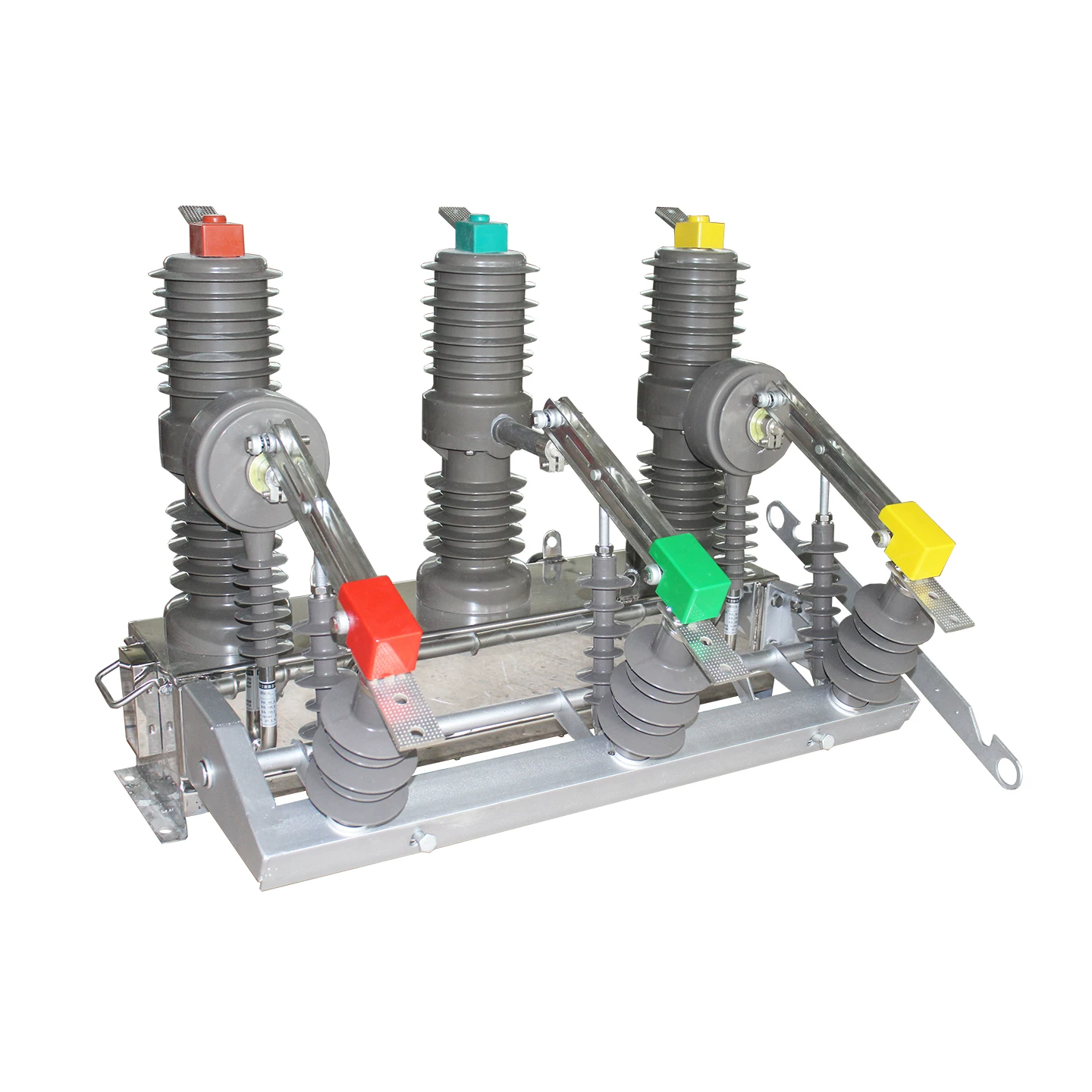
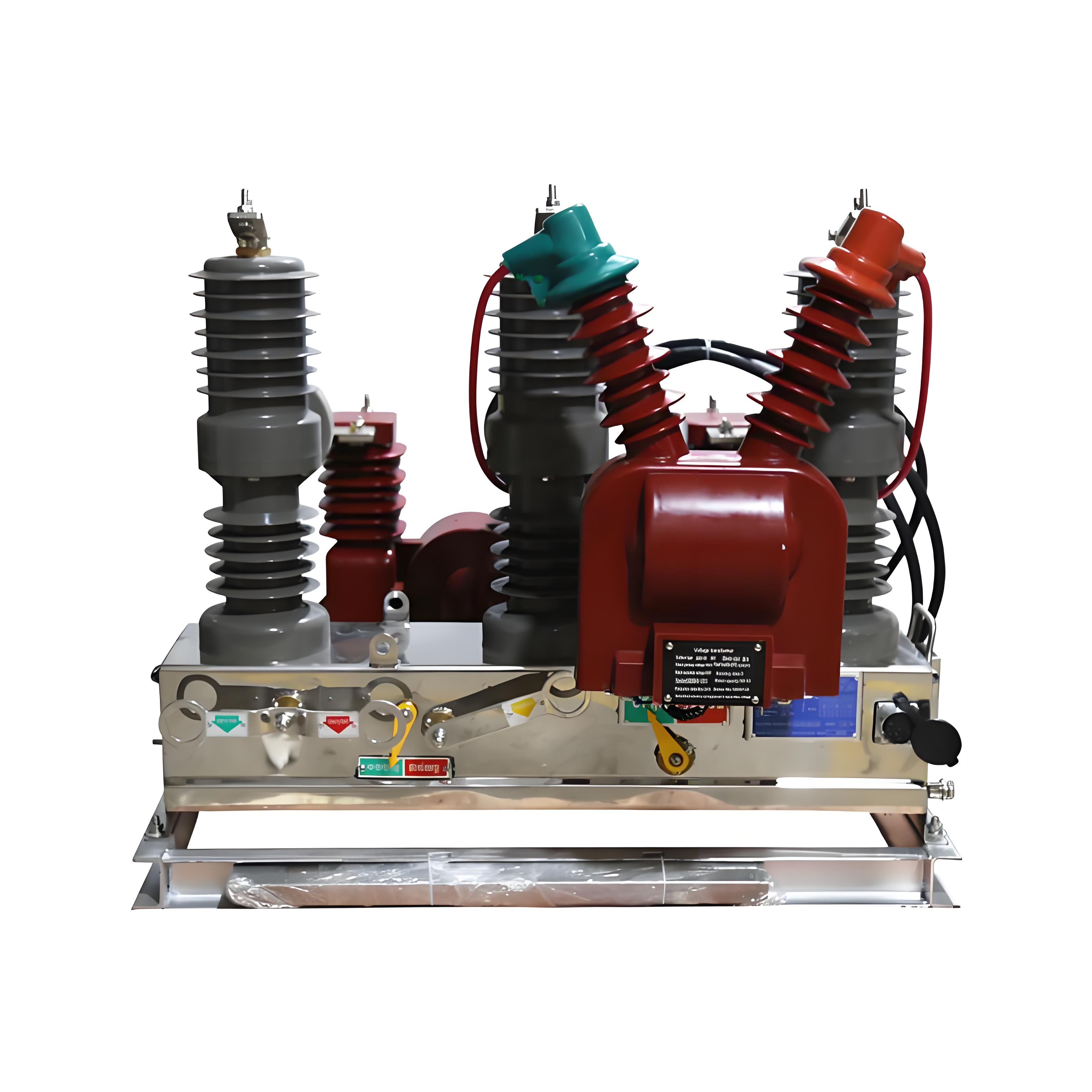
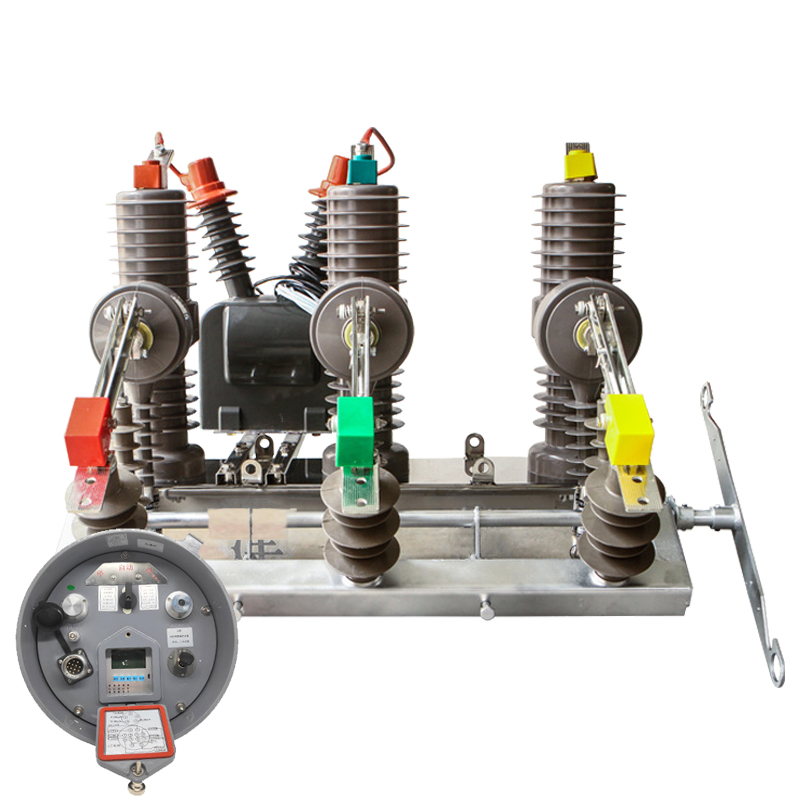
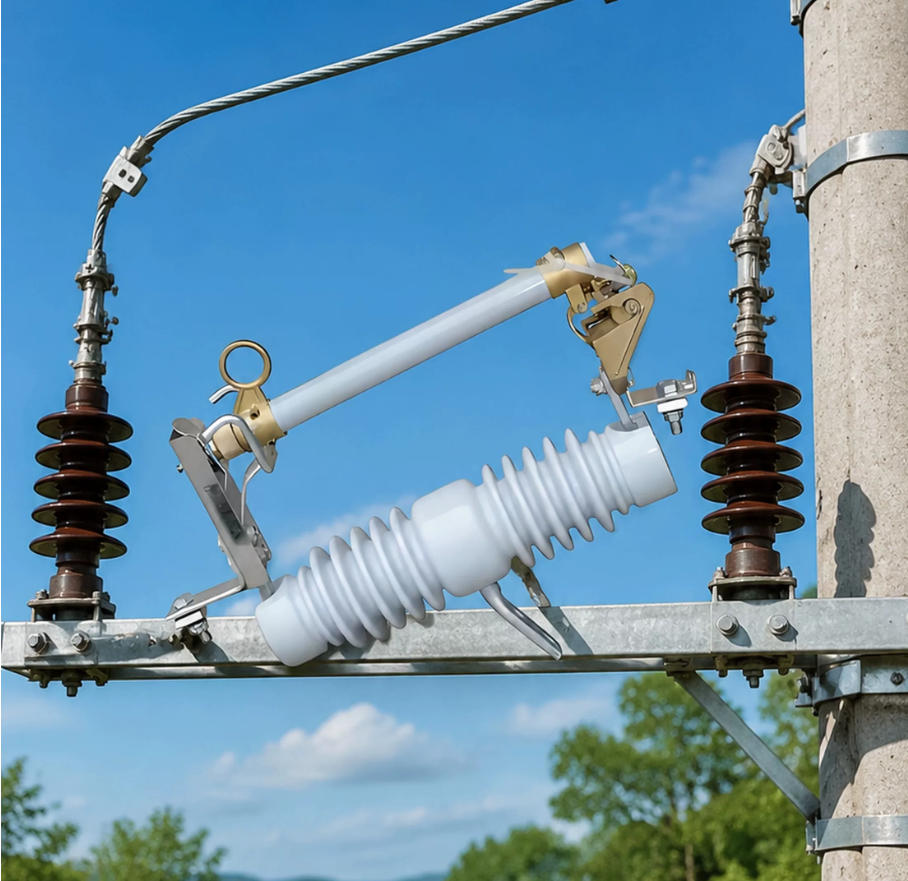
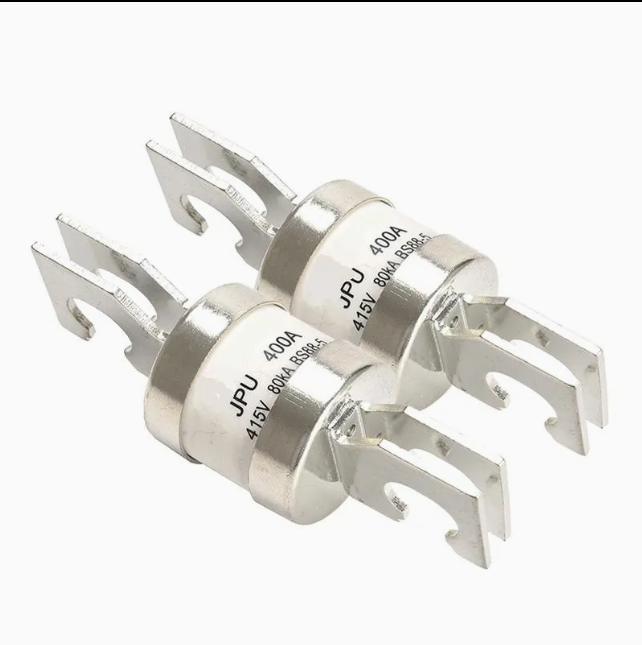
An Automatic Circuit Recloser (ACR) is a specialized class of high-voltage switchgear designed to sense overcurrents, interrupt power, and automatically reclose to restore service. Unlike traditional fuses that require replacement after a single operation, ACRs are engineered to handle temporary faults—such as lightning strikes or momentary contact with tree branches—by testing the line and restoring power if the fault has cleared.
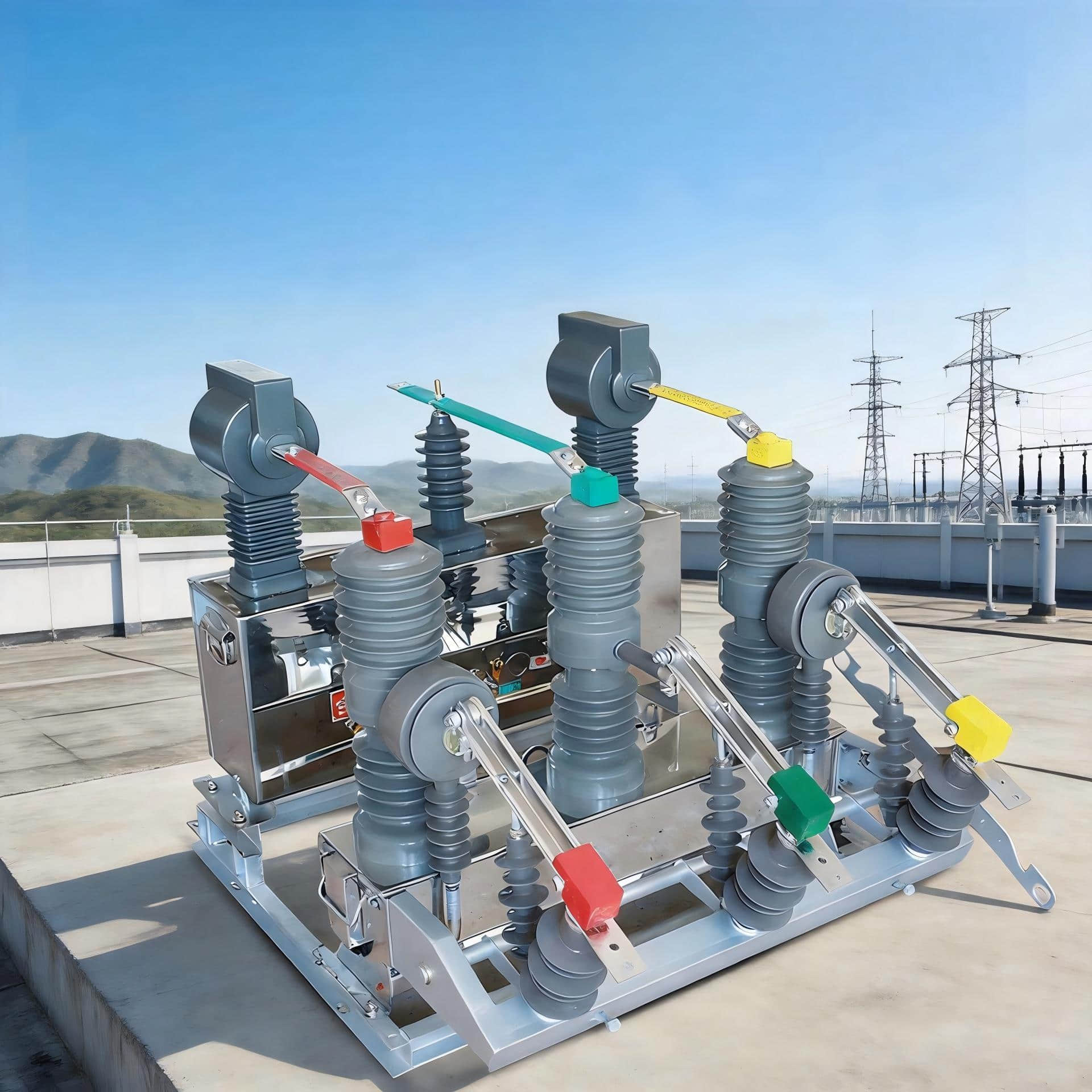
At Weishuo Electric, our pole-mounted reclosers utilize advanced vacuum interruption technology and microprocessor-based controllers (FTU/RTU). These units operate across voltage ratings from 11kV to 38kV, ensuring robust protection for medium voltage networks. By integrating intelligent control, these devices serve as the backbone of distribution automation, significantly reducing the need for physical maintenance trips.
The Growing Need for Reliable Private Power Grids
Private industrial sectors, including mining, oil & gas, and heavy manufacturing, are increasingly moving away from reliance on public utility grids to establish independent, resilient power infrastructures. In these environments, supply reliability is critical; even a momentary outage can halt production lines, damage sensitive machinery, and lead to substantial financial losses.
Modern industrial facilities demand system stability that standard protection methods cannot guarantee. The shift toward smart grid technology allows private network operators to minimize outage frequency and enhance service continuity. By deploying ACRs, facility managers ensure that transient issues do not escalate into prolonged shutdowns, maintaining high network uptime essential for continuous industrial operations.
Key Differences Between ACRs and Standard Circuit Breakers
While both devices protect electrical systems, their operational logic differs fundamentally regarding fault isolation and restoration. A standard circuit breaker is designed to trip and stay open until a technician performs a manual intervention. In contrast, an ACR attempts to restore power automatically, addressing the reality that up to 80% of overhead line faults are temporary.
Comparison: ACR vs. Standard Circuit Breaker
| Feature | Automatic Circuit Recloser (ACR) | Standard Circuit Breaker (VCB) |
|---|---|---|
| Primary Function | Detects faults, trips, and automatically recloses. | Detects faults and trips to permanently isolate the circuit. |
| Fault Handling | Distinguishes between temporary faults and permanent faults. | Treats all faults as permanent until inspected. |
| Restoration | Restores power in seconds without human interaction. | Requires manual reset or remote command after inspection. |
| Application | Ideal for overhead lines and distribution automation. | Best for substations, cables, and final circuit protection. |
| Intelligence | Integrated with smart grid protocols (DNP3.0, IEC60870). | Often requires external relays for advanced logic. |
By utilizing ACRs, industrial networks achieve superior power restoration speeds and reduce the operational costs associated with dispatching maintenance crews for minor, self-clearing issues.
Why Industrial Facilities are Prioritizing ACRs for Power Reliability
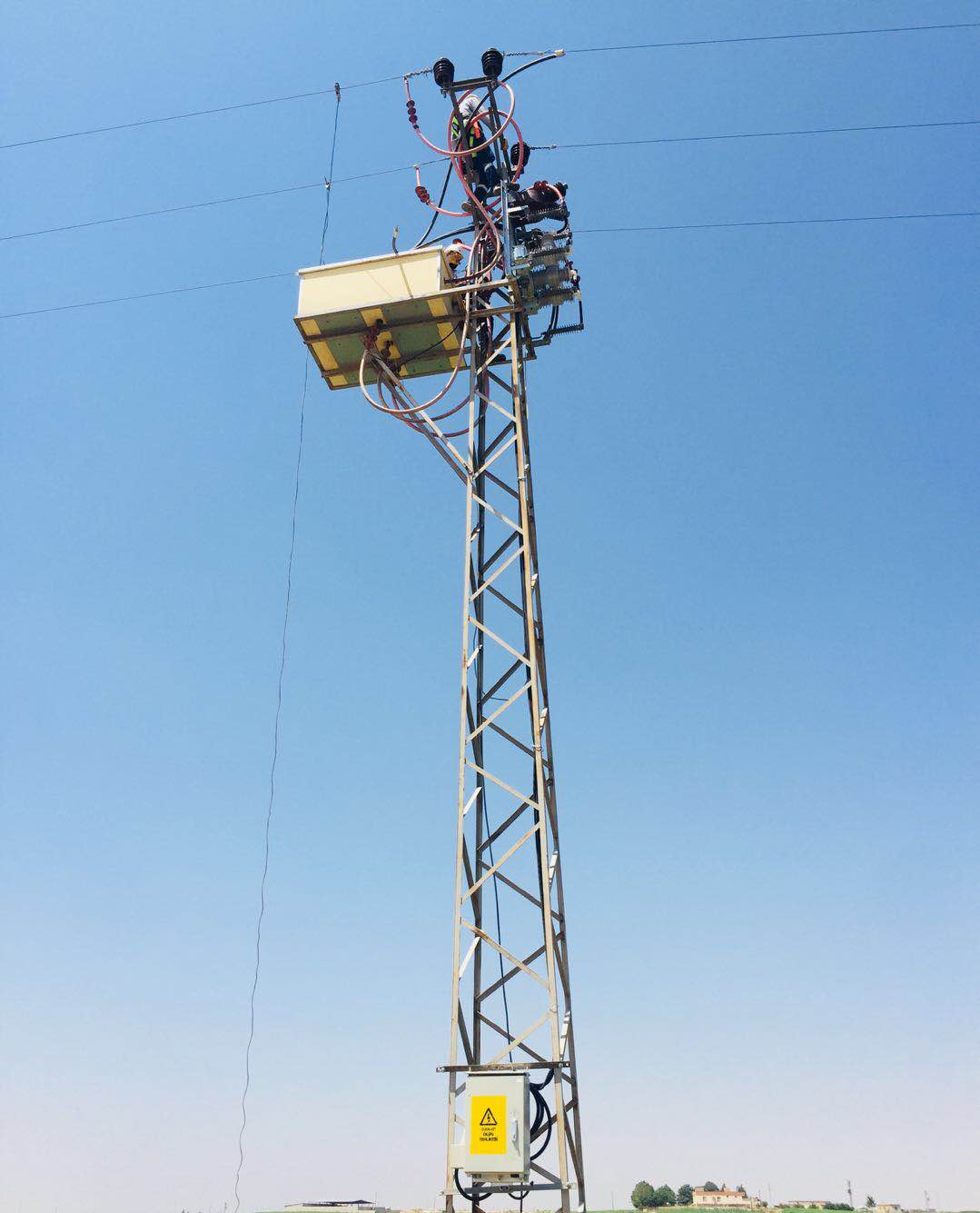
In the private industrial sector, power stability isn’t just a convenience; it is the backbone of profitability. We see a significant shift where mining operations, manufacturing plants, and oil & gas facilities are moving away from traditional fuses and manual switches. Instead, they are adopting Automatic Circuit Reclosers (ACRs) to modernize their electrical infrastructure. This transition is driven by the need to maintain supply reliability and protect sensitive machinery from the damaging effects of unstable power.
Minimizing Costly Production Downtime
For any industrial facility, every minute of downtime translates to lost revenue. Traditional protection methods, like fuses, require a maintenance crew to physically travel to the site and replace the component after a fault. This manual intervention results in extended outages and high maintenance costs.
Our ACRs solve this by automating the restoration process. Since a vast majority of overhead line faults are temporary, the recloser detects the issue, trips, and then automatically attempts to close the circuit again. If the fault has cleared, power is restored in seconds, not hours.
Drastic Reduction in Outage Frequency: Keeps production lines running without interruption.
Lower Operational Costs: Eliminates the need for “truck rolls” to remote pole locations for minor issues.
Continuous Uptime: Ensures critical processes remain online, maximizing network uptime.
Enhancing System Safety and Fault Management
Safety is paramount in high-voltage industrial environments. Modern reclosers do more than just switch power on and off; they provide intelligent fault isolation. By integrating advanced microprocessor-based controllers (FTU/RTU), our units can pinpoint the exact location of a fault and isolate only the affected section. This selective isolation prevents a complete facility blackout and protects upstream equipment from damage.
Furthermore, our equipment is built to strict international standards (IEC62271-111, ANSI/IEEE C37.60), ensuring robust performance. To further safeguard the network against voltage surges that often accompany faults, integrating a lightning arrester disconnector alongside the recloser is a common best practice for comprehensive protection.
Key Safety Benefits:
Vacuum Interruption: Contains the arc within a sealed vacuum bottle, eliminating fire risks associated with oil-filled switchgear.
Solid Insulation: Uses epoxy resin or silicone rubber to prevent external flashovers in harsh environments.
Smart Grid Integration: Supports protocols like DNP3.0 and IEC60870-5-101/104 for real-time safety monitoring via SCADA.
Improving Grid Resilience Against Transient Faults
Industrial networks utilizing overhead lines are constantly exposed to environmental factors like lightning, wind-blown branches, or wildlife. These create temporary faults that disappear quickly. A standard circuit breaker treats these as permanent issues, tripping and locking out immediately.
ACRs are specifically engineered to handle these scenarios through a programmed reclosing sequence. The device tests the line to see if the fault has cleared before locking out. This capability is crucial for power restoration in private networks where system stability is non-negotiable.
Intelligent Logic: Distinguishes between transient and permanent faults.
Rugged Durability: Designed for 10,000+ mechanical operations, ensuring longevity even in active storm seasons.
Environmental Hardening: High-grade stainless steel enclosures protect the mechanism from corrosion and weather impact.
How Automatic Circuit Reclosers Work to Protect Private Networks
Advanced Fault Detection and Tripping Mechanisms
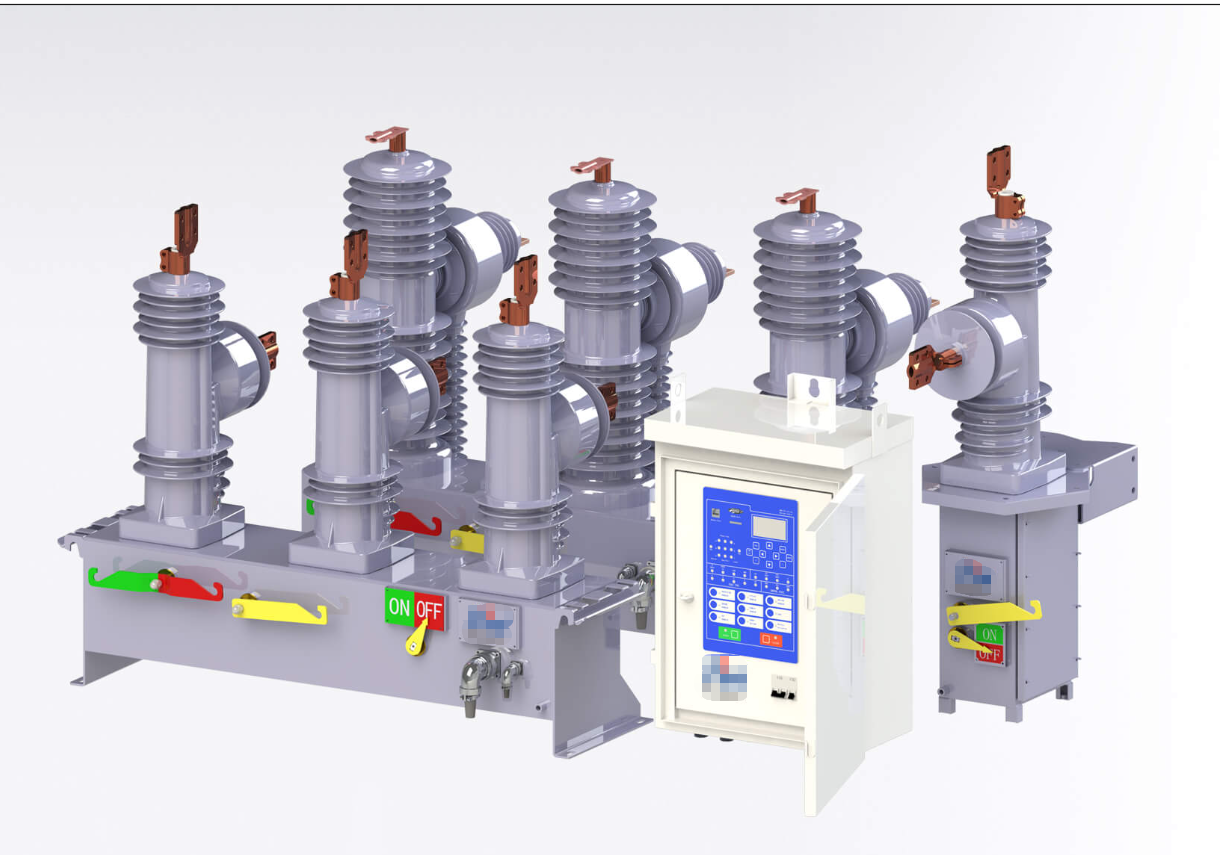
In our private industrial networks, precision is non-negotiable. We design our Automatic Circuit Reclosers (ACRs) with advanced microprocessor-based controllers that act as the brain of the protection system. Unlike traditional fuses that simply melt when overloaded, our units utilize intelligent protective relaying to constantly monitor current and voltage levels. When the system detects an abnormality, such as a short circuit or overcurrent, the controller triggers the vacuum interrupter. This mechanism quenches the electrical arc inside a sealed, high-grade enclosure—often using solid insulation or SF6—ensuring rapid fault isolation. This immediate response prevents dangerous energy spikes from damaging sensitive industrial machinery downstream.
The Automatic Reclosing Sequence Explained
The primary advantage of an ACR over a standard breaker is its ability to handle temporary faults. Research shows that a vast majority of overhead line issues—like lightning strikes or tree branches brushing the line—are transient. Instead of shutting down the entire facility and waiting for a maintenance crew, the recloser initiates a programmed sequence to ensure service continuity:
Trip: The unit opens immediately to clear the fault current.
Wait: A pre-set “dead time” allows the transient disturbance to dissipate.
Reclose: The unit automatically closes to attempt power restoration.
Lockout: If the fault persists after a set number of attempts (indicating a permanent fault), the unit locks open to protect the infrastructure.
This logic significantly reduces the need for manual intervention, keeping production lines running during minor grid disturbances. For facilities managing higher voltages, implementing 33kV auto reclosers to improve grid reliability is a standard strategy to minimize downtime.
Smart Integration with Industrial Control Systems
Modern power management requires more than just hardware; it demands data. We build our reclosers to serve as critical nodes in distribution automation. Our units support industry-standard communication protocols, including DNP3.0, Modbus, and IEC60870-5-101/104. This compatibility allows for seamless integration into existing SCADA systems, giving facility managers full remote monitoring capabilities. Operators can view real-time load data, analyze fault logs, and even operate the switch remotely from a control room. By leveraging this smart grid technology, industrial sites can transition from reactive repairs to proactive network management, ensuring long-term stability and safety.
Key Features and Advantages of Modern ACR Technology
Remote Monitoring and Digital Control Capabilities
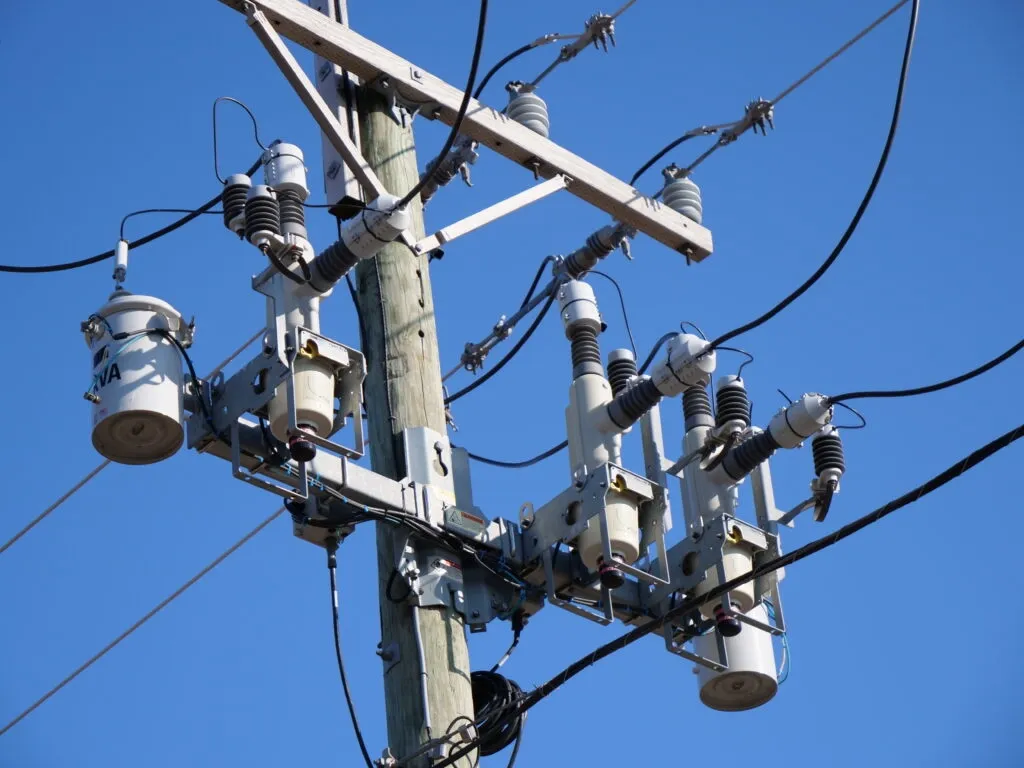
In modern industrial power systems, visibility is just as critical as hardware durability. We design our Automatic Circuit Reclosers (ACRs) to serve as intelligent nodes within a broader network. Equipped with advanced microprocessor-based controllers (FTU/RTU), these units seamlessly integrate with smart grid technology.
Operators can monitor grid health in real-time without needing to dispatch field crews. Our reclosers support standard communication protocols, including IEC60870-5-101/104, DNP3.0, and Modbus. This compatibility ensures that data regarding voltage, current, and fault history flows directly to your SCADA system. For precise measurement and control, high-quality sensing components like the JDZ(J)-3/6/10Q Voltage Transformer are essential for providing accurate inputs to the control unit, enabling effective distribution automation.
Adjustable Settings for Complex Industrial Loads
Private industrial networks often handle diverse and heavy machinery, requiring more than generic protection settings. Our ACRs offer flexible programming to match specific load profiles, ensuring selective isolation of faults.
Customizable Protection Curves: Engineers can adjust time-current characteristics to differentiate between temporary inrush currents (common in motor starts) and actual short circuits.
Sequence Coordination: Users can define the number of reclosing attempts and the time intervals between them to suit local operational safety protocols.
Load Management: Advanced settings allow for automated load shedding strategies, prioritizing critical equipment during power instability to maintain system stability.
Reduced Maintenance Requirements and Long Service Life
Industrial environments—whether mining sites or chemical plants—are harsh. We build our reclosers to withstand these conditions while driving down maintenance costs. The core switching mechanism utilizes vacuum interruption technology, which eliminates the need for oil or gas handling and significantly reduces contact wear.
Durability Highlights:
| Feature | Benefit |
|---|---|
| Vacuum Interrupters | Sealed environment prevents arc exposure, ensuring consistent performance over thousands of cycles. |
| Solid Insulation | Epoxy resin or silicone rubber insulation provides superior resistance to UV radiation, pollution, and moisture. |
| Stainless Steel Enclosure | High-grade casing protects internal components from corrosion and physical impact. |
| Mechanical Life | Rated for over 10,000 operations, ensuring long-term service continuity without frequent replacements. |
Types of Automatic Circuit Reclosers for Industrial Applications
Selecting the right protection equipment is critical for maintaining supply reliability in private networks. We engineer our reclosers to meet diverse operational demands, ranging from simple line protection to complex distribution automation schemes.
Single-Phase vs. Three-Phase Reclosers
In the realm of medium voltage networks, the choice between single-phase and three-phase units depends entirely on the load type.
Single-Phase Reclosers: typically used for residential spurs where loads are light.
Three-Phase Reclosers: The standard for industrial applications. Our focus is on three-phase reclosers (11kV to 38kV) because industrial machinery relies on balanced three-phase power.
If a fault occurs on one line, a three-phase recloser trips all phases simultaneously. This prevents “single-phasing”—a dangerous condition where motors continue running on two phases, leading to overheating and permanent equipment failure. This synchronized operation is essential for system stability and protecting high-value assets.
Electronic vs. Hydraulic Operating Systems
While hydraulic reclosers were the industry standard for decades, modern private grids are shifting toward electronic control.
Hydraulic Control: Relies on oil and mechanical springs. Timing can drift due to temperature changes, and they lack remote communication.
Electronic Control: We utilize microprocessor-based controllers (FTU/RTU). These provide precise timing, custom protection curves, and event logging.
Electronic systems enable smart grid technology integration. They allow operators to change settings without physical hardware adjustments and support advanced protocols like DNP3.0 and IEC60870-5-101/104. This digital approach drastically improves fault isolation accuracy compared to legacy hydraulic units.
Pole-Mounted vs. Substation ACR Solutions
Installation location dictates the physical design and insulation requirements of the recloser.
Pole-Mounted Reclosers: Designed for overhead cable networks. These units feature robust stainless steel enclosures and use solid insulation (epoxy resin) or SF6 gas to withstand UV radiation, rain, and pollution. They are critical for sectionalizing long distribution lines to limit the scope of an outage.
Substation Reclosers: These serve as the primary protection at the facility’s power intake. They often interface directly with main transformers.
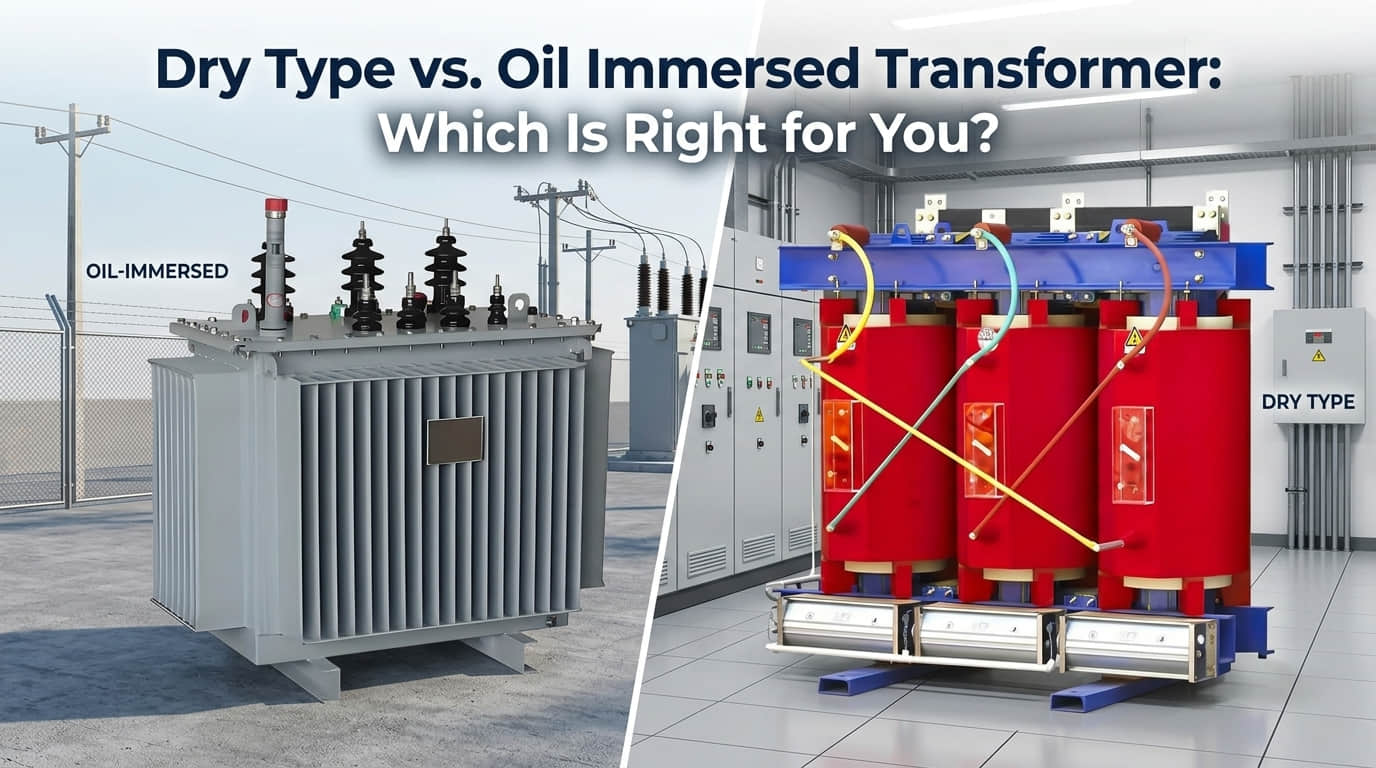
For facilities managing their own step-down infrastructure, pairing a recloser with a custom 11kV compact substation creates a unified protection zone. This setup ensures that service continuity is maintained from the utility connection point down to the factory floor, minimizing the impact of external grid fluctuations.
Common Application Scenarios in Private Industrial Power Networks
Private industrial sectors are increasingly adopting autonomous protection systems to maintain control over their energy infrastructure. Unlike public utilities that manage vast residential grids, private networks in mining, oil and gas, and heavy manufacturing require targeted solutions to handle high-load demands and specific operational risks. Automatic Circuit Reclosers (ACRs) serve as the backbone for these medium voltage networks, ensuring that production never stops due to minor electrical disturbances.
Protecting Overhead Lines from Environmental Interference
Industrial facilities often rely on extensive overhead cable networks to distribute power across large sites. These lines are constantly exposed to harsh weather, wildlife, and vegetation. A significant percentage of faults in these environments are temporary faults, caused by momentary contact with tree branches or lightning surges.
Standard breakers trip immediately upon detecting these issues, cutting power until a technician manually resets them. Our ACRs solve this by automatically testing the line and restoring power if the fault has cleared. This “self-healing” capability is essential for remote locations where maintenance teams cannot respond quickly. To further harden these exposed lines against voltage spikes, network operators frequently pair reclosers with robust lightning arresters to divert dangerous surges before they damage critical infrastructure.
Minimizes Truck Rolls: Reduces the need for physical inspections after minor weather events.
Weather Resistance: Our units utilize stainless steel and silicone rubber to withstand UV radiation and corrosion.
Fault Isolation: Prevents a single line issue from blacking out the entire facility.
Managing Renewable Energy Integration for Industrial Sites
As factories and plants aim for energy independence, renewable energy integration has become a priority. Adding on-site solar arrays or wind turbines creates a complex grid environment with variable power generation and bidirectional power flow. Traditional switchgear often misinterprets these fluctuations as faults, leading to nuisance tripping.
We equip our reclosers with intelligent microprocessor-based controllers (FTU/RTU) capable of sophisticated power flow management. These smart controllers distinguish between actual overload conditions and the normal variability of renewable sources. This ensures system stability while allowing industrial sites to safely utilize green energy without compromising their connection to the main grid.
Ensuring Continuity in Critical Manufacturing Processes
For continuous-process industries, supply reliability is directly tied to profitability. A momentary outage can ruin batches of product, desynchronize automated machinery, or cause safety hazards. The primary goal of installing an ACR is to guarantee network uptime by eliminating downtime caused by transient issues.
The mechanism relies on high-speed vacuum interruption technology, which is also the core component of our reliable ZW8-12 Outdoor Vacuum Circuit Breaker. This technology allows the device to execute rapid reclosing sequences—restoring power in seconds rather than hours. By effectively managing power restoration automatically, facility managers protect their equipment from hard shutdowns and ensure that service continuity is maintained around the clock.
Selection Guide: Choosing the Right ACR for Your Industrial Facility
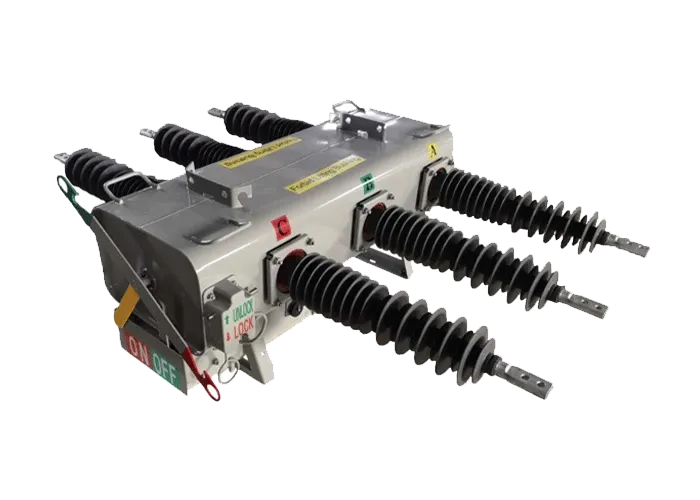
Selecting the correct Automatic Circuit Recloser (ACR) is critical for ensuring supply reliability and minimizing maintenance costs in private industrial networks. We focus on matching technical specifications to the unique demands of your infrastructure, ensuring that the equipment can handle specific load profiles and fault levels.
Assessing Voltage and Current Requirements
The first step is to align the ACR specifications with your network’s operating voltage and load current. In medium voltage networks, undersizing equipment leads to immediate failure, while oversizing can be an unnecessary expense. We recommend selecting a unit with a rated voltage slightly higher than your system voltage to account for surges.
For most industrial applications, we adhere to standard ratings that cover the majority of distribution needs:
| Parameter | Standard Specification Range |
|---|---|
| Rated Voltage | 11kV, 15kV, 24kV, 33kV, 38kV |
| Rated Current | Up to 630A or 1250A |
| Breaking Capacity | 12.5kA, 16kA, 20kA, 25kA |
| Frequency | 50Hz / 60Hz |
Ensure the short-circuit breaking capacity is sufficient to handle the maximum potential fault current at the installation point. This ensures the device can safely interrupt permanent faults without sustaining damage.
Evaluating Environmental Conditions and Durability
Private industrial grids, such as those in mining, oil & gas, or chemical processing, often operate in harsh environments. Standard equipment may degrade quickly under high UV exposure, pollution, or humidity.
To guarantee service continuity and a long operational life, prioritize these physical attributes:
Enclosure Material: Look for high-grade stainless steel tanks. These resist corrosion and physical impact far better than painted mild steel.
Insulation Type: Solid insulation (using hydrophobic cycloaliphatic epoxy) or silicone rubber is preferred over oil or gas for outdoor durability. It eliminates leakage risks and reduces maintenance.
Ingress Protection: Ensure the control cubicle and high-voltage unit meet high IP standards (e.g., IP65) to prevent dust and water ingress.
Considering Future Scalability and Smart Grid Compatibility
Modern industrial power systems are evolving into smart networks. Even if you do not currently use full distribution automation, choosing an ACR with advanced controller capabilities ensures you are future-proof.
Key features to look for include:
Communication Protocols: The controller must support standard protocols like DNP3.0, Modbus, or IEC60870-5-101/104 for seamless integration with SCADA.
Remote Control: The ability to operate the switch remotely reduces the need for manual intervention and truck rolls.
Protection Features: Advanced relays offer customizable curves and sensitive earth fault detection. Understanding these settings is as vital as knowing how to safely trip a circuit breaker during emergency maintenance procedures.
By prioritizing smart grid technology compatibility now, you enable easier renewable energy integration and sophisticated power flow management as your facility expands.
Best Practices for Installing and Maintaining Industrial ACRs
To get the maximum return on investment from your private network infrastructure, proper handling of protection equipment is non-negotiable. While our reclosers are engineered for durability with stainless steel enclosures and high-grade insulation, following strict protocols ensures system stability and safety.
Proper Installation for Optimal Performance
Correct installation is the foundation of grid reliability. Since most of our units are designed for pole-mounting in outdoor environments, securing the physical structure is the first step.
Grounding is Critical: A poor ground connection can compromise the electronic controller (FTU/RTU) and prevent accurate fault detection. Ensure the grounding resistance meets local standards to protect sensitive electronics from surges.
Clearance Distances: Maintain safe clearance distances between phases and to the ground, especially for higher voltage ratings like 33kV or 38kV.
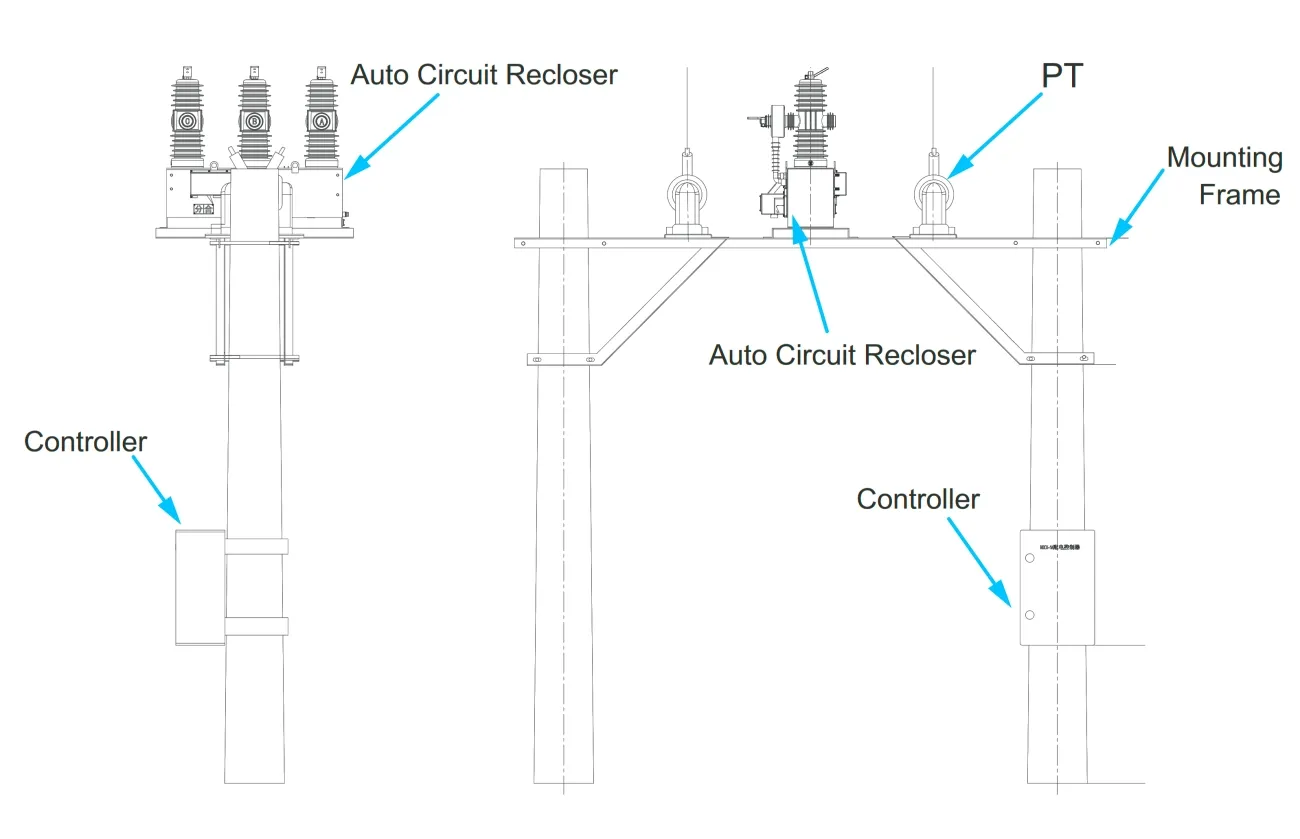
Controller Placement: Mount the control cubicle at a height that allows for safe access without needing a bucket truck for minor adjustments.
Configuration: Before energizing, ensure your team understands the specific protection curves of automatic circuit reclosers to match your industrial load profile.
Routine Testing and Diagnostic Procedures
Preventative maintenance significantly lowers long-term maintenance costs and prevents unexpected failures. Even though vacuum interrupters are largely maintenance-free, the surrounding systems require attention.
Battery Health: The backup battery in the control cabinet is vital. It powers the unit during an outage to perform the reclosing sequence. Test these batteries annually.
Insulation Resistance: For solid dielectric or SF6 gas-insulated models, perform regular insulation resistance tests (Megger tests) to detect any degradation caused by harsh environmental conditions.
Mechanism Operation: Manually trip and close the unit locally to ensure the mechanical linkage is free-moving and not seized due to long periods of inactivity.
Troubleshooting Common Operational Issues
When a fault occurs, modern ACRs provide data to minimize manual intervention. Instead of guessing, use the intelligence built into the unit.
Analyze Event Logs: If a unit locks out, download the event log via the FTU. This data reveals whether the issue was a permanent short circuit or a temporary surge, aiding in faster fault isolation.
Check Sensor Connections: If the unit fails to detect a fault, inspect the current transformer (CT) and voltage sensor wiring for loose connections or corrosion.
Vacuum Bottle Integrity: If the breaker fails to clear a fault, the vacuum interrupter may have lost its vacuum. A high-potential (Hi-Pot) test can verify the bottle’s integrity.
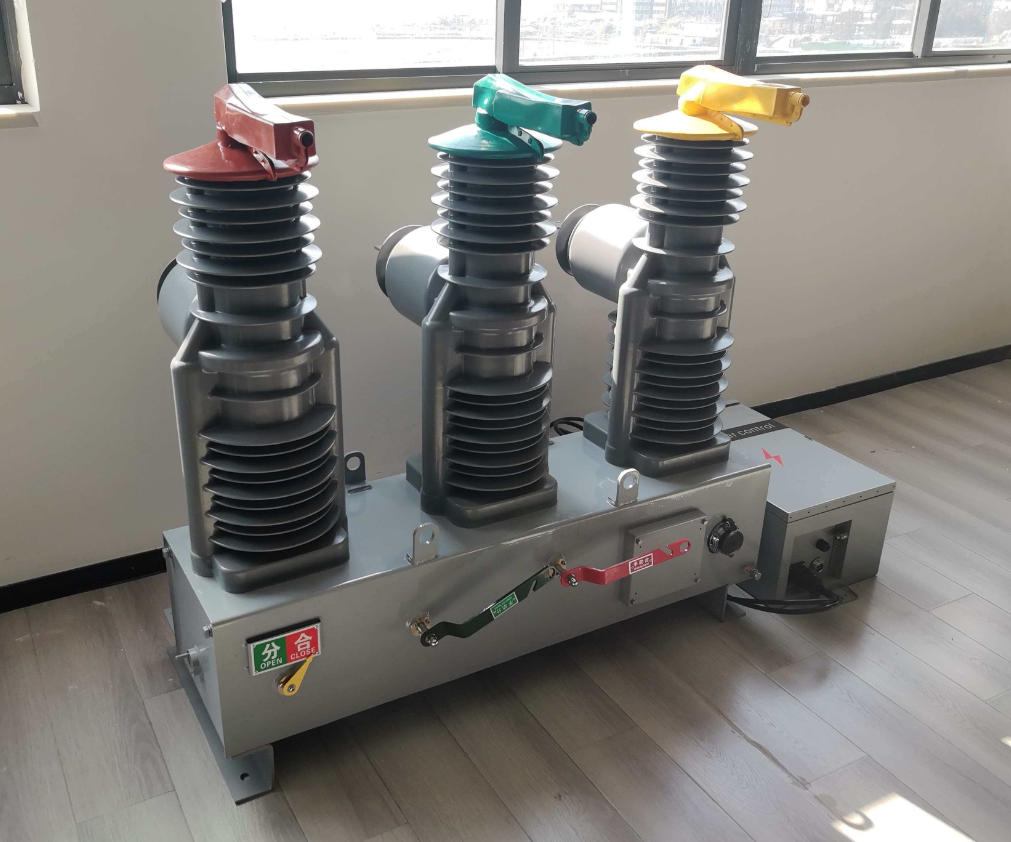
Frequently Asked Questions About Industrial ACR Implementation
How do ACRs help in preventing equipment damage?
Automatic Circuit Reclosers (ACRs) are the first line of defense in maintaining **system stability**. Unlike standard breakers that trip and stay off, our reclosers are designed to sense the difference between a temporary issue and a permanent problem. By clearing **temporary faults** quickly through an automatic reclosing sequence, we prevent the prolonged outages that often lead to voltage sags and stress on sensitive industrial machinery. If a fault persists, the unit locks out to ensure **selective isolation**, effectively cutting off the power flow to the specific problem area. This prevents high fault currents from reaching and damaging expensive downstream equipment, ensuring your **supply reliability** remains high.
What is the typical lifespan of an industrial recloser?
We engineer our reclosers for longevity, knowing that industrial environments can be harsh. A high-quality vacuum recloser typically boasts a mechanical life of over **10,000 operations**. By utilizing premium materials like **stainless steel** for enclosures and **silicone rubber** for insulation, our units resist corrosion and environmental wear. This robust construction directly translates to reduced **maintenance costs** and extended service life. With routine inspections, these units serve as a long-term investment for your network, minimizing the need for frequent replacements and ensuring consistent **service continuity**.
Can ACRs be integrated into existing SCADA systems?
Yes, integration is a core feature of our modern reclosers. We equip our units with advanced microprocessor-based controllers (FTU/RTU) that support standard communication protocols such as **DNP3.0**, **Modbus**, and **IEC60870-5-101/104**. This compatibility allows facility managers to seamlessly connect the reclosers to existing SCADA networks for real-time remote monitoring and control. Adopting this level of **smart grid technology** gives you visibility into grid health and fault data without sending a crew to the field. For a deeper dive into how these components safeguard your network, understanding what electrical switchgear protection involves is essential for optimizing your automation strategy.