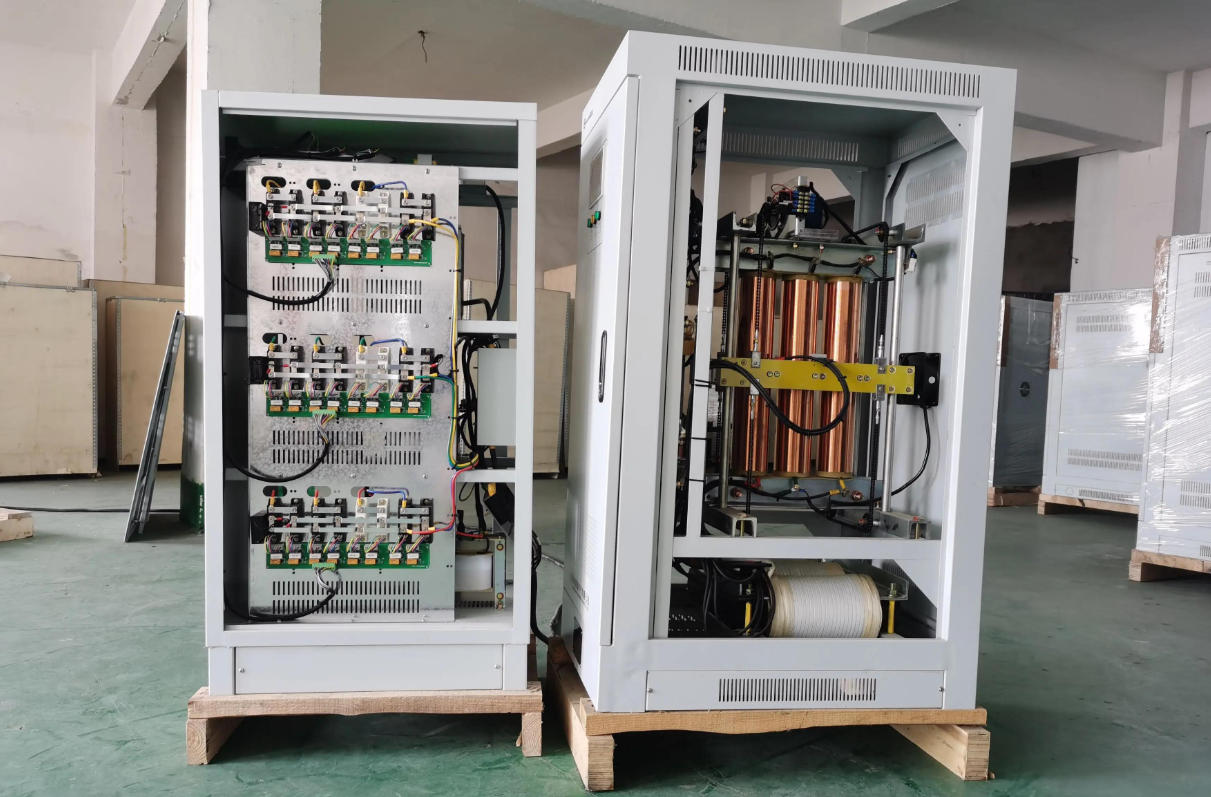
What is a Voltage Stabilizer?
Definition and Basic Function
A voltage stabilizer, often referred to as an Automatic Voltage Stabilizer (AVS), is an electrical device designed to deliver a constant voltage to a load at its output terminals, regardless of changes in the incoming supply or input voltage. Its primary function is to act as a protective buffer between the main power grid and sensitive equipment.
The system continuously monitors the mains supply. When it detects voltage fluctuations that fall outside predefined limits, the internal control circuit activates a correction mechanism. Whether using a servo motor or relay-type switching, the stabilizer adjusts the voltage to match the required operational level (e.g., 110V or 220V), ensuring the connected electrical appliance receives clean, stable power.
The Importance of Voltage Stability for Electronics
Stable power is critical for the longevity and performance of modern electronics. Voltage surges (sudden spikes) and sags (power drops) can cause catastrophic failure in sensitive components.
Industrial Equipment: Heavy machinery requires precise voltage to maintain torque and speed; instability leads to production downtime.
Medical Devices: High-precision equipment, such as CT scanners, relies on a stable output to generate accurate diagnostic data.
Home Appliances: Refrigerators and air conditioners contain motors that can overheat or burn out if the voltage range drops too low.
By maintaining a reference voltage, a stabilizer provides essential power protection, preventing immediate hardware damage and reducing long-term wear on internal circuits.
Difference Between a Voltage Stabilizer and a Voltage Regulator
While the terms are often used interchangeably in the industry, there are distinct technical nuances between a generic voltage regulator and an AC voltage stabilizer.
| Feature | Voltage Stabilizer | Voltage Regulator |
|---|---|---|
| Primary Function | Corrects significant input voltage fluctuations from the AC mains to a safe range. | Maintains a strictly constant voltage level, often for specific electronic circuits. |
| Scope | Designed for whole-house, industrial, or appliance-level AC loads. | Often found as small components inside devices (e.g., DC power supplies). |
| Mechanism | Uses buck/boost transformer operations to physically adjust the AC wave. | Typically uses electronic dissipation or switching to trim voltage. |
| Output Precision | Focuses on keeping voltage within a safe operating window (e.g., ±1% to ±3%). | Focuses on extreme precision with almost zero deviation. |
At Weisho, our Automatic Voltage Regulators (AVR) combine the robustness of a stabilizer with the precision of a regulator, utilizing advanced microprocessor control to ensure the load receives the exact power required for optimal operation.
Why Do You Need a Voltage Stabilizer?
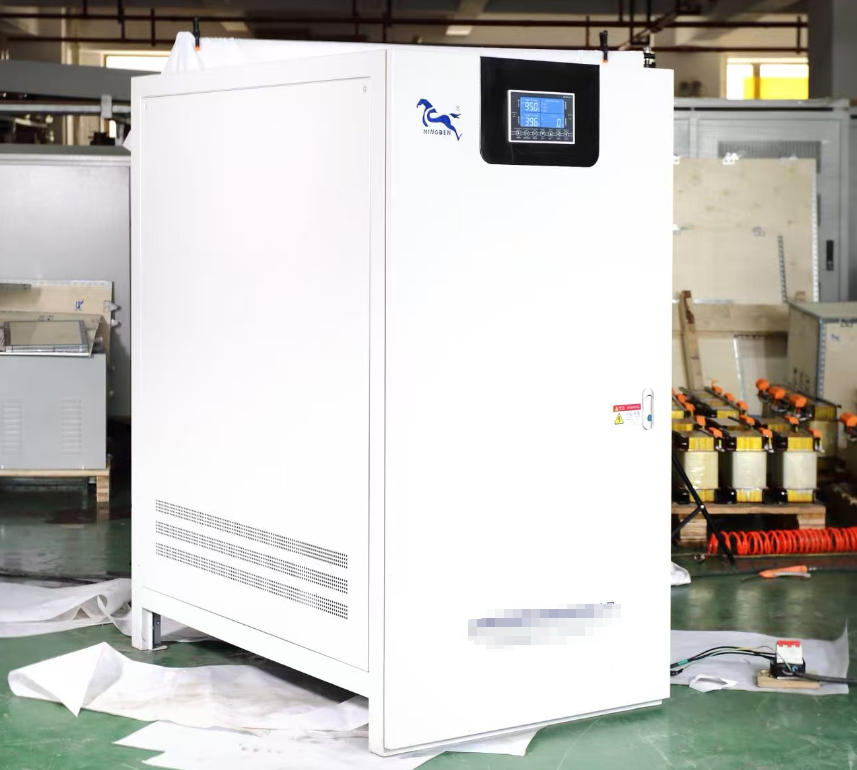
In an ideal world, the electricity flowing from your wall outlet would be a perfect, unwavering line. In reality, the power grid is dynamic and often unstable. We design our voltage stabilizers to act as a buffer between this unpredictable grid and your valuable electronics. Without this buffer, your equipment is directly exposed to the chaotic nature of the power supply, which can lead to immediate failure or silent, cumulative damage over time. Whether for industrial machinery or sensitive medical devices, ensuring a constant voltage supply is not just a luxury; it is a necessity for operational continuity.
Protecting Against Overvoltage and Undervoltage
The most common threats to electrical equipment are sags (undervoltage) and swells (overvoltage). These voltage fluctuations occur when the input voltage deviates from the standard nominal value. If the voltage drops too low, motors in appliances like refrigerators or industrial pumps struggle to turn, drawing excessive current and overheating. Conversely, if the voltage spikes beyond the safe voltage threshold, it can instantly destroy sensitive microchips.
Our stabilizers utilize a monitoring circuit that constantly samples the mains power. If the voltage drifts outside predefined limits, the system activates to correct it. This ensures that the output voltage remains within a safe operating window, regardless of how unstable the input becomes.
Managing Voltage Transients and Spikes
Beyond simple fluctuations, your equipment faces the danger of rapid voltage surges and transients. These are brief but intense bursts of energy often caused by lightning strikes, grid switching, or heavy equipment cycling on and off nearby. While a standard voltage regulator focuses on maintaining a steady level, our advanced stabilizers incorporate protection features to handle these anomalies.
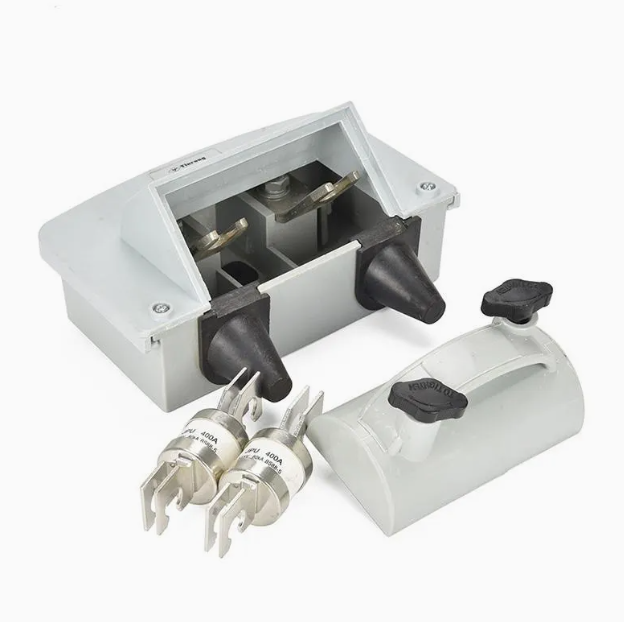
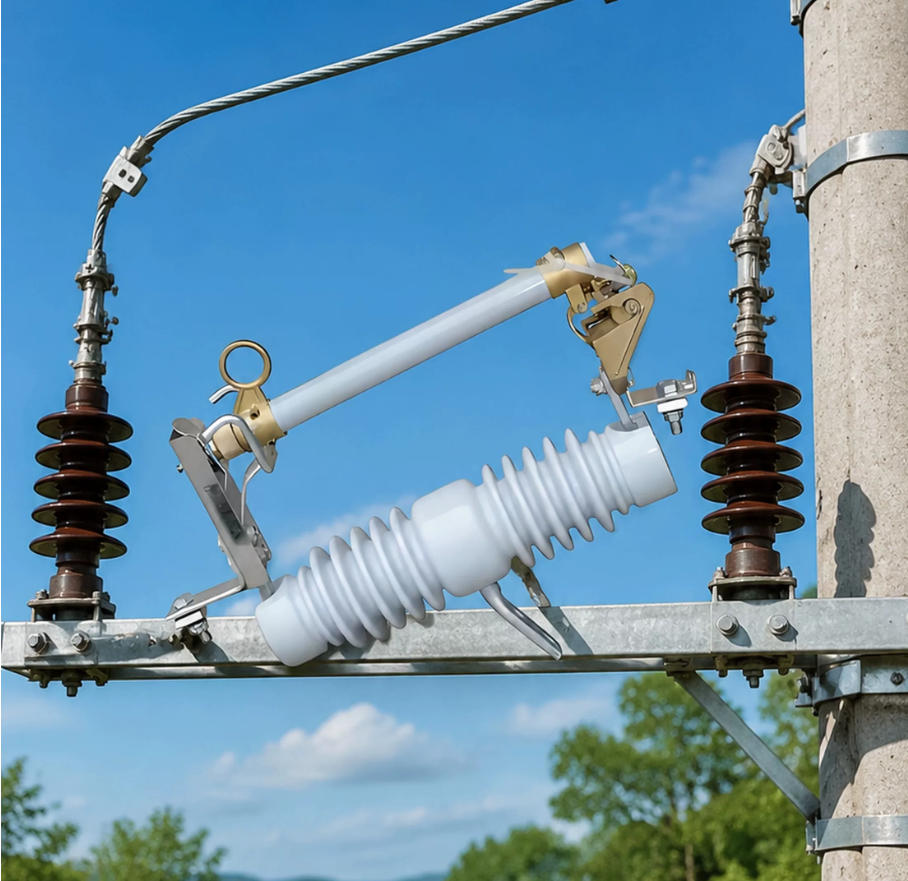
To ensure total system safety, we often recommend looking at the broader protection ecosystem. For instance, understanding how a fuse disconnector switch operates can help you appreciate the importance of isolating equipment during extreme electrical faults. Our stabilizers work to clamp down on these spikes, preventing them from passing through to the load and frying delicate internal components.
Enhancing Equipment Longevity and Safety
Running an electrical appliance on unstable power is like driving a car on a road full of potholes; it might work for a while, but the wear and tear are accelerated. Consistent power protection ensures that your devices operate at their designed efficiency, reducing heat generation and stress on internal parts.
Benefits of using our stabilizers include:
Reduced Failure Rate: Prevents premature burnout of motors and power supplies.
Data Integrity: Protects computers and servers from sudden shutdowns or data corruption.
Cost Savings: Extends the lifespan of expensive machinery, delaying the need for replacement.
By delivering a stable output, we ensure that your equipment performs exactly as the manufacturer intended, safeguarding your investment for the long haul.
How Does a Voltage Stabilizer Work?
The Core Working Principle: Buck and Boost Operations
At the heart of every Automatic Voltage Stabilizer (AVS) lies the ability to perform buck and boost operations. This is essentially how we manage voltage fluctuations to ensure a stable output. When the input voltage from the utility grid drops below the required level (a sag), the stabilizer initiates a boost operation, adding voltage to meet the target. Conversely, if the system detects a sharp rise or voltage surges, it performs a buck operation to reduce the level. This dynamic balancing act ensures that the load connected to the output terminals receives a constant voltage, protecting sensitive electrical appliances from damage.
Key Internal Components and Their Roles
A voltage stabilizer relies on a specific set of internal parts to function effectively.
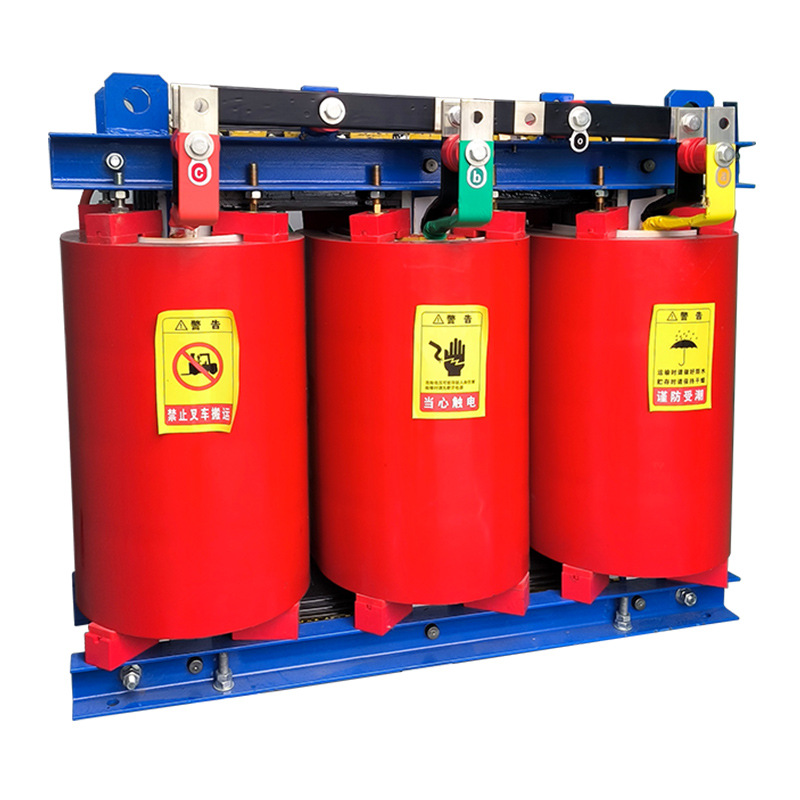
* **Buck/Boost Transformer: This is the muscle of the unit. It physically alters the voltage levels through electromagnetic induction.
* **Microprocessor/Electronic Control: Acting as the brain, this circuit processes data and decides when to adjust the voltage.
* **Relays or Servo Motors: These are the mechanical hands that switch transformer taps or move carbon brushes to adjust the voltage range.
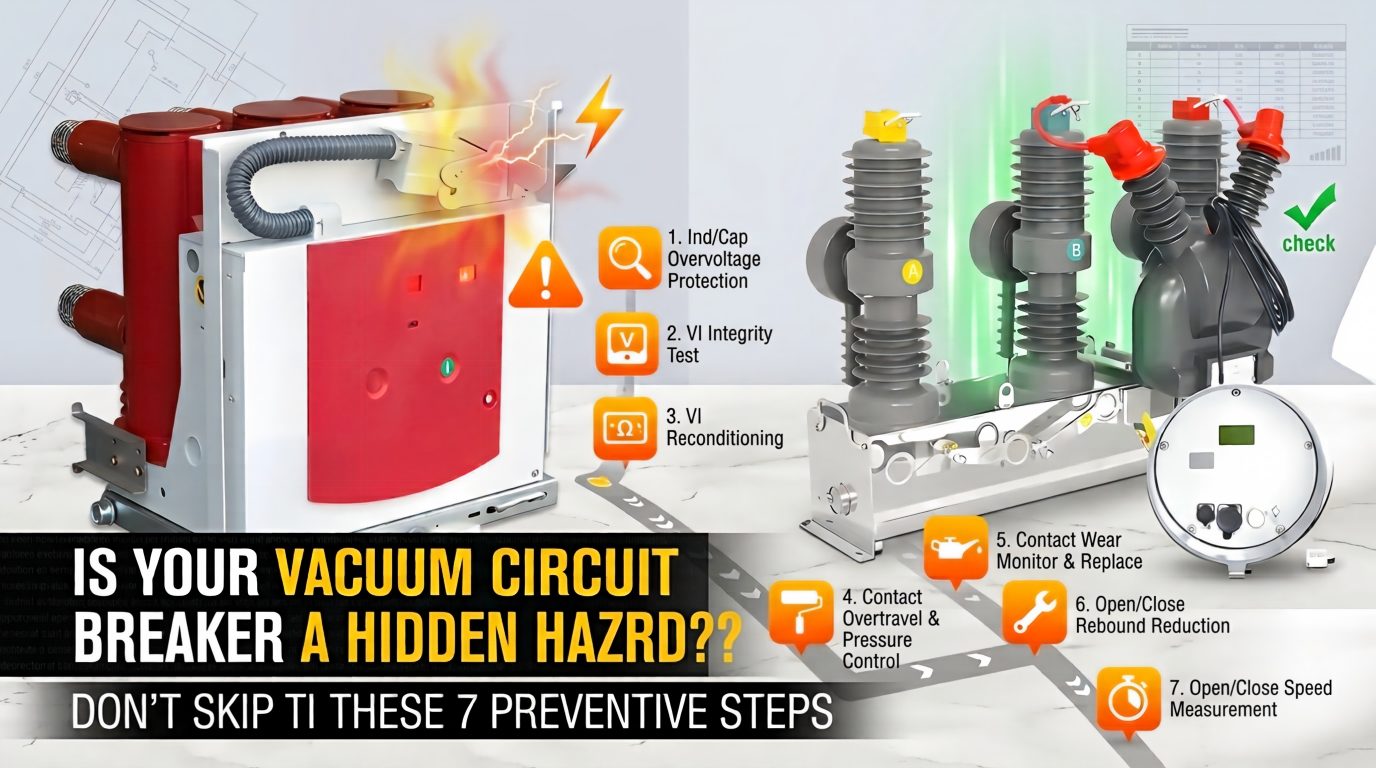
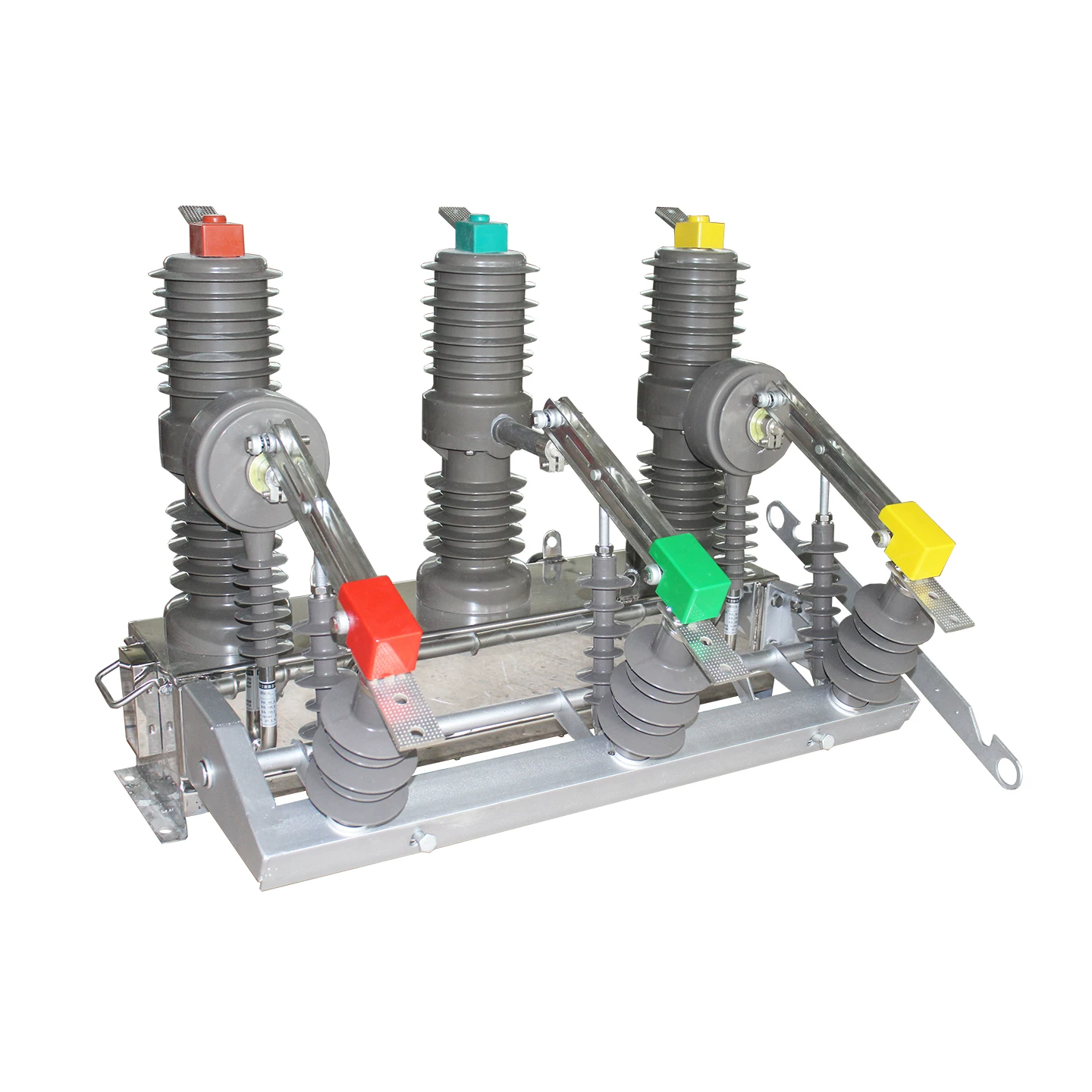
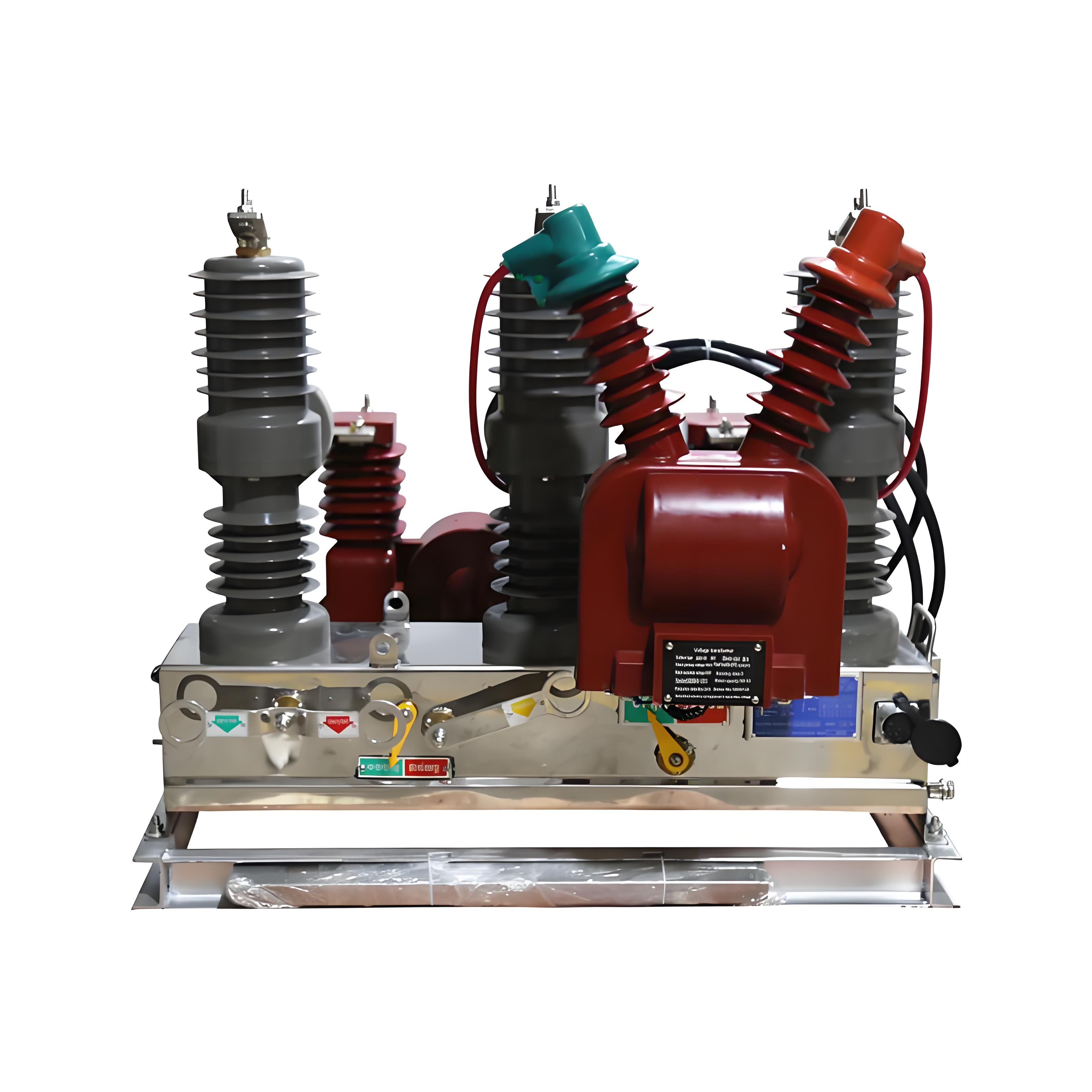
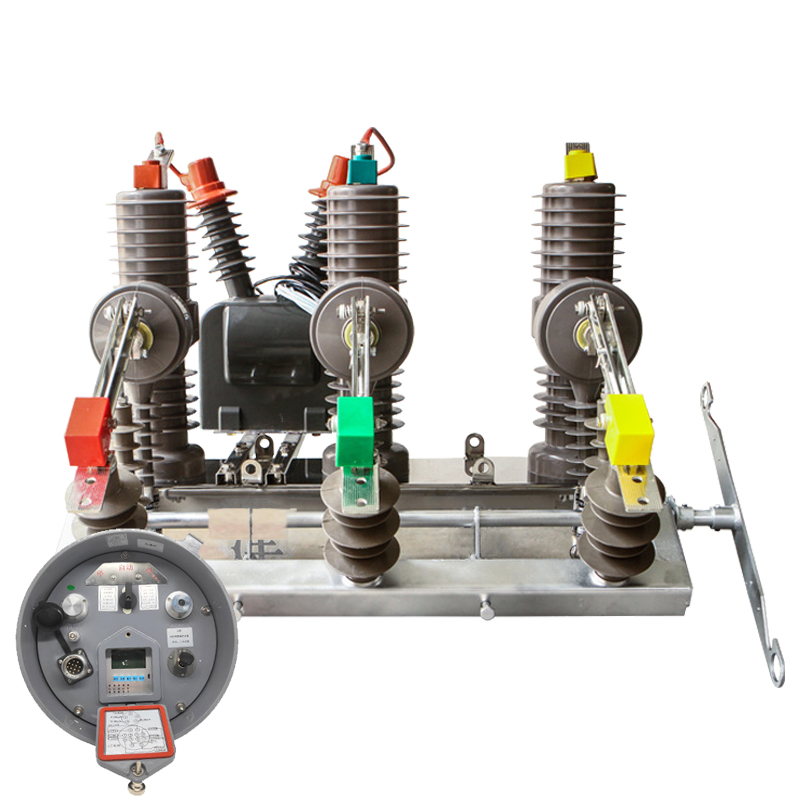
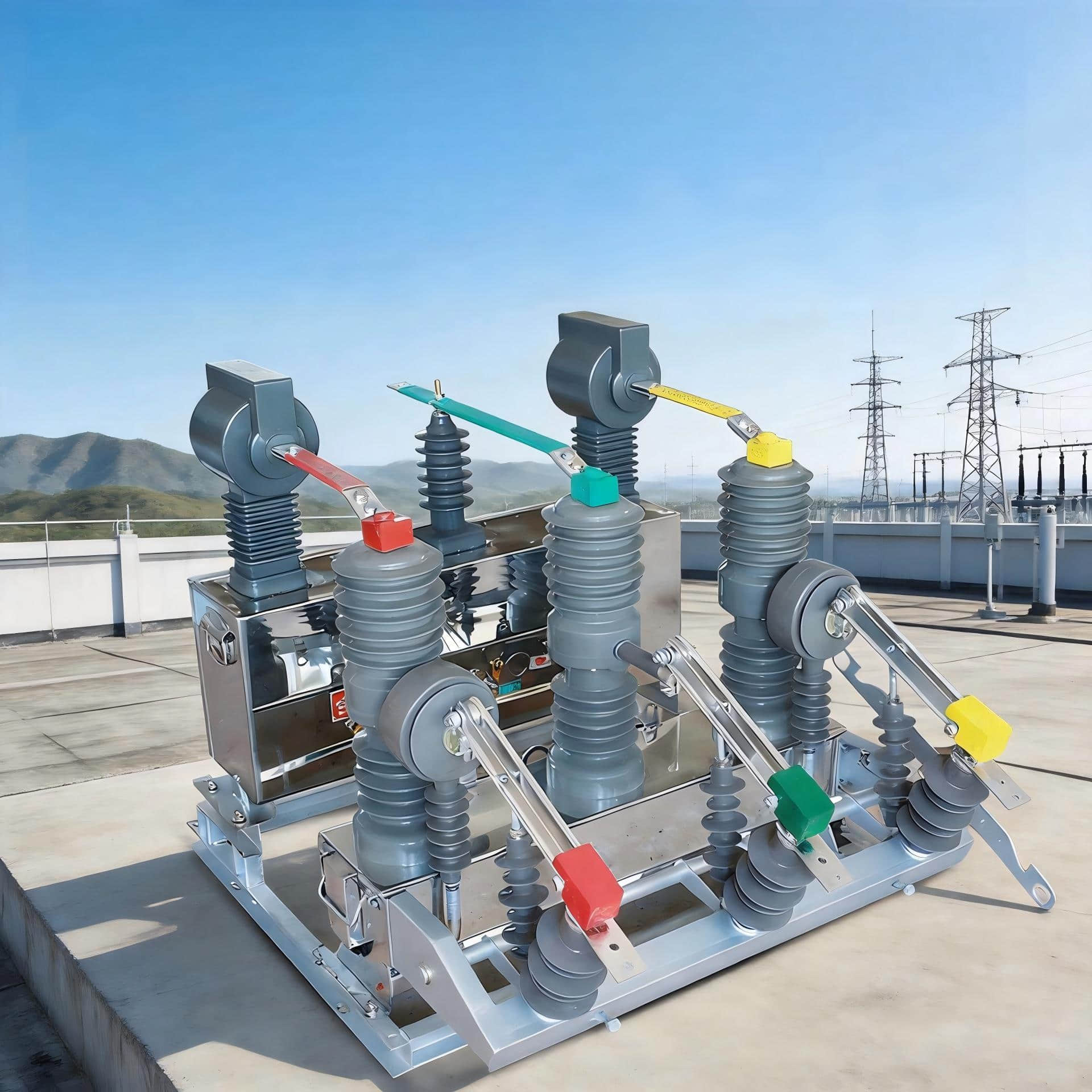
* **Protection Systems: In heavy-duty industrial setups, we often integrate or pair the stabilizer with robust switchgear like a [ZW32-12FG outdoor vacuum circuit breaker]to isolate the system during catastrophic faults, ensuring total **power protection**.
Automatic Voltage Detection and Adjustment Mechanism
The efficiency of a stabilizer comes from its continuous monitoring capabilities. The electronic control system constantly samples the incoming power and compares it against a stable reference voltage. If the input crosses predefined limits or a specific voltage threshold, the microprocessor triggers an immediate voltage correction.
1. **Detection: The sensor identifies a deviation.
2. **Comparison: The logic board calculates the difference between the actual input and the desired output.
3. **Adjustment: The system activates passthrough switches or adjusts the servo motor to align the output.
This entire process happens in milliseconds, ensuring that your electrical device runs smoothly without interruption.
Main Types of Voltage Stabilizers
Not all power protection devices are built the same. Depending on the sensitivity of your equipment and the severity of the voltage fluctuations you face, different technologies offer varying levels of protection and speed. Here is a breakdown of the main types of Automatic Voltage Stabilizer (AVS) units available on the market.
Relay Type Voltage Stabilizers
These are the workhorses for residential use. If you have ever heard a clicking sound coming from a stabilizer connected to a refrigerator or air conditioner, you are listening to a relay type unit.
How it works: It uses an electronic circuit and a set of relays to switch between different tappings on the transformer. When the monitoring circuit detects that the voltage is outside predefined limits, it switches the relay to either a buck operation or boost operation mode.
Best for: Standard electrical appliances like fridges and TVs where ultra-high precision isn’t critical.
Pros: Cost-effective, simple design, and reliable for general home use.
Cons: The switching speed is slightly slower compared to digital models, and the output accuracy is usually within ±5% to ±10%.
Servo-Controlled Voltage Stabilizers
When you need high precision for sensitive electronics, servo-controlled units are often the go-to choice. Unlike the stepped switching of relays, these provide continuous voltage correction.
How it works: This system uses a servo motor attached to a buck/boost transformer. A microprocessor or electronic control circuit drives the motor to adjust the arm on the transformer, maintaining a constant voltage output. This mechanism shares fundamental concepts with how current and potential transformers manage electrical signals, ensuring the load receives exactly what it needs.
Best for: Industrial machinery, medical equipment, and whole-house stabilization where input voltage varies significantly.
Pros: Extremely high accuracy (often ±1%), handles large voltage surges, and works well with high load capacities.
Cons: Contains moving parts (the motor), which may require maintenance over time.
Static (Solid State) Voltage Stabilizers
For mission-critical applications where even a millisecond of delay is unacceptable, static stabilizers are the answer. As the name implies, there are no moving parts.
How it works: These units utilize power electronic converters (like IGBTs) and a high-speed microprocessor to control voltage. Instead of mechanical switching, they use electronic control to regulate the output voltage.
Best for: CNC machines, sensitive laboratory equipment, and data centers requiring instant power protection.
Pros: Lightning-fast response time (almost instantaneous), silent operation, and high reliability since there are no mechanical parts to wear out.
Cons: Generally more expensive than servo or relay types.
Magnetic Induction Stabilizers
Also known as ferroresonant stabilizers, these are robust devices that rely on magnetic properties rather than electronic components to regulate power.
How it works: These stabilizers operate on the principle of magnetic saturation. The design isolates the output terminals from the input variations using a saturated transformer circuit.
Best for: rugged environments where the electrical device needs protection against high electrical noise and severe transients.
Pros: extremely durable, no moving parts, and offers excellent isolation from line noise.
Cons: They can be heavy, bulky, and sensitive to frequency changes in the power supply.
Common Applications of Voltage Stabilizers
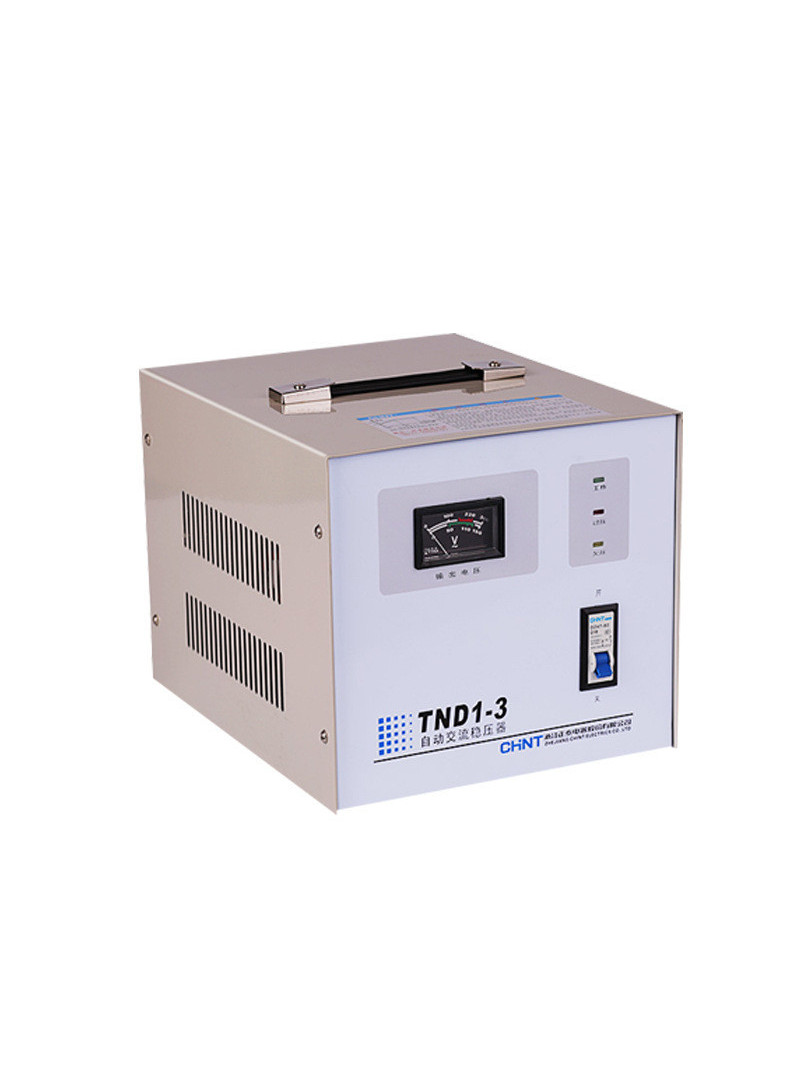
Voltage stabilizers are versatile devices essential for anywhere reliable power is non-negotiable. At Weisho, we see our units deployed across a vast spectrum of environments, from living rooms to high-tech manufacturing plants, ensuring that input voltage fluctuations never disrupt operations.
Residential Use for Home Appliances
In a typical home setting, electronics are constantly at risk from grid inconsistencies. We specifically design our single-phase relay and servo-motor stabilizers to safeguard sensitive electrical appliances like refrigerators, air conditioners, and televisions. Without protection, frequent voltage surges or sags can degrade the internal components of these devices, leading to premature failure.
Refrigerators and Freezers: Prevents compressor burnout caused by low voltage.
Home Entertainment Systems: Stops sudden shutdowns and protects sensitive circuit boards.
HVAC Systems: Ensures motors run at the correct RPM for efficiency and longevity.
Industrial and Commercial Equipment Protection
The stakes are much higher in industrial environments. A momentary power dip can halt a production line, causing massive financial losses. Our high-power, three-phase stabilizers (like the SBW series) are engineered to handle heavy inductive loads found in factories. They work in tandem with broader power infrastructure, often sitting downstream from industrial switchgear systems to refine the raw power entering the facility.
CNC Machines: Maintains precision in automated cutting and milling tools.
Printing Presses: Prevents misalignment and paper waste due to speed fluctuations.
Elevators and Escalators: Ensures smooth operation and passenger safety.
Specialized Use in Medical and Laboratory Settings
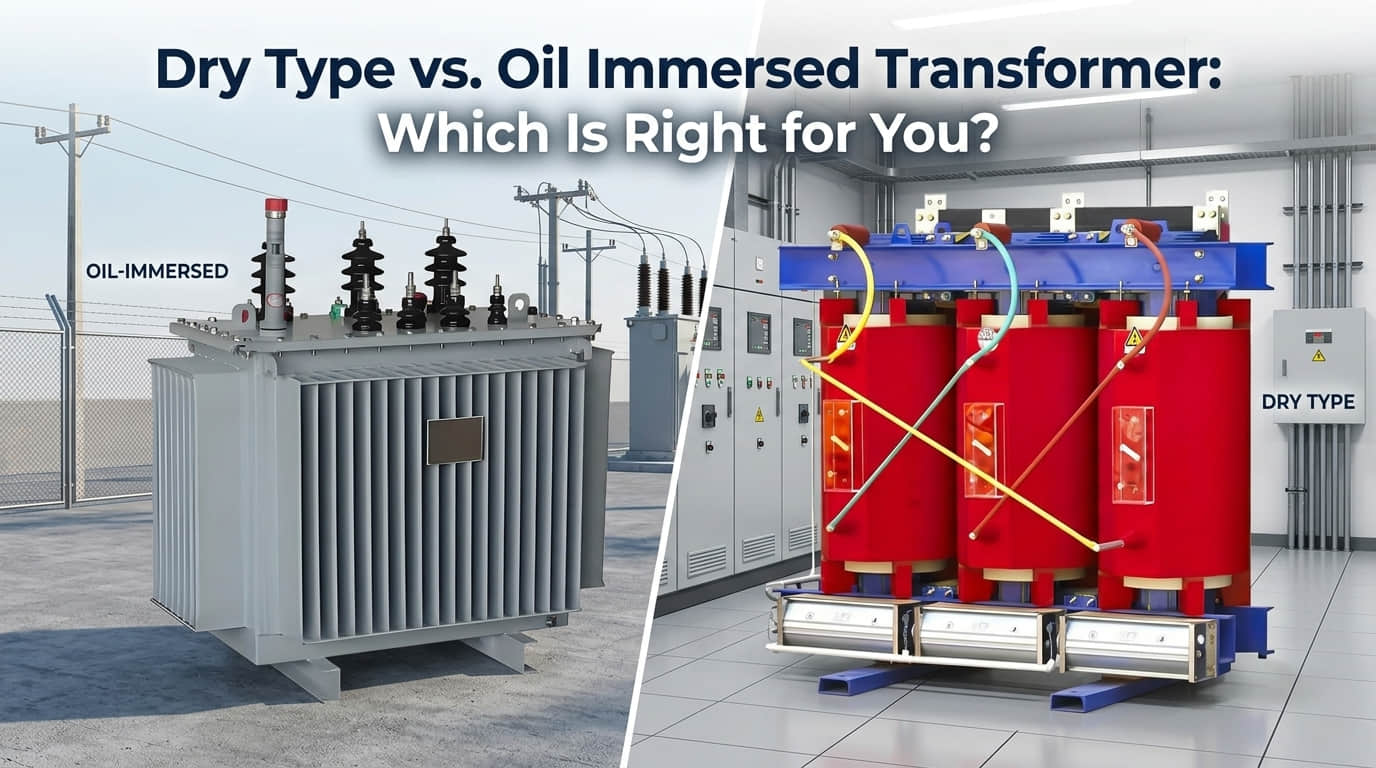
Medical and laboratory equipment represents the highest tier of sensitivity. Devices like CT scanners, MRI machines, and hematology analyzers require an absolutely constant voltage to generate accurate diagnostic results. For these applications, we typically recommend our high-precision servo or static stabilizers. These units provide a stable output with a rapid response speed, ensuring that even if there are issues upstream—such as those requiring troubleshooting distribution transformers—the sensitive medical equipment remains unaffected and accurate.
Medical Imaging: Prevents artifacts in X-ray and MRI images.
Lab Analyzers: Ensures consistent data in chemical and biological testing.
Life Support Systems: Guarantees uninterrupted operation for critical care devices.
How to Choose the Right Voltage Stabilizer
Selecting the correct stabilizer isn’t just about picking the biggest box; it is about matching the device’s specifications to your specific electrical environment. If you undersize the unit, you risk tripping the protection circuits constantly. If you oversize it significantly without cause, you are spending unnecessary budget.
Determining Power Rating and Load Capacity
The most critical step is calculating the total power consumption of the equipment you intend to protect. You cannot simply look at the running wattage; you must account for the startup currents, especially for inductive loads like motors, refrigerators, or air conditioners. These devices often draw 3 to 5 times their rated current during startup.
To ensure power protection and longevity, we always recommend choosing a stabilizer with a rating at least 20-30% higher than your total calculated load. This safety margin handles unexpected surges and prevents the unit from running at maximum capacity continuously, which generates excess heat.
Steps to size your stabilizer:
1. List all devices: Note the wattage (W) or amperage (A) of every electrical appliance to be connected.
2. Sum the total: Add these values together.
3. Apply the safety factor: Multiply the total by 1.25 or 1.3.
4. Check startup loads: For heavy machinery, verify the surge current requirements.
For complex setups, it is helpful to understand how to accurately calculate transformer power to ensure your stabilizer can handle the peak demands of your infrastructure.
Single-Phase vs. Three-Phase Systems
Identifying your input power supply is straightforward but essential. You must match the stabilizer to your building’s existing wiring setup.
Single-Phase Stabilizers: These are standard for most residential homes and small offices in the US (typically 110V/120V or 220V). If you are protecting a computer, TV, or a standard refrigerator, a single-phase servo or relay type is what you need.
Three-Phase Stabilizers: These are required for industrial settings, large commercial buildings, or homes with heavy-duty equipment (like central HVAC systems or large pumps) running on 380V/400V lines. These units monitor three separate phases to ensure a balanced, stable output across all lines.
Essential Features and Protection Units to Look For
A modern voltage stabilizer should do more than just regulate; it should act as a comprehensive shield for your electronics. We design our units with integrated protection suites to disconnect the load automatically when conditions become unsafe.
Look for these key specifications when browsing for a unit:
| Feature | Function | Why You Need It |
|---|---|---|
| Over/Under Voltage Protection | Cuts power if input exceeds predefined limits. | Prevents immediate burnout from high voltage or motor damage from low voltage. |
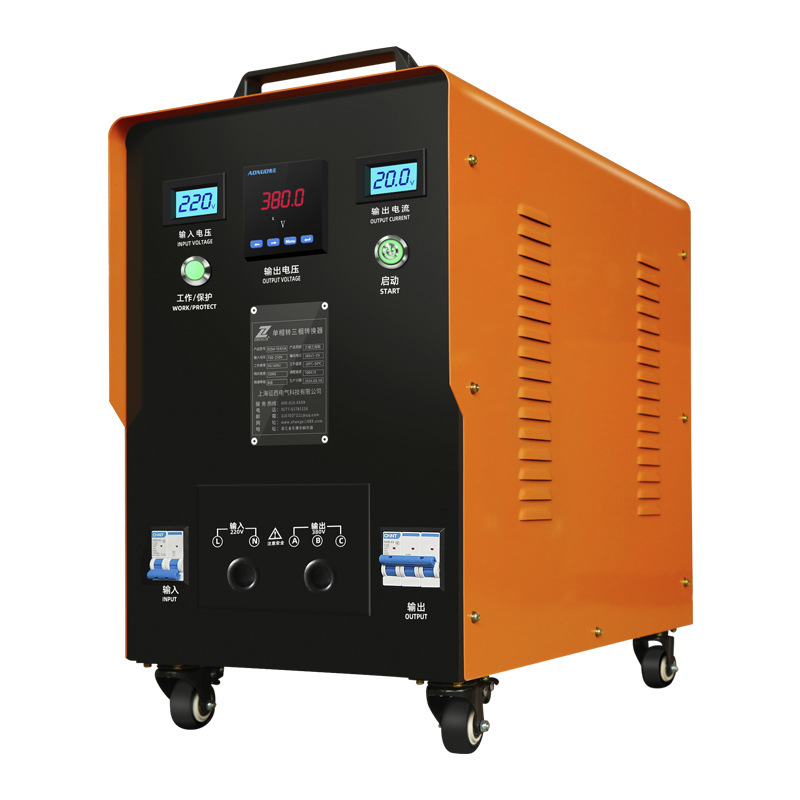
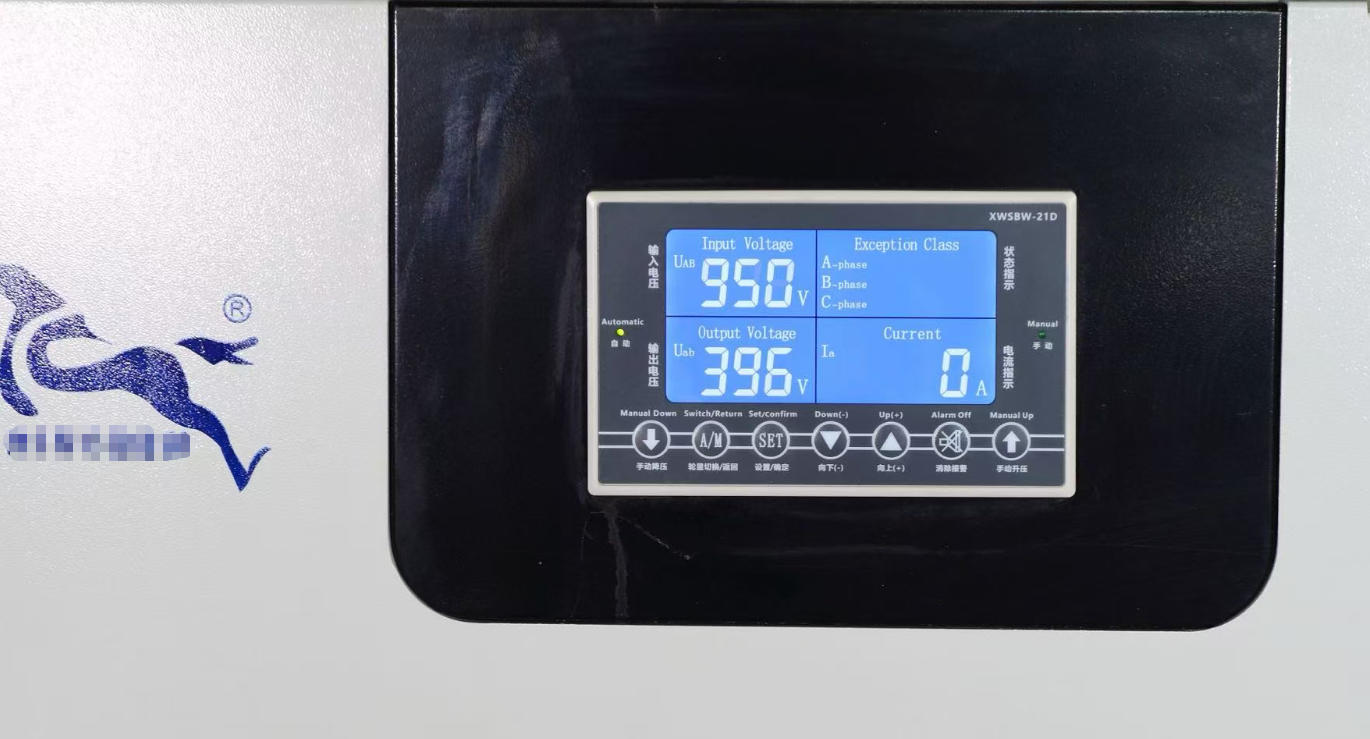
| Digital Display (LED/LCD) | Visualizes input/output voltage and current. | Allows for real-time monitoring of the system status and load levels. |
| Time Delay System | Delays output restoration after a power cut. | Protects compressors in ACs and fridges from short-cycling damage. |
| Thermal/Overload Protection | Shuts down the unit if temperature rises. | Prevents internal fires or transformer damage during extended peak usage. |
| Bypass Switch | Allows manual passthrough of mains power. | Useful for maintenance without disconnecting the entire load setup. |
Ensuring your stabilizer has these built-in safeguards guarantees that your output terminals deliver clean power, regardless of how erratic the grid becomes.
Installation and Maintenance Tips
Getting the most out of your Automatic Voltage Stabilizer (AVR) starts with correct setup and consistent care. Proper installation ensures the electronic control systems function accurately, while routine maintenance extends the lifespan of the internal buck/boost transformer and servo mechanisms.
Proper Installation Requirements
To ensure a stable output and safe operation, follow these critical installation guidelines. The environment and wiring directly impact the stabilizer’s ability to manage voltage fluctuations.
Ventilation is Key: Place the unit in a well-ventilated, dry area. The internal components, especially the transformer windings, generate heat during voltage correction. Ensure at least 6 inches of clearance around the chassis for airflow.
Correct Wiring Gauge: Use wire gauges that match the power rating of the stabilizer. Undersized wiring can cause resistance, leading to heat buildup at the input voltage and output terminals.
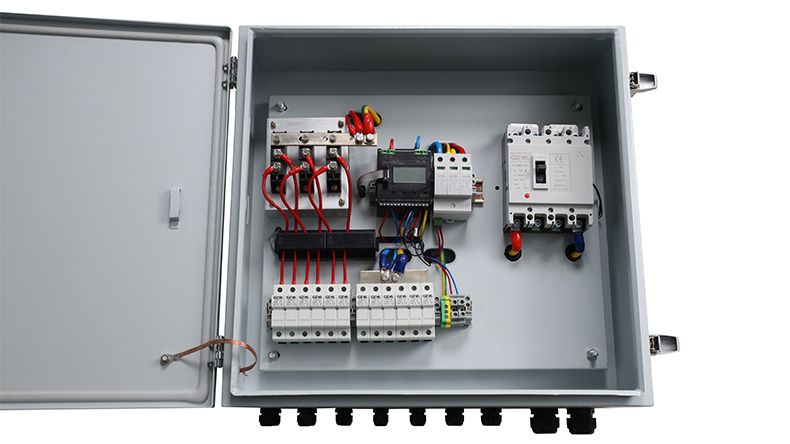
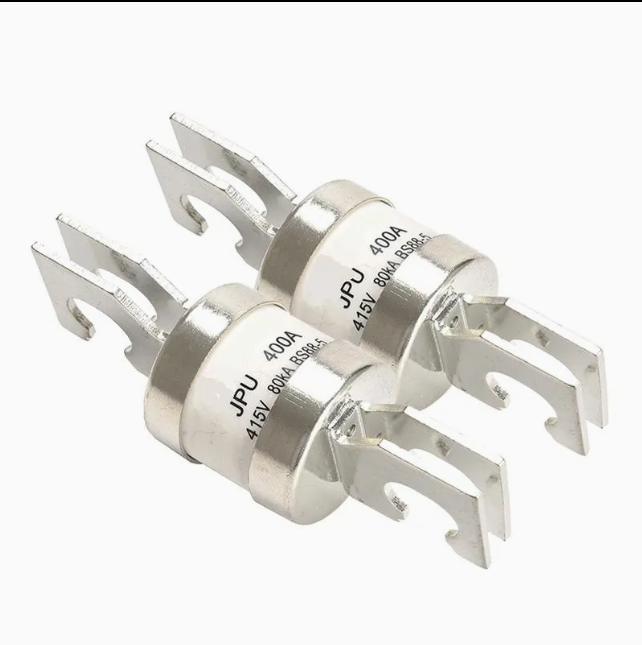
Input Protection: It is highly recommended to install a drop-out fuse or circuit breaker on the input line. This provides essential isolation and protection against massive short circuits before the power reaches the stabilizer’s microprocessor.
Grounding: Securely connect the ground wire. This shunts stray currents to the earth, protecting both the electrical appliance and the user from shock hazards.
Load Verification: Before turning it on, ensure the connected load does not exceed the rated capacity. We recommend keeping the load at 80% of the stabilizer’s maximum rating for optimal power protection.
Routine Maintenance for Long-Term Reliability
Regular checks prevent unexpected failures and ensure the reference voltage remains accurate. While static stabilizers are largely maintenance-free, servo-motor types require periodic attention.
| Maintenance Task | Frequency | Action Required |
|---|---|---|
| Visual Inspection | Monthly | Check the LED/LCD display to ensure input and output readings are within predefined limits. |
| Cleaning | Quarterly | Remove dust from ventilation slots. Dust accumulation on the control PCB can cause overheating. |
| Connection Check | Bi-Annually | Tighten all screw connections at the input and output. Loose connections cause arcing and voltage drops. |
| Carbon Brush Check | Annually | For Servo Motor types, inspect the carbon brush contact on the toroidal transformer. Replace if worn to maintain smooth buck and boost operations. |
Signs Your Stabilizer Needs Repair or Replacement
If the Automatic Voltage Stabilizer begins to fail, it puts your equipment at risk of voltage surges or sags. Watch for these indicators that the unit is no longer providing effective voltage correction:
Persistent Overheating: If the chassis is too hot to touch even under normal load, the internal windings or cooling system may be compromised.
Erratic Output: If the output voltage fluctuates wildly or drifts significantly from the set point (e.g., 110V/220V) despite a stable input, the electronic control circuit or servo motor may be failing.
Frequent Tripping: If the unit constantly cuts off power (activating protection mode) when the input is within the normal voltage range, the internal sensors or protection relays may be faulty.
Abnormal Noise: A loud buzzing or grinding sound often indicates a mechanical issue with the servo motor or a loose core in the buck/boost transformer.