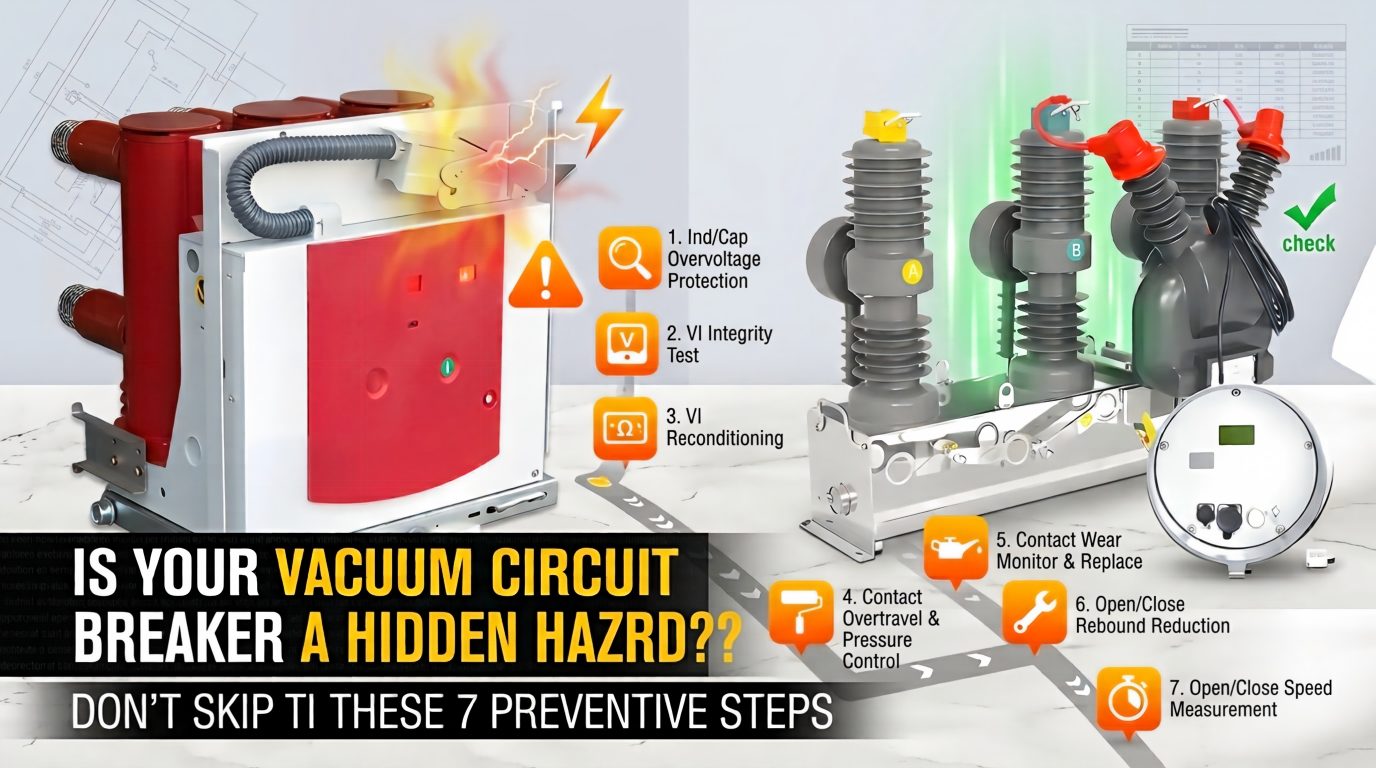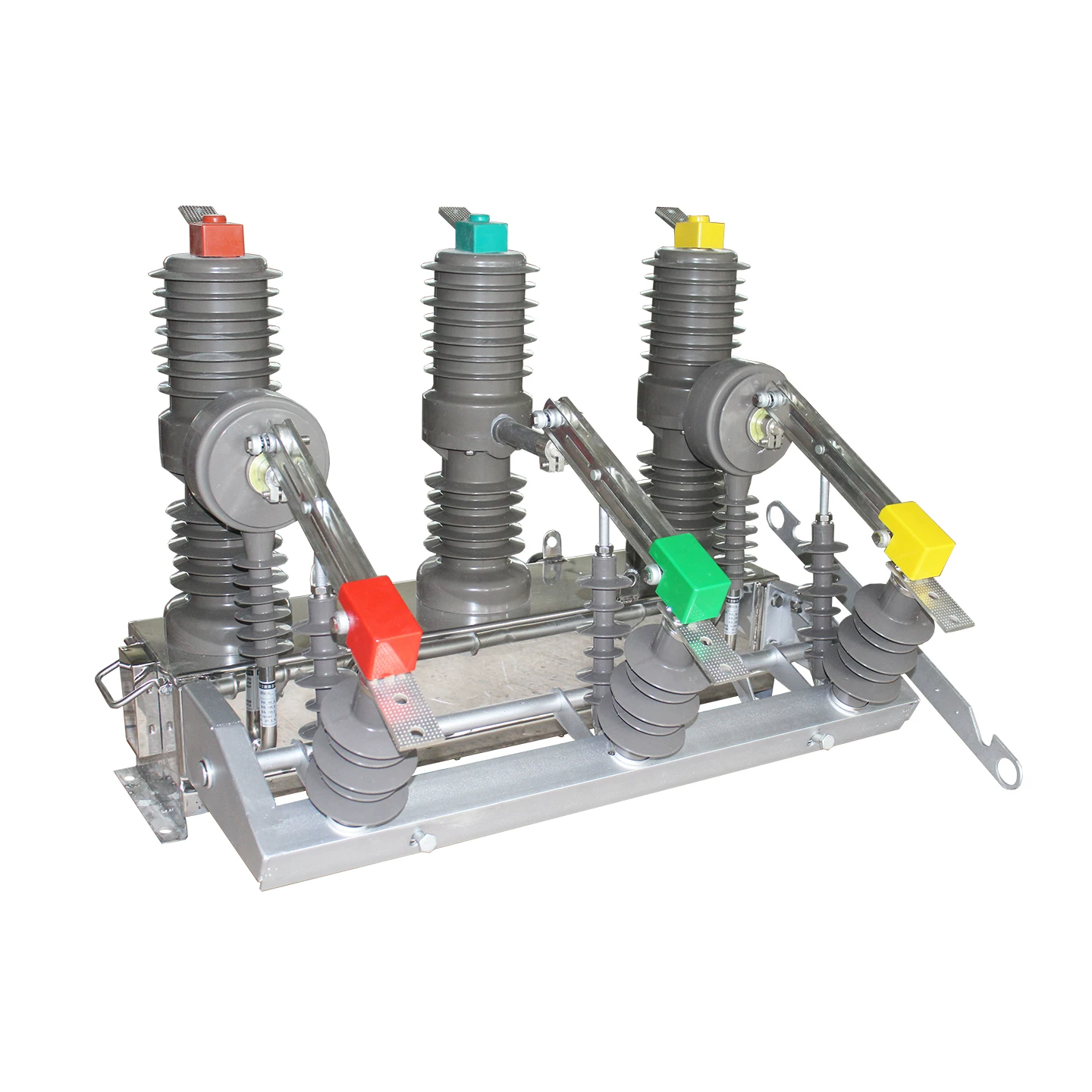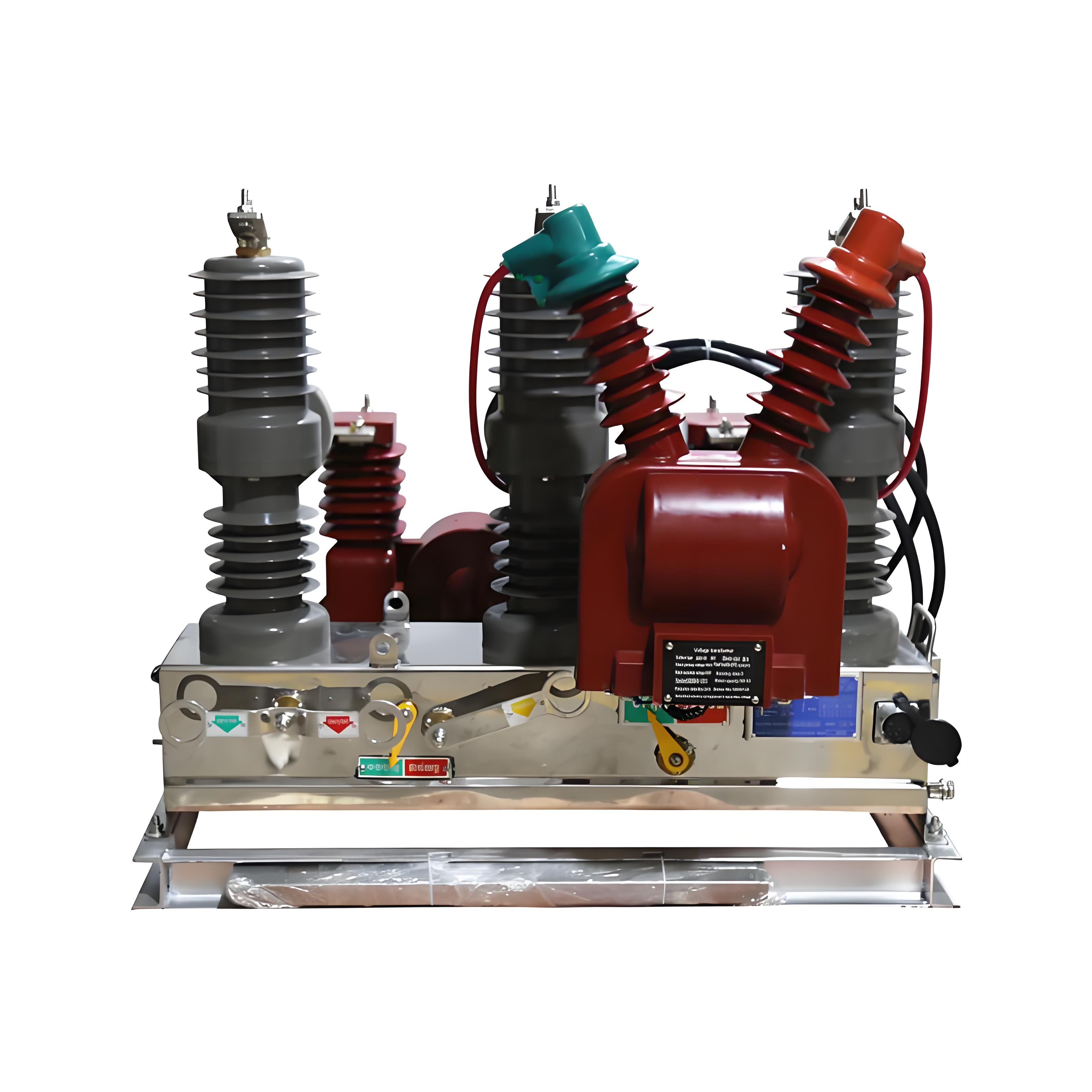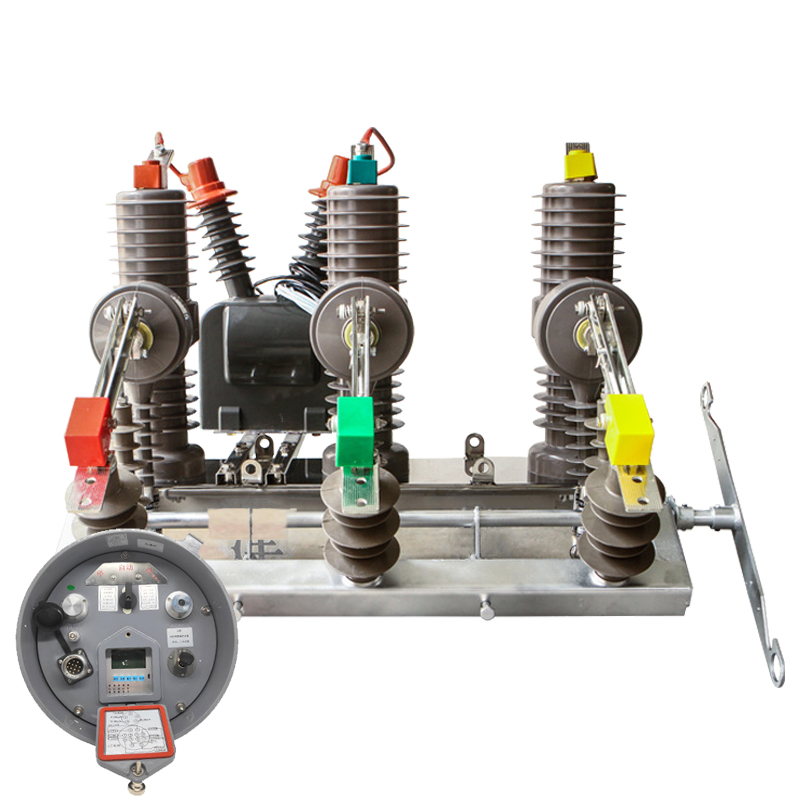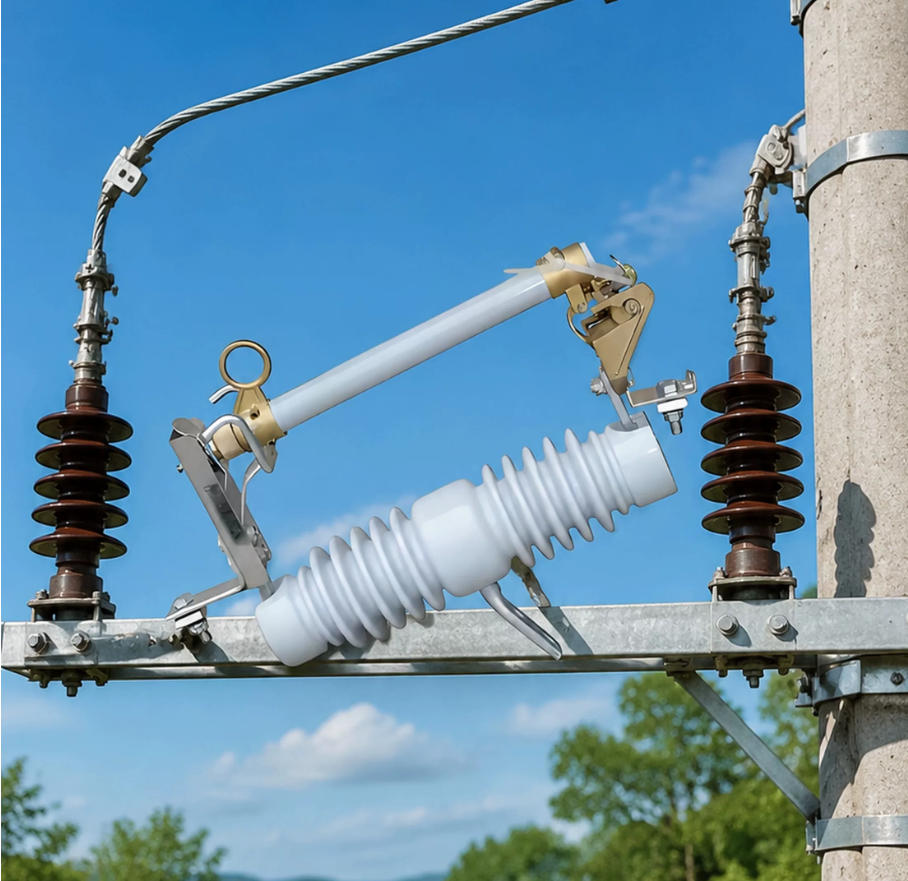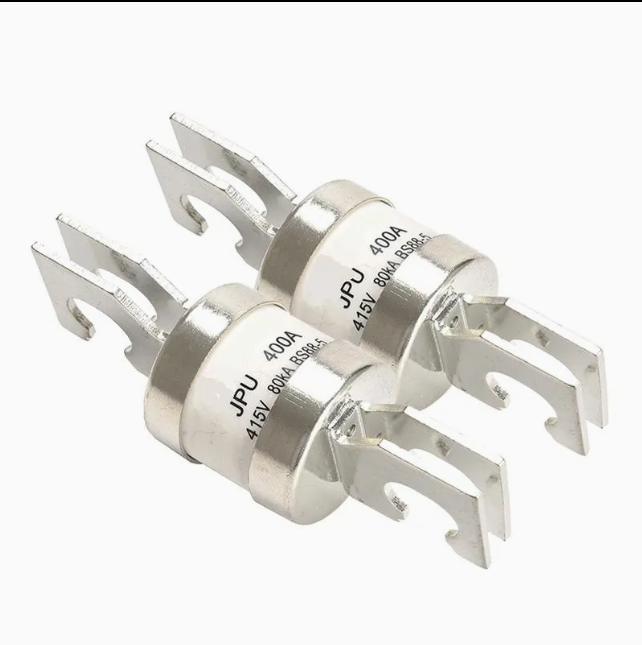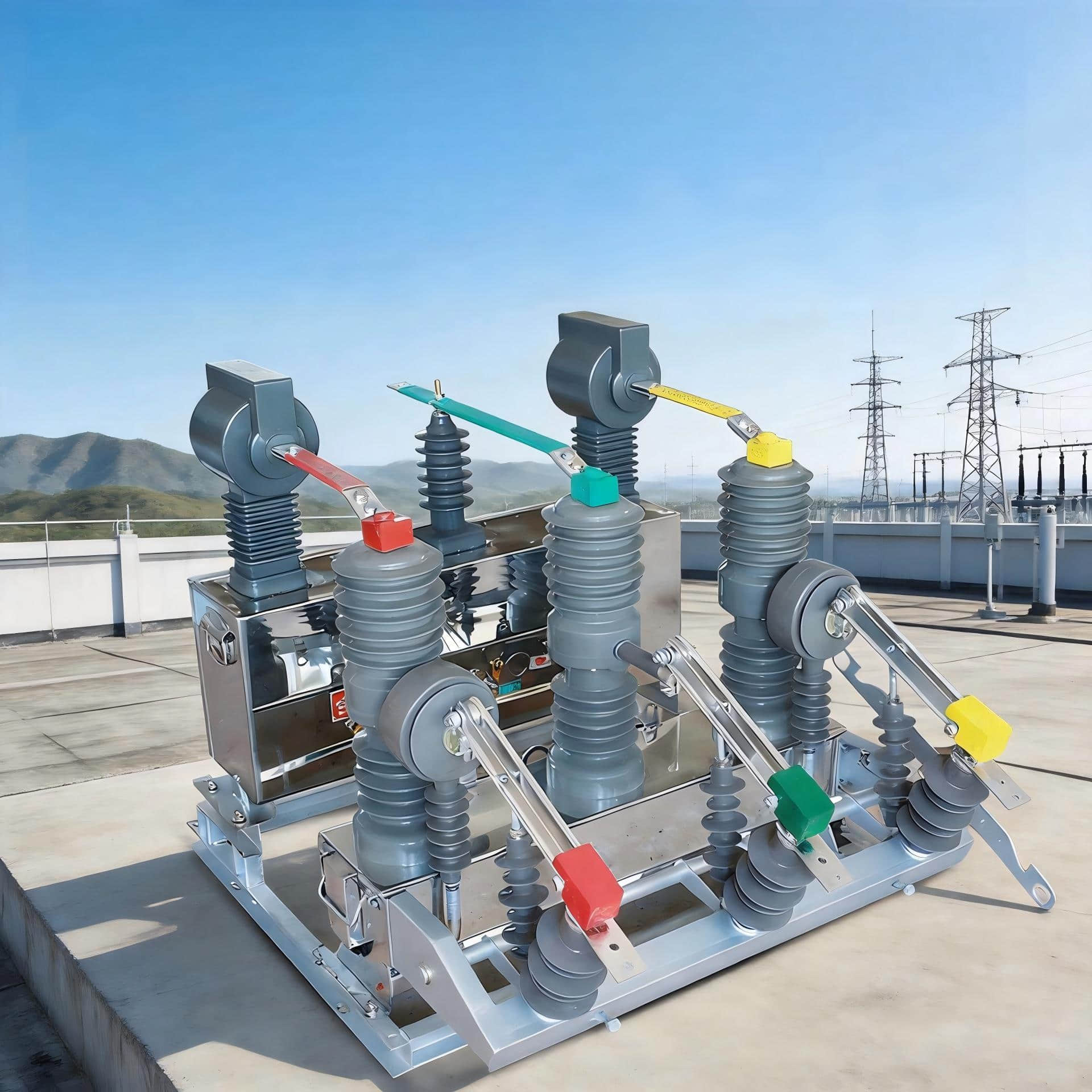
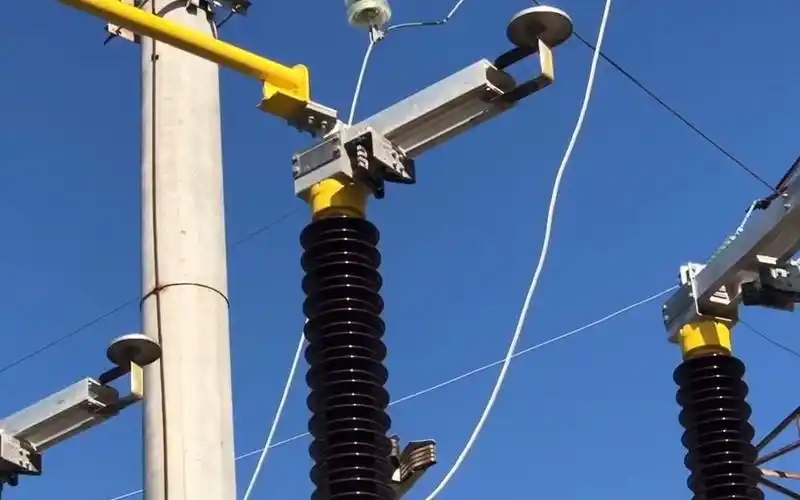
High-voltage disconnectors are critical components in our electrical systems. They're essential for safely isolating power during maintenance, directly impacting grid stability and personnel safety.
My years of field experience have taught me that truly judging a disconnector's quality goes beyond a quick look. It demands a comprehensive, multi-faceted assessment.
We need to examine its appearance, insulation, mechanical function, electrical contact, and dimensional accuracy. This isn't just about following a checklist; it's a finely tuned skill.
Today, I'm sharing my accumulated knowledge. We'll cover seven core inspection areas, along with practical insights, to help you identify truly reliable products.
I. Visual Inspection of Insulation Components: The First Line of Defense – Don't Let "Minor Flaws" Lead to Major Problems
Insulation components, like porcelain insulators or resin supports, are the disconnector's vital "insulation barrier." Their surface condition directly reflects the device's insulating performance.
From my experience, inspecting these parts requires a three-step process: visual check, tactile feel, and wiping clean. Missing any step can lead to critical oversights.
Porcelain Insulators: A top-quality porcelain surface should be mirror-smooth and feel slick. You shouldn't see any bubbles, pinholes, or chipped glaze.
If you spot tree-like yellow stains, especially at the base of the sheds, be highly cautious! This often signals long-term partial discharge, which causes electrical corrosion.
Such products might have lost over 30% of their insulation strength and are definitely unqualified. Also, horizontal cracks (longer than 5mm) or vertical cracks (deeper than 2mm) are major red flags.
Even if they don't fully penetrate, rainwater can seep in and eventually cause insulation breakdown. I’ve personally witnessed minor cracks escalate into significant incidents, so these issues demand immediate replacement.
Resin Insulators: Qualified resin products typically have a uniform color, usually light gray or off-white. Their surface should feel smooth, without exposed fibers.
If you see localized black carbonized spots (larger than 3mm in diameter) or cracks along the edges, it points to poor aging resistance. In hot or humid conditions, these problems can easily lead to surface flashover, creating serious operational headaches.
Here’s a practical tip: lightly scratch the surface with your fingernail. If a powdery residue comes off, it means the resin curing is incomplete, and the insulation performance is certainly substandard. This simple test can uncover many hidden defects.
Cleanliness Verification: Sometimes, surface grime can mask deeper issues. After wiping with a dry cotton cloth, if oily residue or dark gray stains persist, it could be contamination from transport or metal dust left during installation.
These residues significantly reduce the creepage distance, making the disconnector prone to flashover in humid weather. My advice: thoroughly clean the surface with anhydrous ethanol, then re-inspect meticulously to ensure absolute certainty.
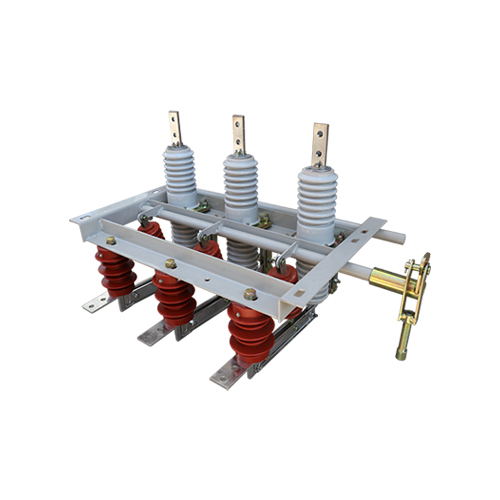
II. Insulation Performance Testing: Let the Data Speak – Uncovering “Invisible Defects”
Insulation resistance is the core indicator of insulation performance. When testing, you must strictly follow the principles of "voltage matching and standardized operation." I learned this the hard way, which is why I emphasize it.
Megohmmeter Selection: Don't get this wrong! For 10kV disconnectors, you must use a 2500V megohmmeter (with at least 1mA output current).
For 220kV equipment, a 5000V megohmmeter is necessary. Never use a low-voltage meter (like 500V) for high-voltage equipment; it simply won't detect deep-seated insulation flaws, giving you a misleading "pass."
Testing Standards:
10kV to 35kV Equipment: At room temperature (humidity not exceeding 75%), insulation resistance should be at least 1000MΩ. If humidity exceeds 85%, 500MΩ may be acceptable, but always retest after drying to be absolutely sure.
110kV to 220kV Equipment: Insulation resistance must be at least 3000MΩ. Furthermore, the resistance difference between phases should not exceed 20%. This helps prevent weak insulation to ground on any single phase, ensuring overall balance.
Testing Prohibitions: Newly de-energized equipment often retains residual heat. This can cause insulation resistance readings to appear artificially high, giving you a false sense of security.
Therefore, you must wait for the equipment to cool to ambient temperature (temperature difference less than 5°C) before testing. Additionally, all secondary circuits (like voltage transformers and live display units) must be disconnected before testing. This prevents current shunting, which would affect reading accuracy. These are crucial lessons learned from critical experiences.
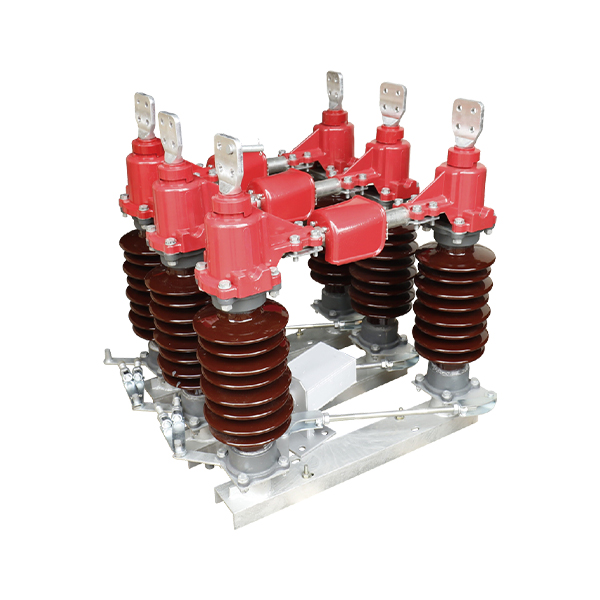
III. Mechanical Drive System: Smooth Operation – The Disconnector's Lifeline
In my observation, mechanical failures account for over 65% of all disconnector faults. This makes inspecting this area exceptionally critical. We need to focus on three key elements: motion, stability, and secure fixation.
Drive Component Flexibility: Manually operate the disconnector. A qualified product should have a uniform operating torque (typically 30-50 N·m for 10kV disconnectors), with no sticking or "dead spots" throughout the operation.
If you find reddish-brown rust spots on the shaft pins (especially inside the outdoor equipment's rain cover), it means poor sealing and water ingress. Over time, this leads to shaft sleeve wear (gaps exceeding 0.5mm) and ultimately incomplete opening or closing.
If you can manually wiggle the connecting rod and the connecting pin shows significant displacement (over 2mm), it means the cotter pin isn't securely locked or has broken. This is a severe quality defect that demands immediate attention.
Operating Mechanism Integrity: In a high-quality mechanism, gear meshing surfaces should be coated with specialized grease (usually light yellow, free from hardened clumps). Limit switch contacts should show no signs of burning (blackened silver contact area shouldn't exceed 10%).
I've seen many older units where springs are rusted (rust visible in the gaps) or where stored energy pressure drops by over 5% in 24 hours. These issues indicate the spring material doesn't meet fatigue resistance requirements. Such a spring could fail during an emergency opening, with severe consequences.
Grounding Device Details: Don't overlook the grounding bolts! They must be made of T2 purple copper (check with a magnet—it shouldn't stick), with a diameter of at least 12mm.
They also require both a flat washer and a spring washer (with the spring washer compressed between 1/3 and 2/3). If iron bolts are used or only a single flat washer is present, contact resistance will be too high (exceeding 0.01Ω). In a fault scenario, the current won't be effectively diverted, leading to overheating and burnout of the grounding terminal. These small details are often the weakest links in the safety chain.
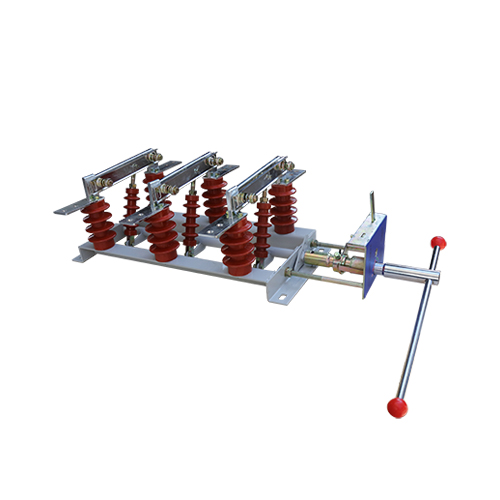
IV. Contact Head Status: Ensuring Electrical Conductivity – A Touch and a Test Reveal the Truth
Poor contact head status often leads to localized overheating, which can even cause fires. Therefore, inspecting the contacts demands a combination of visual inspection, tool-based measurement, and electrical testing.
Contact Surface Inspection: The fixed contact surface must be flat and free of depressions, and the movable contact blades should not be twisted (flatness error less than 0.5mm). Qualified products require a uniform application of power-specific conductive paste (silver-gray, containing copper powder or graphene components) on the fixed contact.
This paste should be 0.2-0.5mm thick; too much can act as an insulator, while too little won't provide adequate lubrication. Crucially, the paste must not contaminate the insulating support components. These are "golden standards" refined through extensive experience.
Spring Pressure Test: Use a spring dynamometer to hook the movable contact and slowly pull it until it just separates from the fixed contact. For a 10kV disconnector, the spring pressure should be between 80-120N (refer to manufacturer specifications for exact values).
Insufficient pressure (less than 60N) will increase contact resistance, while excessive pressure (over 150N) will accelerate contact wear. Both conditions are unacceptable. I frequently use this method to quickly assess contact health.
Centering Verification: When closed, the movable contact must be perfectly centered within the fixed contact (lateral deviation less than 2mm). Use a feeler gauge to inspect the contact area.
For 10kV disconnectors, the contact line length must be no less than 80% of the total contact length. Otherwise, poor contact can lead to troublesome eddy current losses, which can become a significant issue over time.
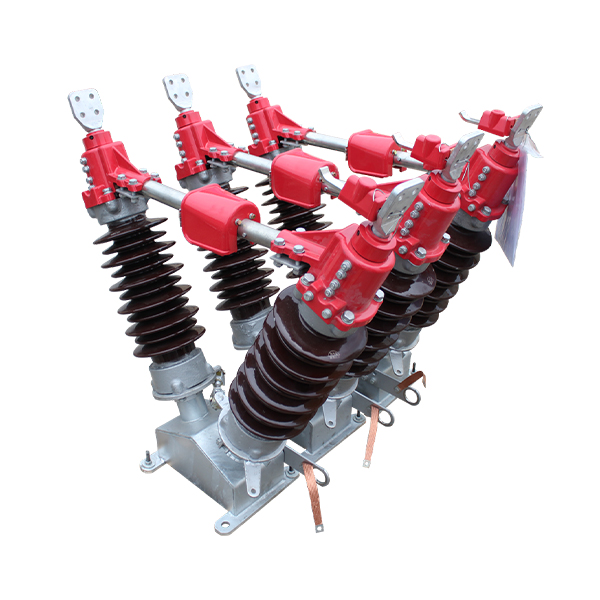
V. Dimensional Accuracy Verification: Geometric Parameters – Dictating Operational Stability and Withstand Capability
Excessive deviations in dimensions like phase spacing and open gap can cause uneven electric field distribution. This can even lead to breakdown of the air gap in the open position, which is extremely dangerous.
Key Dimensional Standards (for 110kV Disconnectors as an example):
Phase-to-Phase Distance: Must be within ±10mm of the design value. Excessive error means insufficient phase-to-phase insulation distance, making flashover likely during thunderstorms.
Open Gap: Must be at least 1.2m. In the open position, the air gap between contacts must satisfy impulse withstand voltage requirements. This is a non-negotiable benchmark for safety.
Contact Projection Height: The protruding part of the fixed contact should generally be 5-8mm high. This ensures that contact is made first during closing, preventing discharge at the contact edges.
Simultaneity Detection: Manually close the disconnector slowly and use a stopwatch to record the time difference the moment each of the three phases makes contact. For a qualified product, this time difference should be no more than 5ms (10kV equipment allows up to 10ms).
If one phase lags by more than 20ms, it will cause asynchronous three-phase closing, generating overvoltages that can compromise the safety of associated equipment. This test truly assesses the manufacturing quality and commissioning level of the device.
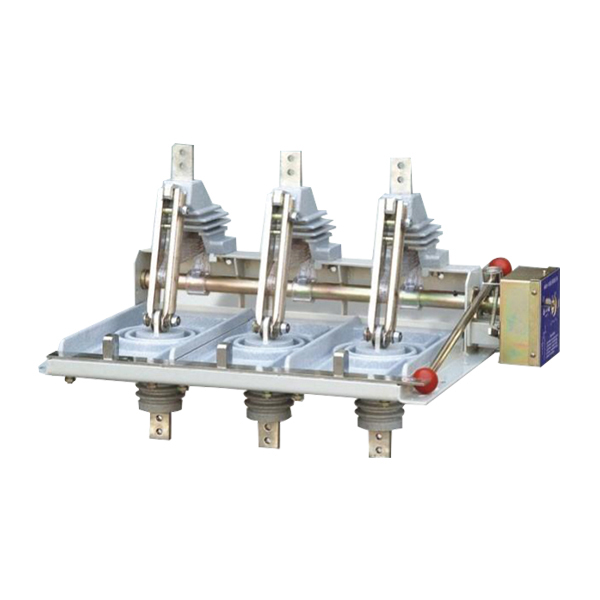
VI. Loop Resistance Testing: Micro-Ohm Data – Verifying Unobstructed "Electrical Flow"
Loop resistance, in my view, is the "gold standard" for reflecting contact quality. Testing must employ the four-terminal method (separate current and voltage terminals). This eliminates lead resistance interference and provides the most accurate data.
Test Conditions: Inject a DC of at least 100A (110kV and above equipment requires at least 200A). Take the reading after 1 minute of stabilization.
Typically, the loop resistance for a 10kV disconnector should not exceed 150μΩ, and for 220kV equipment, it should not exceed 80μΩ (refer to the manufacturer's nameplate for specific values).
Three-Phase Balance: The maximum difference in resistance among the three phases should not exceed 10% of the average value. If one phase's resistance suddenly increases (e.g., from 80μΩ to 150μΩ), it could indicate contact oxidation or a failed spring.
In such cases, you must disassemble and inspect the contact surface for oxide film (a blackish-brown layer). If present, it needs to be carefully sanded until the metallic luster is revealed to ensure proper conductivity. This step can help you detect many hidden "internal injuries" early on.
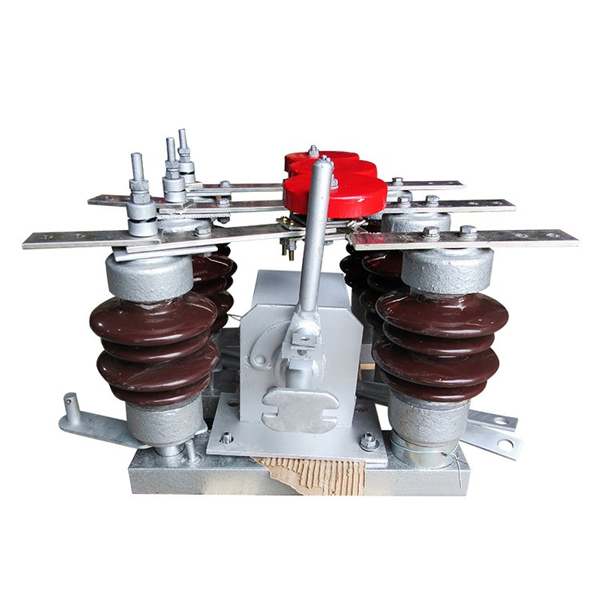
VII. Power Frequency Withstand Voltage Test: The "Ultimate Test" for Insulation Strength – A "One-Vote Veto"
The withstand voltage test is the "one-vote veto" for determining if a device is qualified. Only after passing all the preceding inspections can a disconnector undergo this final, critical "examination."
Test Parameters:
10kV Equipment: Phase-to-phase and phase-to-ground withstand voltage of 42kV, sustained for 1 minute; open gap withstand voltage of 48kV (higher due to greater operating overvoltage stress across the open gap).
110kV Equipment: Phase-to-phase and phase-to-ground withstand voltage of 200kV, open gap withstand voltage of 220kV, sustained for 1 minute.
Qualification Judgment: During the test, there must be no breakdown or flashover (a slight corona sound is permissible, but no visible arcing). After the test, insulation resistance must be re-measured.
If it drops by more than 30% compared to before the test, it indicates internal insulation damage. Even if it didn't break down, this signifies a hidden safety hazard. At this point, no matter how reluctant you are, it must be deemed unqualified.
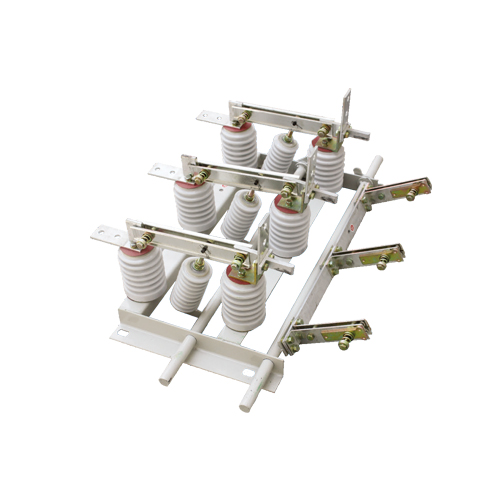
"One-Vote Veto" Conditions for Unqualified Products: Zero Tolerance for These Issues!
Please remember, if any of the following conditions are present, the disconnector must be immediately deemed unqualified, regardless of how "good" other indicators appear. Never take chances with these issues:
Insulation components have through-cracks or signs of partial discharge (especially if confirmed by withstand voltage testing).
The operating mechanism is stuck, preventing manual opening or closing (excluding improper human operation).
Loop resistance exceeds specifications and cannot be brought back within limits even after remediation.
Flashover or breakdown occurs during the power frequency withstand voltage test.
Grounding bolts are made of non-copper material or grounding resistance exceeds 0.01Ω.
In summary:
Assessing the quality of a high-voltage disconnector is far more complex than a mere "cursory glance." It demands that we "observe its form, measure its numbers, and verify its capabilities." You cannot rely solely on subjective visual inspection, nor can you depend on a single test data point.
Only by combining multi-dimensional inspection results and cross-referencing them with industry standards like DL/T 486-2010 "High-Voltage AC Disconnectors and Earthing Switches" can you accurately identify qualified products. This meticulous process builds an unshakeable foundation for the safe operation of our electrical grids.
I hope my accumulated experience and insights prove invaluable in your daily work. Let's collectively safeguard electrical safety!
About the Author
I'm Thor, an Electrical Engineer with 12 years of experience. Currently, I work for Weishoelec Co., Ltd.
As a Chinese foreign trade manufacturer, we proudly serve customers across Europe, the Americas, the Middle East, Belt and Road countries, and globally. If you have any questions about high-voltage disconnectors or other electrical equipment, or if you're exploring partnership opportunities, please feel free to reach out to me.
Phone: 86-0577-62788197WhatsApp: +86 159 5777 0984Email: thor@weishoelec.com
We look forward to working with you to build a safer electrical future!