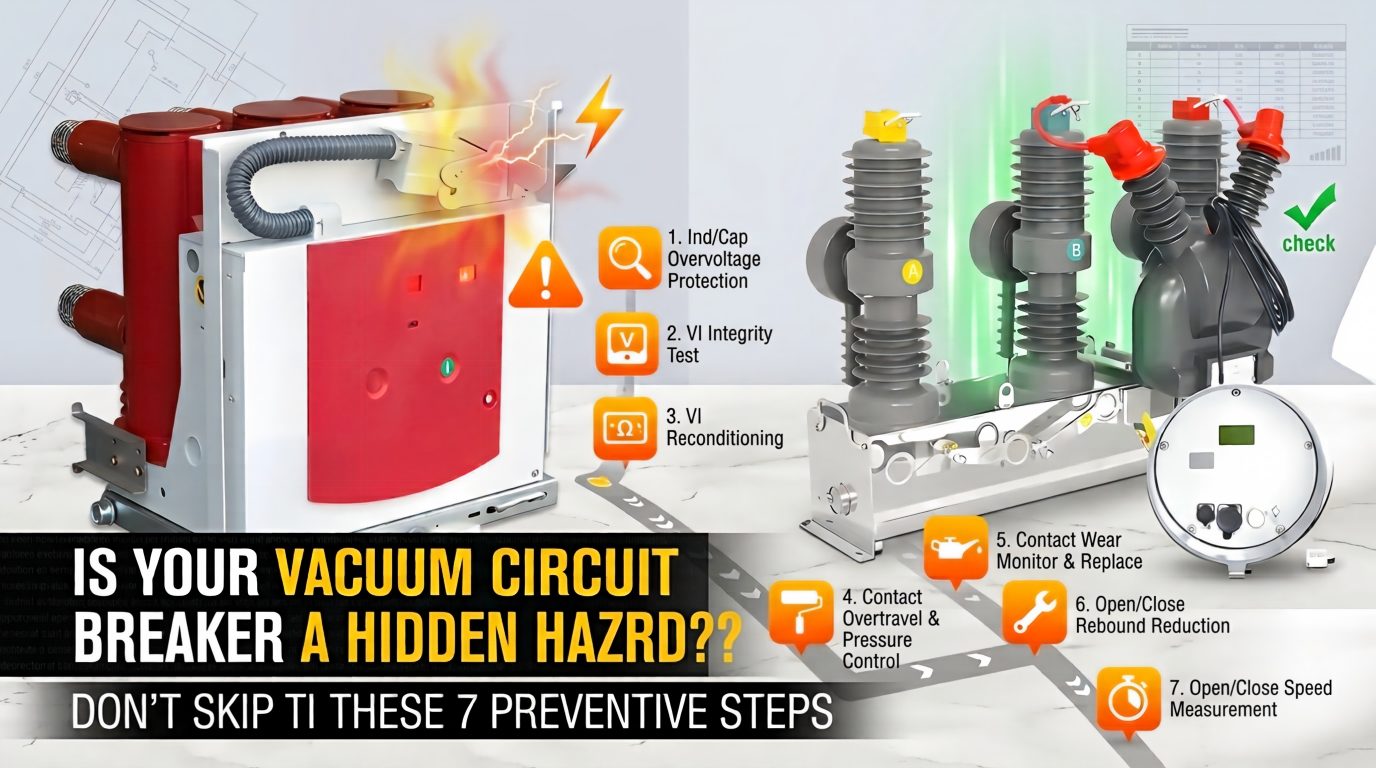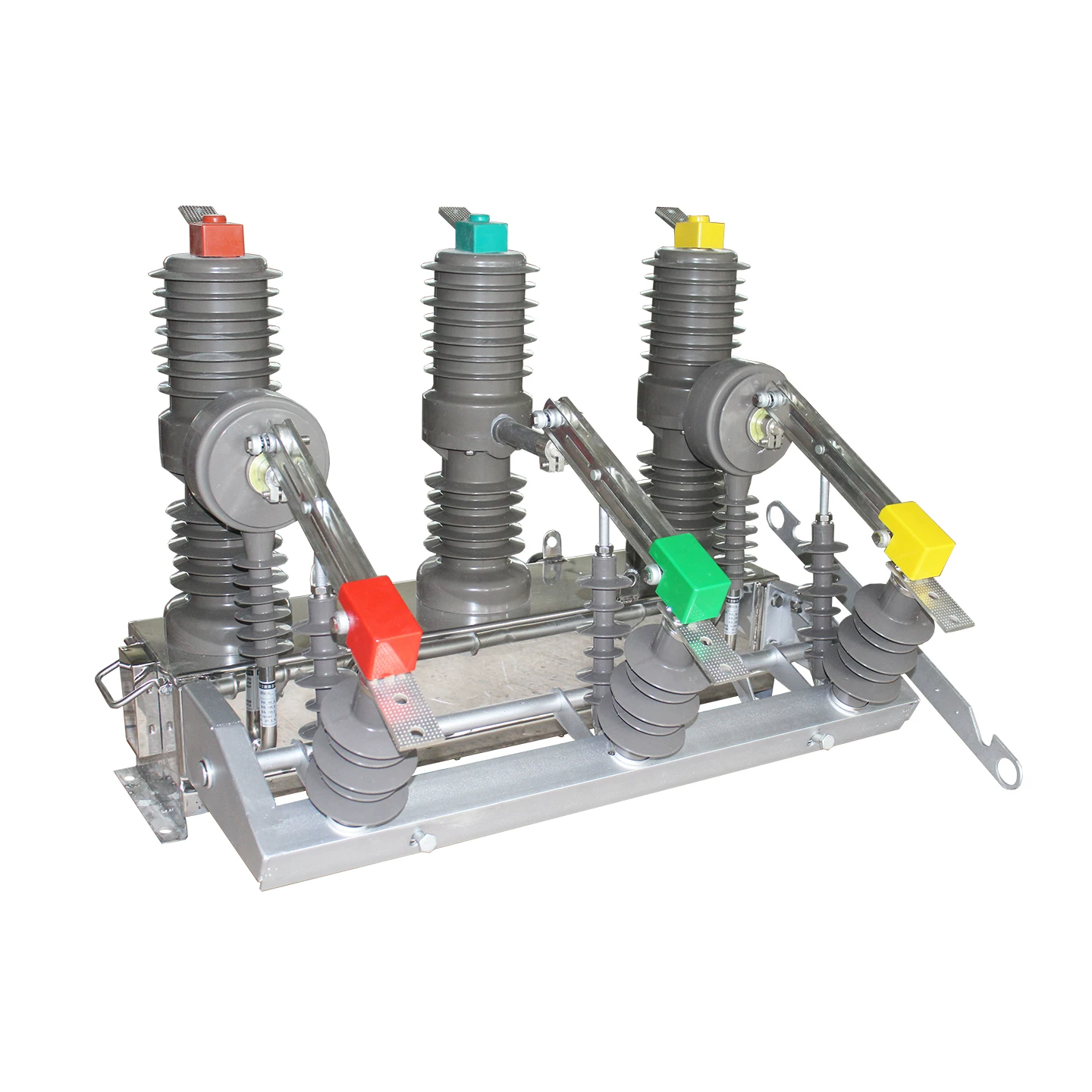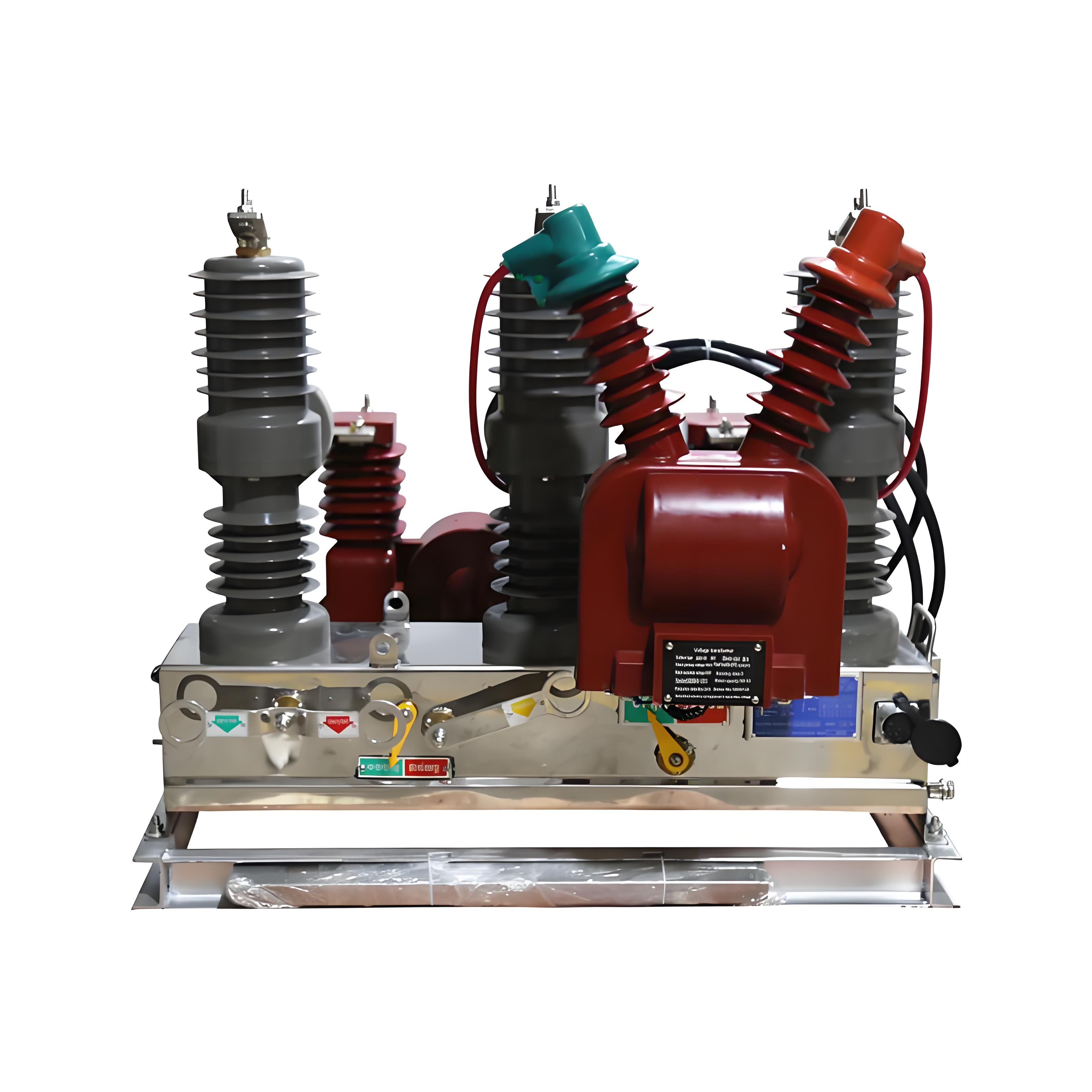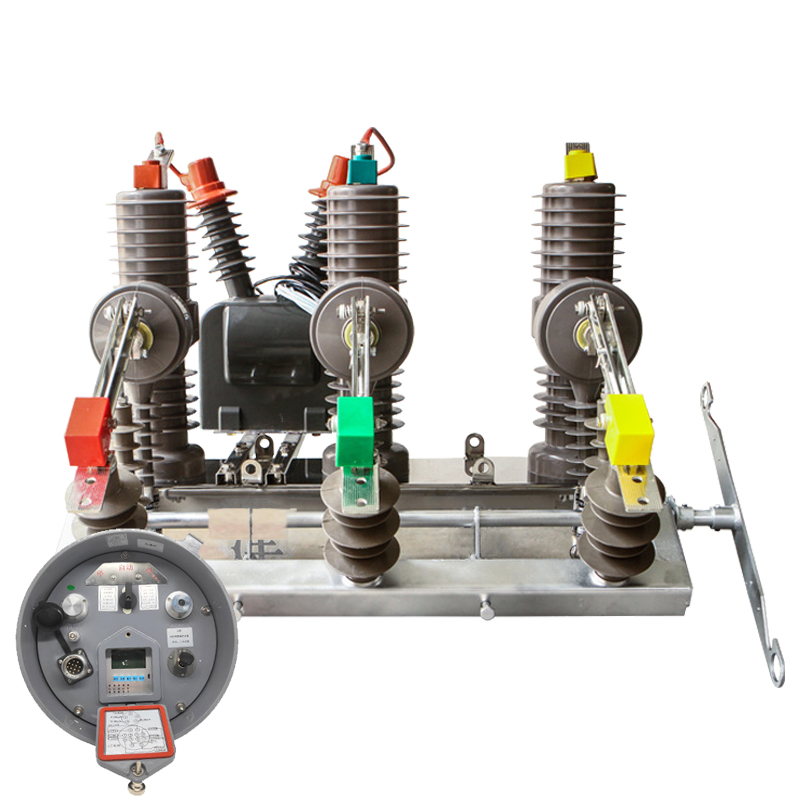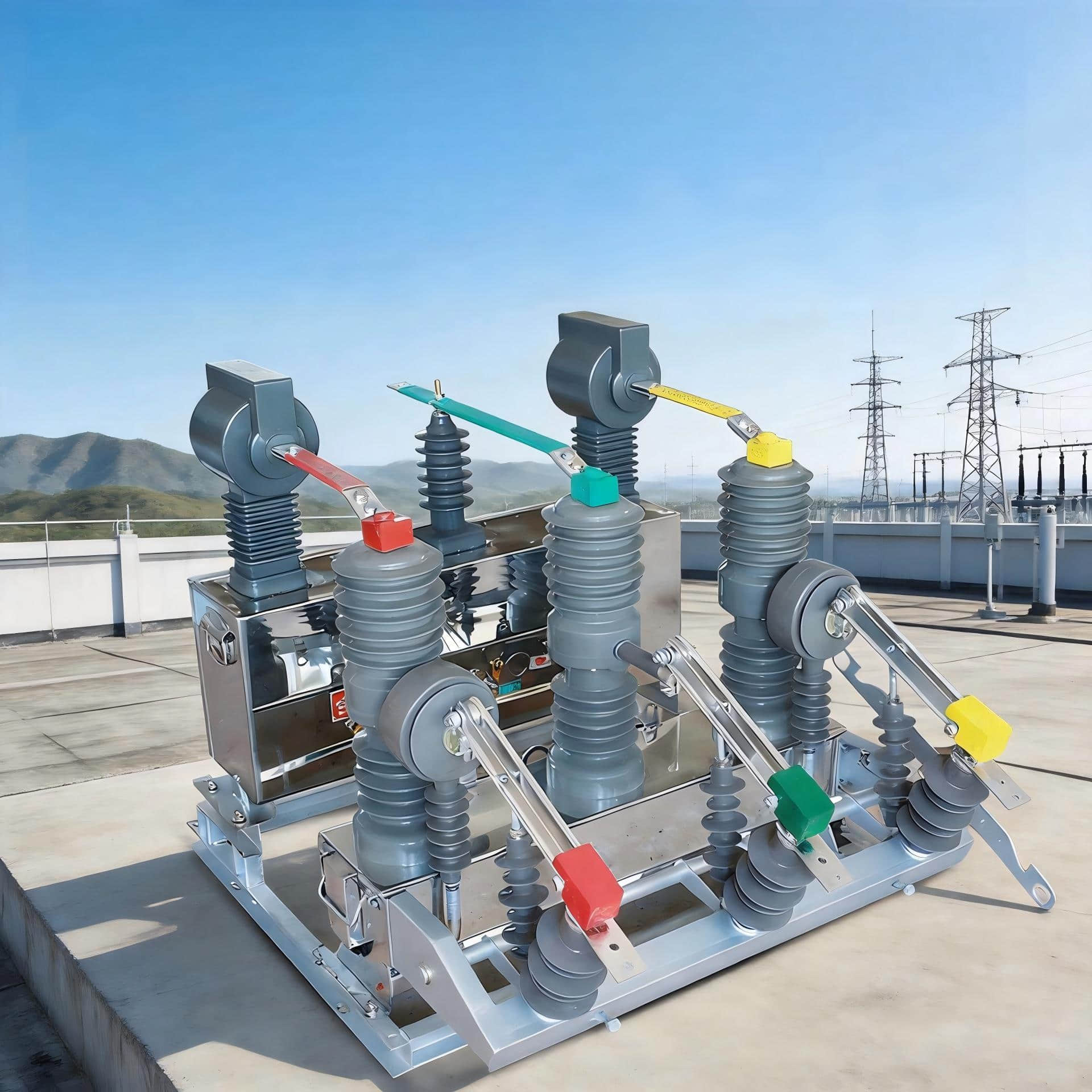
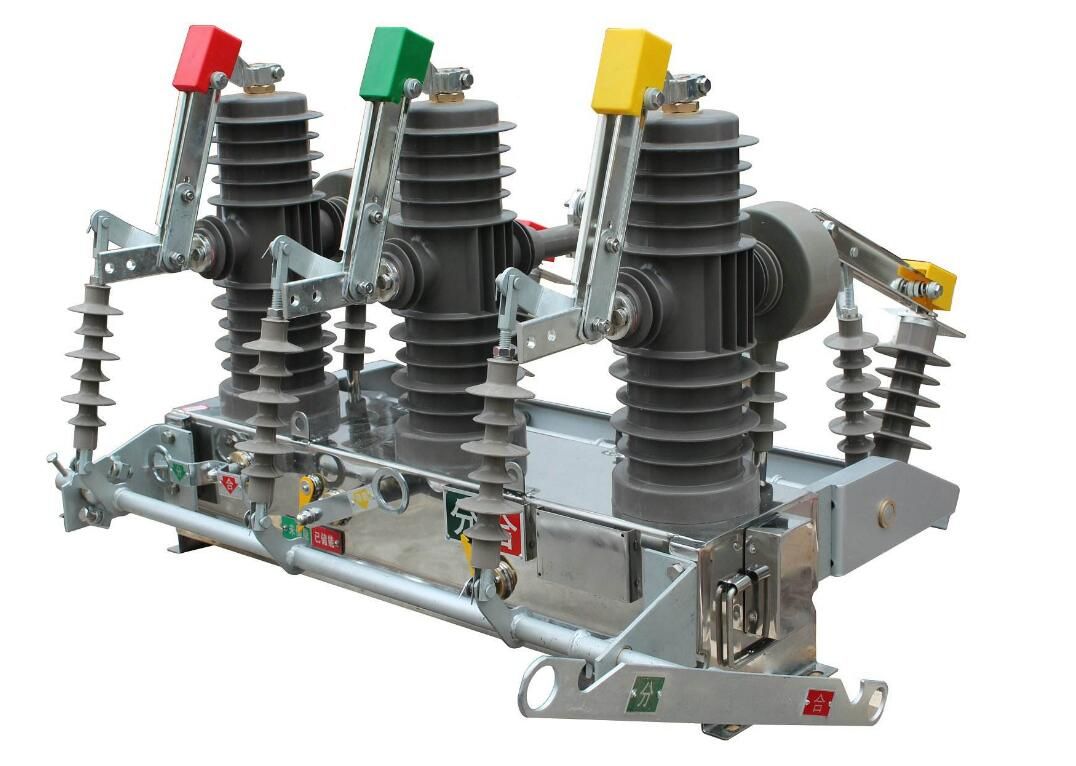
High-voltage circuit breakers are crucial components within any power system. Their reliable operation directly impacts grid stability and power supply dependability. However, circuit breaker failures often arise from a combination of equipment aging, environmental factors, and operational practices. These malfunctions can hinder the breaker's intended function and pose a significant threat to the entire electrical grid's safety.
As an electrical engineer with 12 years of experience, I've been deeply involved in the design, production, and field application of high-voltage circuit breakers at Weishoelec Co., Ltd. Weishoelec is a Chinese foreign trade manufacturer serving a global clientele, including North America, Europe, the Middle East, and Belt and Road countries. My hands-on experience has exposed me to a variety of complex fault scenarios, allowing me to accumulate valuable expertise in circuit breaker fault diagnosis and prevention.
This article will delve into a detailed analysis of common high-voltage circuit breaker faults. We'll also provide practical diagnostic approaches and preventative strategies to help power operations and maintenance personnel worldwide better understand and address these challenges.
Table of Contents
II. Predictive Maintenance and Smart Strategies for HV Circuit Breaker Faults
I. In-Depth Common Fault Analysis
1. Inability to Store Energy: The Breaker's "Lost Power"
Energy storage provides the essential power for a high-voltage circuit breaker's normal operation. It's the driving force behind its opening and closing actions, much like fuel is needed to start a car engine.
If the energy storage system malfunctions, the circuit breaker simply cannot execute critical operational commands. This problem often becomes evident when the travel switch fails.
The travel switch functions as the energy storage system's "smart control," automatically managing the storage motor's start and stop based on the spring's travel status. Normally, when the stored energy reaches a preset level, the travel switch cuts power to the motor, stopping its operation.
Conversely, if energy is insufficient, it signals the motor to replenish power. However, if the travel switch malfunctions due to worn contacts, mechanical jamming, or wiring issues, it loses control over the motor.
In such cases, the storage motor continues to run, unable to stop based on its travel status. This not only results in significant energy waste and increased operating costs.
More critically, prolonged overloading causes the motor's internal windings to overheat dramatically. Exceeding insulation limits can lead to motor burnout and other equipment damage.
Ultimately, the circuit breaker cannot perform its open-close operations due to a lack of energy supply. This then impacts the grid's normal power delivery.
Case Study: Winter Challenges at a Midwest U.S. Wind Farm
Consider a wind farm in the Midwestern United States, which frequently experienced inability to store energy issues with multiple 35kV high-voltage circuit breakers during the winter of 2022. A thorough investigation by technical personnel revealed that extremely low local temperatures caused the travel switch contacts to contract, resulting in poor contact and an inability to accurately control the storage motor's start and stop.
The continuous operation of the storage motors led to substantial energy waste and the burnout of several units due to overheating. This incident caused power outages lasting several hours in parts of the wind farm, severely affecting the stability of their electricity supply. This case clearly illustrates how even seemingly minor environmental factors can trigger a chain reaction, leading to circuit breaker energy storage faults.
Diagnosis and Prevention:
Diagnostic Approach:
Check the travel switch contact status.
Use a multimeter to test the continuity of the storage motor circuit.
Verify the storage spring's condition.
Prevention Strategy:
Regularly inspect and lubricate the travel switch to ensure its proper function in extreme temperatures.
For cold regions, consider using low-temperature-resistant travel switches or implementing heating measures to help prevent circuit breaker low-temperature faults.
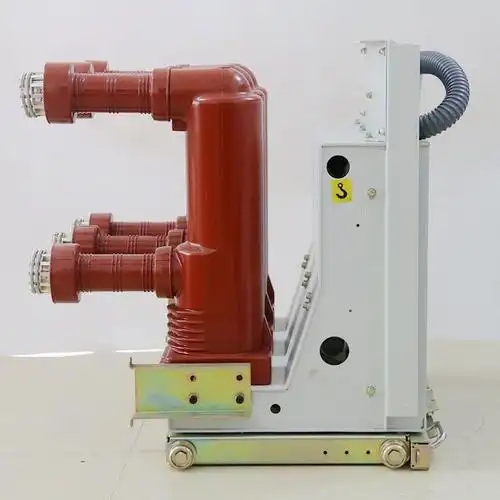
2. Mechanical Faults Leading to Failed Closing: The Breaker's "Arthritis"
The mechanical structure serves as the "skeleton," enabling the high-voltage circuit breaker's opening and closing operations. Should a mechanical fault occur, it's akin to bone damage, causing the breaker to lose its ability to open or close.
This can even potentially disable local manual tripping, creating substantial inconvenience for grid operations and fault resolution. Mechanical faults present in diverse forms, such as deformed or jammed transmission rods, worn bearings impeding rotation, or a stuck closing iron core.
When these mechanical issues arise, even if the electrical control circuit issues a closing command, the mechanical components cannot properly synchronize. This leads to a failed closing operation. For instance, a transmission rod slightly deformed from long-term use might rub and catch on other parts during the closing process, preventing the closing action from completing smoothly.
If remote tripping is attempted but the remote control system is faulty, perhaps due to signal transmission interruption or a damaged remote device, then even protective relay actions cannot close the circuit breaker. Remote control is a vital aspect of modern grid automation; a fault here severs the path for remote commands, preventing the closing operation even if the relay protection system detects a fault and issues a command.
This directly results in the circuit breaker's inability to close. Furthermore, a broken tripping coil or a break in the tripping control circuit will also prevent closing.
The tripping coil and its control circuit are critical electrical control components; a broken coil is like a "roadblock" in the current path, preventing the electromagnetic force needed to drive mechanical parts. A broken control circuit means the control signal cannot be transmitted, rendering the closing command ineffective.
During circuit breaker operation, a decrease in power supply voltage can increase the resistance of the tripping coil. According to electrical principles, coil resistance changes with temperature; when voltage drops, the current in the coil may fluctuate abnormally, causing the coil to heat up and its resistance to increase, which reduces the device's tripping capability.
If there's a jamming phenomenon during tripping, such as oil or debris between the tripping iron core and sleeve, it increases tripping resistance. This similarly affects closing and severely hinders the normal use of the circuit breaker.
Case Study: Shipping Woes at a New European Substation
In a newly built substation in a European country, a vacuum circuit breaker within a 35kV incoming feeder panel experienced an inability to close during commissioning tests in 2020. After a comprehensive inspection, technicians found that a minor deformation of the internal transmission rod during transport, combined with a misaligned closing iron core, had occurred.
These two mechanical faults together prevented the closing operation, clearly demonstrating the severe impact of mechanical issues on circuit breaker closing functionality. This case highlights the critical importance of meticulous management throughout the entire process, from equipment transport to installation, to prevent circuit breaker installation faults.
Diagnosis and Prevention:
Diagnostic Approach:
Check mechanical transmission components for physical deformation or jamming.
Test the continuity of the opening and closing coils and their control circuits.
Simulate remote control signals and observe the circuit breaker's response.
Prevention Strategy:
Strictly adhere to transport and installation guidelines to avoid mechanical damage from improper handling.
Regularly lubricate and inspect fasteners on mechanical components.
Conduct periodic communication tests and functional verifications of the remote control system to ensure reliable circuit breaker remote control.
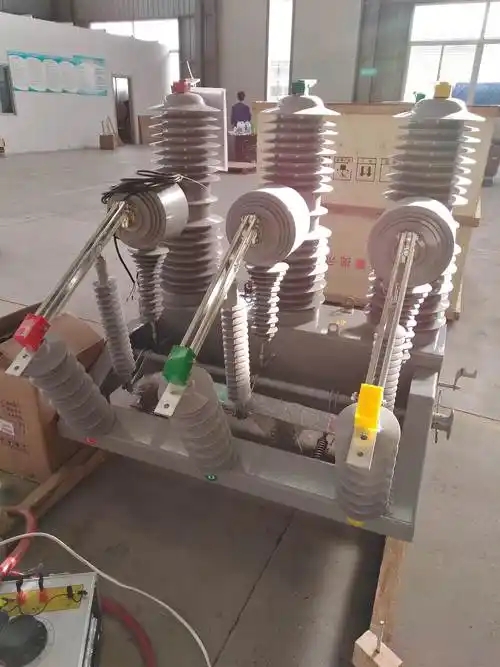
3. Closing Coil Burnout: The Fatal "Heart Attack"
Closing coil burnout directly leads to a loss of closing function, representing a relatively severe type of circuit breaker fault. It converts electrical energy into an electromagnetic force that drives the mechanical components to complete the closing action, serving as the "power source" for this operation.
Spring operating mechanism faults can lead to energy storage efficiency problems, and energy storage is intimately linked to the closing operation. Springs are crucial for energy storage; when they fail (e.g., weakened elasticity, breakage), the closing energy storage circuit cannot properly transmit energy.
In this scenario, the storage motor will continuously run to achieve the preset storage value. During this process, the closing coil might remain energized for an extended period, or abnormal current due to insufficient energy could cause it to severely overheat and burn out.
An improperly low installation position of the travel switch is also a common cause of closing coil burnout. The travel switch's installation position determines the point at which energy storage is deemed complete.
If it's too low, the device might incorrectly assume storage is finished before the closing spring is fully charged. This then sends an excessively large current to drive the closing coil. At this point, due to insufficient storage, the closing coil must overcome greater resistance, causing the current to far exceed its rated value, leading to a rapid increase in coil temperature and subsequent burnout.
If the travel switch contacts disconnect the motor's power, but the spring's remaining energy is insufficient to drive the coil for tripping, and the storage motor continues to operate (perhaps due to a secondary travel switch fault or control circuit anomaly), prolonged operation can also damage the travel switch itself. Once the travel switch is damaged, control over both the motor and coil is completely lost, ultimately preventing the circuit breaker from opening or closing.
More critically, if this type of fault isn't detected and addressed promptly, it can lead to sustained circuit abnormalities. This threatens the safety of other internal grid components and even causes larger-scale grid failures.
Case Study: The Chain Reaction at an Australian Substation
In 2019, a substation in Australia experienced a severe fault caused by a closing coil burnout. During a routine closing operation, a 35kV circuit breaker at the substation suddenly failed, and on-site maintenance personnel discovered the closing coil was severely damaged by burning.
Further investigation revealed that prolonged lack of maintenance on the spring operating mechanism had led to significant elasticity degradation in the spring, resulting in insufficient energy storage. Additionally, the travel switch's installation position was misaligned, causing the closing command to be erroneously triggered before adequate energy storage was achieved.
Consequently, the closing coil sustained an excessive current for an extended period, ultimately leading to its burnout. This malfunction not only caused power outages in parts of the substation but also significantly impacted local industrial production and residential life. This case profoundly illustrates how circuit breaker maintenance negligence can trigger serious cascading failures.
Diagnosis and Prevention:
Diagnostic Approach:
Check the closing coil for abnormal resistance or burn marks.
Inspect the storage spring for deformation and elasticity.
Confirm the travel switch's installation position and responsiveness, as this aids in circuit breaker troubleshooting.
Prevention Strategy:
Strictly adhere to the regular inspection and maintenance schedule for the spring operating mechanism, ensuring optimal spring performance.
Calibrate the travel switch's installation position to ensure it operates at the correct energy storage point.
Monitor voltage and current in the closing circuit to prevent overloading.
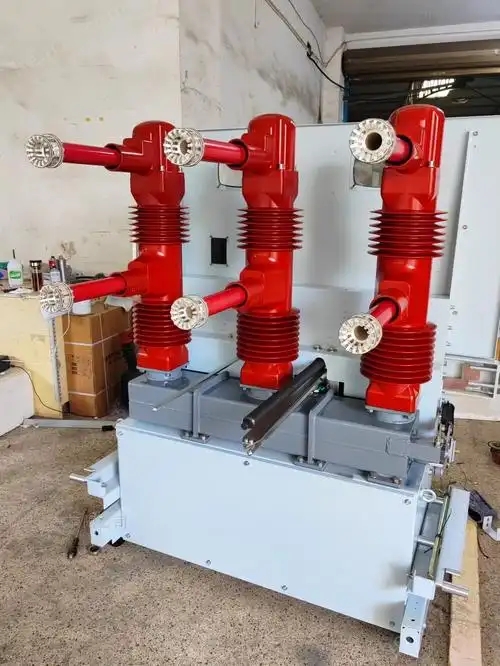
4. Tripping Failure: "Inaction" in a Crisis
Beyond the common faults discussed, tripping failure is another critical issue in high-voltage circuit breaker operation that demands attention. Tripping failure refers to the circuit breaker's inability to properly open the circuit when required.
In the event of a grid fault, this can lead to an expanded fault area and severe consequences. The primary causes of tripping failure include a burnt-out tripping coil, which prevents the generation of electromagnetic force needed to drive the tripping mechanism.
Another cause is a jammed tripping mechanism, perhaps due to worn tripping latches or insufficient lubrication, which obstructs the tripping action. Finally, a faulty tripping control circuit, such as a broken wire or loose connection, can prevent the tripping command from being transmitted.
For example, if a short circuit occurs and the relay protection device issues a tripping command, but the tripping coil is burnt out, the circuit breaker cannot trip. This allows the short-circuit current to continue flowing through the faulty line, potentially damaging critical equipment like transformers.
Case Study: Corrosion Challenges at a Japanese Coastal Substation
A 35kV substation in Japan once experienced a tripping failure due to a jammed tripping mechanism. Located by the sea, the substation endured high humidity, and a long period without effective maintenance led to the accumulation of significant salt deposits and dust within the tripping mechanism, causing severe corrosion and wear on components like the tripping latch.
When a grid fault necessitated tripping, the circuit breaker failed to act promptly, narrowly averting a more severe incident. This case highlights that tripping failures require equally serious attention, given their potential for significant harm, especially in harsh operating environments where circuit breaker corrosion issues are prevalent.
Diagnosis and Prevention:
Diagnostic Approach:
Test the continuity and resistance of the tripping coil.
Inspect the mechanical condition of the tripping mechanism, including wear, lubrication, and foreign objects.
Check the integrity of the tripping control circuit to perform comprehensive circuit breaker fault detection.
Prevention Strategy:
For high-humidity or corrosive environments, select circuit breakers with higher protection ratings.
Regularly clean, lubricate, and apply anti-corrosion treatments to the tripping mechanism.
Enhance routine inspections and tests of the tripping circuit to implement effective circuit breaker preventive maintenance.
II. Predictive Maintenance and Smart Strategies for HV Circuit Breaker Faults
Beyond traditional periodic maintenance and breakdown repairs, modern power systems are actively transitioning towards Predictive Maintenance (PdM). This approach leverages advanced sensing technologies, big data analytics, and artificial intelligence.
It helps identify potential issues before failures occur, significantly reducing unplanned downtime and optimizing operational costs.
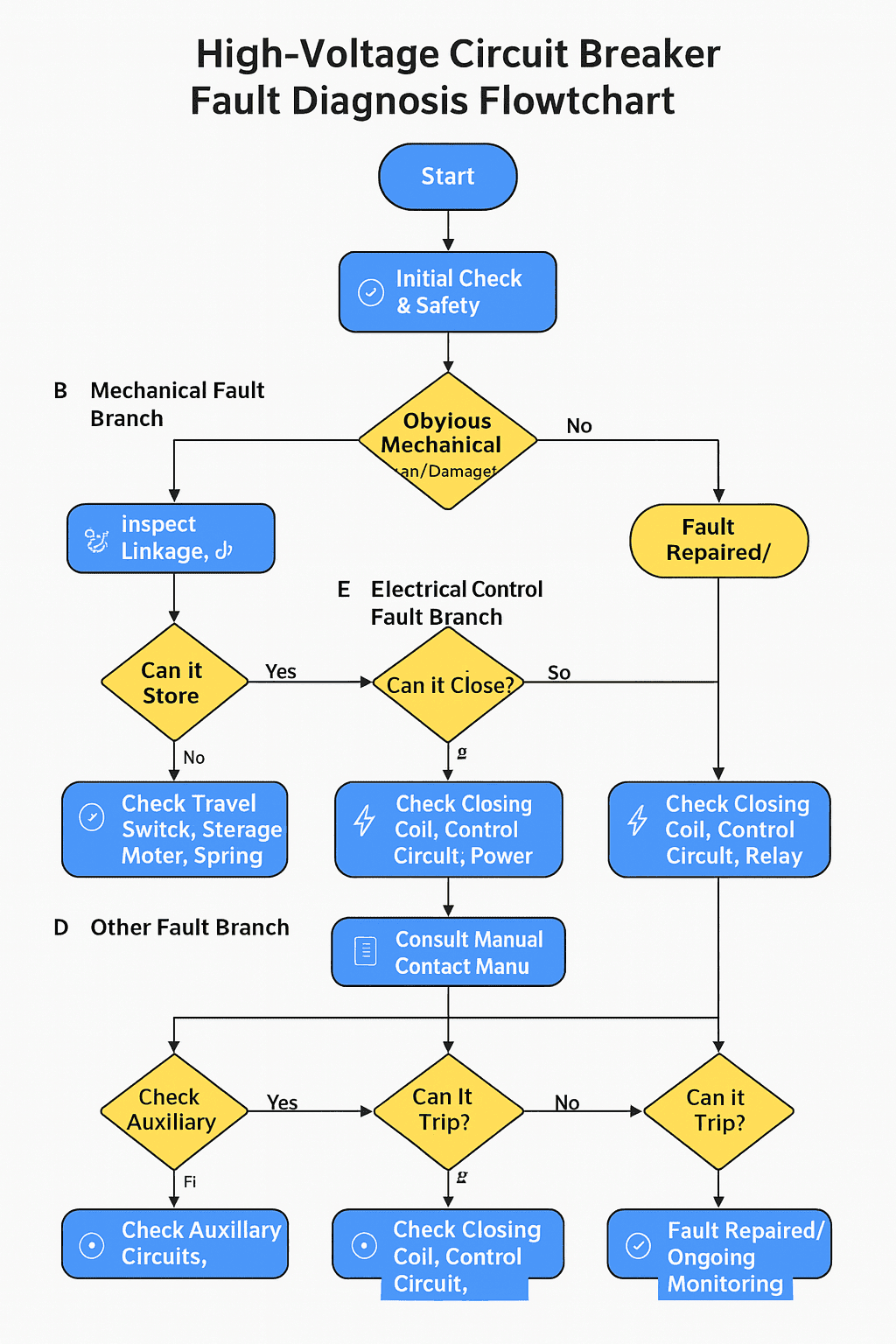
High-Voltage Circuit Breaker Fault Diagnosis Flowchart
1. Condition Monitoring and Big Data Analytics
Real-time Data Acquisition:
Install current, voltage, temperature, and vibration sensors.
Continuously monitor the operational status of critical circuit breaker components, such as closing coil current waveforms and storage motor operating curves.
Trend Analysis:
Establish baselines using historical data.
Analyze the changing trends of various parameters.
For instance, a continuous rise in storage motor current might indicate increasing mechanical resistance or an impending motor overload.
Anomaly Pattern Recognition:
Utilize machine learning algorithms to identify unusual patterns in data.
Even minor deviations can signal potential upcoming faults, which is especially crucial for smart circuit breakers.
2. Smart Warning and Diagnostic Systems
Early Warning:
When monitored data approaches predefined thresholds or anomaly patterns are identified, the system automatically issues warnings.
This notifies maintenance personnel and enables circuit breaker remote monitoring.
Remote Diagnosis:
Leveraging remote communication technologies, maintenance personnel can remotely diagnose circuit breakers from any location.
They can access real-time data and historical records to assist in identifying fault types and causes.
Expert Systems:
Integrate fault diagnosis knowledge bases and expert experience.
Provide maintenance personnel with troubleshooting recommendations and operational guidance, improving first-time fix rates.
3. Preventive Maintenance Practices
Condition-Based Maintenance:
Schedule maintenance based on the actual operating condition of the circuit breaker rather than rigid time-based schedules.
For example, replace bearings only when increased wear is detected, rather than performing mandatory periodic replacements.
Component Life Management:
Accurately assess the remaining lifespan of critical components.
Replace them before failure to avoid unexpected downtime.
Smart Spare Parts Management:
Optimize spare parts inventory based on predictive maintenance data.
Ensure that necessary components are available when needed, thereby enhancing circuit breaker O&M efficiency.
Conclusion and Outlook
High-voltage circuit breaker fault analysis and prevention are pivotal for ensuring the safe and reliable operation of power systems. From deeply understanding the root causes of each fault to implementing predictive maintenance and smart monitoring technologies, we are continuously enhancing the efficiency and precision of circuit breaker operation and maintenance.
Weishoelec Co., Ltd. is committed to providing high-quality, reliable electrical products and solutions to customers worldwide. We firmly believe that through continuous technological innovation and professional O&M services, we can minimize high-voltage circuit breaker failures. This ensures stable global grid operation and creates greater value for our clients across various industries.
We hope this article has provided you with valuable insights and inspiration. If you have any questions regarding circuit breaker selection, installation, maintenance, or fault diagnosis, or if you wish to learn more about Weishoelec's products and services, please feel free to contact me.
Contact Us:
Thor
Electrical Engineer
Weishoelec Co., Ltd.
Chinese Foreign Trade Manufacturer (Clients: North America, Europe, Middle East, Belt and Road Countries & Global)
Phone: +86 577-62788197
WhatsApp: +86 159 5777 0984
Email: thor@weishoelec.com