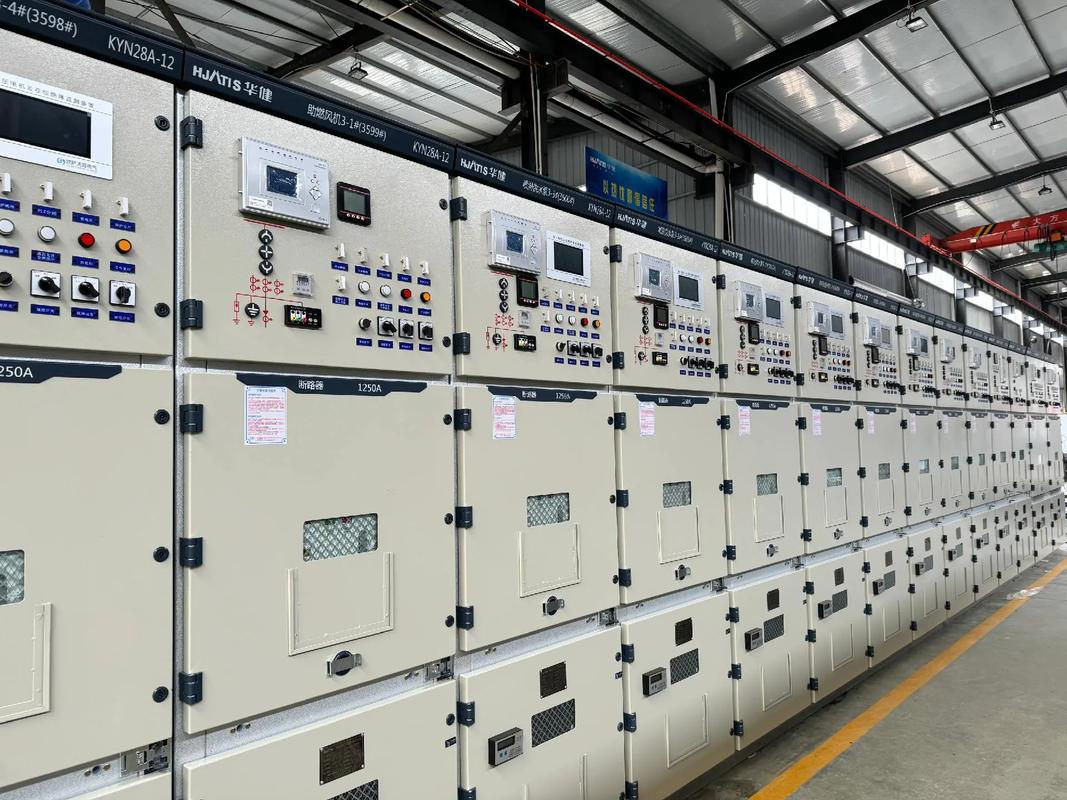
Gas-insulated switchgear (GIS) is a small, efficient electrical device. Medium and high-voltage power systems are important. It uses gases like sulfur Insulating gas (SF₆) for insulation and arc extinguishing. But how exactly does GIS work, and why is it widely used in power infrastructure today?
In this article, we will look at how GIS works. We will also discuss its components. Finally, we will explain why it is great for places with limited space and high safety needs.
Whether you are a facility manager, electrical engineer, or business owner, this guide will help you. It explains how GIS works. You will learn how GIS ensures safe and reliable power distribution.
What Is Gas-Insulated Switchgear?
Gas-insulated switchgear (GIS) consists of switchgear enclosed in metal. It uses an insulating gas, usually SF₆, to keep live electrical parts separate from the grounded metal housing. The gas acts as both the primary insulation and arc-quenching medium. Designers create GIS to minimize space usage, maximize safety, and reduce maintenance needs.
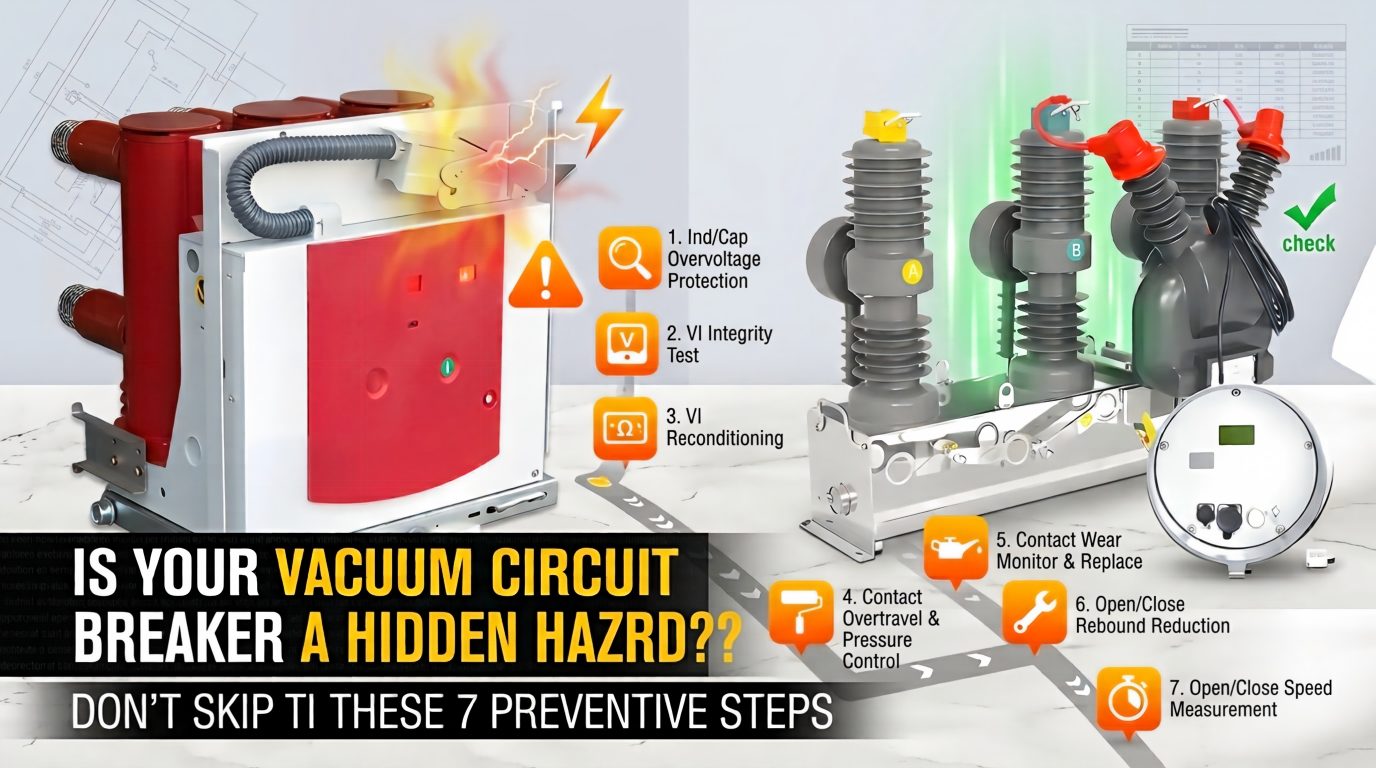
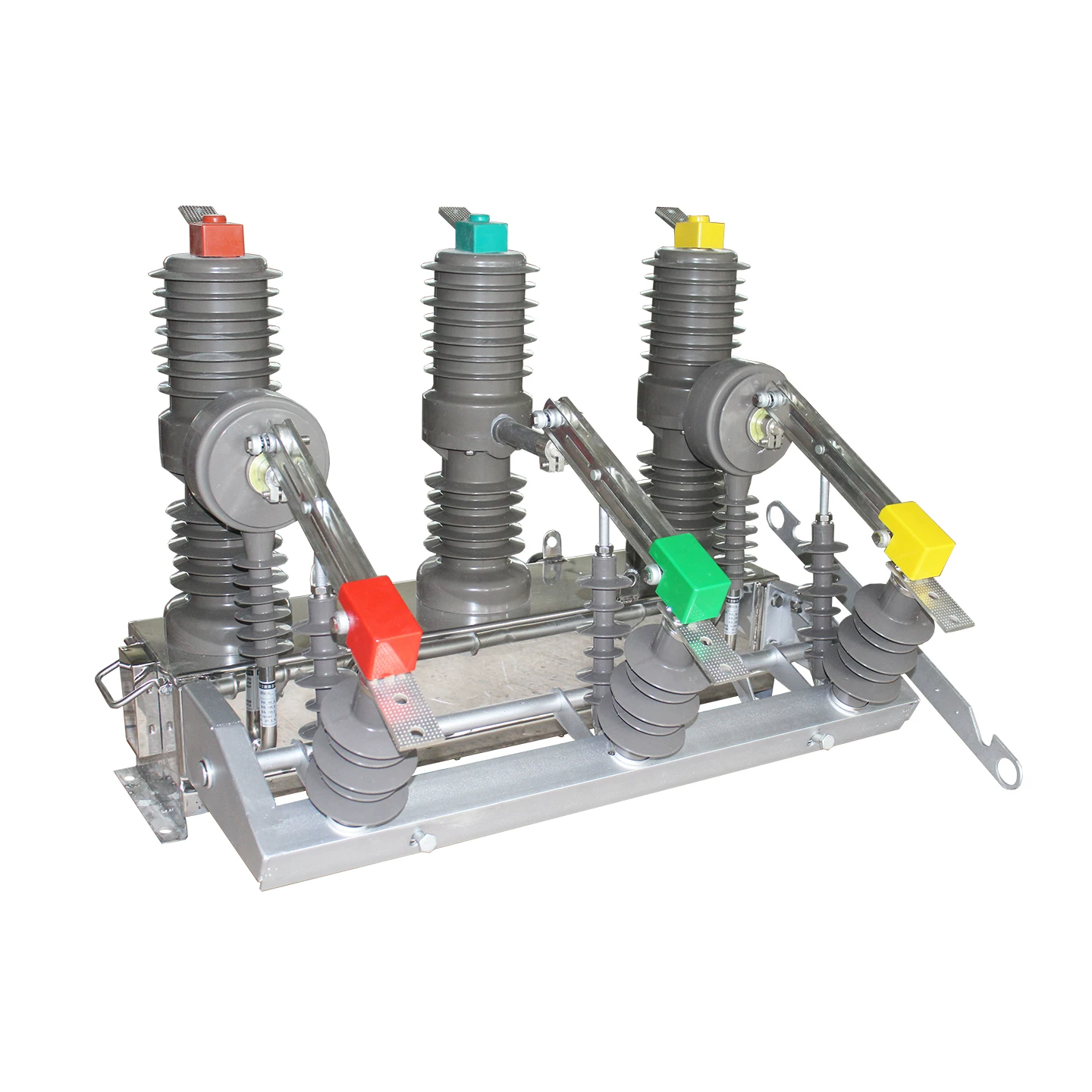
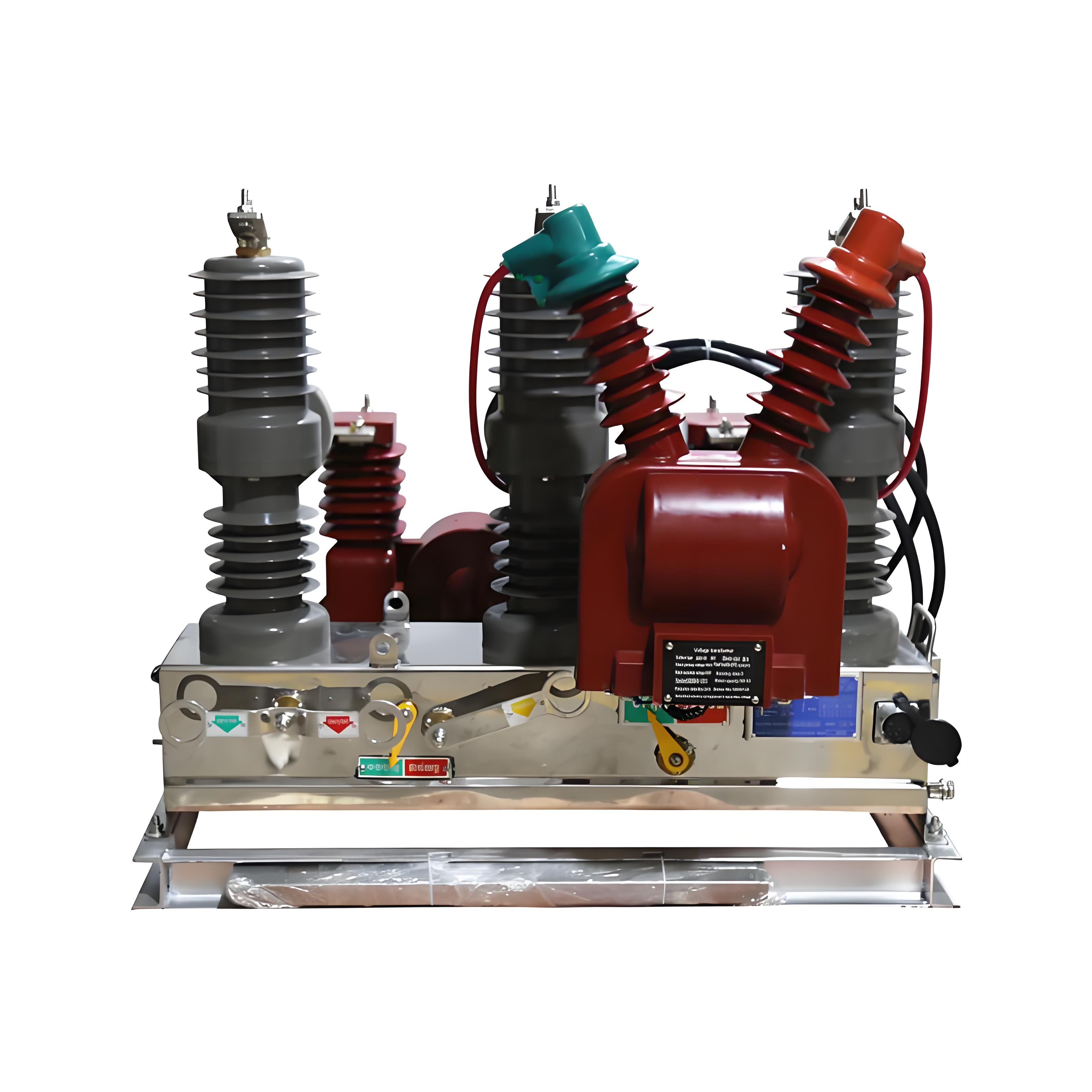
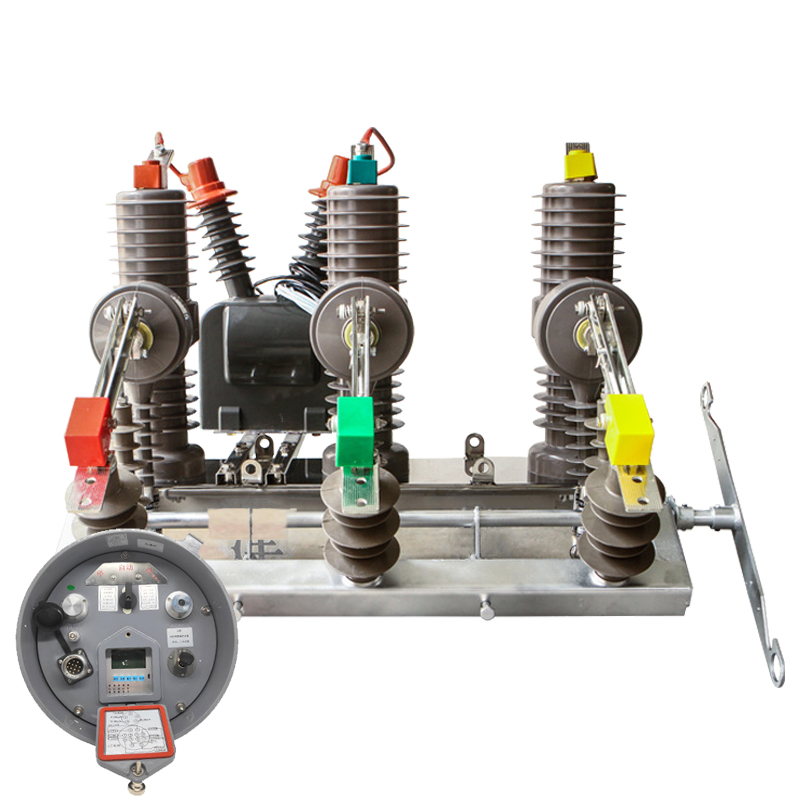
Each GIS unit has several sealed compartments. Each compartment contains pressurized gas. They hold components like vacuum circuit breakers, disconnectors, busbars, voltage transformers, current transformers, grounding switches, and surge arresters.
GIS is a great choice for urban substations and industrial facilities. Its compact design and strong performance make it ideal for several uses. Suitable for underground installations. You can also use it at renewable energy sites and in high-voltage transmission systems.
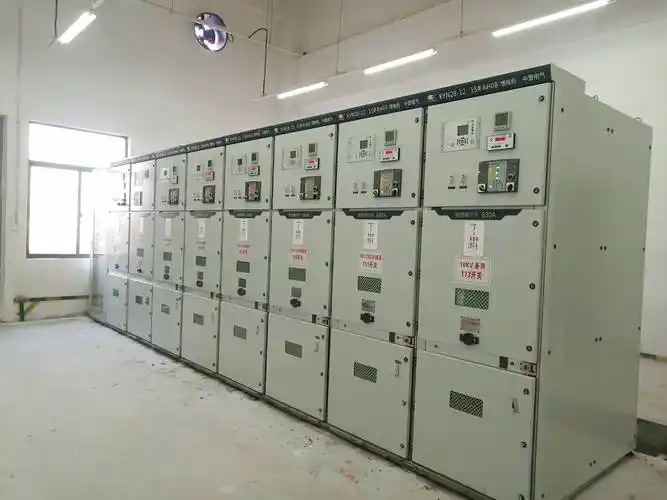
How Does Gas-Insulated Switchgear Work?
The core principle behind GIS operation is the use of SF₆ gas for insulation and arc extinction. This gas has several distinct properties that make it superior to air in medium and high-voltage applications:
High Dielectric Strength: SF₆ can withstand higher voltage levels without breakdown, making it an excellent insulator.
High Thermal Electric flow ability: It efficiently dissipates heat, helping to manage the temperature of internal components.
High Electron Affinity: SF₆ effectively absorbs free electrons, reducing Electric charge buildup during faults and preventing arcs.
Thanks to these features, GIS systems can operate safely. People can use them in areas where regular air-insulated systems lack reliability or are too large.
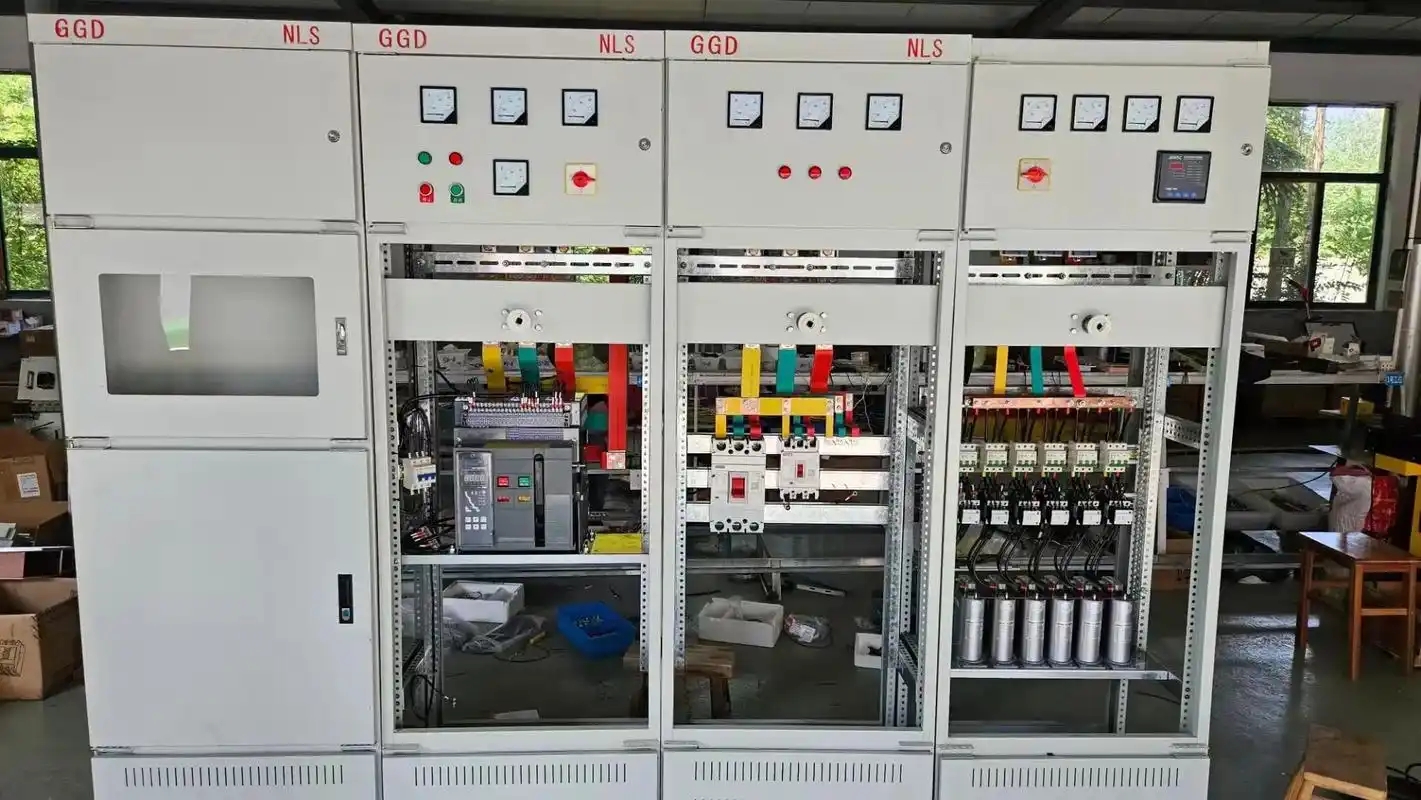
Key Components of a GIS System
A typical GIS setup includes several critical components, each designed to perform a specific function within the power system:
Circuit Breakers
Circuit breakers interrupt the flow of electrical current during a fault. They use SF₆ gas as the insulating and arc-extinguishing medium. When a fault like a short circuit occurs, the circuit breaker quickly opens to isolate the affected part of the system.
Disconnect Switches (Isolators)
Disconnectors are used to completely de-energize a section of the circuit for safe maintenance or testing. They also use SF₆ gas for insulation and can operate it manually or remotely.
Busbars
Busbars act as the main conductors in GIS systems, linking different components like transformers and feeders. SF₆ gas surrounds the busbars, ensuring safe and efficient current flow in a compact form factor.
Voltage and Current Transformers
Transformers in GIS measure voltage and current, either for protection systems or metering purposes. Engineers insulate these transformers with SF₆ gas, just like they do with other components, to ensure accuracy and reliability.
Grounding Switches
Grounding switches link parts of the circuit to the earth. This keeps operators safe and protects the system during outages or maintenance. Like other parts, they also use SF₆ gas for insulation.
Surge Arresters
Surge arresters protect the GIS system from Excess voltage caused by lightning strikes or switching operations. People often use metal oxide varistors (MOVs), and they enclose them in SF₆ gas for reliable performance.
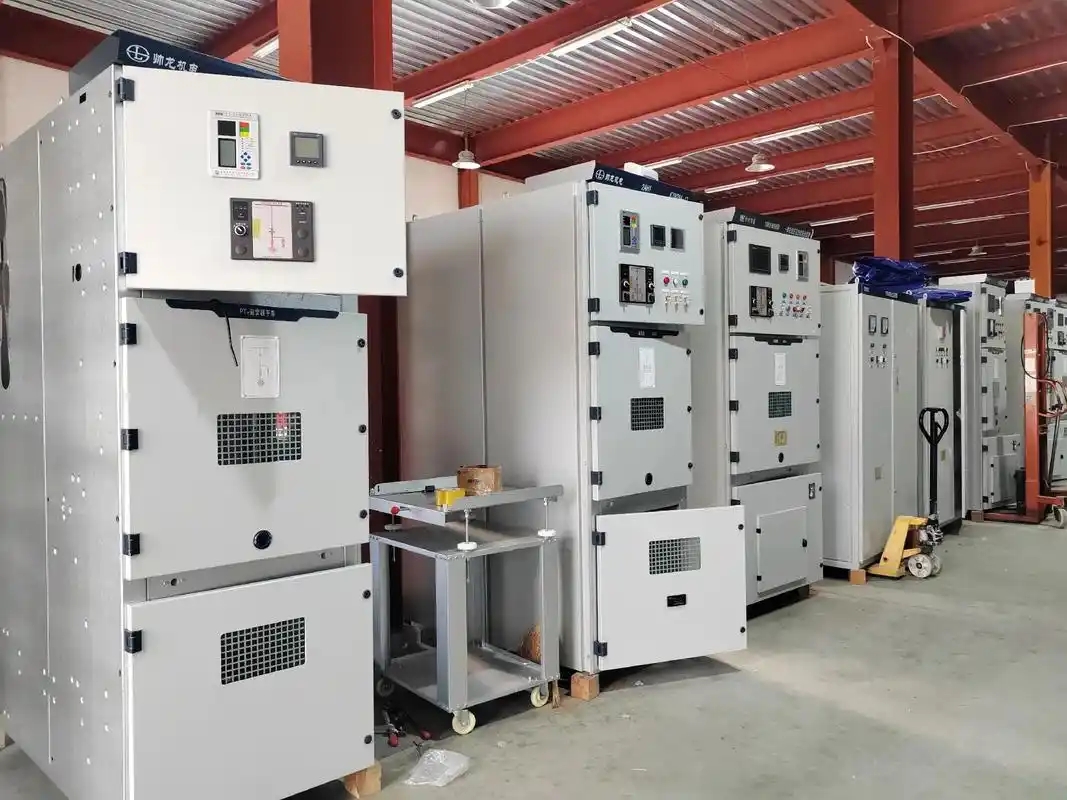
The Arc Interruption Process in GIS
One of GIS’s most critical functions is extinguishing electrical arcs that occur during switching events. When a circuit breaker works, it creates an arc. This arc produces a strong plasma that we need to extinguish quickly. If not, it can damage the equipment.
GIS systems use two main mechanisms for arc extinction:
Thermal Interruption
This process cools the arc by transferring its heat to the surrounding SF₆ gas. As the arc temperature drops, its resistance increases, causing the current to decrease. Eventually, the arc reaches a natural zero point in the AC cycle, and the current ceases.
Dielectric Recovery
After the arc disappears, the SF₆ gas quickly regains its strength. It does this by capturing free electrons and neutralizing ionized particles. This prevents the arc from re-igniting, ensuring safe circuit isolation.
Modern GIS systems use gas flow control, sensors, and smart monitoring systems. These tools help manage the process accurately. They also ensure the switchgear operates safely in all conditions.
Advantages of GIS
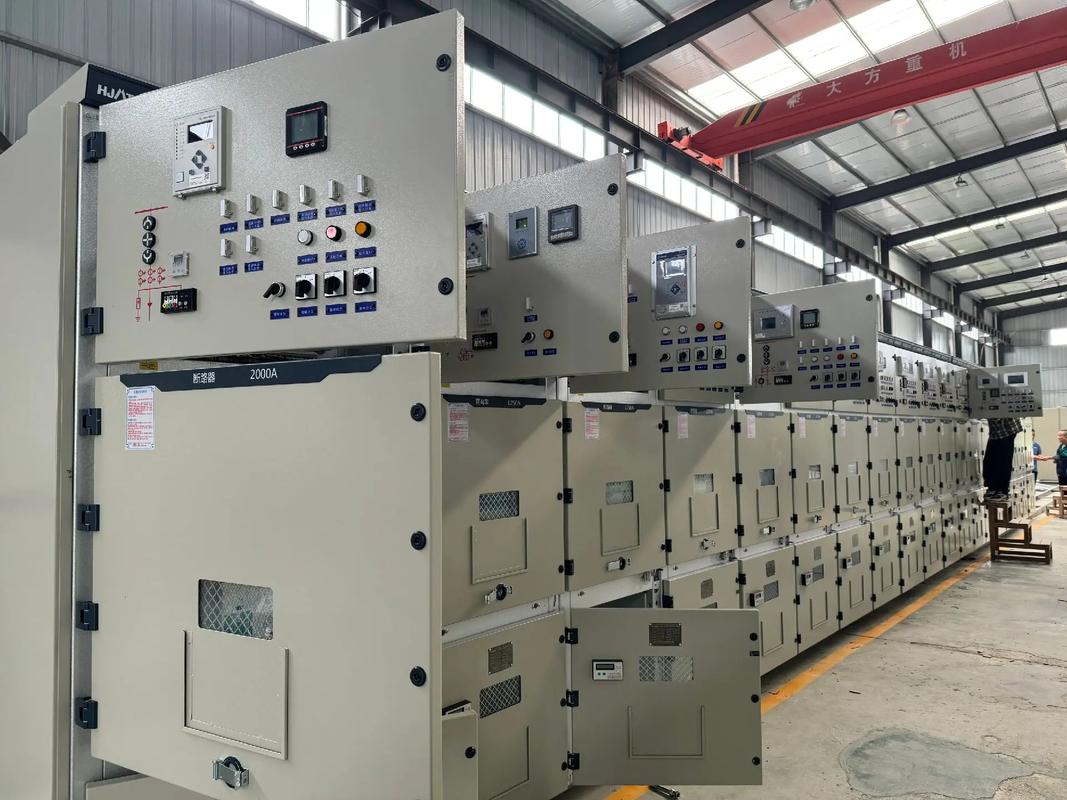
GIS systems offer several benefits over traditional air-insulated switchgear (AIS), particularly in demanding or space-constrained environments:
Compact Design: GIS takes up much less space than AIS. This makes it perfect for urban substations or underground installations.
Low Maintenance: With sealed compartments and robust construction, GIS requires minimal maintenance compared to open systems.
High Reliability: GIS offers excellent performance even in harsh environments, including areas with dust, humidity, salt, or pollution.
Improved Safety: The metal case and SF₆ gas offer extra insulation. This lowers the chance of accidental arc flash or equipment failure.
Challenges and Considerations
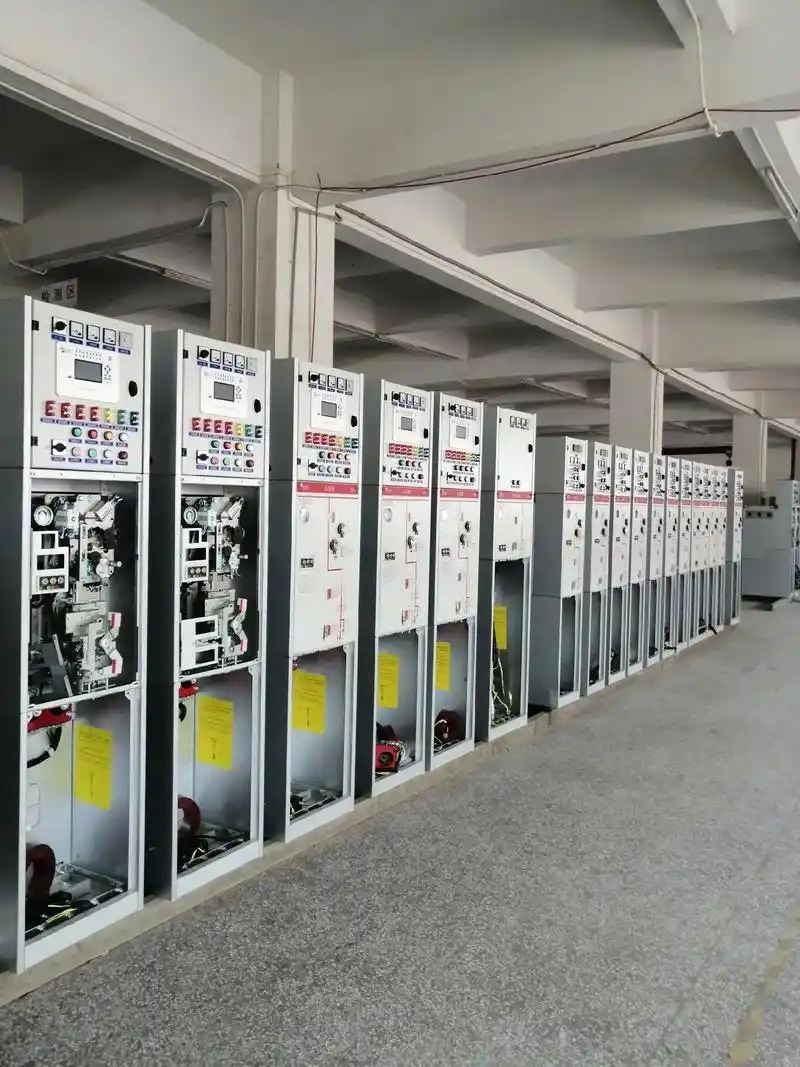
Despite its advantages, GIS is not without limitations:
High Initial Cost: The cost of materials, installation, and gas handling equipment can be much higher than AIS.
Complex Construction: The system design is more intricate, requiring skilled personnel for installation and maintenance.
Environmental Concerns: SF₆ is a potent greenhouse gas. Although GIS systems remain sealed, strict regulations and leak detection systems play an essential role in minimizing environmental impact.
When planning a GIS installation, consider these factors and your project's needs. Consulting experienced professionals is also wise.
Where Is GIS Used?
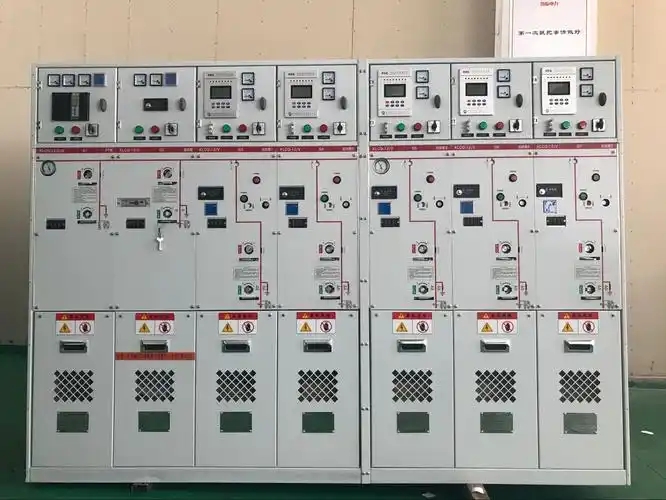
Gas-insulated switchgear is widely used in the following scenarios:
Urban Substations: Where land is expensive or limited, GIS enables high-capacity substations in small footprints.
Industrial Facilities: GIS ensures a reliable power supply in chemical plants, steel mills, and large manufacturing sites.
Renewable Energy Projects: Wind farms and solar plants benefit from GIS because of their reliability and low maintenance.
Rail systems and metros commonly use GIS in transportation networks that require compact and secure electrical systems.
Data Centers: These facilities demand Continuous power, and GIS provides a compact, safe, and reliable solution.
Conclusion: Why You Should Consider GIS
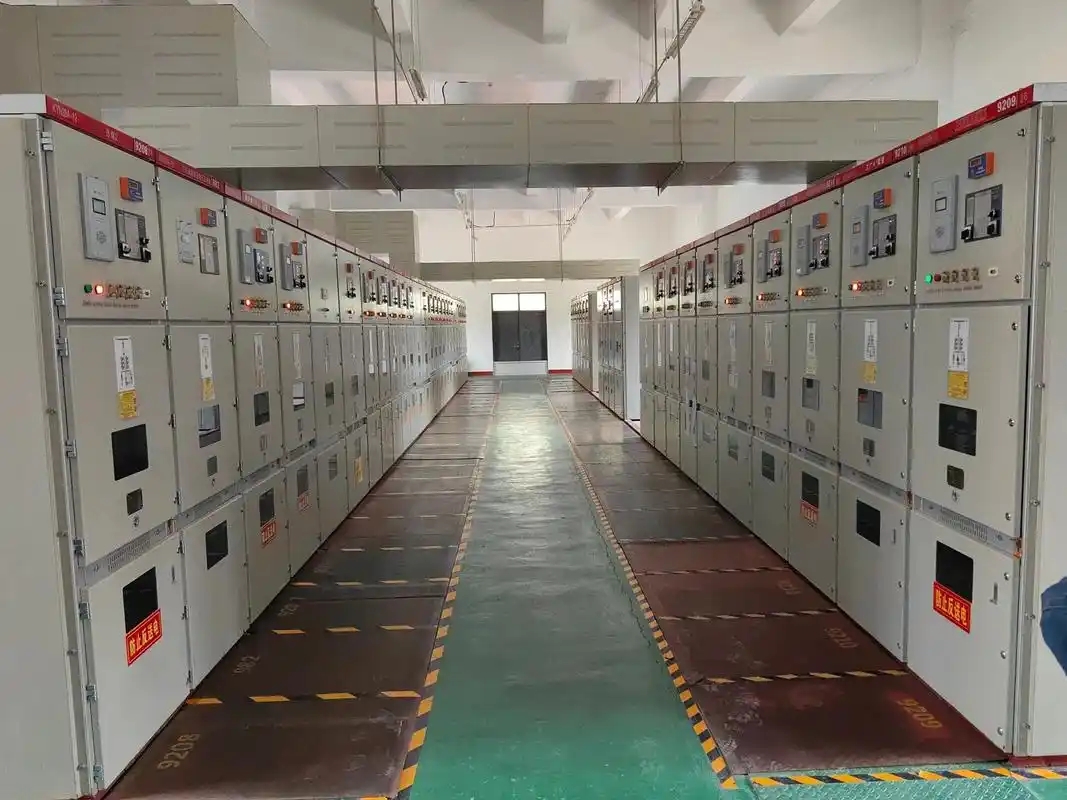
Gas-insulated switchgear is a modern solution for safe, efficient, and space-saving power distribution. By using SF₆ gas as an insulating and arc-quenching medium, GIS provides unmatched performance in demanding environments.
The first investment might be more expensive. However, the long-term benefits are worth it. These benefits include safety, reliability, and lower maintenance costs.
If you're planning an upgrade to your electrical system or launching a new project, GIS could be the ideal solution. We are here to help you explore your options. We will assess your technical needs and provide a solution just for you.