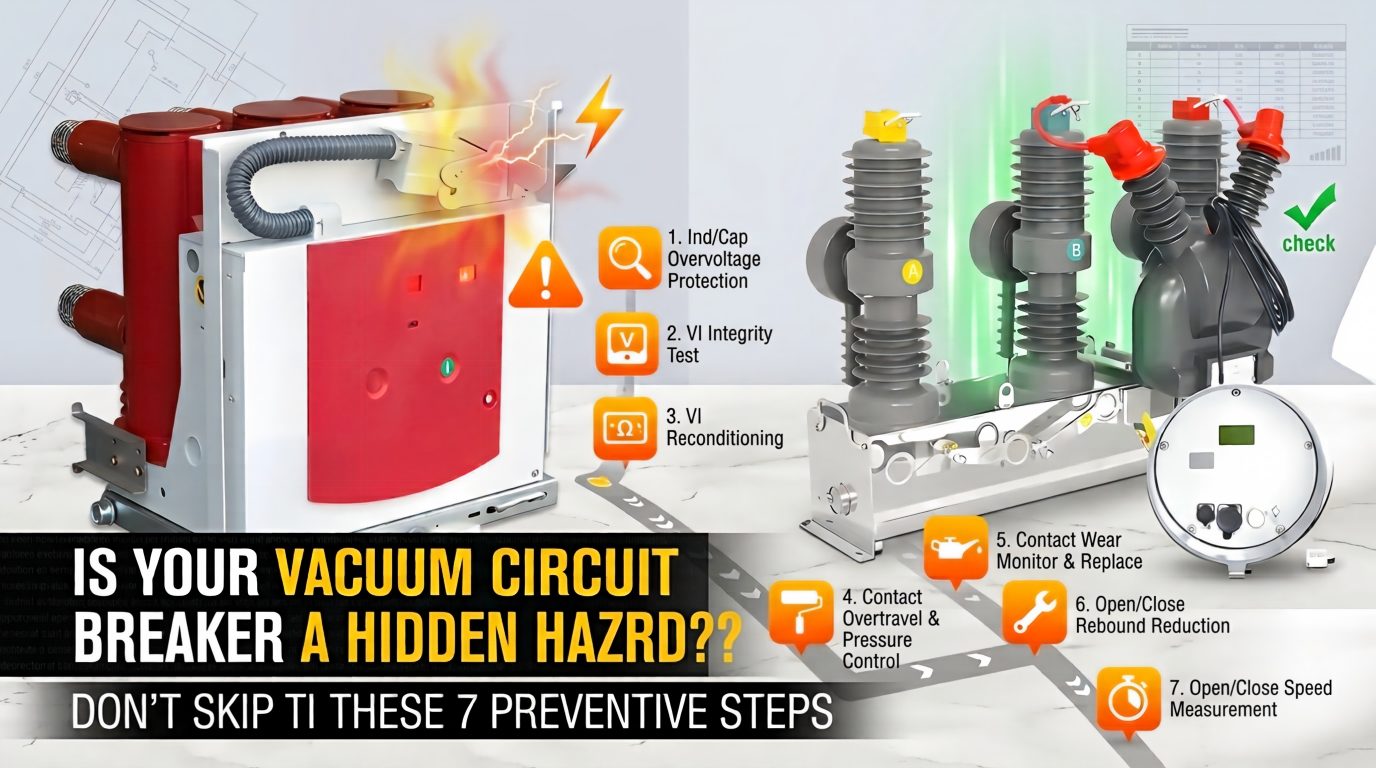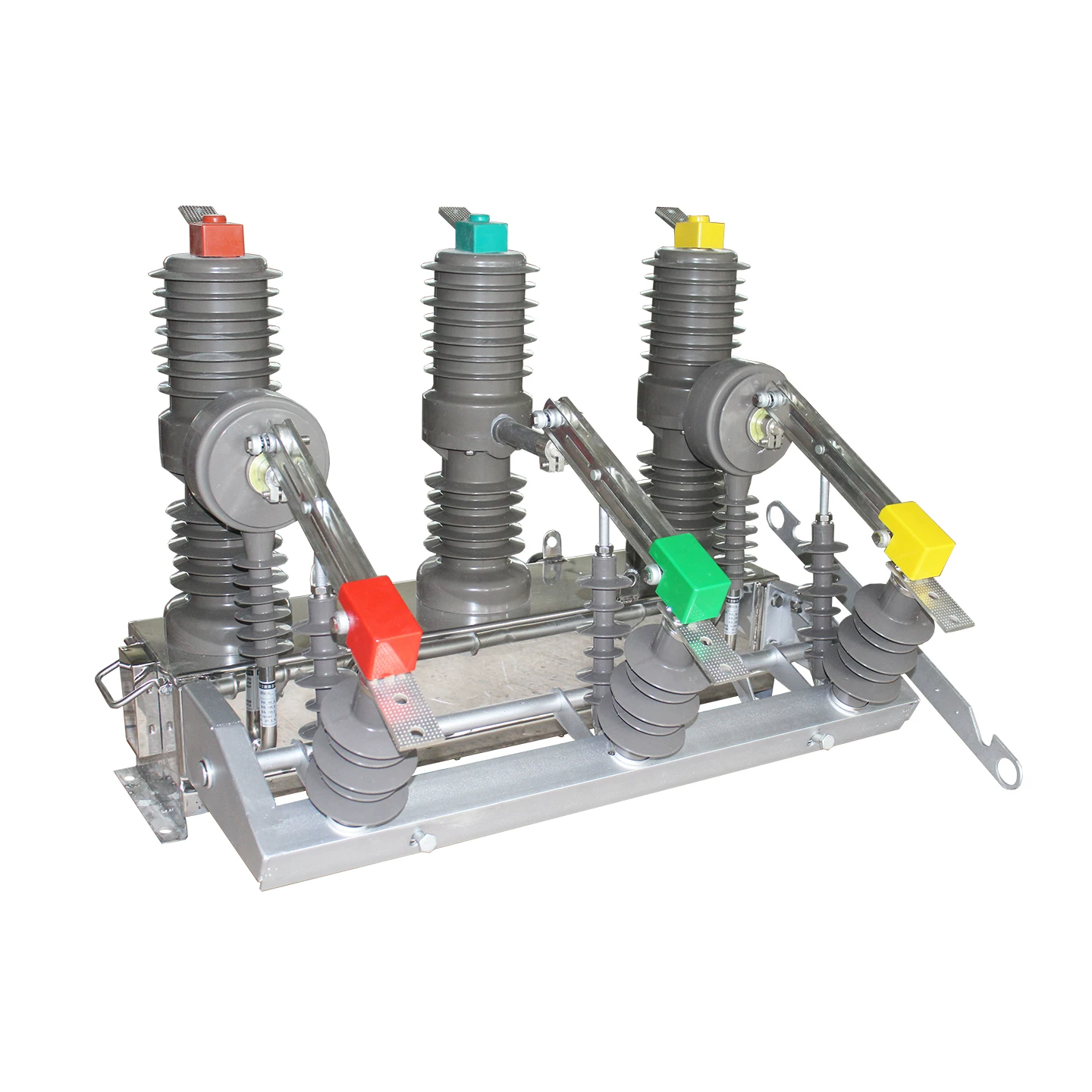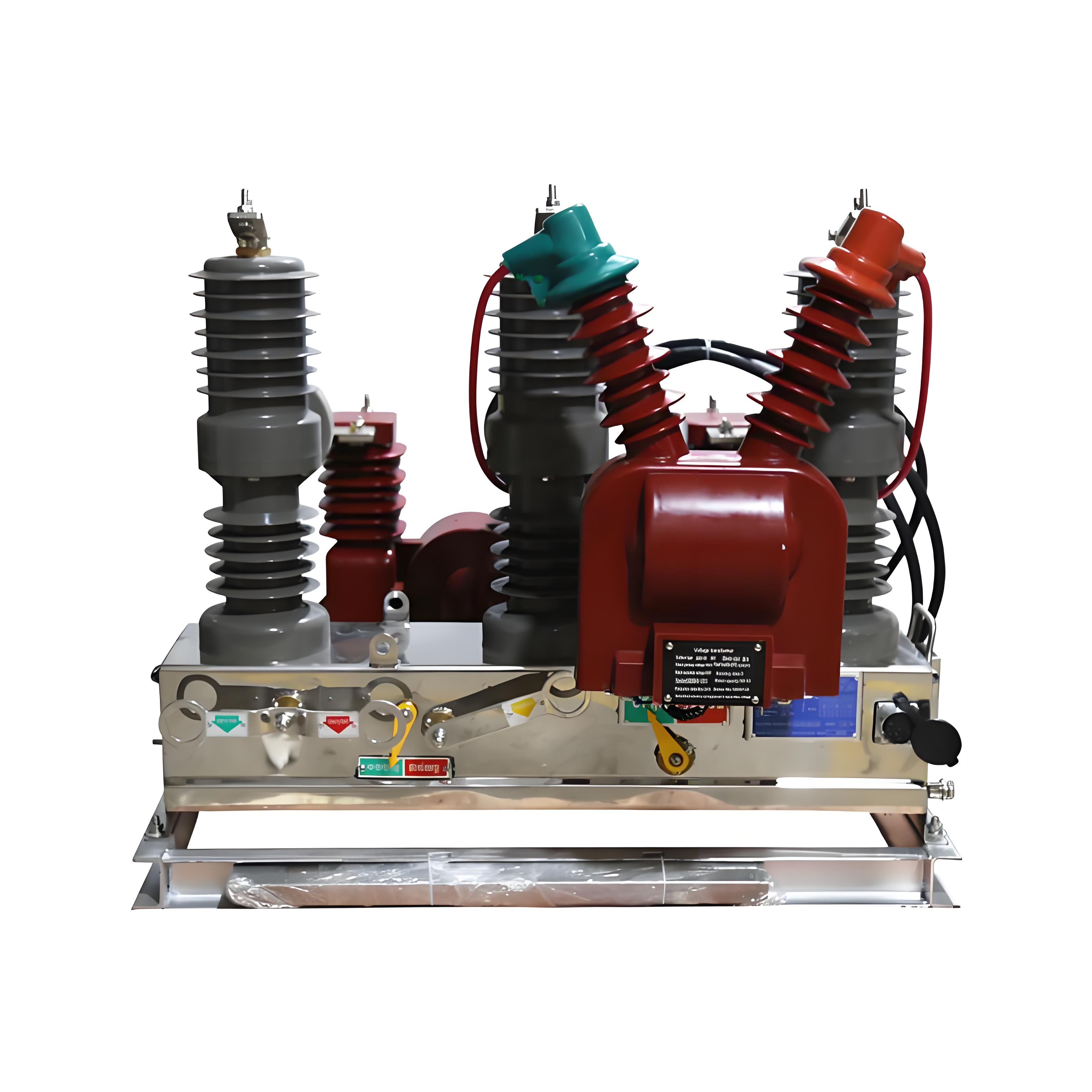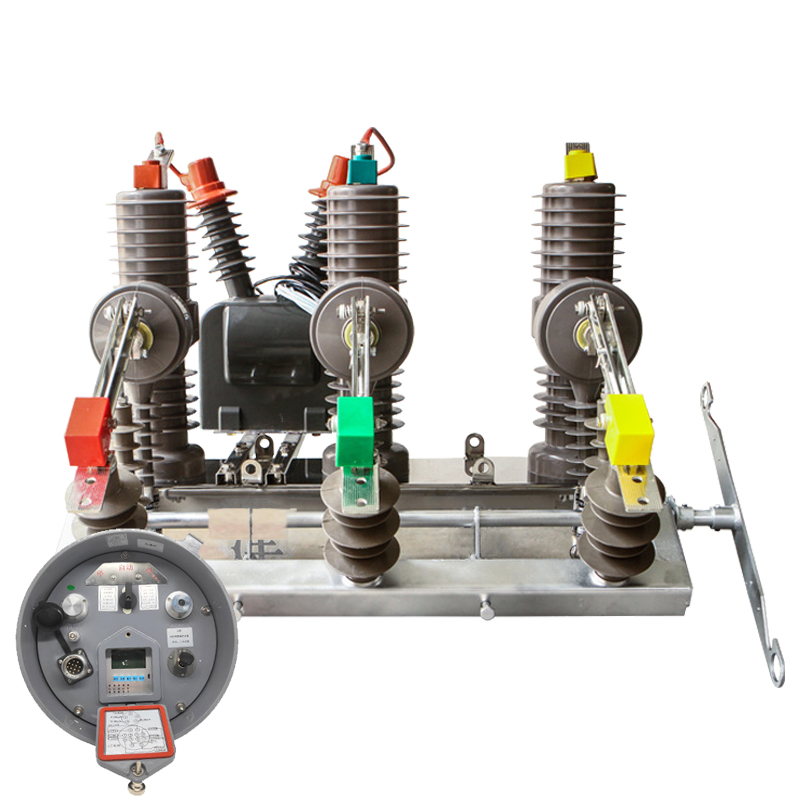
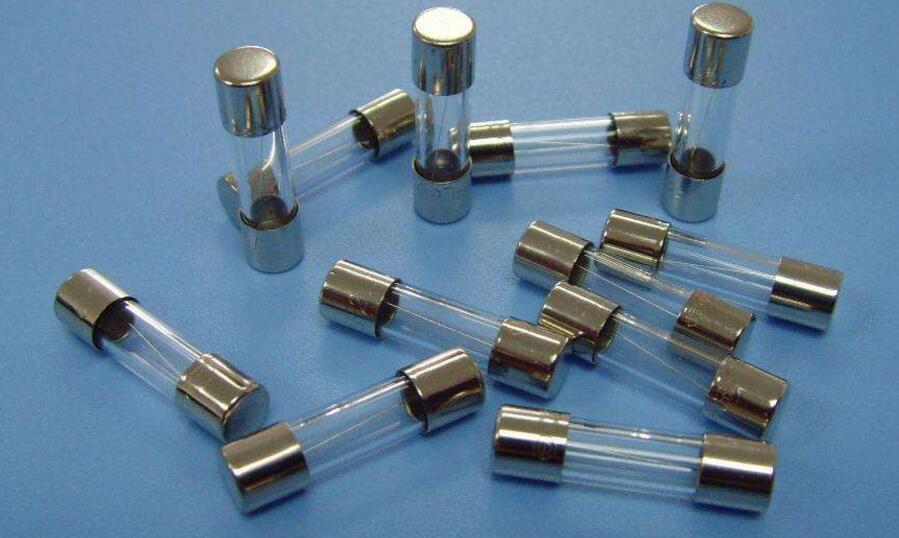
Fuses and circuit breakers both protect electrical systems from damage caused by overloads or short circuits. While they serve a similar purpose, they work differently and suit different types of applications.
This article explains how each device works, compares their features, and helps you choose the right solution for your project.
What Is a Fuse and How Does It Work?
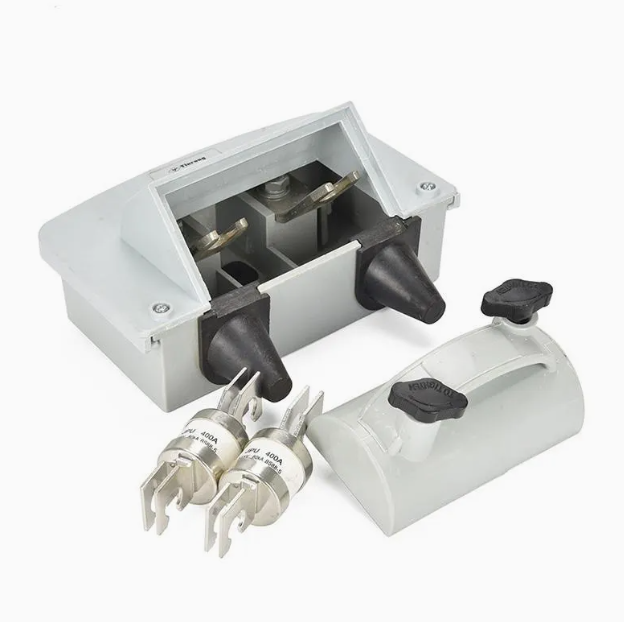
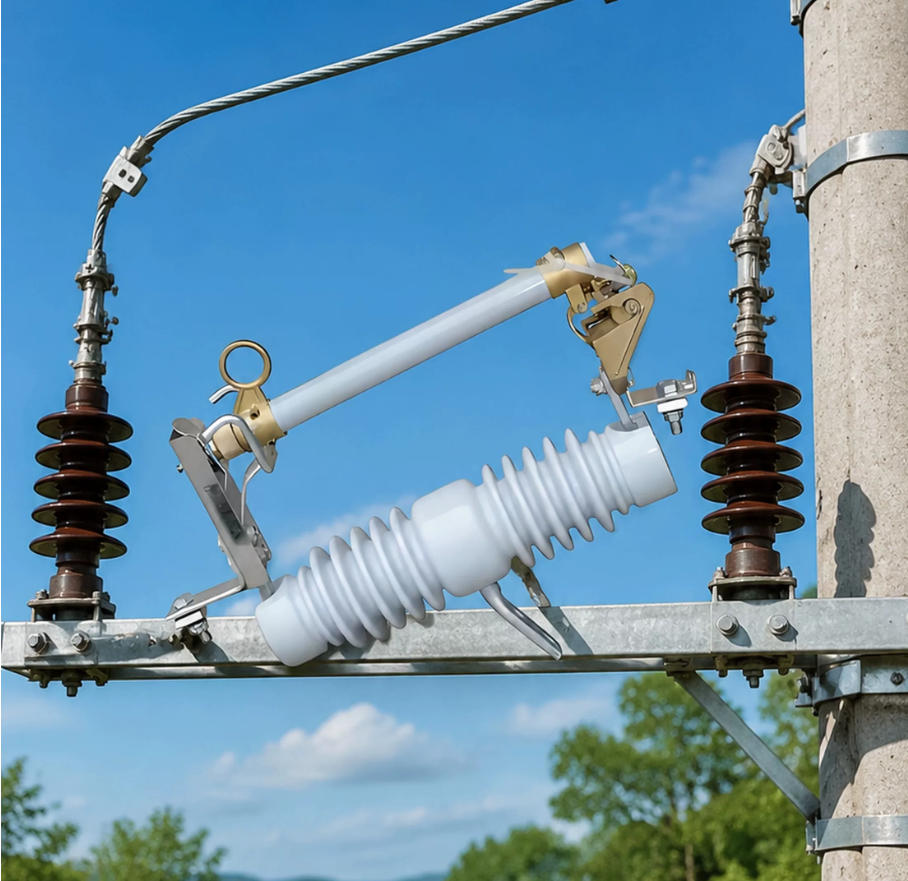
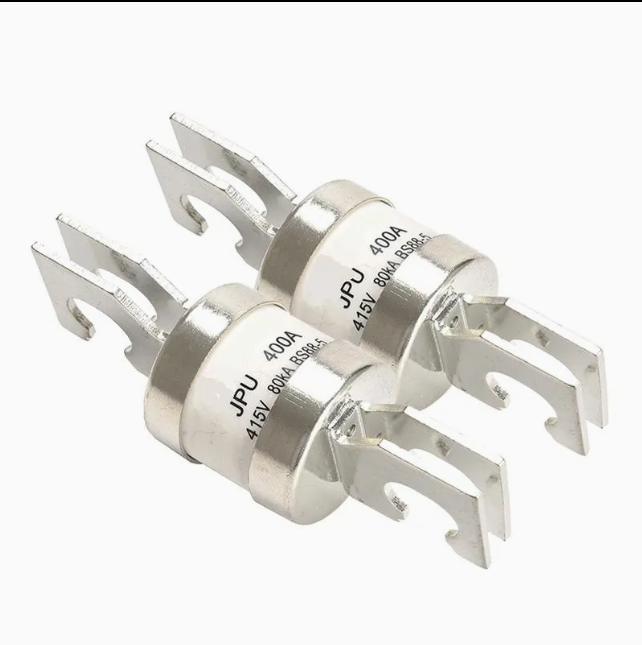
A fuse is a one-time-use safety device that protects circuits by melting when the current is too high. It is one of the oldest and simplest forms of circuit protection.
When current flows through a conductor, it generates heat. If the current exceeds a certain limit, the heat increases rapidly. The fuse wire melts when it reaches a set temperature, breaking the circuit and stopping the flow of electricity. This prevents overheating, fires, and equipment damage.
Electricians and manufacturers commonly use fuses in low-voltage applications, including home appliances, lighting circuits, and small control panels.
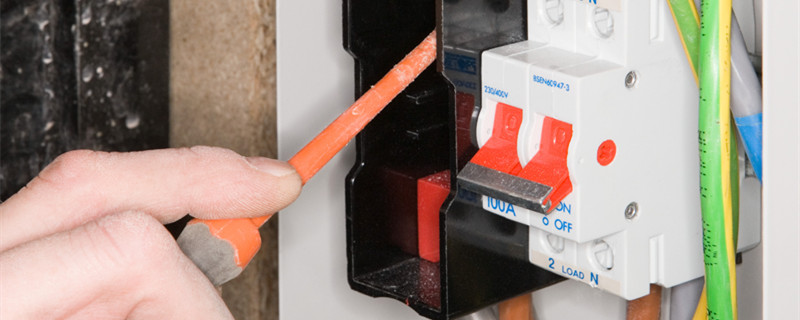
How Does a Circuit Breaker Work?
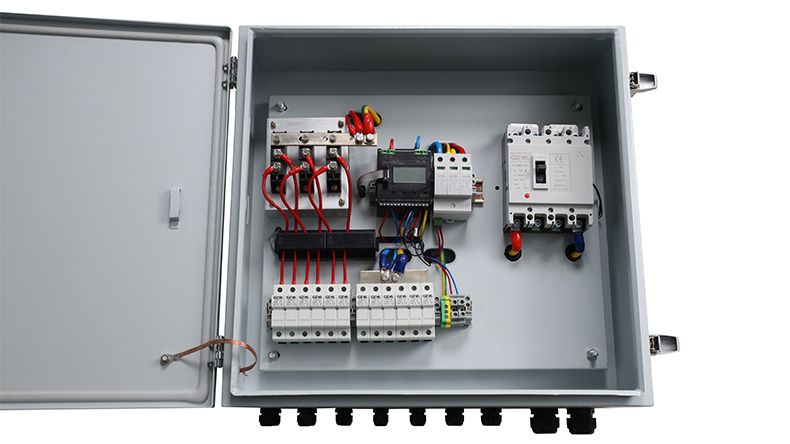
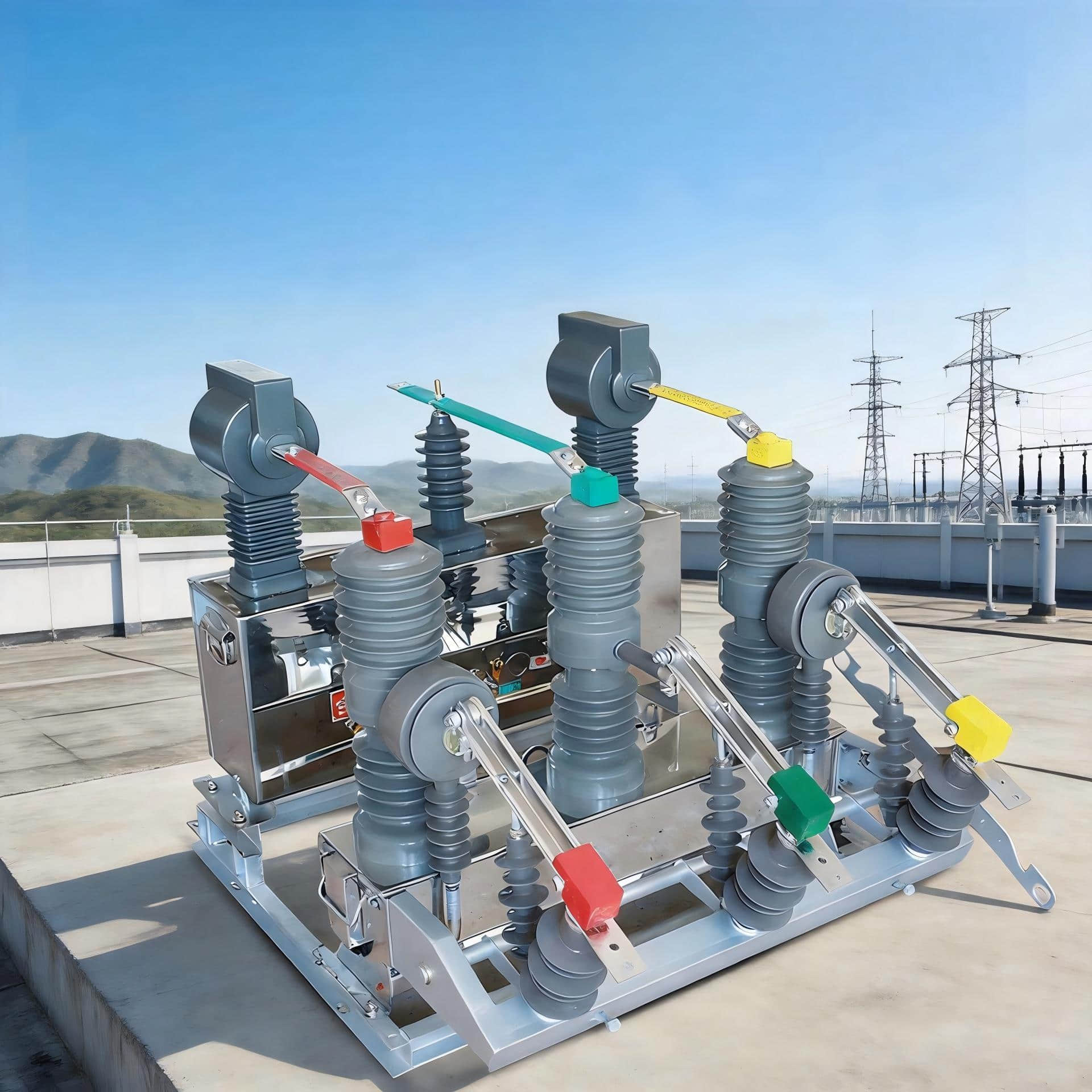
A circuit breaker is a resettable device that automatically cuts off electrical flow when it detects an abnormal current, such as a short circuit or overload.
Circuit breakers, unlike fuses, retain functionality and do not require replacement after they operate. Instead, they can be reset manually or automatically, depending on the design.
Most circuit breakers work based on two principles: thermal operation (for overload protection) and electromagnetic operation (for short-circuit protection). When the current exceeds the rated level, either heat or magnetic force trips a mechanical switch inside the breaker, opening the circuit.
Circuit breakers are used in residential, commercial, and industrial settings and can handle a wide range of voltages and currents.
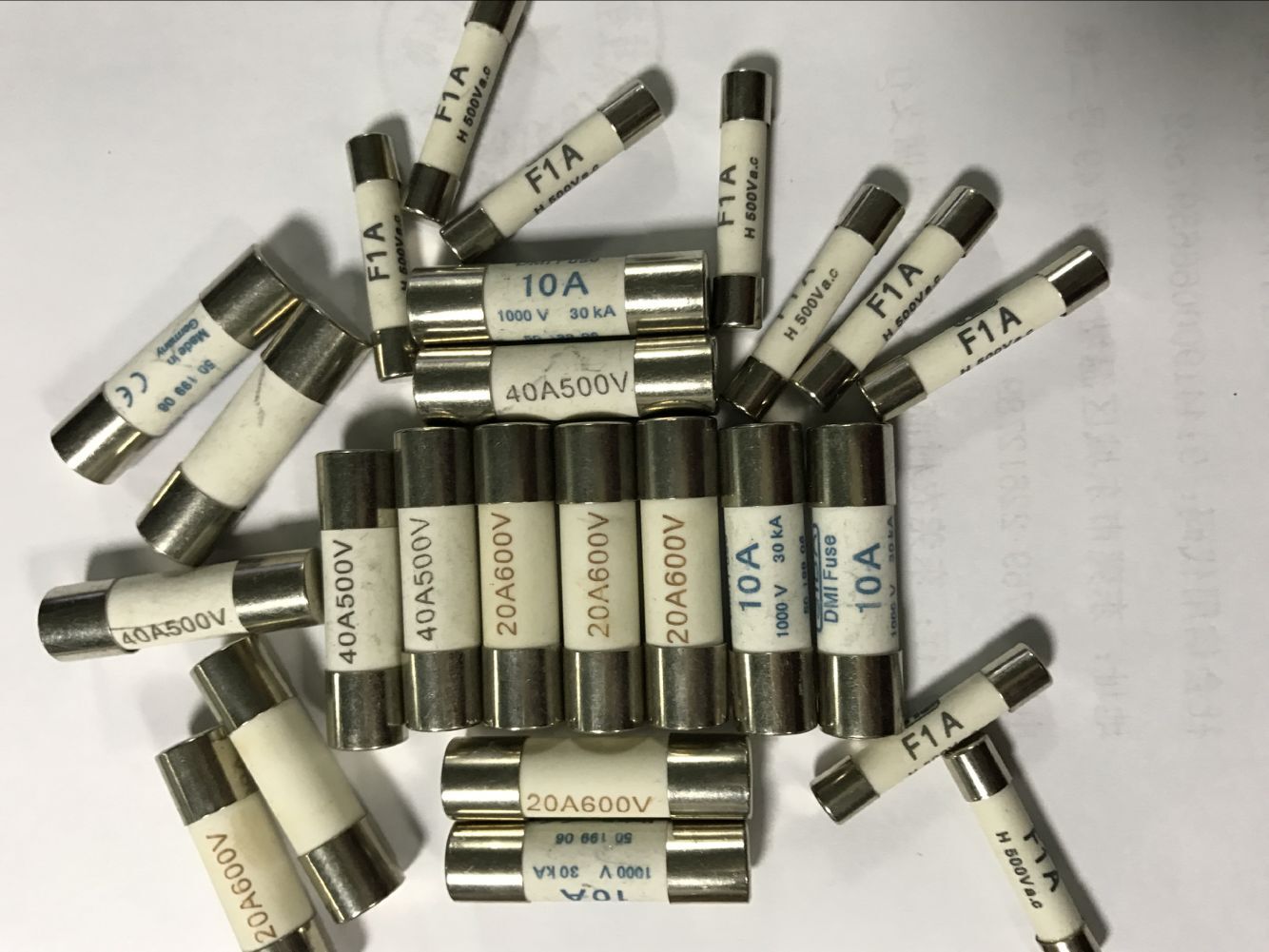
Key Features of Fuses
Fuses are simple and cost-effective, but have some limitations.
Advantages:
Quick response to overcurrent
Small size and easy to install
Inexpensive and widely available
Reliable operation with no moving parts
Disadvantages:
One-time use—must be replaced after operation
Manual replacement increases maintenance effort
Harder to coordinate for selective protection in multi-layer systems
Fuses typically follow an "inverse time" characteristic: the higher the current, the faster they blow. This makes them effective in rapidly stopping dangerous surges.
Key Features of Circuit Breakers
Circuit breakers offer more advanced protection and flexibility.
Advantages:
Reusable after a fault—just reset it
Can protect against overload, short circuit, ground fault, and overtemperature
Easy to operate manually or integrate into remote systems
Higher breaking capacity for large fault currents
Disadvantages:
More expensive than fuses
Mechanical components may wear over time
Larger physical size
Many modern breakers include smart functions like trip logging, remote control, and communication with SCADA or BMS systems.
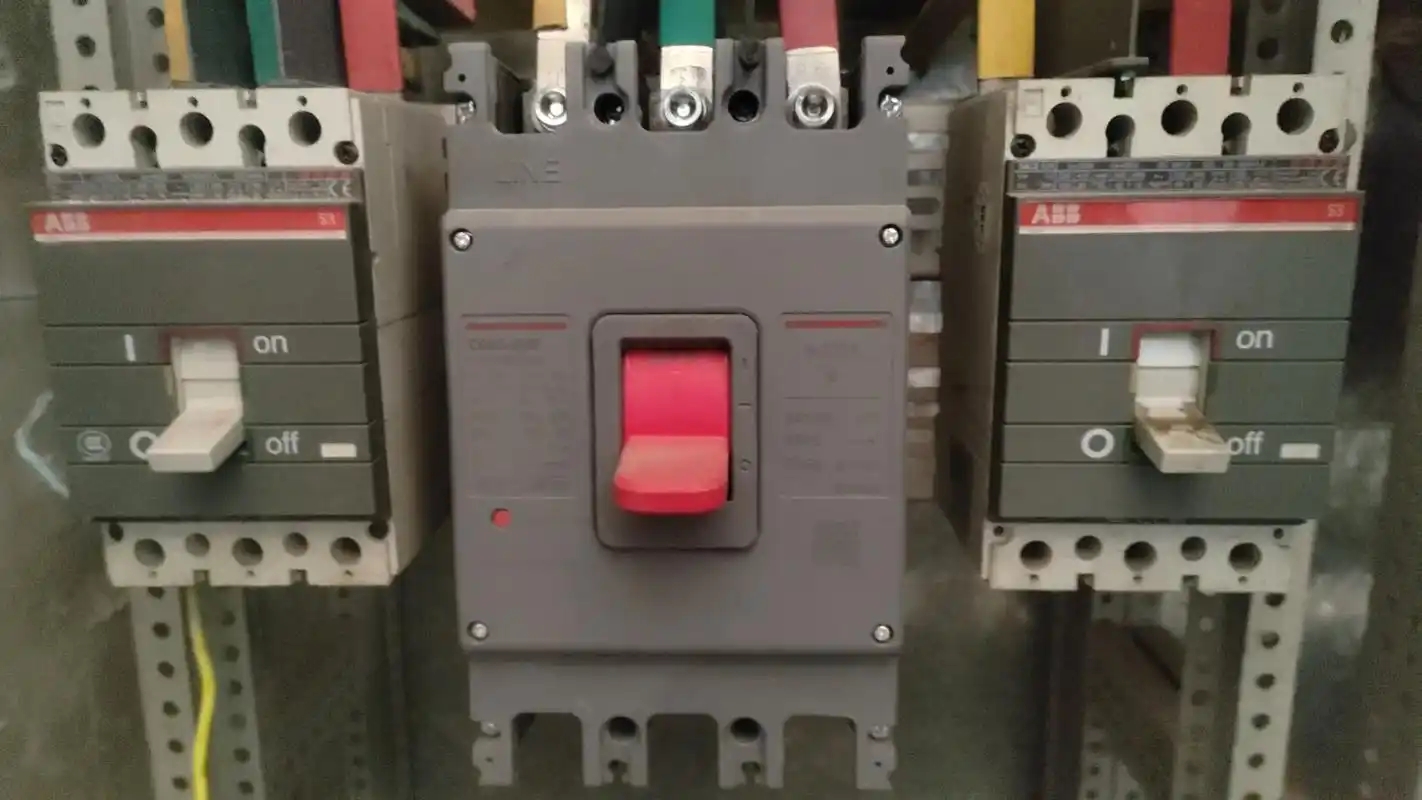
Where Are Fuses Commonly Used?
Fuses are mostly used in:
Household circuits
Small motors
Lighting systems
Automotive applications
Battery-powered devices
They are especially useful when:
Cost and space are limited
Equipment replacement is acceptable
Simplicity is preferred over reusability
However, fuses are less ideal in systems that require frequent adjustments or advanced diagnostics.
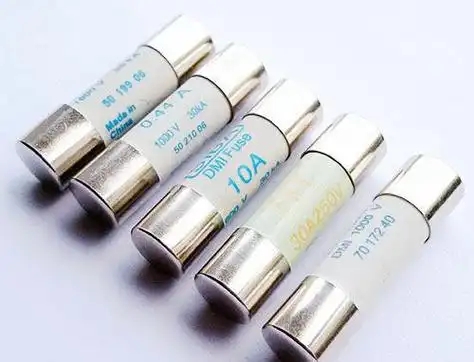
Where Are Circuit Breakers Typically Used?
Circuit breakers are widely used in:
Power distribution panels
Industrial control cabinets
Data centers
Renewable energy systems (e.g., solar PV, wind turbines)
Backup generators and UPS systems
They are preferred when:
The load is high or critical
Quick reset is important
Advanced protection and monitoring are needed
Breakers are ideal for modern systems where uptime and automation are key.
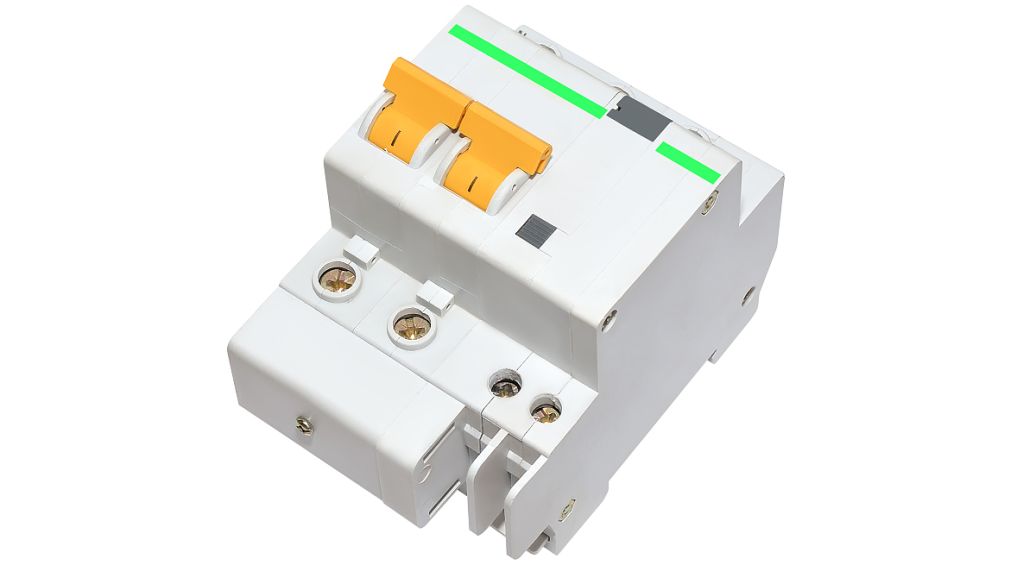
Advanced Differences Between Fuses and Circuit Breakers
Besides basic functionality, fuses and breakers differ in terms of selectivity and current-limiting ability.
Protection Selectivity:
Breakers with LSI (Long-time, Short-time, Instantaneous) trip settings can achieve full selectivity between upstream and downstream circuits. In contrast, fuses and LI (Long-time, Instantaneous) breakers offer only partial selectivity.
Current Limiting:
Fuses naturally limit short-circuit current due to their rapid melting and arcing behavior. Standard circuit breakers do not offer current limiting unless specially designed for that purpose.
Maintenance and Monitoring:
Fuses require manual inspection and replacement. Circuit breakers offer fault indication, test buttons, and sometimes digital monitoring, making them easier to maintain and integrate with smart grid systems.
Which Is Better: Fuse or Circuit Breaker?
There is no one-size-fits-all answer. Your choice depends on:
Criteria | Best Option | Reasoning |
Low cost | Fuse | Cheap to buy and easy to replace |
High safety | Circuit Breaker | Protects against multiple fault types |
Smart control | Circuit Breaker | Supports remote operation and communication |
Limited space | Fuse | Compact and simple design |
Frequent switching | Circuit Breaker | Durable and reusable |
Renewable energy use | Circuit Breaker | Better integration with inverters and grid logic |
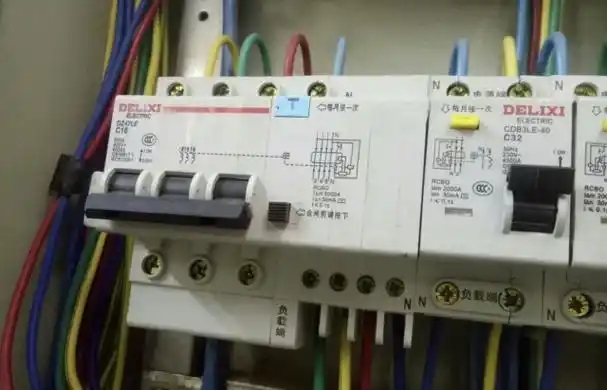
Use Case Example: Residential Power Panel
In a typical home, circuit breakers are used in the main distribution panel because:
They handle multiple protection functions
They are easy to reset after a trip
Homeowners can operate them safely
Fuses might still be used in small plug-in devices or backup fuses inside appliances.
Use Case Example: Solar PV System
In solar installations, breakers are used to:
Disconnect DC and AC circuits safely
Coordinate with inverters and protection relays
Handle high fault currents during storms or faults
Some systems may also include fuses as a backup layer, especially for DC strings.
Frequently Asked Questions (FAQ)
Q1: Can I use a fuse instead of a circuit breaker?
You can in some small-scale systems, but fuses are not reusable and offer less protection than breakers.
Q2: Are circuit breakers safer than fuses?
Yes. Breakers respond to more types of faults and are easier to manage after tripping.
Q3: Do circuit breakers wear out?
Yes. Mechanical parts can age over time, especially after frequent trips. Regular maintenance is advised.
Q4: Can I replace a fuse with a circuit breaker?
In many cases, yes. But you need to ensure the breaker matches the current rating, voltage, and fault capacity.
Q5: Which one is better for solar or EV charging systems?
Circuit breakers are generally preferred due to their ability to handle high DC currents and integrate with smart controls.
Final Thoughts: Choose the Right Protection for Your System
Fuses and circuit breakers both play vital roles in electrical safety. Fuses offer simplicity and cost savings in low-power systems. Circuit breakers provide versatility, advanced protection, and ease of maintenance in more complex environments.
When designing your electrical system, think beyond just cost. Consider safety, convenience, future scalability, and smart integration.

Need Help Choosing the Right Protection Device?
Our technical experts can help you select the right fuse or circuit breaker based on your voltage, load type, and application environment.
📧 Contact us: thor@weishoelec.com
🌐 Visit: www.weishoelec.com