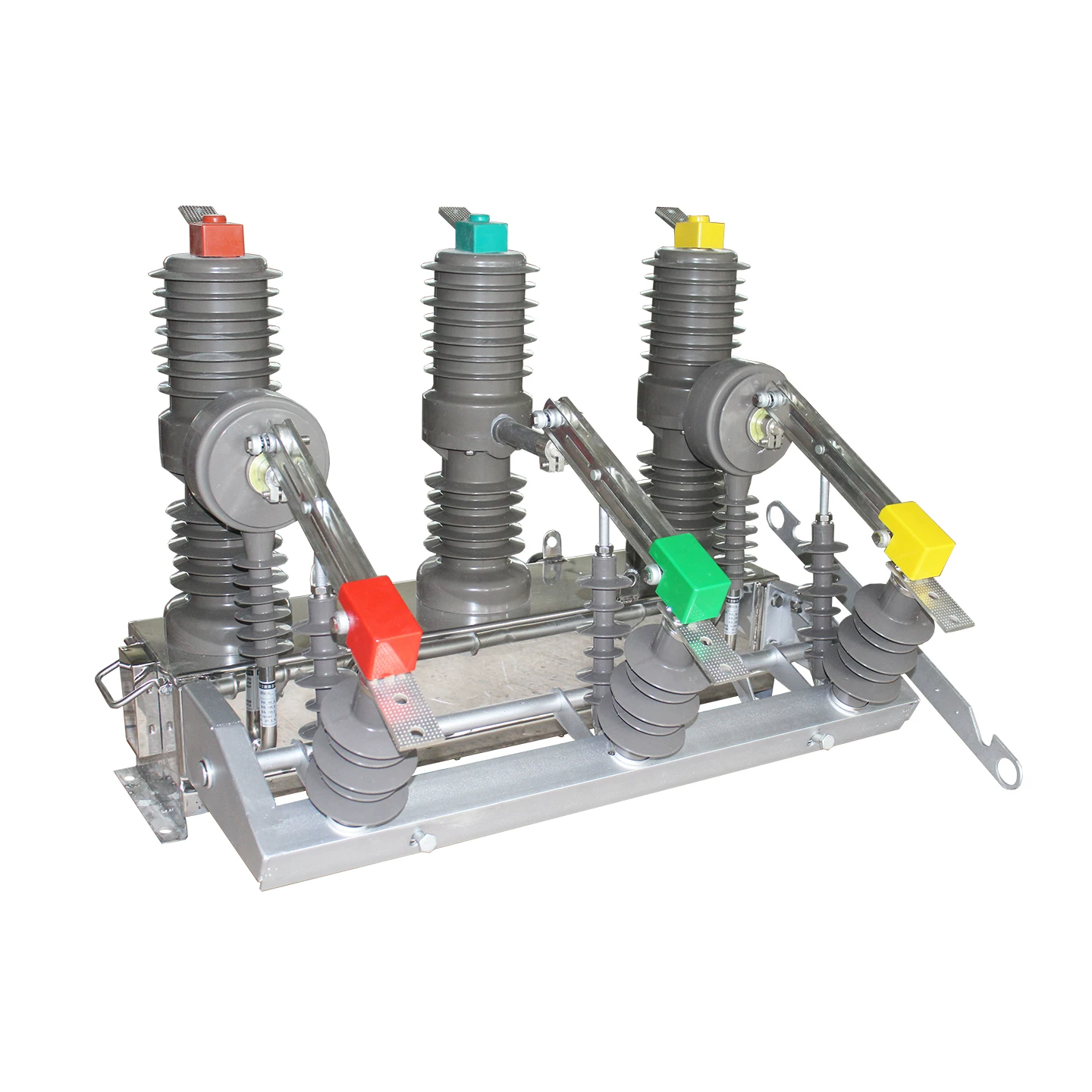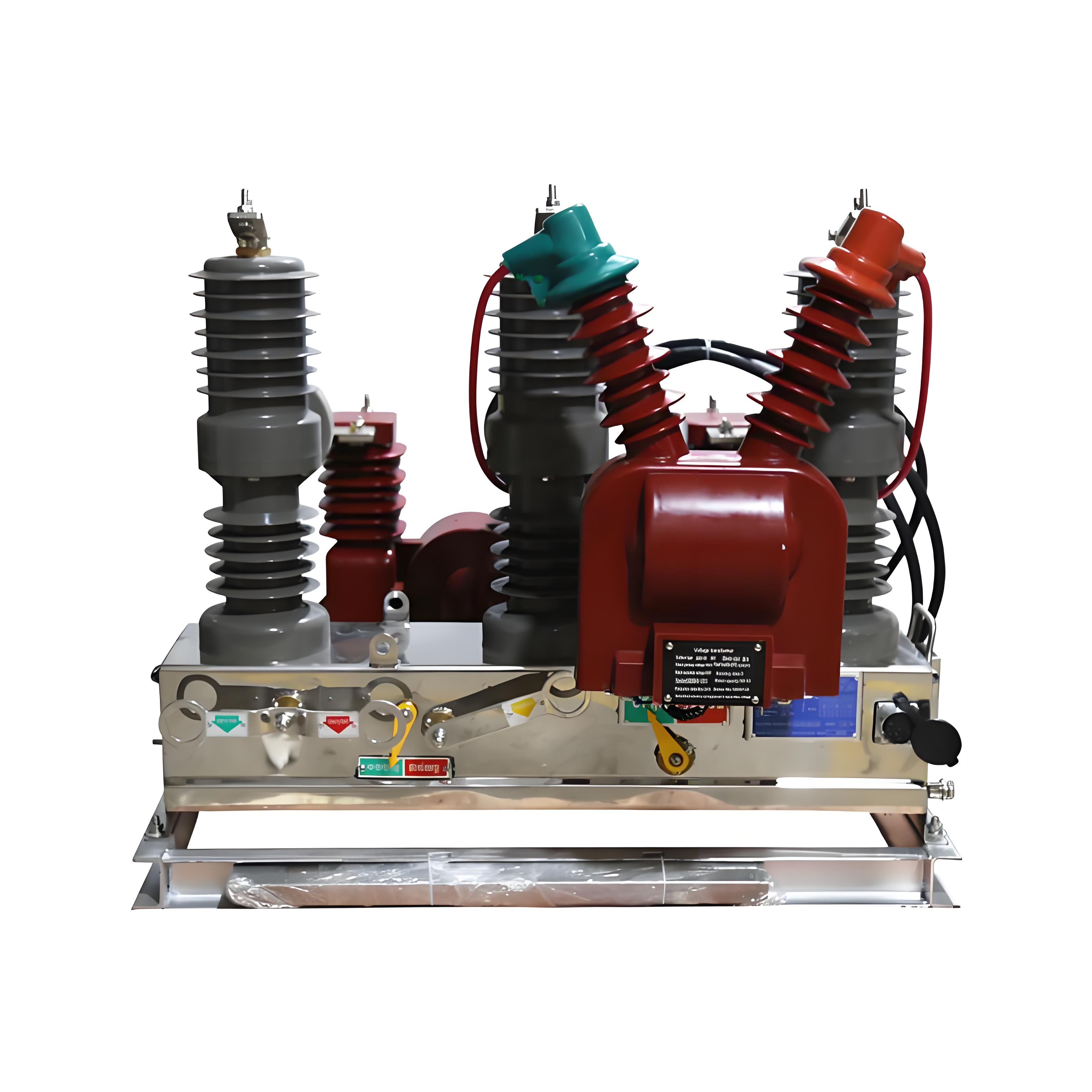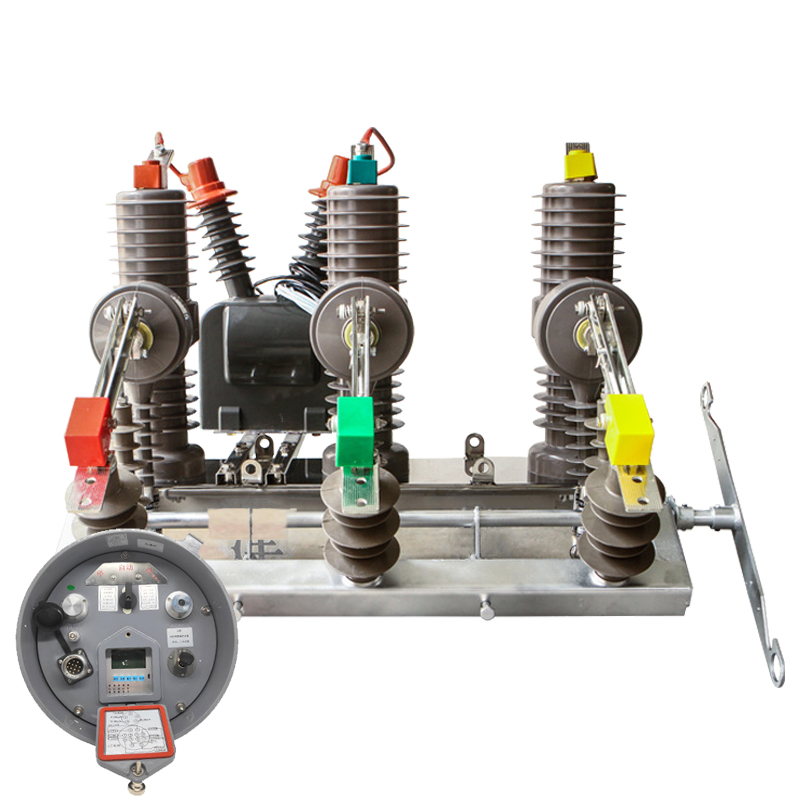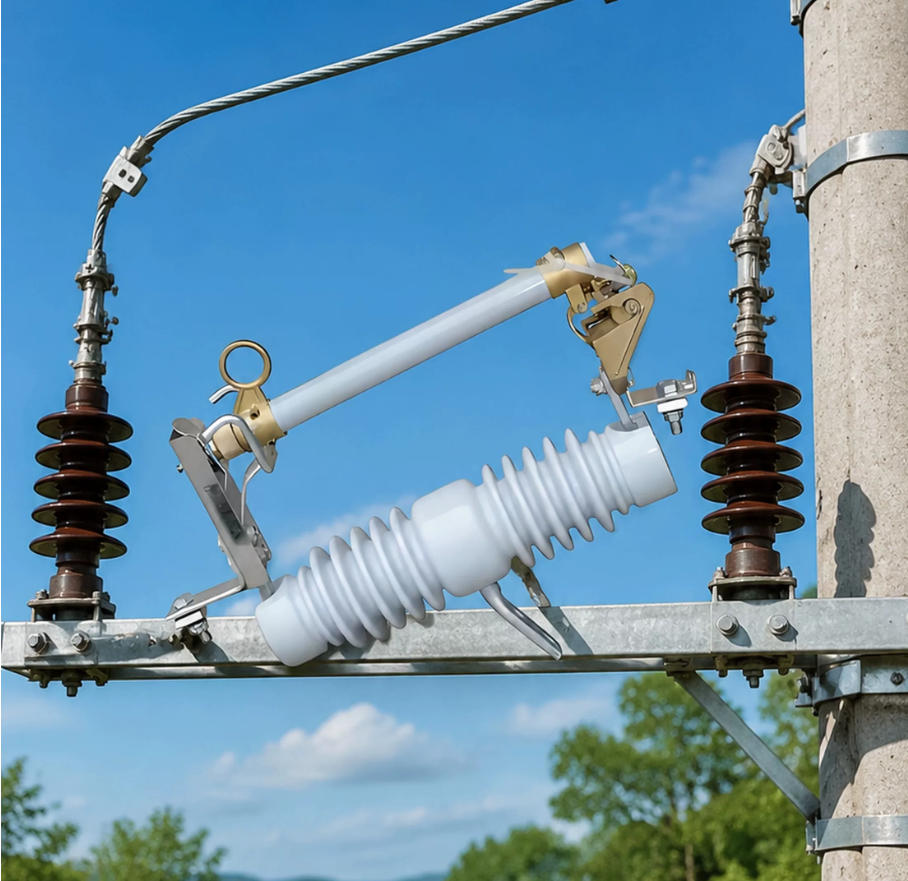
A current transformer changes high electrical current into a lower, safer value for meters and protective devices. This device uses a simple design to allow technicians to measure large currents without direct contact.
Accurate current measurement keeps electrical systems safe and reliable. Electricians trust current transformers to protect equipment and people from dangerous high currents.
Key Takeaways
Current transformers safely reduce high electrical currents to lower values for easy and accurate measurement.
They have three main parts: primary winding, secondary winding, and magnetic core, each ensuring safe and precise operation.
Electromagnetic induction and turns ratio control how current changes from the primary to the secondary winding.
Different types, like wound, bar, and window transformers, fit various needs, from industrial use to smart meters.
Proper selection, installation, and regular testing keep current transformers reliable and protect people and equipment.
Components
A current transformer has three main parts: the primary winding, the secondary winding, and the magnetic core. Each part plays a special role in making sure the transformer works safely and accurately.
Primary Winding
The primary winding carries the main current from the power system. In most designs, this winding is just a single straight bar or a few turns of thick wire. This simple design helps the transformer handle high currents without overheating. The primary winding connects directly to the high-voltage line, so it must meet strict safety standards.
National standards say the total load current should be between 75% and 100% of the rated current for best performance.
Here is a table showing some important technical details about the primary winding:
Parameter/Aspect | Description/Value |
|---|---|
Maximum primary current | Equal to full load current; limited by system protection devices |
Secondary current rating | Typically 5A |
Primary current injection in tests | 0.1 to 1 times rated current |
Primary voltage & impedance (example) | 3V (open secondary), 0.1Ω; 0.5V (closed secondary), 0.017Ω |
Heating characteristics | Primary coil heating increases with overcurrent; tested for safety |
Secondary Winding
The secondary winding has many turns of fine wire. This winding produces a much lower current, usually 1 or 5 amps, which is safe for meters and relays. The secondary winding must deliver accurate readings even when the load changes.
Safety tests check the insulation, resistance, and ability to handle different loads. For example, the insulation resistance test makes sure the winding stays safe and does not break down over time.
Test Name | Purpose / Focus | Key Findings / Performance Characteristics |
|---|---|---|
Finds the saturation point | Shows CT accuracy and winding health | |
Insulation Resistance | Checks insulation strength | High resistance means good insulation |
Winding Resistance | Measures DC resistance | Detects damage or wear in the winding |
Burden Test | Tests load handling | Confirms proper current delivery and wiring integrity |
Magnetic Core
The magnetic core sits at the center of the current transformer. It guides the magnetic field from the primary to the secondary winding. The core uses special materials like silicon-iron or Mumetal, which help it carry strong magnetic fields without losing energy.
The core must handle high magnetic flux without saturating, so it can transfer energy efficiently.
Low core losses, such as hysteresis and eddy current losses, keep the transformer cool and save energy.
The core material must stay stable as temperature changes, so the transformer works well in all conditions.
New materials like amorphous alloys make the core even more efficient and reduce energy loss.
The design of the core helps the transformer deliver accurate current readings and keeps the device safe during normal operation and faults.
Principle
Electromagnetic Induction
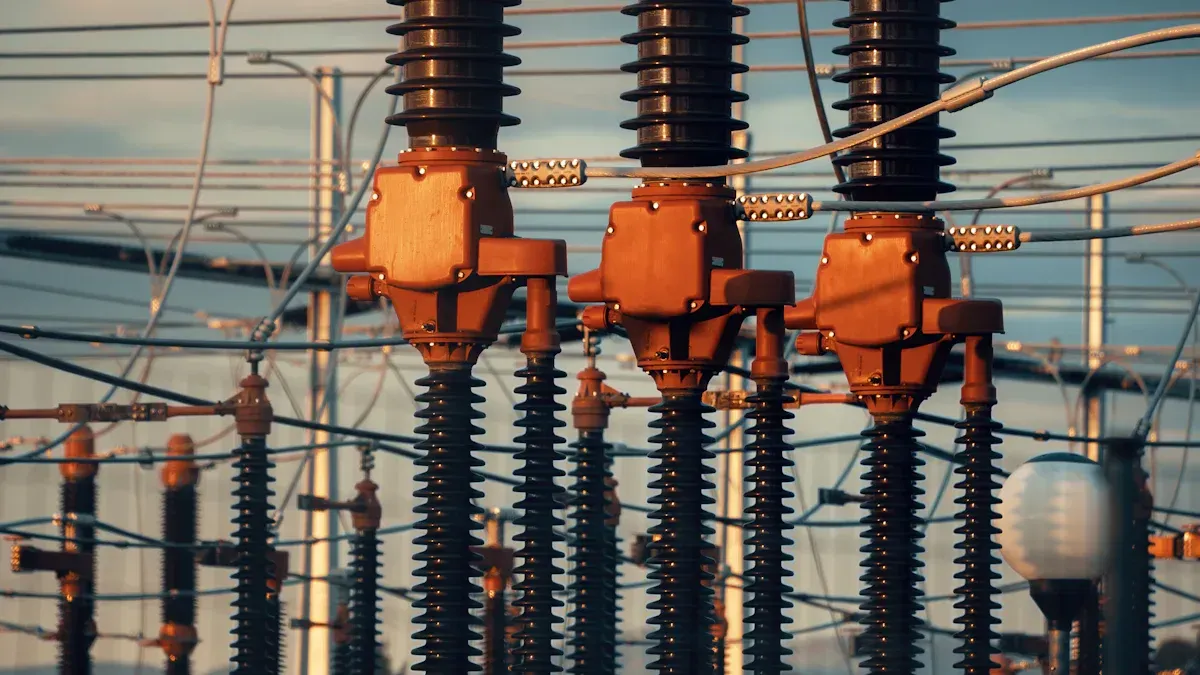
A current transformer works because of electromagnetic induction. When electric current flows through the primary winding, it creates a magnetic field in the core. This changing magnetic field passes through the secondary winding and produces a new current there. The process follows Faraday’s law, which says that a changing magnetic field in a coil will make an electric current in another coil nearby.
Faraday’s early experiments showed that an electric current appears in a loop only when the magnetic field through the loop changes.
His research in 1831 used coils and moving wires to prove that a changing magnetic field can create a new current in another wire. This is called mutual inductance.
Faraday’s law explains why the current transformer can safely transfer energy from the high-current side to the low-current side without direct contact.
The induced current in the secondary winding always tries to oppose the change in the original current, which helps protect the system from sudden surges.
Modern engineers use advanced tools to study electromagnetic induction in transformers. They build 3D computer models to see how the magnetic field moves inside the core. These models use laws like Ampère’s and Faraday’s, and they include details about the core material and winding shape. Engineers also test how heat and air gaps in the core affect the transformer’s accuracy and safety.
Faraday’s work gave scientists the rules for designing safe and accurate current transformers. Today, these rules help engineers build devices that measure and control electricity in power systems.
Turns Ratio
The turns ratio is the number of wire loops in the primary winding compared to the number in the secondary winding. This ratio controls how much the current changes from the primary to the secondary side. In a current transformer, the primary winding usually has one or a few turns, while the secondary winding has many more.
The turns ratio sets the relationship between the currents:
If the primary winding has fewer turns than the secondary, the current in the secondary will be lower, making it safe for meters and relays.
The formula for the turns ratio is:
Turns Ratio = N₁ / N₂ = I₂ / I₁
where N₁ is the number of turns in the primary, N₂ is the number in the secondary, I₁ is the primary current, and I₂ is the secondary current.For example, if a transformer has a 4000 V primary and a 400 V secondary, and a rating of 50 kVA:
The primary full-load current is 12.5 A.
The secondary full-load current is 125 A.
The turns ratio is 10. This shows that the current in the secondary is ten times higher than in the primary, but the voltage is ten times lower.
Aspect | Description |
|---|---|
Modeling Method | |
Study Focus | Electromagnetic forces in multi-winding transformers |
Scenarios Simulated | 1. Rated current on the upper winding |
Key Findings | Radial and axial forces differ depending on which winding is energized; forces are more evenly distributed when all windings are energized |
Validation | Prototype short-circuit tests confirm the accuracy of FEA results |
Relevance to Principle | Shows how electromagnetic induction and turns ratio affect transformer operation |
The turns ratio helps engineers design current transformers that deliver the right amount of current to measuring devices. By choosing the correct ratio, they make sure the transformer works safely and accurately in any electrical system.
Current Transformer Types
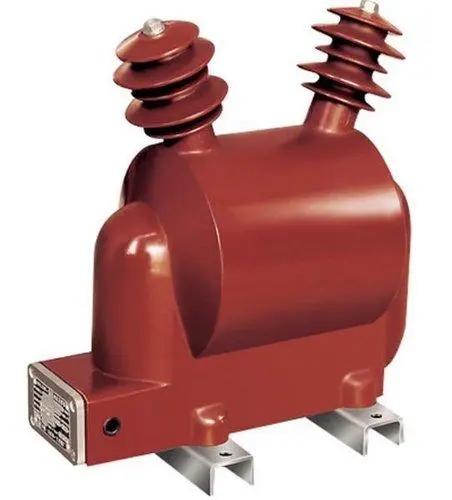
Current transformers come in several main types. Each type has a unique design and fits different uses in electrical systems. The three most common types are wound, bar, and window types.
Wound Type
A wound-type current transformer has both the primary and secondary windings wrapped around a laminated core. The primary winding connects in series with the circuit that needs measuring. This design gives high accuracy and strong electrical isolation. Power plants and factories often use wound types for precise energy measurement and billing. The design can handle low and medium voltages. Over time, engineers have improved these transformers by adding split-core options for easier installation. Split-core wound types allow technicians to install them without disconnecting wires, but they may lose a little accuracy.
The primary winding can be a thick wire or a bus bar.
The secondary winding has many turns to reduce the current for safe measurement.
Wound types work well in places where accuracy is very important.
Bar Type
Bar-type current transformers use a solid bar as the primary winding. The bar passes straight through the core. This type is strong and can handle very high currents. Substations and heavy industries use bar types because they work well in harsh environments. Bar types also offer good accuracy, even at low currents. Some new designs, like Encompass CTs, keep their accuracy over a wide range of currents and are lighter than older models. These transformers help protect equipment and support energy management in large power systems.
Bar type CTs are popular for their reliability and easy replacement in power grids.
Window Type
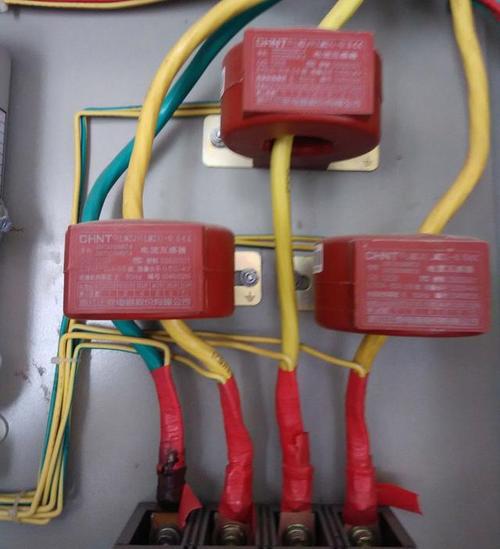
A window-type current transformer, also called a toroidal type, has a ring-shaped core with an open center. The conductor carrying the current passes through the center, like threading a needle. This design makes installation simple, especially in tight spaces. Window types are common in commercial buildings and smart meters. They save space and do not need the circuit to be disconnected during installation.
Below is a table comparing the main types:
Current Transformer Type | Key Advantages | Typical Applications | Performance/Market Insights |
|---|---|---|---|
Wound Type | High accuracy, strong isolation | Industrial and commercial metering | Used for precise billing and energy management |
Bar Type | Robust, handles high current, reliable | Substations, power generation, heavy industry | Preferred for harsh conditions and grid modernization |
Window (Toroidal) Type | Compact, easy to install, space-saving | Smart meters, commercial/residential metering | Popular for retrofits and smart energy monitoring |
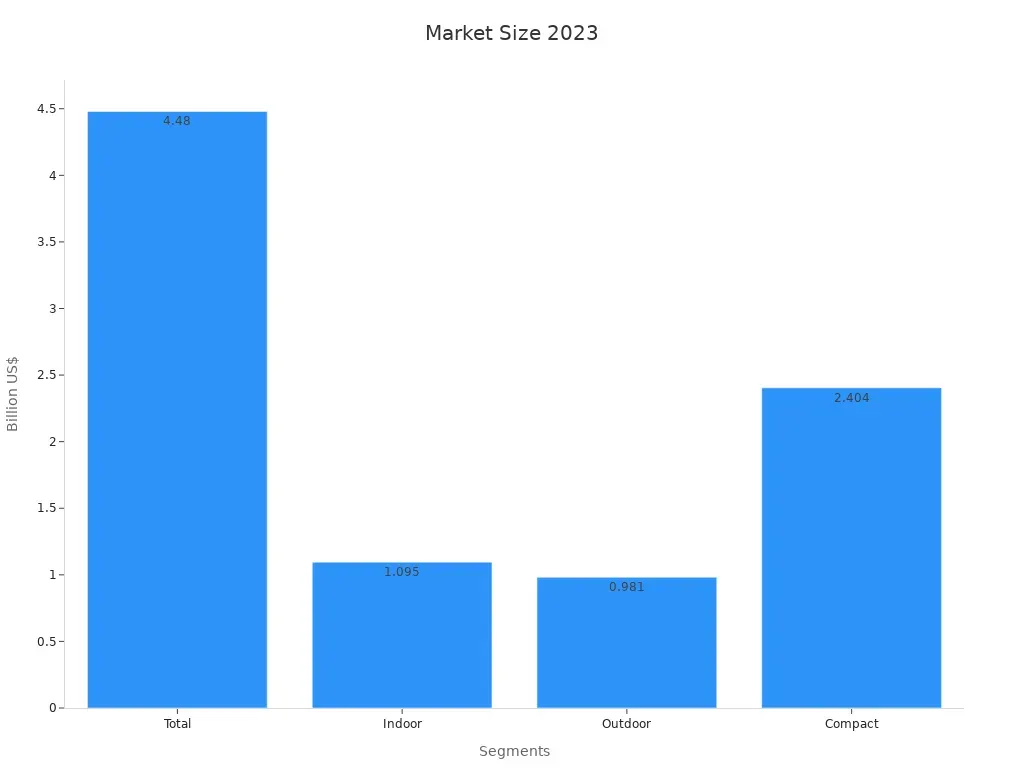
Technological advances and energy regulations drive the demand for all types of current transformers, especially in smart grids and modern power systems.
Applications
Measurement
Electricians and engineers use current transformers to measure high currents safely. These devices reduce large currents to smaller values that standard meters can handle. This process protects both the measuring instruments and the people using them. The structure of a current transformer includes a magnetic core and two windings. The primary winding carries the high current, while the secondary winding delivers a lower, proportional current to the meter. International standards, such as those from the IEC, set strict rules for accuracy. These standards help ensure that measurements remain reliable, even when conditions change. The IEEE C57.13 standard also guides how to calculate the total burden, which affects measurement accuracy. Proper selection and installation of current transformers play a key role in electrical system design.
Accurate measurement keeps power systems safe and helps prevent costly mistakes.
Protection
Current transformers play a vital role in protecting electrical systems. They connect to protective relays that watch for problems like short circuits or overloads. When a fault happens, the transformer sends a scaled-down current to the relay. The relay then acts quickly to disconnect the faulty part of the system. This fast response prevents damage to equipment and reduces the risk of fire or injury.
High accuracy ensures that relays detect faults right away.
Industry standards, such as IEC and ANSI, set performance benchmarks for these transformers.
Engineers choose transformers based on current rating, accuracy class, and core material.
Regular testing and recalibration keep the system reliable over time.
Many power plants and substations rely on these devices to keep operations safe and efficient.
Monitoring
Power companies use current transformers for continuous monitoring of electrical networks. Over the years, monitoring technology has improved a lot:
1. In the 1970s, engineers started using sensors to measure current, voltage, and temperature in real time.
2. By the 1980s, these sensors were connected to SCADA systems, allowing for better control and faster alerts.
3. The 1990s brought advanced sensors and new ways to check insulation and detect faults.
4. In the 2000s, data analytics tools helped spot trends and diagnose problems from a distance.
5. The 2010s saw the rise of cloud platforms and smart sensors for better data collection.
6. Today, artificial intelligence and digital twins help predict failures before they happen.
Modern monitoring systems use current transformers to gather data, spot problems early, and keep the power grid running smoothly.
Benefits and Safety
Electrical Isolation
Electrical isolation protects people and equipment from dangerous voltages. When a transformer isolates the measuring circuit from the high-voltage power line, it reduces the risk of electric shock. A safety incident after Hurricane Katrina showed the importance of full isolation. A lineman received a severe shock because a nearby fault caused a voltage rise on the neutral conductor. Even with standard isolation and grounding, the lack of total isolation led to danger. This event highlights why transformers must provide complete separation and why workers must test for the absence of voltage before starting work. OSHA regulations require total isolation of all energy sources to keep workers safe.
Seismic studies also show that isolation systems protect transformers during earthquakes.
Horizontal and three-dimensional isolation systems lower the chance of failure.
Special isolation systems reduce shaking and movement, which helps prevent damage.
Field records and tests confirm that isolation systems make transformers safer and more reliable.
Proper electrical isolation saves lives and prevents costly equipment damage.
Accuracy
Accurate measurement is essential for safe and efficient power systems. Calibration standards, such as IEC 61869-2 and IEEE C57.13, set strict rules for transformer accuracy. These standards define accuracy classes like 0.2, 0.5, and 1.0. Metering transformers often use classes 0.2 or 0.5 for high precision. Protection transformers may allow higher errors, such as class 1.0 or 5.0. Calibration involves checking the ratio error and the phase angle error with special equipment. Regular calibration ensures that transformers continue to provide correct readings.
Accuracy Class | Accuracy Limits (Ratio Error) | Phase Angle Error | Notes |
|---|---|---|---|
±0.3% at 100% and 120% rated current | ±0.25° (15 minutes) from 1% to 120% rated current | Meets IEEE C57.13 and IEC 61869-2 class 0.5S | |
Class 0.5 | ±0.50% from 1% to 120% rated current | ±0.25° (15 minutes) | Typical metering accuracy |
Class 1.0 | Standard grade, meets IEC 61869-2 class 1.0 limits | Not specified | Standard accuracy for general use |
High accuracy helps prevent errors in billing, protection, and monitoring.
Safe Use
Safe use of transformers depends on careful procedures and trained operators.
Always check that warning lights are off before touching equipment.
Connect the ground clip first and handle only insulated parts.
Keep the test area neat and avoid crossing test leads.
Use interlocked fixtures and follow all documented procedures.
Inspect all leads for damage before testing.
Use performance verification devices to check equipment regularly.
Train all staff in emergency procedures, such as CPR for electrical accidents.
Following these steps reduces the risk of accidents and keeps everyone safe.
Selection
Choosing a Current Transformer
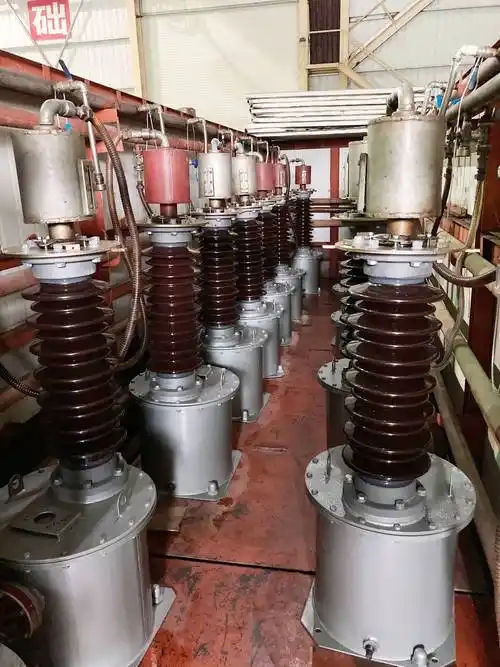
Selecting the right device for an electrical system requires careful planning. Engineers start by checking the nameplate information. They look for the number of cores, protection, metering classes, taps, rated currents, and thermal ratings. Each detail helps match the device to its job.
Before installation, experts follow strict testing steps. They use primary injection testing to check performance. They also test the secondary circuit for good connections and verify polarity. Safety checks include making sure the secondary is never open-circuited during operation. A final visual inspection and tightening of terminals helps prevent future problems.
Tip: Always follow the latest IEC or IEEE standards for the best safety and accuracy.
Key Considerations
Many factors influence the choice of device for different applications. Market analyses and technical reviews highlight these important points:
Efficiency matters most, especially for high-frequency uses. Devices with over 95% efficiency save energy.
Size and weight affect installation. Smaller models can reduce system size by up to 20%.
Good thermal management extends lifespan and reliability.
Material choice, such as ferrite or cobalt-based alloys, changes efficiency and heat performance.
New technologies, like advanced ferrite cores and PCB transformers, help save space and improve design.
After-sales support and warranty options keep systems running longer.
Market growth comes from renewable energy, electric vehicles, and advanced electronics.
Supply chain strength ensures quick delivery and system upgrades.
Details and Impact on Selection | |
|---|---|
Application Segmentation | Protection, Metering, Control, Power Quality, Transient Analysis |
End-User Segmentation | Utilities, Industrial, Commercial, Residential |
Market Restraints | Economic uncertainty, material price changes, competition, regulations, and installation complexity |
Technological Developments | Digital substations, sensor technology |
Regulatory Standards | Compliance with ANSI, IEC, and local rules |
Installation & Maintenance | Needs skilled workers; complexity affects reliability |
Environmental Concerns | Demand for eco-friendly, efficient, and recyclable materials |
Market Segmentation by Type | Wound, Toroidal, Bar, Specialty types with different accuracy and size |
Comparative studies show that IEC and IEEE standards guide the selection process. IEC standards work best for global projects and when accuracy limit factors are needed. IEEE standards fit North American systems and use different classes for protection and metering.
Industry experts warn that improper specification can cause equipment failure or extra costs. They recommend checking the accuracy limit factor, rated burden, primary and secondary ratios, and construction type. Space limits in switchgear and core size also affect the final choice.
Note: Always review the latest standards and consult with experts before making a final decision.
A current transformer helps people measure and protect electrical systems safely. Key parts like the core and windings work together to give accurate readings. Different types fit many uses, from homes to factories.
These devices improve safety by isolating high voltage.
They detect overloads and faults, helping prevent damage.
Proper installation and regular checks keep them reliable.
Tip: Always match the transformer type and rating to the job for the best results.
FAQ
What happens if someone opens the secondary circuit of a current transformer?
Opening the secondary circuit can cause a dangerous high voltage. This voltage may damage equipment or harm people. Always keep the secondary circuit closed or connected to a load.
How does a current transformer differ from a voltage transformer?
A current transformer steps down the current for measurement. A voltage transformer steps down the voltage. Both devices provide electrical isolation, but they serve different purposes in power systems.
Can a current transformer measure direct current (DC)?
A current transformer cannot measure direct current. It only works with alternating current (AC). The device relies on changing magnetic fields, which DC does not produce.
Why do engineers test current transformers regularly?
Regular tests help find faults early. Engineers check accuracy, insulation, and connections. These checks keep the system safe and reliable.
What does "burden" mean in current transformer applications?
The burden is the total load connected to the secondary winding. It includes meters, relays, and wiring. Too much burden can lower accuracy and cause errors in readings.