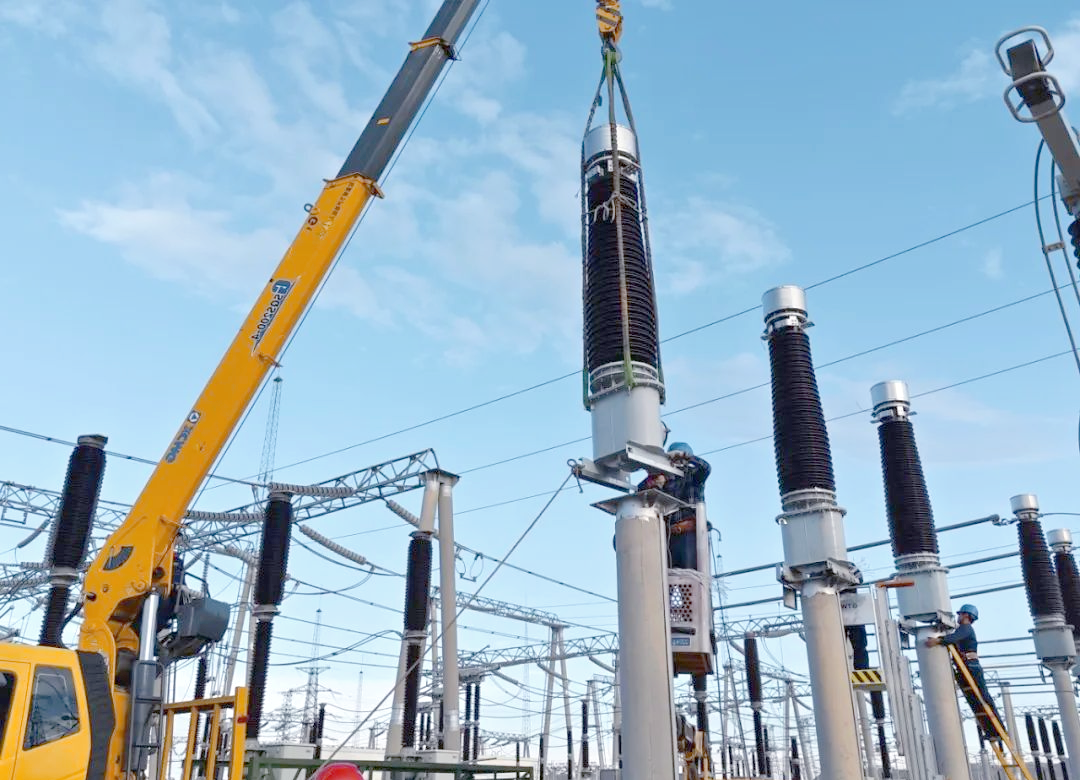
In any power system, the Current Transformer (CT) acts as the "eyes" for both measurement and protection. A CT's accuracy class is a direct indicator of its reliability in these critical functions. As an electrical engineer, I often see clients run into trouble because they overlooked this detail, leading to inaccurate energy billing or, worse, failed protection during a fault.
This guide will combine real-world examples with industry standards to explore the meaning and use of CT accuracy classes. I'll cover their application in both metering and protection scenarios, providing practical advice on selection and maintenance.
What Exactly Is a CT Accuracy Class?
The Accuracy Class is a metric that defines the measurement error of a CT under specific operating conditions. Commonly used classes include 0.1, 0.2, 0.5, 1, 3, and 5 for metering, and 5P, 10P, 5P20, and 10P20 for protection.
Metering CTs are designed for high precision, ensuring accurate energy billing and consumption data. Conversely, Protection CTs are built to remain stable under high-current fault conditions, which guarantees that protective relays can operate reliably.
As an example, if a utility company installs a Class 0.2 CT, it means the current measurement error won't exceed ±0.2% under rated conditions. This is crucial for precise billing. For relay protection, however, a 5P20 CT is a better fit, as it guarantees the error remains within acceptable limits even at 20 times the rated current.
The IEC Standard and Accuracy Class Breakdown
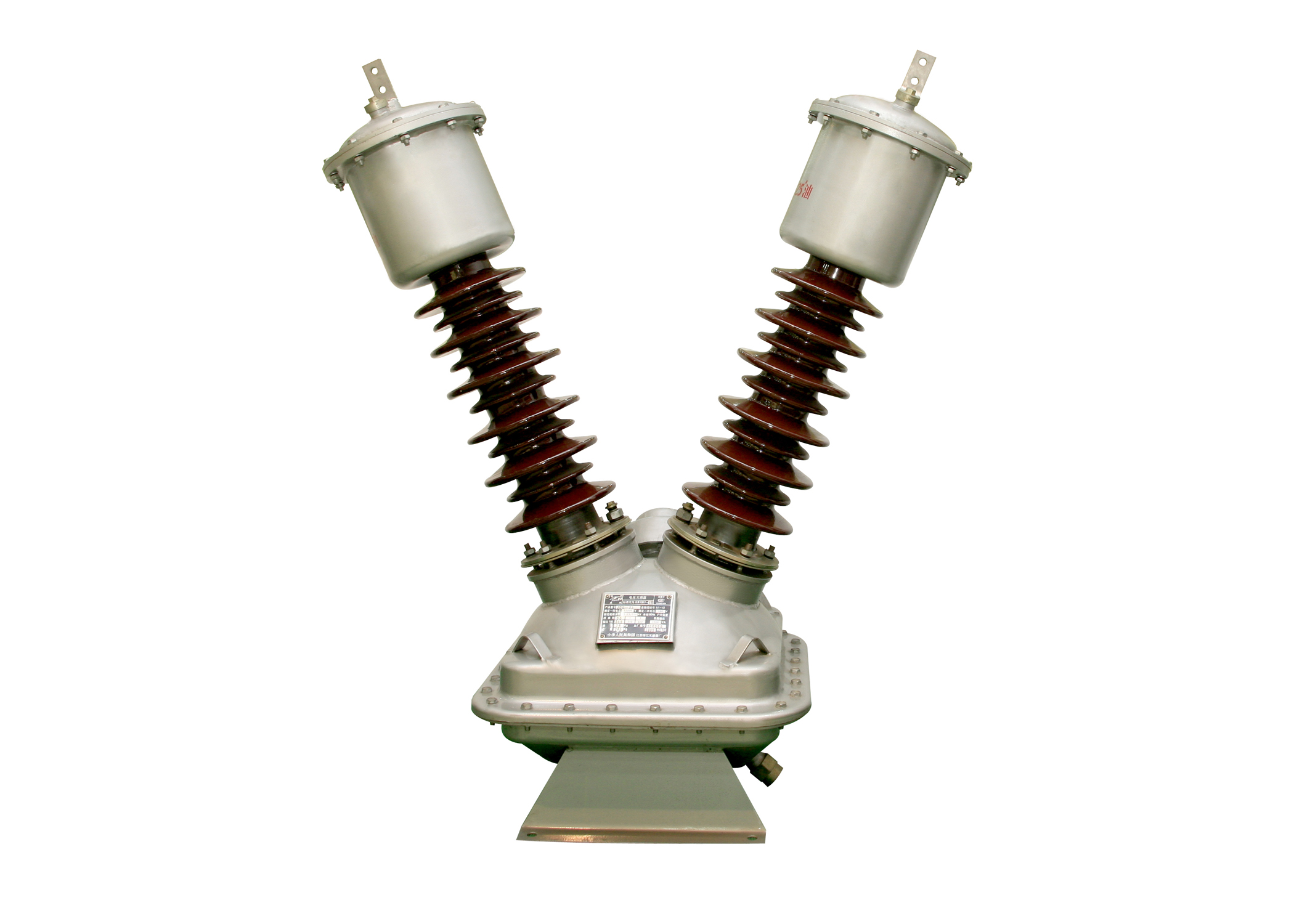
The International Electrotechnical Commission (IEC) sets clear standards for CT accuracy classes, specifically within the IEC 61869 series. Here’s a simple comparison of the common classes.
⚡ Key Difference: Think of a metering CT as a "precision scale"—it has to be absolutely accurate. A protection CT, on the other hand, is a "critical alarm"—it must never fail to sound the alert when it matters most.
A Visual Aid to Understanding Accuracy Classes
To get a better visual sense of the differences between various accuracy classes (like 0.2s, 0.5, and 5P), watch the video below. The content clearly explains the concepts and showcases why different CTs are needed for different jobs.
The video will illustrate error ranges for metering classes such as 0.2, 0.5, and 1.0. It also contrasts this with the performance of protection CTs during a major fault. By combining this video with the information in this article, you’ll get a comprehensive understanding of why a single substation might need CTs of different accuracy classes.
Common Mistakes & Engineering Case Studies
Mistake #1: Believing a high-precision CT can handle both protection and metering.
Many engineers mistakenly assume that a "Class 0.2s CT has the highest accuracy, so it must also be reliable for protection." In reality, these high-precision CTs are prone to saturation under large fault currents. This can cause the protective relay to fail.
Case Study:
A factory used a single Class 0.2s CT in its 10kV switchgear to handle both metering and a protective relay. When a short circuit occurred, the CT quickly saturated, distorting the secondary current and causing the relay to delay its trip. The result was severe damage to the busbar equipment, which was later resolved by installing a dedicated 5P20 CT for the protection circuit.
Mistake #2: Focusing only on the rated current and ignoring the burden (VA).
A CT's accuracy is also heavily dependent on its secondary burden, which includes cable length and meter power consumption. If this load exceeds the CT’s rated burden, even a Class 0.2 CT can lose its precision.
How to Select the Right CT Accuracy Class
1. Determine the Application:
For metering and billing, choose high-precision classes like 0.2 or 0.5.
For protection, select a protection class like 5P or 10P.
2. Consider the System's Short-Circuit Current:
For systems with high fault currents, such as main substation busbars, it is highly recommended to choose 5P20 or 10P20.
3. Balance Economics and Safety:
For typical industrial applications, select a Class 0.5 CT for billing points and a 5P20 CT for protection points.
For high-accuracy needs, like in a financial data center, a Class 0.2s metering CT is a good choice.
Maintenance and Inspection for CTs
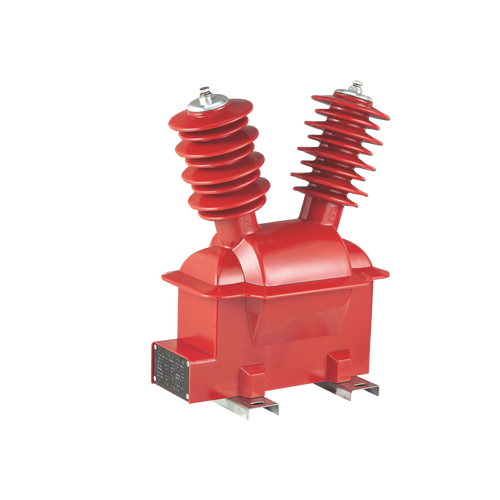
Choosing the right CT is only the beginning; regular inspection is just as vital.
Annual Checks: Use a standard instrument to check the CT's secondary output error.
Visual Inspection: Look for damaged insulation, loose wiring, or signs of overheating.
Routine Calibration: Schedule periodic calibration to prevent accuracy degradation over time due to magnetic field weakening.
Frequently Asked Questions (FAQ)
Q1: What's the difference between a Class 0.2 and 0.5 CT?
A1: A Class 0.2 CT has a maximum error of ±0.2%, while a Class 0.5 is ±0.5%. For high-consumption customers, this difference can lead to significant long-term billing discrepancies.
Q2: Why should I choose a 5P20 protection CT?
A2: The "20" in 5P20 stands for the accuracy limit factor. It ensures the CT's error remains within the acceptable range (±5%) at 20 times the rated current, preventing the protective relay from failing during a short circuit.
Q3: Can a metering CT be used for protection?
A3: No, it cannot. High-precision CTs are designed for linearity and are highly susceptible to saturation under high current, which can lead to a failed protection trip.
Q4: How do I calculate the CT's secondary burden?
A4: Secondary burden is the sum of the power consumption from the cables and the connected meters. This total must be less than the CT's rated burden, or it will be overloaded and lose accuracy.
Q5: How do I know when a CT needs to be replaced?
A5: You should replace a CT if its output error exceeds the standard, its insulation shows signs of aging, or it runs abnormally hot during operation.
Final Thoughts
As an electrical engineer, I can't stress this enough: choosing the right CT accuracy class is essential for fair billing and system safety. In practice, metering and protection often require separate CTs working in parallel. Don’t try to use a single device for both to save money.
Through this guide and the accompanying video, I hope you now have a clear understanding of CT accuracy classes, selection principles, and maintenance best practices.
Phone: 86-0577-62788197
WhatsApp: +86 159 5777 0984
Email: thor@weishoelec.com