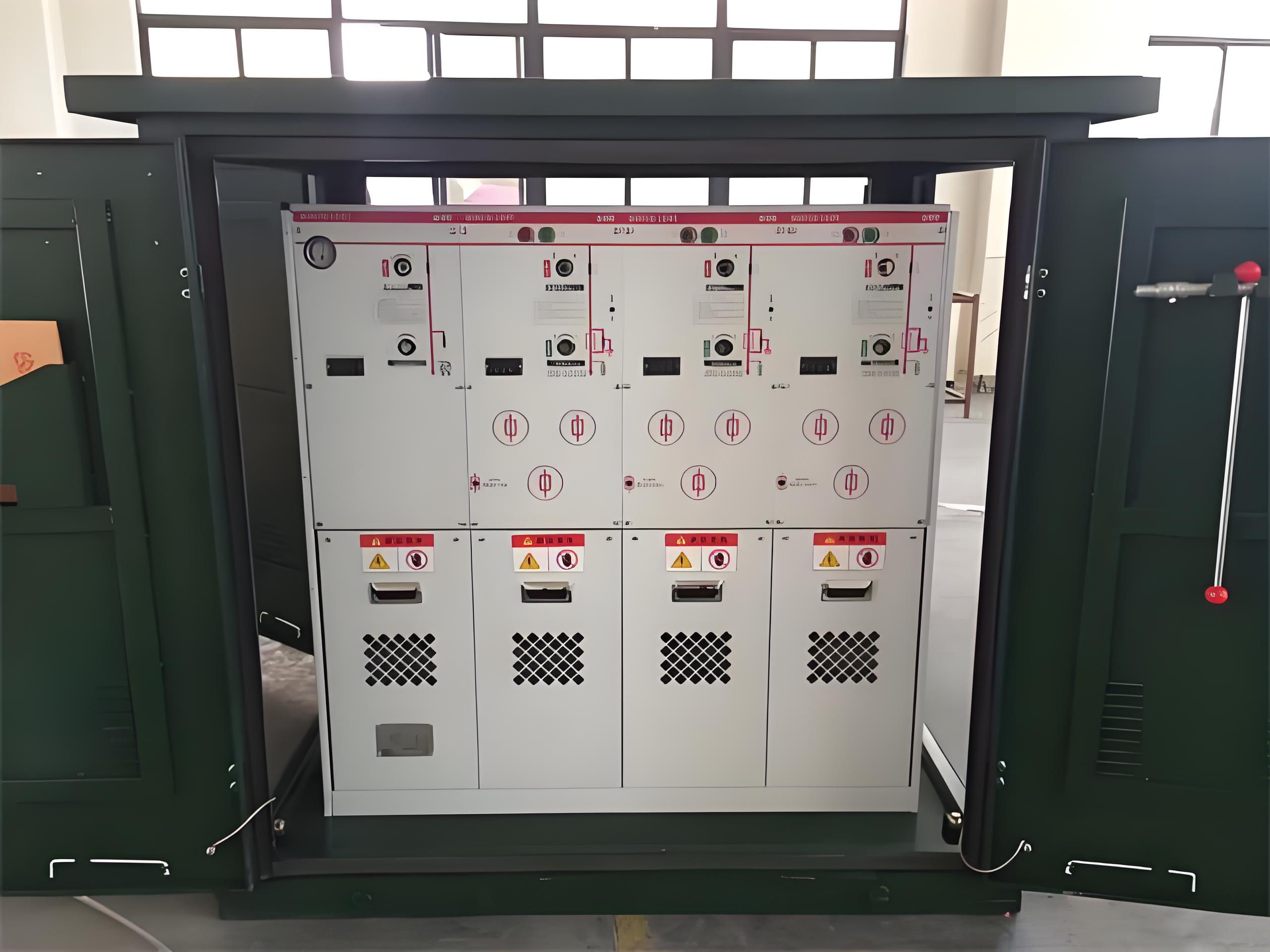
By: Thor, Senior Electrical Engineer at Weisho Electric Co., Ltd.Thor specializes in R&D and overseas technical support for high-voltage cable junction boxes and other power distribution equipment. He's deeply familiar with electrical standards and application needs in Europe and North America, dedicated to providing global clients with tailored "Made in China" equipment solutions.
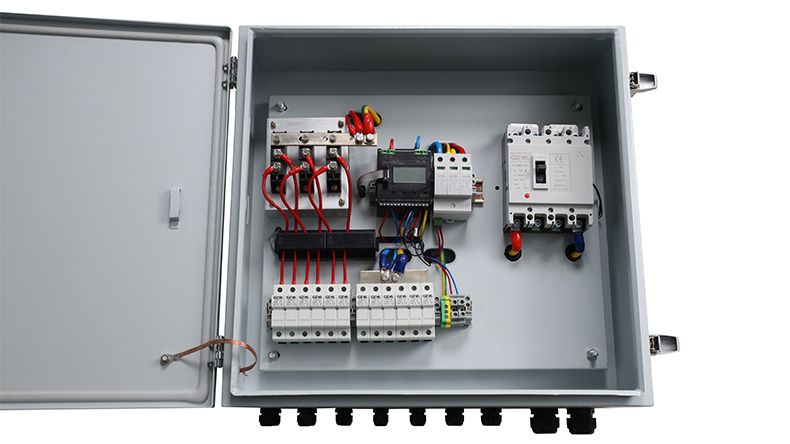
As an electrical engineer at Weisho Electric, I know how crucial the selection and application of cable junction boxes are when serving clients in Europe and overseas markets. Based on DL/T 1263-2013, the technical specifications for 12kV–40.5kV Cable Junction Boxes, these devices are designed around cables and cable accessories. They're specifically for distributing and feeding electrical power.
You need to remember two key characteristics of these boxes:
They're primarily used at the terminal ends of urban power grids, acting like the capillaries of a city's electrical network to ensure precise power delivery.
They don't have secondary functions like control, measurement, or protection. This is their most significant distinction from other power distribution equipment, meaning their role is focused purely on connection and distribution.
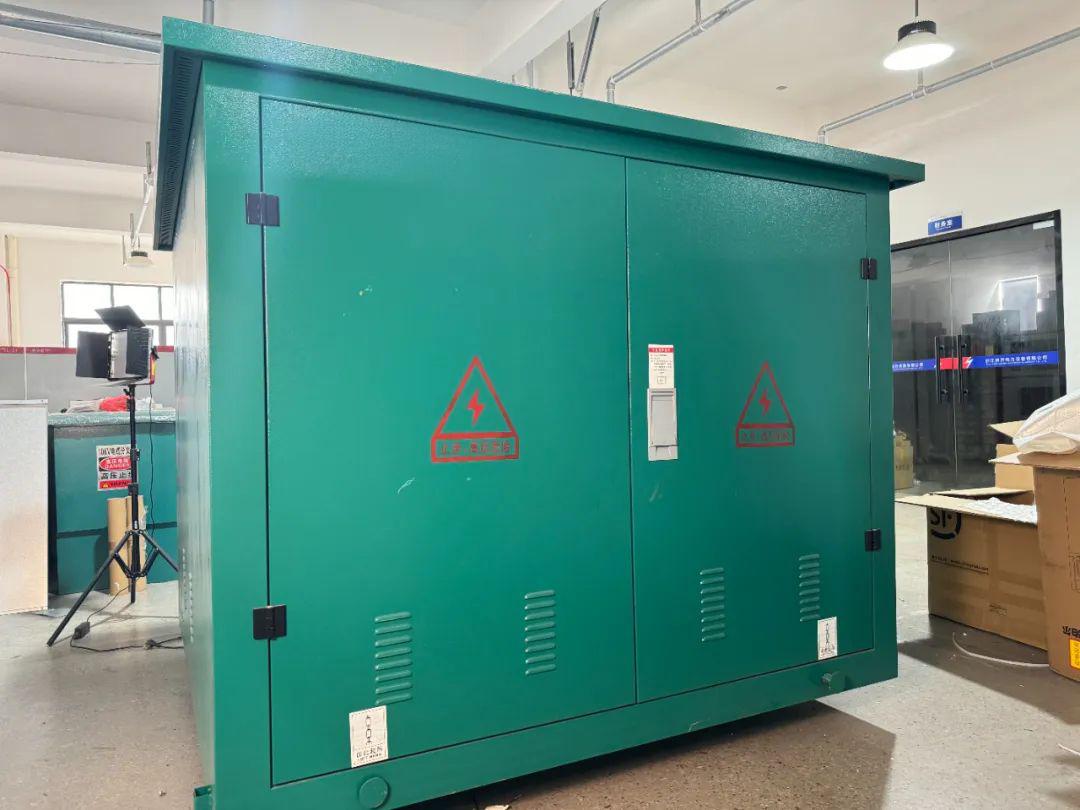
In 10kV power distribution cabling projects, high-voltage cable junction boxes are increasingly replacing traditional overhead lines. Our company's high-voltage cable junction boxes, featuring fully insulated and sealed designs, operate reliably in harsh conditions like rain, snow, or sandstorms. This significantly reduces line fault rates, earning recognition from clients across Europe and other international markets.
These boxes offer flexible connection options and can even replace ring main units in many scenarios. When necessary, they can be installed underground or submerged in water. This saves on equipment and cable investment while dramatically boosting power supply reliability. That’s why you’ll often spot them in commercial centers, industrial parks, and densely populated urban areas.
Understanding Box Structure: Key Components & Installation Details
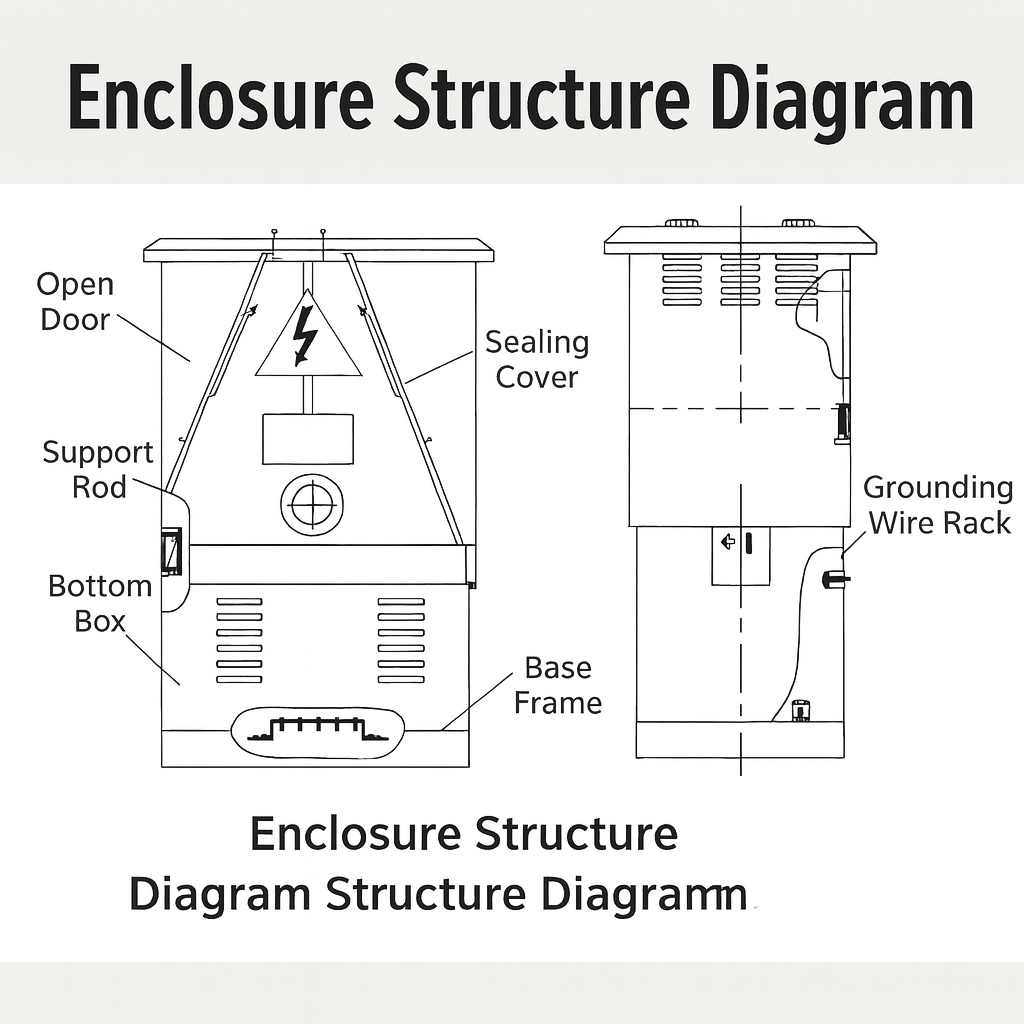
When you look at the structure of a European-style junction box, you'll find these crucial components:
Access Door: Provides easy access for daily operation and maintenance.
Support Rods: Offer stable support for the upper section of the box.
Sealing Gasket: Ensures the integrity of the internal insulation.
Grounding Busbar: The core component for safe grounding.
Lower Box and Base Frame: Form the sturdy foundation of the equipment.
During installation, pay close attention to these details:
Size Matching: The dimensions of the branch box body (e.g., B-50, 20) must perfectly match your installation space.
Precise Pre-embedding: The 4-M12 anchor bolts must be precisely pre-embedded to ensure the equipment is firmly secured, leaving no room for error.
Cable Trench Clearance: The opening width of the cable trench (W-150) needs sufficient space to easily run incoming and outgoing cables.
Water Deflector Check: The 8+100 water deflector design effectively prevents rainwater backflow. This is a critical point to check for outdoor installations.
Grounding Busbar Connection: Ensure the grounding busbar connection complies with specifications. Dimensions like L1 and L2 will help you accurately position each component.
If you have any questions during installation, don't hesitate to call us at +86-0577-62788197. Our team is ready to provide expert support.
Pinpointing Differences: 8 Main Types of Junction Boxes
To accurately select the right junction box, you must understand the features and applications of each type.
1. Indoor Terminal Cable Junction Box
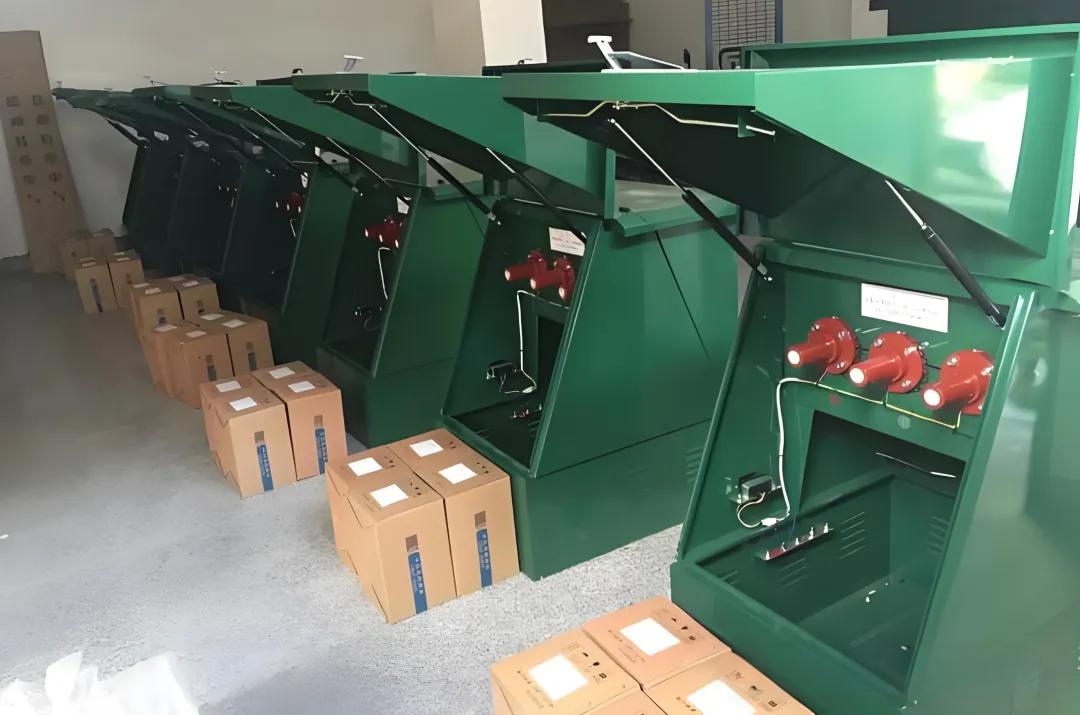
Insulation Type: Features full air insulation, meaning high-voltage connection fittings are exposed.
Conductor Connection: Primarily uses fixed bolt connections.
Operation Note: You must pay extra attention to safety clearances during operation to ensure personal safety.
Applications: Commonly found in smaller factory internal distribution networks where cost control is strict, meeting basic line branching needs.
2. Indoor Terminal with Insulated Cover Cable Junction Box
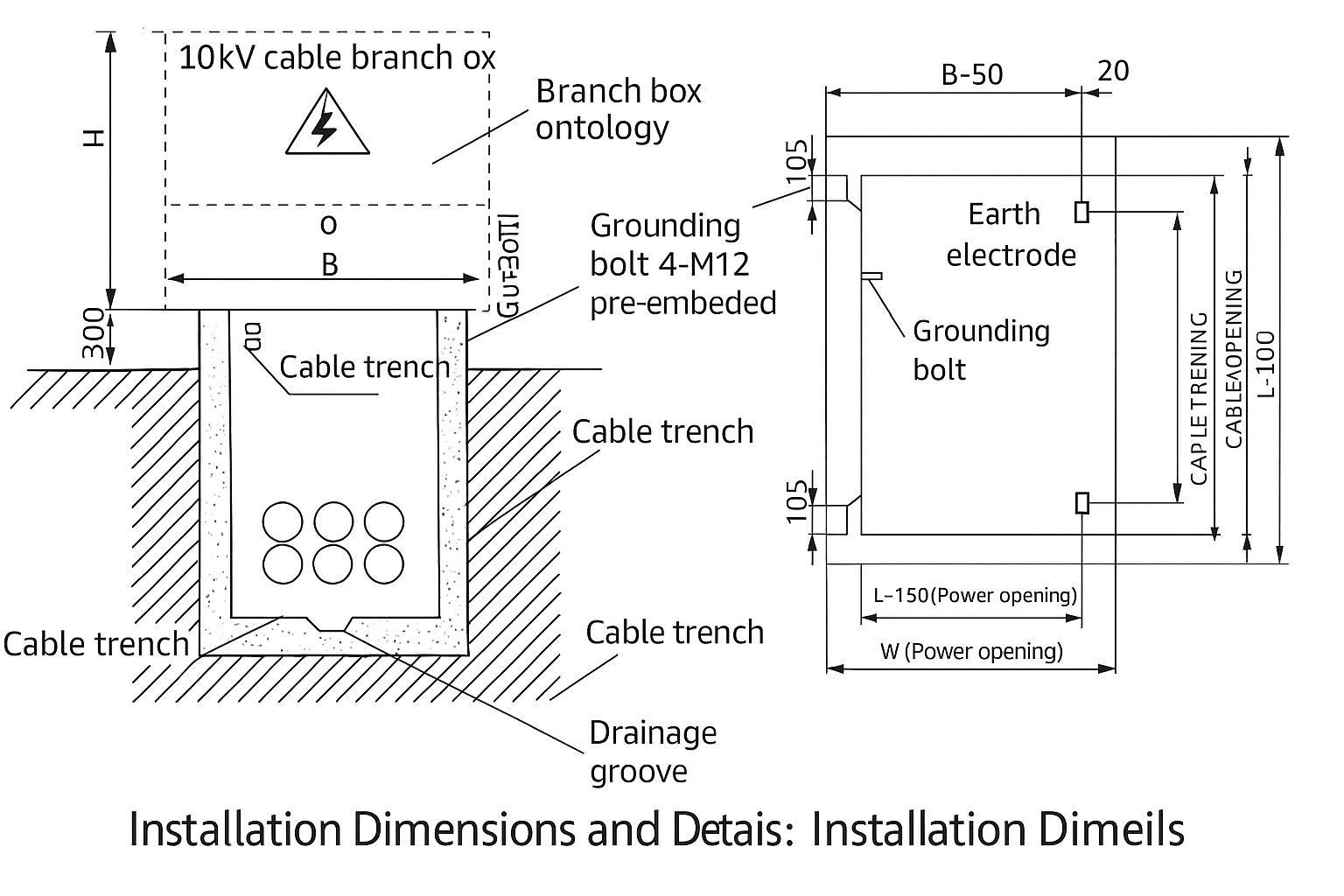
Insulation Type: Adds an insulating cover over the indoor terminal, used with specialized support insulators or bushings. This creates a series of solid and air insulation systems, so no high-voltage metal parts are exposed.
Conductor Connection: Still primarily uses fixed bolt connections.
Safety Advantage: Reduces your risk of electric shock during maintenance.
Success Story: A commercial district in a coastal city, facing high humidity and heavy salt spray, chose this fully insulated and sealed junction box. After five years of operation, there have been no corrosion-related failures, effectively ensuring a stable power supply for the commercial area.
3. Non-Shielded Separable Connector Cable Junction Box
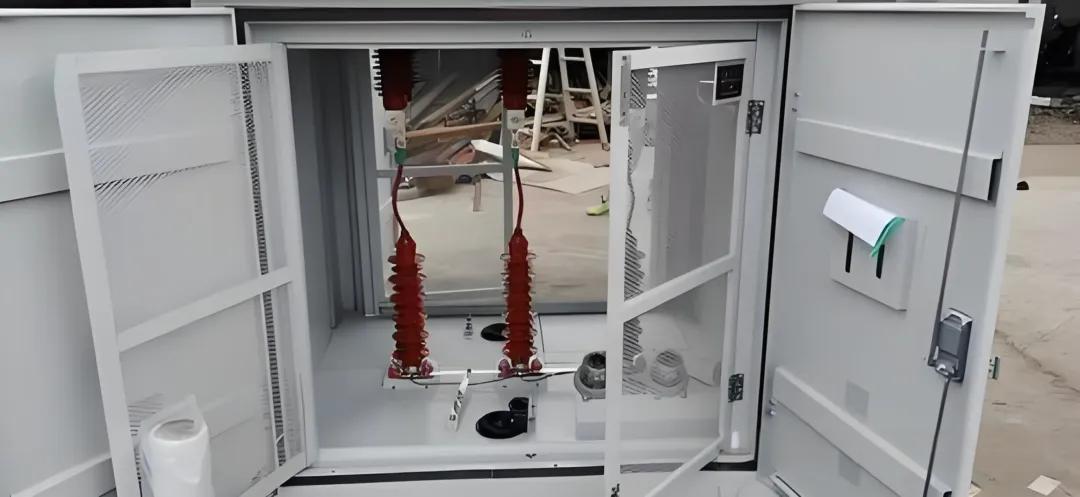
Connection Method: Uses a separable connector (composed of an insulating cover and a specialized bushing or support insulator) for connections.
Insulation Type: Solid and air series insulation.
Conductor Connection: Mostly bolt-fixed.
Installation Note: During operation, you need to pay special attention to the sealing of the connector installation to ensure reliable performance.
Applications: Suitable for medium-sized industrial parks where line layouts are relatively fixed, meeting basic line branching needs effectively.
4. Shielded Separable Connector Cable Junction Box
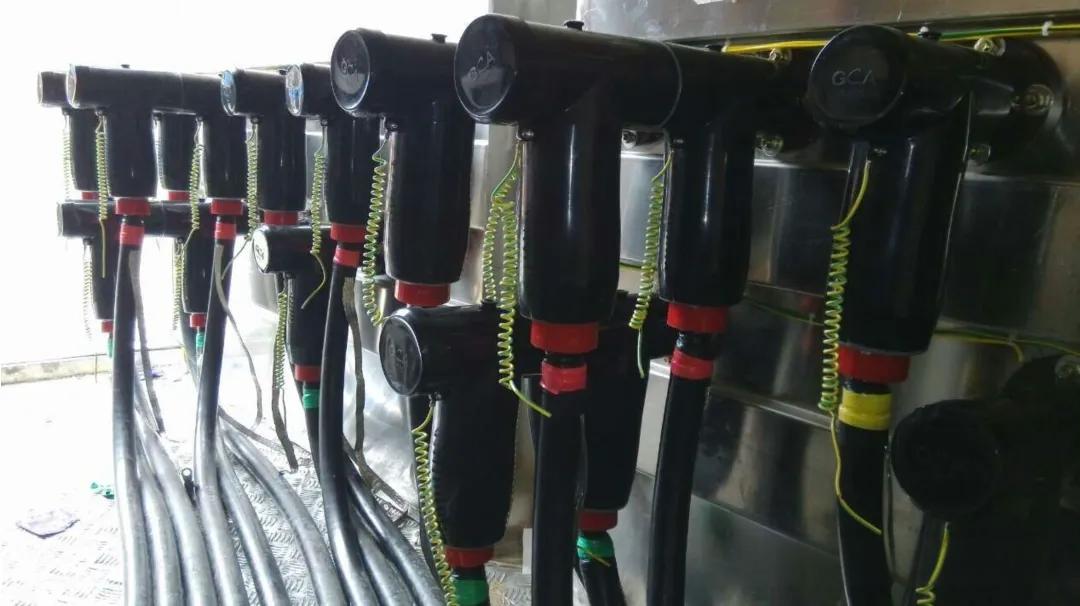
Safety: This is a safer type. When you touch the outer surface of its insulation, you’ll feel a conductive shielding layer (made by extrusion or spray coating), which ensures you won't get an electric shock.
Insulation Type: Employs full solid insulation.
Conductor Connection: You can choose between bolt-fixed or plug-in connections, with the latter significantly improving your wiring efficiency.
Success Story: A commercial center in Europe, with dense power consumption equipment and extremely high demands for power supply reliability, selected this type of junction box. Its full solid insulation and plug-in connection structure allowed for rapid adjustments to lines. When a large new amusement facility was added to a mall, the plug-in connections enabled quick line branching, restoring power in just one hour and avoiding commercial losses from prolonged outages.
If you’d like to learn more about the specific parameters of this type of junction box, feel free to contact me via WhatsApp: +86 159 5777 0984.
5. Non-Load Break Plug-in Cable Junction Box
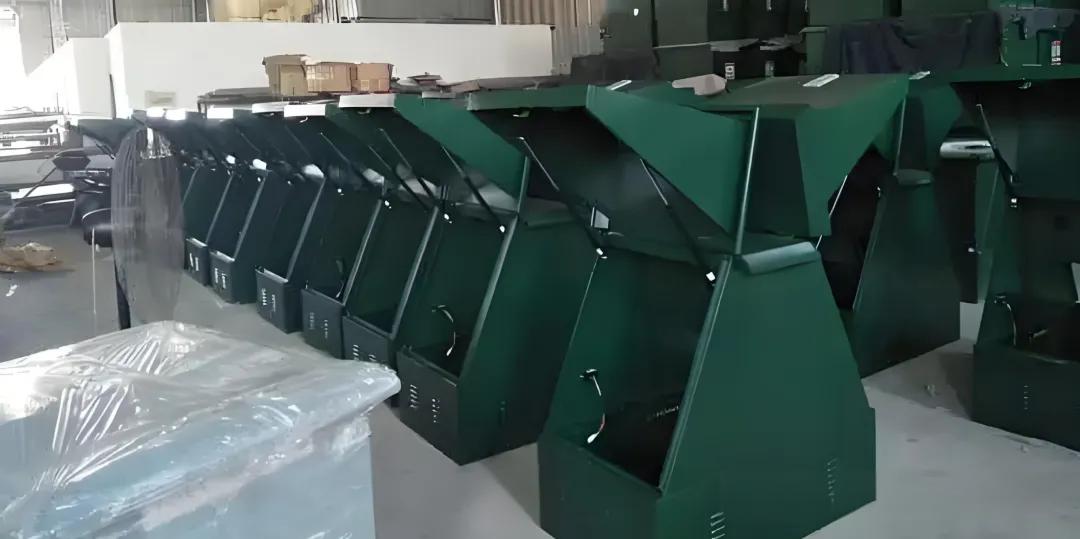
Operation Principle: When using this equipment, you must remember the principle of "disconnect power before operating."
Safety Prerequisite: The plug-in operation of its connectors can only be performed when the branch line is completely isolated from the power source. This is a critical safety prerequisite for you.
Applications: Some sites with extremely high safety requirements and infrequent line branching operations prioritize this type of junction box.
6. Load Break Plug-in Cable Junction Box
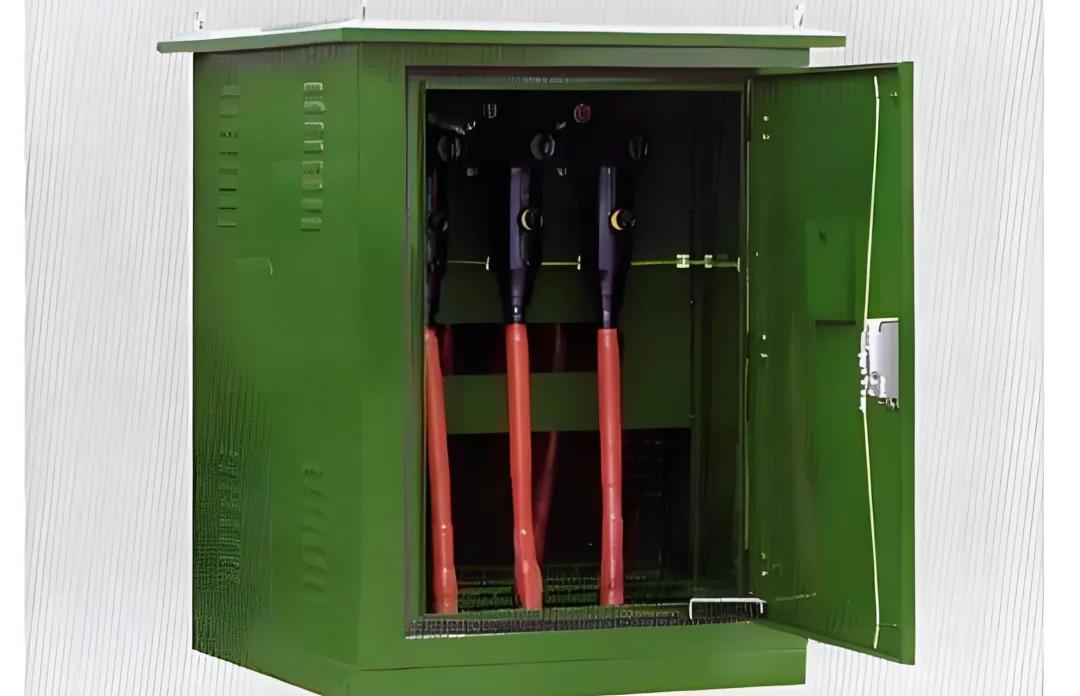
Operation Feature: This type allows you to perform plug-in operations while the branch line is still connected to the power source.
Usage Limitation: However, you must only open and close connections according to specified loads and operation cycles. Before operating, you need to confirm that the equipment's rated parameters match the current line load.
Success Story: Many businesses in an industrial park in Southeast Asia required frequent line branching. They adopted this type of junction box, which allowed them to perform branching operations for various companies without shutting down power. When an electronics factory needed to add a power circuit for expanded production, the connection was completed safely and efficiently in a live state using this junction box, ensuring continuous factory production.
7. Load Break Switch Cable Junction Box
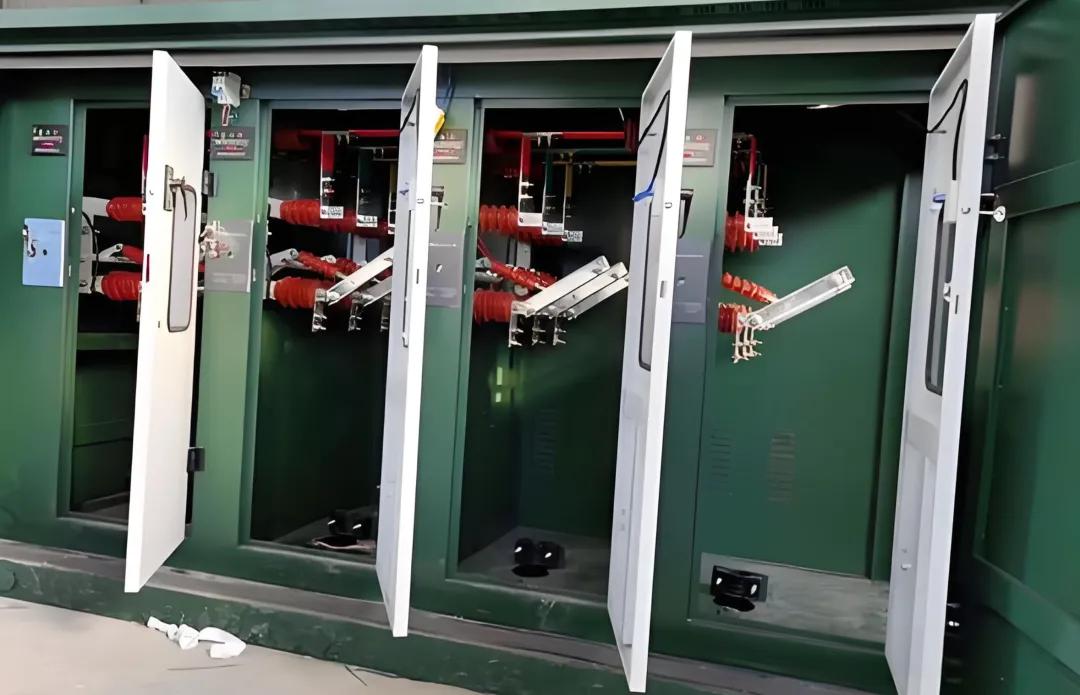
Core Function: When you need to perform routine on/off operations for branch lines, this box's load break switch comes in handy.
Performance Standard: Its performance complies with general load break switch standards, allowing you to complete normal connection and disconnection tasks.
Applications: This type of junction box plays an important role in power distribution scenarios that require regular line-on/off management.
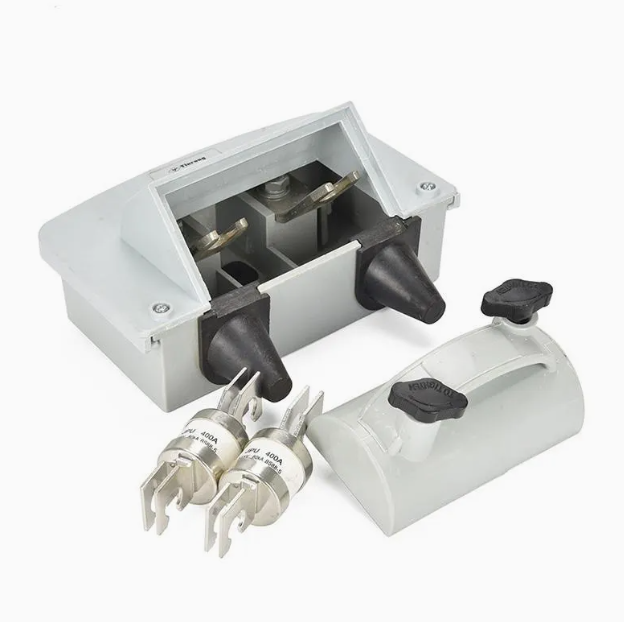
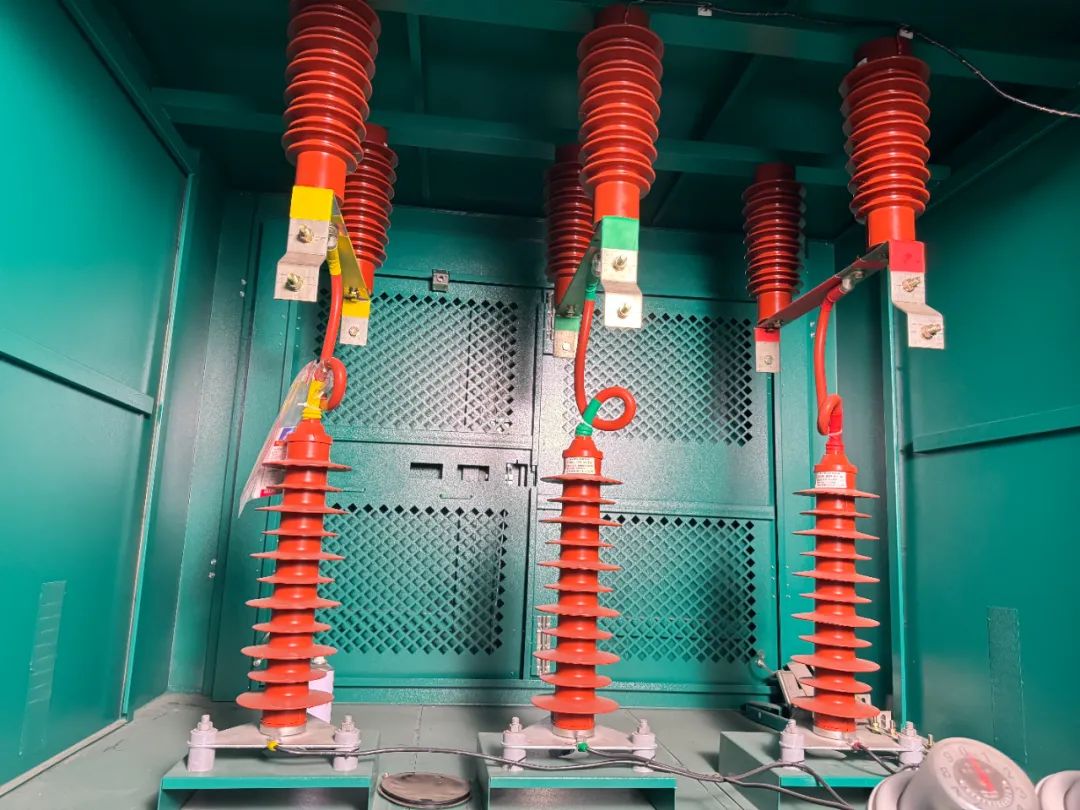
8. Load Break Switch with Fuse Cable Junction Box
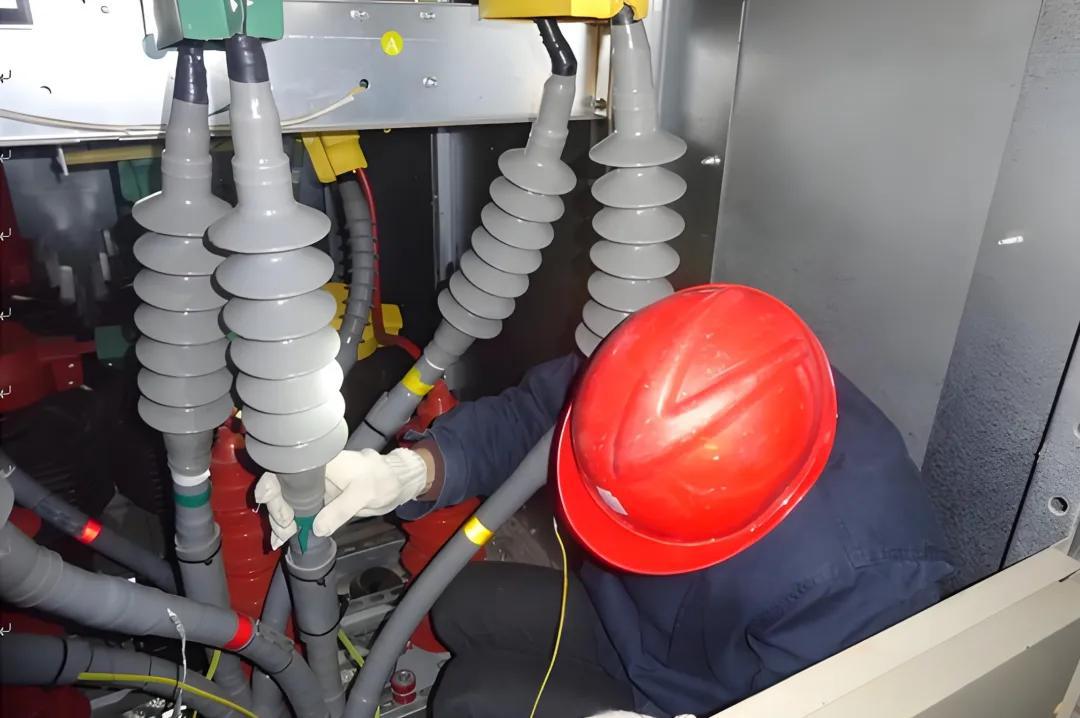
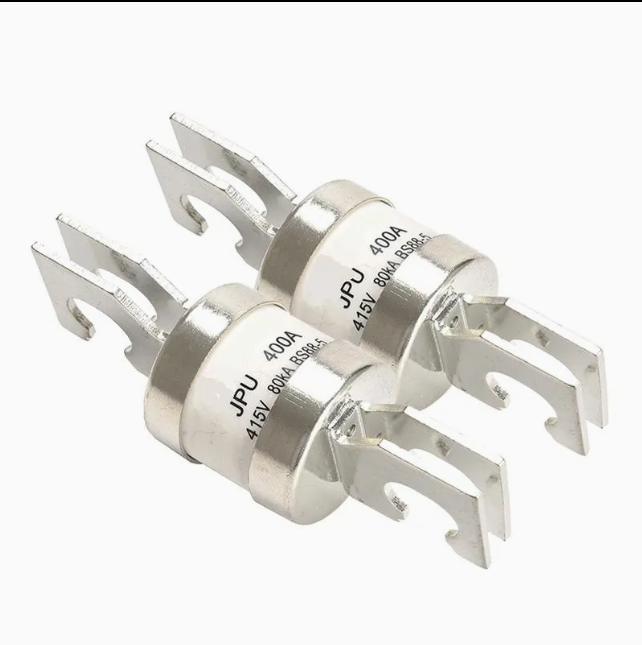
Dual Protection: You'll find this box's advantage when handling short-circuit faults. The load break switch handles routine operations, while the fuse can quickly disconnect short-circuit currents, providing more comprehensive protection for the line.
Success Story: A cold region in Northern Europe experiences harsh winters with temperatures dropping to -35℃. They selected this type of junction box, made with low-temperature resistant materials, and combined it with cold protection measures. The equipment continued to operate reliably even in extreme cold. During a heavy snowstorm, a line experienced a short-circuit fault, and the fuse in the junction box quickly activated, disconnecting the current, preventing the fault from escalating, and ensuring a normal power supply for nearby residents.
Routine Inspection and Maintenance: Your Responsibilities & Safety
As an operations and maintenance technician, you need to regularly inspect cable junction boxes. This is crucial for ensuring their long-term stable operation and your safety on the job.
Visual Inspection (Weekly): Check the box body for any damage or deformation, ensure the sealing gasket is tight, and confirm the water deflector is clear to prevent water ingress.
Grounding Inspection (Monthly): Use a ground resistance tester to measure the grounding busbar, ensuring the grounding resistance is ≤4Ω. This is a vital safeguard against electric shock.
Connector Inspection (Quarterly): Observe separable connectors for signs of overheating or aging, and check if bolt connections are loose. Re-tighten them if necessary.
Special Environment Maintenance: In coastal or industrial areas, you should increase inspection frequency. Thoroughly clean any salt spray or dust from insulating components to prevent flashovers.
If you discover any abnormalities, you should immediately de-energize the equipment and troubleshoot the fault. Remember, proper maintenance not only extends equipment lifespan but also ensures your safety during operations. If you encounter any technical difficulties during maintenance, you can email thor@weishoelec.com for assistance. We're always here to support you.
Frequently Asked Questions (FAQ)
Q: What are common cable junction box faults, and how can I identify them?
A: Common cable junction box faults include insulation aging, loose connections, moisture ingress, and overheating due to overload.
Insulation Aging/Damage: This might appear as cracks or discoloration on the cable or insulation surfaces due to long-term environmental exposure, UV light, or mechanical stress. It can lead to current leakage or short circuits.
Loose Connections: If terminal blocks or separable connectors inside the box become loose, it can increase contact resistance, leading to localized heating, tripping, or even burn marks.
Moisture Ingress: Especially for outdoor boxes, if the seal isn't tight or the water deflector is blocked, water can enter, causing internal components to corrode, leading to short circuits or reduced insulation performance.
Overheating due to Overload: When the current load exceeds the box's rated capacity, internal components can overheat. This manifests as abnormal heat from the box, a burning smell, or even scorching marks.
If you notice any obvious damage or deformation to the box exterior, or smell burning, or see signs of overheating/discoloration, you should immediately stop using the equipment and contact a professional for inspection.
Q: During cable junction box installation, what are the most common overlooked details?
A: The most frequently overlooked details during junction box installation often relate to the grounding system, cable bending radius, and reserved space.
Non-standard Grounding: Non-compliant grounding resistance, loose grounding wire connections, or insufficient safety distance between the grounding electrode and surrounding facilities can create risks of electric shock or equipment damage.
Excessive Cable Bending: If the bending radius is too small when running incoming and outgoing cables, it can damage the cable's insulation layer, affecting long-term operational reliability.
Insufficient Internal Space: Cluttered or overly cramped arrangements of internal cables and connectors not only hinder heat dissipation but also make future maintenance difficult, increasing the risk of faults.
Overlooking Waterproofing: For outdoor installations, checking the water deflector and box sealing is often neglected, leading to rainwater or moisture ingress that shortens equipment lifespan.
Always strictly follow manufacturer and local electrical code requirements for installation, paying particular attention to grounding, cable routing, and box sealing integrity.
Q: What key factors should I consider when selecting a cable junction box?
A: When making your selection, you need to consider several key factors:
Voltage Level and Rated Current: Ensure the box's voltage and current ratings match your power grid system.
Environmental Conditions: Based on the installation location (indoor/outdoor, high-humidity/cold, salt spray/dust), choose the appropriate ingress protection (IP) rating, temperature range, and corrosion-resistant materials.
Connection Method Requirements: Depending on branching frequency and whether live operations are needed, select fixed bolt-type, non-load break plug-in, or load break plug-in connectors.
Functional Needs: Determine if integrated functions like load break switches or fuses are required for routine line switching or short-circuit protection.
Box Structure and Dimensions: Ensure the box dimensions match your installation space and consider if its insulation type (e.g., full insulation, shielded) meets safety requirements.
International Standard Compliance: Especially for overseas projects, confirm the product complies with relevant international standards like IEC, UL, and CE.
Q: What additional protective measures are needed for cable junction boxes in extreme cold climates?
A: Even if the junction box itself uses low-temperature resistant materials, additional measures are still needed in extremely cold regions (e.g., below -35℃):
Insulation Measures: You can add insulation material to the exterior of the box or install small heating devices inside (being mindful of moisture prevention). This prevents internal components from being affected by extremely low temperatures.
Cable Pre-treatment: Before installation, ensure cables are kept at room temperature for sa sufficient time. This avoids cable hardening in low temperatures, which can make installation difficult or damage insulation.
Snow and Ice Removal: Regularly clear snow and ice around the box to prevent moisture infiltration or external pressure damage to the enclosure.
Specialized Accessories: Use cable accessories and sealing materials designed for low-temperature environments to ensure they maintain good performance in extreme cold.
Q: Do your cable junction boxes comply with electrical regulations in Europe and North America?
A: Our high-voltage cable junction boxes are designed and manufactured in strict compliance with relevant International Electrotechnical Commission (IEC) standards. For the European and North American markets, some of our products have been optimized and can meet regional certification requirements like UL and CE. At the initial stage of your project, we recommend you specify the exact country and region of application. Our technical team will then provide you with product solutions and technical support that fully comply with local electrical regulations.
Contact Us
Weisho Electric: Providing Reliable Connections for Global Power Systems
Author: Thor, Electrical Engineer at Weisho Electric
Phone: +86-0577-62788197
WhatsApp: +86 159 5777 0984
Email: thor@weishoelec.com
Website:
weishoelec.com
If you have any questions about selecting, installing, or maintaining cable junction boxes or if you need customized solutions, please contact the expert team at Weisho Electric today. We're ready to provide you with professional support.