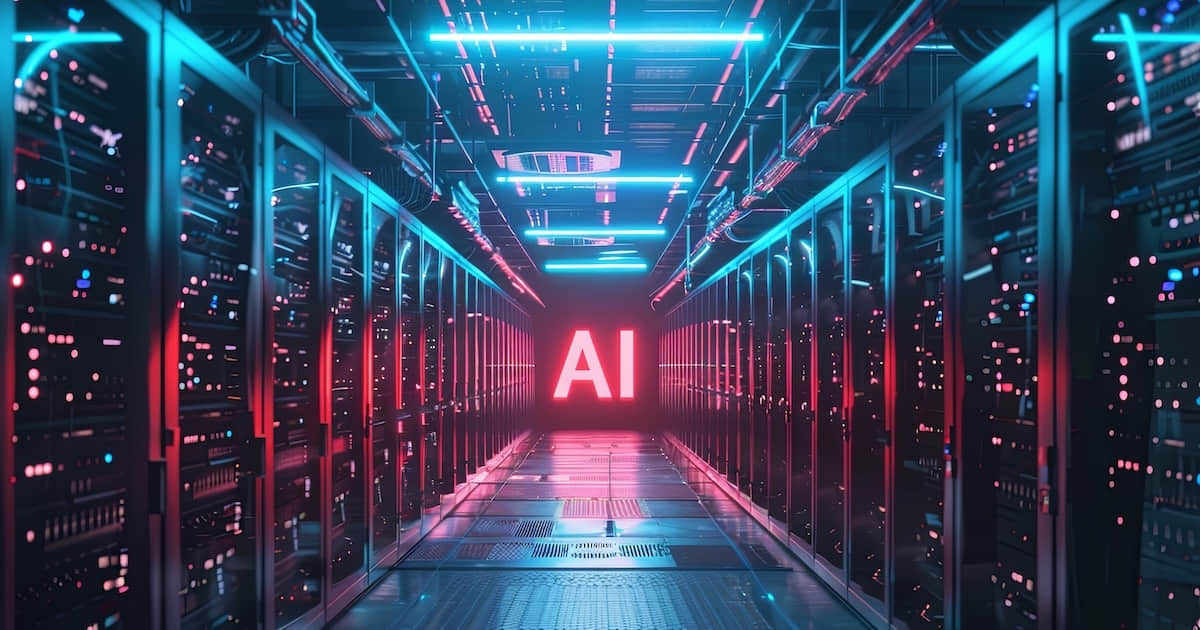
Introduction to Transformers in AI Data Center Power Distribution
The Critical Role of Transformers in AI Infrastructure
In the high-stakes environment of artificial intelligence, the electrical distribution system is just as critical as the processors it supports. Transformers serve as the backbone of power infrastructure, converting high-voltage utility power into the stable, usable currents required by sensitive server racks. At Weisho Electric, we recognize that the quality of power delivery directly impacts computational performance. Our high-performing transformers are engineered to act as the primary point of entry for energy, ensuring that massive electrical loads are stepped down efficiently while minimizing harmonic distortion. Without robust voltage regulation, the sophisticated hardware driving AI models faces a significant risk of damage or inefficiency.
How AI Power Demands Differ from Traditional Data Centers
AI workloads impose unique stress on power requirements that differ drastically from standard cloud storage or web hosting facilities. Traditional data centers typically see predictable, steady-state energy usage, whereas AI training and inference cycles generate rapid, massive fluctuations in energy consumption.
Dynamic Load Matching: AI processors can spike from idle to 100% utilization in microseconds, requiring transformers with exceptional transient response.
Thermal Density: The power density per rack in AI facilities is significantly higher, demanding transformers with superior cooling capabilities and thermal endurance.
Harmonic Handling: The non-linear loads of modern GPUs create complex harmonic profiles that standard transformers cannot manage effectively.
Weisho designs solutions specifically to handle these dynamic shifts, ensuring scalability and consistent performance under the extreme conditions of AI computation.
Ensuring 99.999% Uptime and Reliability for Computing Clusters
For AI training models that run for weeks or months, a momentary power interruption is catastrophic. Achieving reliability and redundancy is the ultimate goal for facility operators. Weisho transformers are built to support N+1 redundancy architectures, ensuring continuous operation even during maintenance or component failure. By utilizing premium insulation materials and precision-wound coils, we deliver a stable power supply that eliminates voltage sags and swells. Our commitment to electrical safety and rigorous in-house testing ensures that every unit provides the protection systems necessary to maintain 99.999% uptime, safeguarding both the hardware and the critical data it processes.
Understanding the Unique Power Characteristics of AI Workloads
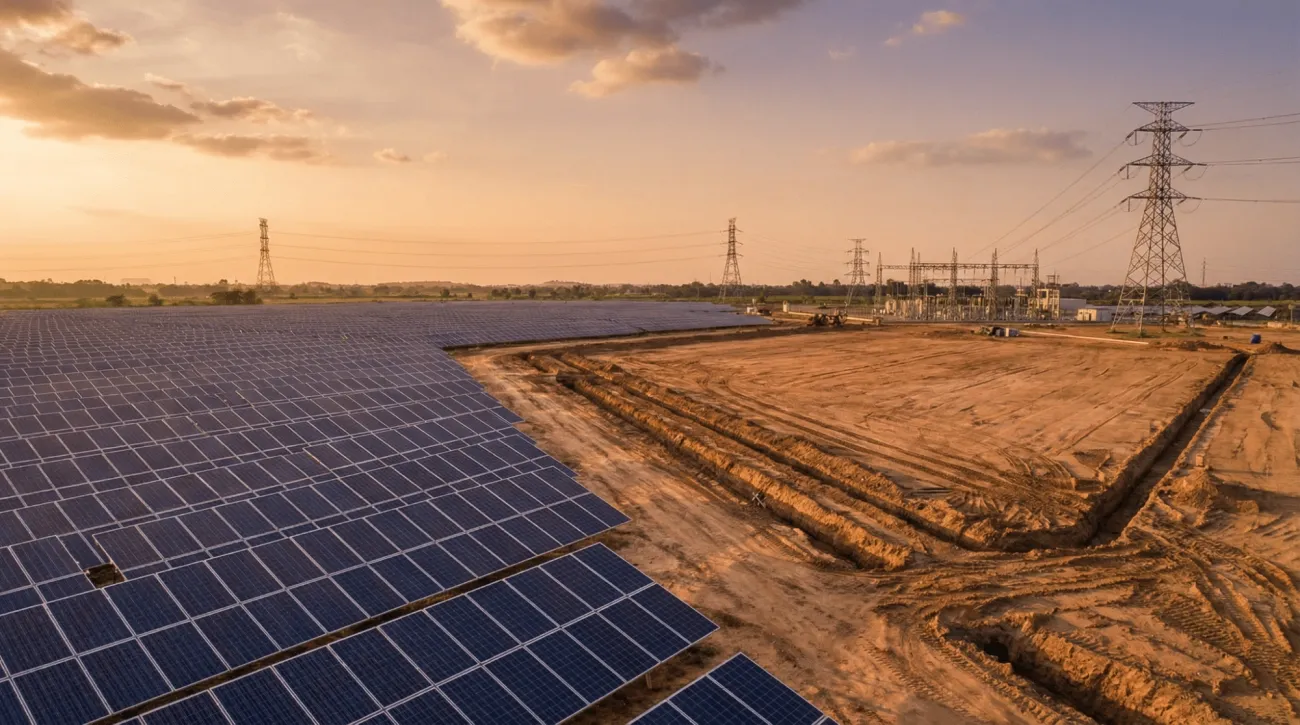
At Weisho Electric, we recognize that powering Artificial Intelligence infrastructure requires a fundamental shift in how we approach electrical distribution systems. Unlike traditional enterprise workloads, AI clusters operate with intensity and unpredictability that can strain standard equipment. To ensure a stable power supply, we must engineer solutions that specifically address the aggressive nature of GPU-heavy environments.
High Power Density and Scalability Requirements
AI data centers are pushing power densities to unprecedented levels. While a standard server rack might draw 5-10 kW, AI training racks frequently exceed 40 kW or even 100 kW per rack. This shift demands transformers with exceptional thermal management and load-matching capabilities.
Our manufacturing process focuses on high-precision winding and superior insulation materials (Class F or H) to handle these thermal stresses without degradation. Scalability is equally critical; as compute clusters grow, the power infrastructure must expand seamlessly. We design our distribution equipment to support modular growth, ensuring that power requirements are met without requiring a complete facility overhaul.
Comparison: Traditional IT vs. AI Power Density
| Feature | Traditional Data Center | AI/HPC Data Center |
|---|---|---|
| Rack Power Density | 5 kW – 10 kW | 30 kW – 100+ kW |
| Thermal Load | Moderate, steady | Extreme, concentrated |
| Transformer Stress | Predictable | High thermal cycling |
| Space Efficiency | Standard footprint | Requires compact, high-kVA units |
Managing Harmonic Distortion and Power Quality Issues
The non-linear power supplies found in AI hardware generate significant harmonic distortion. These harmonics circulate back into the distribution system, causing overheating in neutral conductors and transformer windings. If left unchecked, this compromises IT equipment compatibility and reduces the lifespan of the infrastructure.
To combat this, we utilize high-conductivity materials and optimized core designs. Proper internal connections are vital; for instance, selecting the right copper busbar ensures minimal resistance and better heat dissipation under heavy harmonic loads. Our transformers are designed to mitigate these effects, ensuring clean power flow regulation and preventing the “skin effect” losses associated with high-frequency harmonics.
Addressing Rapid Load Fluctuations in AI Training and Inference
AI workloads are characterized by massive, instantaneous spikes in energy consumption. During training cycles, power draw can jump from idle to maximum capacity in milliseconds. This rapid fluctuation creates mechanical stress on transformer coils due to electromagnetic forces.
We address this through:
Automated Foil Winding: Ensures tight, uniform coils that resist mechanical deformation.
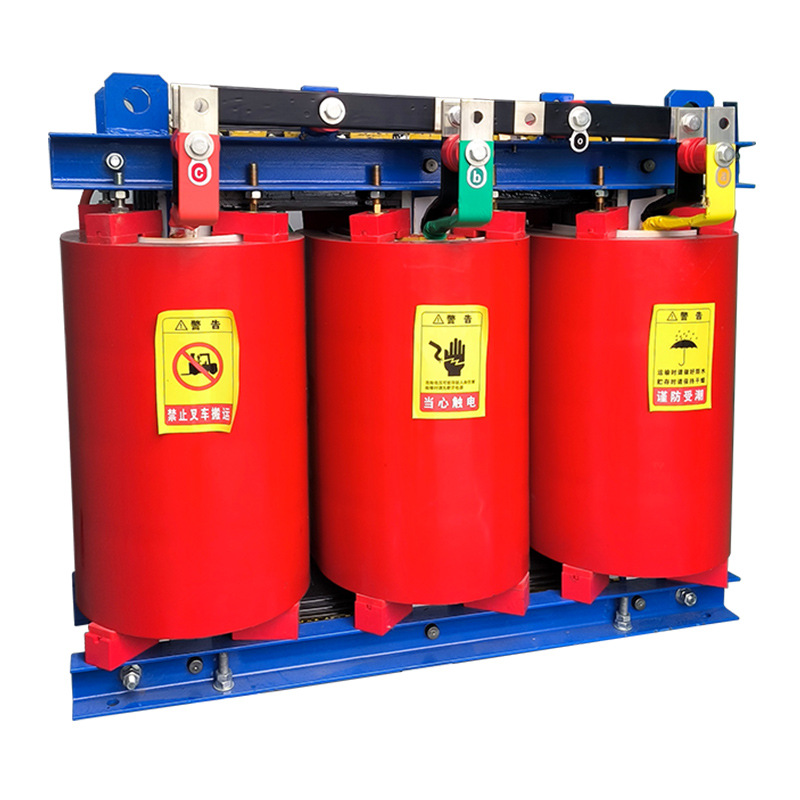
Epoxy Resin Casting (SCB Series): Provides high mechanical strength to withstand short-circuit forces and vibration.
Grid Interconnection Stability: Maintaining voltage levels during sudden load steps to prevent system trips.
Our engineering ensures that even during the most aggressive computational bursts, the transformer maintains structural integrity and delivers consistent voltage, protecting your valuable compute assets.
Key Types of Transformers for AI Data Centers
Selecting the right transformer is not just about voltage conversion; it is about ensuring the stable power supply required for sensitive GPU clusters. We manufacture specific transformer types designed to handle the unique thermal and load profiles of modern AI infrastructure.
Dry-Type Transformers: Safety and Indoor Suitability
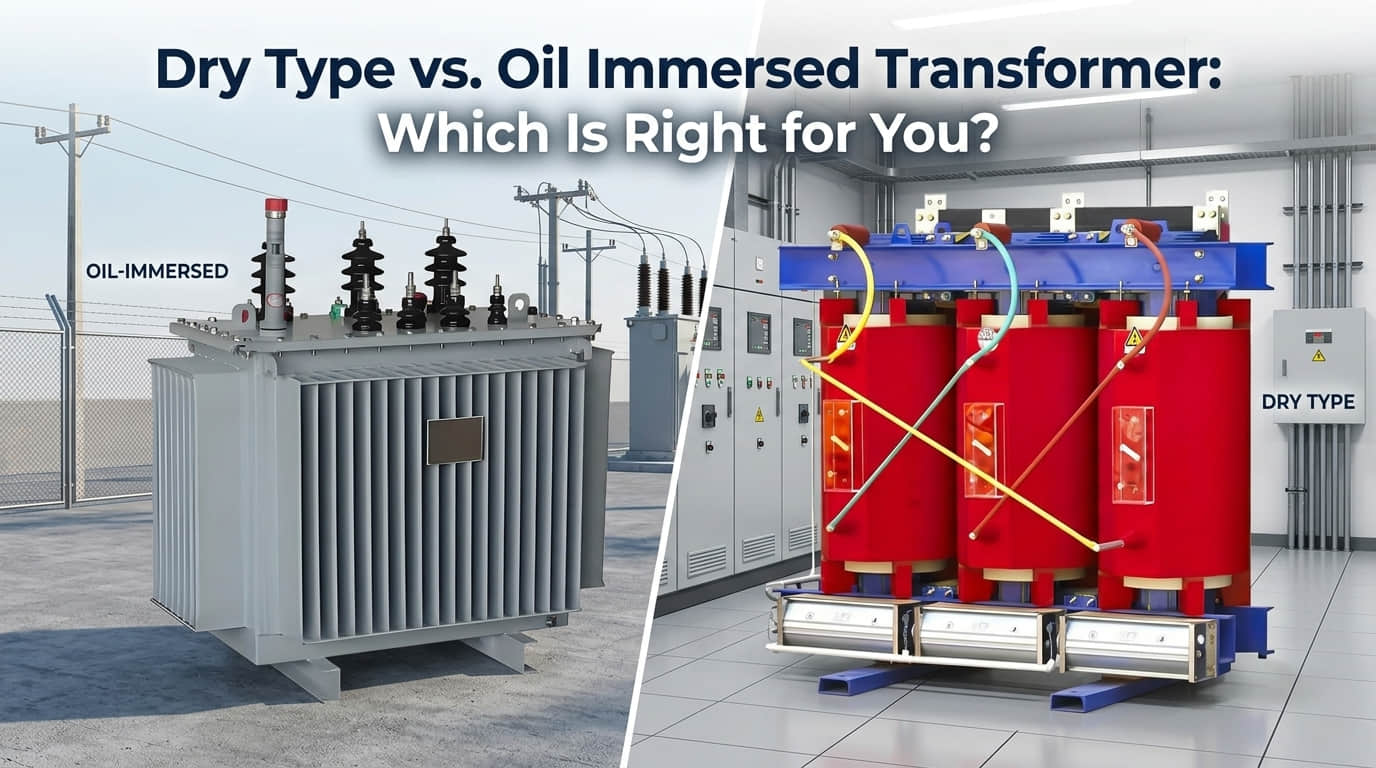
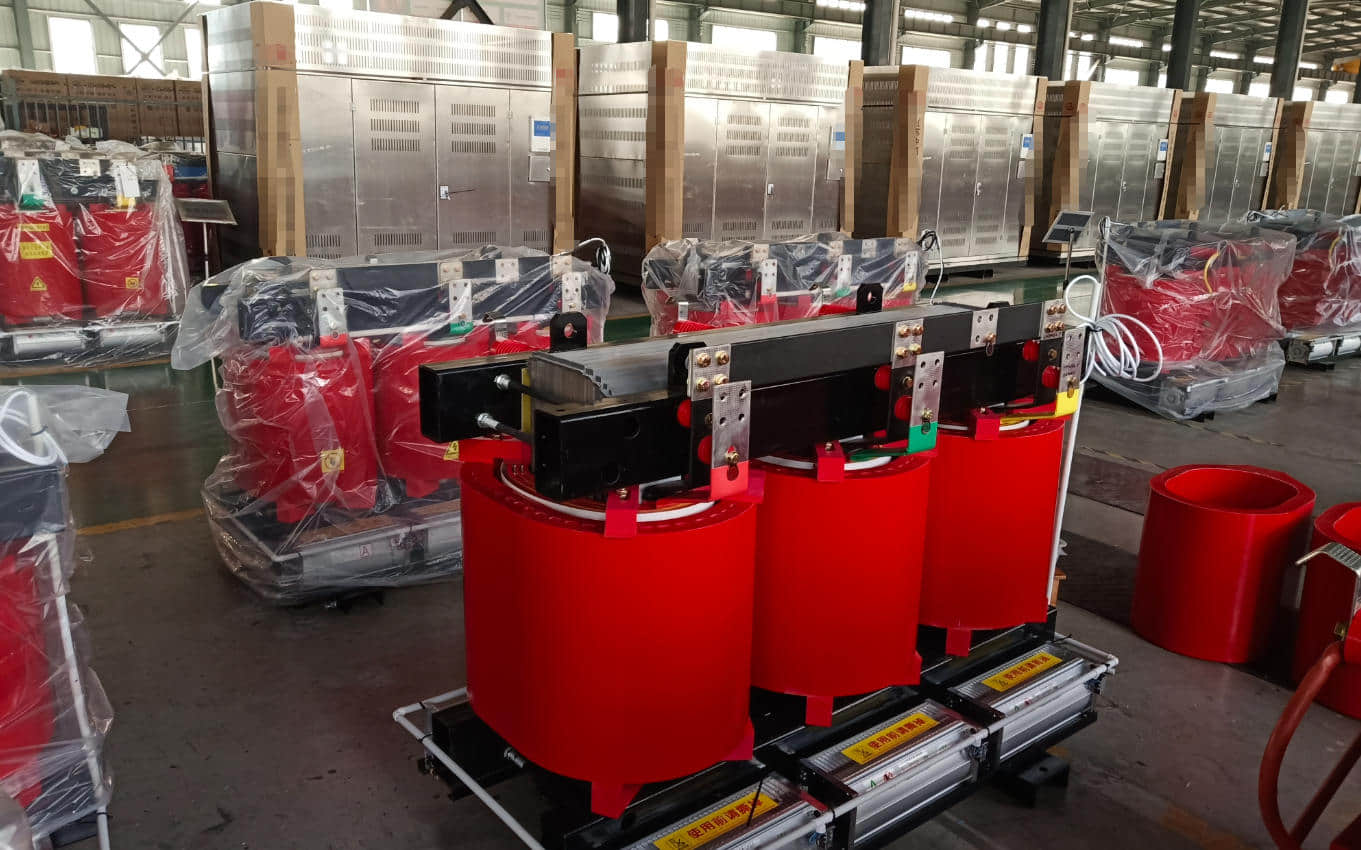
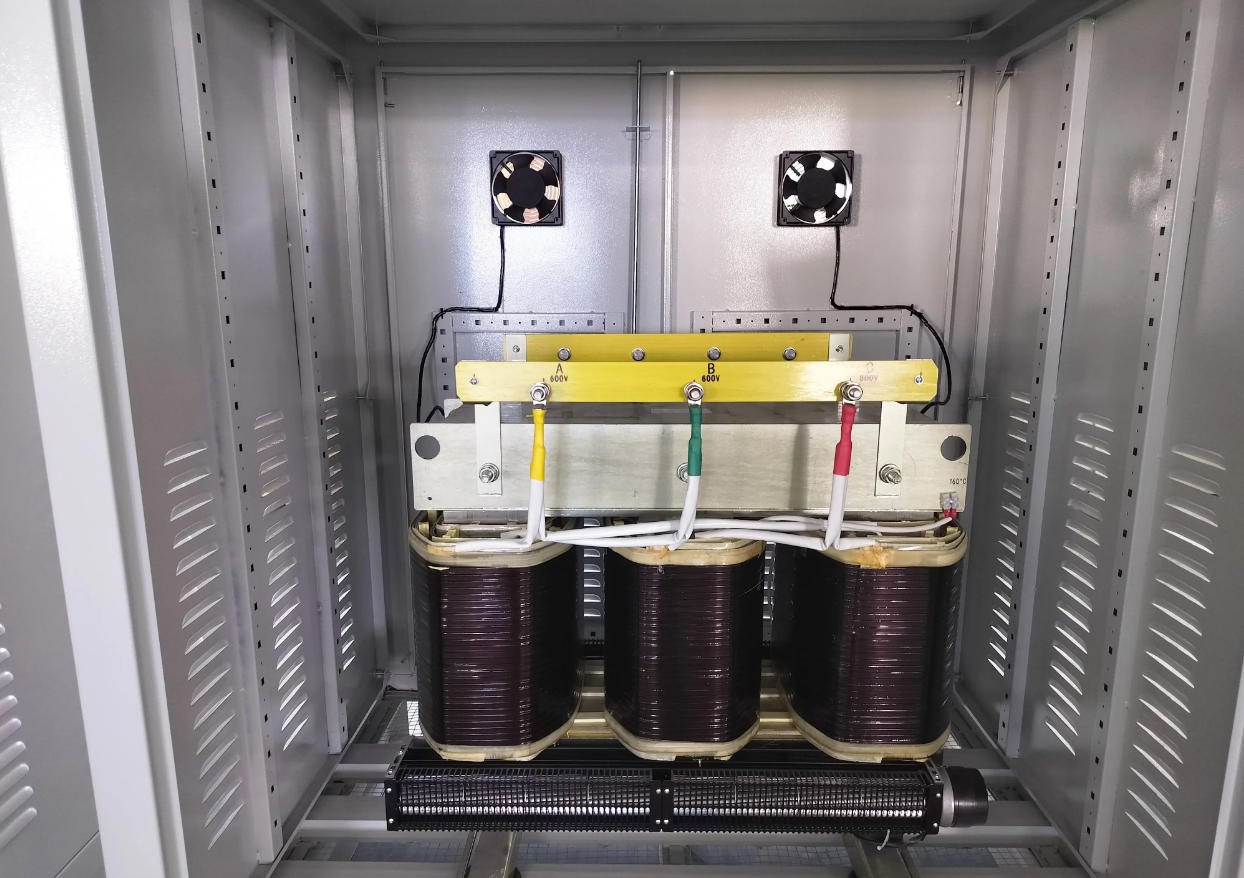
For indoor power distribution near server rows, dry type transformers are the industry standard. Unlike oil-filled units, these do not use flammable liquids, eliminating the risk of fire or leakage in enclosed spaces. We design our dry-type units with Class F or H insulation, allowing them to operate safely at higher temperatures. This makes them ideal for the electrical safety requirements of high-density data halls where personnel and expensive equipment are in proximity.
Cast Resin Transformers: Durability and Fire Resistance
Our SCB series cast resin transformers take durability a step further. We encapsulate the windings in epoxy resin under vacuum, creating a solid, moisture-proof unit that is impervious to dust and humidity. This design offers exceptional mechanical strength to withstand short-circuit forces.
Fire Self-Extinguishing: The resin will not sustain a fire, preventing flame propagation.
Low Maintenance: No oil testing or level monitoring is required.
Thermal Shock Resistance: Capable of handling the rapid load spikes typical of AI training algorithms.
Oil-Immersed Transformers: High Capacity for Hyperscale Facilities
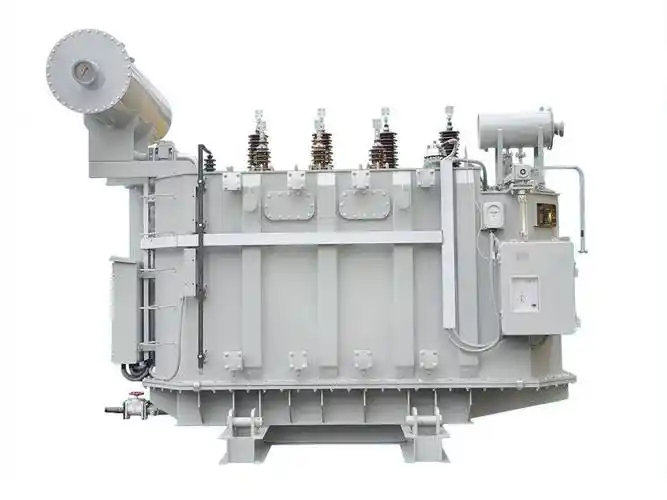
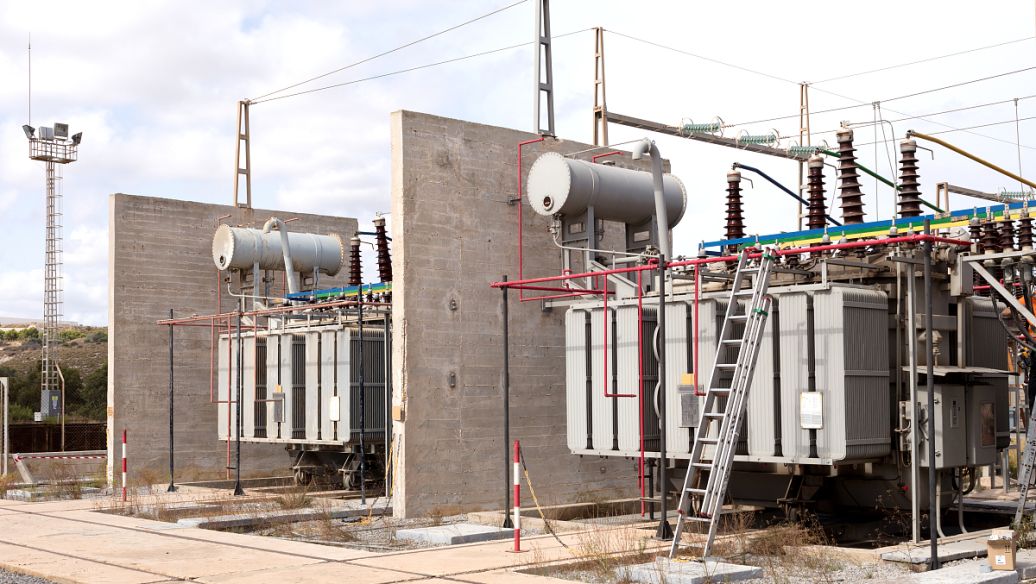
When building the primary substation for a 100-megawatt facility, oil-immersed transformers (like our S13, S20, and S22 series) are the most efficient choice for outdoor installation. These units utilize oil for superior cooling and insulation, allowing for massive load capacities that dry types cannot easily match. They serve as the critical point of entry for grid power. To ensure maximum uptime at this critical junction, integrating a robust 35kV 3-phase auto circuit recloser helps isolate temporary faults on the feeder line without shutting down the entire facility.
Isolation Transformers for UPS and PDU Integration
AI hardware is incredibly sensitive to electrical noise. We deploy isolation transformers specifically for UPS integration and Power Distribution Units (PDUs). These units physically separate the primary and secondary circuits, filtering out harmonic distortion and preventing common-mode noise from reaching the IT load. This ensures that the power flow regulation remains clean, protecting the logic circuits of advanced processors from grid-side disturbances.
Critical Technical Specifications for Selection
Calculating Capacity and Sizing for High-Density AI Racks
Selecting the right transformer starts with understanding the massive power appetite of modern AI infrastructure. Unlike traditional IT workloads, AI training clusters operate at near-peak capacity for extended periods. We recommend sizing your transformers to handle these sustained high loads without overheating.
When we design solutions for high-density environments, we factor in the utilization rate and redundancy requirements. A standard rule of thumb is to size the transformer so that the peak load does not exceed 80% of its nameplate rating, leaving headroom for spikes and future scalability. For AI racks pushing 50kW to 100kW per rack, accurate load matching is non-negotiable to prevent voltage sags that crash compute jobs.
Efficiency Standards and Reducing Energy Losses (TCO)
In the data center world, efficiency isn’t just a buzzword; it’s a major operational cost factor. We prioritize high-efficiency solutions that lower the Power Usage Effectiveness (PUE) ratio. For AI facilities running 24/7, even a 0.5% efficiency gain translates to significant savings over the equipment’s lifespan.
Our Amorphous Alloy transformers (SH series) are specifically engineered to reduce no-load losses by up to 75% compared to traditional silicon steel cores. This directly impacts the Total Cost of Ownership (TCO).
Comparison of Core Materials for AI Data Centers:
| Feature | Silicon Steel Core (Standard) | Amorphous Alloy Core (High Efficiency) |
|---|---|---|
| No-Load Loss | Standard | Ultra-Low (Best for TCO) |
| Heat Generation | Moderate | Low (Reduces cooling load) |
| Initial Cost | Lower | Higher |
| Long-Term Savings | Moderate | High |
Voltage Regulation and Delta-Wye Configuration Benefits
Maintaining a stable power supply is critical when powering sensitive GPUs and TPUs. We typically utilize a Delta-Wye (Delta-Star) connection configuration for data center distribution. This setup effectively isolates third-harmonic currents generated by non-linear loads, preventing them from traveling back to the grid.
Proper current and voltage transformer wiring solutions are essential for ensuring this harmonic mitigation works correctly. Additionally, our transformers feature off-circuit or on-load tap changers to provide precise medium-voltage distribution voltage regulation. This allows facility managers to adjust the output voltage to compensate for fluctuations, ensuring consistent delivery to the server racks regardless of grid instability.
Thermal Management and Cooling Strategies
Advanced Liquid Cooling vs. Forced Air Systems
Selecting the right cooling method is vital for maintaining power infrastructure cooling methods in AI data centers. At Weisho, we offer distinct solutions based on installation location. For indoor power distribution, our dry-type transformers (SCB series) utilize natural air (AN) or forced air (AF) cooling. Forced air systems are particularly effective for handling temporary overloads common in AI computing spikes. Conversely, for outdoor substations, our oil-immersed transformers (S11, S13, S20) rely on liquid cooling (ONAN). The oil acts as a highly efficient medium for heat transfer, offering superior thermal stability for high-capacity units running continuously.
Heat Dissipation Challenges in High-Density Environments
AI clusters create dense pockets of heat that can stress standard electrical equipment. The key to managing this is reducing the heat generated by the transformer itself. We prioritize high-efficiency solutions like our Amorphous Alloy transformers (SH15/SH21 series), which significantly lower no-load losses. By generating less internal heat, these units reduce the burden on the facility’s overall cooling infrastructure. Proper heat management also protects auxiliary equipment, ensuring that connected devices like indoor vacuum circuit breakers operate within their thermal limits without derating.
Real-time Temperature Monitoring and Thermal Protection
To guarantee long-term performance and electrical safety, blind operation is not an option. Our transformers are designed to integrate with advanced temperature control systems. These systems monitor winding temperatures in real-time using PT100 sensors.
Automatic Fan Control: Fans activate automatically when temperature thresholds are reached.
Over-Temperature Alarm: Alerts operators before heat levels become critical.
Trip Protection: Automatically disconnects the load to prevent catastrophic failure.
This proactive thermal protection ensures your power distribution remains stable even during the most intensive AI training sessions.
Redundancy and Reliability ConfigurationsImplementing N+1 and 2N Redundancy Models
In the high-stakes world of AI computing, downtime is not an option. We design our power infrastructure to ensure a stable power supply regardless of component failure. For mission-critical facilities, we recommend and support N+1 redundancy or the more robust 2N redundancy architectures.
N+1 Redundancy: Provides one backup transformer for every ‘N’ active units. It is cost-effective while offering a safety net for maintenance or single-unit failure.
2N Redundancy: Offers a fully mirrored system with two independent power paths. If one feed fails, the other takes over instantly with zero interruption.
Our transformers, whether the SCB dry-type or oil-immersed series, are engineered with precise impedance matching. This ensures they operate seamlessly in parallel, balancing loads perfectly to maintain reliability and redundancy across the data center.
Fault Tolerance and Short-Circuit Protection Standards
Reliability goes beyond just having backups; the equipment must survive electrical stress. We build our transformers with high mechanical strength to withstand the massive physical forces generated during a short circuit. Every unit undergoes rigorous testing in our in-house center to meet strict IEEE and IEC standards for protection systems.
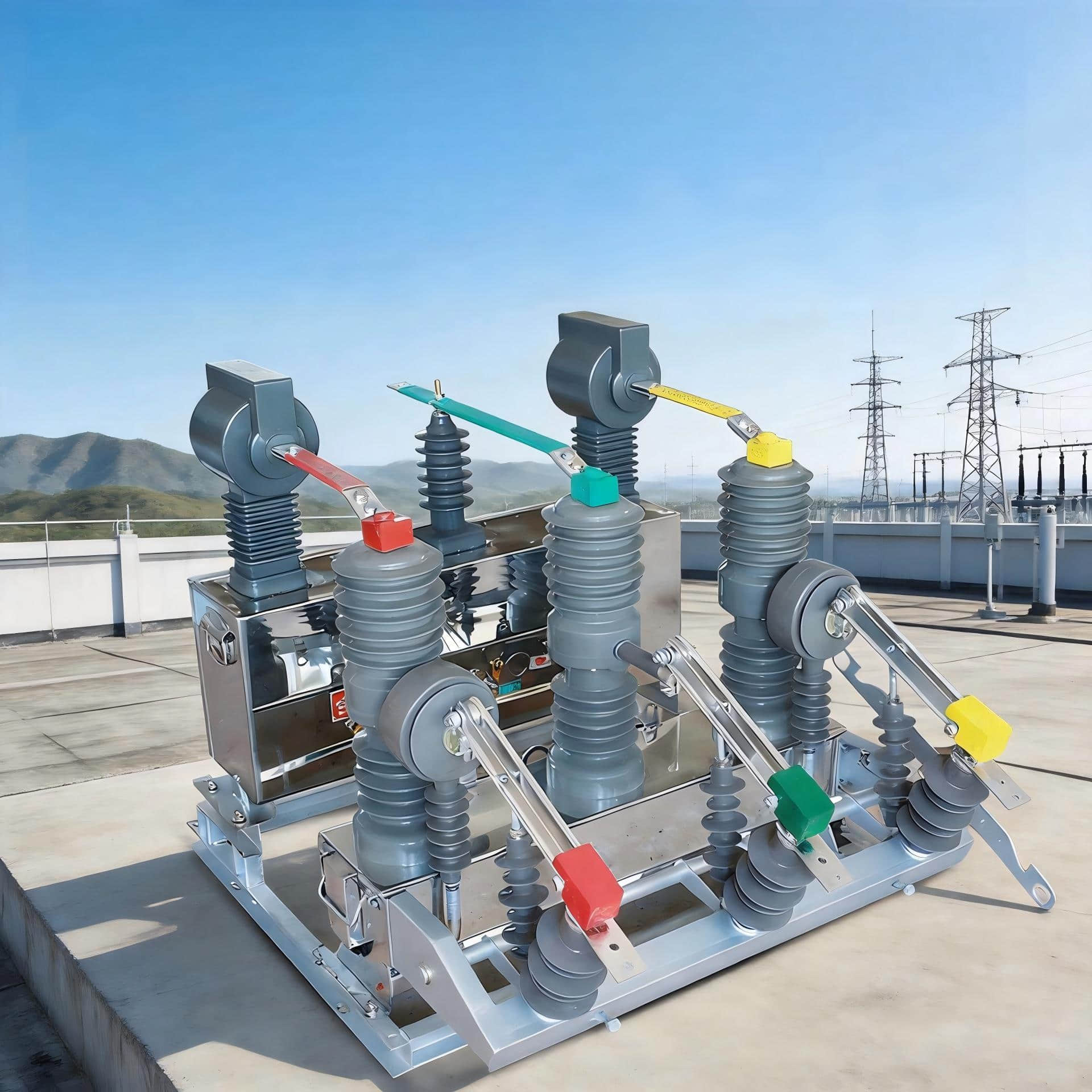
To fully secure the distribution network, the transformer must work in tandem with advanced switchgear. Proper vacuum circuit breaker selection is critical here. A high-quality breaker isolates faults instantly, preventing damage to the main transformer and protecting expensive downstream AI hardware from catastrophic surges.
Coordinating Transformers with UPS and Backup Power Systems
The transformer acts as the critical bridge between the utility grid and your backup systems. UPS integration requires careful planning because AI workloads generate significant harmonic distortion. Furthermore, when power is restored after an outage, the transformer must handle the “double load” of powering the servers while simultaneously recharging the UPS batteries.
We design our isolation and distribution transformers to handle these non-linear loads without overheating. By filtering harmonic noise and managing inrush currents, we ensure that the transition between grid power and battery backup is smooth, preserving the lifespan of your entire power chain.
How to Choose the Right Transformer: A Selection Guide
Selecting the correct transformer for an AI data center isn’t just about matching voltage; it is about ensuring long-term performance and electrical safety under intense computational loads. We guide our global clients through a structured selection process to match their specific infrastructure needs with our manufacturing capabilities.
Assessing Installation Environment and Space Constraints
The physical location of your power infrastructure dictates the type of transformer required. AI facilities often push for higher power density, meaning space is at a premium.
Indoor Applications: For power distribution directly within the server hall or adjacent technical rooms, we recommend Dry-Type Transformers (SCB Series). These cast resin units are fire-resistant, require no oil containment basins, and are safe for personnel working nearby.
Outdoor and Edge Deployments: For modular or edge data centers where equipment sits outside, Pad-Mounted Transformers or Oil-Immersed units (S13/S20 Series) are superior. They offer robust weather protection and efficient cooling without taking up valuable indoor floor space.
We utilize high-precision CNC manufacturing to create compact designs that fit tight footprints without compromising on clearance or cooling airflow.
Evaluating Maintenance Requirements and Lifecycle Costs
When calculating the Total Cost of Ownership (TCO), you must balance the initial capital expenditure against operational expenses and maintenance downtime. AI workloads run 24/7, making reliability and redundancy non-negotiable.
Maintenance Comparison:
| Feature | Dry-Type (Cast Resin) | Oil-Immersed | Amorphous Alloy |
|---|---|---|---|
| Maintenance Level | Low: Minimal cleaning required; no fluid checks. | Moderate: Requires oil sampling and leak inspections. | Low: Similar to standard dry/oil types but with higher efficiency. |
| Lifespan | Long service life due to high thermal resistance. | Very durable if maintained properly. | Extended life due to lower operating temperatures. |
| Initial Cost | Higher upfront investment. | Lower initial cost. | Premium cost, offset by energy savings. |
For precise load monitoring and protection within the distribution system, integrating a high-precision LZZB9-24/180b current transformer ensures your maintenance teams have accurate data to prevent overloads before they occur.
Compliance with Global Safety and Efficiency Standards
Your transformer selection guide must prioritize compliance with international regulations. We ensure our manufacturing processes align with IEEE, IEC, ANSI, and CSA standards, making our units ready for global deployment.
Efficiency Standards: To reduce PUE (Power Usage Effectiveness), choose high-efficiency solutions like our Amorphous Alloy (SH15/SH21) series. These significantly reduce no-load losses compared to traditional silicon steel cores.
Safety Ratings: For indoor safety, look for Class F or H insulation ratings in dry-type units. This ensures the transformer can handle thermal spikes common in AI training cycles without degradation.
Environmental Certifications: Our ISO 14001-certified production ensures that your infrastructure supports sustainable and eco-friendly power goals.
Future Trends in AI Power Infrastructure
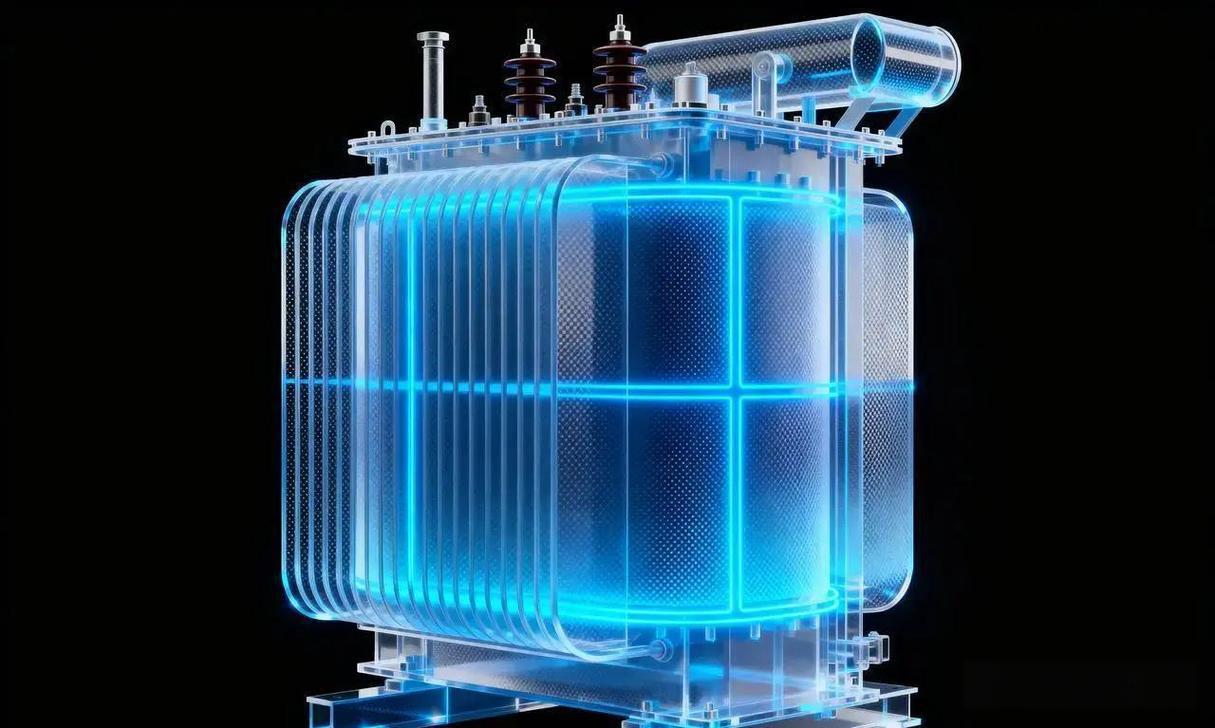
As the demand for computational power skyrockets, the infrastructure supporting it must evolve. We are seeing a shift toward smarter, more efficient, and modular power systems designed to handle the intense loads of modern AI workloads. The focus is no longer just on keeping the lights on; it is about optimizing electrical distribution systems for maximum efficiency and adaptability.
Smart Transformers and IoT-Enabled Predictive Monitoring
Reliability is non-negotiable for AI clusters. We are moving away from reactive maintenance toward predictive strategies driven by data. By integrating IoT sensors into our transformer designs, operators can monitor critical parameters like winding temperature, oil levels, and load stress in real-time.
Real-time Data: Continuous monitoring of long-term performance metrics prevents unexpected failures.
Predictive Maintenance: Identify potential faults before they cause downtime.
Remote Management: Adjust settings and monitor health without physical inspections.
These design innovations allow data center managers to make informed decisions, ensuring 99.999% uptime. For more insights on how the industry is evolving, read our analysis on the future of power distribution equipment.
Modular and Edge Data Center Transformer Solutions
With the rise of edge computing for AI inference, power infrastructure needs to be deployable anywhere, fast. Our pad-mounted transformers (ZGS and YB series) are engineered for this exact purpose. They combine high-voltage switching, transformation, and low-voltage distribution into a single, compact unit.
Rapid Deployment: Pre-assembled units reduce on-site installation time.
Space Efficiency: Ideal for modular facilities with limited footprints.
Scalability: Easily add more units as the data center grows.
These solutions serve as a robust point of entry for power in decentralized networks, ensuring that edge facilities receive the same stable power supply as hyperscale centers.
Sustainable and Eco-Friendly Transformer Technologies
AI training consumes massive amounts of electricity, making energy efficiency a top priority for reducing Total Cost of Ownership (TCO) and meeting environmental goals. We focus on delivering high-efficiency solutions that minimize energy waste.
Our Amorphous Alloy Transformers (SH15 and SH21 series) are at the forefront of this trend. By using amorphous alloy materials for the core instead of traditional silicon steel, we significantly reduce no-load losses.
Lower PUE: Directly contributes to better Power Usage Effectiveness ratings.
Reduced Heat: Less energy lost as heat means lower cooling requirements.
Global Compliance: Meets strict DOE and IEC efficiency standards.
Adopting these advanced materials helps facilities manage energy consumption effectively while supporting high-density AI operations.