Introduction
Hi everyone, I’m Thor from Weisho Electric Co., Ltd..
In today’s power distribution networks, reliability is everything.
As an engineer who has worked in the electrical industry for years, I’d like to share some insights about Auto Reclosers and why they matter more than you might think.
You’ve probably experienced this: after a thunderstorm, the power goes out for just a few seconds and then comes back on. That “magic” is often the work of an Auto Recloser. It detects short-lived faults, restores power quickly, and protects lines and equipment from damage.

What Exactly Is an Auto Recloser?
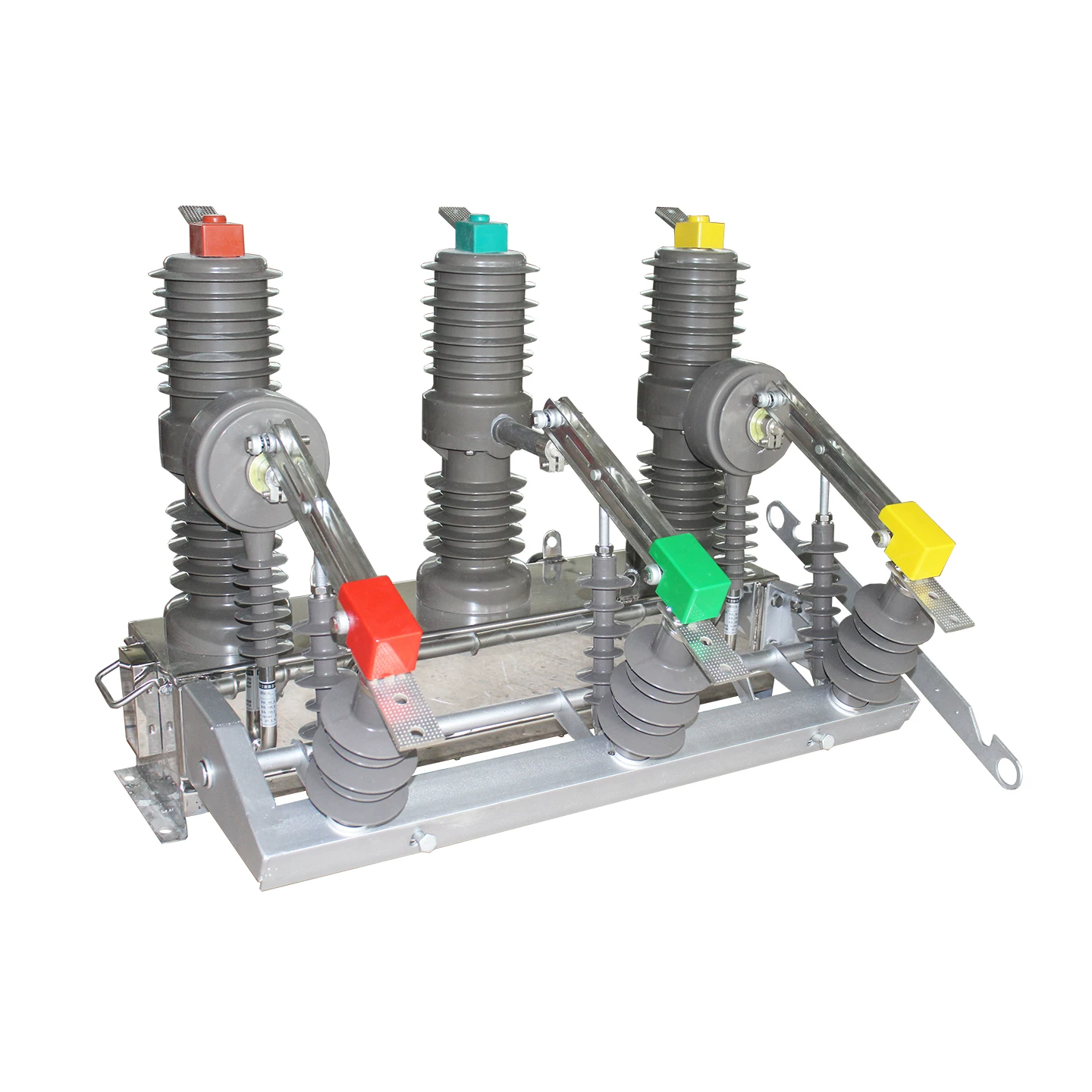
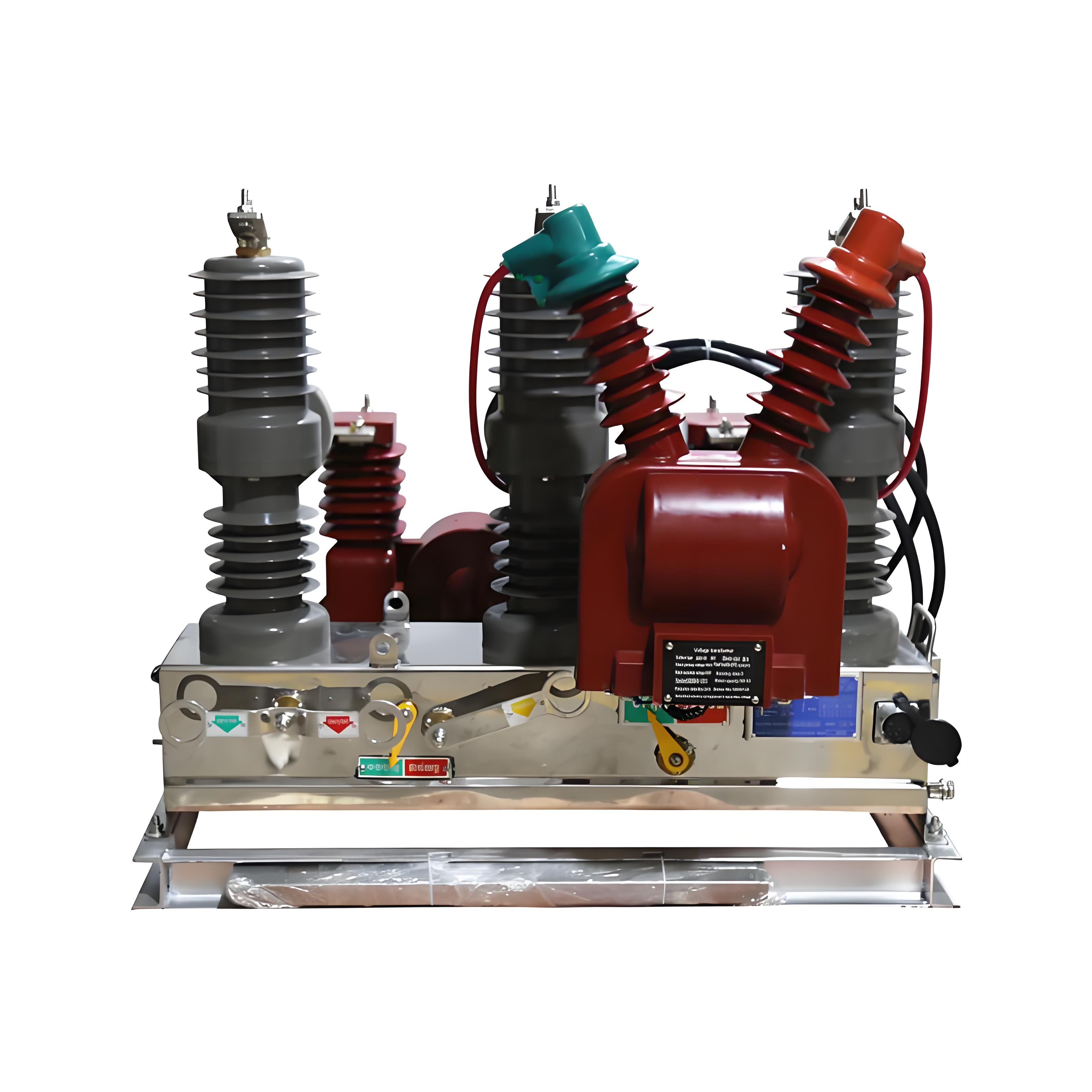
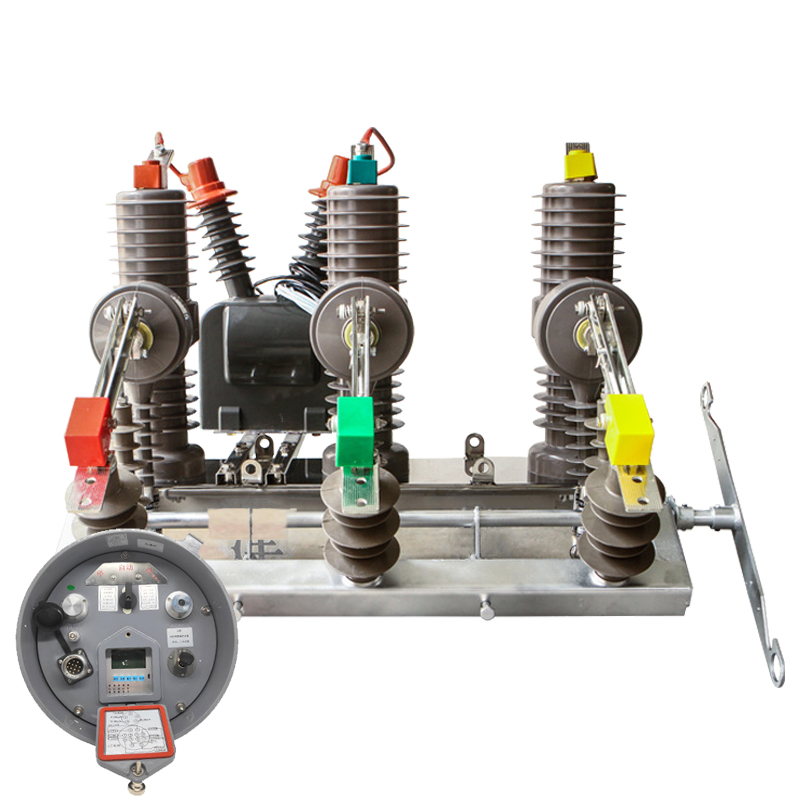
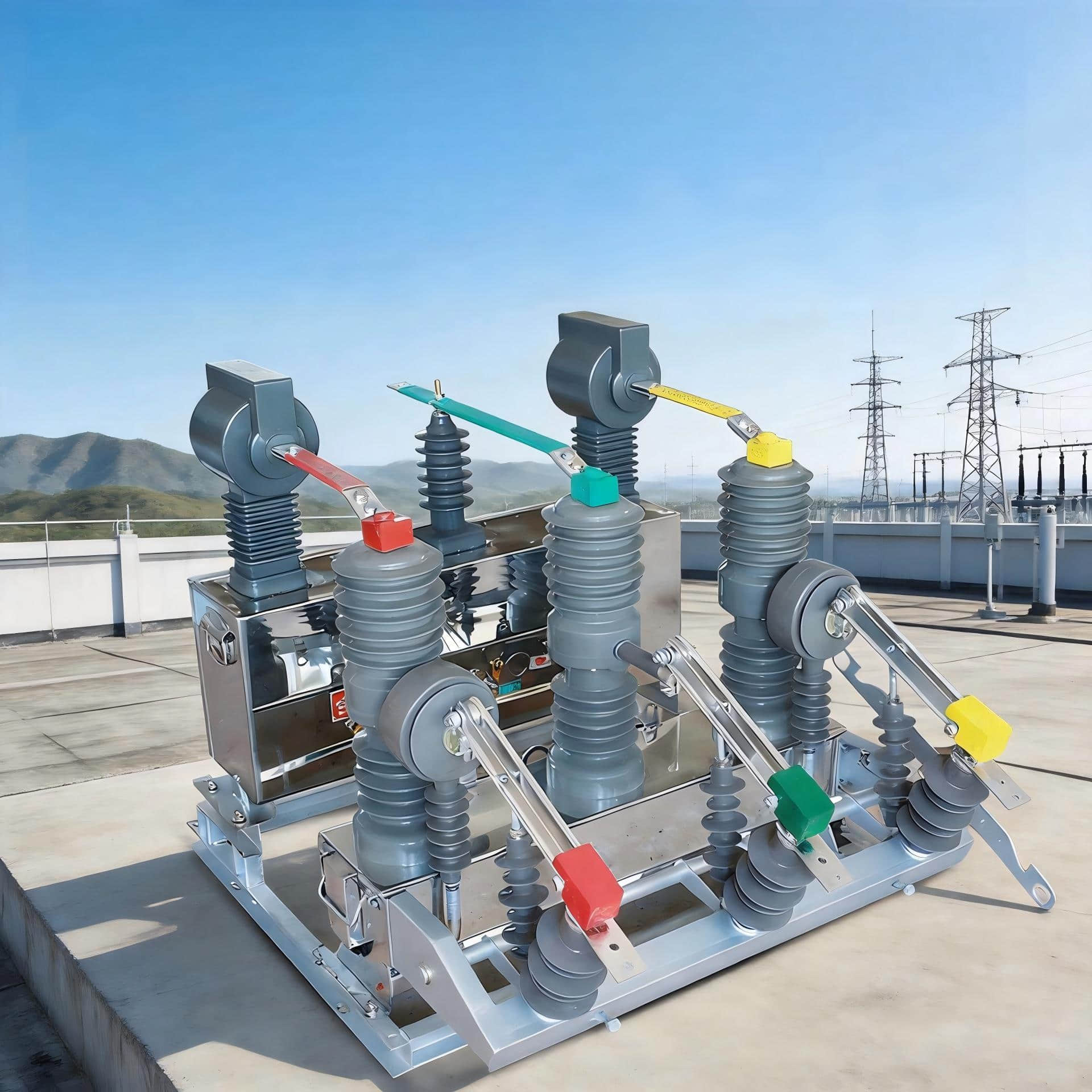
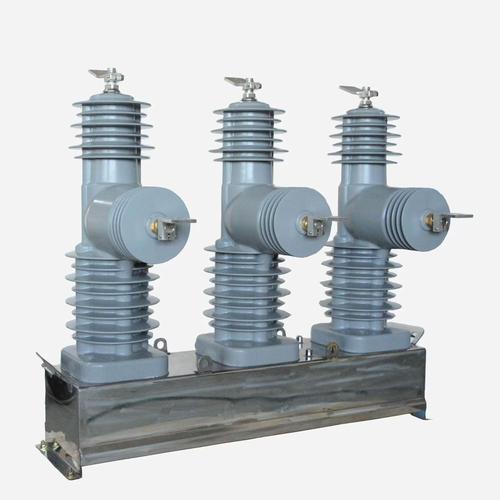
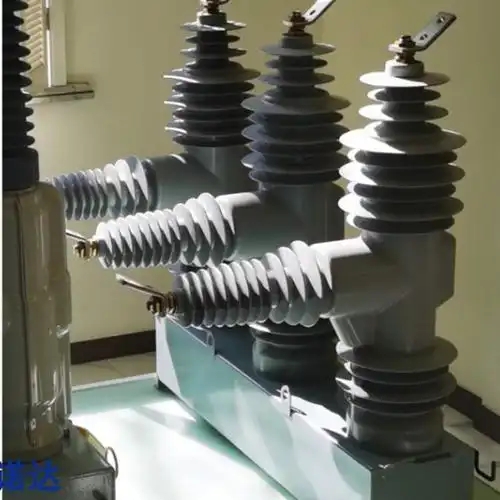
Put simply, an Auto Recloser is a protection device that automatically trips and then attempts to reclose when a fault occurs on the line.
Its biggest advantage? It restores power automatically in case of transient faults and stays open for permanent faults — preventing unnecessary blackouts.
You’ll find Auto Reclosers in all kinds of applications: urban distribution grids, rural overhead lines, and substation systems.
Working Principle Explained
Here’s the simplest way to understand how it works:
The Auto Recloser continuously monitors current through current transformers. When it detects abnormal current, it trips immediately. After tripping, it waits for a preset delay and then attempts to reclose.
If the fault is temporary (lightning flashover, momentary contact), power comes back on.
If the fault is permanent (broken conductor, equipment failure), it remains open to prevent further damage.
From my projects, I always stress how important it is to understand both the circuit structure and the recloser logic. This knowledge helps engineers design more reliable protection schemes.
Types of Auto Reclosers
There are several categories, and here’s a simple breakdown:
By voltage level: Medium-voltage (12kV–36kV), High-voltage (above 36kV)
By operating mechanism: Mechanical type, Microprocessor-controlled type
By phase: Single-phase, Three-phase
| Type | Advantages | Drawbacks | Best Use Case |
|---|---|---|---|
| Mechanical | Low cost, simple structure | Lower accuracy, harder setup | Rural overhead lines |
| Microprocessor | High precision, remote monitoring | Higher cost | Urban grids, smart substations |
When choosing, balance line conditions, budget, and maintenance convenience.
Application Scenarios
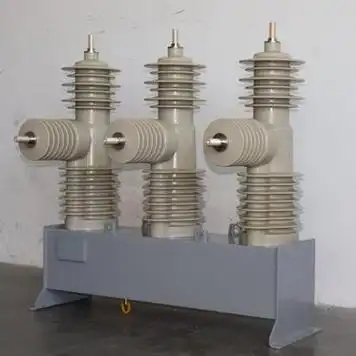
In my engineering experience, Auto Reclosers are mainly used in two areas:
Power systems: Enhancing self-healing capability and reducing outages from transient faults.
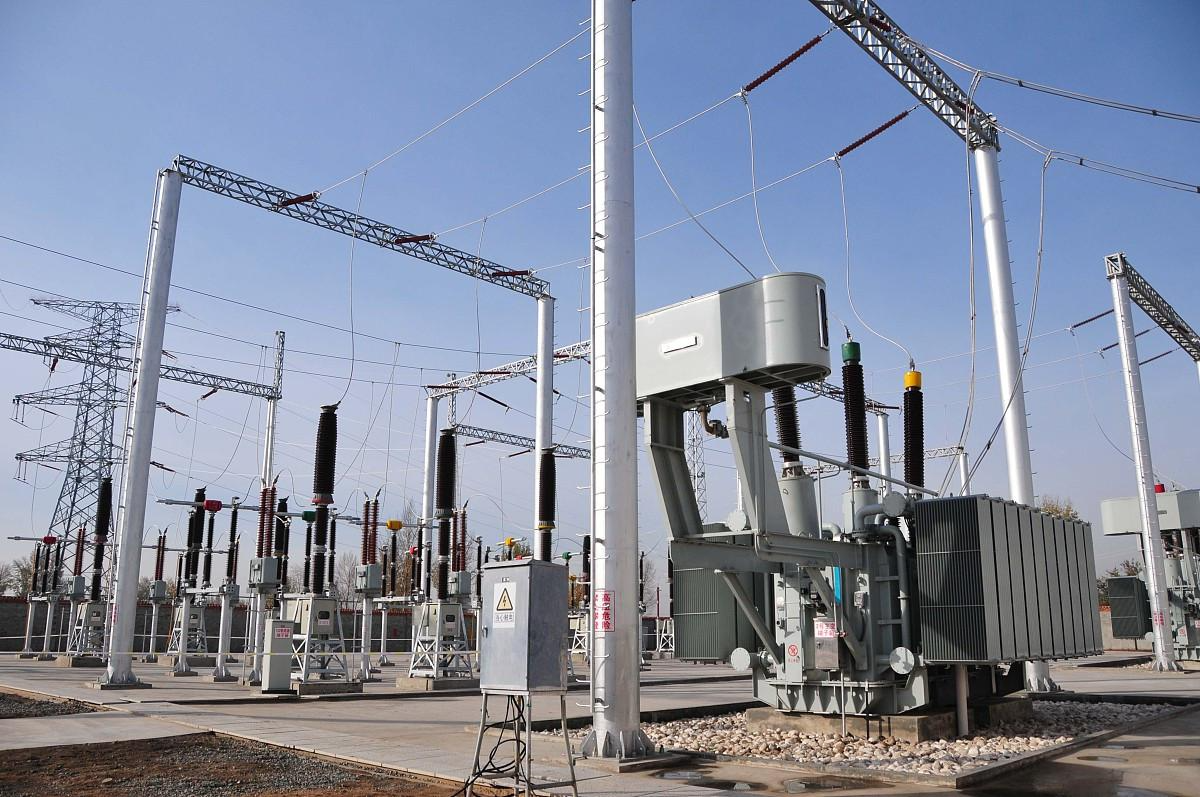
Substations: Working with breakers and digital relays for remote monitoring and smart management.
One real project I worked on involved installing microprocessor-based reclosers in a medium-voltage substation. After commissioning, outage incidents dropped significantly, and both the project team and customer were very satisfied.
Real-World Case Studies
Case 1: PG&E, California (USA)
On a major distribution feeder, PG&E installed Auto Reclosers and saw about a 40% reduction in outages caused by flashovers. For both engineers and customers, this meant higher satisfaction and more efficient operations.
Source: PG&E Auto Recloser Study
Case 2: UK Rural Distribution Company
A rural electricity provider in the UK deployed single-phase microprocessor-based reclosers. Within the first year, they cut line maintenance costs by around 25%. Transient faults that previously required manual inspection were now handled automatically.
Source: UK Electricity Networks Annual Report
Advantages and Limitations
Advantages
Improved supply reliability
Automated operation with less manual intervention
Restores power for temporary faults
Limitations
Higher initial investment
Permanent faults still require manual repair
Requires regular maintenance
Selection Guide
Based on project experience, proper selection must consider line conditions and load. Here’s a practical reference table:
| Parameter | Description | Recommended Value / Note | Key Consideration |
|---|---|---|---|
| Voltage Level | System rated voltage | 12kV, 24kV, 36kV | Ensure line compatibility |
| Rated Current | Continuous load current | 100A–630A | Allow margin for expansion |
| Breaking Capacity | Max short-circuit current | 12.5kA–25kA | Match with fault levels |
| Reclose Attempts | Number of auto recloses | 2–3 times | Adjust to fault frequency |
| Delay Time | Reclose delay after trip | 0.3s–5s | Too short = misclose, too long = slow recovery |
| Communication | Remote monitoring interfaces | RS-485, IEC 61850 | Required for smart substations |
| Brand & Service | Manufacturer support | Weisho Electric Co., Ltd. | Ensure responsive service |
Installation & Maintenance Tips
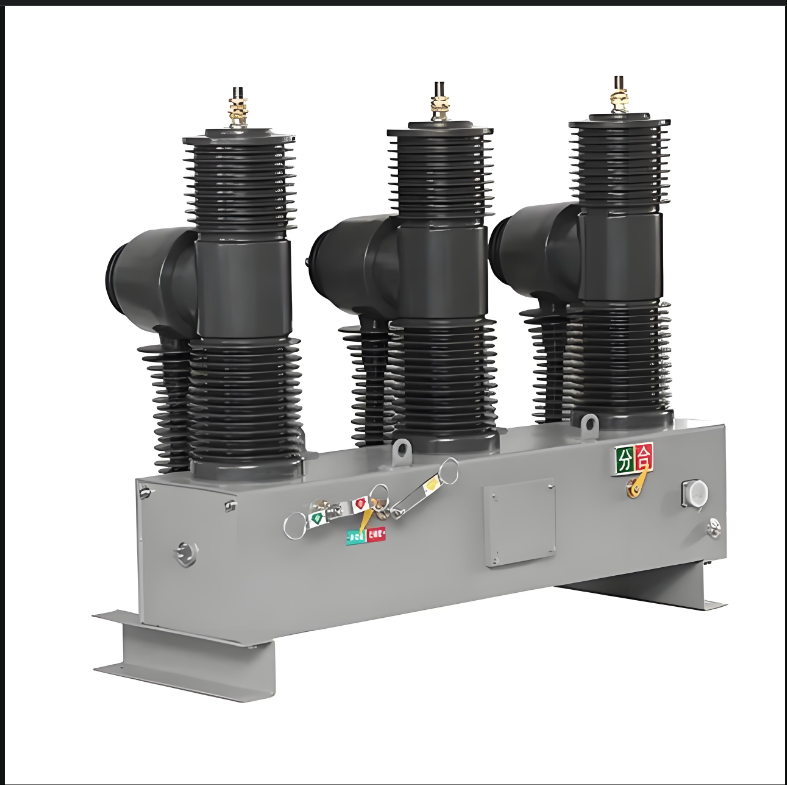
Pre-installation assessment: Check line conditions, environment, and SCADA requirements.
Maintenance process: Inspect contacts, mechanisms, and relay settings regularly.
Fault diagnosis: Analyze failed operations, misoperations, and event logs.
In real projects, regular maintenance significantly extends equipment lifespan and reduces unexpected outages.
User Feedback & Engineer Insights
Jason (PG&E Engineer, USA):
“After installing Auto Reclosers, the number of short outages dropped noticeably. During storm season, service restoration was much faster.”
Emma (Rural Power Company Manager, UK):
“With microprocessor-based reclosers, many transient faults are now handled automatically. Line maintenance costs went down by 25%, which has been a huge relief.”
Thor (Engineer, Weisho Electric Co., Ltd.):
“When selecting, don’t just look at voltage and current ratings. Consider the environment too. Coastal areas need corrosion resistance, while dry inland regions need precise operation. Proper selection and commissioning are the keys to long-term stability.”
Frequently Asked Questions (FAQ)
What’s the difference between an Auto Recloser and a circuit breaker?
An Auto Recloser can attempt multiple reclosing operations, handling transient faults and reducing outages.
How many reclosing attempts should be set?
Typically, 2–3 attempts, but this depends on the line conditions.
Can Auto Reclosers be used in low-voltage systems?
They are generally for medium- and high-voltage systems. Low-voltage networks usually use circuit breakers.
Which standards should the installation follow?
Check IEC 60255 and IEEE C37 standards for guidance.
What about maintenance and service life?
Annual inspection of mechanical and electrical parts is recommended. Service life depends on switching frequency and environment.
Contact Us
Weisho Electric Co., Ltd.
Thor
Phone: +86-0577-62788197
WhatsApp: +86 159 5777 0984
Email: thor@weishoelec.com
Conclusion
Auto Reclosers are an essential part of modern power distribution networks.
By distinguishing between temporary and permanent faults, they ensure higher reliability and smarter grid operations.
Through this article, I hope you’ve gained a clear understanding of their working principle, selection guide, installation practices, case studies, and real-world benefits.
Choosing the right device, combined with professional commissioning, is crucial for achieving long-term performance and optimal investment efficiency.