Previous
Next
Protector Discharge Counter
General
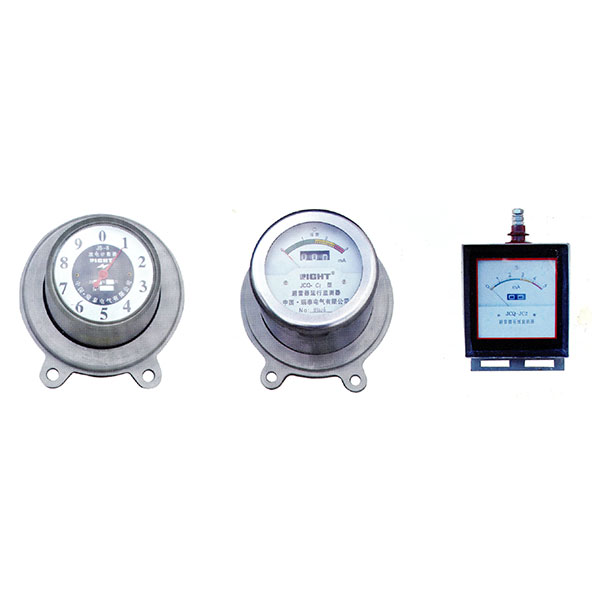
JS8 and JS8A discharging counters (hereinafter referred to as "counter") are connected in series with the arrester and are used to record the number of operations of the arrester. The JS8 type is designed for 6kV-220kV arresters, while the JS8A is used for arresters rated at 330kV or above. The environmental conditions should comply with the requirements of the arrester, such as an altitude not exceeding 4000m and an ambient temperature range of -40℃ to +40℃. The counter should not be placed in environments with gases that could erode metal and insulation parts, severe pollution, or extreme vibration.
Structure and Characteristics
The discharging counter is composed of a valve element, a silicon bridge type rectifier, a capacitor, an electromagnetic counter, and other components. It utilizes the surge current and power frequency current from the arrester to generate voltage across the valve element (which has nonlinear resistance). This voltage is then used to charge the capacitor in one direction through the silicon bridge type rectifier. The coils of the electromagnetic counter discharge in the form of DC power, causing the counter to move and record the number of operations. This enables the discharging counter to accurately track the number of times the arrester has been activated.
General
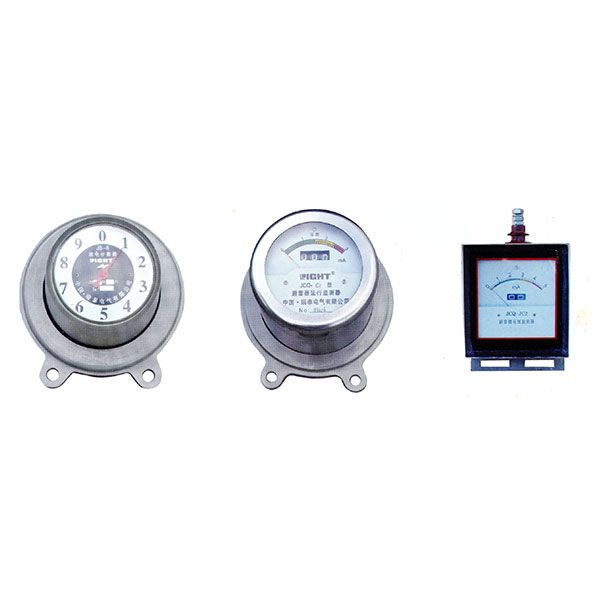
The JCQ-C1 type arrester monitor is connected in series with the arrester. It is designed for ZnO arresters with a rating of 500kV or below, used to monitor leakage current and record the operation times of the arrester. The environmental conditions should meet the requirements of the arrester, with the monitor featuring anti-vibration capability, electromagnetic counting, and an indication of operation via a current pointer.
Structure and Characteristics
The monitor consists of a silicon bridge type varistor, capacitor, resistors, an electromagnetic counter, and other components. It utilizes the arrester's energy (surge current and power frequency current) to generate voltage across the valve element (non-linear resistance). This voltage is then used to charge the capacitor in one direction through a silicon bridge type rectifier. The coils of the electromagnetic counter discharge as DC power, causing the counter to move and record the number of operations. This allows for accurate tracking of the arrester's operational history.

Contact Us
Tel: +8615957770984
Email: thor@weishoelec.com
Contact Us
Related Products