Previous
Next
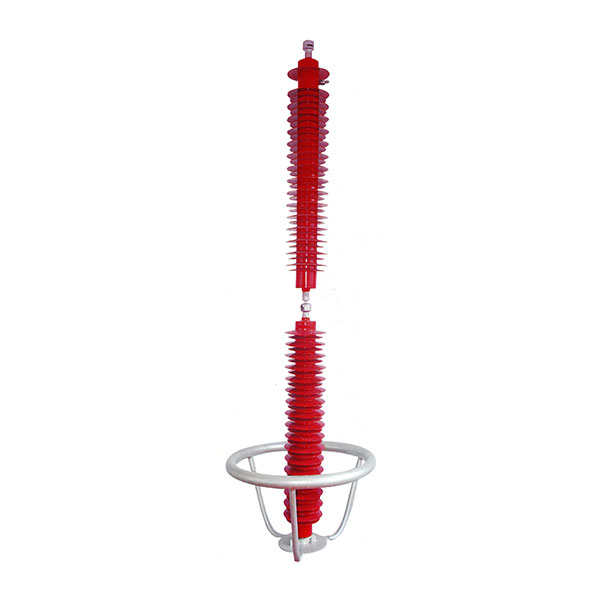
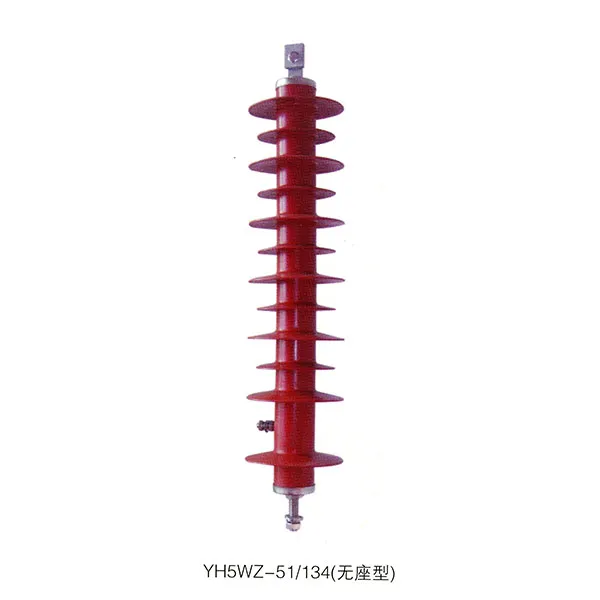
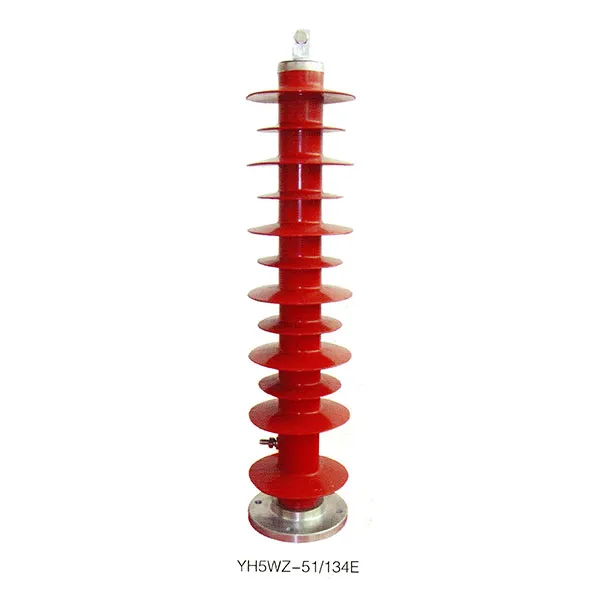
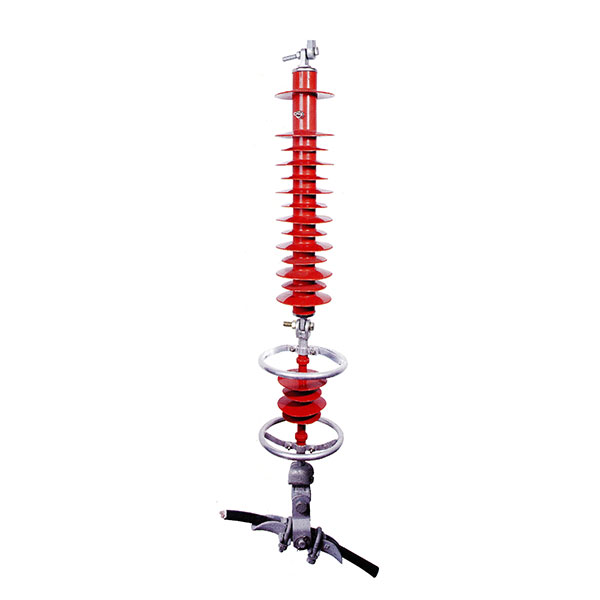
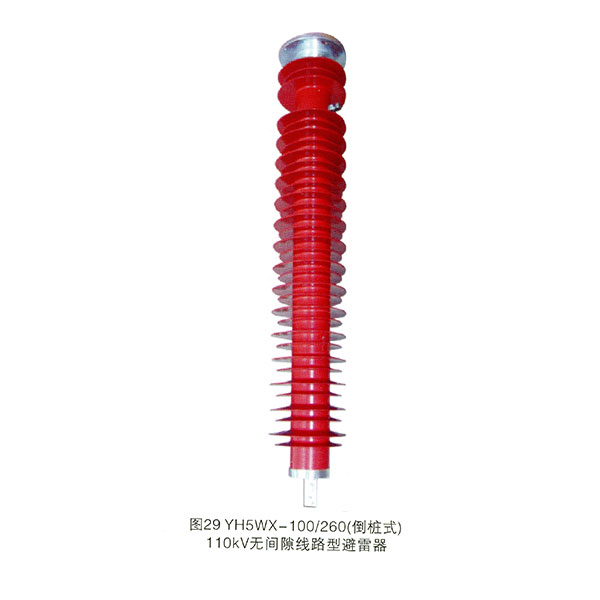
YH5WX-100/260 Inverted Type 110kV Gapless Line Arrester | Composite Jacket MOA
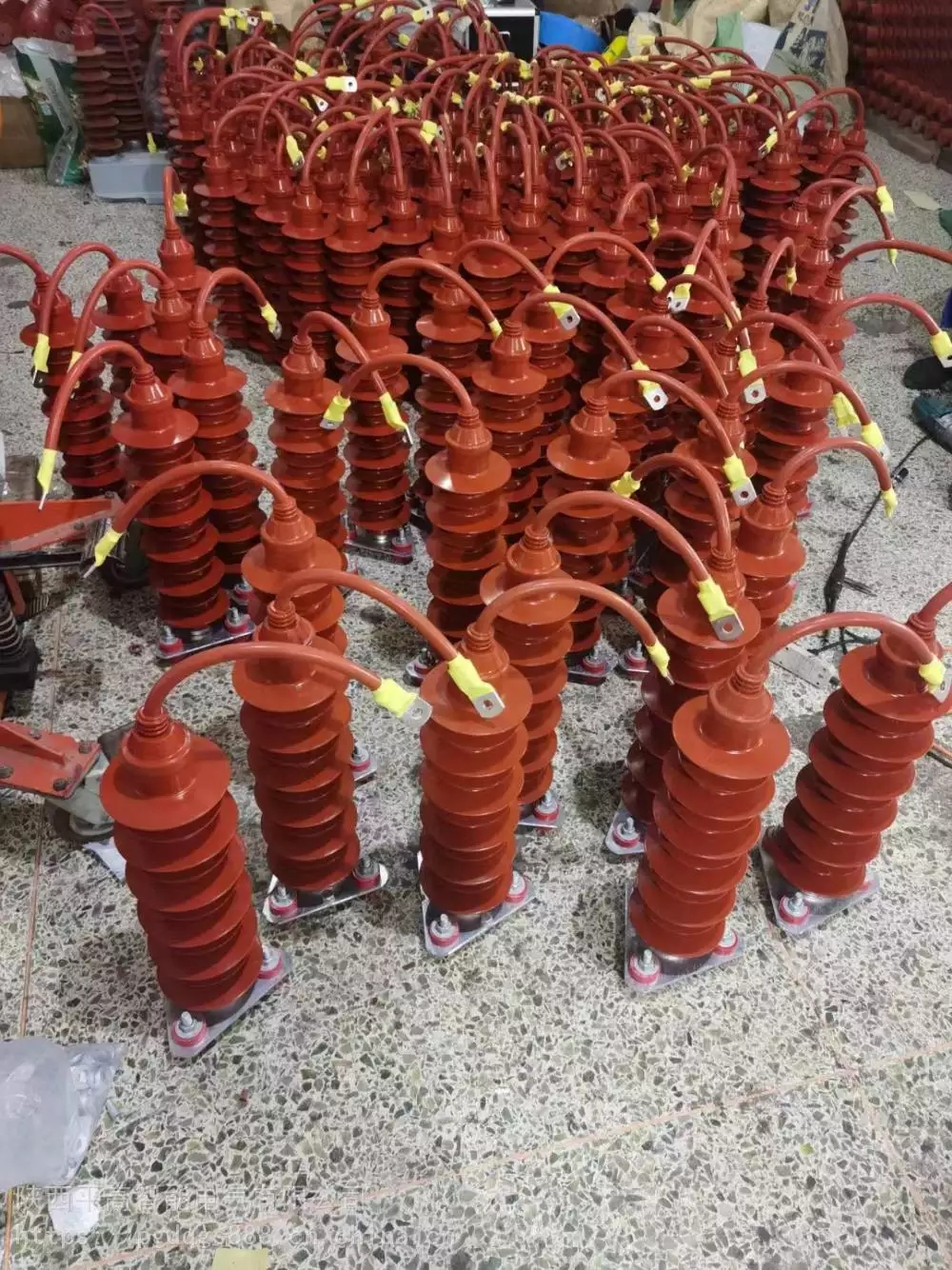
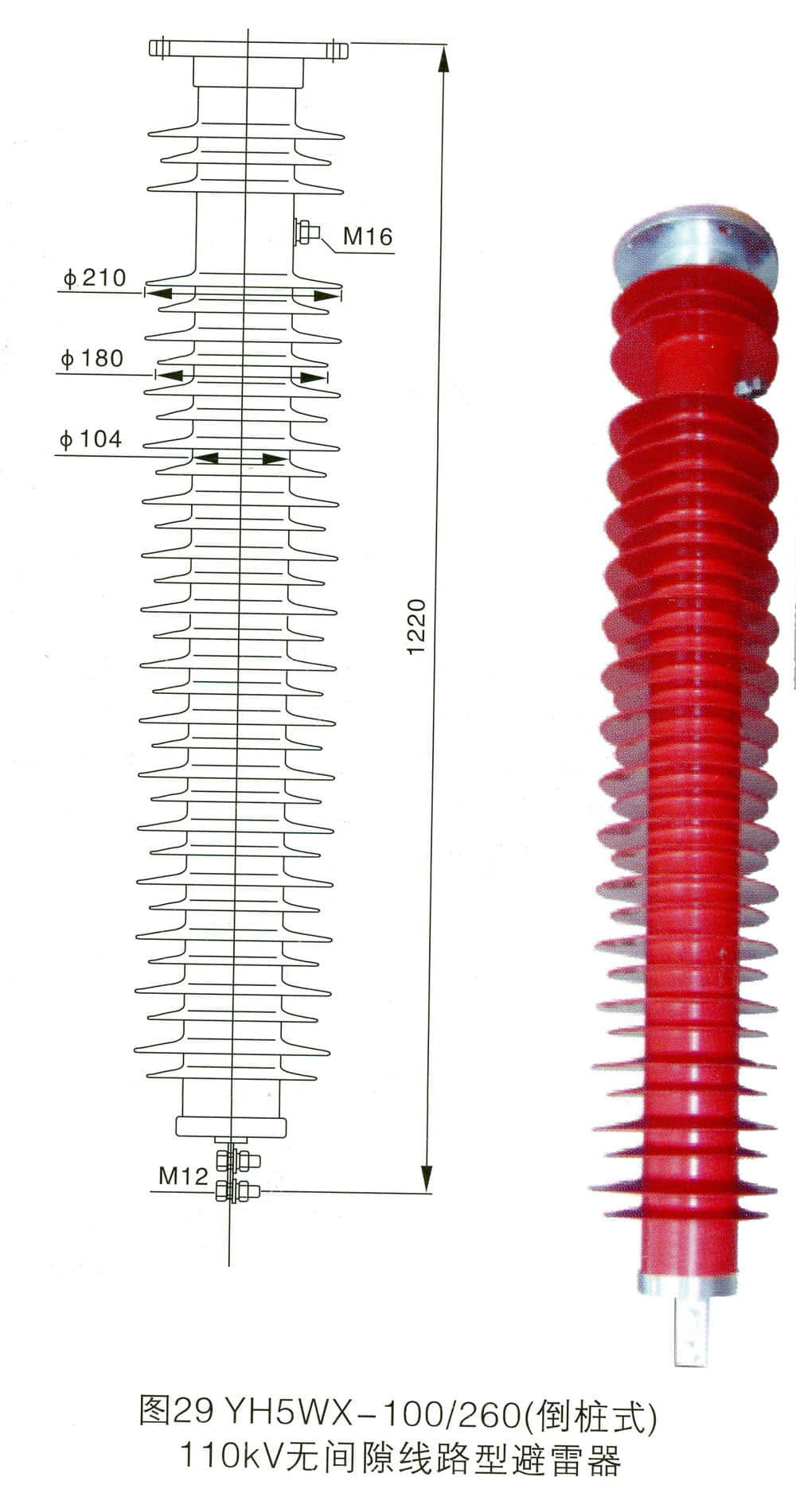
The YH5WX-100/260 (Inverted Type) 110kV gapless line arrester is a composite jacket gapless metal oxide arrester (MOA) named in accordance with the new national standard JB/T 8459-2011, designed for 110kV transmission lines. Adopting an inverted installation structure, it is mainly used to limit lightning and switching overvoltages, protect the insulation of lines and equipment, and ensure the stable operation of 110kV systems. The following is an explanation from the aspects of model interpretation, core parameters, structural characteristics, application scenarios and common questions:
I. Meaning of Letters and Numbers in the Model
Model Part: Meaning
YH: Composite jacket metal oxide arrester (new national standard prefix, replaces old HY)
5: Nominal discharge current 5kA
W: No series gap (zinc oxide cuts off power frequency follow current)
X: Line type (for transmission line overvoltage protection)
100: Rated voltage 100kV (matches 110kV system phase voltage)
260: Residual voltage 260kV under nominal discharge current
Inverted Type: Vertically installed on tower cross arm, easy wiring/grounding/maintenance
II. Core Technical Parameters (Typical Values)
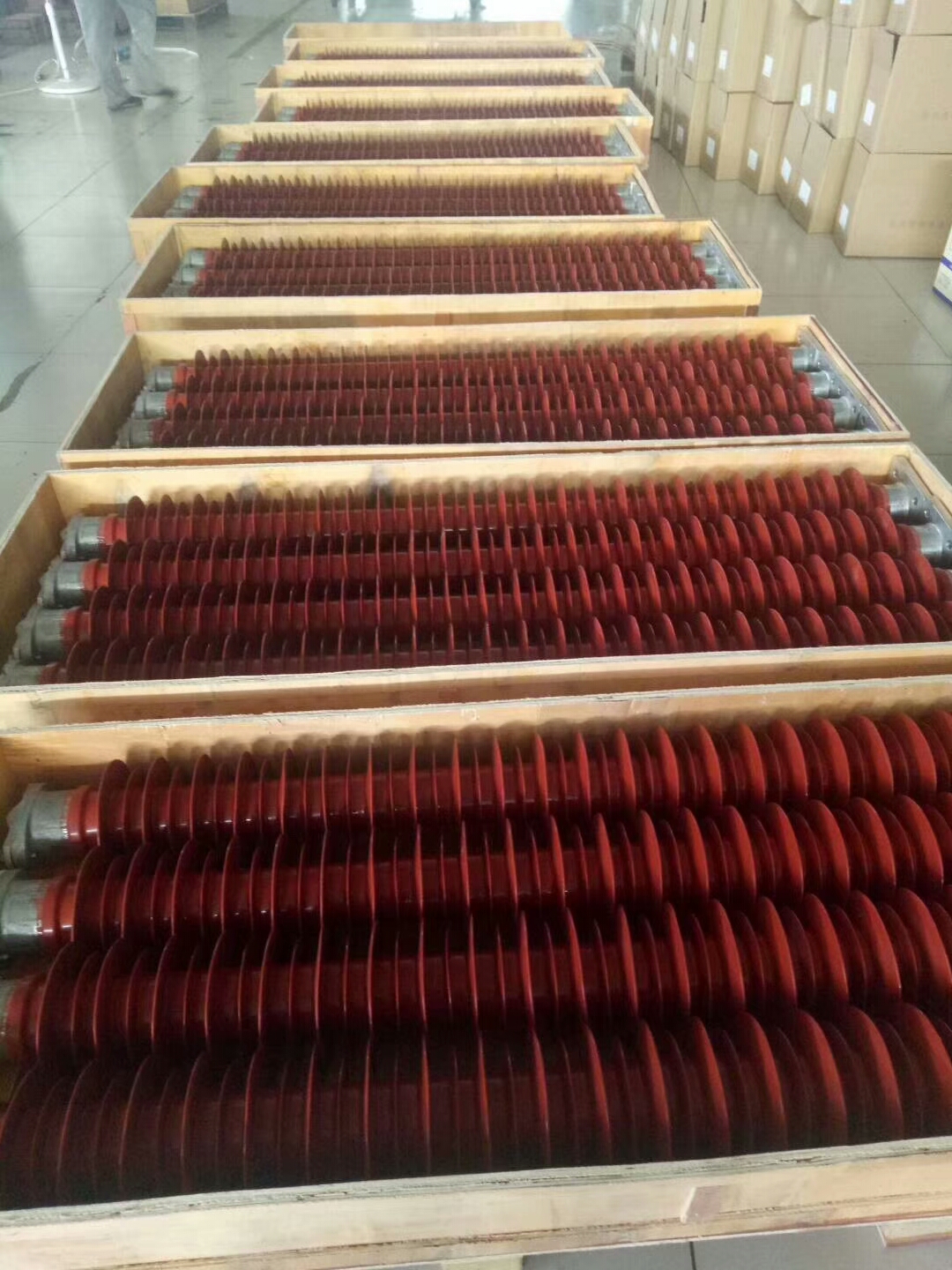
Core Parameters: System voltage=110kV; Continuous operating voltage≥73kV; Nominal discharge current=5kA; Residual voltage=260kV; 2ms square wave capacity≥100A; Jacket=Silicone rubber (pollution-resistant/lightweight); Standards=GB11032-2010, IEC60099-4.
III. Core Characteristics
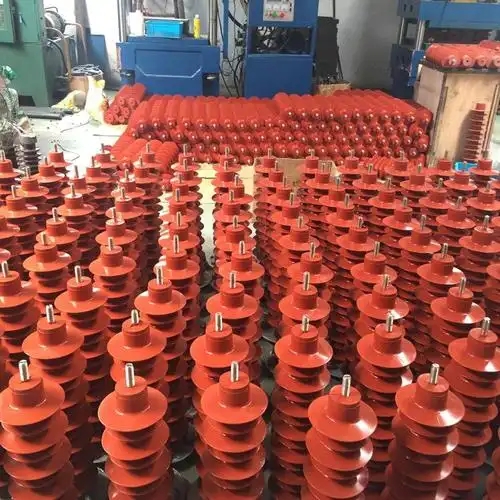
Core Features: 1. Gapless design (nanosecond response, reliable); 2. Inverted installation (easy maintenance, reduces outage time); 3. Silicone jacket (durable, low maintenance for harsh outdoor areas); 4. Precise protection (260kV residual voltage matches 110kV equipment insulation).
IV. Application Scenarios
Application Scenarios: 110kV line towers, cable terminals, overhead branches; Mountainous/thunderstorm-prone areas; Wind/photovoltaic output lines; Outdoor scenarios requiring lightweight/maintenance-free protection.
V. Selection and Usage Notes
Selection & Usage Notes: Match system voltage; Ensure correct inverted wiring, grounding resistance≤10Ω (≤5Ω in thunderstorm areas); Regularly detect leakage current and jacket insulation.
VI. Frequently Asked Questions (FAQ)
1. Q: Model meaning?
A: Per JB/T 8459-2011: YH=composite jacket MOA, 5=5kA, W=no gap, X=line type, 100=100kV, 260=260kV; Inverted=vertical on tower cross arm.
2. Q: Suitable for 110kV lines? Is 100kV matching?
A: 110kV phase voltage≈63.5kV. 100kV/≥73kV exceed system voltage, meeting insulation requirements.
3. Q: Inverted vs conventional installation advantages?
A: Fits tower space, prevents rain/dust; easy install/replace, reduces outage time.
4. Q: Gapless vs gapped arrester advantages?
A: Nanosecond response, no maintenance, reliable for unattended lines, lower cost.
5. Q: Significance of 260kV residual voltage?
A: Matches 110kV equipment insulation, avoids breakdown.
6. Q: Silicone vs porcelain jacket scenarios?
A: Suitable for mountains, coasts, and industrial areas; anti-cracking, low cleaning needs.
7. Q: Maintenance parameters & cycle?
A: Leakage current, jacket insulation; 1/year (6 months in harsh areas).
8. Q: Grounding resistance requirements?
A: ≤10Ω (≤5Ω in thunderstorm areas); poor grounding causes shock/flashover.

Contact Us
Tel: +8615957770984
Email: thor@weishoelec.com
Contact Us
Related Products