Previous
Next
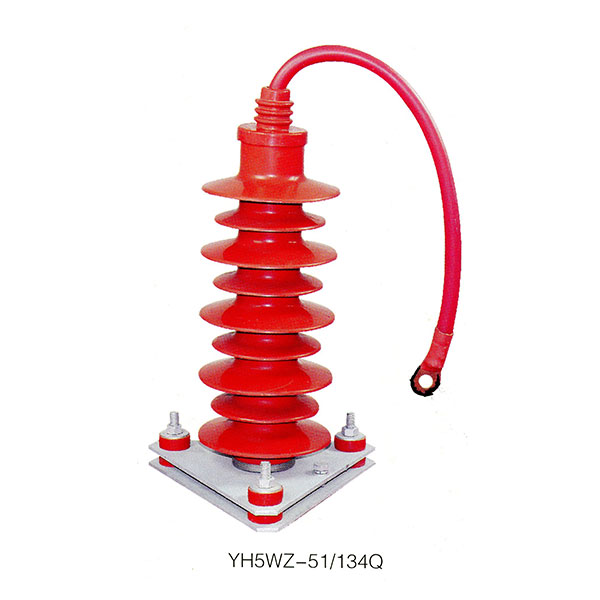
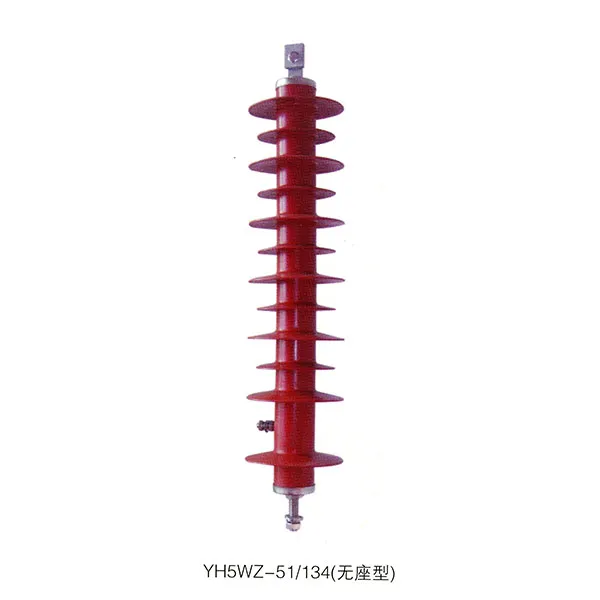
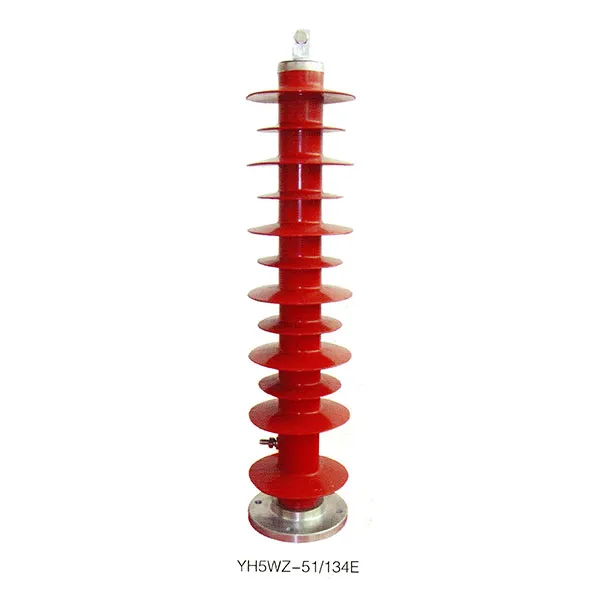
10kV Polymer Lightning Arrester | Medium Voltage Surge Protection
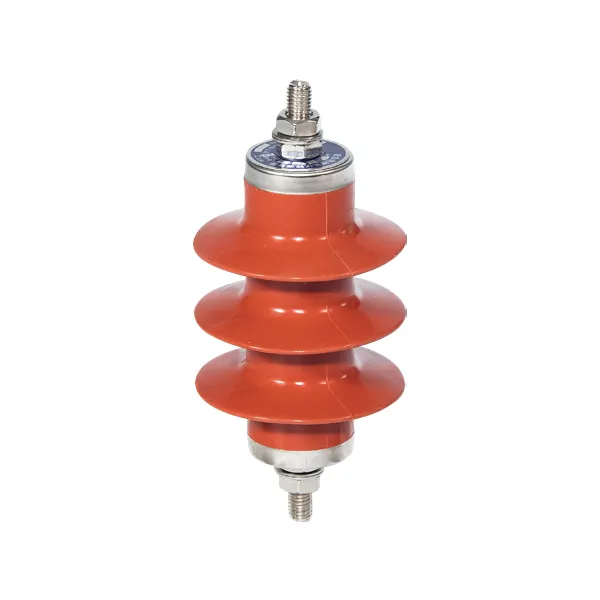
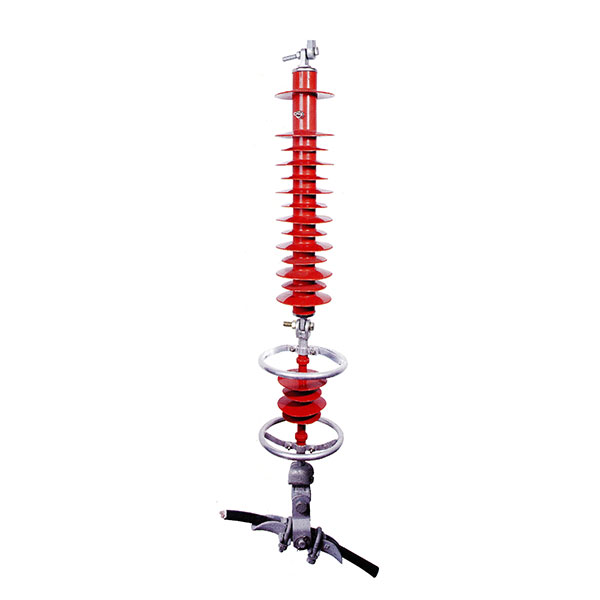
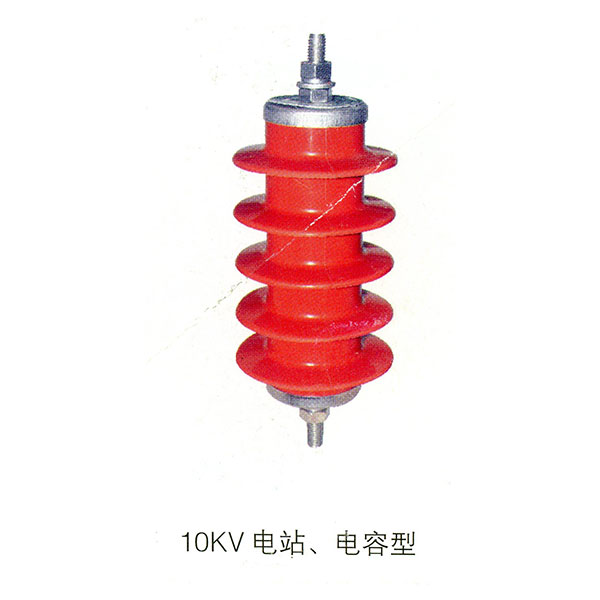
The 10kV lightning arrester is designed to protect medium voltage (MV) power equipment from overvoltage caused by lightning or switching surges. This model uses zinc oxide (ZnO) varistors with a gapless design and features a polymer-housed, weather-resistant body, suitable for outdoor distribution systems.
🔧 Product Overview
This 10kV surge arrester adopts a solid-sealed, gapless design with high-energy ZnO blocks that provide rapid surge absorption. The polymeric silicone rubber housing offers excellent hydrophobicity, UV resistance, and anti-aging performance, outperforming traditional porcelain types in outdoor environments.
Key Features:
Rated for 10kV MV lines, transformers, and equipment
Gapless metal oxide varistor (MOV) technology
Lightweight and easy to install
High pollution resistance and creepage distance
Long service life, maintenance-free
📐 Technical Specifications
| Parameter | Value |
|---|---|
| System Rated Voltage | 10 kV |
| Maximum Continuous Operating Voltage (Uc) | 8.4 kV |
| Rated Discharge Current (8/20 µs) | 10 kA |
| Lightning Impulse Residual Voltage | ≤ 33 kV |
| Housing Material | Polymer (Silicone) |
| Creepage Distance | ≥ 320 mm |
| Installation | Outdoor, pole-mounted |
| Standard Compliance | IEC 60099-4 |
🌍 Application Scenarios
Medium-voltage (10kV) overhead lines
Pole-mounted distribution transformers
RMU or compact substation surge protection
Agricultural and rural grid feeders
Industrial utility voltage input
📊 Case Study: Pakistan Distribution Utility Upgrade (2022)
In 2022, a Pakistani utility replaced over 5,000 porcelain-type arresters with 10kV polymer-housed ZnO surge arresters in rural and semi-urban substations across Punjab Province.
Results:
Flashover incidents dropped by 41% during the monsoon
Installation time reduced by 30% due to lighter polymer housing
Stable performance in regions with high salt fog and dust exposure
Source: Pakistan National Grid Surge Protection Program, 2022
🛠 Installation Notes
Fix the arrester to the pole or bracket using standardized clamps.
Connect the top terminal to the incoming line and the bottom to the grounding system;
Ensure proper spacing from live parts per utility regulations.
Visually inspect housing every 2 years in heavily polluted zones.
❓ Frequently Asked Questions (FAQ)
1. What is the difference between 10kV and 11kV arresters?
They’re functionally similar. Many countries use 10kV or 11kV nominally, and both models are designed for the same system class with slight Uc adjustments.
2. Can this be used in a 3-phase 6.6kV or 10.5kV system?
Yes, as long as UC is selected appropriately. We offer configuration support for custom grid voltages.
3. What’s the lifespan of this arrester?
Typically over 15 years under normal outdoor exposure with no maintenance.
4. Is it better than ceramic housing?
Yes. Polymer housing offers superior pollution resistance, is lighter, and doesn’t shatter under mechanical stress.
5. Does it require regular inspection?
It’s maintenance-free, though annual inspection is recommended in highly polluted or coastal regions.
📞 Contact Us for Drawings, Bulk Orders, or Custom Options
For technical drawings, quotations, or OEM services, contact:
Engineer: Thor
Company: Wei Shoe Elec
Phone: +86-0577-62788197
WhatsApp: +86 159 5777 0984
Email: thor@weishoelec.com
We support surge protection solutions for utilities, industrial zones, and energy projects.

Contact Us
Tel: +8615957770984
Email: thor@weishoelec.com
Contact Us
Related Products