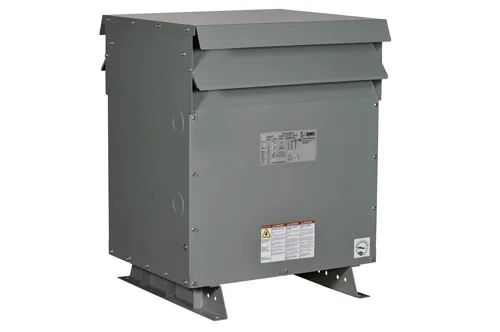
Is a NEMA 3R Enclosure Mandatory for Isolation Transformers?
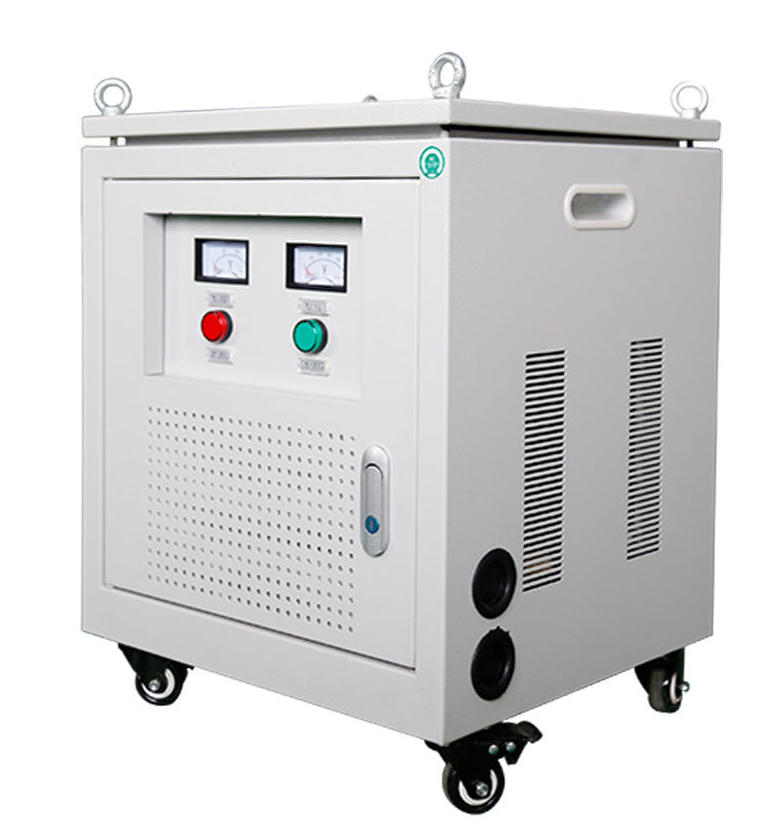
No. An isolation transformer does not inherently require a NEMA 3R enclosure.
The transformer’s isolation function and the enclosure rating are two different issues. What usually drives the NEMA 3R requirement is North American outdoor installation practice, plus the customer’s project specification, especially in the United States, the Dominican Republic, and many Caribbean markets that follow NEC and NEMA expectations.
In simple terms: the transformer does not need NEMA 3R because it is an isolation transformer; it needs NEMA 3R because it will be installed outdoors or because the bid document says so.
That distinction matters in real projects. Buyers often assume “isolation transformer” automatically means “outdoor weatherproof enclosure.” In practice, indoor dry-type isolation transformers are commonly supplied in NEMA 1 enclosures, while outdoor isolation transformer NEMA 3R enclosure configurations are specified when rain exposure, rooftop placement, open-air equipment yards, or inspection requirements apply.
The Real Problem: Why a Standard Indoor Transformer Enclosure Fails Outdoors
The core problem is not electrical isolation. It is environmental exposure.
A standard indoor transformer enclosure, typically NEMA 1, is built for protected indoor spaces such as electrical rooms, mechanical rooms, and controlled utility areas. Once that same transformer is placed outdoors, the enclosure becomes the weak point.
Rain enters through ventilation openings. Wind-driven moisture can reach live parts. Debris can accumulate. Snow and sleet become operational hazards. Inspectors may reject the installation before the unit is ever energized.
This is why the conversation around weatherproof transformer enclosure requirements is really a conversation about site conditions, code expectations, and practical acceptance.
For example, on a U.S. rooftop supporting HVAC controls or building distribution, the transformer may be electrically perfect but still non-compliant if housed in an indoor-rated cabinet. On a Caribbean commercial project, an engineer may write “dry-type isolation transformer, NEMA 3R enclosure” into the schedule because the equipment is mounted in a semi-exposed service area where rain intrusion is a credible risk.
That is the real-world reason buyers ask for NEMA 3R: not because the transformer “isolates better,” but because the installation must survive outdoors and pass approval.
What Protection Does a NEMA 3R Enclosure Provide for an Isolation Transformer?
Under NEMA 250, a NEMA 3R enclosure is intended for indoor or outdoor use and provides a practical level of environmental protection for dry-type transformer applications.
For an isolation transformer, a NEMA 3R enclosure typically protects against falling rain, snow, and sleet. It also helps prevent accidental human contact with energized internal components and reduces the chance that falling dirt or debris enters the enclosure.
Just as important, NEMA 3R does this while still allowing the transformer to breathe. Dry-type transformers generate heat, and enclosure ventilation is not optional. That is why NEMA 3R is so widely used in outdoor dry-type transformer installations.
What NEMA 3R Protects Against
A NEMA 3R enclosure for an isolation transformer is designed to provide the following practical protections:
Falling rain
Snow
Sleet
External ice formation that should not damage the enclosure or impair basic operation
Accidental contact protection against access to energized internal parts
Basic protection from falling debris and foreign matter entering from above
For many standard outdoor installations, this is exactly the right balance. The enclosure includes weather-aware venting and rain shields, rather than trying to become a fully sealed box.
What NEMA 3R Does Not Protect Against
This is where many specification mistakes happen. NEMA 3R is not a universal outdoor solution.
It is not dust-tight. It is not intended for hose-directed water. It is not designed for washdown areas. It is not the correct answer for heavy corrosion zones unless materials and coatings are specifically upgraded.
So if the site involves blowing dust, food-processing washdown, offshore salt exposure, or regular pressure cleaning, a standard NEMA 3R enclosure may be insufficient. In those cases, NEMA 4 or NEMA 4X may be required.
That said, many buyers over-specify NEMA 4/4X without considering transformer cooling. A dry-type transformer needs ventilation, and fully sealed housings create thermal management challenges that increase size, cost, and complexity.
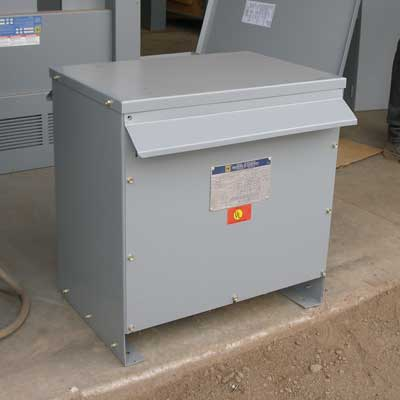
Why Customers Specify NEMA 3R for Outdoor Isolation Transformer Installations
There are four recurring reasons customers specify NEMA 3R on isolation transformer projects.
First, the equipment is going outdoors. Second, dry-type transformers need ventilation. Third, the RFQ or tender document explicitly requires NEMA 3R. Fourth, inspection, insurance, and commissioning often depend on the enclosure rating matching the project environment.
These are specification realities, not theory. They come up repeatedly across OEM jobs, building projects, MEP contracts, and infrastructure tenders.
Outdoor, Rooftop, and Open-Area Installations Need Rainproof Enclosures
The most common reason is straightforward: the transformer is being installed in an exposed location.
Typical examples include rooftops, loading docks, exterior service walls, parking structure utility zones, open industrial platforms, and temporary construction areas. In those environments, an indoor enclosure is a poor fit.
NEMA 1 is generally used for indoor applications only. It does not provide the rain protection expected for outdoor service. By contrast, NEMA 3R is the most common and cost-effective choice for a rainproof electrical transformer housing in North American dry-type transformer applications.
In practice, many contractors and consulting engineers automatically shift from NEMA 1 to NEMA 3R the moment the transformer moves from an indoor electrical room to a roof curb or exterior pad.
This is why NEMA 3R vs NEMA 1 for transformers is usually not a debate about transformer design. It is a debate about where the transformer will actually live.
Dry-Type Isolation Transformers Need Ventilation, Not Full Sealing
This is one of the most important technical points, and it is often overlooked by non-specialist buyers.
Dry-type isolation transformers generate heat continuously under load. Copper losses and core losses do not disappear just because the enclosure is outdoors. If the cabinet traps too much heat, the transformer runs hotter, insulation life drops, and temperature rise becomes a serious design issue.
NEMA 3R works well because it allows for a vented design with rain hoods, louvers, and top features that shed water while maintaining airflow. In real applications, that balance is exactly what many dry-type units need.
By comparison, NEMA 4 and NEMA 4X are much more sealed. That can be useful in washdown or corrosion-heavy environments, but for standard outdoor transformer duty, the tighter enclosure may require design concessions such as larger surface area, forced ventilation, or derating.
From a commercial perspective, this matters. A NEMA 4/4X isolation transformer is usually more expensive, heavier, and less straightforward to cool than a NEMA 3R equivalent.
This is one reason experienced manufacturers, including Weisho Electric, typically ask detailed questions about site exposure before confirming an enclosure recommendation. Good enclosure selection is a thermal decision as much as an environmental one.
RFQs and Public Tenders Often State “Dry-Type Isolation Transformer, NEMA 3R Enclosure”
In many projects, the enclosure choice is not optional. It is contractual.
Public tenders, school projects, municipal facilities, healthcare upgrades, and infrastructure packages often specify equipment in exact language. A common line item reads: “Dry-type isolation transformer, NEMA 3R enclosure, suitable for outdoor installation.”
When that wording appears in an RFQ, suppliers cannot simply substitute NEMA 1 because the transformer itself is dry-type or because the mounting location is “partially covered.” The bid requirement governs.
This point is especially relevant in export markets aligned with U.S. practices. In the Dominican Republic and across parts of the Caribbean, consultants frequently draft project specs using NEC and NEMA terminology. That makes NEMA 3R a routine commercial requirement on exposed dry-type transformer packages.
In other words, the enclosure rating becomes part of the procurement identity of the product. It is no longer just a technical preference.
Electrical Inspection, Insurance, and Utility Approval Often Depend on the Enclosure Rating
Even if a contractor wants to save money, the installation still has to pass inspection.
Authorities Having Jurisdiction, third-party inspectors, owners’ engineers, and insurers regularly review enclosure suitability for installed equipment. If a transformer intended for outdoor service is supplied in an indoor enclosure, rejection is common.
That rejection may occur at several stages:
Submittal review
Site inspection before energization
Commissioning sign-off
Insurance or risk audit
In practical terms, the cost of a failed approval can exceed the price difference between NEMA 1 and NEMA 3R many times over. Delays, rework, replacement enclosures, labor, crane time, and schedule disruption all become real risks.
This is why experienced buyers do not treat enclosure rating as a cosmetic option. They treat it as a compliance item.
NEMA 3R vs NEMA 1 for Transformers: Which One Is Actually Needed?
The answer depends on the installation environment, not on whether the transformer is called “isolation,” “control,” or “general purpose.”
NEMA 1 is typically appropriate for indoor spaces where the equipment is protected from rain and severe contamination. It is the standard economical choice for electrical rooms and sheltered mechanical areas.
NEMA 3R is the common choice when the transformer is installed outdoors or in a location subject to falling rain, snow, or sleet. It is also a frequent specification requirement in North American projects even when the transformer sits under a canopy or in a semi-exposed zone.
One of the most common buyer mistakes is assuming “under cover” equals “indoors.” It does not. Rooftop overhangs, open-sided structures, and partial weather shelters may still be considered outdoor conditions by project engineers and inspectors.
When comparing NEMA 3R vs NEMA 1 for transformers, think about these questions:
Will the enclosure ever be exposed to rain or windblown moisture?
Is the installation on a roof, exterior wall, service yard, or open platform?
Does the project specification explicitly name NEMA 3R?
Will an inspector or consulting engineer review the submittal?
If the answer to any of these is yes, NEMA 3R often becomes the safer and more realistic choice.
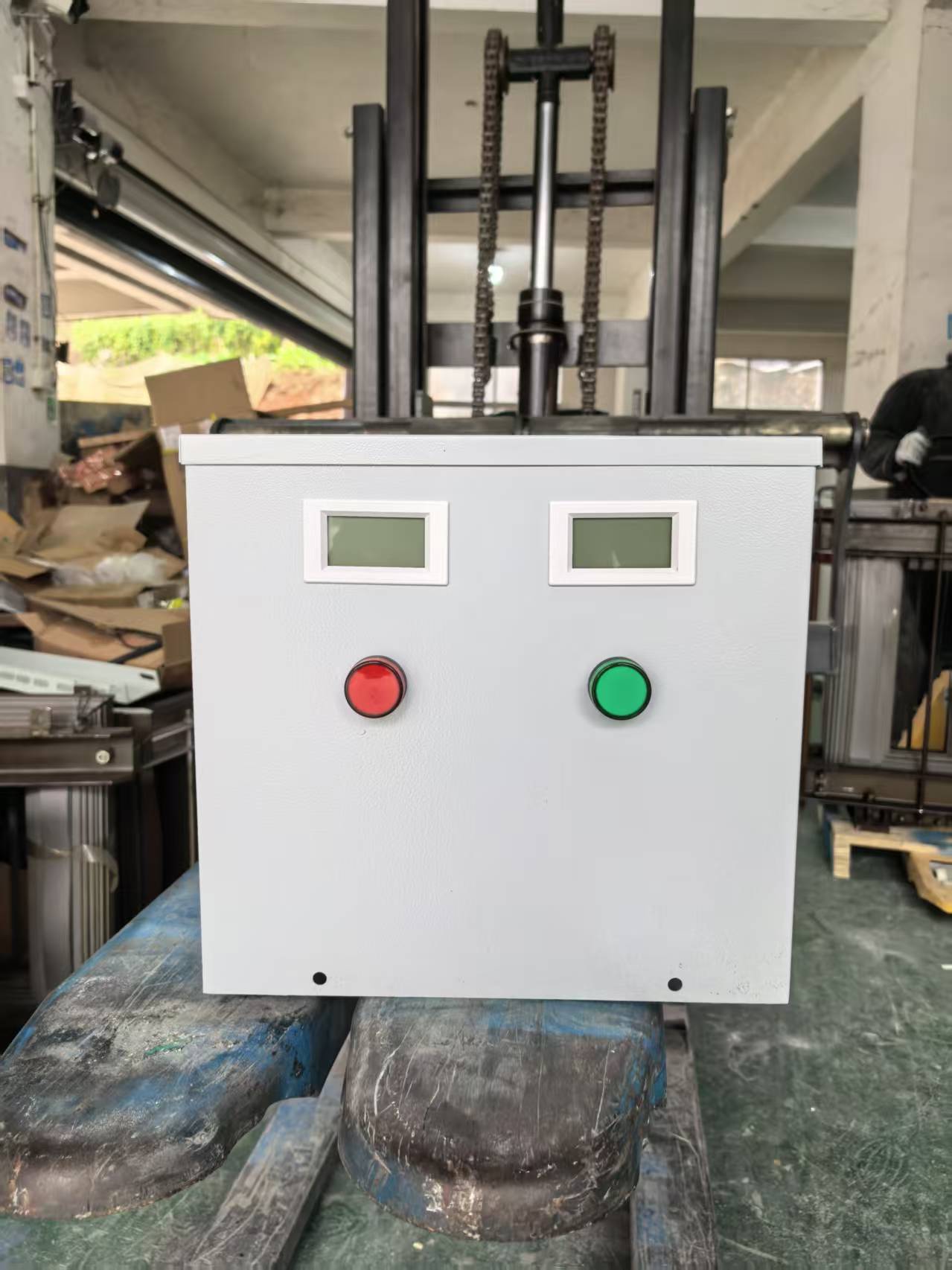
NEMA 3R vs NEMA 4/4X for Isolation Transformers
NEMA 3R is often the right answer for standard outdoor dry-type transformer use. But it is not the only outdoor enclosure type.
NEMA 4 is intended for more demanding water exposure, including hose-directed water. NEMA 4X adds corrosion resistance, making it attractive for coastal, chemical, marine, or sanitary environments.
However, a higher rating is not automatically better for every transformer.
A fully sealed or more tightly protected enclosure may reduce natural ventilation. That can create thermal challenges for dry-type units, especially at higher kVA ratings or elevated ambient temperatures. In hot climates such as the Caribbean, this matters even more.
It also affects cost. Depending on size, material, finish, and accessories, moving from NEMA 3R to NEMA 4/4X can significantly raise the total package price. Stainless steel 4X designs can be especially expensive.
So when should NEMA 4/4X actually be considered?
Washdown environments such as food or beverage plants
Coastal corrosion zones with aggressive salt exposure
Chemical or process plants with corrosive agents
Heavy industrial cleaning areas where hose spray is routine
Sites with strict owner specifications requiring sealed enclosures
For standard rooftop and exterior building installations, though, NEMA 3R usually remains the mainstream solution.
Isolation Transformer Outdoor Installation Standards in North America
North American practice is shaped by a combination of code, standards, engineering habit, and procurement language.
The NEC does not say that every isolation transformer must be NEMA 3R. What it does do is establish broad expectations for equipment suitability in the installed environment. If equipment is outdoors, the enclosure has to be suitable for outdoor conditions.
NEMA 250 then provides the recognized enclosure framework used by designers, specifiers, manufacturers, and inspectors. That is why so many project documents refer directly to NEMA enclosure types.
In the United States, outdoor dry-type transformer packages are frequently specified with NEMA 3R. The same pattern appears in the Dominican Republic and throughout parts of the Caribbean where U.S.-style electrical design language is common.
These are not isolated cases. They show up in:
Commercial building projects
Public works tenders
Rooftop mechanical-electrical packages
Hospital and school upgrades
Utility support equipment installations
Industrial service expansions
That is why the phrase isolation transformer outdoor installation standards often leads buyers back to the same conclusion: for a dry-type transformer outdoors, NEMA 3R is usually the baseline expectation unless the site demands something more severe.
NEMA 1 vs NEMA 3R vs NEMA 4/4X for Isolation Transformer Applications
| ENCLOSURE RATING | INDOOR/OUTDOOR SUITABILITY | RAIN PROTECTION | VENTILATION SUITABILITY FOR DRY-TYPE TRANSFORMERS | CORROSION RESISTANCE | TYPICAL USE CASE | RELATIVE COST RANGE |
|---|---|---|---|---|---|---|
| NEMA 1 | Indoor only | No | Good for indoor ventilated designs | Basic only | Electrical rooms, indoor mechanical spaces | Low |
| NEMA 3R | Indoor / Outdoor | Yes, for falling rain, snow, sleet | Very good balance of ventilation and weather protection | Moderate, depends on finish/material | Rooftops, exterior service areas, open construction zones | Medium |
| NEMA 4 | Indoor / Outdoor | Yes, plus hose-directed water protection | More challenging due to tighter sealing | Better than basic painted steel when properly built | Washdown or harsh industrial water exposure | High |
| NEMA 4X | Indoor / Outdoor | Yes, plus hose-directed water protection | More challenging due to tighter sealing | High, suitable for corrosive/coastal conditions | Marine, coastal, chemical, sanitary environments | High to very high |
Typical Project Scenarios and Recommended Transformer Enclosure Ratings
| PROJECT SCENARIO | EXPOSURE LEVEL | TYPICAL RECOMMENDED ENCLOSURE | WHY |
|---|---|---|---|
| Indoor electrical room | Low | NEMA 1 | Protected environment, no rain exposure |
| Commercial rooftop installation | Moderate weather exposure | NEMA 3R | Rain protection with ventilation for dry-type transformer cooling |
| Outdoor service yard at office or retail building | Moderate weather exposure | NEMA 3R | Mainstream outdoor dry-type transformer choice |
| Construction site open area | Weather exposure and debris | NEMA 3R | Outdoor suitability and practical protection from rain and falling matter |
| Coastal installation near salt air | Corrosive outdoor exposure | NEMA 4X or upgraded 3R by specification | Corrosion risk may justify stainless or specialized enclosure system |
| Food plant washdown area | Frequent water spray | NEMA 4 or 4X | NEMA 3R is not hose-down rated |
| Semi-covered outdoor platform | Still considered outdoor in many projects | NEMA 3R | Project approval often requires outdoor enclosure rating |
Real-World Examples: When a NEMA 3R Isolation Transformer Is Commonly Specified
Actual project behavior tells the story better than generic definitions.
Across North America and NEC/NEMA-based export markets, NEMA 3R appears again and again in dry-type transformer schedules whenever the installation is exposed to weather but does not require washdown or full corrosion-duty construction.
Below are typical scenarios where a rainproof electrical transformer housing is commonly specified.
Example: U.S. Commercial Rooftop Installation
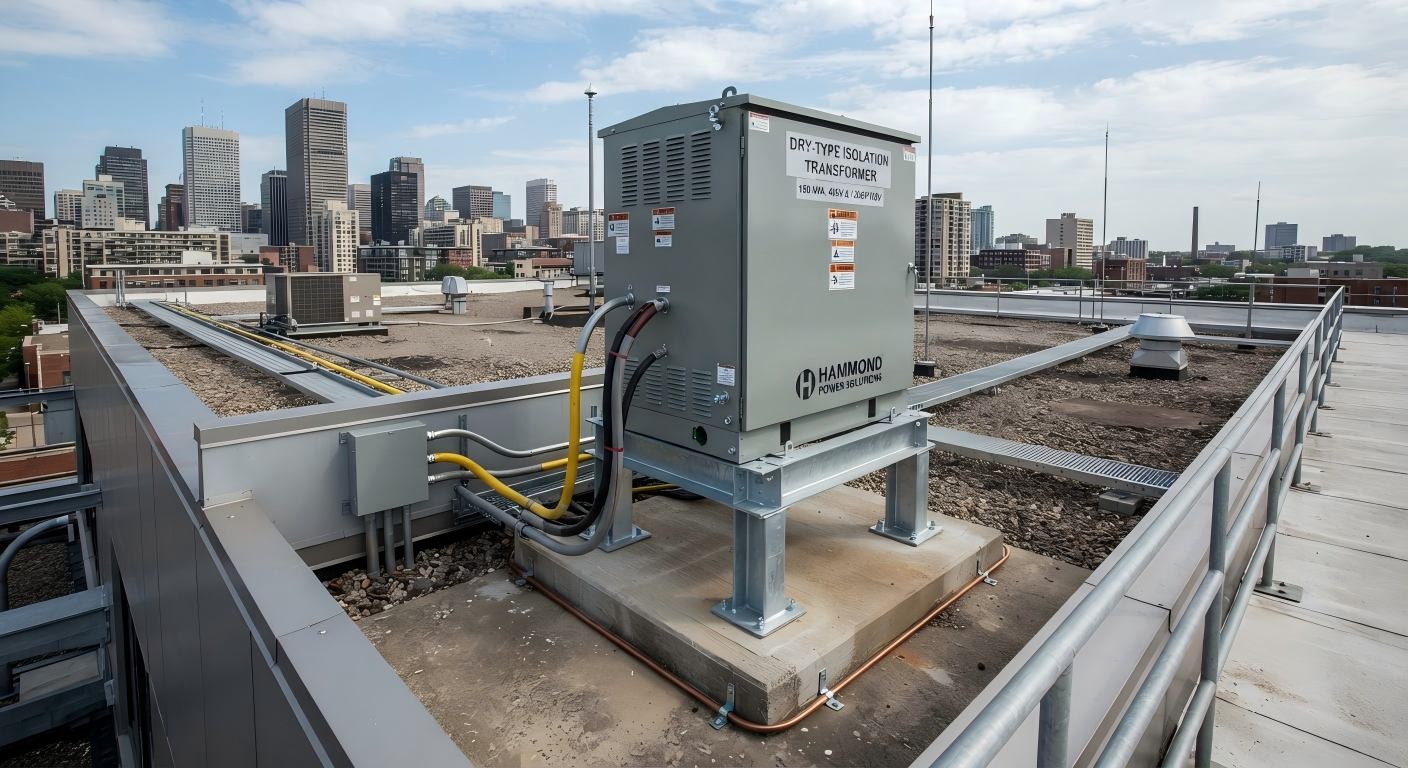
A common example is a dry-type isolation transformer installed on the roof of a commercial building to support HVAC equipment, building automation loads, or voltage conversion for rooftop systems.
Even when rooftop equipment sits behind screens or near penthouse structures, engineers usually still classify the transformer environment as outdoor. Rain, snow, thermal cycling, and wind exposure remain real.
In this case, a NEMA 1 enclosure would be a weak and usually unacceptable choice. A NEMA 3R enclosure is typically quoted because it provides weather protection while allowing enough airflow for the dry-type transformer to run correctly.
On many U.S. jobs, this is not even controversial. It is standard estimating practice.
Example: Dominican Republic or Caribbean Outdoor Power Distribution Project
In the Dominican Republic and wider Caribbean region, many commercial and institutional projects are documented using U.S.-style specification language. Outdoor dry-type transformers are therefore often requested in NEMA terms.
Consider an exterior-mounted transformer serving a commercial building, resort facility, or utility support load. The transformer may be under a canopy, inside a partially open service area, or mounted on an exterior slab. The owner’s consultant still often requires a NEMA 3R enclosure because the space is not a true indoor room.
High humidity, tropical rain patterns, and inspection expectations all reinforce that choice. This is one reason suppliers serving these markets routinely prepare quotations around outdoor isolation transformer NEMA 3R enclosure configurations.
Example: Public RFQ Language
Public bid documents often remove all ambiguity by stating the requirement directly.
Examples of typical wording include:
Dry-type isolation transformer, NEMA 3R enclosure, suitable for outdoor installation.
Provide a ventilated dry-type transformer with a rainproof outdoor enclosure.
Transformer shall be suitable for rooftop mounting and furnished in NEMA 3R housing.
Once that language is part of the procurement package, enclosure selection is no longer a design preference. It becomes a compliance item tied to contract fulfillment.
Manufacturers that regularly support these jobs, including Weisho Electric, tend to review not just the kVA and voltage, but also the bid language, mounting location, ambient temperature, and inspection expectations before finalizing the offer.
Key Misunderstandings to Avoid When Selecting a Weatherproof Transformer Enclosure
Buyers make three mistakes repeatedly when selecting outdoor transformer enclosures.
Each mistake can lead to either non-compliance or unnecessary overspending.
Misunderstanding: Every Isolation Transformer Must Be NEMA 3R
This is false.
Indoor isolation transformers are commonly built and installed in NEMA 1 enclosures. If the unit is going into a clean indoor electrical room, NEMA 1 is often the normal and economical solution.
The need for NEMA 3R arises when the transformer is outdoors, semi-exposed, or governed by project specifications calling for outdoor suitability.
Misunderstanding: NEMA 3R Means Fully Waterproof
This is also false.
NEMA 3R is best understood as rainproof, not fully waterproof. It protects against falling rain, snow, and sleet, but it is not intended for hose-directed water, washdown service, or every possible water intrusion scenario.
If a buyer expects the enclosure to withstand pressure washing or aggressive washdown cleaning, NEMA 3R is the wrong target.
Misunderstanding: A Higher NEMA Rating Is Always Better
This sounds sensible, but in transformer design it is often wrong.
A higher enclosure rating can increase cost, weight, lead time, and cooling difficulty. For dry-type units, ventilation is not optional. A fully sealed enclosure may force design changes that are unnecessary for normal rooftop or exterior service conditions.
In many standard outdoor installations, NEMA 3R is not a compromise. It is the correct engineering balance.
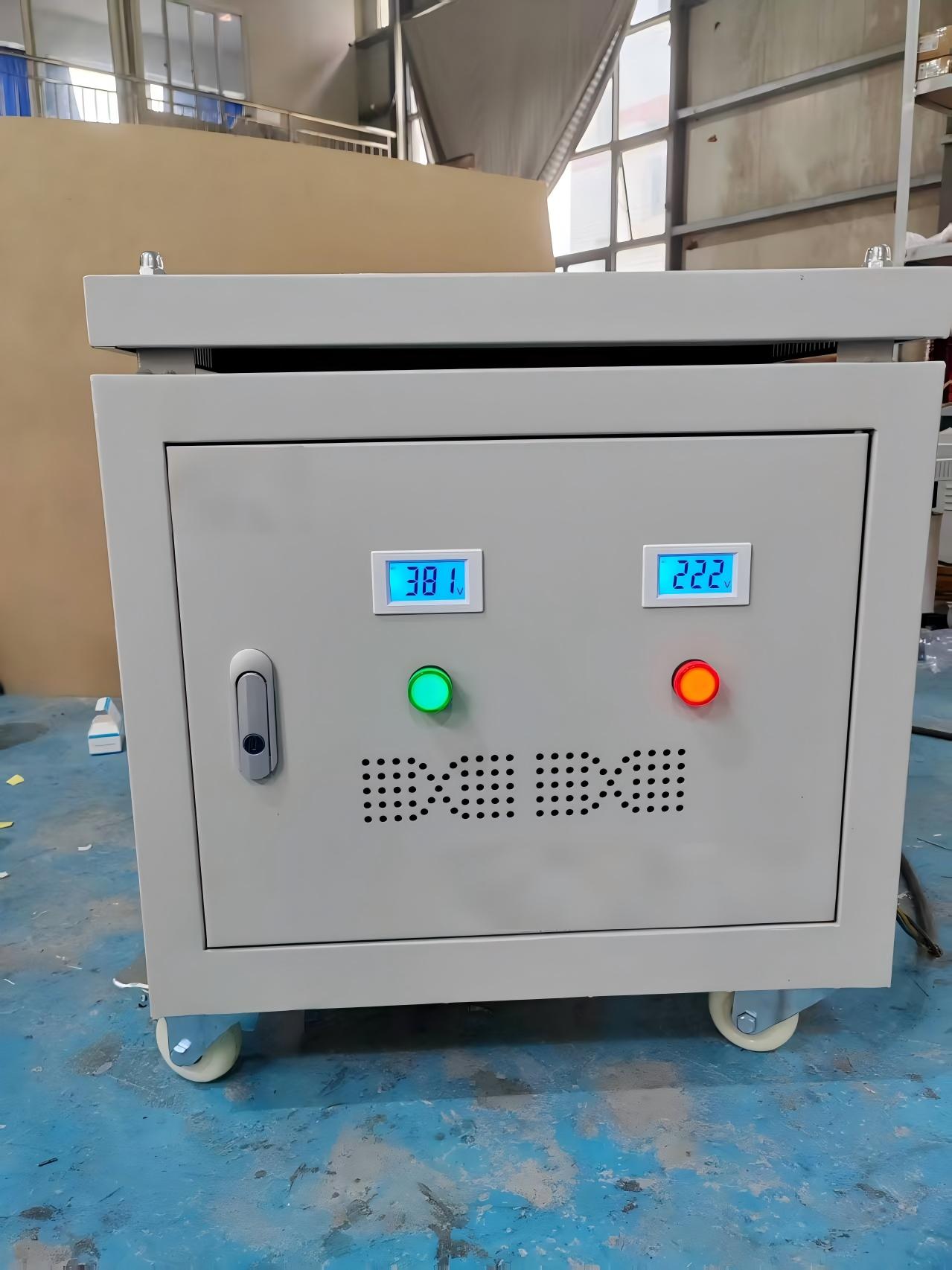
How to Choose the Right Rainproof Electrical Transformer Housing
The best enclosure decision starts with the actual project conditions, not generic assumptions.
If you need to choose between NEMA 1, NEMA 3R, and NEMA 4/4X, use the following process.
Step 1: Confirm Indoor or Outdoor Installation
Start with the physical mounting location.
If the transformer is in a true indoor room with environmental protection, NEMA 1 may be sufficient. If it is on a roof, exterior wall, open utility area, or any semi-exposed structure, treat it as outdoor unless the project engineer says otherwise.
Step 2: Check Project Specification and Local Code Requirements
Read the RFQ, submittal notes, equipment schedule, and general electrical specification carefully.
If the documents call for “NEMA 3R,” that is usually the end of the debate. Also confirm local inspector expectations, NEC-aligned suitability requirements, and any owner-specific standards.
Step 3: Evaluate Heat Dissipation Needs for Dry-Type Units
Do not choose an enclosure without considering transformer heat.
Dry-type isolation transformers need airflow. The larger the kVA and the higher the ambient temperature, the more important enclosure ventilation becomes. This is one reason NEMA 3R is so common for standard outdoor dry-type designs.
Step 4: Review Corrosion and Water Exposure Severity
Finally, ask whether the site truly requires more than NEMA 3R.
If there is frequent hose spray, washdown cleaning, severe salt air, or chemical exposure, NEMA 4 or 4X may be justified. If not, moving above NEMA 3R may simply add cost without adding useful value.
Featured Snippet Summary: Why Isolation Transformers Often Use NEMA 3R Enclosures
Isolation transformers often use NEMA 3R enclosures not because isolation itself requires it, but because outdoor North American installations and project specifications often do. NEMA 3R provides practical protection against falling rain, snow, and sleet while still allowing ventilation for dry-type transformer cooling, making it the most common enclosure choice for standard outdoor dry-type transformer applications.
FAQ
Do isolation transformers require a NEMA 3R enclosure by default?
No. Isolation transformers do not require NEMA 3R by default. NEMA 3R is usually specified when the transformer is installed outdoors, on rooftops, in exposed service areas, or when the project documents explicitly require it.
Can a NEMA 1 isolation transformer be installed outdoors?
No. A NEMA 1 enclosure is intended for indoor use. It does not provide the rain protection expected for outdoor transformer installations and is commonly rejected for exposed environments.
Is NEMA 3R waterproof for transformers?
No. NEMA 3R is rainproof, not fully waterproof. It is designed for protection against falling rain, snow, and sleet, but it is not suitable for hose-down, washdown, or high-pressure water exposure.
Why not use NEMA 4 or NEMA 4X for every outdoor isolation transformer?
Because NEMA 4 and 4X enclosures are more sealed, more expensive, and often less favorable for dry-type transformer cooling. They are best reserved for washdown, corrosive, coastal, or unusually harsh environments where the higher protection level is truly needed.
Is NEMA 3R acceptable for rooftop transformer installations?
Yes. In many dry-type rooftop applications, NEMA 3R is the standard and accepted enclosure choice, provided the project specification and local code conditions support it.
What markets most often request outdoor isolation transformer NEMA 3R enclosures?
The United States, the Dominican Republic, and many Caribbean markets that use NEC/NEMA-style project standards commonly request NEMA 3R enclosures for outdoor dry-type isolation transformers.
Does NEMA 3R help with inspection and insurance approval?
Yes. The enclosure rating often affects submittal approval, field inspection, insurance review, and energization acceptance. Using the correct outdoor enclosure reduces the risk of rejection and project delays.
Conclusion: Choose NEMA 3R for Outdoor Compliance, Not Because Isolation Requires It
The key takeaway is simple: isolation transformers are not universally required to have NEMA 3R enclosures.
What drives the NEMA 3R requirement is the combination of outdoor installation conditions, NEC/NEMA-aligned design practice, project specifications, and approval requirements. For standard dry-type outdoor service, NEMA 3R offers the right balance of rain protection, safety, ventilation, and cost.
Indoor installations usually remain in NEMA 1. Harsh washdown or corrosive sites may move to NEMA 4 or 4X. But for mainstream rooftop, exterior wall, and open service-area transformer applications, NEMA 3R continues to be the practical default across many North American and Caribbean projects.
If you remember only one point, let it be this: choose NEMA 3R for outdoor compliance and environmental suitability, not because the isolation function itself demands it.
CTA: Need Help Selecting the Right Transformer Enclosure for Your Project?
If you are sizing or sourcing an isolation transformer, do not guess on enclosure rating. A wrong enclosure can delay approval, increase heat problems, or waste budget on unnecessary over-specification.
Send your installation environment, voltage, kVA, frequency, mounting location, and project specification, and get a fast recommendation on whether you need NEMA 1, NEMA 3R, or NEMA 4/4X.
Contact us now for a quick technical review and quotation. If your project is in the U.S., Dominican Republic, or Caribbean market and requires a compliant outdoor dry-type solution, we can help you match the enclosure to the real site conditions before procurement mistakes happen.