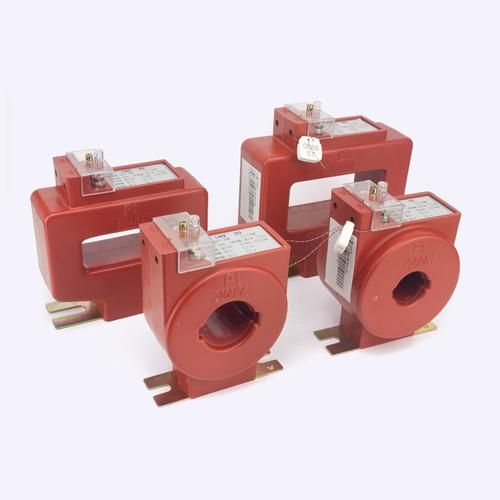
Many Chinese manufacturers ask the same question: why do North American buyers insist on encapsulated or potted Isolation transformers when open-wound, varnish-pressure-impregnated designs already work in many other markets?
The short answer is this: it is not simply about waterproofing. In North America, the preference comes from a layered decision logic built around UL5085 compliance, NEMA enclosure practice, harsh field conditions, vibration resistance, and lifetime maintenance economics.
That is why a transformer that looks technically “good enough” on paper may still be rejected by a North American OEM, panel builder, or end user. The buying decision is usually driven by compliance first, field reliability second, and service cost third.
In other words, this is not a cosmetic preference. It is a practical, compliance-driven, and cost-driven standard in many industries.
Why Many Chinese Manufacturers Misread North American Transformer Demand
A common misunderstanding is to assume that North American buyers choose potted transformers because they want something more sealed against rain. That explanation is too shallow.
The real reason is that North America uses a large number of OEM cabinets, rooftop units, skid packages, pump panels, washdown systems, and outdoor enclosures where the transformer is not sitting in a clean electrical room. It is installed inside the machine, often in a NEMA 3R, 4, or 4X enclosure, and expected to run for years with very little maintenance.
In those installations, an open-wound design can create extra review burden, more contamination risk, more spacing concerns, and more field maintenance. Buyers know this from experience.
That is why the demand pattern in North America differs from some Asian or European projects. The transformer is being selected as part of a system-level risk reduction strategy, not only as a voltage conversion component.
The Core Problem: Why Open VPI Transformers Often Face Limits in North America
Open-wound or VPI transformers absolutely have valid applications. In a clean indoor power room with good airflow, controlled dust levels, and trained maintenance staff, they can perform very well.
But North American OEM practice often places transformers in much tougher real-world environments. Think about outdoor HVAC equipment, wastewater control panels, agricultural pump systems, food equipment near washdown areas, and mobile skid systems.
In these settings, open-wound designs face several practical limits:
Exposed coils are more vulnerable to dust accumulation, condensation, oily residue, and airborne contaminants.
Ventilation clearance is required, which conflicts with compact sealed cabinets.
UL review may be stricter because exposed live parts and spacing conditions require more attention.
Vibration can loosen winding structures over time if the coil system is not fully locked in place.
Maintenance is not optional; periodic cleaning often becomes necessary to prevent thermal and insulation problems.
So while open VPI designs are not “bad,” they are often a poorer fit for the environments where many North American machines actually operate.
What North American Buyers Prioritize When Selecting Control and Isolation Transformers
If you talk to OEM engineers, UL panel shops, or maintenance managers in North America, their decision priorities are usually predictable.
They tend to evaluate in this order:
Safety certification and compliance
Compatibility with NEMA enclosure design
Resistance to moisture, dust, and condensation
Vibration durability
Low lifetime maintenance cost
Compact panel integration
Purchase price
This order matters. Many suppliers still sell on initial price, while North American buyers often buy on approval risk, service calls, and total installed cost.
That is why the phrase encapsulated control transformer benefits carries real commercial meaning in this market. Buyers are not only paying for resin. They are paying for fewer field problems.
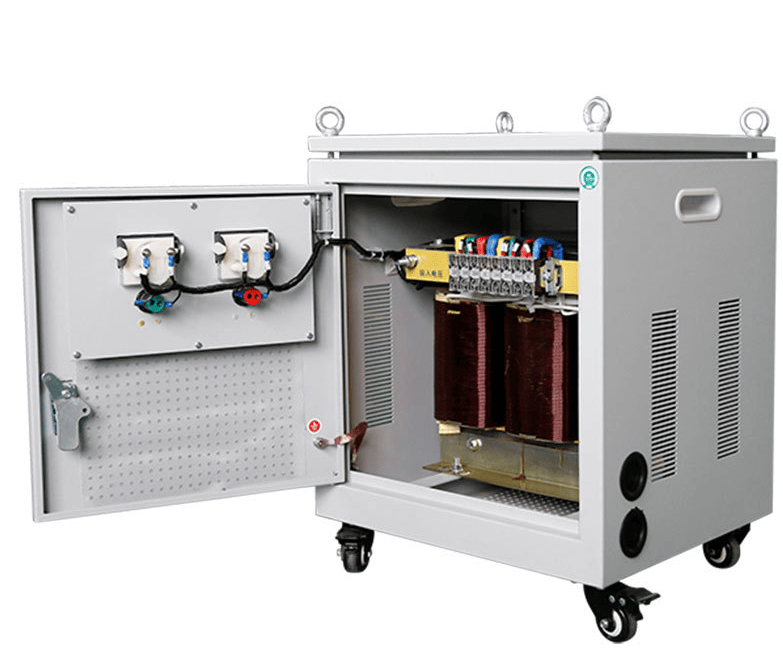
UL5085 Compliance Is the #1 Reason Encapsulated Transformers Are Preferred
The most important driver is usually UL5085 safety compliance. In North America, if the transformer goes inside industrial control equipment, certification path and panel review complexity matter a lot.
Encapsulated transformers typically use flame-retardant resin systems that support UL94 V-0 expectations. That helps reduce fire propagation risk and protects internal winding structures from contamination and movement.
Just as important, potting reduces the chance of internal arcing exposure and helps control creepage and clearance risks inside compact assemblies. For many enclosed equipment designs, this makes certification and final acceptance easier.
How Encapsulation Helps Meet UL5085 and UL94 V-0 Expectations
When a winding assembly is fully encapsulated in a qualified resin system, the electrical structure becomes more stable and more protected. The insulation system is not left exposed to the same dust, humidity, and handling conditions as an open-wound transformer.
Flame-retardant potting materials also support a safer construction approach. In many industrial control panel applications, that means fewer concerns about exposed combustible surfaces, internal flash paths, and degraded insulation due to environmental contamination.
This is one reason many buyers connect North American industrial transformer standards with potted construction. It aligns well with the safety culture behind UL-reviewed equipment.
Why Open Wound Transformers Face More Restrictions in Panel-Building Reviews
Open-wound transformers can certainly be approved, but they often need more spacing, more guarding, more ventilation planning, and more environmental justification. That adds work for panel designers and reviewers.
In a tight control cabinet, exposed coils may trigger questions about contamination, access, heat buildup, and field conditions. Those questions do not automatically kill the design, but they increase friction.
For a North American OEM shipping thousands of units, reducing that friction is a strong purchasing motive. A potted unit often becomes the simpler and safer path.
NEMA Enclosure Compatibility Makes Potted Transformers the Safer OEM Choice
One major market reality is often overlooked: North American equipment is frequently installed directly in NEMA enclosures, not in separate climate-controlled electrical rooms.
That changes everything.
A transformer inside a NEMA 3R outdoor panel, a NEMA 4 washdown enclosure, or a NEMA 4X corrosion-resistant cabinet must tolerate moisture, dirt, temperature swings, and condensation risk. Open-wound designs are much less forgiving in these conditions.
This is why the term enclosed control transformer for harsh environments is not marketing language in North America. It reflects a real installation need.
Why NEMA 3R and 4X Applications Favor Enclosed Control Transformers for Harsh Environments
NEMA 3R applications often involve rain exposure, ice formation, and temperature cycling. Even when direct water entry is limited, internal condensation is common.
NEMA 4 and 4X environments are even more demanding. These may include hose-down cleaning, chemical wash areas, salt-laden coastal air, fertilizer exposure, wastewater fumes, or food processing sanitation zones.
In these environments, encapsulated transformers offer practical advantages:
Dust does not settle into open coil channels
Moisture intrusion risk is reduced
Condensation has less direct effect on the winding system
Salt and corrosive contamination are less likely to attack insulation surfaces
Sealed cabinet integration becomes more realistic
That is why potted isolation transformer applications are so common in outdoor and contamination-prone North American equipment.
Why Open VPI Designs Need Ventilation Clearance and Cleaner Installation Conditions
Open VPI transformers depend heavily on airflow. Their cooling strategy assumes that surrounding air can remove heat from exposed winding surfaces.
That means designers must reserve ventilation space around the transformer. In a compact or sealed enclosure, that can become difficult.
Open designs also work best when the surrounding air is reasonably clean. If the cabinet atmosphere contains dust, oil mist, moisture, fibers, or corrosive particles, contamination will accumulate where it matters most: on the coil surfaces and insulation system.
Vibration Resistance Is Critical for HVAC, Pumps, Mobile Equipment, and Skid Systems
North America has a huge installed base of equipment that vibrates during normal operation. Rooftop HVAC units, pump skids, compressor packages, generator auxiliaries, mobile machinery, and trailer-mounted systems all create repeated mechanical stress.
In an encapsulated transformer, the resin locks the windings in place. That reduces movement between turns and lowers the chance of abrasion, loose leads, or progressive fatigue failure.
By contrast, an open-wound structure may be more vulnerable to long-term vibration if the coil support system is not robust enough for the application.
This matters because many failures are not immediate. They appear after months or years of startup cycles, transport vibration, fan vibration, motor harmonics, or pump pulsation.
That is why resin potting is often selected not just for sealing, but for mechanical stabilization.
Low Maintenance Cost Is a Major Purchasing Factor in North America
This point is often underestimated by exporters. In North America, labor is expensive, field service is expensive, and unplanned downtime is very expensive.
A transformer that requires annual shutdown, inspection, and dust cleaning may look cheaper at purchase, but it may be more expensive over its service life.
Encapsulated designs are attractive because they are close to maintenance-free in many applications. There are no exposed coils to blow out, less dust retention, and less sensitivity to contaminated cabinet air.
That is a major reason buyers prefer them.
Why Encapsulated Control Transformer Benefits Matter More Where Labor Is Expensive
According to U.S. Bureau of Labor Statistics data trends, industrial maintenance and electrical labor rates have steadily increased over time, and service calls often include travel, site access, lockout procedures, and production interruption costs beyond the technician’s hourly rate.
In practical terms, one simple maintenance visit can cost far more than the price difference between an open wound transformer and a potted transformer.
For OEMs with nationwide service networks, the logic is even stronger. If an encapsulated unit avoids just a small number of contamination-related failures or annual cleaning visits across a fleet, the total savings become significant.
This is why procurement teams often accept a higher unit price. They are looking at total cost of ownership, not only invoice cost.
Stable Partial Discharge and Reliable Isolation Matter in Sensitive Applications
In isolation applications, dielectric stability is critical. This is especially true in medical equipment, instrumentation systems, laboratory devices, communication interfaces, and precision industrial electronics.
Vacuum potting reduces air voids within the insulation structure. That matters because trapped voids can become sites for partial discharge under electrical stress.
A well-made potted transformer gives more stable insulation behavior, more consistent hipot performance, and a more secure mechanical position for primary-to-secondary separation and shielding layers.
In other words, the value is not just environmental protection. It is also electrical stability over time.
Compact Design Helps OEMs Save Valuable Panel Space
North American OEM cabinets are often crowded. Drives, relays, PLCs, breakers, surge protection, terminals, communications modules, and power supplies all compete for the same space.
An encapsulated transformer behaves more like a compact solid module. Because the winding system is sealed, it generally requires less open clearance for contamination control and is easier to mount in dense cabinet layouts.
That does not mean heat can be ignored. It cannot. But from a mechanical packaging perspective, potted designs are usually easier to integrate than open ventilated coil structures.
For panel builders trying to reduce cabinet size, that is a major advantage.
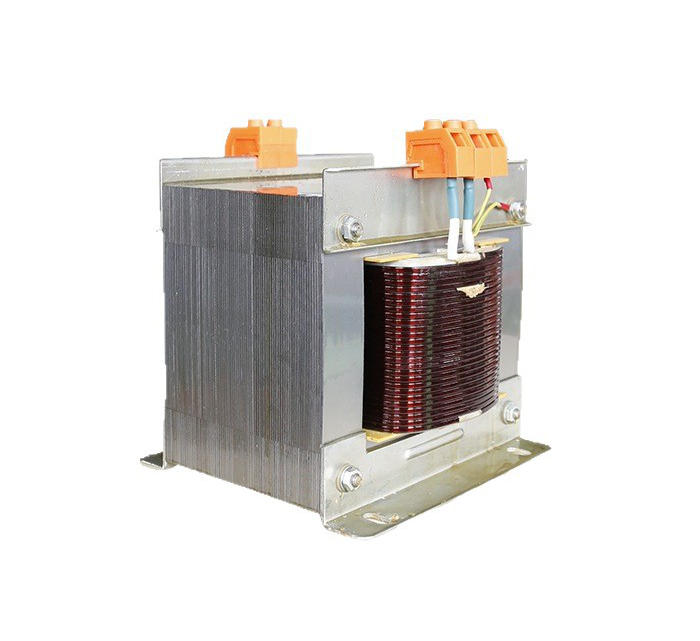
Real-World Comparison Table: Encapsulated Transformer vs Open Wound VPI Transformer
| FEATURE | ENCAPSULATED / POTTED | OPEN WOUND / VPI | NORTH AMERICAN BUYER IMPACT |
|---|---|---|---|
| UL-oriented panel integration | Usually easier in enclosed equipment due to protected windings | Often needs more spacing and environmental review | Lower approval friction for OEM panels |
| Moisture resistance | High | Moderate to low depending on environment | Important for outdoor and condensation-prone sites |
| Dust resistance | High | Lower because dust can collect on exposed coils | Reduces cleaning frequency and insulation contamination risk |
| Vibration resistance | High due to resin-locked windings | Moderate; depends on coil support design | Critical for HVAC, pumps, mobile equipment |
| Maintenance requirement | Very low in most applications | Periodic inspection and cleaning often required | Major cost factor where labor is expensive |
| Overload tolerance | Usually lower due to heat dissipation limits | Often better short-term overload behavior | Important for high inrush or temporary overload conditions |
| Cooling method | Mainly through enclosure conduction and surface convection | Direct air cooling around exposed windings | Affects temperature rise design |
| Cabinet integration | Compact and easier in dense enclosures | Needs airflow and clearance | Encapsulated preferred in tight NEMA cabinets |
| Initial purchase cost | Higher | Lower | Budget-sensitive projects may favor VPI |
| Suitability for harsh environments | Excellent | Limited | Key factor in North American OEM selection |
Suggested Table Columns
The comparison above reflects the real decision framework behind the resin encapsulated transformer vs open wound transformer debate. In North America, buyers usually do not ask which type is universally better. They ask which type reduces risk in their actual installation.
Real-World North American Use Cases and Application Examples
The preference for encapsulated transformers becomes obvious when you look at real applications.
A rooftop HVAC unit in Texas, Florida, or Ontario experiences heat, cold, condensation, vibration, and weather-related contamination. A car wash control panel deals with moisture, detergents, and humid enclosed spaces. A wastewater skid may see corrosive vapors and pump vibration every day.
These are not edge cases. They are normal North American installations.
Example Table: Best Transformer Type by Application
| APPLICATION | ENVIRONMENT | PREFERRED TYPE | MAIN REASON | RISK IF WRONG TYPE IS USED |
|---|---|---|---|---|
| Rooftop HVAC unit | Outdoor, condensation, vibration, temperature cycling | Encapsulated / Potted | Moisture resistance and winding stability | Insulation contamination, loose windings, service calls |
| Car wash system | Wet, detergent exposure, enclosed cabinet | Encapsulated / Potted | Sealed construction for harsh moisture conditions | Tracking, corrosion, premature failure |
| Pump control panel | Dust, humidity, vibration, remote location | Encapsulated / Potted | Low maintenance and vibration resistance | Frequent cleaning or winding degradation |
| Food processing equipment | Washdown, hygiene-sensitive, sealed enclosures | Encapsulated / Potted | Better fit for sealed electrical design | Contamination buildup and inspection issues |
| Wastewater skid | Corrosive moisture, vibration, outdoor service | Encapsulated / Potted | Environmental durability | Accelerated insulation aging |
| Medical isolation system | Sensitive electronics, high isolation demands | Encapsulated / Potted | Stable dielectric performance and shield integrity | Isolation instability and approval concerns |
| Indoor electrical room distribution | Clean, ventilated, controlled environment | Open Wound / VPI | Lower cost and good cooling | Minimal if environment remains controlled |
| Large power industrial application | Indoor, clean, larger kVA | Open Wound / VPI | Better economics and thermal performance | Overpaying for sealing not needed |
Proof and Market Logic: Why This Preference Keeps Growing
This preference is not temporary. It keeps growing because the market conditions supporting it are becoming stronger, not weaker.
North American OEMs continue to package more electrical components inside compact machine-mounted enclosures. Outdoor equipment remains widespread. Sanitation standards remain strict in food and beverage. Maintenance labor keeps getting more expensive. Buyers continue to prioritize lower service exposure.
At the same time, safety review expectations are not becoming looser. If anything, documentation discipline and design scrutiny are increasing.
Data Table: Key Selection Drivers in North American Industrial Projects
| SELECTION FACTOR | WHY IT MATTERS | ENCAPSULATED ADVANTAGE | TYPICAL BUYER CONCERN |
|---|---|---|---|
| UL compliance path | Faster approval and lower design risk | Protected winding structure supports enclosed use | Will this complicate panel certification? |
| NEMA enclosure compatibility | Many machines use sealed or outdoor cabinets | Better fit for enclosed harsh-duty installations | Can it survive in a NEMA 3R or 4X cabinet? |
| Maintenance cost | Labor and downtime are expensive | Very low routine service need | How often will field cleaning be required? |
| Vibration durability | Many OEM systems are not stationary and quiet | Resin locks windings and reduces movement | Will vibration shorten service life? |
| Moisture and dust tolerance | Outdoor and dirty sites are common | Less exposure of insulation surfaces | What happens after years of condensation and dust? |
| Cabinet density | OEMs want smaller panels and lower metal cost | Compact module-style packaging | Can it fit without large ventilation gaps? |
| Initial price | Still matters in competitive bids | Higher upfront cost but lower service burden | Can we justify the premium? |
Real-World Data Points to Reference in the Article
Real-world logic supports this preference. Rooftop HVAC systems routinely experience condensation during daily thermal cycling. Washdown food equipment uses regular hose-down cleaning and sanitizing chemicals, making sealed electrical components highly desirable. Pump and compressor packages generate ongoing vibration that can gradually damage unsupported winding structures.
These are not theoretical engineering concerns. They are field realities that shape buying behavior.
For example, a service technician cleaning an open transformer inside a dusty pump panel may need lockout-tagout, travel time, and production coordination. The total service event can easily cost far more than the initial price difference between transformer types.
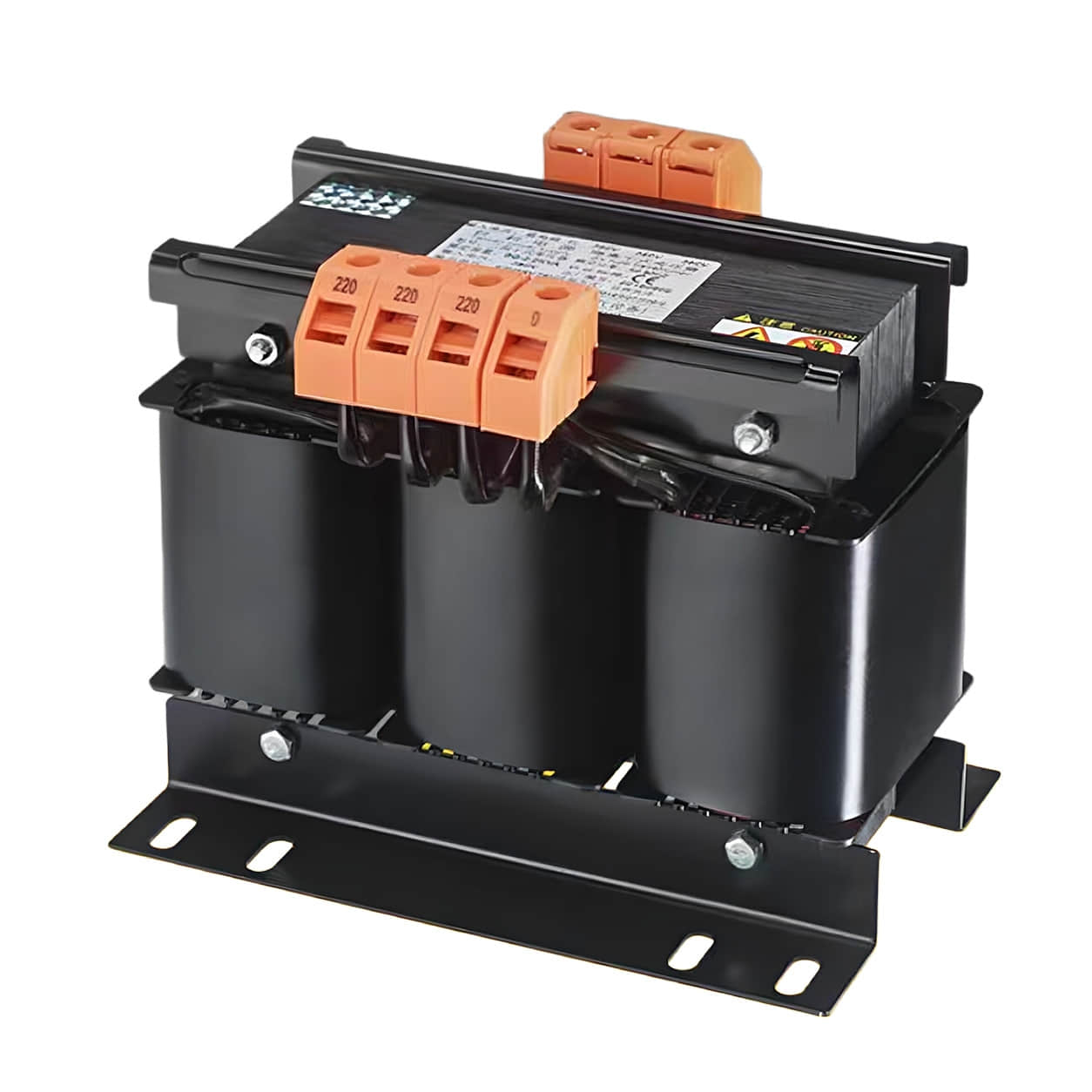
Resin Encapsulated Transformer vs Open Wound Transformer: Objective Drawbacks You Must Know
To be credible, we also need to say what many sales pages avoid saying: potted transformers are not automatically superior in every project.
They solve many North American problems very well. But they also have real tradeoffs.
Lower Overload Margin Due to Heat Dissipation Limits
An encapsulated transformer dissipates heat mainly through the potting mass, core structure, outer casing, and surrounding air. It does not enjoy the same direct winding airflow as an open ventilated transformer.
That means thermal design must be tighter. If the application has frequent overloads, high ambient temperature, poor cabinet ventilation, or severe inrush conditions, the design margin must be evaluated carefully.
In some larger or more heavily loaded systems, an open VPI transformer may offer better thermal headroom and short-term overload behavior.
Higher Material and Purchase Cost
Resin, casing, vacuum casting equipment, process control, and longer production cycles all add cost. As a result, potted transformers usually cost more than open wound equivalents.
That higher price is real. Buyers are not imagining it.
The reason many North American customers still choose encapsulated units is not because they are cheaper to buy. It is because they are often cheaper to own.
Poor Potting Process Can Cause Microcracks
This is extremely important. Not all potted transformers are equal.
If the resin system is poor, if vacuum degassing is inadequate, or if curing control is weak, internal voids and microcracks can develop. Over time, those defects may reduce dielectric reliability and mechanical stability.
That is why vacuum casting quality control is essential. A badly made potted transformer can be worse than a good open wound transformer.
Serious buyers will ask about resin system, vacuum process, dielectric testing, and thermal verification. They should.
When to Choose Encapsulated / Potted Control and Isolation Transformers
Choose encapsulated or potted transformers when the project includes one or more of the following conditions:
NEMA cabinet integration
Outdoor installation
Humid or condensation-prone environments
Dusty or contaminated air
Salt spray or corrosive atmosphere
Vibration or mobile equipment
Medical or precision isolation requirements
Very low maintenance expectations
Compact panel layout with limited space
If the installation sounds like an OEM machine rather than a clean substation room, the odds strongly favor encapsulated construction.
When Open VPI Transformers Still Make Sense
Open-wound VPI transformers still have a valid place in North America.
They are often a good choice when:
The transformer is installed in a clean indoor electrical room
The environment is dry and well-ventilated
The power rating is larger and cooling matters more
The budget is highly constrained
Short-term overload capability is important
Routine maintenance access is available and acceptable
In these scenarios, open VPI designs may deliver the best balance of cost and performance.
Buying Checklist for North American Transformer Projects
Before quoting a transformer for a North American project, buyers and manufacturers should qualify the application carefully. This step prevents expensive mistakes.
Suggested Checklist Table
| QUESTION | WHY IT MATTERS | RECOMMENDED CHOICE | COMMON MISTAKE |
|---|---|---|---|
| Is a UL file or UL-recognized construction required? | Directly affects approval path | Use verified compliant design | Assuming “similar construction” is enough |
| Will the transformer be installed in a NEMA 3R, 4, or 4X enclosure? | Defines environmental exposure | Prefer encapsulated | Choosing open wound for sealed outdoor cabinets |
| What is the ambient temperature? | Controls temperature rise margin | Check thermal design carefully | Ignoring summer cabinet temperature |
| Is there condensation, humidity, or washdown risk? | Affects insulation reliability | Prefer encapsulated | Looking only at direct water exposure |
| Is vibration present? | Impacts winding durability | Prefer encapsulated for repeated vibration | Evaluating only electrical load, not mechanical stress |
| Is electrostatic shielding required? | Important for isolation quality | Specify shielded isolation design | Leaving shield details unspecified |
| What is the inrush and load profile? | Affects thermal and magnetic design | Confirm with application data | Quoting by voltage and VA only |
| What temperature rise limit is acceptable? | Determines long-term reliability | Match insulation system and cabinet conditions | Ignoring enclosure heat buildup |
| Is field maintenance difficult or expensive? | Changes total cost calculation | Prefer low-maintenance potted design | Buying only on initial price |
Featured Snippet Section: Why Are Encapsulated Transformers Preferred in North America?
Encapsulated transformers are preferred in North America because they better support UL safety compliance, fit sealed NEMA enclosures, resist moisture, dust, condensation, and vibration, require much less maintenance, provide reliable isolation performance, and integrate more easily into compact OEM cabinets. The preference is mainly a compliance and total-cost-of-ownership decision, not just a waterproofing choice.
FAQ
Why do North American customers prefer encapsulated control transformers over open VPI types?
North American customers usually prioritize UL compliance, NEMA enclosure compatibility, resistance to moisture and dust, vibration durability, and lower field maintenance cost. Encapsulated control transformers align better with those requirements, especially in OEM cabinets, outdoor equipment, and harsh industrial environments.
Are encapsulated transformers only chosen for waterproofing?
No. Waterproofing is only part of the story. The main reasons are safer UL-oriented construction, easier use inside NEMA enclosures, better protection against dust and condensation, stronger vibration resistance, and reduced maintenance burden over the product life cycle.
Do potted isolation transformers perform better in humid and dusty environments?
Yes. Potted isolation transformers generally perform better in humid, dusty, or contamination-prone environments because their windings are sealed rather than exposed. This is especially valuable where condensation, airborne particles, or sealed cabinets are involved.
What are the disadvantages of encapsulated transformers?
The main disadvantages are higher purchase cost, lower overload margin in some cases due to heat dissipation limits, and dependence on high-quality vacuum potting. If resin quality or process control is poor, voids or microcracks can reduce long-term reliability.
Are open wound VPI transformers still acceptable in North America?
Yes. Open wound VPI transformers are still widely acceptable in clean, indoor, ventilated, and budget-sensitive applications. They are often a strong choice for larger power ratings, controlled electrical rooms, and installations where routine maintenance is practical.
Which applications typically require potted isolation transformer designs?
Typical applications include rooftop HVAC units, pump systems, outdoor OEM control cabinets, washdown food equipment, wastewater skids, marine-adjacent or salt-air installations, mobile equipment, compressor packages, and medical isolation systems.
How does encapsulation help with UL and North American industrial transformer standards?
Encapsulation helps by using flame-retardant materials, protecting windings from exposure, reducing internal arcing and creepage risk, and making transformer construction more suitable for enclosed industrial control equipment. That often supports smoother compliance with UL expectations and broader acceptance in North American industrial designs.
Conclusion: The North American Preference Is a Compliance and Total-Cost Decision
When Chinese manufacturers ask why North American buyers insist on encapsulated or potted control and isolation transformers, the answer is clear: they are buying risk reduction.
They want a transformer that fits UL5085 expectations, works safely inside NEMA cabinets, survives dust, moisture, condensation, salt, and vibration, and does not create recurring maintenance cost. In many real installations, an open wound VPI design can work, but it is simply not the preferred fit.
That is why this market preference continues to grow. It reflects real field conditions and real ownership economics.
Manufacturers that understand this logic are better positioned to serve North America correctly. Companies such as Weisho Electric and other serious suppliers know that the winning product is not just electrically correct, but also certification-ready, environment-ready, and service-cost-aware.
CTA
If you need encapsulated control / isolation transformers complying with UL & NEMA standards, contact us for drawings and quotation.