I’m Thor, an electrical engineer at WeiShoe Elec, and I know how challenging it can be to integrate renewable energy into the grid efficiently. Are you struggling with lengthy substation construction or unreliable power connections? This guide explores grid-connected prefabricated substations, their features, and how they streamline renewable energy integration with fast, reliable solutions.
Imagine a solar farm delayed by months due to on-site construction issues, costing thousands in lost revenue. The U.S. Energy Information Administration (EIA) reports that renewable energy projects often face delays due to complex substation setups (source: EIA.gov). Let’s dive into how grid-connected prefabricated substations solve these problems and boost efficiency.
What Is a Grid-Connected Prefabricated Substation?
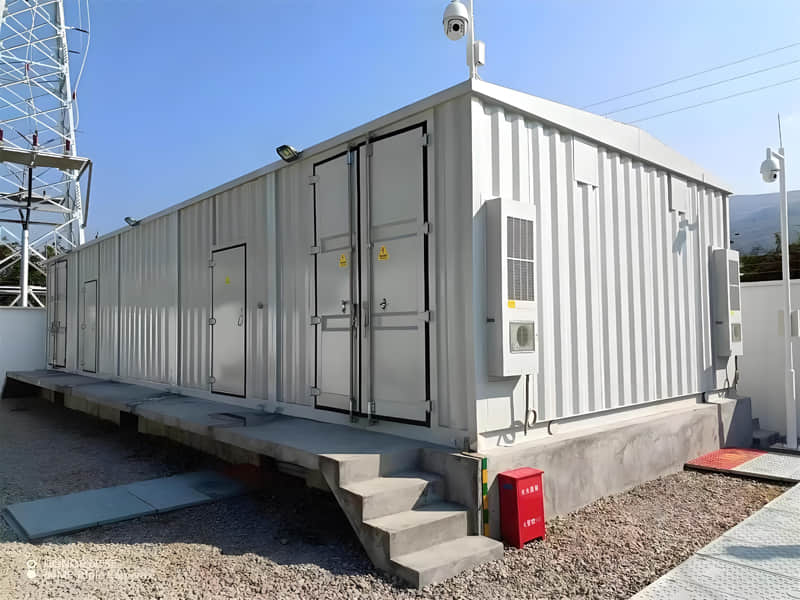
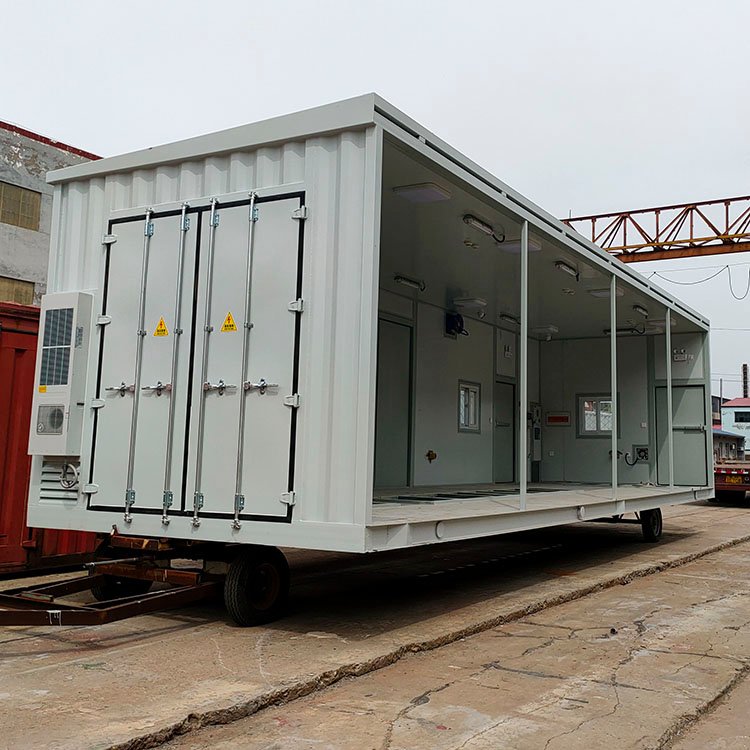
A grid-connected prefabricated substation is a compact, factory-assembled power distribution unit that converts low-voltage AC from renewable sources (like solar or wind) to medium-voltage AC for grid integration. Built in a standardized container, it includes primary and secondary electrical equipment, pre-wired and tested before delivery, making installation quick and simple.
Key Components:
Power transformation system
Intelligent control system
LCD for monitoring
Fire suppression system
Temperature and humidity sensors
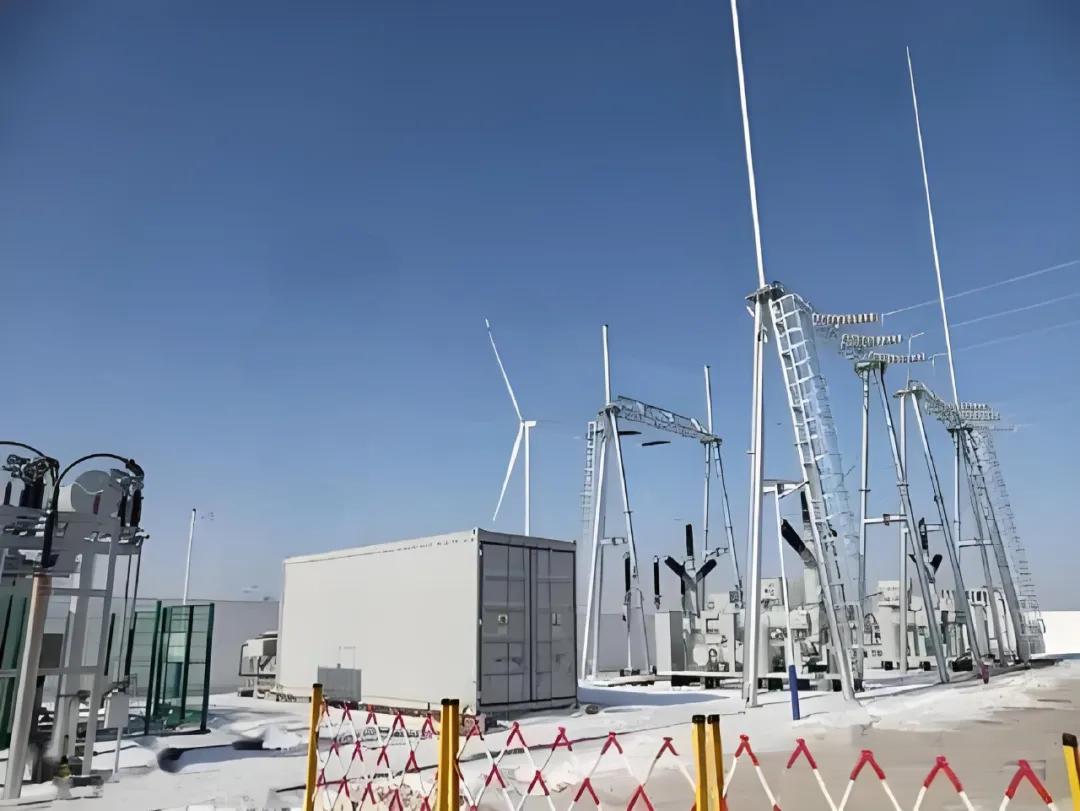
These units are designed for ground-mounted power stations, offering a highly integrated solution for medium-voltage grid connections.
Structure and Technical Features
The design of grid-connected prefabricated substations focuses on efficiency and adaptability. Let’s break down their structure and unique features.
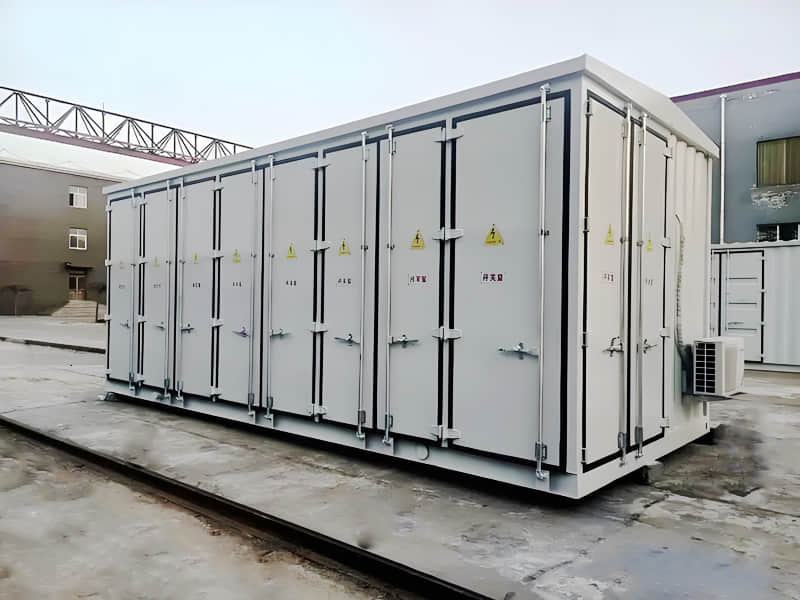
Modular Composition
Each substation is divided into compartments based on electrical functions:
Power System: Includes transformers, low-voltage cabinets, and ring main units (RMUs).
Control System: Monitors operations with 0.5-grade precision for electrical parameters.
Auxiliary Systems: Features fire suppression, temperature sensors, and optional modules for customization.
Clients can choose specific modules or reserve space for future upgrades, ensuring flexibility.
Manufacturing Characteristics
Standardized Design: Built using modified 20ft container dimensions, meeting substation requirements.
Modular Layout: Each compartment works together to form a cohesive power distribution system.
Prefabrication: Factory-assembled structure, wiring, and testing reduce on-site work to simple placement and power connection.
For example, a 2022 wind farm project in Texas used a prefabricated substation to cut installation time by 40%, saving $50,000 (source: ESFI.org).
Key Functions and Technical Specifications
These substations are packed with features to ensure reliable grid integration.
Core Functions
Real-Time Monitoring: Tracks low-voltage cabinets, transformers, and RMUs for optimal performance.
High-Precision Detection: Measures electrical parameters with 0.5-grade accuracy, supporting remote breaker control and data queries.
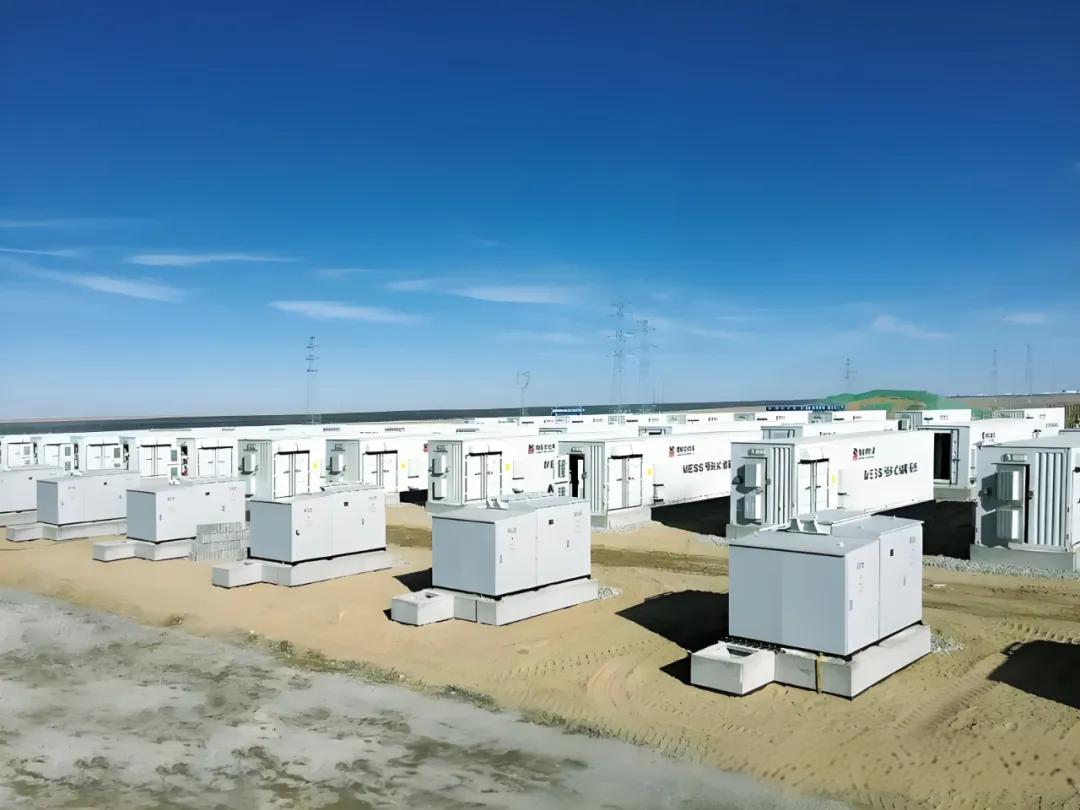
Quick Deployment: Uses a 20ft container with IP54 protection, requiring only low-voltage input and medium-voltage output connections.
Technical Specifications
Voltage Endurance: 1-minute power frequency withstand voltage of 35kV; lightning impulse voltage of 75kV.
Breaker Capacity: High-voltage backup fuse breaking capacity of 50kA; plug-in fuse at 2.5kA.
Noise Level: ≤50dB, ensuring minimal disturbance in urban or rural settings.
These specs make grid-connected prefabricated substations ideal for efficient, low-maintenance grid connections.
Environmental Adaptability
These substations are built to withstand diverse conditions, making them versatile for various applications.
Installation Scenarios
Outdoor Use: Designed for altitudes ≤1000m (customizable for higher altitudes).
Temperature Range: Operates in -25°C to 40°C environments.
Seismic Resistance: Handles 0.2g horizontal acceleration for earthquake-prone areas.
Protection Requirements
Weatherproofing: Level 3 rain protection and Grade II pollution resistance.
Humidity Tolerance: Supports up to 90% monthly average humidity at 20°C.
A California solar project used these features to deploy a substation in a coastal area, resisting salt corrosion and ensuring reliable operation (source: IEEE.org).
Advantages and Disadvantages
Let’s weigh the pros and cons to help you decide if a grid-connected prefabricated substation suits your needs.
Advantages
Improved Efficiency: Factory production cuts construction time, with assembly lines enabling large-scale output.
Stable Quality: Built to engineering standards in controlled environments, avoiding on-site disruptions.
Cost Savings: Economies of scale reduce unit costs by 15-30%, minimizing labor and material waste.
Flexible Deployment: Easy to transport and customize for energy, transportation, or industrial applications.
Disadvantages
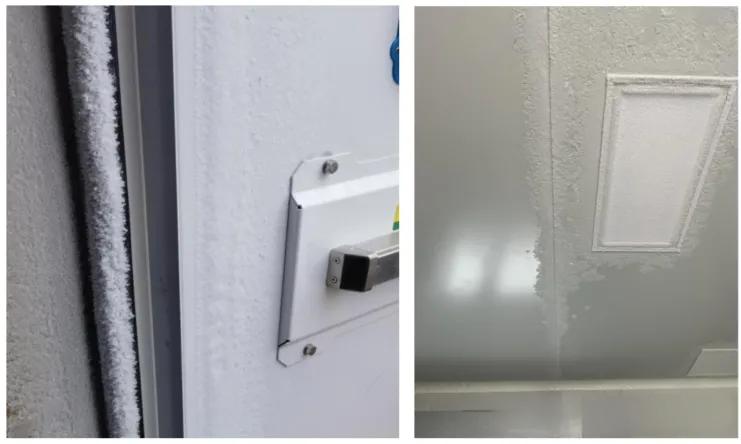
Insulation Challenges: Metal enclosures conduct heat, risking frost or condensation in cold climates.
Fire Safety: Less robust than traditional buildings, with dense equipment increasing fire risks.
Durability Concerns: Outdoor exposure to wind, sand, or salt may cause surface corrosion over time.
Addressing these issues through proper insulation and coatings can enhance performance, as seen in a Dubai high-rise project that saved 30% on installation time using a customized prefab substation (source: pineele.com).
Key Benefits for Renewable Energy Projects
To highlight why these substations matter:
Speed Up Projects: Pre-assembly slashes deployment time, getting your renewable project online faster.
Ensure Reliability: Factory testing guarantees consistent performance.
Cut Costs: Standardized designs lower expenses compared to traditional substations.
Adapt to Needs: Modular setups allow easy upgrades for future demands.
FAQ: Common Questions About Grid-Connected Prefabricated Substations
1. What is a grid-connected prefabricated substation?
It’s a factory-assembled unit that converts low-voltage AC from renewable sources to medium-voltage AC for grid integration, housed in a 20ft container.
2. How fast can a prefabricated substation be deployed?
With pre-assembly, installation takes days, requiring only a concrete slab and basic connections, cutting project timelines by up to 40%.
3. Are these substations suitable for extreme climates?
Yes, with customizations like enhanced cooling for hot climates or heating for cold regions, they adapt to temperatures from -25°C to 40°C.
4. What are the main safety features?
They include IP54 protection, fire suppression systems, and interlocks to prevent misoperations, ensuring safe grid connections.
5. How long do prefabricated substations last?
With regular maintenance, like transformer oil testing, they can operate reliably for over 25 years.
Conclusion: Power Your Future with Prefabricated Substations
I’m Thor, and I hope this guide clarifies how grid-connected prefabricated substations streamline renewable energy integration. Their standardized, modular design ensures fast deployment, cost savings, and reliability, as shown in projects like the Texas wind farm, saving $50,000. While challenges like insulation and durability exist, proper customization overcomes them. For tailored solutions, contact WeiShoe Elec at 86-0577-62788197, WhatsApp +86 159 5777 0984, or email thor@weishoelec.com. Share this guide, but please credit WeiShoe Elec. Let’s power your renewable projects efficiently!