OutIntroduction
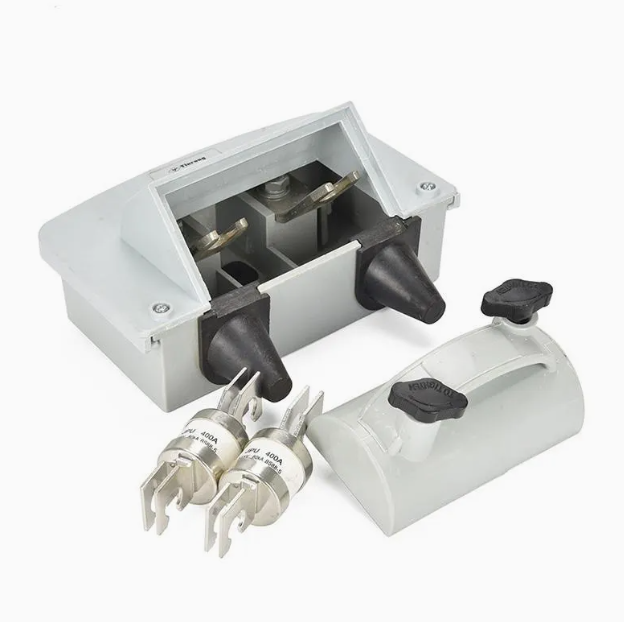
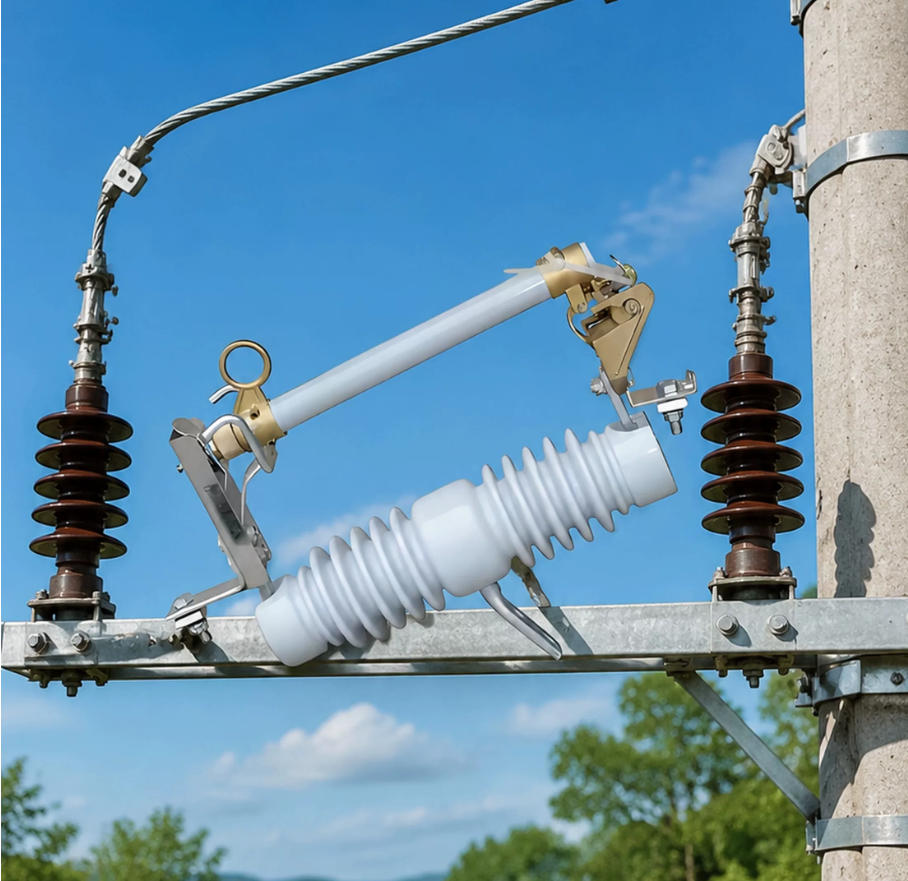
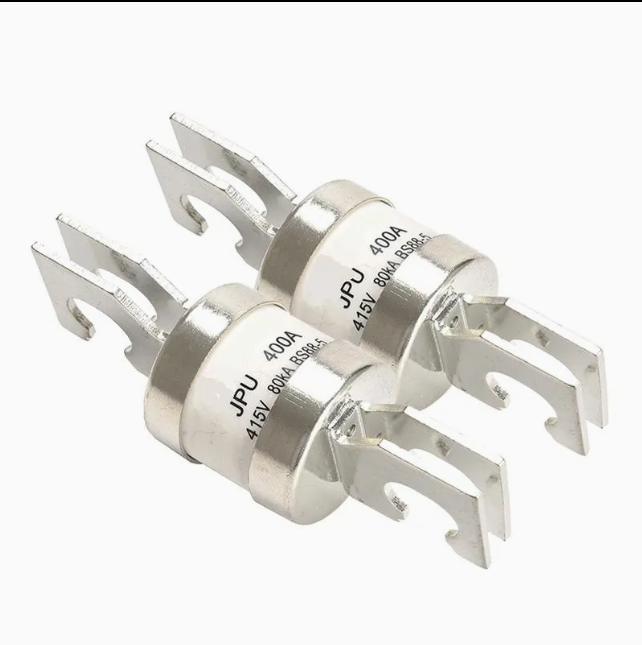
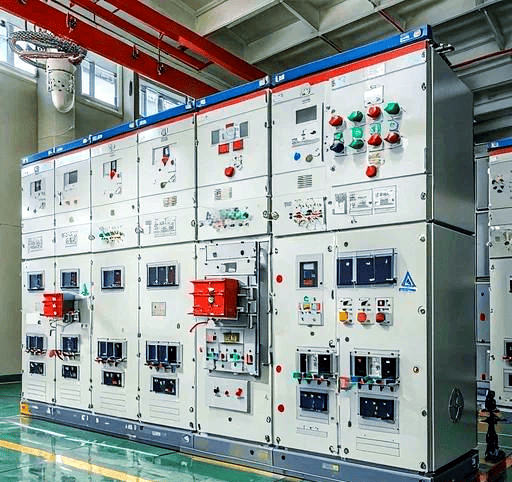
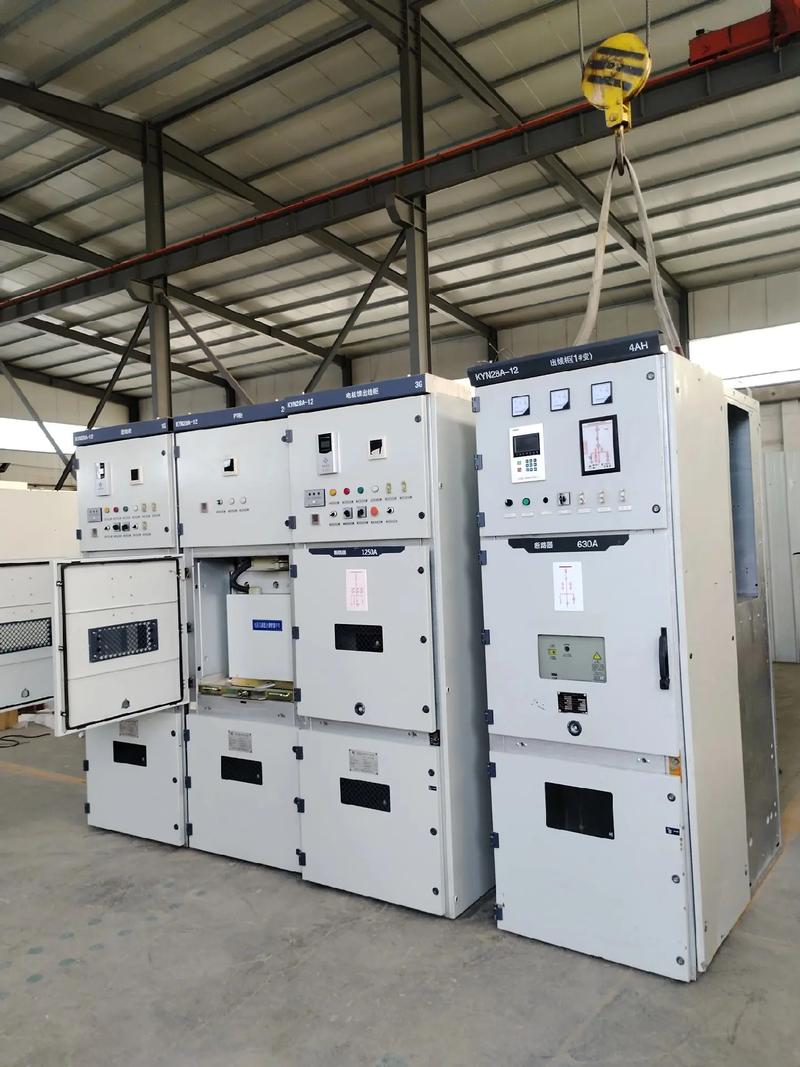
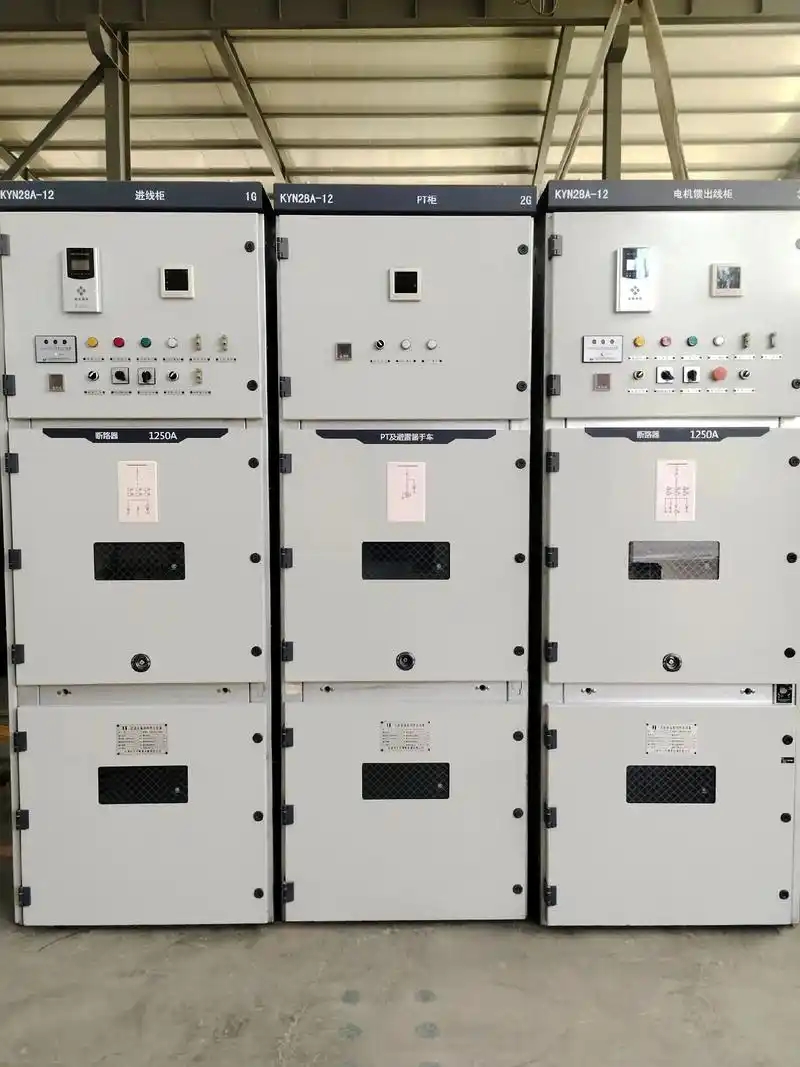
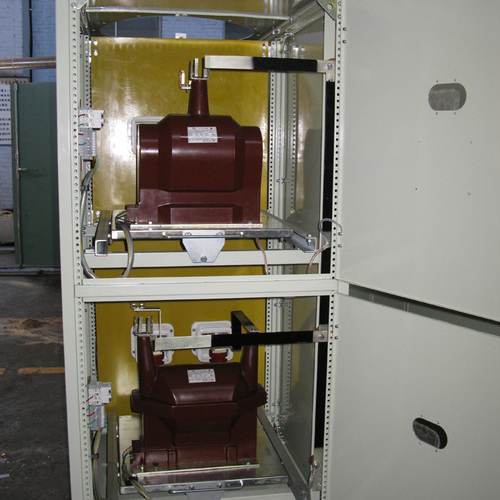
PT cabinet fuses play a critical role in high-voltage distribution systems. They protect both the PT units and the entire electrical network from damage.
Frequent fuse burnout in PT cabinets has become a common headache for maintenance engineers. Why does my fuse keep burning out? This question often arises in real-world operations.
The Function and Importance of PT Cabinet Fuses
PT cabinet fuses limit the current flowing through voltage transformers, preventing overloads and short circuits. Their fast-acting protection safeguards the PT device itself.
Fuses also contribute to overall system safety. They coordinate with breakers and surge arresters to protect personnel and downstream equipment.
Common Causes of PT Fuse Burnout
Overload and short circuits
Excessive current can trigger repeated fuse operation. Short circuits may cause delayed response or mismatched protection, leading to repeated burnout.Environmental factors
High temperature, humidity, dust, or corrosive atmospheres can shorten fuse life. Metal terminals may oxidize in harsh conditions, increasing resistance and heat.Incorrect fuse ratings
Using a fuse with a too-low current rating or a wrong instant-trip characteristic can cause unnecessary burnout.Improper installation or poor contact
Loose terminals, weak connections, or unstable mounting can create hotspots, accelerating fuse failure.
Electrical Reasons Behind Fuse Failure
Transient overvoltage
Lightning strikes or switching surges may exceed the fuse's instantaneous capacity, causing rapid burnout.Harmonic currents
Nonlinear loads and electronic devices introduce harmonics. These distortions increase thermal stress and lead to premature fuse failure.PT insulation degradation
Aging insulation may create localized overcurrents, triggering fuse operation.Improper protection coordination
Mismatched fuse and breaker timing can result in misoperations or repeated fuse trips.
Harmonics and High-Frequency Effects
Harmonics increase the RMS current and fuse temperature.
When combined with transient voltage, the fuse may blow instantly.
Using an online harmonic analyzer helps detect excessive THD and prevent damage.
Installation and Grounding Issues
Loose or corroded wiring can create hotspots.
Poor grounding elevates local voltage levels.
Nonstandard PT cabinet wiring may concentrate currents, stressing the fuse.
Case Study: Frequent PT Fuse Burnout
Case 1: 33kV Bus PT Fuse
High summer temperatures and nonlinear loads caused weekly burnout.
After replacing with a high-instantaneous-capacity fuse, tightening terminals, and optimizing protection timing, burnout stopped for six months.Case 2: 10kV Substation
Peak load periods caused multiple fuse trips.
Solutions included upgrading fuse rating and improving ventilation, reducing burnout by 80%.
Comparison: PT vs CT vs Low-Voltage Fuses
| Type | Common Causes | Features | Typical Application |
|---|---|---|---|
| PT Fuse | Transient overvoltage, harmonics | High-voltage sensitive, coordination critical | High-voltage distribution |
| CT Fuse | Overcurrent, short circuit | Current measurement sensitive | High-voltage current measurement |
| Low-Voltage Fuse | Overload, short circuit | Small capacity, easy replacement | Residential & industrial LV |
Quick Troubleshooting Checklist
Verify fuse model and current rating.
Inspect the PT unit and wiring connections.
Measure system harmonics and transient voltage.
Check fuse coordination with breakers and arresters.
Use thermal imaging or insulation resistance tests for diagnostics.
Take corrective actions: fuse replacement, protection optimization, and grounding improvement.
Recommended Tools & Resources
Thermal camera: Fluke Ti series
Harmonic analyzer: Hioki 3196, Fluke 435-II
Insulation tester: Megger MIT series
Standards:
Safety & Risk Tips
Always cut off power before maintenance.
Avoid working on live high-voltage circuits.
Use compliant insulated tools.
Regularly check grounding to prevent local overvoltages.
FAQ – PT Fuse Burnout (5 Practical Questions)
Q1: Why does my PT fuse keep burning out even if the load seems normal?
System harmonics, transient voltage, or protection miscoordination may be the cause. Measurement and timing verification are recommended.Q2: How can I tell if wiring issues are causing fuse burnout?
Check for loose or oxidized terminals. Thermal imaging can detect hotspots before failure occurs.Q3: Can high-frequency harmonics cause PT fuses to blow?
Yes. Harmonics accelerate temperature rise. THD analysis helps detect issues, and high-instantaneous-capacity fuses can prevent repeated trips.Q4: How often should PT fuses be inspected?
Quarterly checks are recommended, with semiannual harmonic monitoring. High-load or harsh environments may require more frequent inspection.Q5: What is the best way to select a PT fuse?
Match current rating and instantaneous characteristics to the system. Ensure grounding is solid, protection coordination is proper, and environmental conditions are considered.
CAT (Call-to-Action)
If PT fuse burnout is a recurring problem, contact a professional engineer for system diagnosis.
Download the PT Fuse Selection & Maintenance Guide for solutions to reduce failures.
Author & Company Info:
Author: Thor | Senior Electrical Engineer
Company: Weisho Electric Co., Ltd.
📞 Phone: +86-0577-62788197
📱 WhatsApp: +86 159 5777 0984
✉ Email: thor@weishoelec.com
🌐 Resources: weishoelec.com