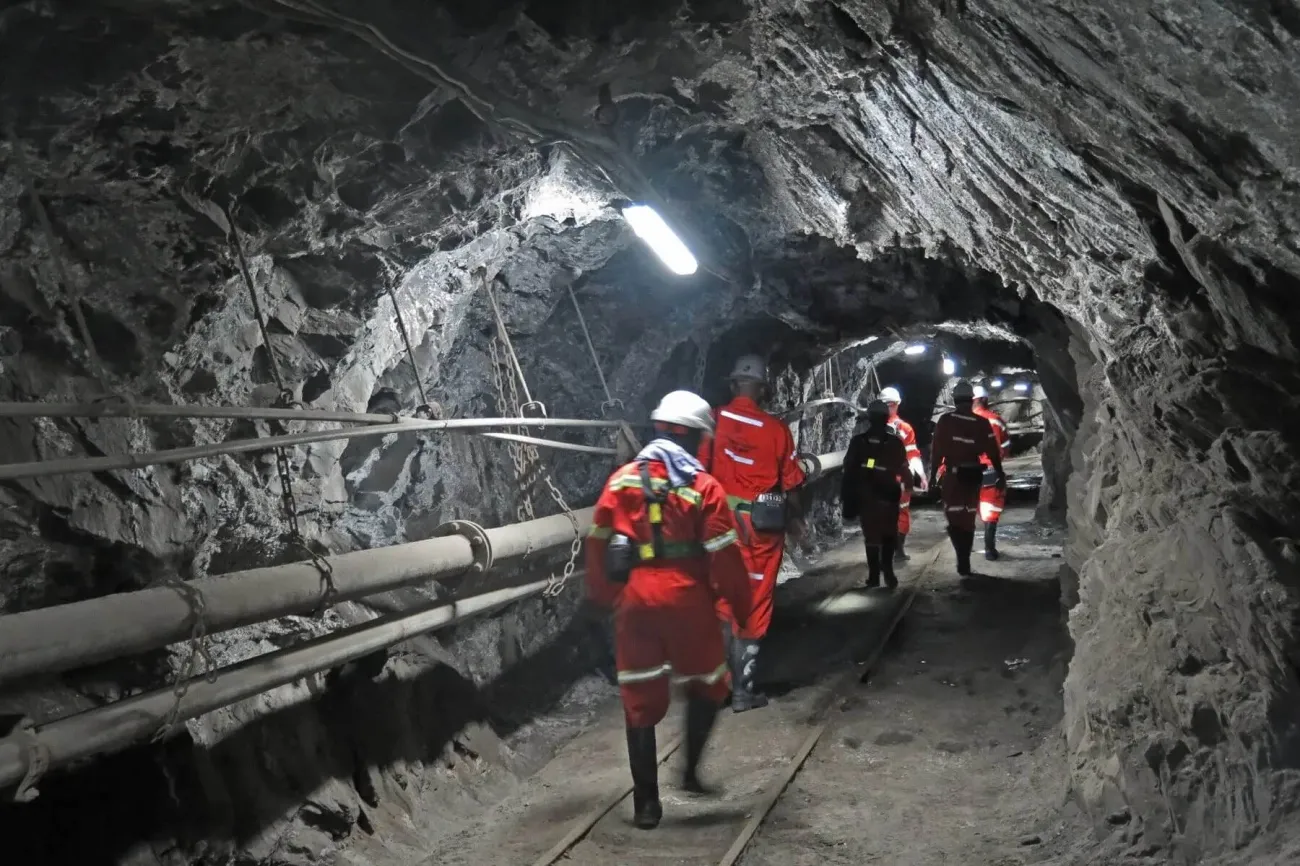
Role of VCBs in Mine Power Distribution Systems
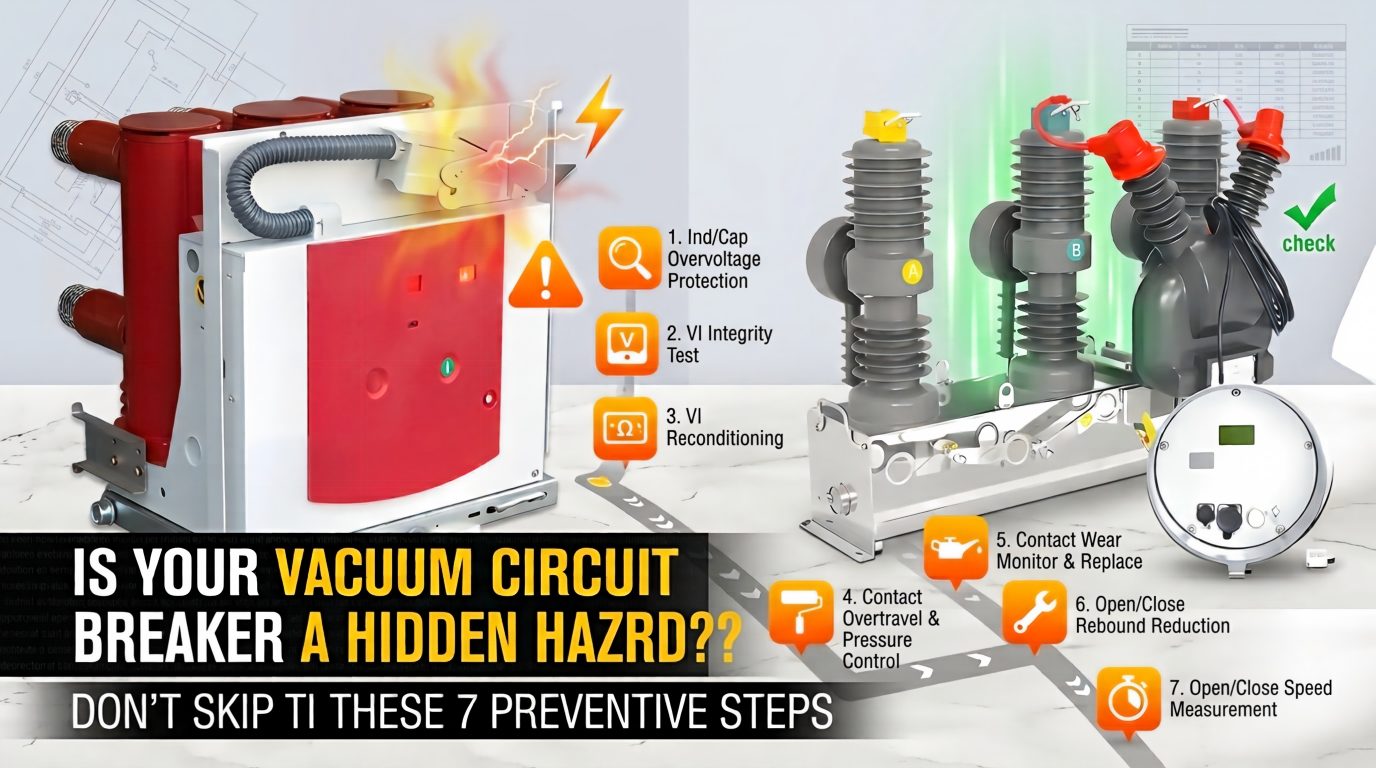
In the demanding environment of the mining industry, reliable power distribution is critical for both safety and operational efficiency. Vacuum Circuit Breakers (VCBs) serve as the primary defense mechanism within medium-voltage systems, protecting vital infrastructure such as transformers, motors, and capacitor banks from electrical faults.
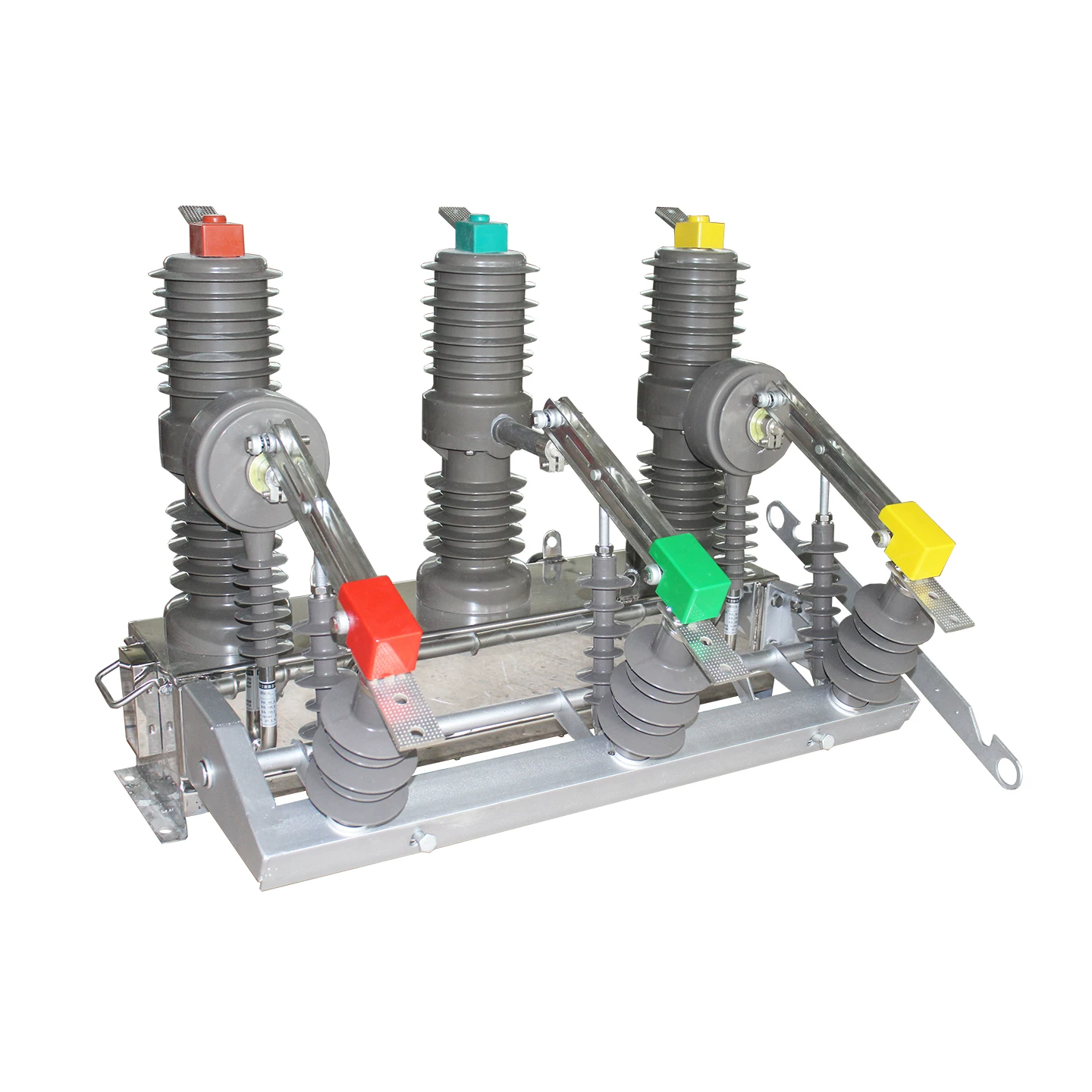
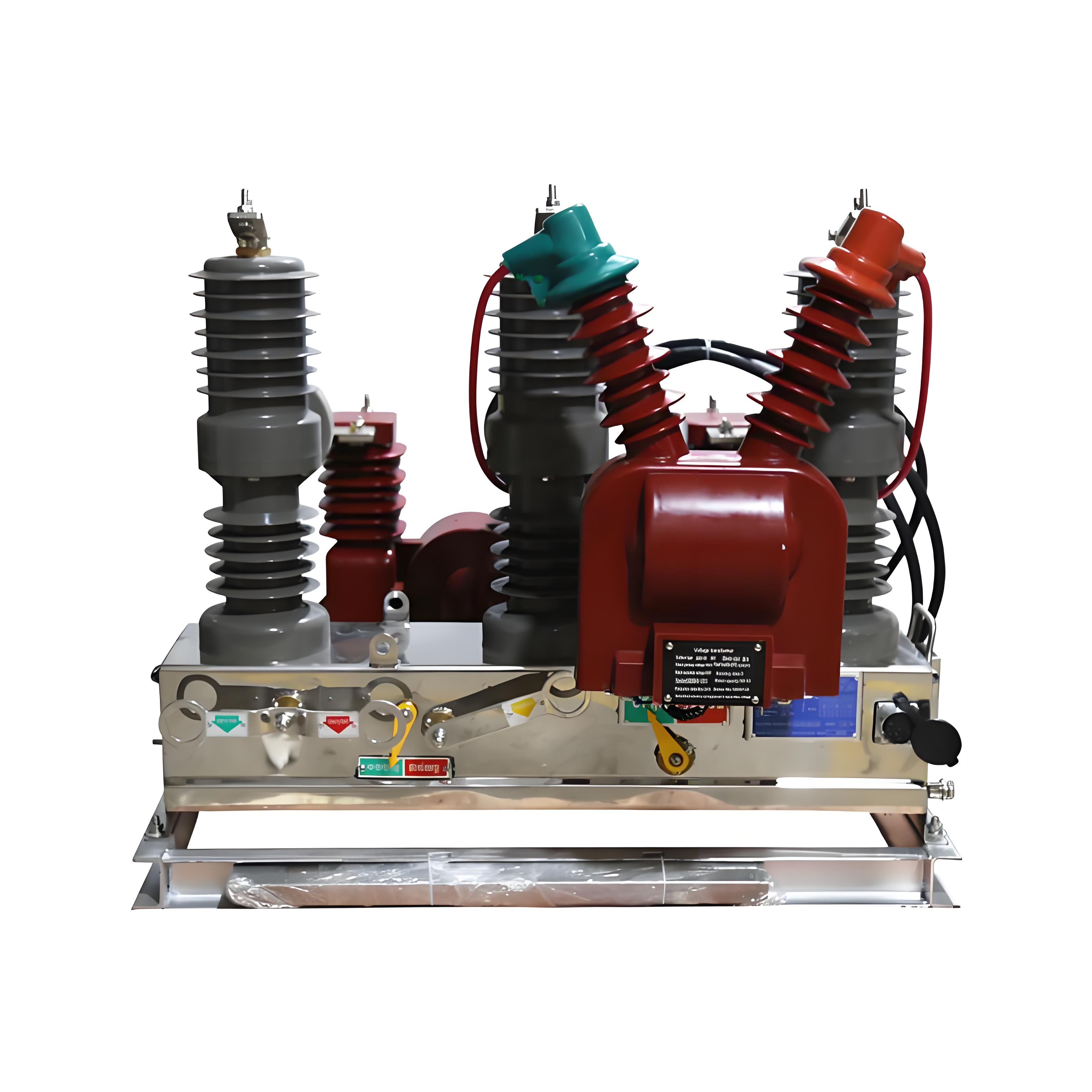
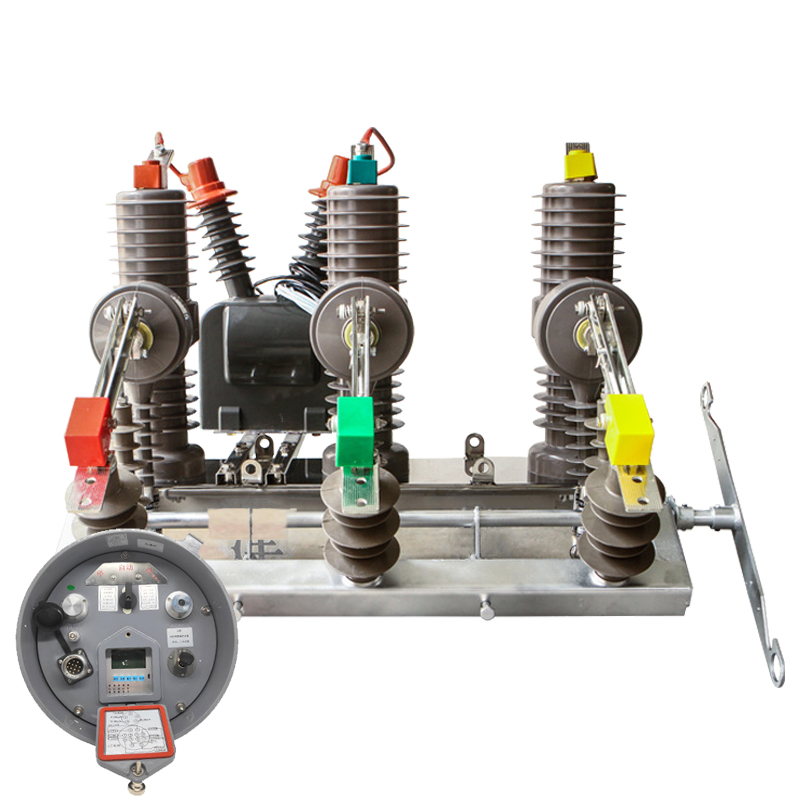
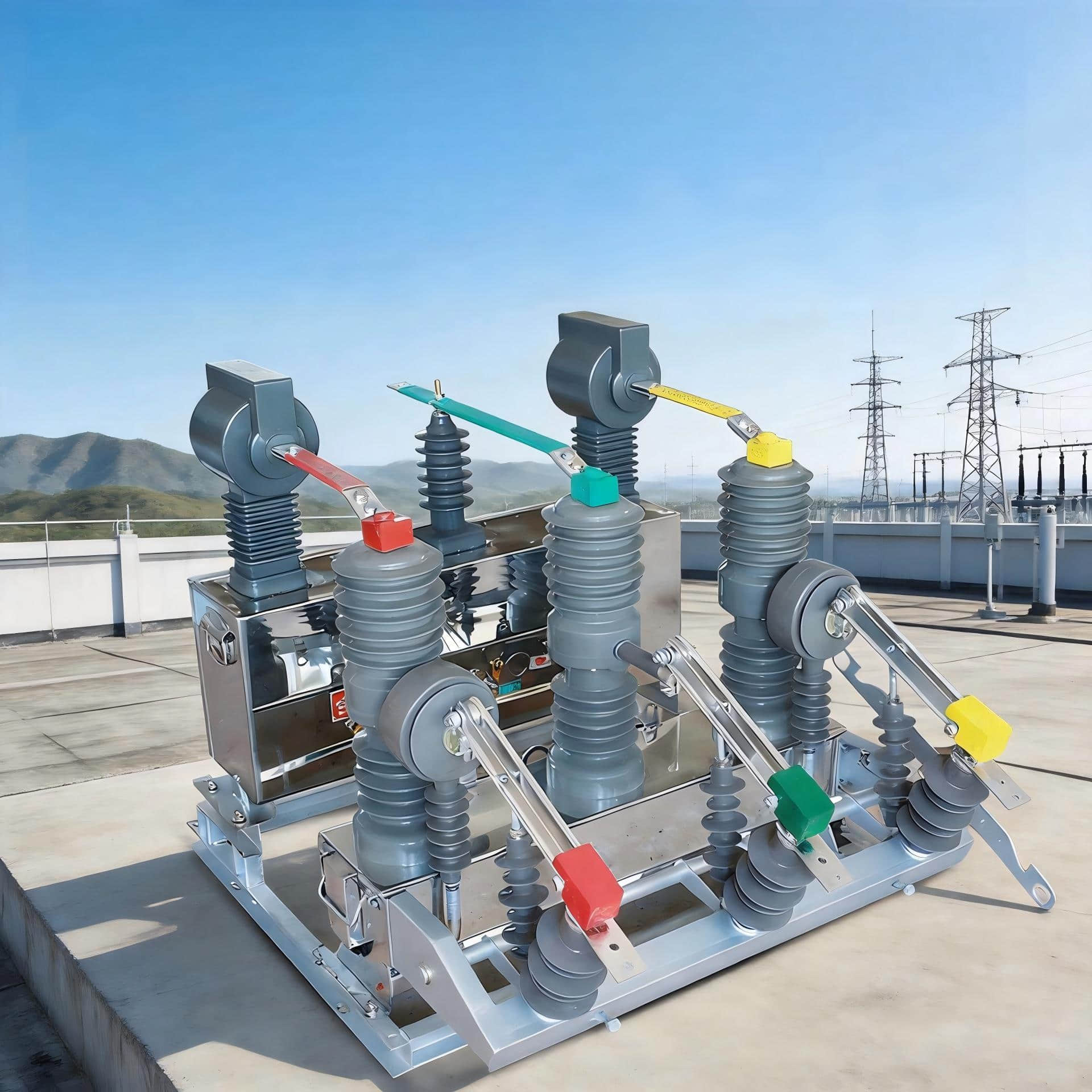
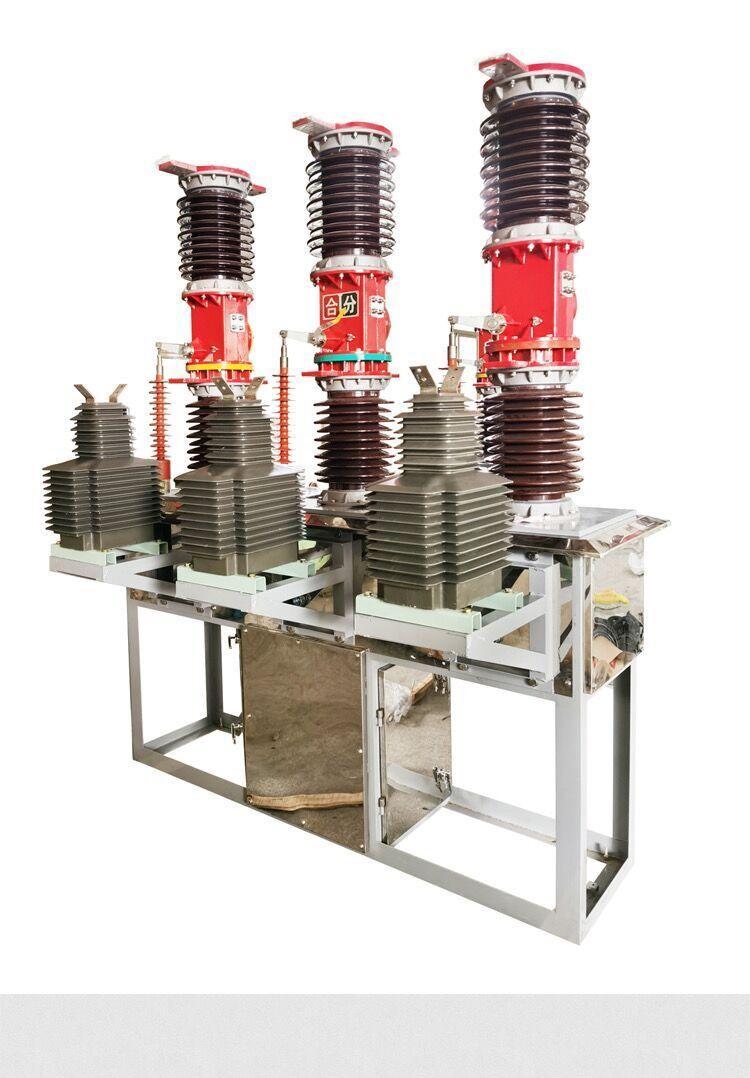
Our VCB solutions, including the VS1 (ZN63A) indoor series and ZW32 outdoor series, are engineered to act as the central switching nodes in distribution networks. They ensure that electrical faults are isolated instantly, preventing catastrophic equipment failure and ensuring the continuity of power supply to heavy-duty machinery like hoists, pumps, and conveyors.
Why Vacuum Technology is Preferred for Mining Operations
Mining environments present unique challenges, including limited space, dust, humidity, and the risk of explosion. Vacuum switching technology is the superior choice over oil or air-insulated alternatives due to its inherent safety and compact design.
Key Advantages of Our VCBs in Mining:
Arc Extinction: The vacuum interrupter provides exceptional insulating strength, quenching arcs rapidly within a sealed environment.
Safety: With no flammable oil or gas, the risk of fire and explosion is significantly reduced—a non-negotiable requirement for underground mining.
High Endurance: Designed for frequent operation, our mechanisms support 20,000 to 30,000 mechanical cycles, essential for the high-switching demands of mining loads.
Maintenance-Free: The sealed pole design protects contacts from external contaminants like coal dust and moisture.
Overview of Medium Voltage Requirements in Mining
Mining power grids operate across a specific spectrum of medium voltage applications to balance power delivery with equipment size. While requirements vary by site depth and machinery scale, the industry standardizes around voltages that support efficient transmission and local distribution.
We specialize in providing switchgear components that align with these rigorous standards, ensuring compliance with IEC Standards for high-voltage equipment.
| Voltage Rating | Typical Mining Application | Recommended Product Series |
|---|---|---|
| 12 kV | Underground substations, local machinery protection, and mobile power centers. | VS1 (ZN63A) Indoor VCB |
| 24 kV | Intermediate distribution levels and heavy-load surface operations. | VS1 or ZW32 Series |
| 40.5 kV | Main intake substations and surface transmission lines reduce line losses. | ZW43 Outdoor VCB |
Typical Voltage (kV) Ratings for Mining Vacuum Circuit Breakers
In the mining industry, selecting the correct rated voltage is critical for safety and efficiency. We design our vacuum circuit breakers (VCBs) to align with international standards, ensuring they handle the specific voltage levels found in both underground and surface operations.
Standard Medium Voltage Ranges (6.6kV, 11kV, and 15kV)
The most common power distribution networks in mining operations run on medium-voltage systems. While older sites may operate at 6.6kV, modern infrastructure typically standardizes on 11 kV or 12 kV. Our equipment is rated for 12 kV, which effectively covers all operational voltages from 6kV up to 12kV.
This voltage class is the backbone of underground mining, powering substations, conveyors, and ventilation systems. For outdoor applications at this voltage level, such as site perimeters or overhead lines, we utilize rugged solutions like the ZW32SR-12 pole-mounted circuit breaker, which is designed to withstand harsh environmental conditions while managing the site’s distribution networks.
Common Operating Voltages: 6.6kV, 10kV, 11kV.
Our Equipment Rating: 12kV (IEC Standard).
Primary Use: Underground distribution and mobile substations.
High-Voltage Applications for Large-Scale Open-Pit Mines (up to 33kV)
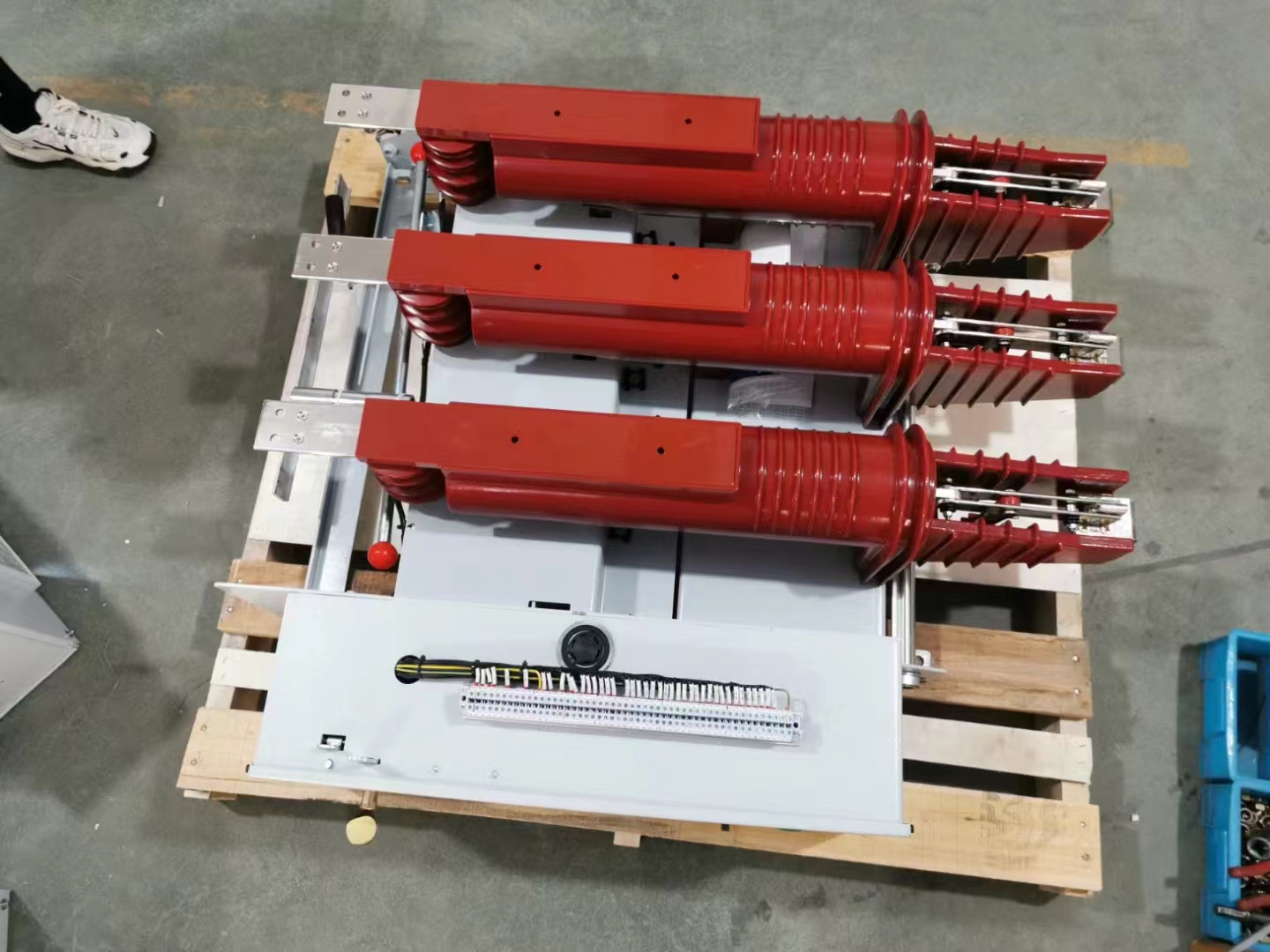
Surface mines and large open-pit operations require higher voltages to transmit power over long distances without significant energy loss. These industrial networks often operate at 22 kV, 33 kV, or 36 kV. To meet these demands, we manufacture VCBs with a rated voltage of 40.5 kV.
Using 40.5kV equipment for a 33 kV system provides a robust safety margin and ensures reliable arc extinction even under fault conditions. These high-voltage breakers are essential for main intake substations and for protecting heavy-duty machinery like draglines and electric shovels.
Custom Voltage Solutions for Specific Mining Equipment
Mining environments are diverse, and standard voltages don’t always fit every piece of legacy machinery. We provide flexible solutions for heavy industry that can accommodate specific requirements, such as retrofitting 3.3 kV motor starters or expanding 22 kV networks.
Whether the system requires air insulation or solid embedded poles, our vacuum technology ensures consistent performance across various voltage levels. By matching the rated voltage and breaking capacity to the specific load, we help mines maintain a stable power supply for critical operations.
Key Components and Working Principles of VCBs
At Weisho Electric, we design our Vacuum Circuit Breakers (VCBs) to withstand the rigorous demands of the mining sector. Understanding the internal architecture helps in selecting the right equipment for safety and longevity. The reliability of a VCB in a mine depends on three critical subsystems: the interrupter, the operating mechanism, and the insulation.
The Vacuum Interrupter: Core of Arc Quenching
The heart of our technology is the vacuum interrupter, often called the “bottle.” In the volatile atmosphere of a mine, preventing open sparks is non-negotiable. When the contacts separate under load, a Metal Vapor Arc is generated. Because the contacts are housed in a sealed vacuum environment, the arc cannot sustain itself.
The vacuum provides exceptional dielectric strength. As the alternating current passes through zero, the arc extinction happens almost instantly because there are no gas molecules to ionize. This containment is vital for heavy industry applications where flammable gases or dust might be present outside the breaker.
High Dielectric Strength: Allows for a smaller gap between contacts compared to air or oil breakers.
Contact Material: Specialized alloys ensure minimal wear during the arcing phase.
Sealed Design: Prevents external contaminants from affecting the breaking capacity.
Operating Mechanisms for High-Frequency Switching
Mining operations often require frequent switching of motors, fans, and pumps. A standard breaker might fail under this stress, which is why we focus on high-endurance operating mechanisms. Our VCBs typically utilize either a robust spring-charged mechanism or a permanent magnetic actuator.
These mechanisms are engineered to deliver the precise force needed to open and close the vacuum contacts at high speeds. This rapid action minimizes arcing time and contact erosion. For surface mining networks, robust mechanisms are essential in units like the ZW20-12 outdoor high voltage vacuum circuit breaker, ensuring consistent performance even after thousands of operations.
Mechanical Life: Our units are rated for 20,000 to 30,000 mechanical cycles.
Reliability: Designed to prevent “contact bounce,” which can damage the interrupter.
Maintenance: Modern mechanisms require minimal lubrication and adjustment.
Insulation Systems for Harsh Underground Environments
In underground mining, humidity, coal dust, and altitude impact electrical performance. Relying solely on vacuum switching technology inside the bottle isn’t enough; the external connections must also be insulated against flashovers.
We employ advanced insulation techniques, including solid insulation (embedded poles) and air insulation, to meet strict IEC Standards. Solid insulation involves casting the vacuum interrupter in epoxy resin. This protects the unit from external physical impacts and environmental pollution, making it ideal for the dirty, confined spaces typical of extraction sites.
Embedded Poles: Protects the vacuum bottle from dust and moisture accumulation.
Compact Footprint: Allows the switchgear to fit into tight mobile substations.
Creepage Distance: Extended insulation paths to prevent tracking in humid conditions.
Advantages of Using VCBs in Mining Environments
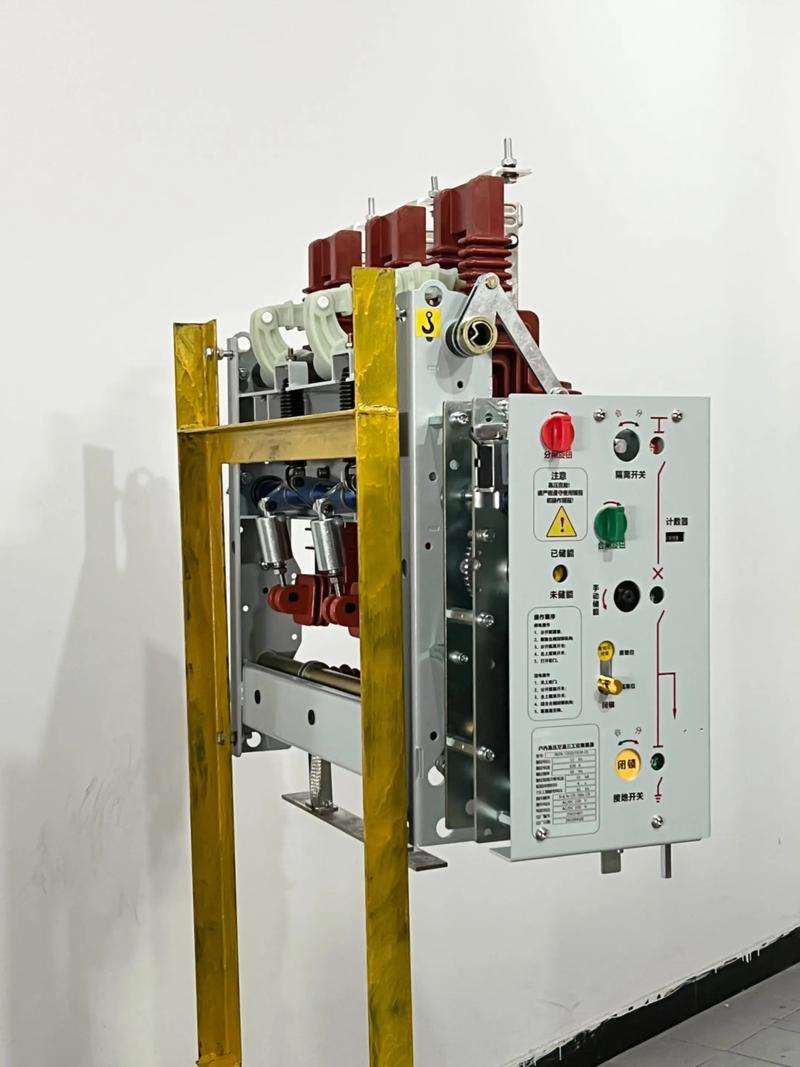
Mining operations are among the most demanding industrial environments on earth. We design our vacuum circuit breakers (VCBs) to withstand extreme conditions where reliability isn’t just a requirement—it’s a safety necessity. Whether installed in underground substations or surface power distribution units, VCBs offer distinct advantages over older oil or air-insulated technologies.
Fire and Explosion Safety in Gassy Mine Conditions
Safety is our top priority, especially in underground mines where combustible dust and methane gas are present. The primary advantage of vacuum switching technology is that the arc extinction process happens entirely inside a hermetically sealed vacuum interrupter.
Unlike air or oil circuit breakers, there is no exposed arc during operation. This sealed vacuum environment prevents the switching arc from coming into contact with the surrounding volatile atmosphere, significantly reducing the risk of fire or explosion. For mines requiring robust infrastructure, integrating these breakers into medium voltage metal-clad switchgear provides an additional layer of segregation and safety for personnel and equipment.
High Mechanical Endurance for Frequent Motor and Hoist Switching
Mining machinery, such as conveyors, crushers, and ventilation fans, requires frequent switching operations. Standard breakers often fail under this stress, leading to costly downtime. We engineer our VCBs, including the VS1 (ZN63A) series, to handle the rigorous demands of heavy industry.
Extended Life Cycle: Our mechanisms are rated for 20,000 to 30,000 mechanical operations, ensuring longevity even with daily switching.
Robust Mechanisms: We utilize durable spring-actuated or permanent magnetic operating mechanisms designed to resist the vibration and shock typical of mining sites.
High Current Handling: With rated currents up to 4000A and short-circuit breaking capacities up to 40kA, our units reliably protect high-power motors.
Low Maintenance and “Sealed-for-Life” Technology
In deep mines or remote open-pit sites, performing maintenance is difficult and expensive. VCBs are virtually maintenance-free regarding the interrupter itself. The contacts are sealed for life inside the vacuum bottle, meaning there is no need to top up oil or clean contacts after a fault clearance.
This “fit and forget” capability is crucial for electrical equipment protection in hard-to-reach locations. Our outdoor units, like the ZW32 and ZW43 series, are further ruggedized to withstand dust, humidity, and harsh weather, ensuring consistent performance in medium voltage applications ranging from 12 kV to 40.5 kV without constant technician intervention.
Application Scenarios for VCBs in Mine Sites
Underground Substations and Portable Switchboards
In underground mining, space is a luxury we rarely have. We design our vacuum circuit breakers to fit into compact, explosion-proof enclosures used in mobile substations and portable switchboards. These units must handle rough environments—high humidity, coal dust, and constant vibration—while managing medium-voltage distribution networks. For these confined spaces, reliable C-GIS Vacuum Circuit Breakers (12–40.5kV) are essential because they offer high performance in a significantly smaller footprint. This compact design allows operators to move power centers closer to the extraction face without compromising safety or eating up valuable tunnel space.
Powering Heavy Machinery: Conveyors, Fans, and Pumps
Heavy industry relies on massive electric motors to drive ventilation fans, dewatering pumps, and long-distance conveyors. This equipment requires frequent switching operations that would wear out standard breakers quickly. Our VCBs are specifically engineered for this high endurance. Whether it is starting a 6.6kV conveyor motor or protecting a critical ventilation system, the vacuum interrupter creates a sealed vacuum environment that extinguishes arcs instantly. This capability is crucial for protecting expensive assets from electrical faults and ensuring that production doesn’t stop due to equipment failure.
Surface Mining Power Networks and Reclosers
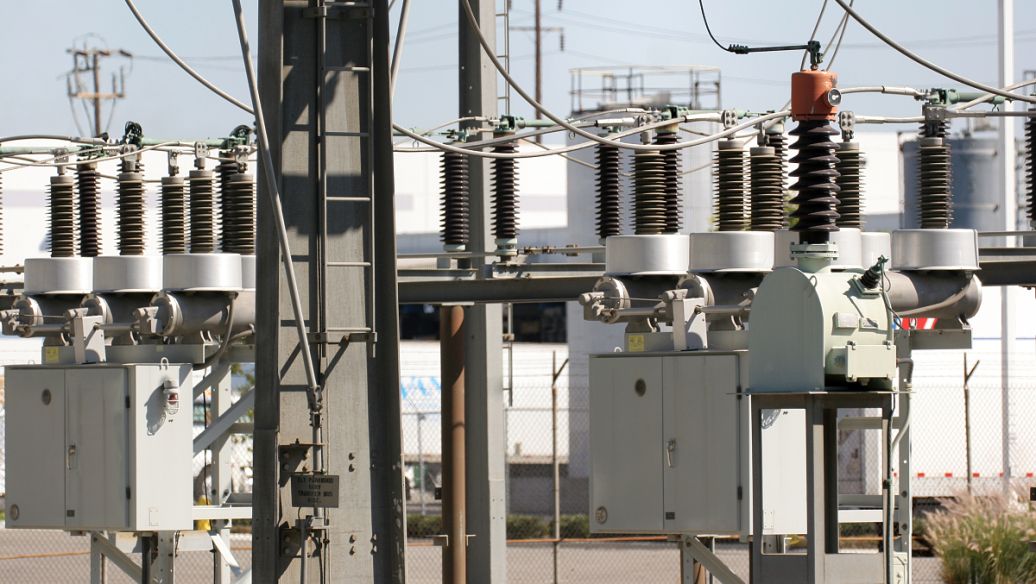
On the surface, the challenges shift to weather exposure and covering vast distances. We utilize outdoor vacuum circuit breakers, often integrated as automatic circuit reclosers, to manage overhead lines in open-pit operations. These units typically operate at 33 kV or 40.5 kV to minimize transmission losses across the site. They are designed to withstand rain, UV radiation, and extreme temperatures, serving as the primary protection for main intake substations and peripheral equipment. By using robust outdoor VCBs, we ensure the power grid remains stable even in the harsh conditions typical of open-pit mines.
Comparing VCBs with Other Circuit Breaker Technologies
VCB vs. Air Circuit Breakers (ACB) in Industrial Mining
When selecting protection for heavy industry and mining, the choice often falls between Vacuum Circuit Breakers (VCBs) and Air Circuit Breakers (ACB). In older medium-voltage systems, ACBs were common, relying on ambient air and large arc chutes for arc extinction. However, in modern mining, space is expensive and dust is prevalent.
ACBs are generally bulkier and require regular maintenance to clean the contacts and arc chutes, which is difficult in underground mines. In contrast, our vacuum switching technology encloses the contacts in a hermetically sealed bottle. This makes units like the ZN28-12 indoor vacuum circuit breaker significantly more compact and immune to the external environment. For mining substations where footprint and reliability are critical, VCBs are the superior choice over traditional air-insulated options.
VCB vs. SF6 Breakers: Environmental and Safety Benefits
SF6 circuit breakers use sulfur hexafluoride gas for insulation and arc quenching. While effective, SF6 is a potent greenhouse gas, and gas leakage is a genuine risk in the vibration-heavy environment of a mine site.
We prioritize sealed vacuum environment technology because it eliminates the need for gas pressure monitoring and handling hazardous gases.
Safety: No risk of gas leaks or toxic byproducts in confined underground spaces.
Endurance: VCBs typically offer higher mechanical endurance (up to 30,000 operations) compared to SF6 breakers, making them better suited for frequent switching of mining motors and conveyors.
Temperature: Vacuum interrupters perform consistently across extreme temperature ranges found in surface and deep-level mining.
Total Cost of Ownership (TCO) and Long-Term Value
For mining operators, the initial purchase price is only one part of the equation. We focus on delivering high mechanical life—often rated for 20,000 to 30,000 operating cycles—to ensure the lowest Total Cost of Ownership.
Comparison of Medium Voltage Technologies:
| Feature | Vacuum Circuit Breaker (VCB) | Air Circuit Breaker (ACB) | SF6 Circuit Breaker |
|---|---|---|---|
| Arc Extinction | Vacuum (Sealed) | Air (Open) | SF6 Gas (Sealed) |
| Maintenance | Minimal (Sealed poles) | High (Contact wear) | Medium (Gas pressure checks) |
| Size | Compact | Bulky | Compact |
| Mechanical Life | High (Extended cycles) | Medium | Medium |
| Env. Impact | Green/Neutral | Neutral | High (Greenhouse gas) |
By choosing robust vacuum technology, mines reduce downtime associated with maintenance and replacement, securing a better return on investment for their power distribution units.
Selection and Specification Guide for Mining VCBs
Determining Rated Voltage and Breaking Capacity
Selecting the right vacuum circuit breaker starts with matching the **rated voltage** to your mine’s power grid. In our experience, **12 kV** systems are the standard for underground distribution, while **24 kV** and **40.5 kV** breakers are essential for main intake substations and surface infrastructure. Beyond voltage, you must calculate the required short-circuit breaking current. Mining operations involve heavy motors and high power demands, so we typically recommend VCBs with a breaking capacity between **25kA and 40kA**. This ensures the breaker can safely interrupt massive fault currents without failing, protecting your valuable assets.
Compliance with International Standards (IEC 62271-100)
Safety regulations in the mining industry are strict, and your switchgear must comply. We design our vacuum circuit breakers to meet **IEC Standards**, specifically **IEC 62271-100** for high-voltage switchgear. This compliance guarantees that the equipment has undergone rigorous type testing for dielectric strength, temperature rise, and mechanical endurance. Using certified equipment ensures reliable **electrical equipment protection** and simplifies the approval process with local mining safety authorities.
Considerations for Environmental Factors: Dust, Humidity, and Altitude
Mining environments are among the harshest on earth. When specifying a VCB, you must account for external conditions that affect performance:
Dust and Moisture: For underground applications, indoor VCBs (like our VS1 series) should be installed in IP-rated switchgear cabinets to prevent coal dust and humidity from compromising insulation.
Outdoor Exposure: For open-pit mines, use outdoor vacuum circuit breakers (like the ZW32 series) designed to resist corrosion and weather extremes.
Altitude: Many mines operate at high altitudes. If your site is above 1000 meters, the insulating properties of air decrease. You may need to specify external insulation corrections or install a lightning arrester to protect the system against overvoltage surges common in exposed, high-elevation areas.
Future Trends in Mining Switchgear and Vacuum Technology
Digital Monitoring and Smart VCB Integration
The mining industry is rapidly moving beyond simple mechanical protection toward intelligent power management. We are seeing a significant demand for **vacuum circuit breakers** equipped with smart sensors that integrate seamlessly with SCADA systems. This connectivity allows operators to monitor critical parameters like contact wear, coil integrity, and operating speeds in real-time.
By embedding these smart diagnostics into our electrical switchgear systems, mines can shift from reactive repairs to predictive maintenance. This is vital for medium-voltage systems (12kV to 40.5kV) powering critical ventilation fans and hoists, where unexpected downtime is a safety hazard.
Retrofitting Older Mine Switchgear with Modern Vacuum Breakers
Many established mining operations are still running on outdated oil or air circuit breakers (ACB). Replacing an entire substation is capital-intensive, so retrofitting has become a dominant trend. We frequently supply our **VS1 (ZN63A)** series to replace older switching units within existing cabinets.
Benefits of retrofitting with VCBs include:
Extended Life: Modernizes the facility without replacing the steelwork.
Higher Endurance: Upgrades the system to handle 20,000+ mechanical operations.
Safety: Removes fire risks associated with oil-filled breakers.
Compliance: Brings the system up to current IEC Standards.
Sustainability and the Move Toward SF6-Free Solutions
As global environmental regulations tighten, the mining sector is actively reducing its reliance on greenhouse gases. While SF6 circuit breakers remain standard for very high voltage transmission, the clear trend in **medium voltage applications** is **vacuum switching technology**.
Vacuum interrupters provide a “sealed-for-life” solution that requires no gas handling or monitoring. By utilizing solid insulation or air-insulated designs combined with vacuum technology, we provide a sustainable alternative that eliminates the risk of gas leaks in underground environments. This shift ensures that power distribution networks remain robust and eco-friendly, aligning with the industry’s push for greener operations.