Previous
Next
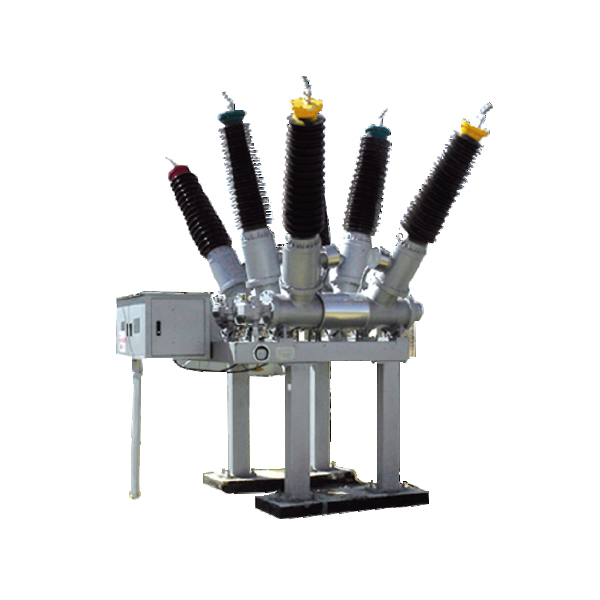
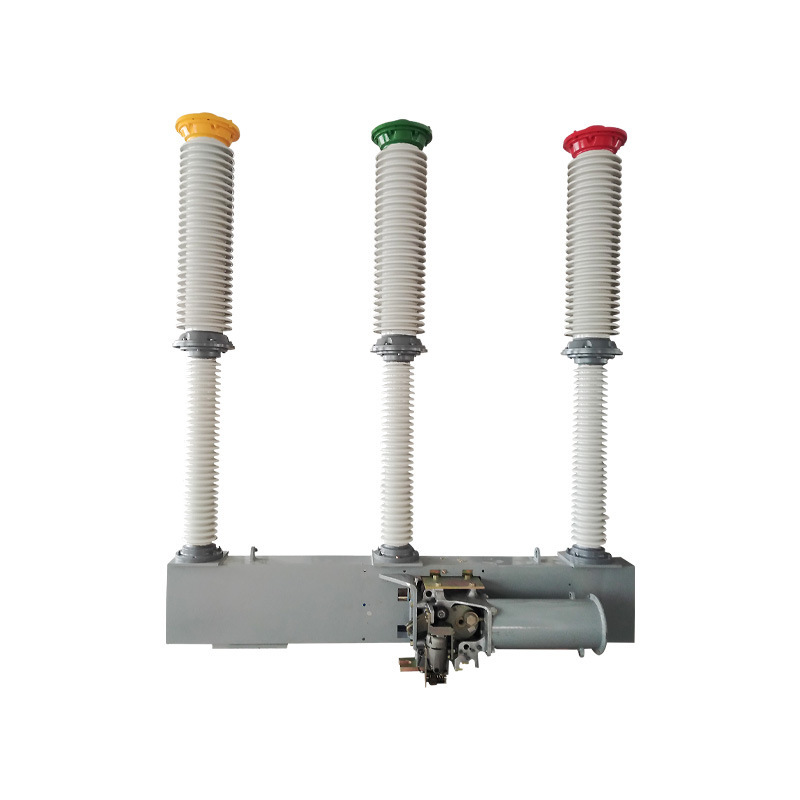
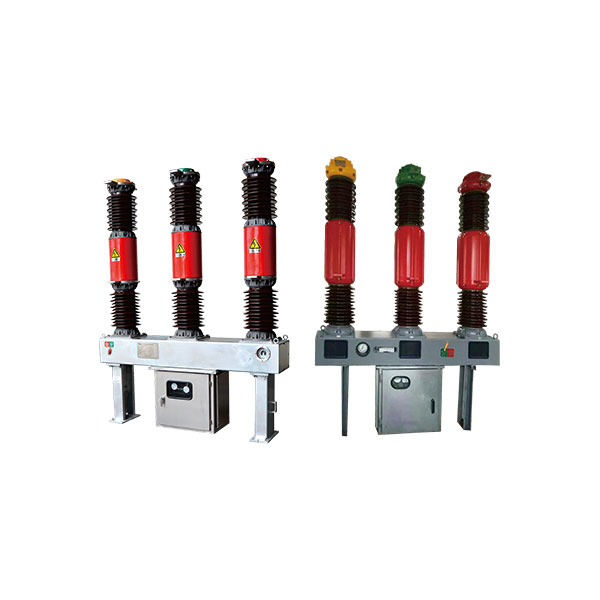
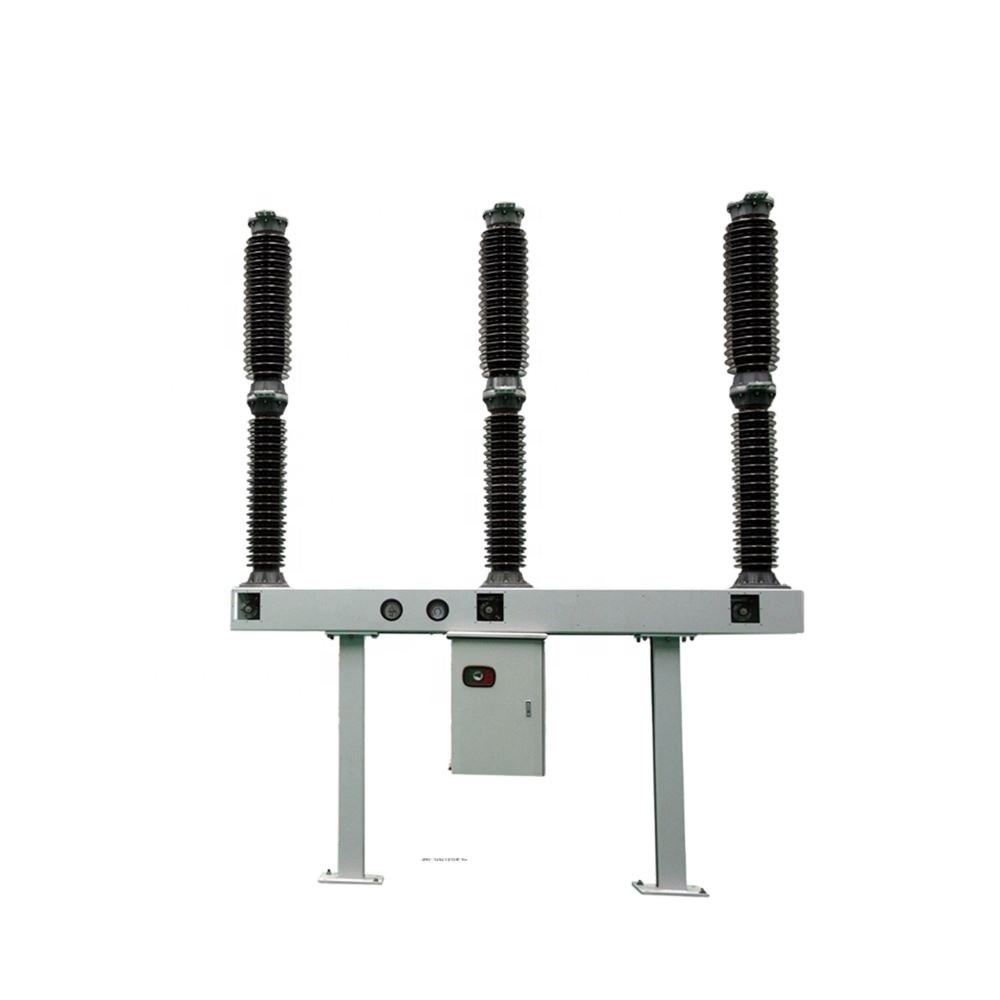
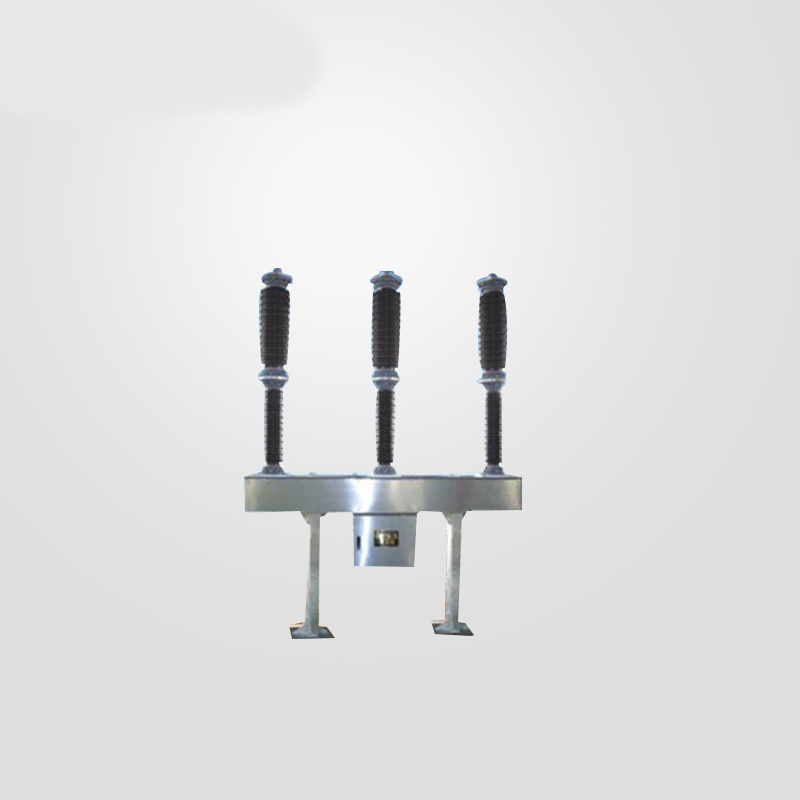
LW8-40.5 outdoor three-phase Sulfur Hexafluoride (SF6) Circuit Breaker
1. Core Structure and Working Principle
1.1 Overall Structure
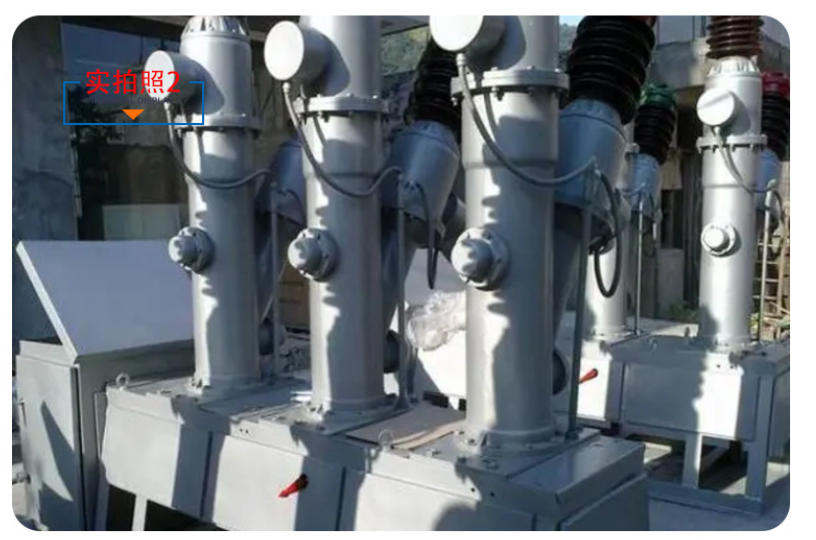
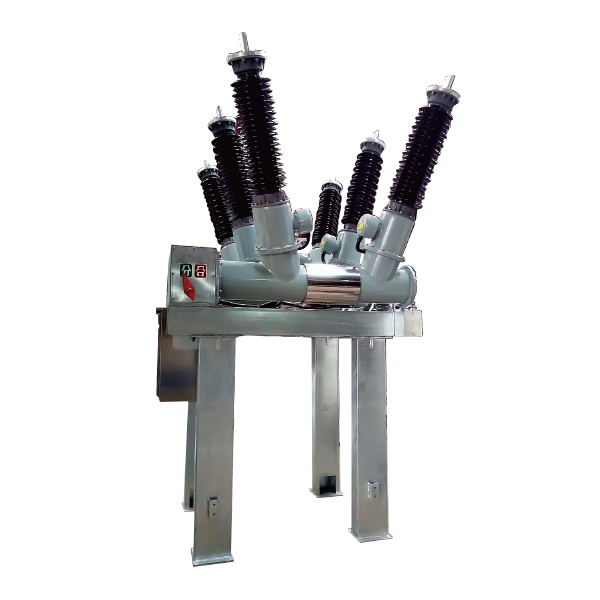
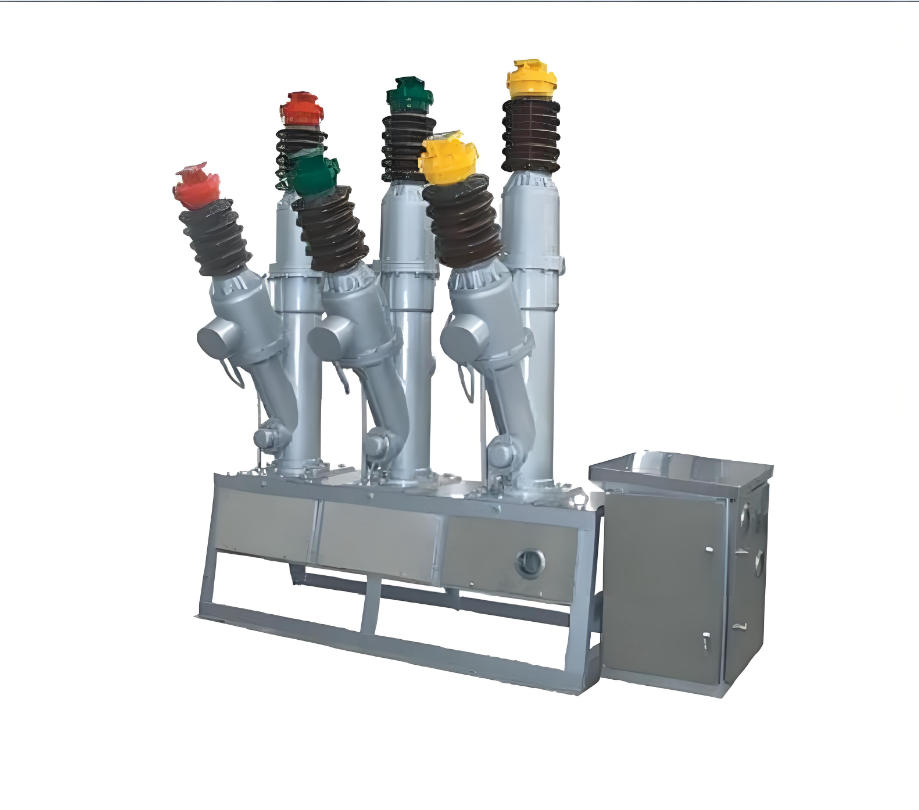
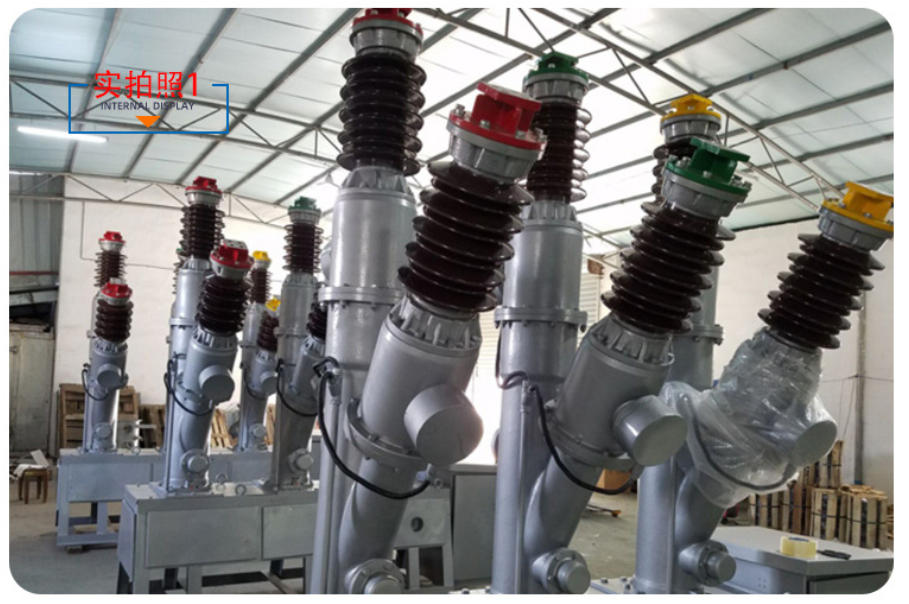
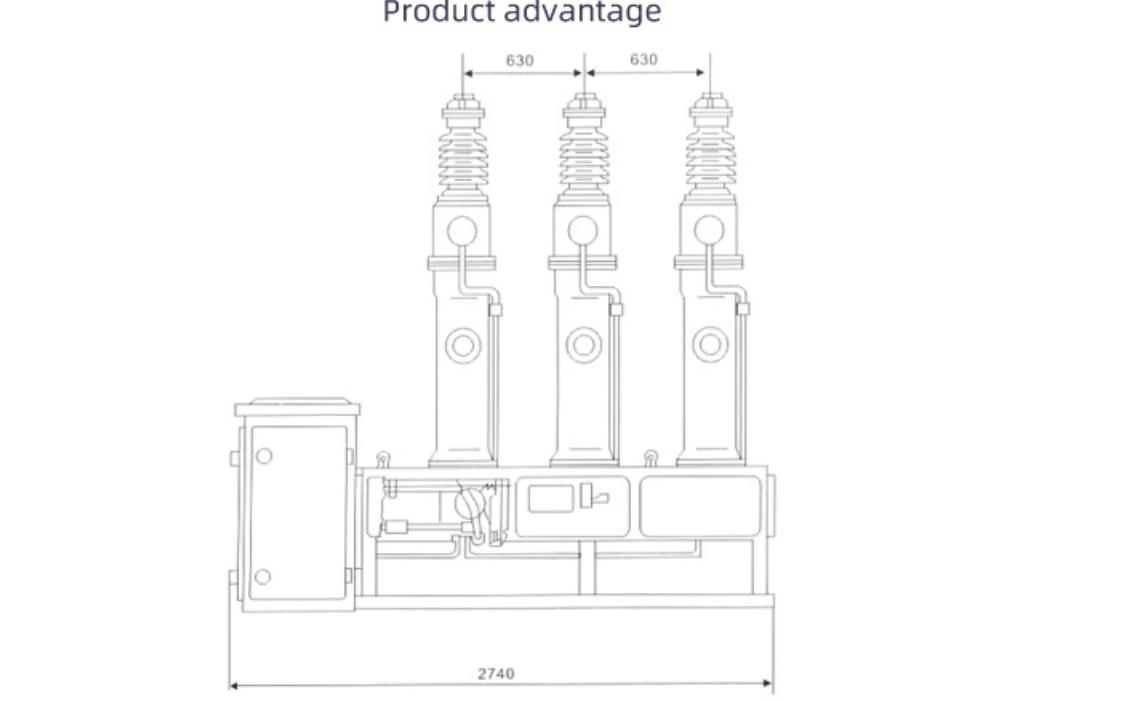
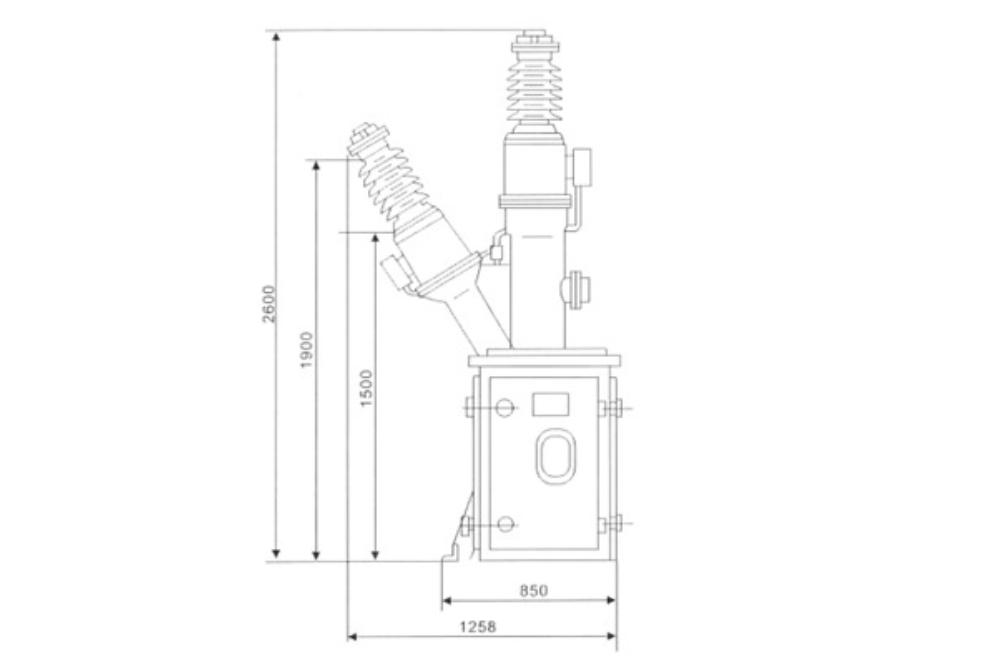
This circuit breaker typically features a three-phase split porcelain column type or floor-mounted tank type structure, with three-phase arc-extinguishing chambers assembled separately and connected by copper pipes to ensure balanced air pressure across the three phases. Core components include post insulators, pressure-blast arc-extinguishing chambers, adsorbers, current transformers, transmission boxes, and underframes. The porcelain sleeves serve both as support and insulation, offering high strength and excellent airtightness; the adsorbers are equipped with F-03 molecular sieves to adsorb moisture in SF₆ gas and low fluorides generated by arc decomposition.
1.2 Operation and Arc Extinguishing
It comes standard with a CT14-type spring operating mechanism, enabling three-phase linked operation with an energy storage time of ≤15s and a mechanical life of over 3,000 operations (some models can even reach 5,000 operations). The arc-extinguishing chamber adopts a single-pressure pressure-blast design: during opening, the movable cylinder and contact seat move relative to each other to compress SF₆ gas, and the high-pressure gas blows the arc through the nozzle, extinguishing it when the current passes through zero—achieving high arc-extinguishing efficiency and short arcing time. Additionally, it is equipped with a new MKZ-type SF₆ pointer density gauge, whose readings are not affected by temperature, facilitating real-time monitoring of gas pressure.
2. Key Technical Parameters
3. Core Performance Advantages
4. Applicable Environment and Scenarios
4.1 Environmental Conditions
Under normal operating conditions, it can withstand an ambient temperature range of -30℃ to +40℃ (special customized models can reach as low as -40℃); the conventional altitude adaptability is ≤2500m (plateau-type models can adapt to 4000m environments); it can withstand wind speeds of ≤35m/s and a maximum seismic intensity of Grade 8, suitable for environments with pollution grades Ⅱ - Ⅳ, adapting to most complex outdoor climates.
4.2 Application Scenarios
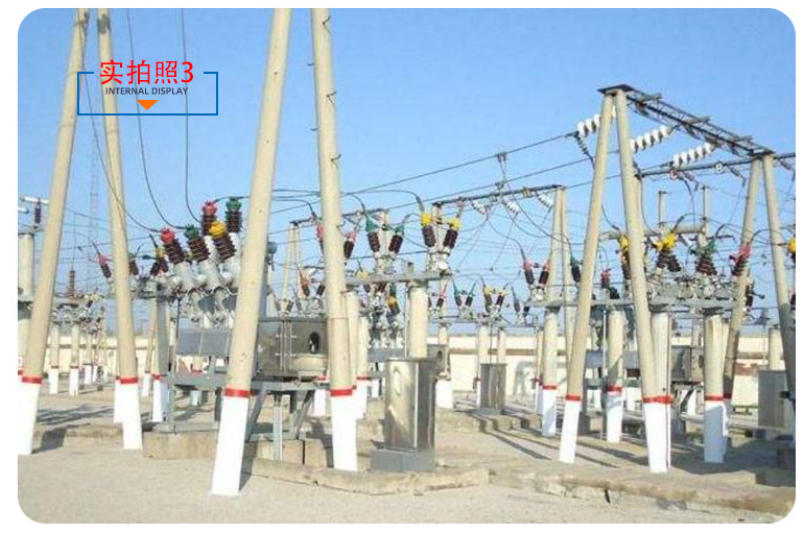
It is mainly used in 40.5kV (corresponding to 35kV systems) power transmission and distribution systems to undertake control and protection tasks for electrical equipment, and can also be used as an interconnection circuit breaker. It is commonly found in urban distribution networks, industrial and mining distribution systems, and is also suitable for special working conditions such as switching capacitor banks.

Contact Us
Tel: +8615957770984
Email: thor@weishoelec.com
Contact Us
Related Products